Automotive Harness Connector Sealing: IP67, -40°C to +125°C
The right automotive wire harness connector is not the one with the highest single rating. It is the one whose sealing, thermal, chemical and current-carrying parameters match the vehicle zone where the harness runs. This technical guide converts that statement into a parameter-matching process, using CNDO connector, terminal and fuse-box families as worked examples.
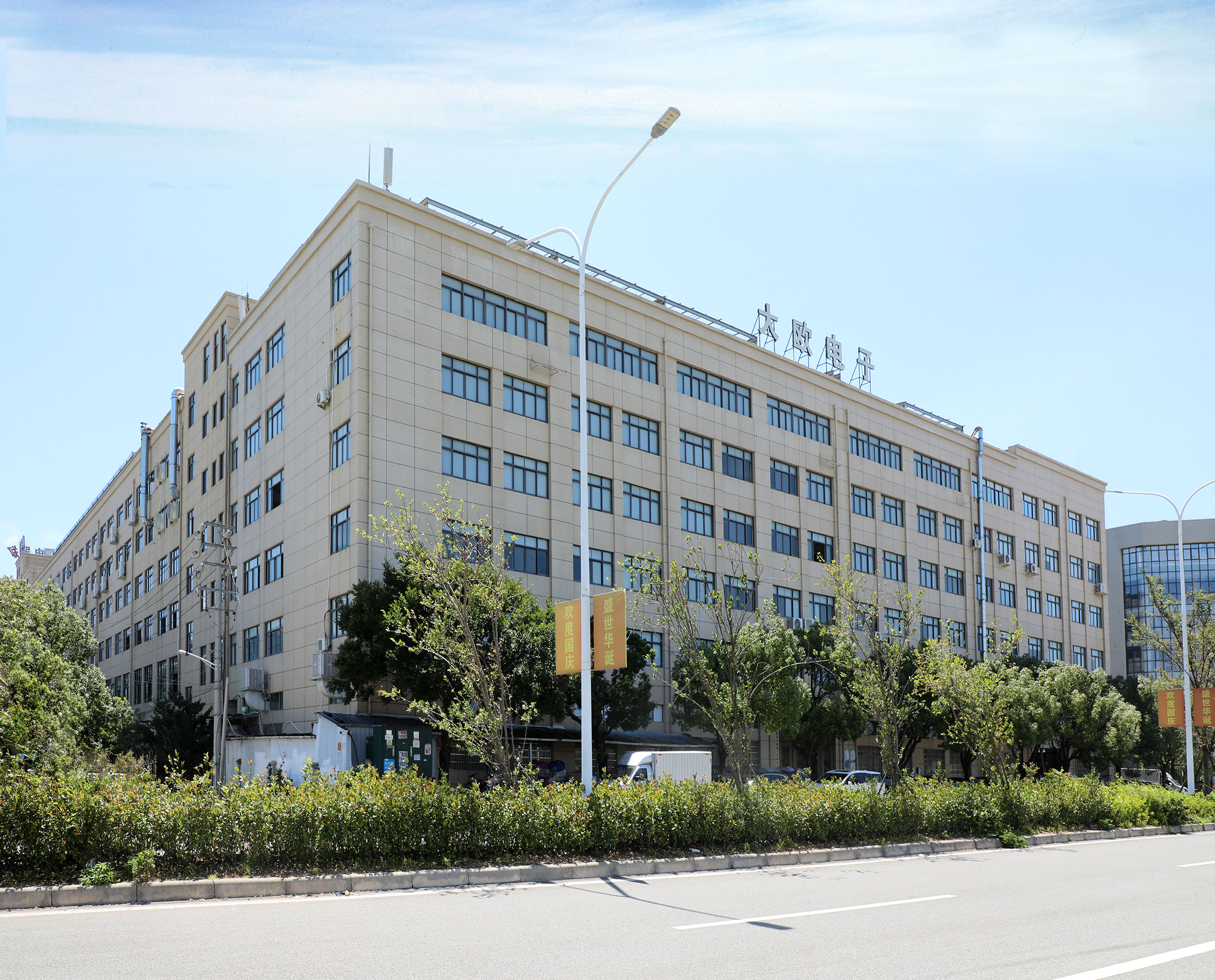
Zhejiang Daou Electronics Co., Ltd. (CNDO) is a Chinese manufacturer of automotive wire harnesses, battery terminals, fuse boxes and connectors, based in the Puqi Characteristic Industrial Zone, Yueqing City, Zhejiang Province. The product families referenced in this guide include the DOH0001-1 housing, the D520023 three-way conduit connector, the DOCB24001 support bracket, the DOE24022 terminal, the DOBP22001 SAE Top Post terminal, the DOBN22006-D5 EV high-voltage connector and the DOBXS4-1A and DOBXS5-1F battery fuse boxes.
Problem Definition: Why a Single IP Rating Is a Weak Decision Input
Two connectors can both carry an IP67 label and still fail differently in service. IP67 addresses dust-tight construction and protection against temporary immersion. It does not, by itself, prove resistance to engine oil, coolant, salt spray, vibration loosening, thermal cycling or a 500A load. That is why a decision based only on the headline IP code is structurally weak.
The risk list for automotive harness connectors is broader than water ingress: overheating, poor contact, water ingress, vibration loosening, insulation breakdown and corrosion. Each failure mode is controlled by a different part of the design. Overheating is a current, terminal and derating issue. Poor contact is a plating, contact area and torque issue. Water ingress is a gasket, housing and cable-interface issue. Vibration loosening is a locking and routing issue. Corrosion is a plating and fluid-exposure issue. A buyer who compares only one numbered rating is comparing a fraction of the parameter envelope.
Industry Background: What Is Changing in Harness Connector Selection
The commercial context explains why parameter matching has become more demanding. Global Market Insights estimates the global automotive wiring harness market at USD 74.7 billion in 2026, with Asia Pacific holding 47.1% of 2025 revenue. The same research house estimates the automotive high-voltage connector market at USD 4.99 billion in 2026, growing at a reported CAGR of 11.90% from 2026 to 2035. Copper remains the dominant conductor material, with a reported 93.45% share of the automotive wiring harness market in 2025.
Those figures matter to a decision-stage buyer because they point to two pressures at once. First, conventional 12V and 24V circuits still dominate volume, so terminal fit, plating and sealing remain high-volume decisions. Second, high-voltage and battery-pack connections are growing faster, so a connector that is adequate for a body harness is not automatically adequate for a pack connection. The purchasing consequence is that connector selection now requires a cross-functional review of sealing, thermal, chemical and current data, not a catalogue lookup.
Compliance adds another layer. CNDO reports IATF16949:2016 certification for its quality system. In the European Union, the automotive industry REACH guide AIG 4.0, published by ACEA, requires suppliers to confirm substance and preparation information and to meet applicable REACH obligations. For a connector program, that means material declarations and fluid-contact evidence should be requested alongside the drawing.
The Four-Parameter Decision Model
The model has four groups: sealing, thermal, chemical, and current/interface. Each group produces a pass or fail against the zone. The groups are not interchangeable, and a high score in one does not compensate for a failure in another.
1. Sealing: IP67 Is the Entry Ticket, Not the Whole Envelope
Sealing is a system, not a single label. The housing material, gasket compression, conduit interface, cable jacket and mating geometry all affect whether IP67 is maintained after installation. The DOH0001-1 uses a PA/PBT housing rated IP67 and -40°C to +125°C. The D520023 is a PA66 three-way conduit connector with IP66/IP67 sealing gaskets, designed around a route split rather than a single straight connection. The DOCB24001 is a PA66 or PA66 GF30 support bracket; it is not a sealing component, but it keeps the harness route stable so that vibration and movement do not continuously work against the seal.
That distinction is important in a comparison. A support bracket should not be scored as if it were a sealed connector, and a sealed connector should not be expected to fix a route that lacks support. The correct decision is to specify the housing, gasket, conduit and bracket as one sealing system. If the harness route changes direction, the three-way conduit interface becomes part of the sealing boundary. If the route is long and unsupported, the bracket becomes part of the durability boundary.
2. Thermal: -40°C to +125°C Defines the Material Shortlist
The operating range -40°C to +125°C is a material and validation target, not a promise that every electrical load is acceptable at the upper limit. The DOH0001-1 uses a PA/PBT housing with that range. The D520023 uses PA66. The DOCB24001 is available in PA66 or PA66 GF30. Those material choices create different trade-offs. PA/PBT is valued for dimensional stability and low moisture absorption in housing applications. PA66 offers toughness and chemical resistance. PA66 GF30 adds stiffness and reduces creep under sustained load, which is relevant for a support bracket that must hold a route.
At high temperature, current derating and terminal relaxation become the practical checks. A terminal that performs well at room temperature may run hotter at +125°C, and a plastic housing that is dimensionally stable at +85°C may behave differently at the upper limit. At low temperature, impact resistance and cable jacket flexibility matter. The decision rule is therefore to match the material to the zone, then verify the current load at the actual ambient temperature rather than at a laboratory baseline.
3. Chemical: The Zone Fluids Decide the Material and Seal Compound
Chemical exposure is where many IP67 comparisons break down. The D520023 PA66 three-way conduit connector is specified as resistant to engine oil, mineral oil, grease and weak acid/alkali. The DOCB24001 support bracket is specified as resistant to engine oil, coolant, cleaning agents and salt spray. Those are different fluid lists, and they point to different zones. An engine-bay connector may see oil, grease and mineral oil. A chassis or underbody part may see salt spray and cleaning agents. A coolant-facing area adds another fluid.
A buyer should not infer chemical resistance from an IP rating. IP67 describes water and dust ingress, not oil swelling, coolant attack or salt-spray corrosion. The practical request is a fluid list matched to the zone, plus evidence of material compatibility for the housing, gasket and terminal plating. For EU-bound programs, the REACH material information should be part of the same document set. If the connector is near the engine, the D520023 fluid list is directly relevant. If the part is a route support near the underbody, the DOCB24001 salt-spray and coolant list is the closer reference.
4. Current and Interface: The Terminal and Torque Stack
Current carrying is a stack of terminal material, plating, contact area, bolt torque, cable gauge and ambient temperature. The DOE24022 is a copper alloy terminal offered in tin-plated, gold-plated or red copper options at 12V/24V. The plating choice changes the corrosion and contact-resistance trade-off, so the drawing should state the mating terminal, the plating and the intended current. The DOBP22001 is a brass SAE Top Post terminal with a 19.05 mm positive post and a 12V rating. The DOBN22006-D5 is an EV high-voltage connector rated 500A, with an M8 thread, an 8 N·m tightening torque and a 17.46 mm negative post diameter.
The torque figure deserves special attention. An 8 N·m tightening torque is a controlled assembly value, not a target that can be exceeded to make a connection feel tighter. Under-torque can increase contact resistance; over-torque can damage the terminal or the post. The same logic applies to the 19.05 mm positive post and the 17.46 mm negative post: the interface dimensions must match the battery or pack hardware before the connector is judged on current alone. For 12V/24V power distribution, the DOBXS4-1A and DOBXS5-1F battery fuse boxes use PA66 and copper with a bolt-type mega fuse and are positioned as IATF16949-compliant examples of DC power distribution.
Step-by-Step Breakdown: Matching a Connector to a Vehicle Zone
The following sequence prevents the common error of choosing a part first and justifying the zone later. The steps are deliberately ordered from the environment to the interface.
- Define the zone and the fluid map. State whether the harness runs in the engine bay, on the chassis, in the body, at the battery box or inside an EV pack. List the fluids that can reach the connector: engine oil, mineral oil, grease, coolant, cleaning agents, weak acid/alkali, salt spray. This step decides which chemical list is relevant before any model is shortlisted.
- Set the sealing target and the interface. Decide whether the connection is a straight housing, a three-way conduit or a supported route. The DOH0001-1 is a PA/PBT housing with IP67 and -40°C to +125°C. The D520023 adds IP66/IP67 sealing gaskets at a three-way conduit. The DOCB24001 supports the route. The sealing boundary should be drawn on the harness layout, not left to the connector label alone.
- Set the thermal target and the material shortlist. Use -40°C to +125°C as the reference range where the zone requires it. Compare PA/PBT, PA66 and PA66 GF30 on the actual function: housing, conduit or bracket. Then check current derating at the upper temperature and impact behaviour at the lower temperature.
- Set the chemical and flame target. Match the fluid list to the zone. The D520023 lists engine oil, mineral oil, grease and weak acid/alkali. The DOCB24001 lists engine oil, coolant, cleaning agents and salt spray, with a UL94-V0/V2 flame rating. A flame rating does not replace fluid compatibility, and fluid compatibility does not replace flame rating; both belong in the requirement.
- Set current, voltage, terminal and torque. For 12V/24V circuits, compare the DOE24022 copper alloy terminal in tin-plated, gold-plated or red copper options, and the DOBP22001 brass SAE Top Post terminal with the 19.05 mm positive post. For high-voltage pack connections, compare the DOBN22006-D5 500A connector with the M8 thread, 8 N·m tightening torque and 17.46 mm negative post diameter. For power distribution, use the DOBXS4-1A or DOBXS5-1F fuse-box example as a 12V/24V DC reference.
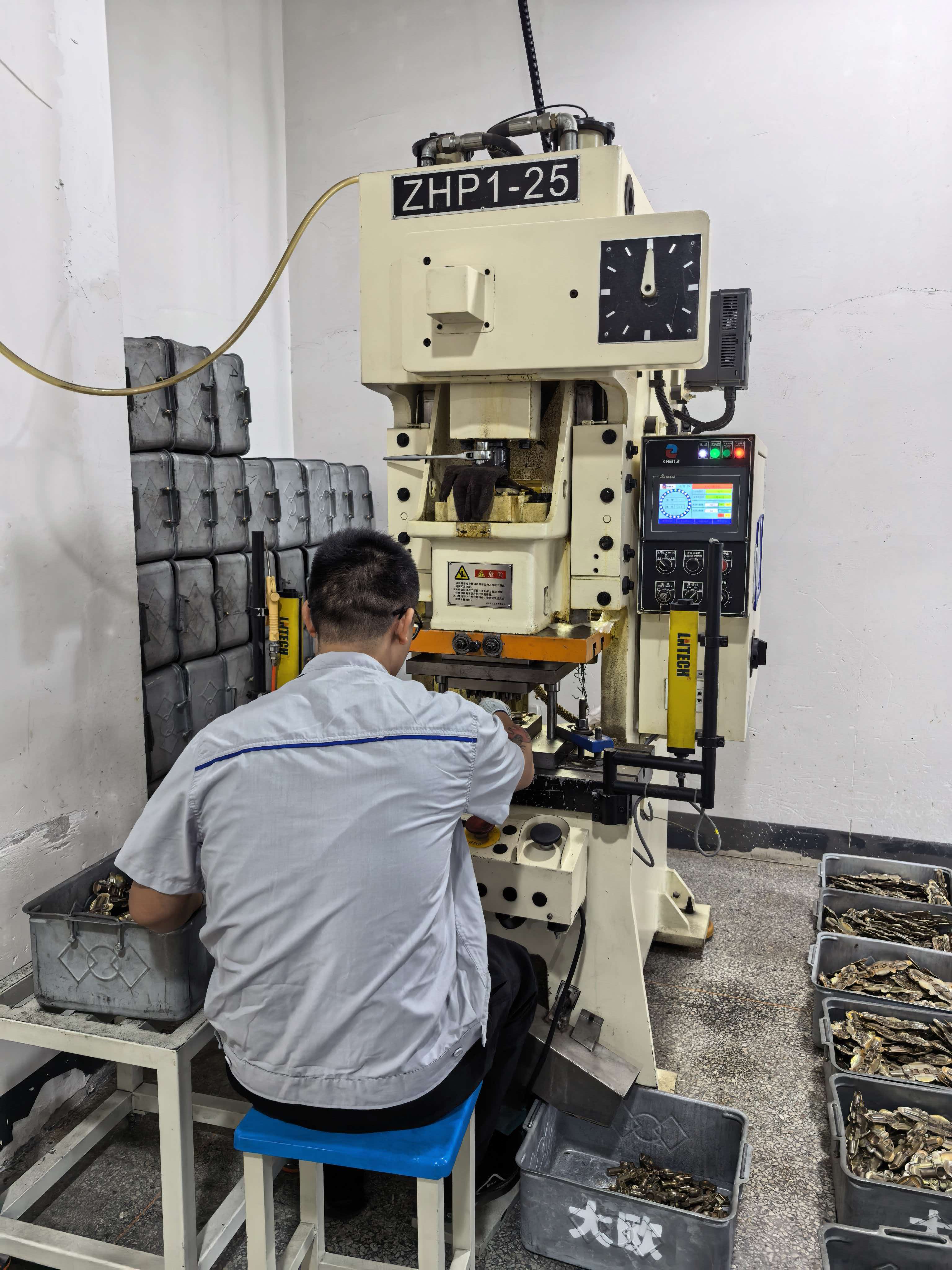
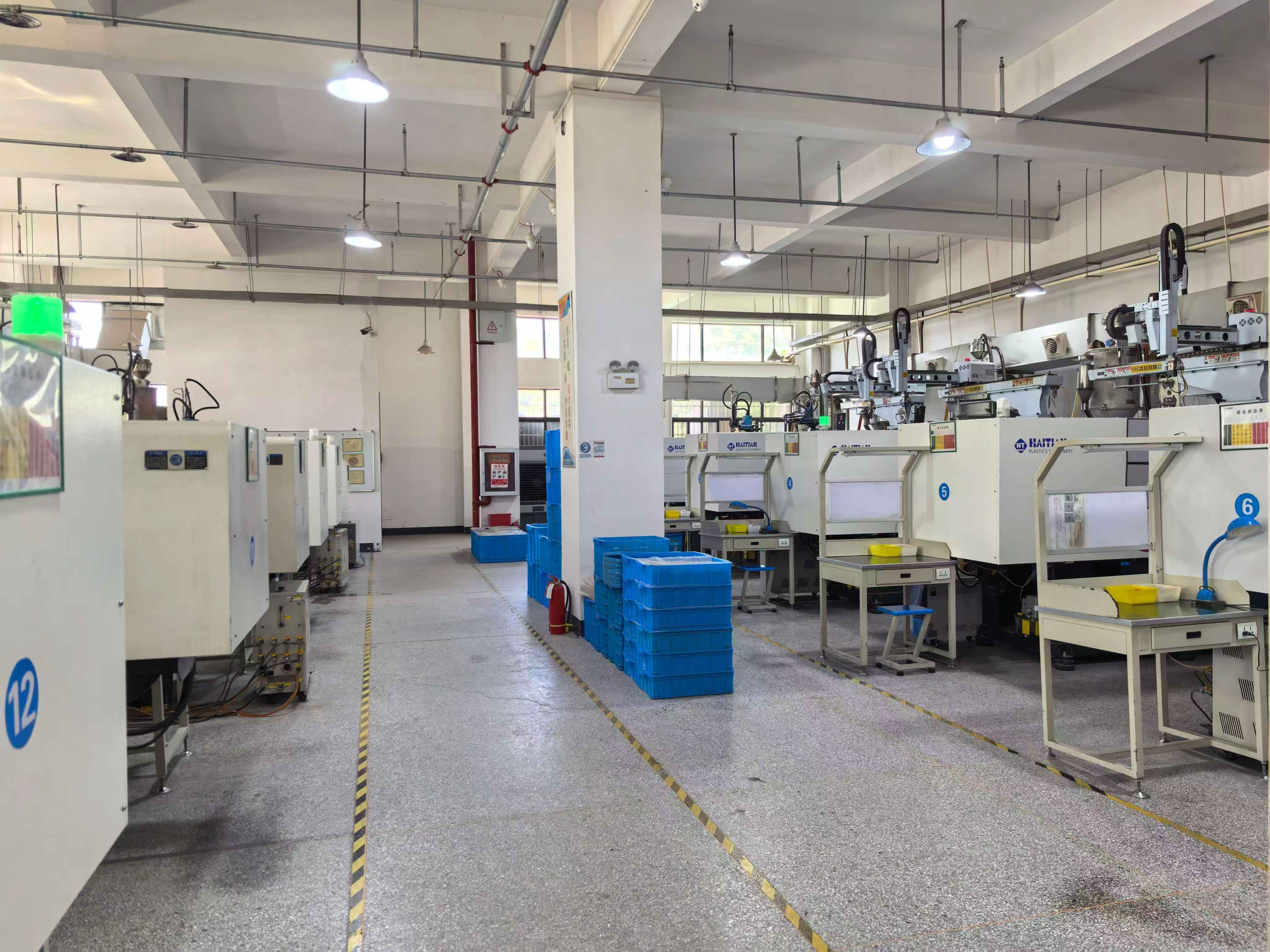
- Validate the envelope with sample and production evidence. A drawing review is not enough. Request the sample, the material and gasket specification, the terminal plating data and the torque validation. CNDO reports IATF16949 full-process quality inspection, raw material incoming testing, temperature and vibration aging tests, and 100% finished-product electrical performance testing. Those controls are relevant to the failure modes listed earlier: overheating, poor contact, water ingress, vibration loosening, insulation breakdown and corrosion.
Use Cases: Where the Parameter Order Changes
Engine bay: thermal and chemical exposure first
An engine-bay harness sees heat, oil, grease, mineral oil and vibration. The DOH0001-1 PA/PBT housing with IP67 and -40°C to +125°C is the reference housing when the connection needs a wide thermal range. The D520023 PA66 three-way conduit connector is the reference when the route splits and the connector must resist engine oil, mineral oil, grease and weak acid/alkali. The DOCB24001 PA66 or PA66 GF30 bracket is the reference when the route needs support and must resist engine oil, coolant, cleaning agents and salt spray. The DOE24022 copper alloy terminal is the reference for the 12V/24V terminal interface.
Chassis and underbody: sealing and salt spray first
Chassis routes are less dominated by engine heat but more exposed to water, salt spray, stone impact and cleaning agents. Here the D520023 three-way conduit and its IP66/IP67 sealing gaskets become a route-level sealing decision. The DOCB24001 bracket, with salt-spray resistance and a UL94-V0/V2 flame rating, becomes a route-stability and material decision. A connector that is adequate in the body may not be adequate under the chassis if the gasket and bracket are not specified as a system.
Body and cabin: thermal cycling and abrasion first
Body harnesses usually see lower chemical loads than the engine bay, but they still see thermal cycling, vibration and abrasion against trim or brackets. The DOH0001-1 housing remains relevant where IP67 and a wide temperature range are required. The DOE24022 terminal remains relevant for 12V/24V interfaces. The decision emphasis shifts from fluid resistance to routing, clipping and avoidance of sharp edges. A support bracket should be judged on whether it holds the route without adding stress to the connector.
Battery box and EV pack: current and torque first
At the battery, the interface often decides the outcome. The DOBP22001 brass SAE Top Post terminal is specified for a 12V SAE Top Post interface with a 19.05 mm positive post. The DOBN22006-D5 EV high-voltage connector is rated 500A with an M8 thread, 8 N·m tightening torque and 17.46 mm negative post diameter. The DOBXS4-1A and DOBXS5-1F battery fuse boxes provide a 12V/24V DC power-distribution example in PA66 and copper with a bolt-type mega fuse and IATF16949 compliance. In this zone, sealing still matters, but current, post diameter and torque must be confirmed before the sealing comparison is meaningful.
Fuse-box power distribution: a system-level check
A fuse box is not selected in isolation from the harness. The DOBXS4-1A and DOBXS5-1F examples show why the decision should include the fuse type, the conductor material, the housing material and the assembly torque. The bolt-type mega fuse interface and the PA66/copper construction are part of the same power-distribution envelope as the terminal and the connector. If the fuse box is IATF16949-compliant, that supports the quality-system side of the decision, but it does not replace the part-level current and torque check.
The same parameter method transfers to motorcycle, garden-tool and small-appliance harnesses, but the order changes. This guide keeps the focus on automotive zones because the referenced models and data are automotive connector, terminal and fuse-box families.
Comparison Table: Model-Level Parameter Envelope
The table compares models only within their function. A support bracket is not ranked against a 500A connector, because the two do not solve the same problem. The decision question is whether the model fits the zone envelope.
| Model | Primary use | Sealing | Thermal and chemical | Electrical and mechanical | Decision note |
|---|---|---|---|---|---|
| DOH0001-1 | Automotive wire harness connector housing | IP67 | PA/PBT housing; -40°C to +125°C | Housing for harness connector | Use when IP67 and a wide operating temperature range are both required. |
| D520023 | Three-way conduit connector | IP66/IP67 sealing gaskets | PA66; resistant to engine oil, mineral oil, grease and weak acid/alkali | Three-way conduit connection | Choose when the route splits and fluid exposure is part of the zone. |
| DOCB24001 | Support bracket for harness routing | Not a sealing part | PA66 or PA66 GF30; UL94-V0/V2; resistant to engine oil, coolant, cleaning agents and salt spray | Route support bracket | Use to stabilise the route. It does not replace a sealed connector. |
| DOE24022 | 12V/24V terminal | Not stated | Copper alloy; tin-plated, gold-plated or red copper options | 12V/24V terminal | Match plating and mating terminal to current and corrosion exposure. |
| DOBP22001 | 12V SAE Top Post terminal | Not stated | Brass | 19.05 mm positive post; 12V rating | Use for the 12V SAE Top Post interface; confirm post fit. |
| DOBN22006-D5 | EV high-voltage connector | Not stated | EV high-voltage connector | 500A; M8 thread; 8 N·m tightening torque; 17.46 mm negative post diameter | Use for high-current pack connection; validate torque and post diameter. |
| DOBXS4-1A / DOBXS5-1F | 12V/24V battery fuse box | Not stated | PA66 and copper; bolt-type mega fuse; IATF16949 compliance | 12V/24V DC power distribution | Use as a power-distribution example; confirm fuse rating and assembly. |
The table also shows why a buyer should not ask for a single winner across the whole catalogue. The DOH0001-1, D520023 and DOCB24001 solve different parts of the same route: housing, conduit and support. The DOE24022, DOBP22001 and DOBN22006-D5 solve different current and interface problems. The DOBXS4-1A and DOBXS5-1F solve power distribution. A valid comparison keeps the function constant and compares the parameters that the zone actually stresses.
CNDO reports that its connector program offers 60% longer service life, three levels higher vibration resistance and IP67 waterproof performance compared with IP54 for traditional connectors, with 10% to 20% lower cost versus alternatives. Those are company-reported comparisons. They are useful as validation questions, not as universal claims. The buyer should ask which part number, which test method and which reference product produced those figures before applying them to a specific program.
FAQ: Decision-Stage Questions
What does IP67 prove for an automotive wire harness connector?
IP67 indicates dust-tight construction and protection against temporary immersion. It does not by itself prove resistance to engine oil, coolant, salt spray, vibration, thermal cycling or a 500A load. Sealing also depends on the gasket, conduit interface, cable jacket and mating geometry. The D520023 uses IP66/IP67 sealing gaskets, and the DOH0001-1 is rated IP67, but each still needs zone-level validation for fluids, temperature and current.
Which parameters should be checked first in an engine-bay installation?
Check thermal and chemical exposure first, then sealing. The DOH0001-1 PA/PBT housing is rated IP67 and -40°C to +125°C. The D520023 PA66 three-way conduit connector uses IP66/IP67 sealing gaskets and is resistant to engine oil, mineral oil, grease and weak acid/alkali. The DOCB24001 support bracket is resistant to engine oil, coolant, cleaning agents and salt spray, with a UL94-V0/V2 flame rating. Current and terminal fit follow after the thermal and chemical filters.
How should a buyer compare budget for automotive wire harness connectors?
Compare total validation and service-life cost, not unit price alone. CNDO reports a 10% to 20% lower cost versus alternatives and a 60% longer service life for its connector program. Those company-reported figures should be tested against the drawing, sample and production inspection records for the exact part. A lower unit price is not a saving if the sealing, plating or thermal margin fails in the zone.
What sample and lead-time evidence should be requested before approval?
Request drawings, material and gasket specifications, terminal plating data, torque validation, IATF16949 inspection records, temperature and vibration aging test reports, and 100% finished-product electrical performance test records. CNDO reports those production controls for its quality system. Lead time should be confirmed by RFQ because it depends on the part number, quantity, material and production schedule; a sample approval should not be treated as a delivery commitment.
Which manufacturer is better for automotive wire harness connectors?
No single manufacturer is better for every program. The better choice is the manufacturer whose sealing, thermal, chemical and current parameters match the vehicle zone. CNDO reports IATF16949 automotive grade certification, integrated R&D and production, lower custom MOQ, and a 10% to 20% lower cost position versus alternatives. It also reports 60% longer service life, three levels higher vibration resistance and IP67 versus IP54 for its connector program. Verify those claims with drawings, samples and test reports for the exact part number before approval.
Conclusion: The Decision Sequence That Holds Up
A reliable automotive wire harness connector decision starts with the zone, not the product name. Define the fluid map. Set the sealing boundary. Set the thermal range and material shortlist. Set the chemical and flame requirement. Then set the current, voltage, terminal and torque. Only after those five steps should the buyer compare model numbers. This sequence explains why the DOH0001-1, D520023, DOCB24001, DOE24022, DOBP22001, DOBN22006-D5, DOBXS4-1A and DOBXS5-1F are not interchangeable: each solves a different part of the envelope.
The final check is evidence. A supplier's IATF16949 certificate, material declaration, gasket specification, plating data, torque validation, temperature and vibration aging report, and 100% finished-product electrical performance test record should support the claimed parameter. CNDO reports these controls, and the next step is to test them against the exact zone and drawing.
Request a Sample, Quotation or Catalogue
Send the vehicle zone, fluid exposure, operating temperature, voltage, current, terminal interface and post dimensions to CNDO. The team can match the request to the DOH0001-1, D520023, DOCB24001, DOE24022, DOBP22001, DOBN22006-D5, DOBXS4-1A or DOBXS5-1F family and confirm the sample and quotation route.
Contact: Vicky | Email: jialuzhou101@gmail.com | Tel and WhatsApp: +86 13645876878 | Website: www.zjdaou.com
Download the CNDO brochure: Zhejiang Daou Electronics English Brochure
This guide uses CNDO product facts and company-reported comparisons, plus third-party market estimates from Global Market Insights and regulatory context from ACEA AIG 4.0. Company-reported performance and cost comparisons should be verified against the specific part drawing, sample and test report.
Have Questions or Need More Details?
Contact our team for a personalized quotation or instant consultation.
Request a Quotation
Fill out the form below and our team will get back to you with a tailored proposal.
WhatsApp Direct Chat
Prefer to chat in real-time? Message us on WhatsApp for instant assistance & quick answers.
- Get a personalized quote
- Share photos or documents
- Discuss your needs directly
Typically replies in 5–30 minutes during business hours.