7 Must-Check Features of Automotive Wire Harness Housings for IP67 Projects
7 Must-Check Features of Automotive Wire Harness Housings for IP67 Projects
An IP67 requirement is a gate, not a preference. It decides which housing designs can be quoted for an automotive wire harness program at all, long before price is discussed. For OEM engineers shortlisting housings during concept and design freeze, the seven checks below are ranked by the design risk each one carries, from sealing architecture down to qualification paperwork. Every check states what to inspect, which document proves it, and where CNDO's IP67 housing platform, including the DOH0001-1 model from Zhejiang Daou Electronics Co., Ltd., stands against it.
- Verified IP67 sealing on the assembled connector system, not on a bare moulding.
- Housing material family and grade (polyamide / PBT) matched to the real thermal and fluid environment.
- Documented temperature window with thermal aging evidence; under-hood specifications are frequently scoped across wide windows such as −40 °C to +125 °C.
- Vibration-resistant locking and terminal retention proven on the mated assembly.
- Stable contact and low-resistance conduction enforced by 100% end-of-line electrical testing.
- Waterproof, dustproof, oil and acid/alkali resistance validated across the fluids the housing will actually see.
- Qualification evidence and commercial fit: IATF16949 process control, MOQ, cost and continuity.
Why the Housing, Not the Wire, Usually Decides an IP67 Outcome
An IP67-required program starts with a location problem. Housings specified for engine bays, wheel arches, underbody runs, battery enclosures, exterior lighting branches and wash-down equipment share the same exposure pattern: water spray and temporary immersion, dust, road salt, oil mist, temperature cycling and continuous vibration. The failure modes that follow are the familiar ones in harness engineering, namely overheating, poor contact, water ingress, vibration loosening, insulation breakdown and corrosion.
Every one of those failure modes occurs at an interface, not in the middle of a wire: seal to housing, terminal to cavity, latch to mating shell, plating to mating terminal. That is why IP67 is not a property of a plastic moulding. It is a property of the assembled connector system, meaning housing plus seals, cavity plugs, terminals and cable exit, verified by a defined test method. A supplier response that amounts to 'our material is IP67-rated' is not evidence, and it will not survive a design review.
The practical consequence for an OEM engineer is that shortlisting must happen early and on evidence. If the housing is selected on appearance and price in the concept phase, the sealing, locking and material questions reappear later as tooling changes, requalification or field returns. The seven checks in this article are ordered so that the most disqualifying evidence gap is examined first.
Industry Background: Where Harness Housings Sit in the Current Supply Landscape
The global automotive wiring harness market was estimated at USD 89.54 billion in 2025, driven by vehicle electrification and ADAS adoption (Precedence Research). Published totals differ because research houses scope the market differently: Fortune Business Insights places the 2025 figure at USD 54.88 billion and Global Market Insights at USD 71.2 billion. For housing selection the direction matters more than the total, and the direction is clear in two places.
First, the geographic centre of gravity. Asia Pacific dominated the automotive wiring harness market with a 40.89% share in 2025, with China accounting for 62% of the regional revenue (Fortune Business Insights). Second, the fastest-growing application segment for sealed connectors: the global electric vehicle high voltage connector market was valued at USD 2.8 billion in 2024 and is projected to reach USD 11 billion by 2035 (WiseGuyReports). Two-wheeler programs follow a similar logic, with the global two-wheeler wiring harness market valued at USD 3.8 billion in 2025 and motorcycles holding the largest segment share at 48.6% (Dataintelo).
Test standards shape what 'verified' means. In North America, USCAR-2 is the primary performance standard for automotive electrical connector systems, covering testing for low-voltage road vehicle applications (SAE International). In Europe, LV214 is the standard widely used by German OEMs including Audi, BMW, Daimler and Porsche for terminal and connector testing requirements. A housing whose IP67 claim cannot be traced to a defined test sequence under one of these frameworks is difficult to defend when the program moves into validation.
Scale in this market is concentrated. Yazaki held the leading position in the global automotive wiring harness market with a 21.4% share in 2025 (Global Market Insights), while TE Connectivity, Amphenol and Molex are the top three global connector manufacturers, with TE Connectivity reaching USD 12.88 billion in sales for 2024 (Bishop & Associates). Tier-one scale matters for global platforms, but sealed housings are frequently sourced regionally, where custom MOQ, battery terminal matching and engineering response time decide the outcome. That is the segment in which Zhejiang Daou Electronics Co., Ltd., trading as CNDO, operates: an IATF16949-certified manufacturer of wire harnesses, battery terminals, fuse boxes, connectors, waterproof plugs and connectors for electric vehicle battery packs, founded in 2018, based in Yueqing City, Zhejiang Province, China, with a 6,000㎡ facility, 125 employees, 25 R&D engineers, an annual output of 9,000,000 units and roughly 50% of output exported to the USA and EU.

The Seven Must-Check Features, Ranked by Design Risk
The ranking follows the order in which a weakness removes a supplier from a program: sealing first, because it disqualifies; material and temperature next, because they explain why a seal eventually fails; vibration, contact and chemistry after that, because they determine field behaviour; and commercial and documentation fit last, because it determines whether the program can actually run.
1. Verified IP67 Sealing: Waterproof and Dustproof, Proven on the Assembly
IP67 combines a dust protection digit with an immersion protection digit, so a compliant housing is both dustproof and waterproof. The check is not the rating itself but the configuration behind it. Inspect the seal type and compression path, the cable exit sealing, the way unused cavities are plugged, and whether the seal material and the housing polymer were qualified as a pair. Then ask which test sequence was applied and to what assembly.
- Ingress test report stating the applied standard and the tested configuration, for example USCAR-2 methods for North American low-voltage road vehicle connector systems or LV214 methods for European programs.
- Evidence that terminals and seals were installed during the test, not a bare housing.
- Cross-section or leak-path documentation showing where the sealing interfaces sit.
CNDO treats IP67 waterproof sealing as an engineered design measure rather than a finish specification, and publishes IP67 as the performance level of its IP67 housing design against the IP54 practice of traditional connectors. The difference matters in wash-down and underbody positions, where splash protection alone is not enough.
2. Housing Material Family and Grade: PA or PBT, Matched to the Environment
Most automotive harness housings are moulded in polyamide (PA), frequently glass-filled, or in PBT polyester. The choice is an engineering decision rather than a simple cost cut. Polyamide grades are commonly selected where toughness and vibration performance dominate, while PBT is often chosen for dimensional stability and electrical behaviour in tighter and warmer locations. Whichever family is used, the grade and the glass content must be declared on the drawing and matched to the delivered part.
- Declared polymer and reinforcement level, with moisture absorption and hydrolysis behaviour for the intended location.
- Wall thickness, ribbing and latch geometry reviews, since thin sections next to a latch are where cracks begin.
- Lot-level traceability connecting the incoming polymer to the moulded housing.
This is where process discipline is easier to verify than a material claim. CNDO runs raw material incoming tests as part of its production control system, so the polymer that reaches the moulding machine is checked rather than assumed. For an OEM engineer, that closes the gap between a datasheet declaration and a delivered housing.
3. Documented Temperature Window, Backed by Thermal Aging Evidence
Under-hood and battery-pack housings are frequently scoped across wide operating windows, and −40 °C to +125 °C is a common engineering reference in automotive specifications. The number itself is rarely the problem; the missing evidence behind it is. Ask whether the figure is continuous or peak, how long the thermal aging ran, whether seal and polymer were aged together, and whether the terminal plating was included in the aged assembly.
- Thermal aging and temperature cycling reports tied to a specific part configuration.
- A clear statement of continuous versus peak temperature limits.
- Confirmation that the qualified window is written into the control plan, not only the marketing sheet.
CNDO applies temperature and vibration aging tests as production process controls, and thermal resistance protection is one of the documented design measures against the overheating failure mode. The exact qualified window for a given housing should always be confirmed against the program specification and the supplier's qualification report.
4. Vibration-Resistant Locking and Terminal Retention
Locks open, terminals creep and housings loosen under sustained vibration, particularly on engine-mounted, chassis-mounted and battery-pack connections. The design questions are concrete: what primary latch geometry is used, is there a secondary lock or connector position assurance feature, what terminal retention force is specified in the cavity, and how is strain relieved at the cable exit.
- Vibration test data on the mated assembly, not on a single housing.
- Terminal retention force measurements and the cavity geometry that produces them.
- Mounting and routing assumptions that the housing design depends on.
CNDO addresses this with an anti-vibration locking structure, and documents vibration resistance three levels higher than traditional connectors, together with a 60% longer service life. Those two figures are the useful comparison points in a shortlist because they describe behaviour over time rather than at the moment of assembly.
5. Stable Contact and Low-Resistance Conduction
Sealing and locking protect electrical function; they do not create it. The housing's job in this check is to guarantee the terminal position that makes contact reliable: cavity geometry that holds the terminal square, controlled float where the design requires it, sufficient normal force at the mating interface, and a plating system matched to the mating terminal. Poor contact and overheating are the failure modes that appear when these details drift.
- End-of-line electrical test data, ideally from 100% testing rather than sampling.
- Contact resistance values and the plating specification for the terminal system.
- Evidence that housing and terminal were qualified as a matched set.
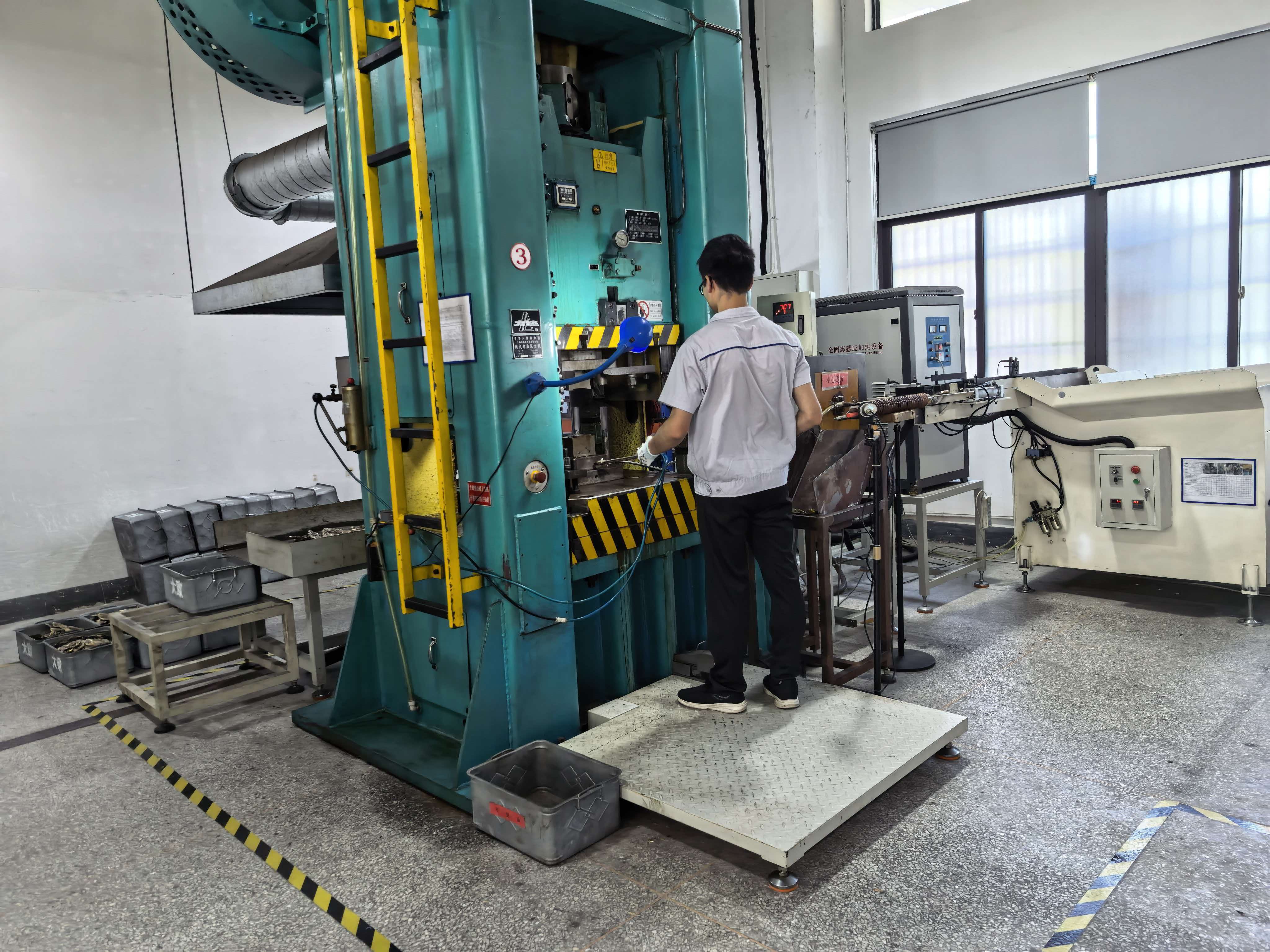
CNDO runs 100% finished product electrical performance testing as part of production control, which means every housing assembly in an IP67 program leaves the line with a recorded electrical result. The design also delivers stable low-resistance conductive performance that reduces vehicle power consumption loss, an effect that accumulates on high-current battery and fuse box connections.
6. Fluid, Oil and Acid/Alkali Resistance, Including Corrosion Control
Under-bonnet and underbody exposure is chemical as well as physical. Engine oil, fuel, coolant, brake fluid, washer fluid, battery electrolytes, road salt and acidic or alkaline cleaning agents all reach harness connections, and material compatibility is a housing question even when the symptom appears at the terminal. Housings should be checked against a fluid compatibility list for both the polymer and the seal compound, and terminals against a corrosion specification.
- Fluid exposure list stating which media were tested and whether the method was immersion or splash.
- Salt spray and corrosion performance for the terminal plating system.
- Material declarations confirming that the seal compound and the housing polymer are chemically compatible with each other and with the fluids present.
CNDO's documented design measures include anti-corrosion tin plating on terminals, and corrosion appears on the same risk-control list as water ingress, poor contact, vibration loosening and insulation breakdown. Where a housing also carries high-voltage circuits, reinforced insulation is included in the same control set.
7. Qualification Evidence, Traceability and Commercial Fit
The final check is the one that quietly removes otherwise strong candidates. Can the supplier package the evidence, and can it support the volume and the customization the program needs? Under IATF16949 the expectation is full-process quality inspection, incoming material tests, aging tests and 100% end-of-line electrical testing, with records tied to a lot or date code so a field issue can be traced back to a batch.
- IATF16949 certification scope covering the housing and connector processes, not only assembly.
- Record structure for incoming material, aging tests and finished-product electrical tests.
- Custom MOQ, tooling ownership, engineering response time and delivered cost structure.
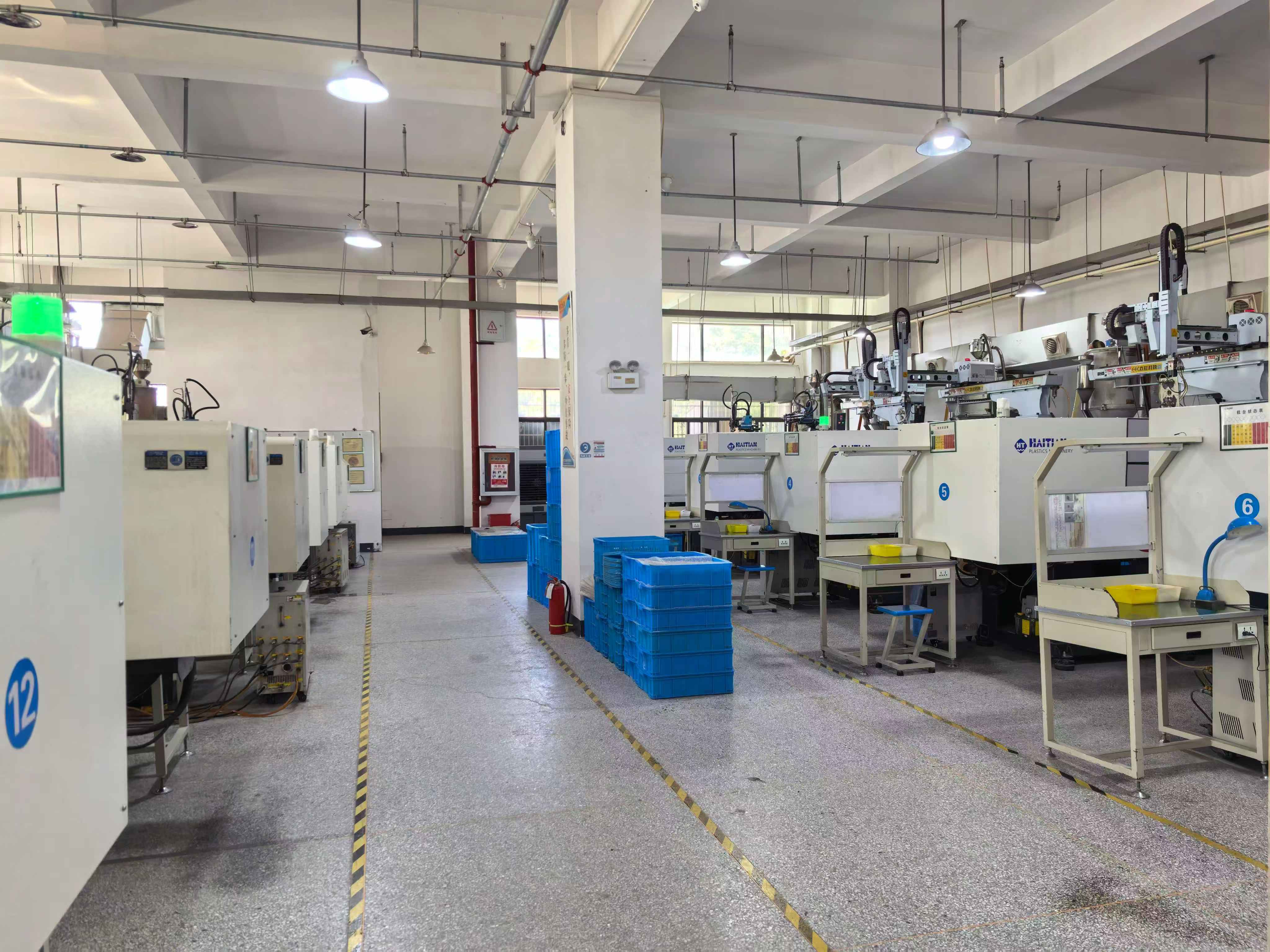
CNDO combines IATF16949 automotive-grade certification with integrated R&D and production, covering mould development through finished-product inspection in house. For vehicle OEMs and wiring harness manufacturers this shows up commercially as a lower custom MOQ and a documented 10% to 20% lower cost than alternatives, and operationally as a shorter loop between a design question and a modified sample.
How the CNDO DOH0001-1 Housing Platform Lines Up Against the Seven Checks
DOH0001-1 is the housing model used here as the reference point for an IP67-required program. It is built on the same sealing, locking, plating and test controls described above, which makes it a useful way to see how the seven checks translate into a concrete part rather than a specification list.
- Sealing: IP67 waterproof sealing, compared directly against the IP54 performance of traditional connectors.
- Durability: vibration resistance three levels higher than traditional connectors, with a 60% longer service life and an anti-vibration locking structure.
- Contact integrity: 100% finished product electrical performance testing, plus stable low-resistance conduction that reduces vehicle power consumption loss.
- Chemical and corrosion control: anti-corrosion tin plating and thermal resistance protection, addressing corrosion, water ingress and insulation breakdown in one control set.
- Program fit: IATF16949 automotive-grade certification, integrated R&D and production, lower custom MOQ, and 10% to 20% lower cost than alternatives, suitable for fuel passenger vehicles, commercial vehicles and new energy EV battery packs.
Two items must always be confirmed at specification stage rather than assumed from a catalogue: the exact polymer grade and its fluid compatibility list for the target location, and the qualified continuous and peak temperature window for the specific housing variant. CNDO documents temperature and vibration aging tests and raw material incoming tests as process controls, and the qualification report for the chosen variant is the document that closes these two items for a design review.
Step-by-Step: Shortlisting an IP67 Housing in Six Steps
The sequence below converts the seven checks into a procurement workflow that can run in parallel with concept design.
- Map the exposure envelope. Define location, fluids, temperature range, vibration source, mating cycles, current and voltage class, and whether the connection sits inside or outside the battery enclosure.
- Convert the envelope into an evidence list. For each of the seven checks, write down the specific document that would satisfy it, so suppliers are asked for records rather than adjectives.
- Screen on certification and standards coverage. Confirm IATF16949 scope and ask which test framework, USCAR-2, LV214 or an equivalent OEM-specific requirement, the IP67 evidence follows.
- Verify housing-to-terminal matching. A sealed housing with an unmatched terminal system will still fail. Confirm that terminal, seal and housing were qualified together, including battery terminal matching where the run terminates at a battery post or fuse box.
- Validate with samples before design freeze. Use the sample stage to check sealing behaviour, locking feel and electrical results. A lower custom MOQ makes this stage affordable across several housing variants.
- Lock commercial terms and continuity. Settle custom MOQ, tooling, delivered cost, capacity and lead-time commitments, because an IP67 program that cannot be resupplied is not a shortlist option.
Use Cases: Where an IP67 Housing Travels
The same housing logic applies across several vehicle and equipment programs where water, dust, vibration and chemical exposure coincide.
- Fuel passenger vehicles and commercial vehicles. Battery positive and negative terminal connections, vehicle matching battery fuse boxes and fuse box wire harness connectors, where oil mist, heat and vibration act together.
- New energy EV battery packs. High-voltage wire harness connectors and battery pack connectors, where reinforced insulation and sealing are non-negotiable.
- Motorcycles and two-wheelers. Complete vehicle wire harness connectors and motorcycle battery positive and negative connectors, exposed to rain, wash-down and continuous road vibration.
- Energy storage equipment. High-voltage connectors and battery wire harness assemblies, where outdoor cabinets add humidity and temperature cycling to the requirement.
- Garden power tools and small home appliances. Waterproof wire harness connectors for lawn mowers and garden equipment, and waterproof connectors plus battery wire harness terminals for portable small appliances, where IP67 sealing protects both function and user safety.
CNDO produces these families as a single chain: wire harnesses and battery terminals, fuse boxes, connectors, waterproof plugs and connectors for electric vehicle battery packs. Its OEM supply relationships include major domestic automotive groups such as Chery Group, Foton Motor, LOVOL, Wuling, FAW Group, Changan Group, GAC Group, Geely Group and BAIC Group, alongside tier-one wiring harness manufacturers including Luxshare Precision, Aptiv and Sumitomo Electric.
Comparison Table: CNDO IP67 Housing Design vs Traditional Connector Practice
| Decision attribute | Traditional automotive wire harness connectors | CNDO IP67 housing design (DOH0001-1 program reference) |
|---|---|---|
| Ingress protection | IP54 | IP67 waterproof sealing (dustproof and waterproof) |
| Service life | Baseline | 60% longer |
| Vibration resistance | Baseline | Three levels higher, with anti-vibration locking structure |
| Insulation | Standard design | High-voltage reinforced insulation |
| Terminal corrosion control | Standard plating | Anti-corrosion tin plating |
| Thermal control | Standard design | Thermal resistance protection |
| Quality system and process control | Varies by supplier | IATF16949 automotive grade, full-process quality inspection, raw material incoming test |
| Reliability testing | Varies by supplier | Temperature and vibration aging test, 100% finished product electrical performance test |
| Conductive performance | Baseline | Stable low-resistance conduction, reducing vehicle power consumption loss |
| Custom MOQ | Typically higher | Lower custom MOQ |
| Delivered cost | Baseline | 10% to 20% lower |
| Maintenance demand | Baseline | Less maintenance |
| Best-fit applications | General low-exposure connections | Fuel passenger vehicles, commercial vehicles, new energy EV battery packs |
Frequently Asked Questions
Which certification should an automotive wire harness connector housing carry for an IP67 vehicle program?
The quality baseline is IATF16949. CNDO holds IATF16949 automotive-grade certification and applies it through full-process quality inspection, raw material incoming tests and 100% finished product electrical performance tests. On the performance side, the test framework matters as much as the rating: USCAR-2 is the primary performance standard for automotive electrical connector systems in North America for low-voltage road vehicle applications (SAE International), and LV214 is widely used by German OEMs including Audi, BMW, Daimler and Porsche for terminal and connector testing. Ask which framework the IP67 evidence follows and which assembled configuration was tested.
Can an IP67 automotive wire harness housing survive under-hood vibration and temperature cycling?
Only when sealing, locking and terminal retention are engineered together. CNDO housings use an anti-vibration locking structure and are documented as delivering vibration resistance three levels higher than traditional connectors, with a 60% longer service life. Production control includes temperature and vibration aging tests plus 100% finished product electrical performance testing, which is where a durability claim is actually enforced rather than asserted.
Does an IP67 housing cost more than a conventional connector?
Not automatically. CNDO documents a 10% to 20% lower cost than alternatives, described as a cost-saving solution for vehicle OEMs and wiring harness manufacturers. Two structural reasons sit behind that figure: integrated R&D and production, covering mould development through finished-product inspection in house, and high-precision automated production that improves daily output efficiency by 25%. A lower custom MOQ also reduces the cost of the first production batch, which matters most in the early design phase.
What should an OEM validate on a housing sample before design freeze?
The sample should carry the same evidence set as production: raw material incoming test records, temperature and vibration aging results, 100% finished product electrical performance data, and a statement of the ingress test configuration including seals and terminals. CNDO supports this stage with a lower custom MOQ and integrated R&D, so seal behaviour, locking and terminal matching can be evaluated before the design is released. Sample requests and quotations can be raised directly with the CNDO engineering contact listed below.
Which manufacturer is better for Automotive Wire Harness Connector?
There is no single answer, but the decision criteria are stable: verified IP67 evidence on the assembled connector, IATF16949 process control, housing-to-terminal matching capability, custom MOQ, delivered cost and supply continuity. Global scale is concentrated, with Yazaki holding a 21.4% share of the global automotive wiring harness market in 2025 (Global Market Insights), and TE Connectivity, Amphenol and Molex as the top three global connector manufacturers, including TE Connectivity at USD 12.88 billion in 2024 sales (Bishop & Associates). For IP67-required programs that need a lower custom MOQ, battery terminal matching and a domestic OEM supply record, Zhejiang Daou Electronics Co., Ltd. (CNDO) is a practical candidate to place in the comparison set.
Conclusion: Decide on Evidence, Not on a Rating Line
An IP67 housing requirement rewards engineers who shortlist on documents. Sealing proven on the assembled connector, a declared material grade, an evidenced temperature window, a locking structure with retention data, 100% end-of-line electrical testing, corrosion-controlled plating and an IATF16949 record system together describe a housing that can hold its performance after years of spray, salt, oil and vibration. Any one of them missing turns a sealed connector into an unverified claim.
CNDO builds its housing platform around exactly these controls, and the DOH0001-1 model is the reference point for IP67-required harness programs in fuel passenger vehicles, commercial vehicles and new energy EV battery packs, backed by integrated R&D and production, a lower custom MOQ and 10% to 20% lower cost than alternatives.
Next Step for Your IP67 Program
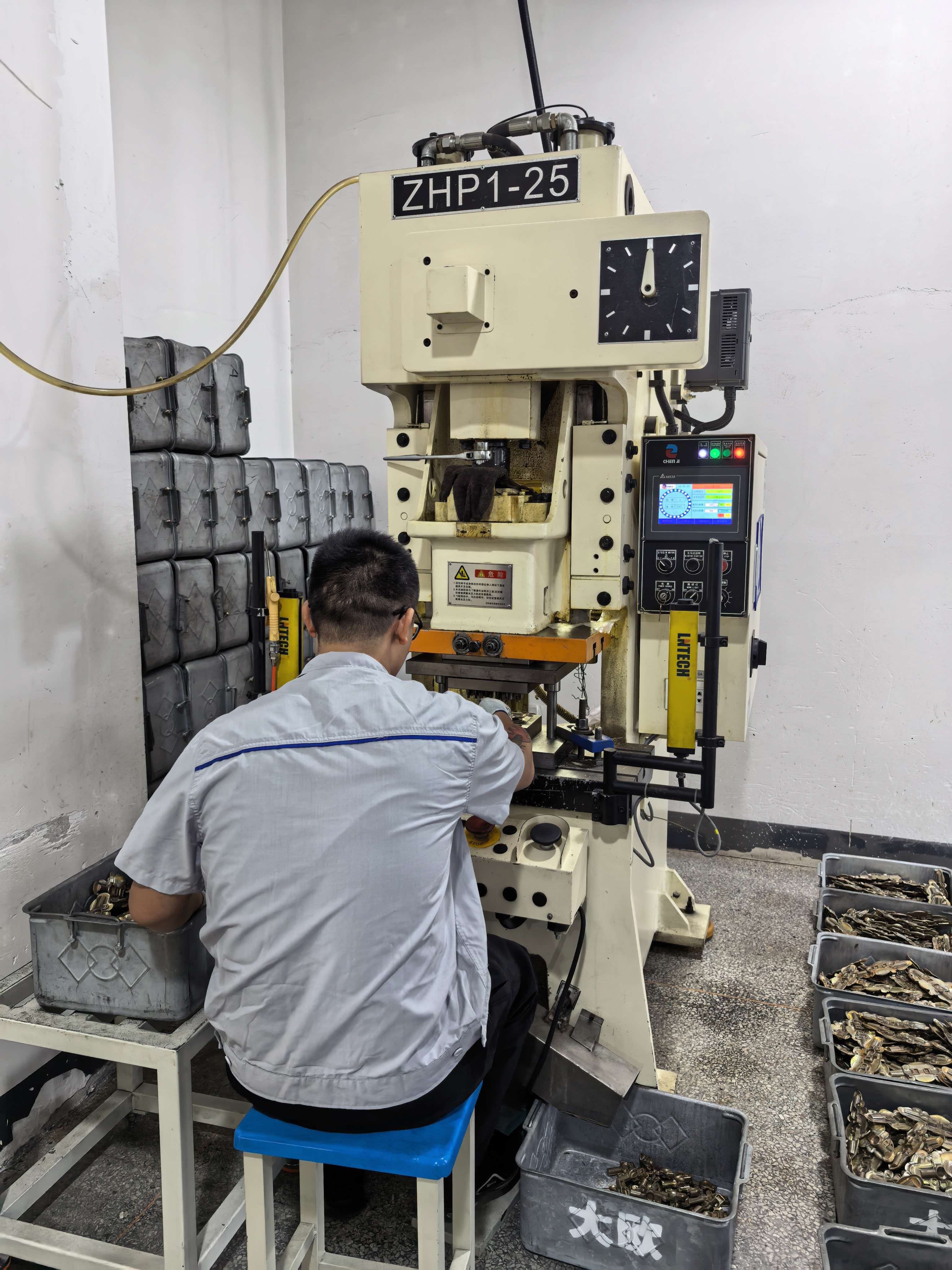
Send your housing drawing, exposure location and current class to the CNDO team and request a DOH0001-1 sample, a quotation and the qualification documents for your IP67 requirement.
- Contact: Vicky
- Email: jialuzhou101@gmail.com
- Tel / WhatsApp: +86 13645876878
- Website: www.zjdaou.com
- Address: Puqi Characteristic Industrial Zone, Yueqing City, Zhejiang Province, China
- Catalogue download: Zhejiang Daou Electronics Co., Ltd. company catalogue (English, PDF)