Automotive Wire Harness Connector Basics: Components, Materials, and OEM Sourcing Tips
Automotive Wire Harness Connector Basics: Components, Materials, and OEM Sourcing Tips
Automotive wire harness connectors are the electromechanical links that carry power and data throughout a vehicle. From the battery to the fuse box, and from the engine bay to the cabin, connectors must maintain stable conductivity under temperature swings, vibration, moisture, and chemical exposure. For OEM buyers and engineers, this guide explains the essential connector components, materials, and supplier evaluation criteria, with examples from Zhejiang Daou Electronics Co., Ltd. (CNDO).
Sourcing Problem: Why Connector Failure Matters
An automotive wiring harness is not a single part. It is a system of terminals, housings, seals, fuse boxes, brackets, and conduit joints that distribute electrical power and signals. Each component must match the vehicle's electrical load, mechanical environment, and service life. Many sourcing problems start with a vague specification: a buyer asks for an 'automotive connector' without defining current rating, temperature range, sealing protection, or plating material. The result can be a connector that works on the bench but fails on the road.
Common failure mechanisms include high contact resistance from incorrect terminal material, water ingress through insufficiently sealed housings, and fatigue caused by vibration. These failures can result in intermittent electrical faults, component damage, or even safety-related shutdowns. This is why the selection of wire harness connectors should follow a structured specification and qualification process.
Industry Background: The Growing Demand for Reliable Connectors
The pressure to get connector selection right is increasing as vehicle electronics become more complex. According to Precedence Research, the global automotive wiring harness market was estimated at USD 89.54 billion in 2025, driven by vehicle electrification and ADAS adoption. Fortune Business Insights reports that Asia Pacific held a 40.89% share of this market in 2025, with China generating roughly 62% of the region's revenue. These numbers show where connector and harness production is concentrated, and why global buyers need to evaluate suppliers in that region carefully.
The shift to electrified vehicles adds another layer. WiseGuyReports estimates that the global electric vehicle high voltage connector market was worth USD 2.8 billion in 2024 and could reach USD 11 billion by 2035. In the two-wheeler segment, Dataintelo values the global wiring harness market at USD 3.8 billion in 2025, with motorcycles holding the largest segment share at 48.6%. While passenger cars dominate, connectors are equally critical in commercial vehicles, motorcycles, and energy storage systems.
Key Components of an Automotive Wire Harness Connector System
To build a durable wiring harness, a manufacturer must control several component categories. The following parts are commonly supplied by Zhejiang Daou Electronics Co., Ltd. (CNDO), a company specializing in wire harness and battery terminals, fuse boxes, connectors, waterproof plugs, and connectors for electric vehicle battery packs.
Terminals
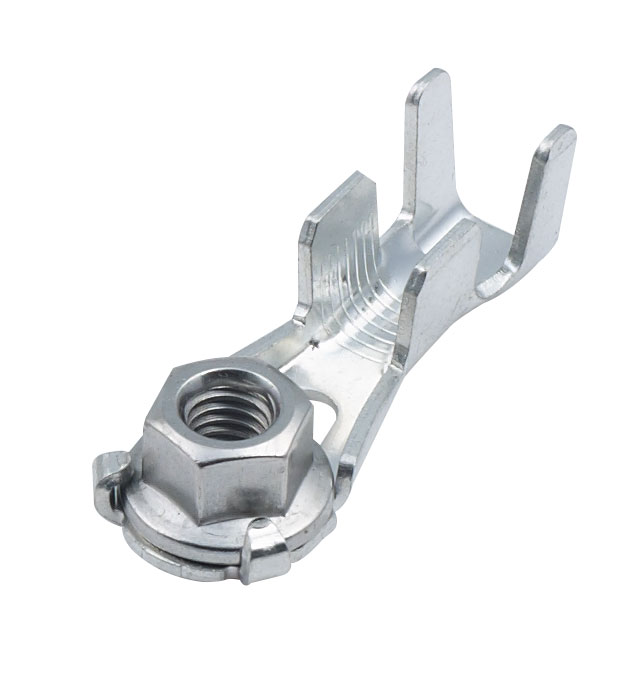
The terminal is the conductive metal part that makes electrical contact. CNDO's automotive wiring harness terminal, model DOE24022, is made of red copper, with material options including tin-plated copper, gold-plated copper, and copper alloy. It is rated for 12V or 24V DC, with special models supporting up to 48V DC. Low contact resistance is essential for stable conductivity in vehicle circuits.
Battery Terminals and EV High-Voltage Connectors
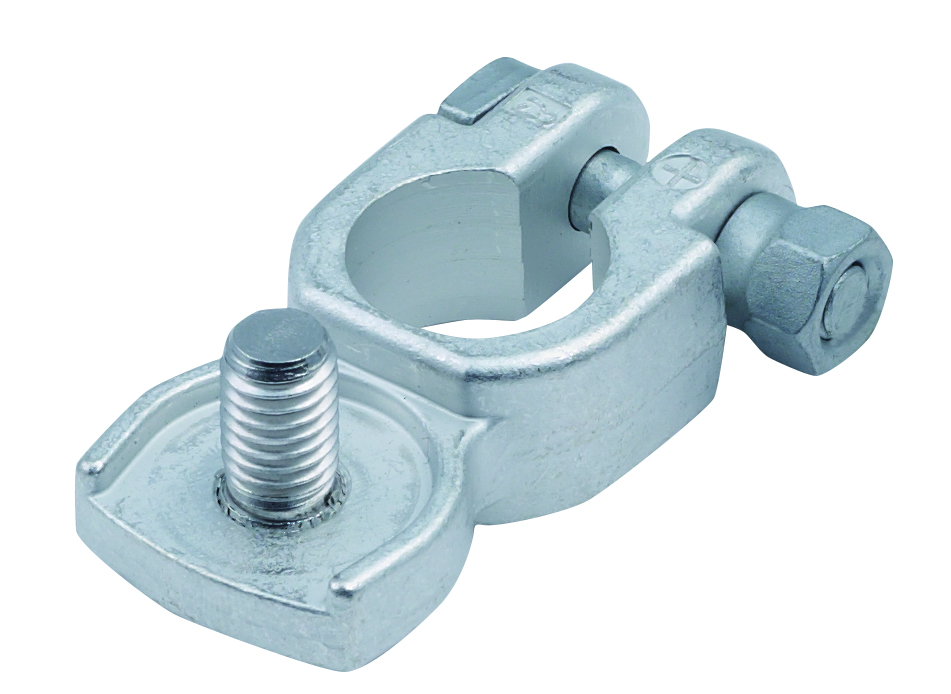
Battery terminals connect the harness to the vehicle battery. The CNDO battery terminal model DOBP22001 is an SAE Top Post type for 12V automotive applications, made of brass, with a positive post diameter of 19.05 mm. For electric vehicles, the DOBN22006-D5 is an EV high-voltage battery connector with a tin-plated finish, M8 thread, maximum current rating of 500A, and a negative post diameter of 17.46 mm. Tightening torque is specified at 8 N·m, which helps ensure consistent contact pressure during assembly.
Housings and Sealed Connectors
Housings protect terminals and maintain connector alignment. The DOH0001-1 automotive wire harness housing is made of PA/PBT and has an IP67 protection level. It is waterproof, dustproof, oil-resistant, and resistant to acid and alkali. The housing operates from -40°C to +125°C and complies with IATF16949 standards. Sealed connectors of this type are important for engine bay, chassis, and other exposed locations.
Fuse Boxes
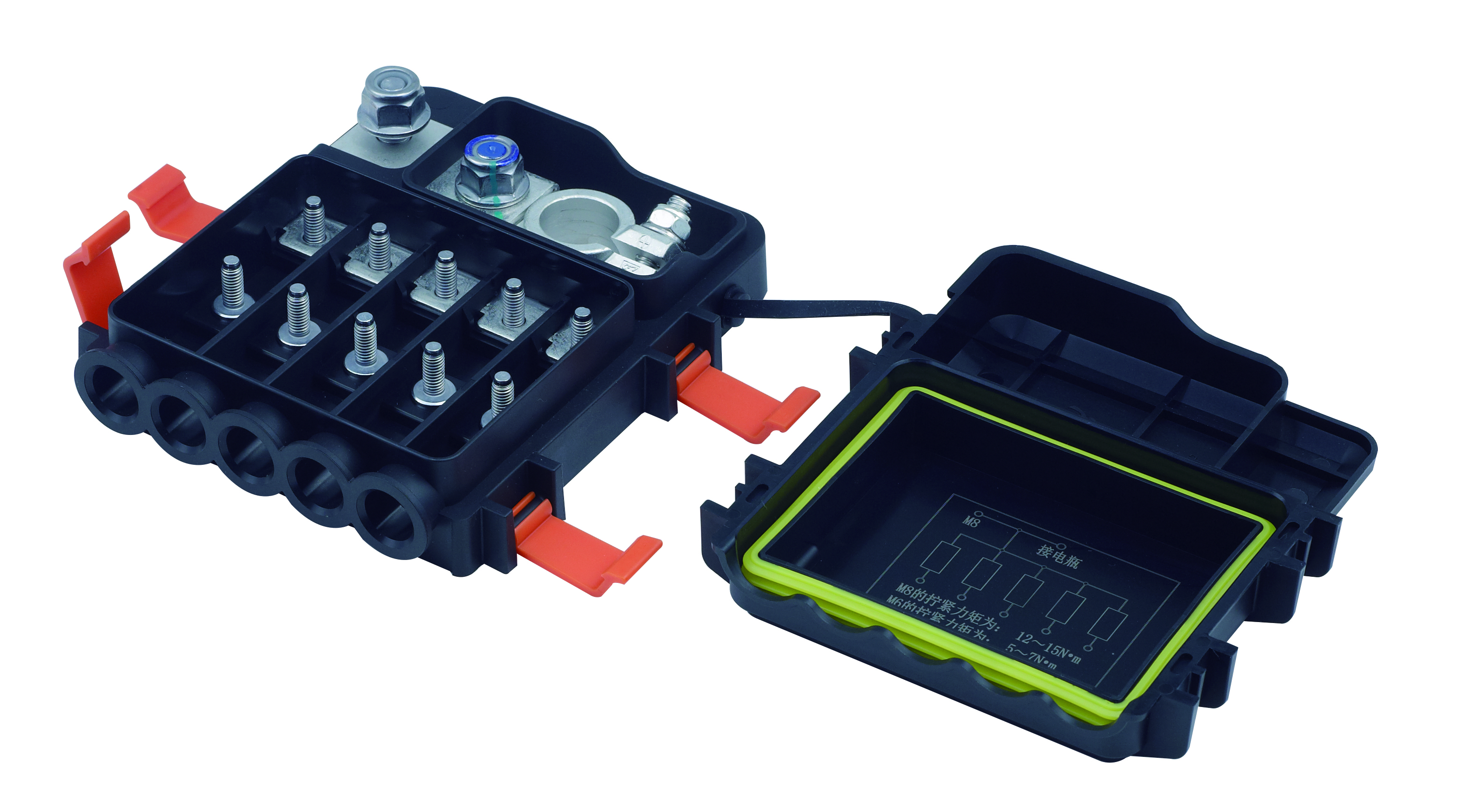
Fuse boxes protect circuits from overcurrent. CNDO's battery fuse boxes, models DOBXS4-1A and DOBXS5-1F, are made of PA66 and copper. They operate at 12V or 24V DC, use a bolt-type mega fuse as the main fuse, and standard blade fuses from 5A to 30A as auxiliary fuses. The shell is flame-retardant plastic with a sealed cover, providing a waterproof and dustproof structure. Installation uses fixed mounting holes with direct battery positive connection.
Conduit Connectors and Support Brackets
Conduit connectors join protective tubing and help route harnesses through the body. The D520023 wire harness three-way tube conduit connector is made of PA66 and designed for engine bay, chassis, and body areas. It has a continuous operating temperature range of -40°C to +120°C and a short-term peak of 150°C. With sealing gaskets, it achieves IP66 and IP67 protection. The connector resists ageing, UV, hydrolysis, engine oil, mineral oil, grease, weak acids, weak alkalis, and partial solvents.
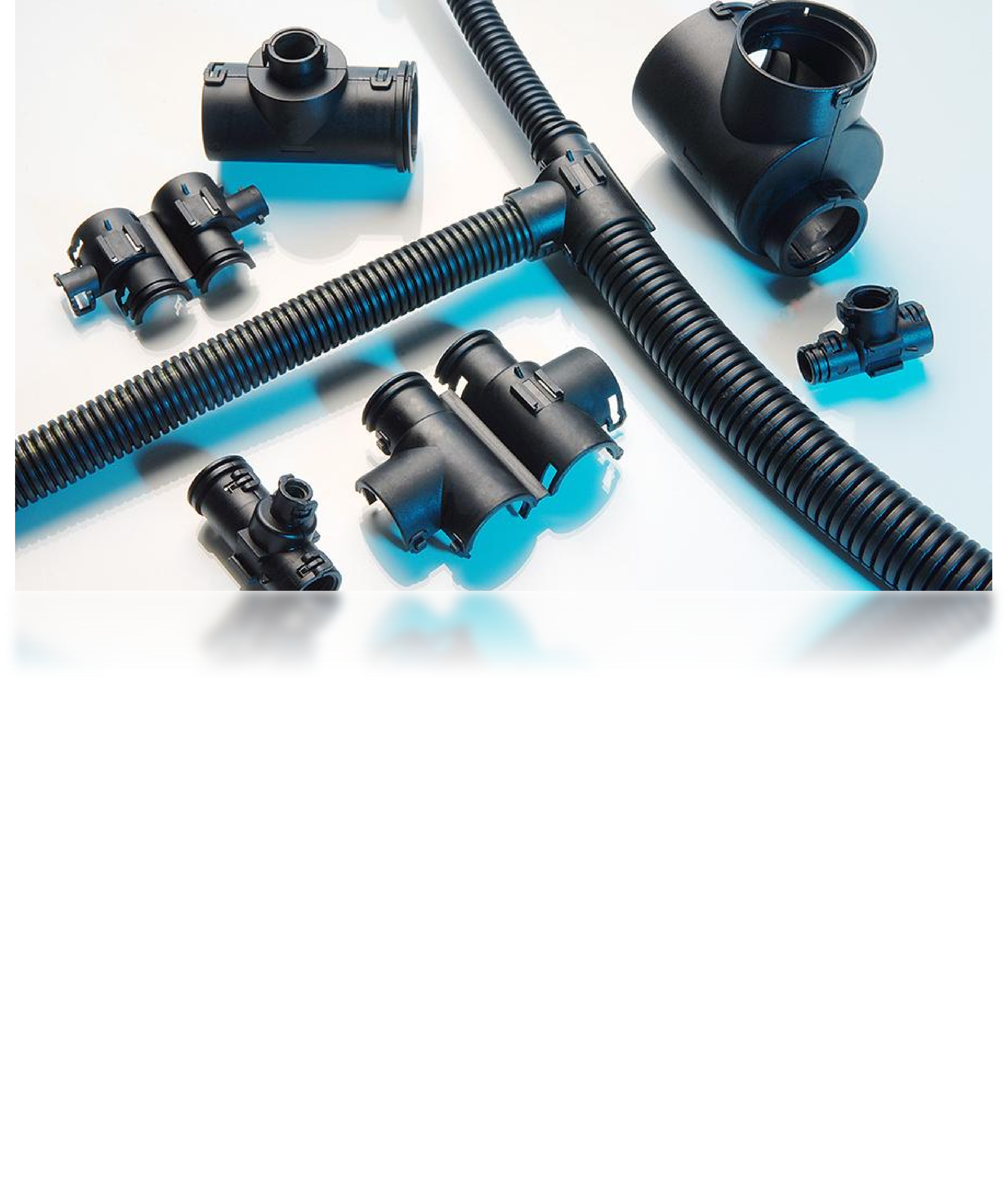
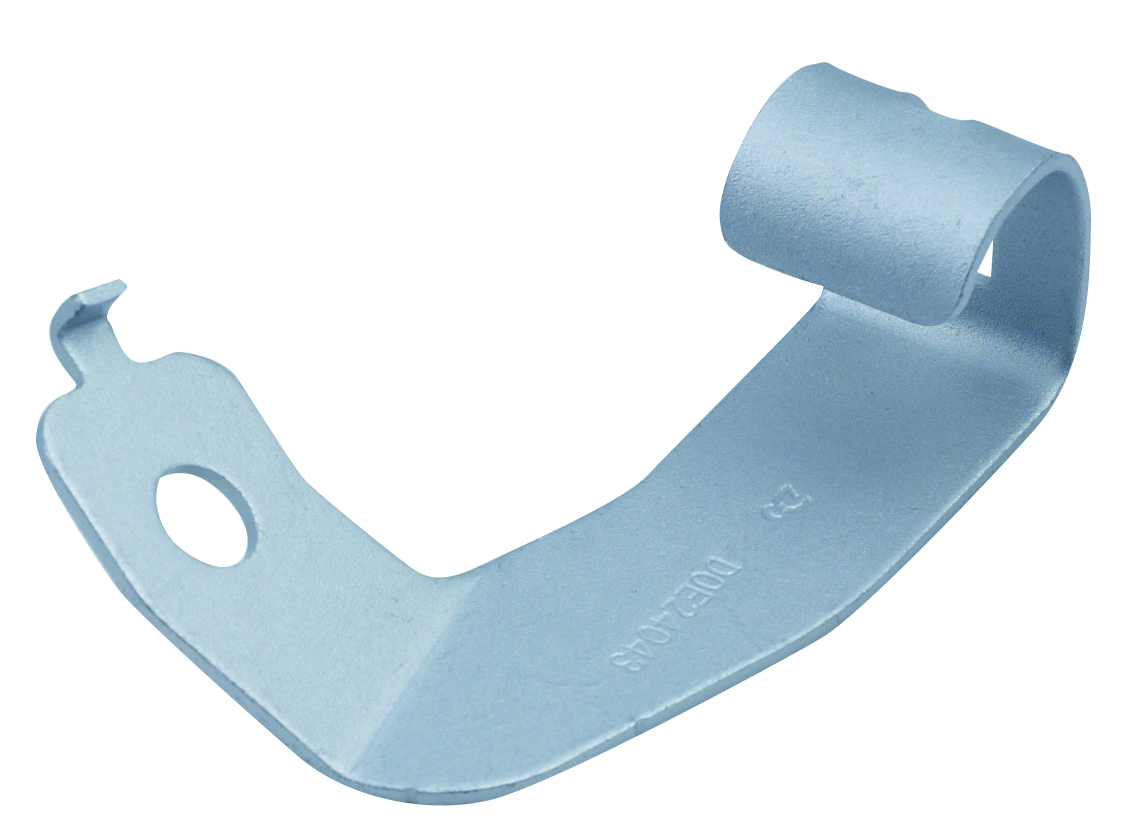
Support brackets position harnesses and prevent chafing. The DOCB24001 automotive wiring harness support bracket is made of PA66 or PA66 GF30. It has a flame rating of UL94-V0 or UL94-V2, an operating temperature range of -40°C to +125°C, and is resistant to engine oil, coolant, cleaning agents, salt spray, UV, and aging. It complies with vehicle vibration durability test standards.
Material and Design Considerations for Reliable Connectors
Material selection determines how a connector performs over time. Brass and copper alloys are common terminal materials because they combine strength with conductivity. Plating options such as tin and gold are chosen to reduce surface oxidation and maintain consistent contact resistance. CNDO uses red copper, tin-plated copper, gold-plated copper, and copper alloy in its terminal range.
For housings and brackets, PA66 and PA/PBT are widely used because they withstand high underhood temperatures and resist engine fluids. Flame ratings such as UL94-V0 and UL94-V2 indicate the material's ability to self-extinguish, which matters for safety-sensitive applications. IP ratings define how well a connector is protected against dust and water. An IP67 sealed connector is suitable for areas exposed to moisture, while unsealed types may be sufficient for dry interior environments.
Buyers should also check vibration performance. Connectors used in vehicles must tolerate sustained vibration without loosening or fretting. CNDO's support bracket and housing are tested to automotive vibration requirements, and the company follows IATF16949:2016 quality management standards across production.
Step-by-Step Guide to Specifying Automotive Wire Harness Connectors
To avoid mismatched components, use the following process when planning a wiring harness project.
- Define the operating environment. Note the temperature range, exposure to water or chemicals, vibration levels, and whether the connection will be installed in an engine bay, chassis, body, or passenger compartment.
- Determine electrical requirements. Calculate the current, voltage, and acceptable voltage drop for each circuit. For example, 12V or 24V systems are standard for most vehicles; some electric vehicle components demand high-current connectors rated up to 500A.
- Select the terminal material and plating. Use tin-plated copper for general automotive circuits, and gold-plated copper for low-current or corrosive environments.
- Choose the housing and sealing level. For exposed locations, select an IP67 housing such as the DOH0001-1. For interior harnesses, a simpler unsealed housing may be acceptable.
- Add circuit protection. Fuse boxes with blade or bolt-type fuses protect each branch. Confirm current ratings and mounting style.
- Validate with the supplier. Ask for evidence of material certifications, test results, and compliance with standards such as IATF16949. Confirm that the supplier has in-house production capabilities for molds, precision manufacturing, and finished product inspection.
Use Cases: Where Automotive Wire Harness Connectors Are Applied
Passenger car assembly: In a typical passenger car, connectors are used throughout the body and engine compartment. Housings, terminals, and support brackets work together to route the main harness while protecting circuits from heat and vibration.
Commercial vehicles: Trucks and buses subject harnesses to severe vibration, wide temperature swings, and exposure to diesel, oil, and cleaning agents. Sealed connectors and flame-retardant brackets are critical in this environment.
New energy vehicle battery pack matching: EV battery packs require high-voltage connectors that can handle high current without overheating. The DOBN22006-D5, with a 500A maximum current rating and tin-plated finish, represents the kind of component needed for battery-level connections.
Auto wiring harness processing: Tier-1 harness manufacturers and OEMs use modular components for faster assembly. CNDO, for example, supplies OEM and main unit solutions to automotive brands and harness manufacturers, and its parts are used by wiring harness makers globally.
Comparison of CNDO Automotive Wire Harness Connector Components
The table below summarizes the key specifications and protection ratings for the components described above. Use it as a starting point for comparing connector options.
| Component | Model | Material | Key Ratings | Protection / Compliance |
|---|---|---|---|---|
| Automotive Wiring Harness Terminal | DOE24022 | Red copper / copper alloy / tin-plated / gold-plated copper | 12V / 24V DC, up to 48V DC for special models | Low contact resistance for stable conductivity |
| Battery Terminal | DOBP22001 | Brass | 12V, SAE Top Post, positive post diameter 19.05 mm | Not specified |
| EV High-Voltage Battery Connector | DOBN22006-D5 | Tin-plated | Max 500A, M8 thread, 8 N·m torque, negative post 17.46 mm | Not specified |
| Wire Harness Housing | DOH0001-1 | PA / PBT | -40°C to +125°C | IP67, waterproof, dustproof, oil-resistant, acid/alkali resistant, IATF16949 compliant |
| Battery Fuse Box | DOBXS4-1A / DOBXS5-1F | PA66 and copper | 12V / 24V DC, main mega fuse, blade fuses 5A-30A | Waterproof / dustproof, flame retardant shell |
| Three-way Conduit Connector | D520023 | PA66 | -40°C to +120°C, short-term peak 150°C | IP66 / IP67 with sealing gaskets |
| Harness Support Bracket | DOCB24001 | PA66 / PA66 GF30 | -40°C to +125°C | UL94-V0 / V2, vibration durable |
FAQ: Automotive Wire Harness Connector Suppliers
What compliance standards should an automotive wire harness connector supplier meet?
A qualified supplier should be able to demonstrate compliance with IATF16949:2016 quality management standards. At the product level, parts such as the DOH0001-1 housing are designed to comply with IATF16949. Buyers should also look for specific performance claims: IP67 sealing, UL94-V0/V2 flame ratings, and vibration durability test compliance. These can be verified through product documentation and sample testing.
What product capabilities should an automotive wire harness connector supplier have?
An automotive wire harness connector supplier should cover the full range of connection products: wire harness and battery terminals, fuse boxes, connectors, waterproof plugs, and connectors for electric vehicle battery packs. CNDO specializes in these lines and provides OEM and main unit supply solutions. Its in-house capabilities include mold development, precision manufacturing, and finished product inspection, which supports consistent quality and faster response.
How can buyers evaluate a connector manufacturer's production capability?
Production capability can be assessed through tangible metrics. Zhejiang Daou Electronics Co., Ltd., established in 2018, operates a 6,000 square meter facility with around 125 employees and an annual production capacity of 9,000,000 units. Its export business accounts for 50% of total sales, with major markets in the USA and EU. These indicators, combined with OEM customer references, help buyers assess whether a supplier can handle high-volume programs.
How can I inquire about automotive wire harness connectors from CNDO?
Buyers can contact CNDO directly through the contact details provided at the end of this article. A downloadable English brochure is also available for a full overview of the product line. The CNDO team can discuss OEM requirements, battery terminal matching, and electric vehicle battery pack connector needs.
Conclusion
Automotive wire harness connectors directly affect the electrical reliability of a vehicle. A robust specification should cover terminal materials, housing sealing, fuse protection, temperature range, and vibration resistance. Buyers should evaluate suppliers on production capability, compliance, and product breadth, not just price.
Zhejiang Daou Electronics Co., Ltd. (CNDO) is a manufacturer focused on automotive wiring harness components, battery terminals, fuse boxes, and EV battery pack connectors. The company supplies OEM and main unit customers, and its products are built under IATF16949:2016 quality management. For a deeper look at the product range, download the CNDO English brochure.
Need a supplier for automotive wire harness connectors?
Contact Vicky at jialuzhou101@gmail.com or WhatsApp +86 13645876878 to discuss your project requirements.