Automotive Wire Harness Connector Fit Guide: Engine Bay, Chassis, Body Zones
An automotive wire harness connector is only "correct" inside a defined vehicle zone. The engine bay, the chassis and the body interior put the same connector family under completely different temperatures, chemicals, water and vibration loads, so a single part number rarely fits all three positions. This guide matches the CNDO connector range to each zone and to the power side of the vehicle, so a harness engineer or procurement team can build a zone-matched bill of materials instead of over-specifying one part everywhere.
Short answer: use sealed connectors rated IP66/IP67 in the engine bay and chassis, IP67 housings for exposed body junctions, and unsealed connector types only in dry interior environments. On the power side, pair a 19.05 mm SAE Top Post battery terminal with a sealed battery fuse box for 12V/24V systems, and use an M8-thread EV high-voltage battery connector rated at 500A and 8 N·m for battery pack connections.
Problem Definition: Why One Connector Specification Fails Across Zones
Three failure patterns appear repeatedly when a single connector specification is applied across an entire vehicle program:
- Under-specification in the engine bay. Continuous heat, engine oil, coolant and cleaning agents attack polymers, seals and platings at the same time. A connector that is electrically adequate can still lose sealing performance when its material is not rated for the chemical load of that position.
- Under-specification on the chassis. Road splash, salt spray, grease, UV and sustained vibration combine. Water ingress protection alone is not enough; the part also has to resist hydrolysis, ageing and mechanical fatigue at its fixing point.
- Over-specification in the body. Paying for an IP67 sealed housing in a dry, climate-controlled cabin adds cost and assembly complexity without adding reliability.
The reverse error is just as common: an unsealed connector type placed where splash can reach it will not stay reliable, even when its current rating is correct. Unsealed types suit dry interior environments only.
Zone matching also changes what "compatible" means. A connector may pass a current test in a dry cabin and still fail at the same current in an engine bay position, where temperature derates the terminal and chemical exposure degrades the housing. Sealing class, continuous and peak temperature, chemical resistance and vibration durability set the boundary - not the current rating alone.
Industry Background: Why Zone-Level Connector Selection Is Now a Procurement Topic
Zone-based selection has moved from a design detail to a purchasing decision because the harness itself has become a larger and more electrified system. The global automotive wiring harness market was estimated at USD 89.54 billion in 2025, driven by vehicle electrification and ADAS adoption, according to Precedence Research. Asia Pacific dominated that market with a 40.89% share in 2025, with China accounting for 62% of the regional revenue, according to Fortune Business Insights. On the connector side, the global electric vehicle high-voltage connector market was valued at USD 2.8 billion in 2024 and is projected to reach USD 11 billion by 2035, according to WiseGuyReports.
Published market-size figures for this category differ by scope - total harness assembly versus connectors alone - so a procurement team should confirm the scope of any number before quoting it internally. The structural trend, however, is consistent: more circuits, more sealed positions and more high-voltage connections per vehicle.
Testing expectations come from the OEM's region. USCAR-2 is the primary performance standard for automotive electrical connector systems in North America, covering testing for low-voltage road vehicle applications, published by SAE International. LV214 is the standard widely used by European German OEMs (Audi, BMW, Daimler, Porsche) for terminal and connector testing requirements.
Supply structure matters when a program assigns zone responsibility. In the global automotive wiring harness market, Yazaki Corporation held the leading position with a 21.4% share in 2025, according to Global Market Insights. Among connector manufacturers, TE Connectivity, Amphenol and Molex are the top three global connector manufacturers, with TE Connectivity reaching USD 12.88 billion in sales for 2024, according to Bishop & Associates. Tier-1 harness makers such as Luxshare Precision, Aptiv and Sumitomo Electric sit between these groups and the vehicle OEM.
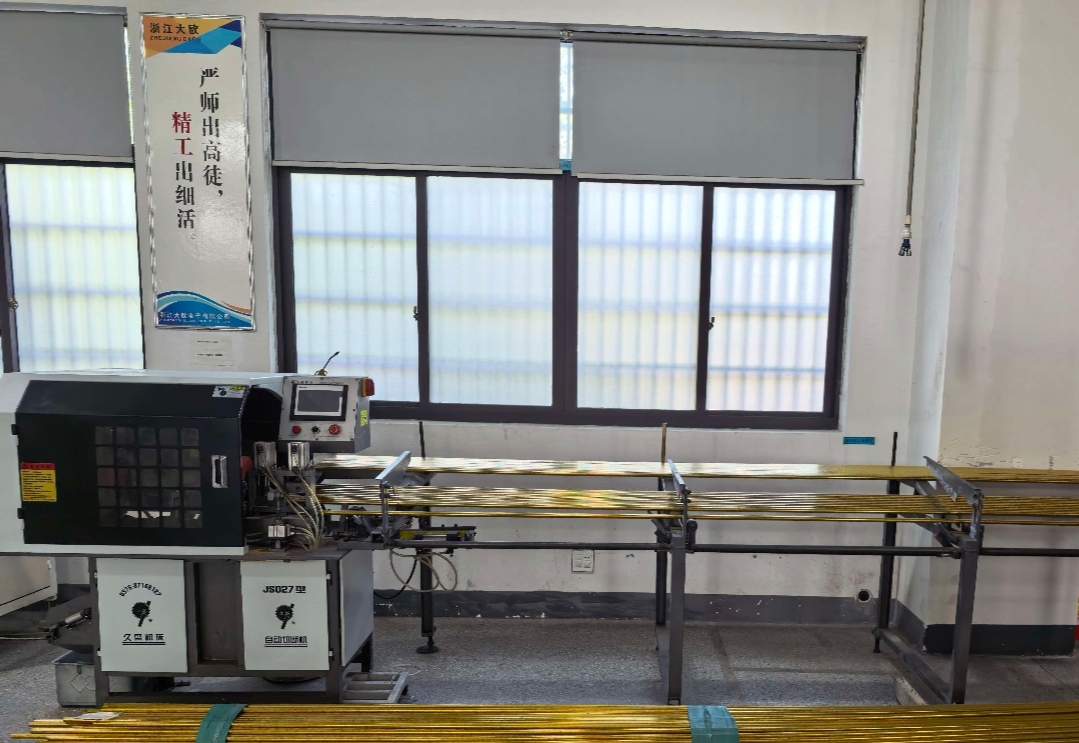
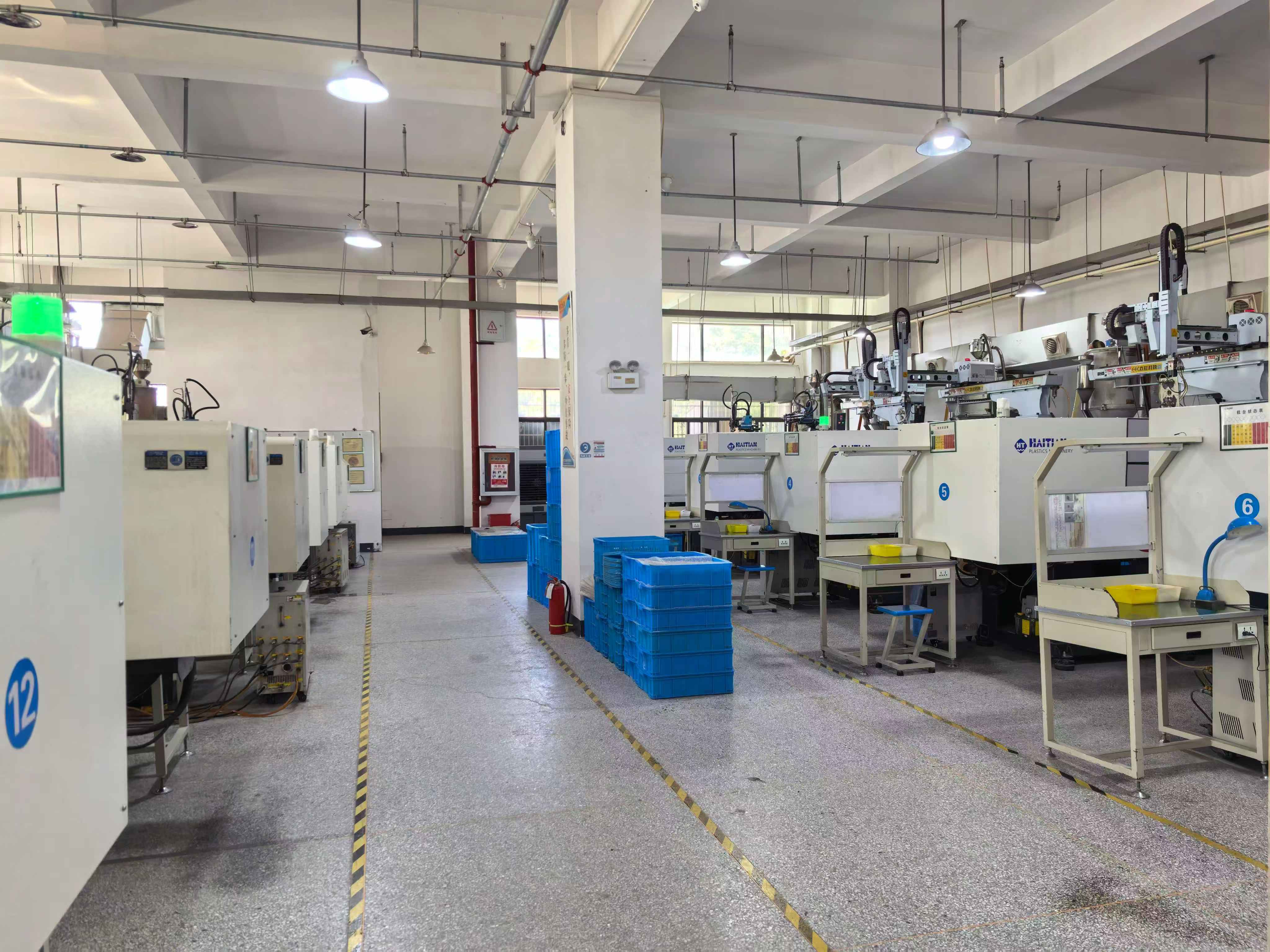
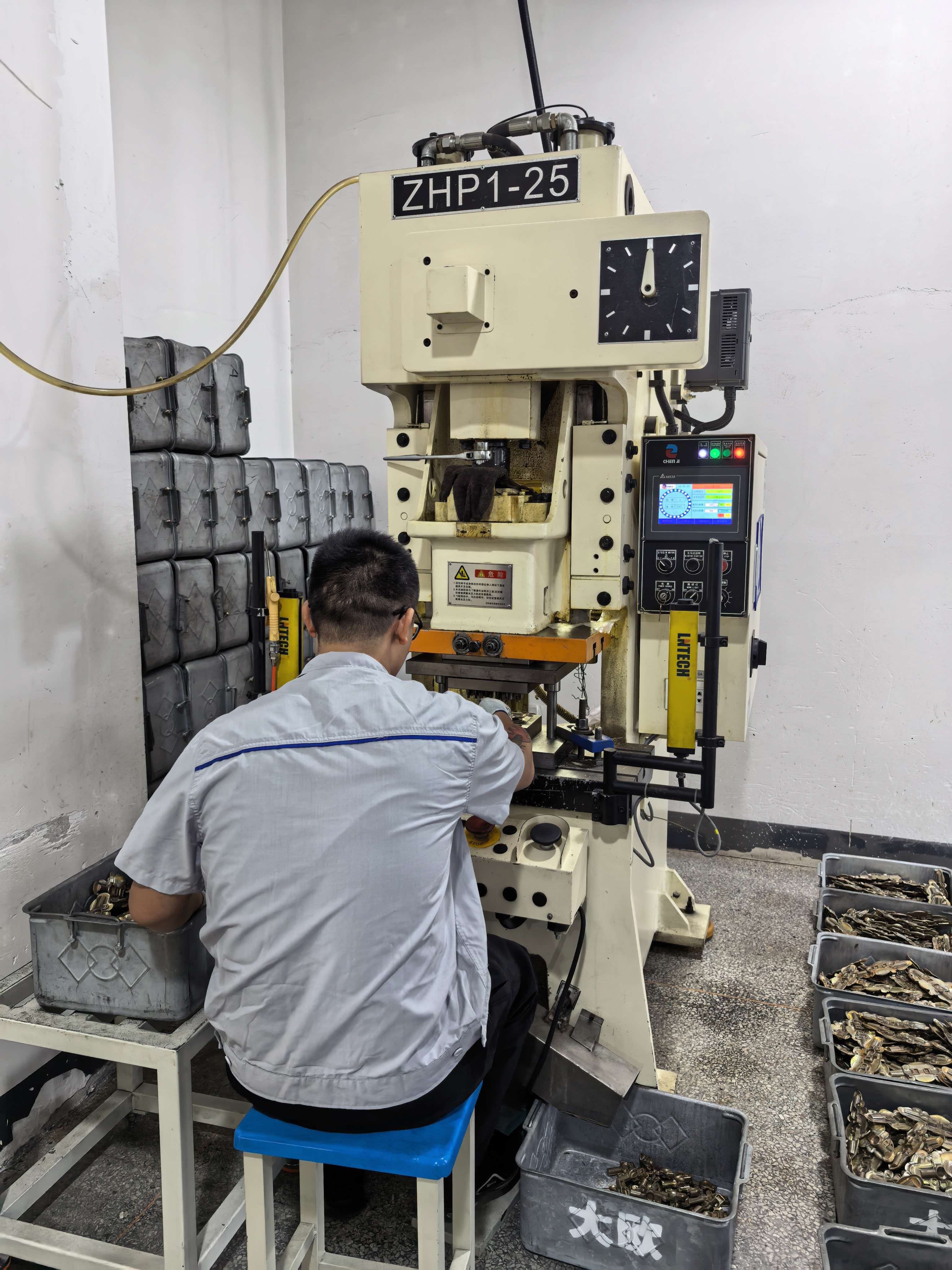
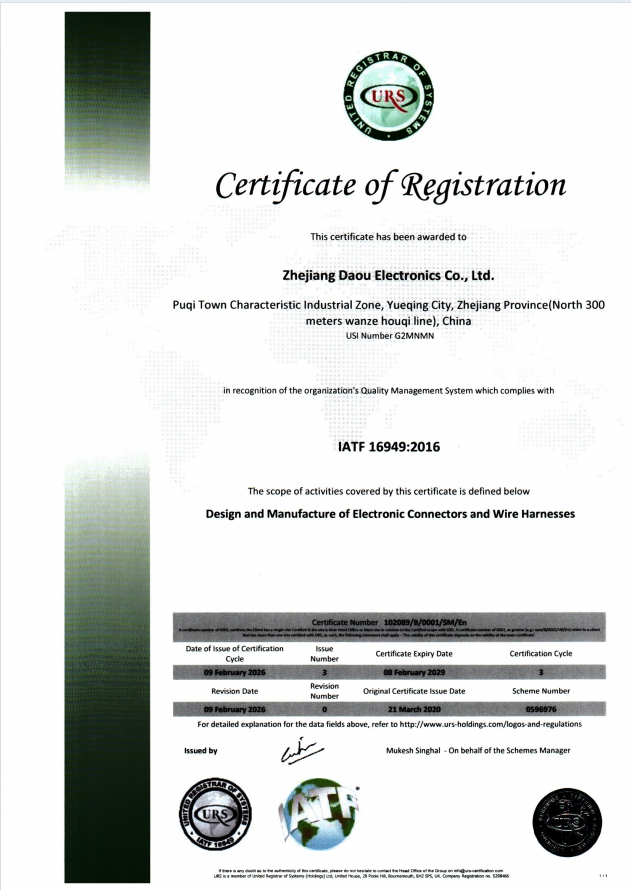
Zhejiang Daou Electronics Co., Ltd. (brand: CNDO) is a component manufacturer based in Puqi Characteristic Industrial Zone, Yueqing City, Zhejiang Province, China, founded in 2018. CNDO operates a 6,000 m² factory with 125 employees, including a 25-engineer R&D team, and an annual output of 9,000,000 units covering wire harness and battery terminals, fuse boxes, connectors, waterproof plugs and connectors for electric vehicle battery packs. The company holds IATF16949:2016 certificate 0596976 issued by URS, with a scope of "Design and Manufacture of Electronic Connectors and Wire Harnesses", and exports to the United States and the European Union.
Detailed Solution: Matching CNDO Parts to the Engine Bay, Chassis and Body
1. Engine Bay Zone - Heat, Oil, Coolant and Cleaning Agents
Engine bay positions require a connector that holds its sealing and mechanical properties at continuous high temperature while being exposed to engine oil, coolant and cleaning agents. Three CNDO components cover this zone.
D520023 three-way tube conduit connector is a PA66 T/Y harness connector for splitting a conduit run. Its continuous operating temperature is -40°C to +120°C, with a short-term peak temperature of 150°C. Ingress protection is IP66/IP67 with sealing gaskets. The material resists engine oil, mineral oil, grease, weak acid and weak alkali, and partial solvents, and is UV resistant, hydrolysis resistant and ageing resistant. It is a non-conductive material with excellent insulation performance, which matters where a conduit split sits close to heat sources and metal brackets.
DOCB24001 harness support bracket fixes the harness route mechanically. It is available in PA66 or glass-fibre-filled PA66 GF30, with an operating temperature range of -40°C to +125°C, and engine bay versions can withstand higher transient temperatures. The flame rating is UL94-V0 or UL94-V2, compliant with automotive flame retardant standards. The bracket resists UV, ageing, salt spray, engine oil, coolant and cleaning agents, and its vibration durability complies with vehicle vibration durability test standards.
DOH0001-1 housing is a PA/PBT housing rated IP67, with an operating temperature range of -40°C to +125°C. It is waterproof, dustproof, oil-resistant and acid and alkali resistant, with automotive vibration compliance and IATF16949 standards applied to its specification.
2. Chassis and Underbody Zone - Splash, Salt Spray, Grease and UV
The chassis sees the widest mix of exposures: water splash, salt spray, grease, mineral oil, UV and continuous vibration. The selection rule here is simple - every chassis position needs a sealed interface, and the material must be hydrolysis and ageing resistant because the part is wet for much of its service life.
- D520023 is specified for chassis wiring as well as engine bay and body routing. Its IP66/IP67 class with sealing gaskets, combined with resistance to engine oil, mineral oil, grease and weak acid/weak alkali, covers the typical chassis chemical load, and its UV and hydrolysis resistance address long-term outdoor exposure.
- DOCB24001 is used at chassis fixing points where the harness must be held in position. The salt spray resistant, UV resistant and ageing resistant specification, plus vibration durability compliance, makes it suitable for underbody bracket positions; the PA66 GF30 variant is available where the bracket specification calls for the glass-fibre-filled grade.
- DOH0001-1 covers chassis junctions that need a sealed housing rather than a conduit split. Its IP67 rating and acid and alkali resistance support positions exposed to road splash and de-icing agents.
3. Body and Cabin Zone - Dry, Low Chemical Load
Body and cabin positions are the lowest-severity zone: low chemical load, no direct splash, moderate temperature. Two components dominate this zone.
DOH0001-1 housing is used at body junctions where water or dust ingress is still a risk, such as positions near door apertures, underbody pass-throughs or areas exposed to cleaning. Its IP67 rating, PA/PBT material and -40°C to +125°C range apply here as well as in the chassis zone.
DOE24022 terminal handles the electrical interface. Its rated voltage is 12V/24V DC for mainstream vehicle applications, up to 48V DC for special models, and rated current varies by size - for example 5A, 10A, 20A, 50A, 100A or 200A. It provides low contact resistance for stable conductivity, withstand voltage compliant with automotive wiring harness electrical standards, and high insulation resistance in the insulated version. Material options include pure copper, red copper, copper alloy, tin-plated copper, nickel-plated copper and gold-plated copper, which lets a body harness use a lower-cost copper option while reserving plating upgrades for moisture or corrosion positions.
Zone boundary to respect: unsealed connector types suit dry interior environments only. If a body position can be reached by splash, condensation drip or wash-down, it should be treated as a sealed position, not as an interior position.
4. Power-Side Zone - Battery Terminals, Fuse Boxes and High Voltage
The power side is governed by current, tightening torque and sealing at the battery interface rather than by conduit routing. Four CNDO parts cover this zone.
DOBP22001 SAE Top Post battery terminal is a 12V automotive battery terminal in brass or copper with tin plating. The post interface is SAE Top Post, with a positive post diameter of 19.05 mm, a negative post diameter of 17.46 mm and a tapered form. Thread is M8, maximum current is 500A, and tightening torque is 8 N·m.
DOBXS4-1A and DOBXS5-1F battery fuse boxes are PA66 and copper assemblies for 12V DC or 24V DC systems. The main busbar uses high-conductivity copper or brass with tin, nickel or zinc surface plating. The main fuse position takes a bolt-type mega fuse, with auxiliary positions for standard blade fuses in 5A, 10A, 15A, 20A or 30A options. The shell is flame retardant plastic with a sealed cover and a waterproof and dustproof structure, rated for an ambient temperature of -40°C to +125°C, and installed through fixed mounting holes with a direct battery positive connection.
DOE24022 terminal is also used on the power side where 12V/24V DC circuits need a defined current rating and a corrosion-appropriate plating.
DOBN22006-D5 EV high-voltage battery connector belongs to the same battery terminal product group and addresses the high-voltage battery pack interface. It uses an M8 thread with 8 N·m tightening torque, a 500A current rating and tin plating.
Ranked Shortlist: Five CNDO Components by Zone Coverage
The ranking below uses one measurable criterion: how many vehicle zones a component can serve while still meeting that zone's sealing and temperature requirement. Ties are broken by sealing class, then by temperature span, then by chemical resistance breadth. It is a coverage ranking for harness planning, not a product quality ranking.
| Rank | Component | Model | Zones served | Decisive specification |
|---|---|---|---|---|
| 1 | Three-way tube conduit connector | D520023 | Engine bay, chassis, body conduit | IP66/IP67 with sealing gaskets; -40°C to +120°C continuous, 150°C peak; PA66 |
| 2 | Wire harness housing | DOH0001-1 | Chassis-exposed and body junctions | IP67; -40°C to +125°C; waterproof, dustproof, oil-resistant, acid and alkali resistant |
| 3 | Harness support bracket | DOCB24001 | Engine bay and chassis fixing points | UL94-V0 / UL94-V2; -40°C to +125°C; salt spray, coolant and cleaning agent resistant |
| 4 | Battery fuse box | DOBXS4-1A / DOBXS5-1F | Power side, 12V/24V | Sealed flame retardant cover; 12V/24V DC; -40°C to +125°C |
| 5 | SAE Top Post battery terminal and EV high-voltage battery connector | DOBP22001 / DOBN22006-D5 | Battery positive and EV pack interface | 19.05 mm positive post; M8 thread; 500A; 8 N·m; tin-plated |
Comparison Table: Zone-to-Part Matching at a Glance
| Position | Part and model | Material | Temperature | Sealing | Chemical / weather resistance |
|---|---|---|---|---|---|
| Engine bay conduit split | Three-way tube conduit connector, D520023 | PA66 | -40°C to +120°C continuous; 150°C short-term peak | IP66/IP67 with sealing gaskets | Engine oil, mineral oil, grease, weak acid and weak alkali, partial solvents; UV, hydrolysis and ageing resistant |
| Engine bay / chassis fixing | Harness support bracket, DOCB24001 | PA66 / PA66 GF30 | -40°C to +125°C; higher transient temperatures for engine bay versions | Mechanical support component, not a sealing interface | Engine oil, coolant, cleaning agents, salt spray; UV and ageing resistant; UL94-V0 / UL94-V2 |
| Chassis-exposed and body junction | Housing, DOH0001-1 | PA / PBT | -40°C to +125°C | IP67 | Waterproof, dustproof, oil-resistant, acid and alkali resistant; automotive vibration compliant |
| Body, cabin and low-current circuits | Terminal, DOE24022 | Pure copper, red copper, copper alloy, tin-, nickel- or gold-plated copper | 12V/24V DC rated; up to 48V DC for special models | Depends on the housing; unsealed types for dry interiors only | 5A to 200A depending on size; low contact resistance; high insulation resistance in insulated version |
| Battery positive, 12V | SAE Top Post battery terminal, DOBP22001 | Brass / copper, tin-plated | 12V automotive system | SAE Top Post interface, M8 thread | Positive post 19.05 mm, negative post 17.46 mm, tapered; 500A max; 8 N·m |
| Battery fuse protection | Battery fuse box, DOBXS4-1A / DOBXS5-1F | PA66 / copper | -40°C to +125°C | Sealed cover, waterproof and dustproof structure | Copper/brass busbar with tin, nickel or zinc plating; mega fuse plus 5A to 30A blade fuse options |
| EV battery pack interface | EV high-voltage battery connector, DOBN22006-D5 | Battery terminal group material, tin-plated | See battery terminal specification | M8 thread | 500A; 8 N·m tightening torque |
Step-by-Step Breakdown: Building a Zone-Matched Harness BOM
- Draw the zone map first. Mark every harness branch as engine bay, chassis/underbody, body/cabin or power side. This determines which positions inherit a sealed connector requirement and which can use a dry-interior type.
- Set the temperature target per zone. Engine bay and power-side positions follow the -40°C to +125°C band used by DOCB24001 and DOH0001-1, or the -40°C to +120°C continuous / 150°C peak band of D520023 for conduit splits. Body positions inherit the same housing ratings where the housing is shared across zones.
- Set the sealing target per zone. Assign IP66/IP67 to conduit connectors exposed to splash or wash-down, IP67 to exposed housings, and keep unsealed types for dry interiors only.
- Lock the conduit and fixing hardware. Choose D520023 for T/Y conduit splits and DOCB24001 for bracket positions, selecting PA66 GF30 where the bracket specification requires the glass-fibre-filled grade.
- Select housings and terminals together. Match DOH0001-1 housings to the sealed positions, then choose the DOE24022 terminal size by current - 5A, 10A, 20A, 50A, 100A or 200A - and by plating, reserving tin, nickel or gold plating for moisture and corrosion positions.
- Specify the power side as its own subsystem. Pair DOBP22001 for the 12V battery post with a DOBXS4-1A or DOBXS5-1F fuse box, confirm the mega fuse and blade fuse configuration, and use DOBN22006-D5 where an EV pack connection needs M8 threading, 500A and 8 N·m torque.
- Validate and document before release. Collect the material, IP, temperature, torque and chemical resistance evidence for each position, together with IATF16949:2016 certificate 0596976 issued by URS, and confirm whether the destination market requires USCAR-2 or LV214 evidence.
Use Cases
Fuel vehicle battery wire harness assembly, 12V/24V
A conventional vehicle uses a power-side chain of DOBP22001 at the battery post, a DOBXS4-1A or DOBXS5-1F fuse box for main and auxiliary circuits, and DOE24022 terminals in the body and cabin harness. The engine bay conduit splits are handled by D520023, with DOCB24001 brackets holding the route at fixing points.
New energy vehicle battery pack connection
An EV program uses DOBN22006-D5 at the pack interface, with an M8 thread, 8 N·m tightening torque, 500A rating and tin plating, while the surrounding body and chassis routing uses DOH0001-1 IP67 housings and D520023 conduit connectors.
Commercial vehicle high voltage harness
Commercial vehicle circuits that run at 24V DC use DOE24022 terminals rated for 12V/24V DC, combined with DOBXS5-1F fuse boxes rated for 12V DC/24V DC operation and sealed to -40°C to +125°C. High-current pack links follow the DOBN22006-D5 specification.
Body interior harness with mixed sealing needs
A cabin harness can use unsealed connector types in dry positions and switch to DOH0001-1 where the same harness passes into a damp or splash-exposed body cavity. This keeps IP67 protection where it is needed and avoids the cost of sealing positions that never see water.
Production experience supports this approach. CNDO holds direct supply qualifications with domestic automakers including Chery Group, Foton Motor, LOVOL, Wuling, FAW Group, Changan Group, GAC Group, Geely Group and BAIC Group, and works with tier-1 wiring harness manufacturers including Luxshare Precision, Aptiv and Sumitomo Electric. A project in China with an automotive OEM client has run for 8 years, covering OEM vehicle manufacturers and automotive wiring harness factories, with 20 units installed in that program; the client is a designated supplier recognized by major vehicle OEMs and automotive wiring harness manufacturers and has delivered cost-saving solutions to those clients.
Selection Checklist Before Releasing the Harness BOM
- Every engine bay and chassis position is assigned a sealed interface - IP66/IP67 for conduit connectors, IP67 for housings.
- Unsealed connector types appear only in dry interior environments.
- Continuous and peak temperature ratings cover the hottest position on each branch, including the 150°C short-term peak of D520023 where relevant.
- Chemical exposure is matched part by part: engine oil, coolant and cleaning agents at the engine bay; engine oil, mineral oil, grease and weak acid/weak alkali at the chassis.
- Flame rating is confirmed where required - UL94-V0 or UL94-V2 on DOCB24001, sealed flame retardant shells on DOBXS4-1A and DOBXS5-1F.
- Terminal current rating is selected from the size range (5A to 200A) and the plating matches the corrosion environment.
- Battery post diameter, thread and torque are verified: 19.05 mm positive post, M8 thread, 8 N·m, 500A where the pack interface requires it.
- Fuse configuration is defined - bolt-type mega fuse plus blade fuses at 5A, 10A, 15A, 20A or 30A.
- Customization requirements are stated up front: housing color, printing logo, terminal current specification, wire gauge matching, waterproof grade, pin count, packaging solution and EV high voltage insulation structure.
- IATF16949:2016 certificate 0596976 and the relevant zone-level test documentation are on file before approval.
FAQ
Who are the top automotive wire harness connector manufacturers to shortlist?
Two different tiers are usually shortlisted. In harness assembly, Yazaki Corporation held the leading position in the global automotive wiring harness market with a 21.4% share in 2025, according to Global Market Insights. In connectors, TE Connectivity, Amphenol and Molex are the top three global connector manufacturers, with TE Connectivity reaching USD 12.88 billion in sales for 2024, according to Bishop & Associates. Tier-1 harness makers such as Luxshare Precision, Aptiv and Sumitomo Electric also shape component sourcing decisions. Component-level suppliers are evaluated separately: Zhejiang Daou Electronics Co., Ltd. (CNDO) manufactures wire harness, battery terminals, fuse boxes, connectors and waterproof plugs for OEM and main-unit supply, and holds IATF16949:2016 certificate 0596976 issued by URS with a scope of design and manufacture of electronic connectors and wire harnesses.
Which certifications and ratings should be verified for a zone-matched connector?
At company level, verify IATF16949:2016 certificate 0596976, issued by URS on 2020-03-21 and valid to 2029-02-08, covering the design and manufacture of electronic connectors and wire harnesses. At component level, verify the flame rating (UL94-V0 or UL94-V2 on DOCB24001), the ingress protection class (IP66/IP67 with sealing gaskets on D520023; IP67 on DOH0001-1), the operating temperature range (-40°C to +125°C on the bracket and housing; -40°C to +120°C continuous with a 150°C peak on the conduit connector) and the chemical resistance list. Where the destination market requires it, ask for USCAR-2 evidence for North America or LV214 evidence for European German OEM programs.
Can one supplier cover engine bay, chassis, body and power-side positions?
Yes, when the supplier's range spans all four zones. CNDO covers the engine bay with D520023 conduit connectors and DOCB24001 brackets, the chassis and body with DOH0001-1 IP67 housings and DOE24022 terminals, and the power side with DOBP22001 battery terminals, DOBXS4-1A and DOBXS5-1F fuse boxes and the DOBN22006-D5 EV high-voltage battery connector. Customization options include housing color, printing logo, terminal current specification, wire gauge matching, waterproof grade, pin count, packaging solution and EV high voltage insulation structure. Capacity is 750,000 units per month, supported by a 25-engineer R&D team, a 6,000 m² factory and an annual output of 9,000,000 units.
What drives cost in a zone-matched harness connector BOM, and what is the minimum order quantity?
Cost is driven mainly by material grade and sealing level: PA66 versus glass-fibre-filled PA66 GF30 brackets, PA/PBT versus other housing materials, brass versus copper conductors, and tin, nickel, zinc or gold plating choices. Sealing class adds cost as well, which is why unsealed types should be limited to dry interior environments. Fuse configuration in DOBXS4-1A and DOBXS5-1F - bolt-type mega fuse plus blade fuses in 5A, 10A, 15A, 20A or 30A options - also changes the part cost. CNDO operates in OEM production mode with a minimum order quantity of 2 units, and exports to the United States and the European Union.
How fast can samples and production orders be delivered?
CNDO works in OEM mode with a lead time of 7-15 days and a minimum order quantity of 2 units, which allows a harness team to validate sealing, terminal fit and bracket geometry before a full program release. After-sales support includes remote technical guidance, spare parts supply, product parameter documents and factory audit coordination. To request samples or a quotation, contact jialuzhou101@gmail.com or +86 13645876878 and specify the zone, current rating, sealing class and connector quantities.
Conclusion: Match the Zone, Then Match the Part
Zone matching turns connector selection into a repeatable process. The engine bay needs PA66 conduit connectors and brackets that resist heat, oil, coolant, cleaning agents and salt spray. The chassis needs IP66/IP67 sealing plus hydrolysis, ageing and UV resistance. The body can use IP67 housings where exposure exists and unsealed types only in dry interiors. The power side is specified by post diameter, thread, torque and current - 19.05 mm positive post, M8 thread, 8 N·m and 500A where the application requires it - not by routing geometry.
Request zone-matched samples or a quotation
Zhejiang Daou Electronics Co., Ltd. (CNDO) supplies wire harness connectors, battery terminals, fuse boxes and housings with OEM customization, 7-15 day lead times and IATF16949:2016 certified quality control.
Email: jialuzhou101@gmail.com | Tel / WhatsApp: +86 13645876878
Website: www.zjdaou.com | Blog: blog.zjdaou.com
Factory address: Puqi Characteristic Industrial Zone, Yueqing City, Zhejiang Province, China
Download the full product and capability catalogue: CNDO company profile (PDF)