Automotive Wire Harness Connector Manufacturer for EV Battery Packs: A Program-Matching Guide
Automotive Wire Harness Connector Manufacturer for EV Battery Packs: A Program-Matching Guide
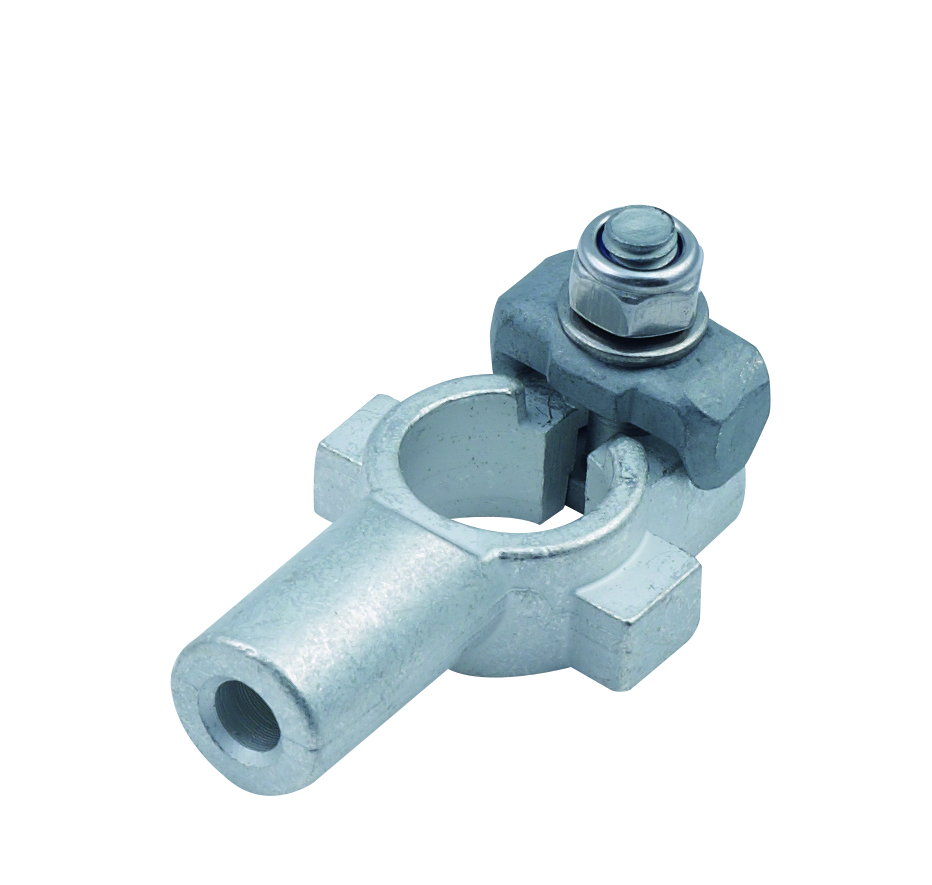
Selecting an automotive wire harness connector manufacturer for an EV battery pack is more than a product search. The right choice depends on how well a supplier's products, quality system, and production process match the specific operating environment of your vehicle program. This guide outlines the program-matching criteria used by OEMs and harness manufacturers when evaluating suppliers, and explains how Zhejiang Daou Electronics Co., Ltd. (CNDO) addresses these requirements in practice.
Defining the Matching Problem in EV Battery Pack Connector Selection
EV battery pack connectors must operate under demanding conditions. According to CNDO's application data, connectors are exposed to ambient temperatures from -40°C to +125°C. Sealed versions must meet IP67 or IP6K9K protection grades, while unsealed types are suitable for dry interior environments. The application also requires compliance with automotive vibration standards such as ISO 16750 and USCAR-2, plus flame retardance and RoHS requirements.
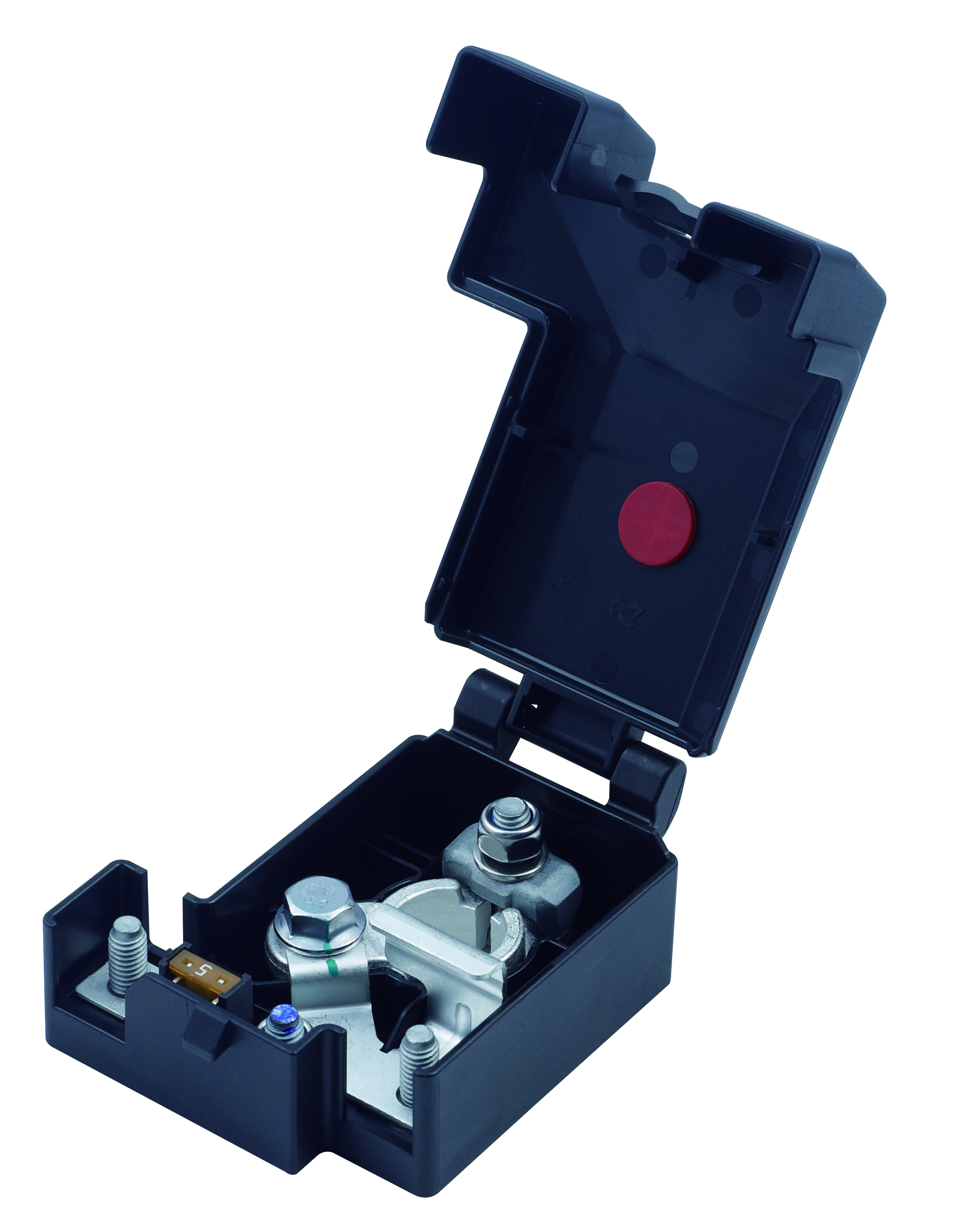
The connector is not an isolated component. It works with an auto wiring harness, vehicle storage battery, EV power battery module, automotive ECU, and auto fuse box. This means a connector manufacturer must understand the whole current path and the mechanical constraints around it. A supplier that only delivers a catalog part without system-level matching will create integration risk.
Why the Automotive Wire Harness Connector Market Is Changing
The market for automotive wiring harnesses and connectors is expanding. Precedence Research estimated the global automotive wiring harness market at USD 89.54 billion in 2025. WiseGuyReports valued the global electric vehicle high voltage connector market at USD 2.8 billion in 2024, with a projection of USD 11 billion by 2035. In the same year, Asia Pacific dominated the automotive wiring harness market with a 40.89% share, according to Fortune Business Insights.
Standards also play a larger role in procurement. USCAR-2 is the primary performance standard for automotive electrical connector systems in North America, while LV214 is widely used by German OEMs such as Audi, BMW, Daimler, and Porsche. Buyers increasingly expect suppliers to align with these frameworks.
How to Match a Manufacturer to Your EV Battery Pack Program
The following six-step approach helps buying teams compare connector manufacturers against real program requirements rather than generic marketing claims. Each step connects a specific program concern to a verifiable supplier capability.
Step 1: Define the operating profile
Start with temperature range, ingress protection, vibration profile, chemical exposure, and operating cycles. For EV battery packs, a typical profile is -40°C to +125°C, sealed connectors with IP67 or IP6K9K, vibration per ISO 16750 or USCAR-2, and resistance to oil, coolant, and cleaning agents. CNDO's product line includes housings rated IP67 with materials like PA/PBT and terminals made of pure copper or copper alloys to support this profile.
Step 2: Verify compliance and certification
Confirm that the manufacturer operates under IATF16949:2016, the automotive quality system standard. Additional requirements may include RoHS compliance and product-level vibration tests. CNDO states that its products are developed under the IATF16949 standard and meet both IP67/IP6K9K and relevant automotive vibration standards.
Step 3: Assess customization depth
No two battery pack architectures are identical. Customization may include housing color, printed logo, terminal current specifications, wire gauge matching, waterproof rating, pin count, packaging solutions, and EV high-voltage insulation structures. These are all part of CNDO's OEM customization list, allowing the connector to match specific program electrical and mechanical needs.
Step 4: Confirm production capacity and lead time
Capacity directly affects program timing. CNDO reports a monthly output of 750,000 units, with a standard lead time of 7–15 days. The MOQ is 2 units, which makes small-batch validation possible before scaling to series production.
Step 5: Demand technical documentation and support
Programs need more than connectors; they need data. CNDO provides product parameter documents, remote technical guidance, spare parts supply, and factory audit coordination. This support helps engineering teams verify fit and accelerate qualification.
Step 6: Evaluate long-term supply stability
A short-term design win is less valuable than a reliable production relationship. CNDO has been a designated supplier to major vehicle OEMs and automotive wiring harness manufacturers, with one client relationship lasting eight years. The company also cites cost-saving solutions for OEMs, which can matter when battery programs target aggressive unit costs.
Use Cases: Where the Matching Criteria Matter Most
US passenger car assembly
In the United States, applications commonly require IATF16949 certification, IP67 waterproofing, flame retardance, vibration resistance, and RoHS compliance. CNDO's sealed connectors support these requirements and are used to connect automotive wire harnesses while transmitting power and electrical signals.
European OEM programs
For European projects, especially those aligned with German OEM standards, vibration compliance and reliable signal transmission are critical. CNDO products are suitable for passenger car assembly projects and comply with ISO 16750 and USCAR-2 vibration standards. The connector's role in this scenario is to connect the automotive wire harness and transmit power and electrical signals.
Commercial and new energy vehicle programs
These programs often involve cyclic on-board operation with vehicle start-stop modes. The system may include the EV power battery module, automotive ECU, and auto fuse box. CNDO's product portfolio includes battery fuse boxes and terminals for such configurations. Unsealed connector types remain an option for dry interior locations within the vehicle.
Capability Comparison: What a Program Needs vs. What CNDO Provides
| Program Requirement | CNDO Capability / Evidence |
|---|---|
| Automotive quality certification | IATF16949:2016 quality system |
| Vibration and environmental compliance | ISO 16750 and USCAR-2 automotive vibration standards; IP67 / IP6K9K for sealed connectors |
| Operating temperature range | -40°C to +125°C; sealed connector versions available |
| Current-carrying capacity | Terminals rated 5A to 200A; battery terminal rated up to 500A |
| Material options | Pure copper, red copper, copper alloy, tin/nickel/gold-plated copper |
| OEM customization | Housing color, logo printing, terminal current spec, wire gauge matching, waterproof grade, pin count, packaging, EV high-voltage insulation structure |
| Production capacity | 750,000 units / month |
| Lead time | 7–15 days for standard production |
| Minimum order | 2 units |
| After-sales support | Remote technical guidance, spare parts supply, product parameter documents, factory audit coordination |
This table summarizes the evidence from CNDO's product and capability data. Use it as a starting point for your own supplier evaluation matrix.
FAQ
What certifications should an EV battery pack wire harness connector manufacturer hold?
An EV battery pack connector program typically requires the manufacturer to operate under a quality management system such as IATF16949:2016. Product-level requirements often include IP67/IP6K9K protection, RoHS compliance, and automotive vibration standards such as ISO 16750 and USCAR-2. CNDO designs its products under the IATF16949 standard and aligns with these conditions.
What customization capabilities matter for EV battery pack connectors?
Common customizations include housing color, printed logos, terminal current specifications, wire gauge matching, waterproof rating, pin count, packaging solutions, and EV high-voltage insulation structures. These options allow manufacturers to tailor connectors to a vehicle program's specific architecture.
How can a manufacturer help control cost for battery wire harness connector programs?
CNDO states that it has delivered cost-saving solutions to vehicle OEMs and automotive wiring harness manufacturers. Its in-house R&D and production, from mold development and precision manufacturing to finished product inspection, help reduce intermediate costs and shorten response time for program changes.
Can I request samples and technical documents before production?
Yes. CNDO's OEM process includes product parameter documents and remote technical guidance. The MOQ of 2 units makes it practical to request a small batch for engineering validation before committing to serial production.
What is the typical lead time for OEM battery wire harness connectors?
CNDO's standard lead time is 7–15 days, with a monthly production capacity of 750,000 units. The actual lead time depends on the configuration, customization, and current order load.
Conclusion and Next Step
Matching an automotive wire harness connector manufacturer to an EV battery pack program requires evaluating more than price and catalog specs. You need a supplier that understands the operating environment, holds the right certifications, can customize to your architecture, and has the capacity and documentation to support series production.
CNDO offers a practical starting point. Its IATF16949-certified quality system, full-chain R&D and production, and OEM-focused customization capabilities are documented in this guide. To review the full product range and manufacturing capabilities, download the CNDO company brochure.

For program-specific sample requests or quotes, you can contact CNDO directly via email or WhatsApp through the company website.