Automotive Wire Harness Connector Selection: IP Ratings, Current and Torque as One System
An automotive wire harness connector is correctly specified only when three parameter families agree with one another: the ingress protection (IP) rating that matches the installation zone, the electrical load the contact must carry continuously and at peak, and the mechanical fastening that keeps that contact stable for the life of the vehicle. Read one parameter at a time, each looks simple. Read together, they explain most of the failures that survive a datasheet review and still come back from the field.
This guide is written for engineers, harness designers and procurement teams in the research and evaluation stage of a connector program. It works through the three parameters using the published specification sets of a wire harness housing (DOH0001-1), a three-way tube conduit connector (D520023), a terminal family (DOE24022), an SAE Top Post battery terminal (DOBP22001), an EV high-voltage battery connector (DOBN22006-D5), a battery fuse box (DOBXS4-1A / DOBXS5-1F) and a harness support bracket (DOCB24001) from Zhejiang Daou Electronics Co., Ltd. (CNDO), a wire harness, battery terminal, fuse box and connector manufacturer based in Yueqing, Zhejiang Province, China.
Problem Definition: Why Single-Parameter Selection Fails
Most connector selection errors are not caused by a missing specification. They are caused by optimising one specification while silently degrading another one that was never written down.
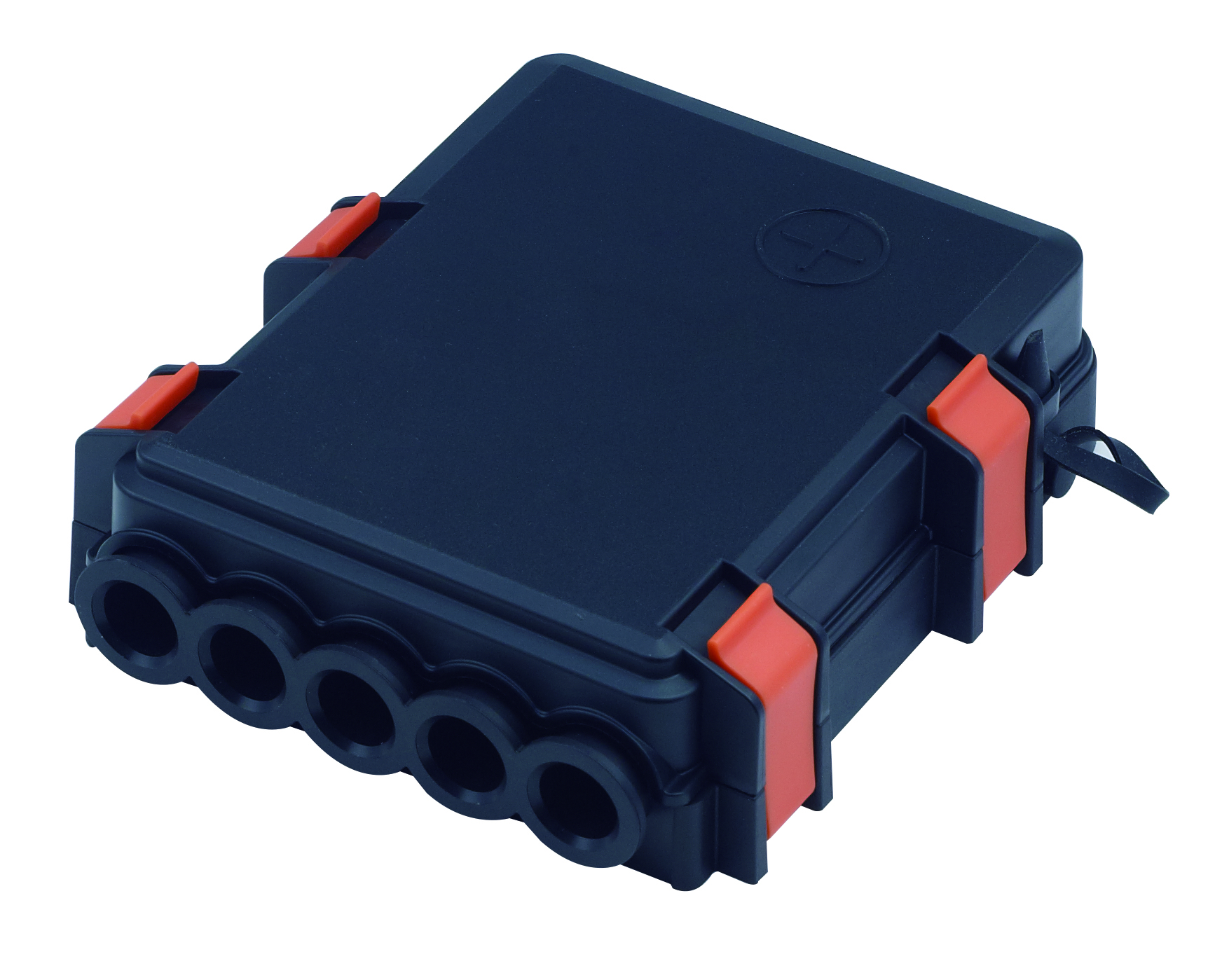
Selecting by IP rating alone. A sealed housing is not the same thing as a sealed connection. The conduit connector D520023 reaches IP66 / IP67 only with sealing gaskets installed, which means the gasket is part of the sealing system rather than an accessory. A buyer who specifies "IP67 housing" but orders the gasket separately can end up with an assembly that never reaches the rated level in production.
Selecting by current rating alone. A contact rated for a given current in a laboratory fixture will not behave the same way when it is fastened with the wrong clamp geometry, in an engine bay that cycles between cold starts and high-temperature soak, with a plating that was chosen for price rather than for the environment.
Treating torque as an assembly instruction rather than a specification. Tightening torque is where the electrical and the mechanical worlds meet. Under-torque raises contact resistance, which raises local temperature, which accelerates ageing of the polymer and the seal. Over-torque deforms the post or the thread, cracks the housing, and compresses the gasket past its recovery point. In both directions the electrical symptom appears first and the sealing failure follows.
Selection rule: treat IP rating, current rating and tightening torque as one three-way constraint. If any one of them is changed, re-check the other two before the part is released to production.
Industry Background: Where These Three Constraints Come From
Three forces have pushed connector parameters from a purchasing detail to an engineering decision.
Electrification raises current density. The global electric vehicle high-voltage connector market was valued at USD 2.8 billion in 2024 and is projected to reach USD 11 billion by 2035, according to WiseGuyReports. Higher pack voltages and higher continuous currents mean that the same physical envelope now has to carry far more energy, which places more weight on contact material, plating and fastening quality.
The wiring harness base is large and highly regulated. Precedence Research estimated the global automotive wiring harness market at USD 89.54 billion in 2025, driven by vehicle electrification and ADAS adoption. Published estimates for this market vary because different research houses define the scope differently, so these figures are best read as directional rather than as an exact count.
Standards define what "qualified" means. USCAR-2 is the primary performance standard for automotive electrical connector systems in North America, covering testing for low-voltage road vehicle applications. LV214 is the standard widely used by European German OEMs, including Audi, BMW, Daimler and Porsche, for terminal and connector testing requirements. On the quality-system side, IATF16949:2016 is the baseline expected of any supplier feeding a vehicle program. Auto wire harness connectors intended for engine bay or exterior use are expected to combine these test standards with IP-rated sealing, flame retardance, vibration resistance and RoHS compliance.
Detailed Solution: The Three Parameters and How to Read Them
Parameter 1 — IP Rating: Match the Zone Before Comparing Numbers
Under IEC 60529, the first digit of an IP code describes solids protection and the second describes water protection. IP66 means dust-tight plus protection against powerful water jets. IP67 means dust-tight plus protection against temporary immersion. Both are "6" for dust; the difference is entirely about how water arrives at the part.
The practical decision, therefore, is not "which number is higher" but "which zone will this connector live in":
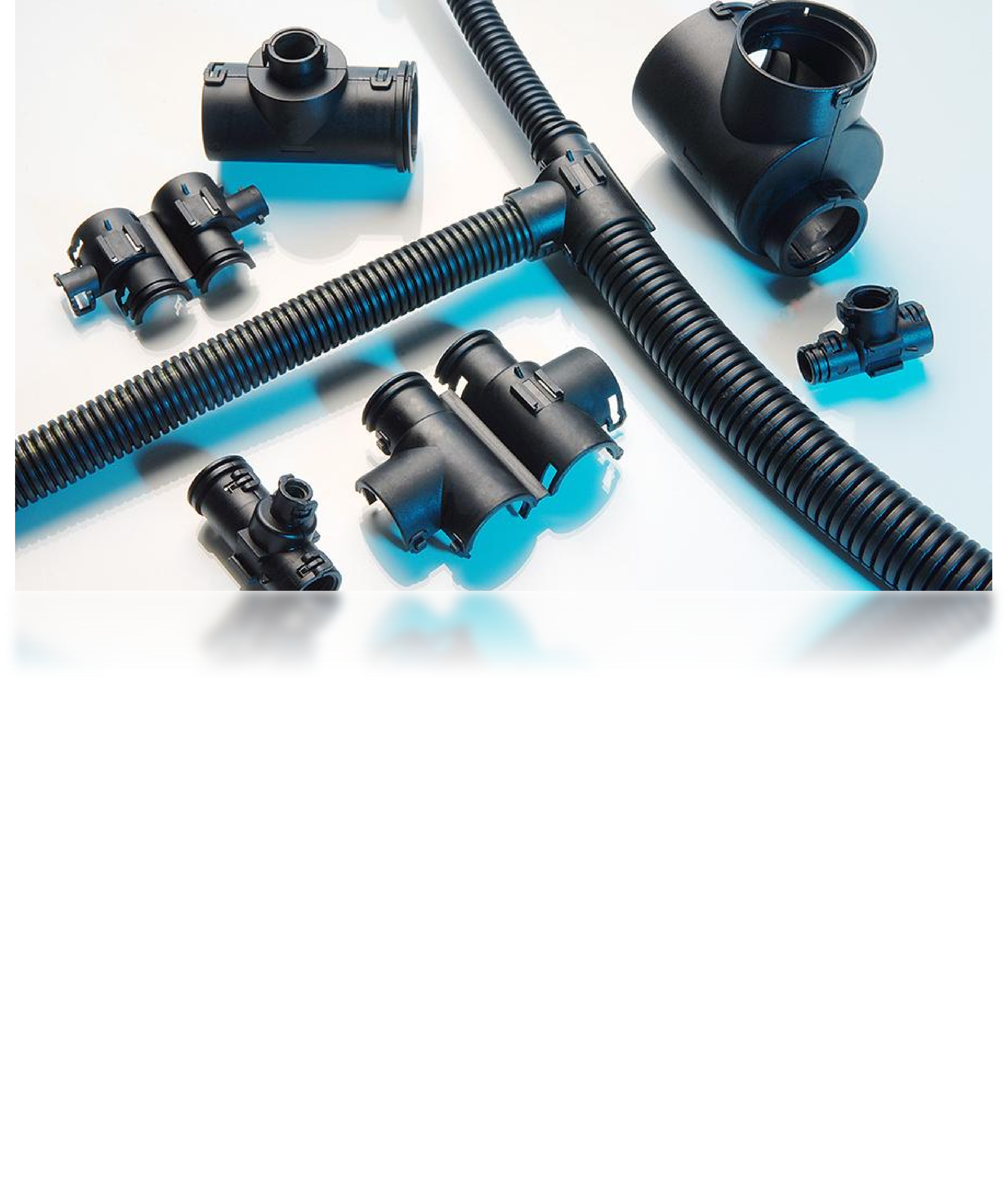
- Engine bay: the dominant threats are oil, coolant, grease and temperature cycling as much as water. The conduit connector D520023 is made of PA66 and is resistant to engine oil, mineral oil, grease, weak acid and alkali and partial solvents, with UV, hydrolysis and ageing resistance. Its continuous operating range is -40 °C to +120 °C, with a short-term peak temperature of 150 °C.
- Chassis and underbody: pressure washing and road spray dominate. IP66 is the floor; IP67 is required where standing water, wading or a low-mounted battery tray can temporarily submerge the joint.
- Body and cabin wiring: dry interior environments allow unsealed connector types, which keeps cost and packaging size down. Sealed types are reserved for the zones that actually see water, dust or chemicals.
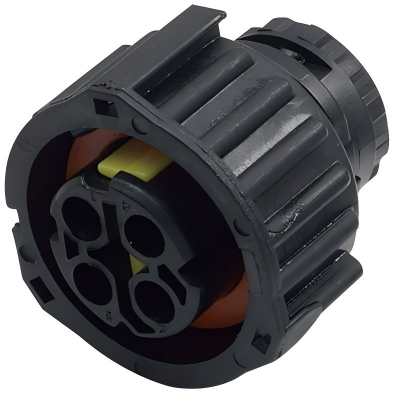
For a housing-level reference, DOH0001-1 is a PA/PBT wire harness housing rated IP67 with a -40 °C to +125 °C operating range. Its sealing property is described as waterproof, dustproof, oil-resistant and acid & alkali resistant, and it is specified as compliant with automotive vibration requirements and IATF16949 standards.
Parameter 2 — Current and Voltage: Separate Continuous Load from Peak Load
Electrical selection starts with two numbers that are often merged into one: the continuous current the circuit carries for hours, and the peak current it carries for seconds. Terminal DOE24022 illustrates why size matters more than a headline figure. Its rated voltage is 12V / 24V DC for mainstream vehicle use, up to 48V DC for special models, and its rated current varies by size across 5A, 10A, 20A, 50A, 100A and 200A options.
Material and plating decisions follow directly from the load and the environment. DOE24022 is offered in pure copper, red copper, copper alloy, tin-plated copper, nickel-plated copper and gold-plated copper. The general logic is straightforward: tin plating is the common baseline for general vehicle circuits; nickel plating is chosen where higher temperature or more aggressive corrosion exposure is expected; gold plating is used where stable low-level contact resistance matters, such as signal paths. DOE24022 is specified with low contact resistance for stable conductivity, withstand voltage compliant with automotive wiring harness electrical standards, and high insulation resistance in the insulated version.
At the battery end of the harness, the current story changes scale:
- SAE Top Post battery terminal DOBP22001 is a 12V automotive battery terminal made of brass, with a positive post diameter of 19.05 mm and a tapered post profile. It is the conventional connection for fuel vehicle battery wire harness assemblies.
- EV high-voltage battery connector DOBN22006-D5 is specified for a maximum current of 500A with tin-plated contacts, an M8 thread, a tightening torque of 8 N·m and a negative post diameter of 17.46 mm.
The difference between those two entries is the clearest illustration of why a single "current rating" cannot be compared across platforms. A 12V SAE Top Post terminal answers a clamp-and-post geometry problem. A 500A EV connector answers a high-current joint problem where the fastening system, not the clamp, carries the load.
The fuse box belongs in the same calculation. Models DOBXS4-1A and DOBXS5-1F are battery fuse boxes made from PA66 and copper, with a main busbar in high-conductivity copper or brass and tin, nickel or zinc plating on the surface. Working voltage is 12V DC or 24V DC. The main fuse is a bolt-type mega fuse, and auxiliary fuses are standard blade fuses rated from 5A to 30A. The shell is flame-retardant plastic with a sealed cover and a waterproof, dustproof structure, with an ambient temperature range of -40 °C to +125 °C. Installation uses fixed mounting holes with a direct battery positive connection.
Parameter 3 — Torque and the Mechanical Interface
Tightening torque is a published specification for high-current joints, not a workshop preference. DOBN22006-D5 is specified at 8 N·m on an M8 thread. That number exists to hold the contact interface within its designed compression window: enough force to break through surface films and stabilise contact resistance, but not enough to yield the thread or distort the post.
Post geometry is the second half of the mechanical interface. The SAE Top Post terminal DOBP22001 uses a positive post diameter of 19.05 mm with a tapered profile, while the EV connector DOBN22006-D5 uses a 17.46 mm negative post. A clamp that appears to "fit" a post diameter but does not match the taper will make partial contact, and partial contact under high current is a heat source.
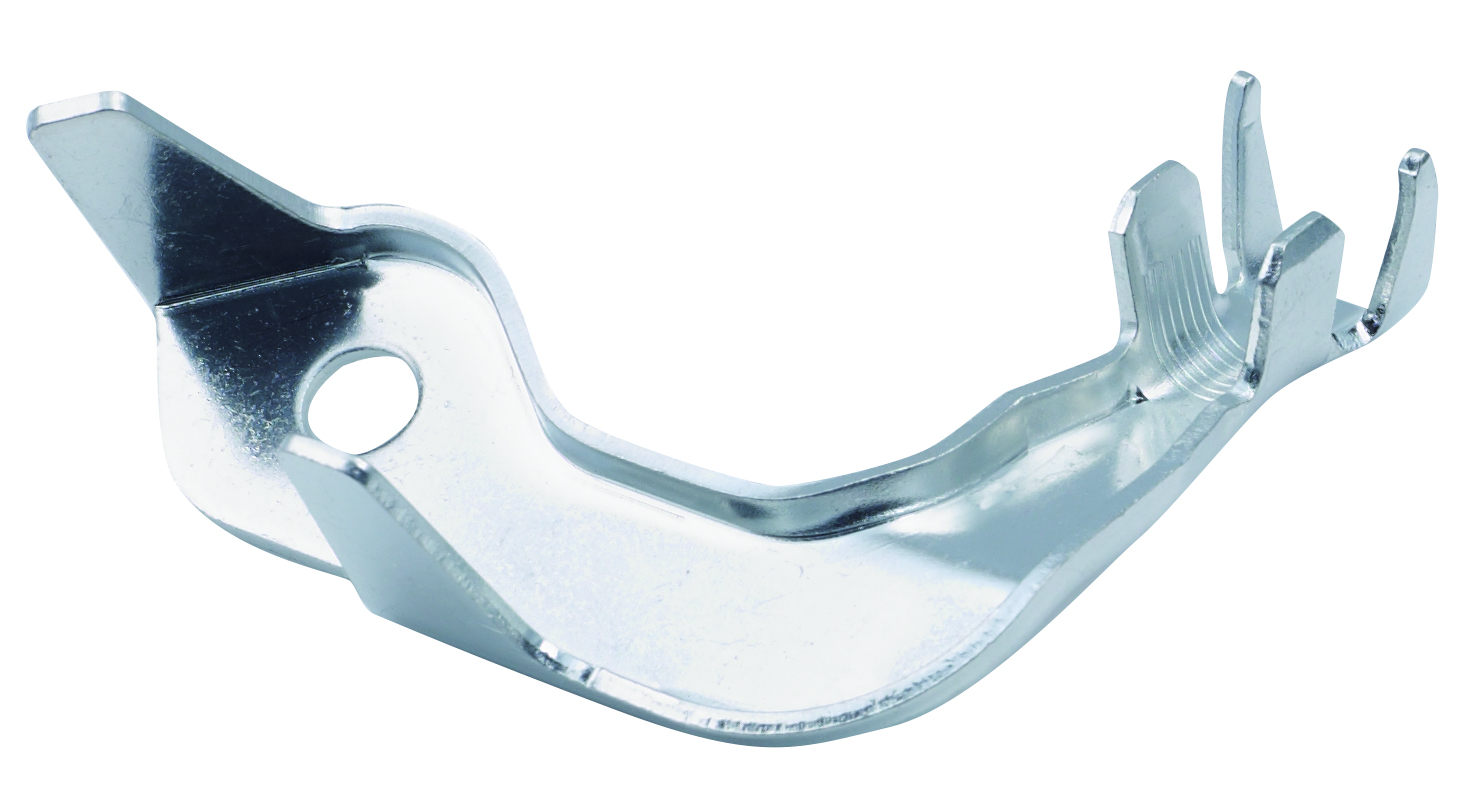
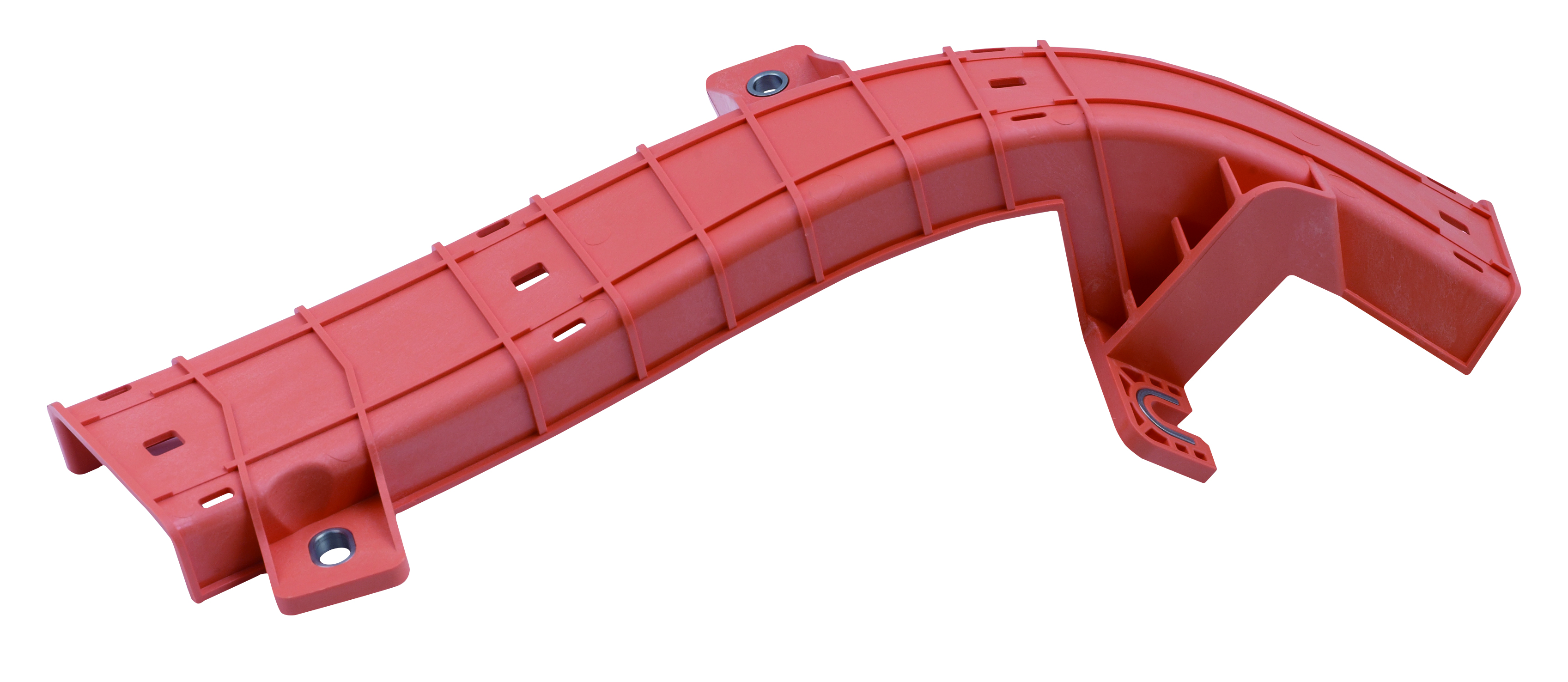
The third element is retention. Vibration does not loosen a correctly torqued joint on its own; it loosens a joint that has no strain relief. The harness support bracket DOCB24001 exists for that reason. It is made from PA66 or PA66 GF30, rated for -40 °C to +125 °C, with engine bay versions able to withstand higher transient temperatures. Its flame rating is UL94-V0 / UL94-V2, and it is specified as UV resistant, aging resistant and salt spray resistant, and resistant to engine oil, coolant and cleaning agents, with vibration durability compliant with vehicle vibration durability test standards.
Reading the three together: a 500A joint at 8 N·m on an M8 thread in an IP67 zone is a system. Change the torque value, and you change the contact resistance; change the contact resistance, and you change the thermal load on the seal; change the thermal load on the seal, and the IP rating becomes a claim rather than a performance.

Step-by-Step Breakdown: A Five-Step Selection Sequence
- Define the installation zone and its fluids. Write down whether the connector sits in the engine bay, on the chassis, in the body or in the cabin. Record which fluids it can contact: engine oil, mineral oil, grease, coolant, cleaning agents, salt spray, weak acid and alkali. This step determines whether the part needs IP66, IP67 or an unsealed design.
- Fix the electrical envelope. Separate continuous current from peak current, and record the system voltage. A 12V / 24V DC fuel vehicle circuit and a 48V DC special model circuit place different demands on the same terminal family. Choose the terminal size from the current list (5A, 10A, 20A, 50A, 100A or 200A for DOE24022) rather than from a rounded-up guess.
- Select contact material and plating. Pure copper, red copper, copper alloy, tin-plated, nickel-plated or gold-plated copper each answer a different combination of current, temperature and corrosion exposure. Match the plating to the zone identified in step 1.
- Size the mechanical interface and record the torque value. Confirm post diameter and taper (19.05 mm positive post and 17.46 mm negative post, for example), thread specification (M8) and the specified tightening torque (8 N·m for DOBN22006-D5). Put the torque value on the assembly instruction, not only in the drawing.
- Close the loop with retention, sealing accessories and certification evidence. Add the sealing gasket if the IP66 / IP67 rating depends on it, add a support bracket where the harness weight or vibration can load the terminal, and confirm that the supplier's quality system and test evidence cover the product scope you are buying.
Use Cases: Where the Same Framework Applies
Fuel vehicle battery wire harness assembly
A conventional 12V starting and charging circuit uses an SAE Top Post battery terminal such as DOBP22001 (brass, 19.05 mm positive post) together with a battery fuse box such as DOBXS4-1A or DOBXS5-1F, which mounts with fixed holes and connects directly to the battery positive. In this application the weighting is: current continuity first, corrosion resistance second, sealing third. The fuse box is part of the current path, not only a protective device, which is why the busbar plating (tin, nickel or zinc) and the 5A to 30A auxiliary blade fuse selection matter to the same system.
New energy vehicle battery pack and commercial vehicle high voltage harness
Here the weighting reverses: current and thermal behaviour dominate, and the mechanical joint becomes the limiting factor. A 500A connector such as DOBN22006-D5 with an M8 thread and 8 N·m torque specification is selected together with an IP67 housing and, where the route passes through the engine bay or chassis, a sealed conduit connector with chemical resistance. Terminal current options up to 200A and 48V DC capability cover the lower-voltage control and auxiliary circuits around the pack.
Engine bay and chassis wire routing
Where a harness branches, a three-way or four-way conduit connector protects the split point. D520023 combines a -40 °C to +120 °C continuous range, a 150 °C short-term peak and IP66 / IP67 sealing with gaskets. Because the material is non-conductive with excellent insulation performance, the connector also acts as an electrical barrier at the branch. Support brackets such as DOCB24001 add salt spray, coolant and cleaning agent resistance plus vibration durability at the same location.
Adjacent platforms with the same physics
The three-parameter logic is not limited to four-wheeled vehicles. Motorcycle complete vehicle wire harness connectors and motorcycle battery positive and negative connectors repeat the same pattern at a smaller scale, where vibration resistance carries more weight than IP level. Battery wire harness assemblies for energy storage devices and high-voltage connectors for energy storage battery packs shift the weighting toward continuous current and thermal stability. Waterproof wire harness connectors for garden tools, special wire harness connectors for garden lawn mowers and wire harness fuse boxes for garden power tools are sealing-dominated products, where IP performance and chemical resistance decide the design. Wire harness connectors for smart small home appliances, waterproof connectors for household small appliances, battery wire harness terminals for small appliances and connectors for portable small home appliances sit at the opposite end, where tightening torque, pin count and cost per unit drive the selection.
Comparison Table: Parameter Reference
The table below consolidates the published parameter sets of the component families discussed above. Empty cells indicate that the parameter is not part of the published specification for that model rather than that it is unimportant.
| Model | Component | Material | Temperature | Sealing / environment | Electrical & mechanical key data |
|---|---|---|---|---|---|
| DOH0001-1 | Wire harness housing | PA / PBT | -40 °C to +125 °C | IP67; waterproof, dustproof, oil-resistant, acid & alkali resistant; automotive vibration compliant | IATF16949 standards |
| D520023 | Three-way tube conduit connector | PA66 | -40 °C to +120 °C continuous; 150 °C short-term peak | IP66 / IP67 with sealing gaskets; engine oil, mineral oil, grease, weak acid & alkali, partial solvents; UV / hydrolysis / ageing resistant | Non-conductive material with excellent insulation performance |
| DOE24022 | Wire harness terminal | Pure copper, red copper, copper alloy, tin-, nickel- or gold-plated copper | Not specified | Plating selected by environment | 12V / 24V DC, up to 48V DC special models; 5A / 10A / 20A / 50A / 100A / 200A by size; low contact resistance; high insulation resistance (insulated version) |
| DOBP22001 | SAE Top Post battery terminal | Brass | Not specified | Not specified | 12V automotive; positive post 19.05 mm, tapered |
| DOBN22006-D5 | EV high-voltage battery connector | Tin-plated contacts | Not specified | Not specified | 500A maximum current; M8 thread; 8 N·m tightening torque; negative post 17.46 mm |
| DOBXS4-1A / DOBXS5-1F | Battery fuse box | PA66 / copper; busbar in copper or brass with tin / nickel / zinc plating | -40 °C to +125 °C | Flame-retardant shell, sealed cover, waterproof and dustproof structure | 12V DC / 24V DC; bolt-type mega main fuse; auxiliary blade fuses 5A–30A; fixed mounting holes; direct battery positive connection |
| DOCB24001 | Wire harness support bracket | PA66 / PA66 GF30 | -40 °C to +125 °C (engine bay versions tolerate higher transients) | UL94-V0 / UL94-V2; UV, aging and salt spray resistant; resistant to engine oil, coolant and cleaning agents | Vibration durability compliant with vehicle vibration durability test standards |
The second table is a planning aid rather than a product claim. It maps the sealing levels named in the framework above to the zones where they are normally used, based on the IEC 60529 definitions of IP66 and IP67.
| Sealing level | What the level covers | Typical zone |
|---|---|---|
| Unsealed | No water or dust protection | Dry interior body and cabin wiring |
| IP66 | Dust-tight; protected against powerful water jets | Chassis, wheel arch and underbody areas exposed to pressure washing and road spray |
| IP67 | Dust-tight; protected against temporary immersion | Low-mounted chassis positions, battery trays and areas exposed to standing water or wading |
Frequently Asked Questions
Which certifications should an automotive wire harness connector supplier hold?
The baseline for automotive production is IATF16949:2016, the quality management standard recognised across the global automotive supply chain. CNDO holds IATF16949:2016 certification issued by URS under certificate number 0596976, valid through 2029-02-08, with a scope covering the design and manufacture of electronic connectors and wire harnesses. Product-level testing is a separate layer: USCAR-2 is the primary performance standard for automotive electrical connector systems in North America for low-voltage road vehicle applications, and LV214 is the standard widely used by European German OEMs such as Audi, BMW, Daimler and Porsche for terminal and connector testing. A supplier evaluation should therefore check both the quality-system certificate and the test standards the product is qualified against.
How do I choose between an IP66 and an IP67 wire harness connector?
Choose by zone, not by the higher number. IP66 protects against powerful water jets, which fits chassis, wheel arch and underbody positions exposed to pressure washing and road spray. IP67 protects against temporary immersion, which is required for low-mounted positions, battery trays and vehicles that wade. Both are dust-tight. In practice, confirm two additional points: whether the rated level depends on a sealing gasket being installed (the conduit connector D520023 reaches IP66 / IP67 with sealing gaskets), and whether the part resists the fluids it will actually meet, such as engine oil, coolant, salt spray or weak acid and alkali.
What drives the cost of a custom automotive wire harness connector?
Cost follows the parameters you specify rather than the model name. For an OEM program the variables typically include housing colour, printing or logo, terminal current specification, wire gauge matching, waterproof grade, pin count, packaging solution and, for EV applications, the high-voltage insulation structure. Material choices move cost as well: pure copper versus tin-plated, nickel-plated or gold-plated copper contacts, and PA66 versus PA66 GF30 for brackets and housings. Prototype and validation quantities can start as low as 2 units, so the cost of verifying a design before committing to tooling can be kept separate from the cost of volume production.
How can we validate a connector before committing to a production program?
Validation should test the three parameters together rather than separately. Confirm the IP rating with the sealing gaskets installed, not on a bare housing. Apply the specified tightening torque (8 N·m for DOBN22006-D5 on its M8 thread) with a calibrated wrench and record the result. Confirm that the selected terminal current matches the fuse rating in the fuse box, and check that the post diameter and taper match the clamp geometry. Supplier-side support for this process typically includes product parameter documents, remote technical guidance, spare parts supply and factory audit coordination.
What lead time and production capacity should we expect from an OEM connector supplier?
CNDO operates an OEM production model with a lead time of 7 to 15 days and a monthly capacity of 750,000 units, with a minimum order quantity of 2 units and exports directed mainly to the United States and the European Union. For programs that need documented scope before purchase, the full product range and specifications are compiled in the downloadable catalogue below.
Conclusion: Specify the System, Not Three Separate Parts
The three parameters in this guide are not a checklist to be completed in any order. They are a closed loop. The installation zone sets the required IP level and the fluids the material must survive. The electrical envelope sets the terminal size, contact material and plating. The mechanical interface sets the thread, post diameter and tightening torque, and the support bracket keeps that interface stable under vibration. A change in any one of them re-opens the other two.
Zhejiang Daou Electronics Co., Ltd. (CNDO) manufactures this component set under an IATF16949:2016 quality system, with a 6,000 m² facility, 125 employees, an R&D team of 25 engineers and an annual output of 9,000,000 units, serving OEM vehicle manufacturers and automotive wiring harness factories with approximately 50% of output exported to the United States and the European Union. Buyers who want to work through the parameters against a specific program can request the parameter documents for the models in this guide.
Next Step: Validate the Parameters Against Your Program
Request a sample or a technical quote, or download the full product catalogue with specification sheets for housings, terminals, battery terminals, fuse boxes, conduit connectors and support brackets.
Download the CNDO English product catalogue
Contact: Vicky · Email: jialuzhou101@gmail.com · Tel / WhatsApp: +86 13645876878
Address: Puqi Characteristic Industrial Zone, Yueqing City, Zhejiang Province, China · Website: www.zjdaou.com