Automotive Wire Harness Connector: Cost, Reliability and Risk Compared
Automotive Wire Harness Connector: Cost, Reliability and Risk Compared

When an OEM procurement team reaches the decision stage, the basic questions about automotive wire harness connectors have usually been answered. The remaining task is to compare suppliers and choose the one that will perform over the life of the vehicle. On performance data, CNDO's automotive wire harness connectors provide 60% longer service life, three levels higher vibration resistance and IP67 waterproof performance, compared with IP54 for traditional connectors. On cost, the comparison shows a 10-20% lower price than traditional alternatives. This article explains how to verify those claims and make a defensible supplier decision.
Why the Automotive Wire Harness Connector Decision Is Harder Than Price
Wire harness connectors are among the most failure-sensitive parts in a vehicle. In engine compartments, they face heat, vibration, moisture and chemical exposure. In battery systems, they carry high current and must maintain low resistance. Without disciplined design and process control, connectors can fail through overheating, poor contact, water ingress, vibration loosening, insulation breakdown or corrosion. The commercial impact is not limited to the component itself. A failed battery terminal or fuse box connection can stop the vehicle, damage adjacent electronics and create warranty claims. At the decision stage, therefore, comparing suppliers only on unit price is a high-risk approach.
Market Context: More Platforms, More Connector Options
Market data explains why the comparison problem is becoming more urgent. According to Precedence Research, the global automotive wiring harness market was estimated at USD 89.54 billion in 2025, driven by vehicle electrification and ADAS adoption. Fortune Business Insights reports that Asia Pacific accounted for 40.89% of the market in 2025, and China represented 62% of regional revenue. In the electric vehicle segment, WiseGuyReports estimated the global EV high-voltage connector market at USD 2.8 billion in 2024, with a projection of USD 11 billion by 2035. Dataintelo values the global two-wheeler wiring harness market at USD 3.8 billion in 2025.
At the same time, the competitive landscape is concentrated at the top. Yazaki Corporation led the global automotive wiring harness market with a 21.4% share in 2025, while TE Connectivity, Amphenol and Molex are the top three global connector manufacturers. For OEMs, however, large incumbents are not always the best fit for specialized battery terminal and fuse box subassemblies. A focused manufacturer with automotive-grade quality control can provide a more flexible comparison on cost, MOQ and engineering support.
Comparing CNDO with Traditional Automotive Wire Harness Connector Supply
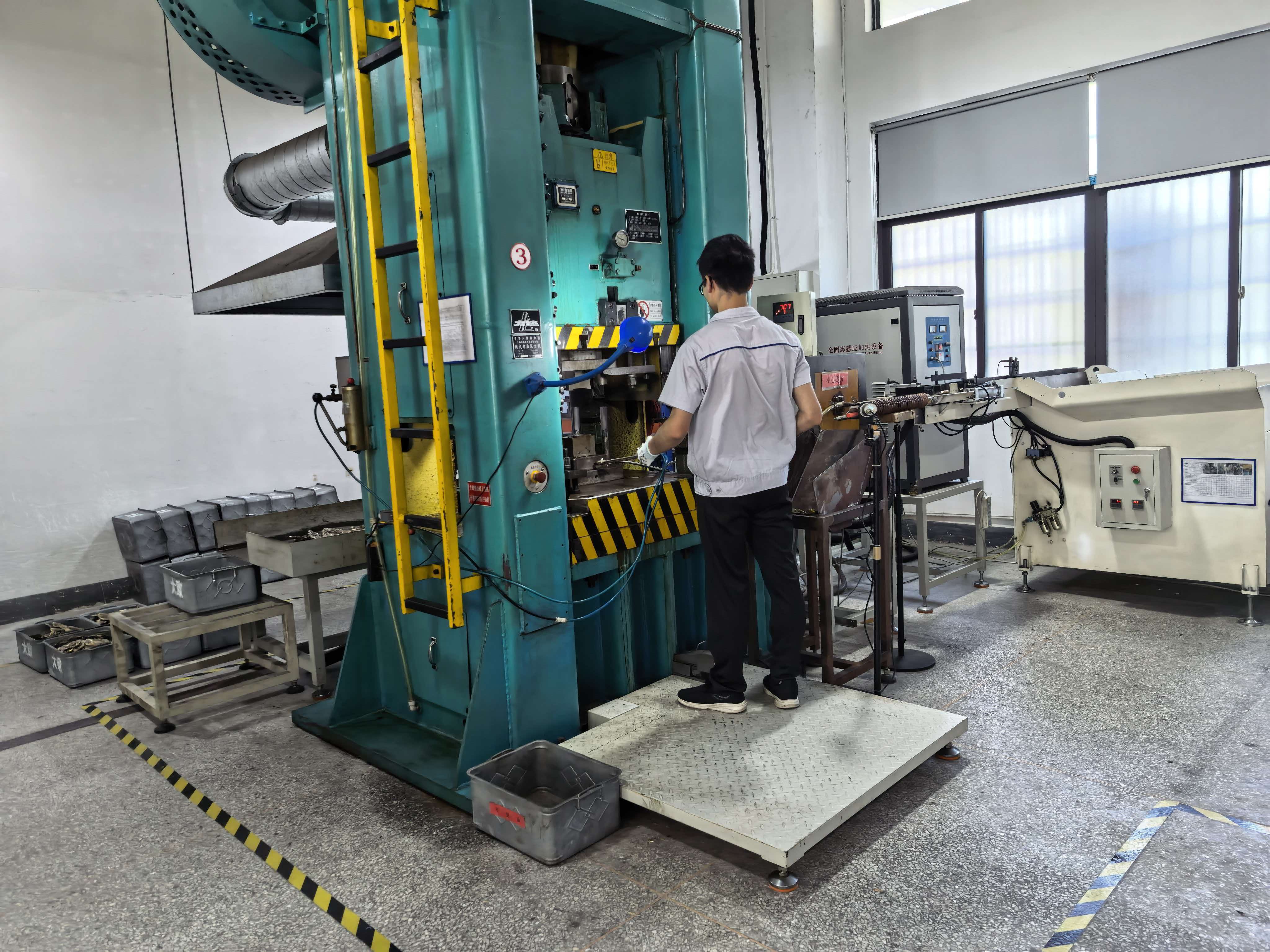
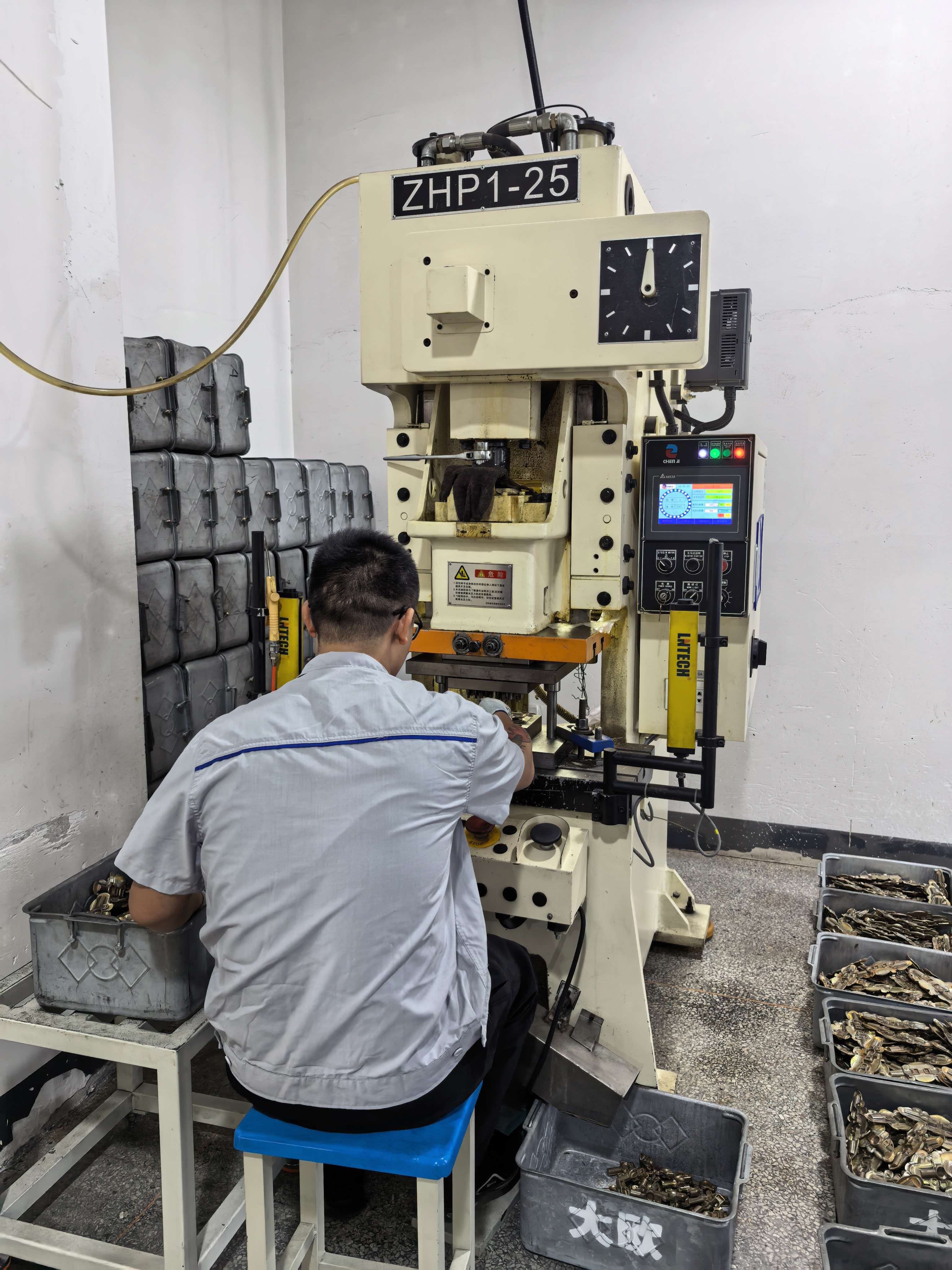
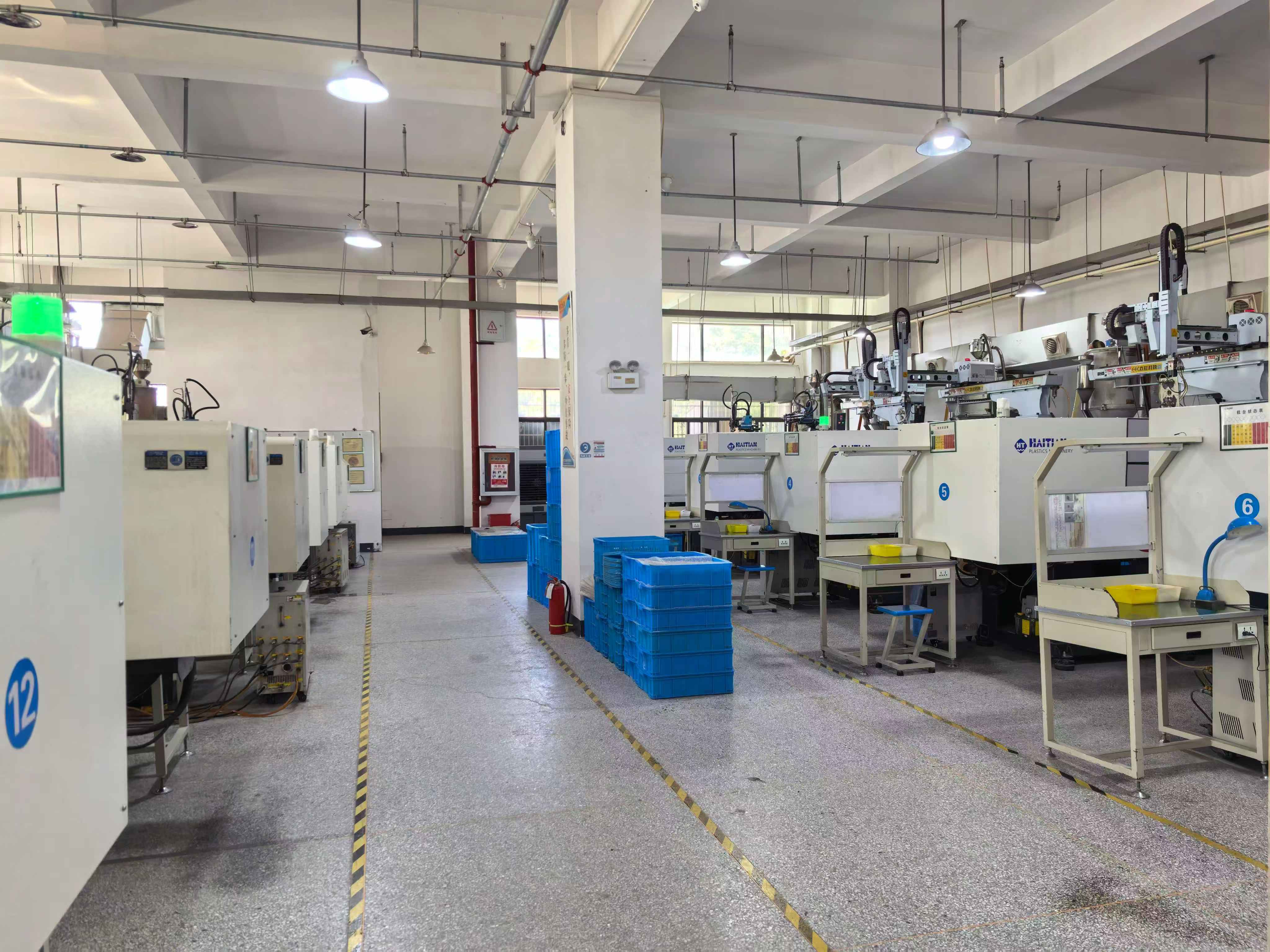
Zhejiang Daou Electronics Co., Ltd., known in the market as CNDO, is an automotive wire harness and battery terminal manufacturer based in Yueqing City, Zhejiang Province, China. The company develops and produces wire harness and battery terminals, fuse boxes, connectors, waterproof plugs and connectors for electric vehicle battery packs. CNDO operates a 6,000-square-meter facility with 125 employees, including 25 engineers, and an annual output of 9,000,000 units. About 50% of its output is exported to the USA and EU.
Quality System and Engineering Base
Compared with traditional automotive wire harness connectors, CNDO offers IATF16949:2016 automotive grade certification and integrated R&D and production capabilities. IATF16949 is the international quality management standard for automotive production parts. CNDO's full-chain capabilities run from mold development and precision manufacturing to finished product inspection. This matters for procurement because engineering changes and quality issues can be resolved inside one factory instead of being passed between separate suppliers.
CNDO also supports OEM and main-unit supply solutions. Its customer base includes Chinese automotive brands such as Chery Group, Foton Motor, LOVOL, Wuling, FAW Group, Changan Group, GAC Group, Geely Group and BAIC Group. Long-term partnerships with wiring harness manufacturers include Luxshare Precision, Aptiv and Sumitomo Electric. These relationships indicate that the company has passed the qualification processes used by large automotive supply chains.
Performance: Service Life, Vibration and Waterproofing
According to CNDO's comparison data, CNDO connectors provide 60% longer service life and three levels higher vibration resistance than traditional automotive wire harness connectors. The waterproof rating is IP67, while traditional connectors commonly sit at IP54. IP67 means protection against dust and temporary water immersion; IP54 offers limited protection against dust and splashing water. For battery terminals and fuse box connectors mounted near the vehicle floor or in the engine bay, this difference can determine whether water ingress becomes a field failure.
Risk Control: From Material Incoming to Finished Product
CNDO addresses the main risks in automotive connector applications: overheating, poor contact, water ingress, vibration loosening, insulation breakdown and corrosion. The design response includes thermal resistance protection, IP67 waterproof sealing, anti-vibration locking structure, high-voltage reinforced insulation and anti-corrosion tin plating.
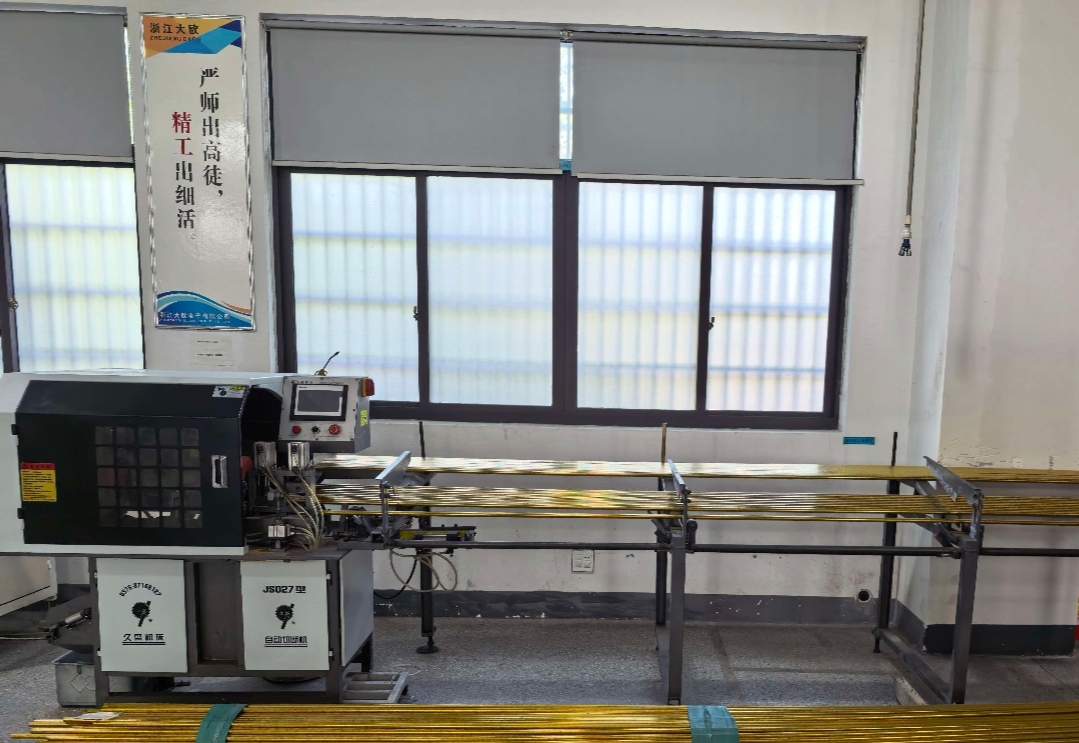
Production process risks are controlled with temperature and vibration aging tests, combined with 100% finished product electrical performance tests. The company applies IATF16949 full-process quality inspection and raw material incoming tests. These measures reduce the chance that a weak batch reaches a vehicle assembly line.
Cost: Lower Custom Cost and Lower Total Cost
Compared with alternatives, CNDO's automotive wire harness connectors offer 10% to 20% lower cost, providing cost-saving solutions to vehicle OEMs and wiring harness manufacturers. The comparison also includes a lower custom MOQ, which makes it easier for OEM programs to move from evaluation to production without committing to a large initial order.
On the total cost side, stable low-resistance conductive performance reduces vehicle power consumption loss, while high-precision automated production improves daily output efficiency by 25%. In a procurement model that includes warranty, maintenance and energy loss, these factors can be more important than the initial unit price.
Step-by-Step: How to Compare Suppliers Before You Choose
Step 1: Define the Application and Operating Environment
Start by classifying the vehicle program: fuel passenger vehicle, commercial vehicle, new energy vehicle battery pack or another electrified platform. Then list environmental conditions, including temperature range, vibration input, splash or immersion risk, current load and assembly constraints. CNDO's product range covers wire harness and battery terminals, fuse boxes, connectors, waterproof plugs and EV battery pack connectors, so the comparison should focus on the exact product family.
Step 2: Verify Compliance Evidence
Ask for the IATF16949 certificate and for the quality control plan that applies to your part. CNDO's compliance system includes IATF16949 full-process quality inspection and raw material incoming tests. A certificate alone is not enough; request records that show the testing plan is actually applied.
Step 3: Compare Performance Parameters with Test Methods
Compare service life, vibration resistance and waterproof rating under defined test conditions. CNDO reports 60% longer service life, three levels higher vibration resistance and IP67 performance. Ask the supplier to specify temperature range, duration, vibration profile and water depth used in the test. Without a test method, a performance number is difficult to compare across suppliers.
Step 4: Evaluate Failure-Prevention Design
Check how the supplier addresses overheating, poor contact, water ingress, vibration loosening, insulation breakdown and corrosion. CNDO uses thermal resistance protection, IP67 waterproof sealing, anti-vibration locking structure, high-voltage reinforced insulation and anti-corrosion tin plating. Map these controls to your known failure modes before approving the design.
Step 5: Calculate Total Cost, Not Unit Price
Total cost should include piece price, tooling, logistics, quality failures, maintenance and energy loss. CNDO reports 10% to 20% lower cost and less maintenance, while low-resistance contacts reduce vehicle power consumption loss. Build a simple cost model and compare suppliers over a realistic program life.
Step 6: Confirm OEM Support and Supply Scalability
Finally, check the supplier's ability to support an OEM program. CNDO provides lower custom MOQ, integrated R&D and production, and a capacity base of 125 employees, a 6,000-square-meter facility and annual output of 9,000,000 units. About 50% of output goes to the USA and EU. For program-specific lead times, contact CNDO with your specification and volume forecast.
Use Cases: Where the CNDO Connector Solution Applies
Fuel Passenger Vehicles
In fuel passenger vehicles, the battery positive and negative terminals and the vehicle-matched battery fuse box must handle starting current and engine-compartment heat. CNDO's anti-vibration locking structure and anti-corrosion tin plating reduce loosening and corrosion at the battery terminal, while the lower-resistance contact helps protect the charging circuit.
Commercial Vehicles
Commercial vehicles run longer hours and expose connectors to stronger vibration. CNDO's comparison data shows three levels higher vibration resistance than traditional connectors. This makes the solution relevant for trucks, buses and other commercial platforms where connector loosening can cause unexpected downtime.
New Energy Vehicle Battery Packs
EV battery packs require connectors that maintain insulation under high voltage and resist moisture in the pack environment. CNDO produces connectors for electric vehicle battery packs and applies high-voltage reinforced insulation and IP67 waterproof sealing. These are decision-relevant characteristics for new energy vehicle programs.
CNDO vs. Traditional Connectors: Decision Comparison Table
| Comparison Point | CNDO Automotive Wire Harness Connector | Traditional Automotive Wire Harness Connector |
|---|---|---|
| Quality system | IATF16949:2016 automotive grade, full-process quality inspection | Varies; often no automotive-grade system |
| Service life | 60% longer | Baseline |
| Vibration resistance | 3 levels higher | Baseline |
| Waterproof rating | IP67 | IP54 |
| Cost | 10%-20% lower | Baseline |
| Custom MOQ | Lower custom MOQ | Higher / less flexible |
| R&D and production | Integrated in-house mold development, precision manufacturing and finished inspection | Often fragmented or outsourced |
| Risk control | Raw material incoming test, temperature and vibration aging test, 100% finished electrical test | Basic inspection only |
| Best-fit applications | Fuel passenger vehicles, commercial vehicles, new energy EV battery packs | General applications |
Comparison reflects CNDO product data and should be validated against your application and test specification.
FAQ
Which manufacturer is better for automotive wire harness connectors?
A better manufacturer can demonstrate automotive-grade quality management, measurable performance advantages, structured risk control and a lower total cost. CNDO, a wire harness and battery terminal manufacturer in Yueqing, Zhejiang, China, supplies OEM and main-unit customers with IATF16949-certified connectors. Its comparison data shows 60% longer service life, three levels higher vibration resistance, IP67 waterproofing (versus IP54) and 10%-20% lower cost than traditional options.
What capabilities should a better manufacturer have for battery terminal matching and fuse box integration?
The manufacturer should support OEM programs with integrated R&D and production, including mold development, precision manufacturing and finished product inspection. CNDO develops and produces wire harness and battery terminals, fuse boxes, connectors and waterproof plugs. It provides lower custom MOQ and supports OEM supply for domestic automakers, with partnerships that include wiring harness manufacturers such as Luxshare Precision, Aptiv and Sumitomo Electric.
How do CNDO and traditional connectors compare on cost?
CNDO's automotive wire harness connectors are 10% to 20% lower in cost than traditional alternatives, while also reducing maintenance. Stable low-resistance conductive performance reduces vehicle power consumption loss. When comparing cost, include warranty and failure risk, not only piece price.
Can buyers request samples or a trial batch before an OEM program?
CNDO supports OEM and main-unit supply solutions with lower custom MOQ, which makes small-batch evaluation more practical. To start, buyers can request samples and a quotation from CNDO's sales team with their connector drawing or application description.
What lead-time and capacity factors should be checked when selecting a manufacturer?
CNDO operates a 6,000-square-meter facility with 125 employees and annual output of 9,000,000 units, with about 50% exported to the USA and EU. Program lead times depend on part design, tooling and order quantity. Contact CNDO to confirm scheduling.
Conclusion: Make the Automotive Wire Harness Connector Decision on Evidence
At the decision stage, automotive wire harness connector selection should be based on four evidence points: compliance, performance, risk control and cost. CNDO provides IATF16949 certification, integrated R&D and production, lower custom MOQ, and documented performance advantages over traditional connectors. The next step is to validate these facts against your own application, test specification and volume forecast.
Next step: validate CNDO against your current supplier. Download the company brochure to review the manufacturing system, product range and quality controls.
Email: jialuzhou101@gmail.com | Tel/WhatsApp: +86 13645876878 | Website: www.zjdaou.com
Address: Puqi Characteristic Industrial Zone, Yueqing City, Zhejiang Province, China