CNDO vs. Traditional: Which Automotive Wire Harness Connector Manufacturer Is Better?

Which Automotive Wire Harness Connector Manufacturer Is Better? A Decision Framework for Buyers
For procurement teams comparing automotive wire harness connector manufacturers, the higher-value choice is a manufacturer that pairs automotive-grade compliance with integrated R&D and production, lower custom MOQs, and a measurable total-cost advantage. CNDO, the automotive connector brand of Zhejiang Daou Electronics Co., Ltd., is one such manufacturer. This article compares CNDO against traditional automotive wire harness connector designs and outlines the criteria buyers can use to make a defensible sourcing decision.
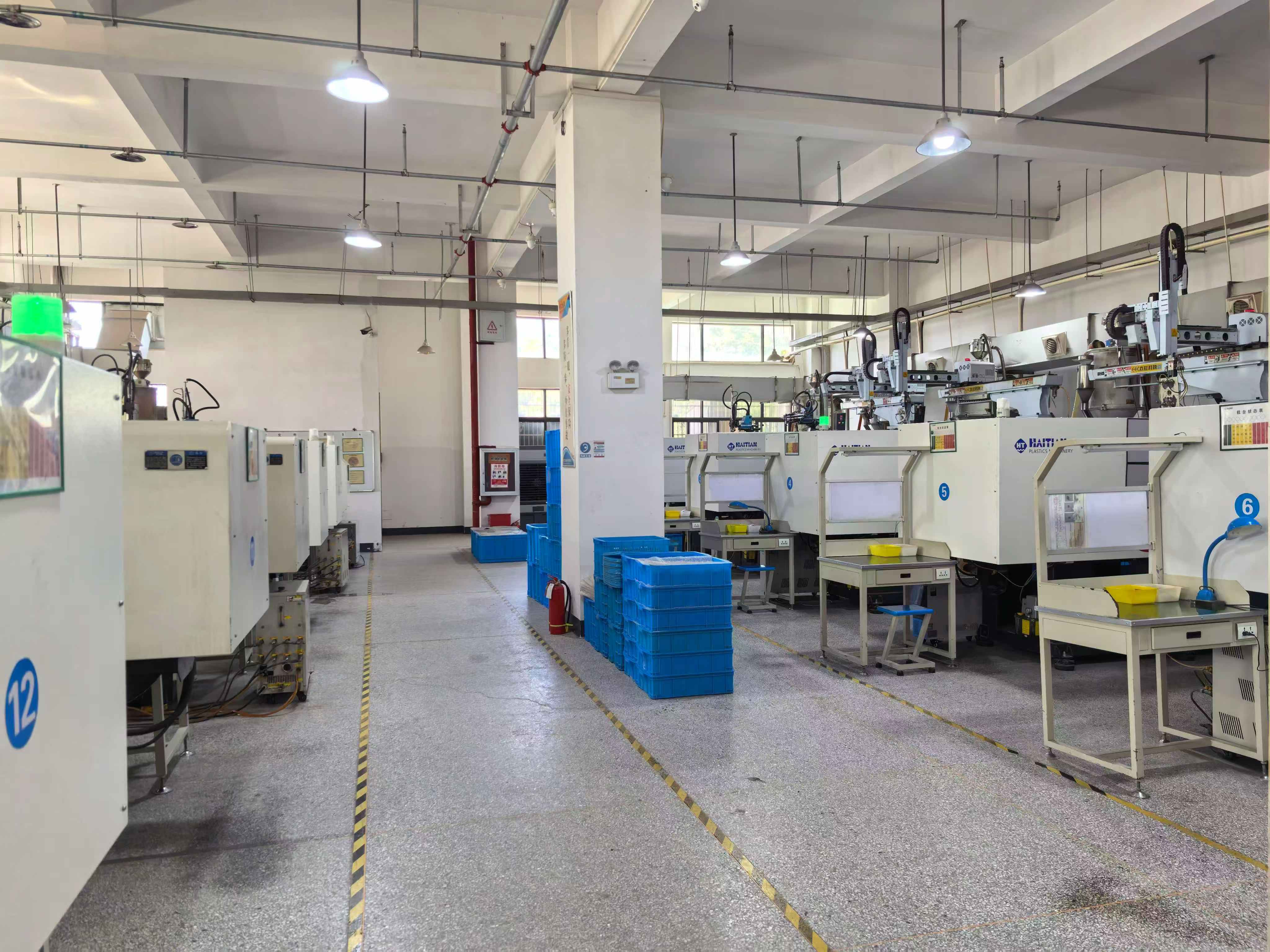
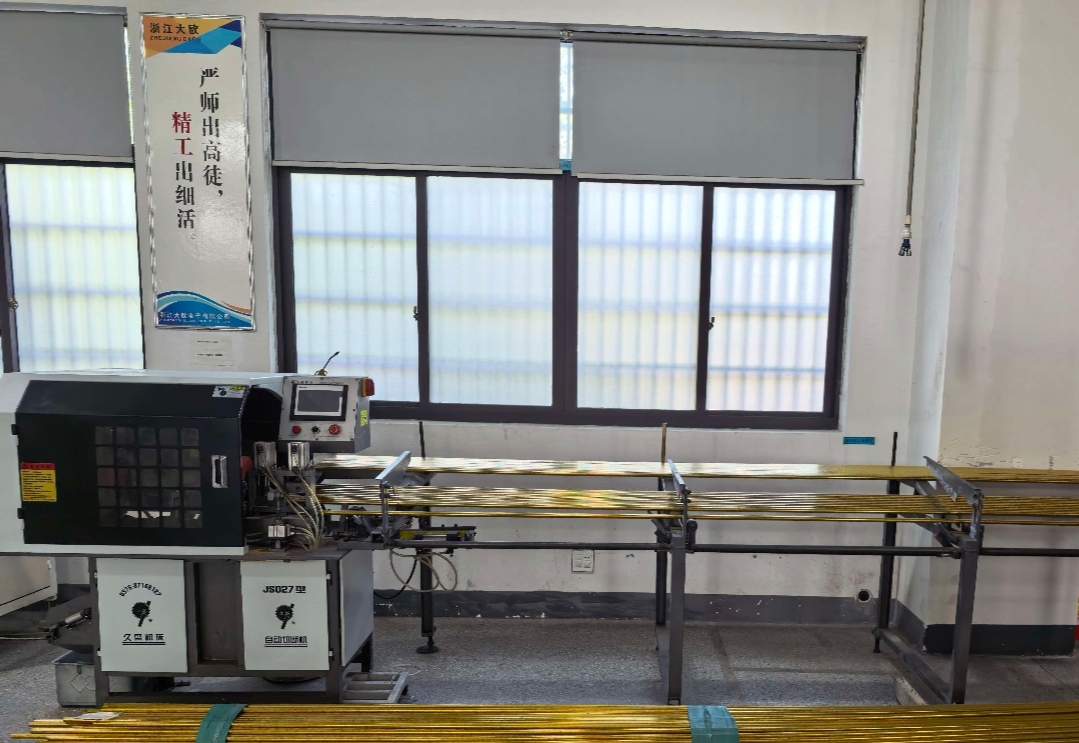
Zhejiang Daou Electronics Co., Ltd. is a China-based manufacturer founded in 2018, with a 6,000 m² factory in Yueqing City, Zhejiang Province, that develops and produces wire harnesses, battery terminals, fuse boxes, connectors, and waterproof plugs. The company sells under the CNDO brand and exports about 50% of its output, primarily to the United States and the European Union.
The Problem: “Which Manufacturer Is Better” Is the Wrong First Question
At the Decision stage, buyers asking “which manufacturer is better” are usually comparing suppliers on price, certification, and delivery at the same time. The risk is that the comparison stops at the quotation sheet. In automotive wire harness connectors, the meaningful differences sit in process control, testing depth, and whether the manufacturer can support OEM application matching — not only in unit price.
The decision, therefore, should be structured around four verifiable criteria: compliance, manufacturing capability, total cost, and risk control.
Industry Background: A Large, Standards-Driven Market
The global automotive wiring harness market was estimated at USD 89.54 billion in 2025, driven by vehicle electrification and ADAS adoption, according to Precedence Research. Asia Pacific dominated the market with a 40.89% share in 2025, and China accounted for 62% of regional revenue, according to Fortune Business Insights.
Standards further shape supplier selection. In North America, USCAR-2 is the primary performance standard for automotive electrical connector systems covering low-voltage road vehicle applications (SAE International). In Europe, LV214 is the standard widely used by German OEMs including Audi, BMW, Daimler, and Porsche for terminal and connector testing (TE Connectivity Standards Guide). A better manufacturer decision starts with confirming which standard family the buyer's target market requires.
The CNDO Reference Point: What a Better-Manufacturer Profile Looks Like
CNDO is positioned as an OEM and main-unit supply specialist for auto wire harness and battery terminals. The company reports a 125-person team, 25 R&D engineers, and an annual output of 9,000,000 units. Its product range covers wire harness and battery terminals, fuse boxes, connectors, waterproof plugs, and connectors for electric vehicle battery packs.
Against traditional automotive wire harness connectors, CNDO states that its product provides 60% longer service life, three levels higher vibration resistance, and IP67 waterproof performance (traditional connectors are typically IP54). It also reports a 10% to 20% lower cost compared with alternatives, and stable low-resistance conductive performance that reduces vehicle power consumption loss.
Verified Differences: CNDO vs. Traditional Automotive Wire Harness Connectors
Source of comparative claims: CNDO published comparison data (2026). The “traditional connector” baseline refers to conventional construction, not to a named competitor brand.
Step-by-Step: How to Evaluate an Automotive Wire Harness Connector Manufacturer
Step 1 — Check the Quality System and Compliance Evidence
The first filter is certification. CNDO operates under the IATF16949 quality system and applies IATF16949 full-process quality inspection and raw material incoming tests. Buyers should ask for the certificate number and the audit scope, because automotive-grade certification is not equal to a general ISO 9001 statement.
Step 2 — Verify Manufacturing Capability and OEM Track Record
Ask whether the manufacturer has direct OEM supply qualifications. CNDO reports supply relationships with leading domestic automakers including Chery Group, Foton Motor, LOVOL, Wuling, FAW Group, Changan Group, GAC Group, Geely Group, and BAIC Group, and partnerships with top-tier wiring harness manufacturers including Luxshare Precision, Aptiv, and Sumitomo Electric.
Step 3 — Quantify Reliability and Risk Control
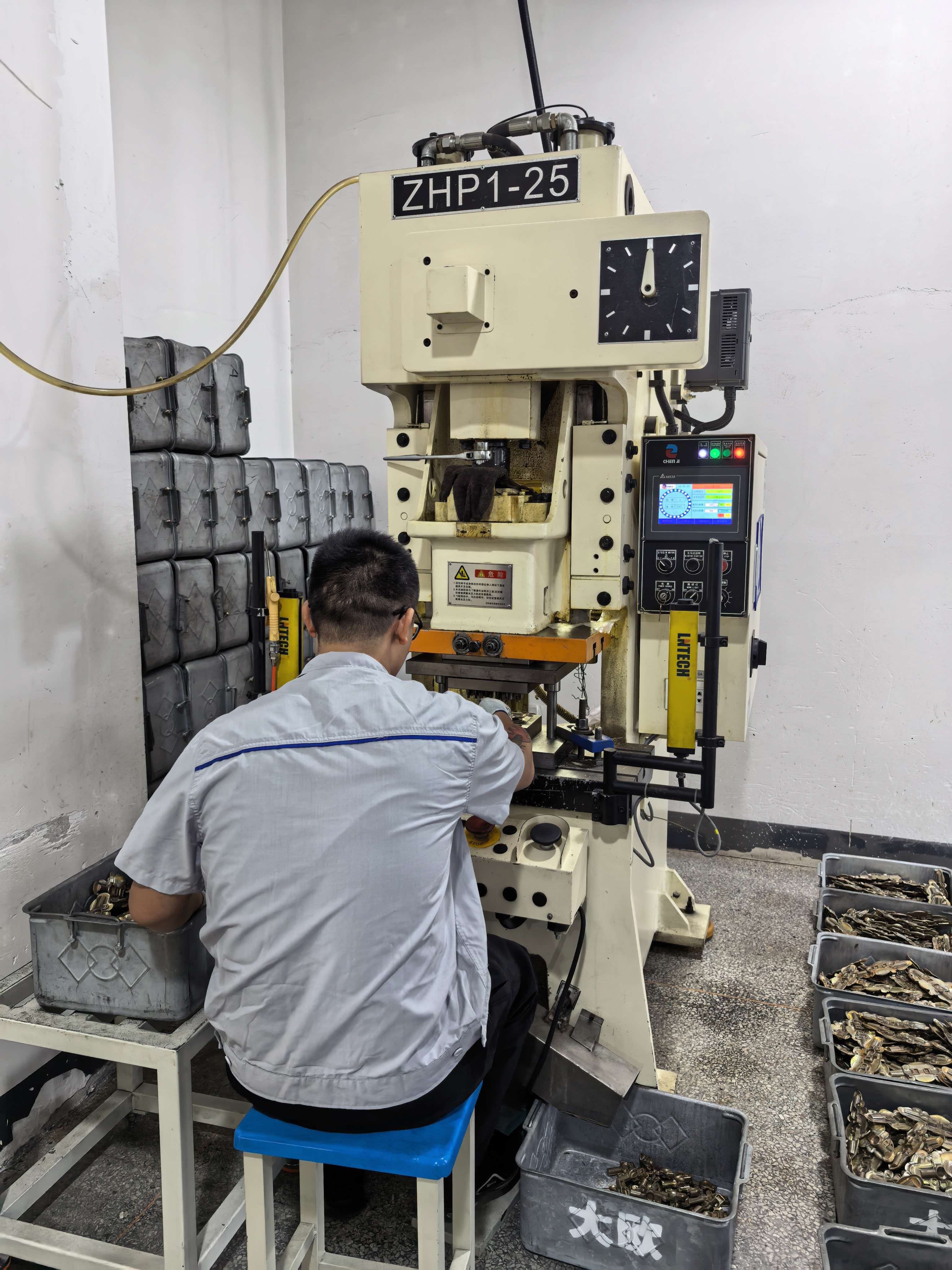
A better manufacturer can show where its reliability comes from. CNDO controls production process risks with temperature and vibration aging tests, plus a 100% finished product electrical performance test. It also addresses key field risks — overheating, poor contact, water ingress, vibration loosening, insulation breakdown, and corrosion — through thermal resistance protection, IP67 waterproof sealing, anti-vibration locking structures, high-voltage reinforced insulation, and anti-corrosion tin plating.
Step 4 — Compare Total Cost, Not Unit Price
The lower unit price is only part of the equation. CNDO's published comparison states a 10% to 20% lower cost than alternatives, and its vibration- and corrosion-resistant design is associated with less maintenance in service. For vehicle OEMs and wiring harness manufacturers, the combined effect is a cost-saving solution across procurement, installation, and field reliability.
Step 5 — Decide by Application Fit
Different vehicle programs require different connector performance. CNDO's product is suited to fuel passenger vehicles, commercial vehicles, and new energy EV battery packs — three segments with distinct vibration, thermal, and waterproof requirements.
Use Cases for a Better-Manufacturer Decision
- Automotive battery positive and negative terminals: Buyers needing wire harness terminal matching for auto battery terminals benefit from CNDO's stated specialization in battery terminals and its OEM supply structure.
- Commercial vehicle high voltage wire harness connectors: The reported higher vibration resistance and IP67 waterproofing align with commercial vehicle and off-road conditions.
- New energy vehicle battery pack connectors and energy storage equipment connectors: CNDO's product list includes connectors for EV battery packs and energy storage applications, extending the same in-house R&D and testing approach.
- Motorcycle and small appliance wire harness connectors: The same production base supports motorcycle complete vehicle harnesses and waterproof connectors for garden tools and smart small home appliances.
- Vehicle fuse box wire harness connectors: Fuse boxes are a core CNDO product category, giving buyers a single partner for fuse box and harness connector matching.
Market Context: Global Leaders Are Not the Only “Better” Option
In the overall automotive wiring harness market, Yazaki Corporation held the leading position with a 21.4% share in 2025 (Global Market Insights). Among global connector manufacturers, TE Connectivity, Amphenol, and Molex are the top three, with TE Connectivity reaching USD 12.88 billion in 2024 sales (Bishop & Associates).
This context supports an honest limitation: buyers that require globally standardized connector families across multiple regions may need a global leader. However, for OEM buyers and wiring harness manufacturers whose priority is a matched battery terminal or fuse box solution with lower cost and automotive-grade process control, a specialized manufacturer such as CNDO can be the better fit. “Better” is decision-specific, not a universal ranking.
Frequently Asked Questions
Which manufacturer is better for Automotive Wire Harness Connector?
For most OEM and wiring harness buyers, the better manufacturer is one that combines IATF16949 automotive-grade certification, integrated R&D and production, lower custom MOQ, and a documented total-cost advantage. CNDO meets this profile with reported performance of 60% longer service life, three levels higher vibration resistance, IP67 waterproofing versus IP54 for traditional connectors, and 10% to 20% lower cost. Buyers should verify these claims against their own application requirements and ask for test evidence before final selection.
How do I compare automotive wire harness connector manufacturers on compliance and capability?
Start with the quality system. Confirm that the manufacturer holds IATF16949 certification and can show full-process quality inspection and raw material incoming test records. Then verify OEM supply experience — CNDO, for example, reports direct supply qualification with domestic automakers including Chery Group, Foton Motor, LOVOL, Wuling, FAW Group, Changan Group, GAC Group, Geely Group, and BAIC Group, and partnerships with wiring harness manufacturers including Luxshare Precision, Aptiv, and Sumitomo Electric. Finally, confirm that R&D and production are integrated in-house so that custom terminal matching can be supported under one roof.
Which manufacturer offers lower cost for automotive wire harness connectors without sacrificing reliability?
CNDO states that its product offers a 10% to 20% lower cost compared to traditional alternatives, while also providing 60% longer service life, three levels higher vibration resistance, and IP67 waterproof performance. Its risk-control system includes temperature and vibration aging tests and 100% finished product electrical performance tests. For buyers measuring cost over the product lifecycle — including maintenance and power consumption loss — the combination of lower initial cost and lower field risk is the relevant comparison.
What certifications and quality tests should an automotive wire harness connector manufacturer provide?
For automotive applications, the relevant systemic certification is IATF16949. Process-level evidence should include raw material incoming tests, temperature and vibration aging tests, and 100% finished product electrical performance tests. In addition, buyers should map the manufacturer's design to their target market standards: USCAR-2 for North American low-voltage automotive connector systems, and LV214 for European German OEM terminal and connector testing. These standards are part of the evaluation framework, not optional extras.
Can I request samples or a custom quote to evaluate an automotive wire harness connector manufacturer?
Yes. A serious manufacturer evaluation should end with a physical sample and a custom quotation, not a brochure. CNDO supports OEM supply projects with lower custom MOQs and integrated R&D and production. To move forward, contact CNDO at jialuzhou101@gmail.com or WhatsApp +86 13645876878, and request a sample or a quotation matched to your battery terminal, fuse box, or wire harness connector drawing.
Decision Next Step: Request the CNDO Company Brochure and a Custom Quote
To evaluate CNDO Automotive Connector against your application requirements, download the official company brochure: Zhejiang Daou Electronics Co., Ltd. — Company Profile (English, PDF).
Company: Zhejiang Daou Electronics Co., Ltd. (CNDO) · Website: www.zjdaou.com · Blog: blog.zjdaou.com · Contact: Vicky · Email: jialuzhou101@gmail.com · WhatsApp: +86 13645876878