
Loose Terminals or Failed Fuses in Your Wiring Setup? Robust Housing and Fuse Box Fixes
How to diagnose terminal, fuse and water-intrusion failures and specify sealed housings, battery fuse boxes and high-temperature PA66 connectors for automotive and EV battery-pack wiring.
A loose terminal or a failed fuse is usually a symptom, not the whole problem. The durable fix is to correct the root cause: weak terminal retention, water or dust ingress, heat aging, vibration, chemical exposure, or a fuse box that no longer protects the circuit. For automotive programs, the replacement parts should match the vehicle zone and the verified temperature, sealing and material requirements.
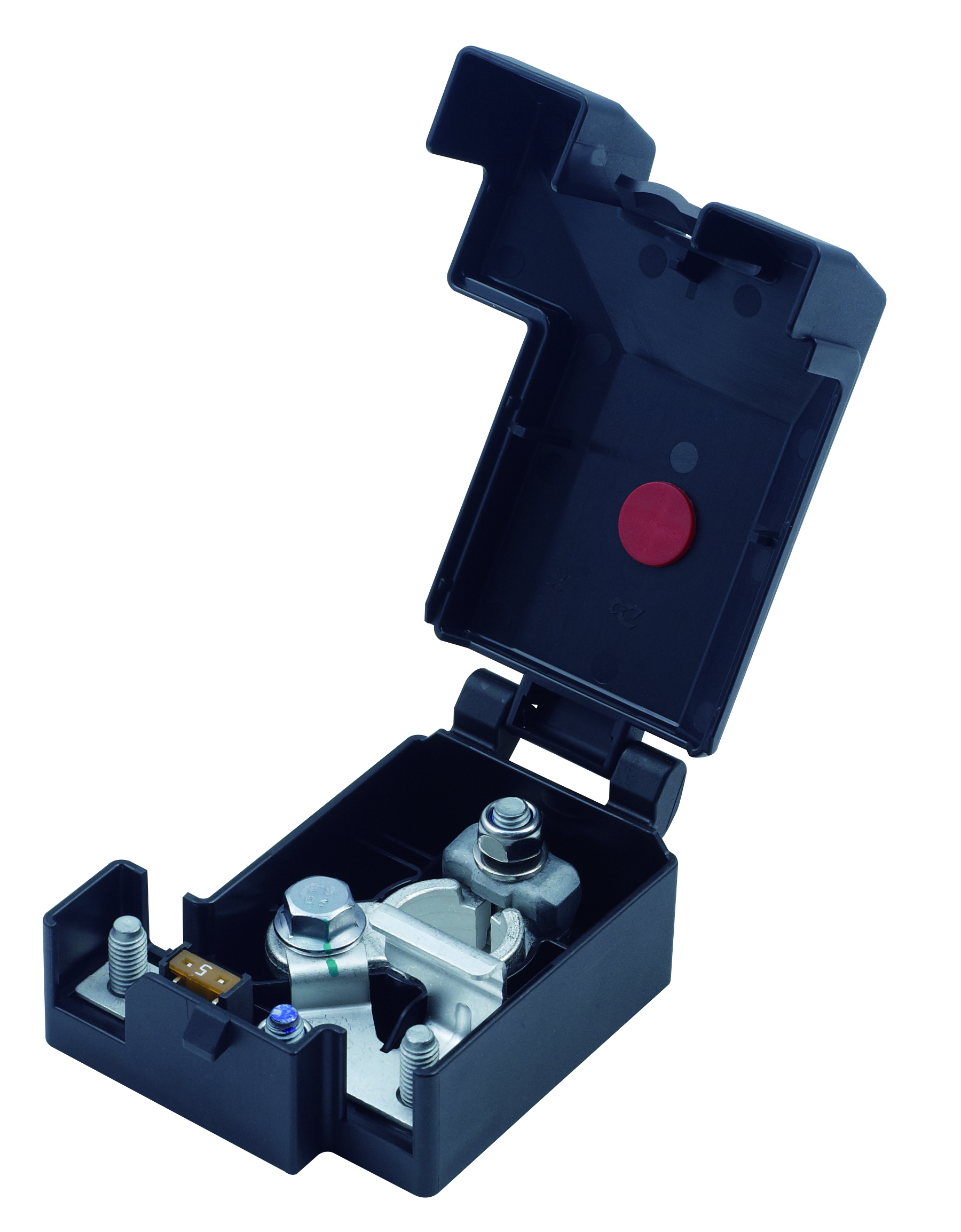
Problem Definition: What a Loose Terminal or Failed Fuse Actually Tells You
In an automotive wire harness connector system, a loose terminal can appear as intermittent voltage, heat at the connection, damaged plating, or a connector that no longer holds the terminal in position. A failed fuse can appear as an open circuit, but the fuse may have opened because of a downstream short, water intrusion, vibration fatigue, or poor terminal contact. Replacing the fuse alone does not correct any of those conditions.
The inspection should separate three failure layers. The first layer is the terminal interface: contact resistance, plating condition, terminal retention and tightening torque. The second layer is the housing and sealing system: whether the housing still holds the terminal, blocks water and dust, and resists oil, acid, alkali and cleaning agents. The third layer is the fuse box and mounting system: whether the fuse box has a sealed cover, fixed mounting holes, a stable busbar and a direct battery positive connection.
Do not treat a failed fuse as a standalone maintenance item. If the fuse box shows water intrusion, loose mounting, corroded terminals or heat damage, the replacement plan should include the housing and fuse box, not only the fuse.
Common symptoms include terminal corrosion, a loose battery positive or negative terminal, a fuse box with a cracked or unsealed cover, wiring that moves against a bracket, and connector bodies that have been exposed to engine oil, coolant or cleaning agents. These symptoms matter because the wiring system must transmit power and electrical signals during cyclic on-board operation with vehicle start-stop mode.
Industry Background: Why Sealed, High-Temperature Parts Matter
Automotive wire harness connectors operate in conditions that combine temperature cycling, vibration and contamination. In the application data used for this article, sealed connectors reach IP67 and IP6K9K protection grade, and the operating temperature range is -40°C to 125°C. The same application data lists compliance with ISO 16750 and USCAR-2 automotive vibration standards, plus requirements for IATF16949 automotive certification, IP67 waterproofing, flame retardance, vibration resistance and RoHS compliance.
These requirements are not only paperwork. They decide whether a replacement housing or fuse box can survive an engine bay, chassis or body wiring zone. An unsealed connector may be acceptable in a dry interior environment, but it is not a safe substitute for a sealed connector in a wet or contaminated zone. The application data distinguishes sealed connectors from unsealed types that are applicable to dry interior environments.
Material choice follows the same logic. PA66 and PA66 GF30 are used in harness support brackets and connector bodies because the material must resist heat, vibration, UV exposure, salt spray, engine oil, coolant and cleaning agents. The bracket specification in this article lists an operating range of -40°C to +125°C and resistance to engine oil, coolant and cleaning agents. For fuse boxes, the shell is listed as flame-retardant plastic with a sealed cover and a waterproof and dustproof structure.
Zhejiang Daou Electronics Co., Ltd. (CNDO) is a China-based manufacturer of automotive wire harnesses, battery terminals, fuse boxes and connectors, located in Puqi Characteristic Industrial Zone, Yueqing City, Zhejiang. The company states that it focuses on the R&D and production of automotive wire harnesses, battery terminals and automotive fuse boxes, and that its product range includes waterproof plugs and connectors for electric vehicle battery packs.
Detailed Solution: Robust Housing and Fuse Box Fixes
The fix should be built around four part families: a sealed housing, a battery fuse box, a high-temperature PA66 connector or conduit, and a support bracket that controls routing. The part numbers below come from the approved product data for this article.
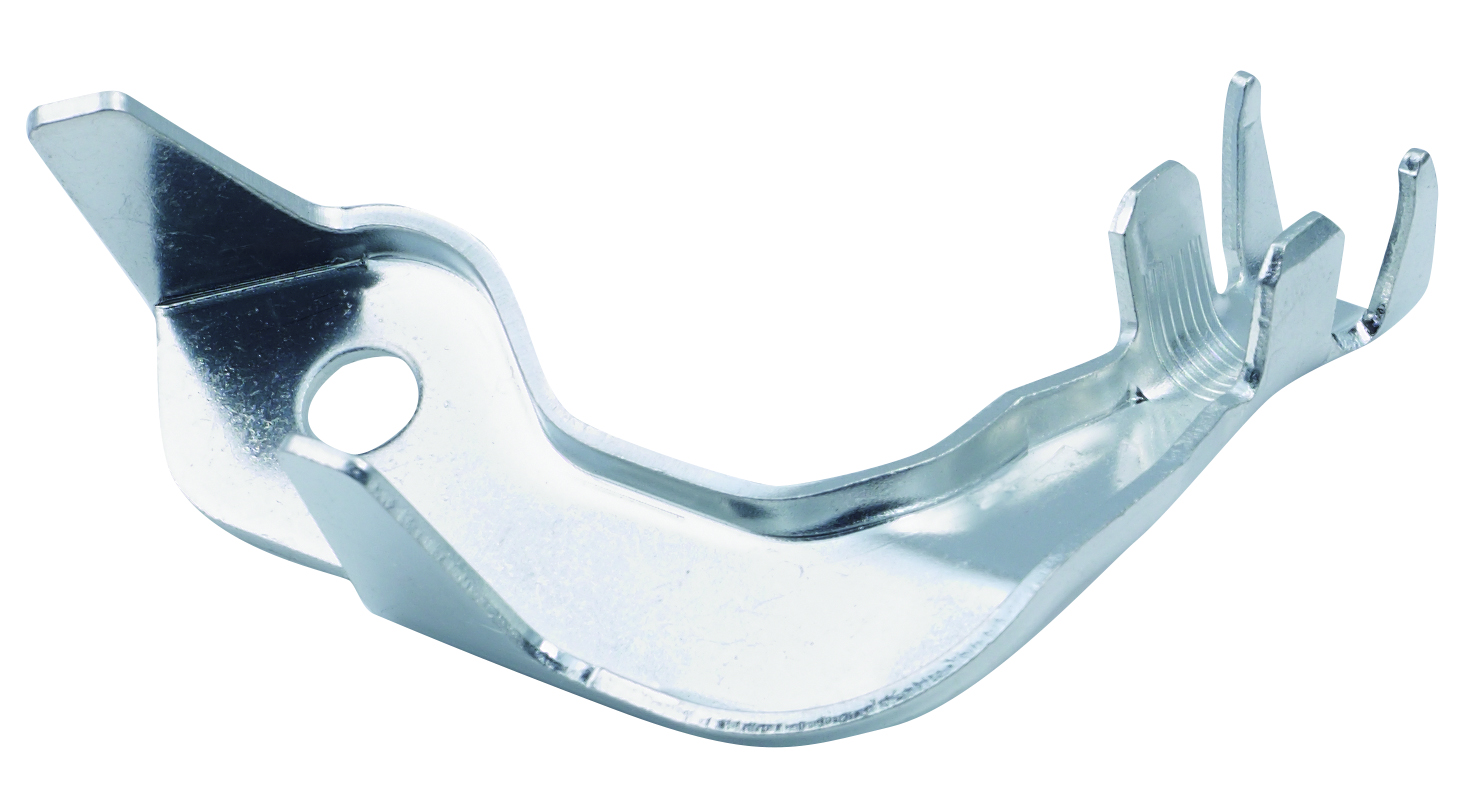
1. Replace the housing when retention or sealing is compromised
The DOH0001-1 housing is specified for IP67 protection and a -40°C to +125°C operating range. It is made from PA/PBT and is listed with waterproof, dustproof, oil-resistant and acid and alkali resistant sealing properties. It also lists automotive vibration compliance and IATF16949 standards. In a loose-terminal repair, the housing is not a cosmetic part. It is the component that holds the terminal in position and separates the contact interface from water, dust and contamination.
If the original housing has a damaged latch, a deformed cavity, a missing seal, or evidence of water intrusion, replacing the housing is more reliable than trying to restore terminal retention with tape, adhesive or a loose replacement connector. The replacement housing should match the terminal series, wire gauge and cavity count. It should also match the zone: a sealed housing for an engine bay, chassis or exterior body location, and an unsealed type only where the application data allows a dry interior environment.
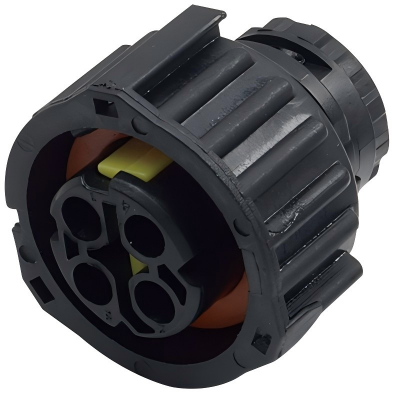
2. Replace the battery fuse box when the cover, busbar or mounting is compromised
The DOBXS4-1A and DOBXS5-1F battery fuse boxes are specified for 12V DC or 24V DC working voltage. The main busbar is high-conductivity copper or brass with tin, nickel or zinc surface plating. The main fuse position is a bolt-type mega fuse, and the auxiliary fuse positions accept standard blade fuses in 5A, 10A, 15A, 20A or 30A options. The shell is flame-retardant plastic with a sealed cover and a waterproof and dustproof structure. The ambient temperature range is -40°C to +125°C, and the installation uses fixed mounting holes with a direct battery positive connection.
For a failed-fuse repair, inspect the fuse box for a deformed cover, a loose mounting hole, corrosion on the busbar, heat discoloration, or water tracks inside the housing. A sealed cover and a stable mounting position are part of the circuit protection. If the fuse box can move, water can enter, or the busbar is corroded, the fuse may fail again even after replacement.
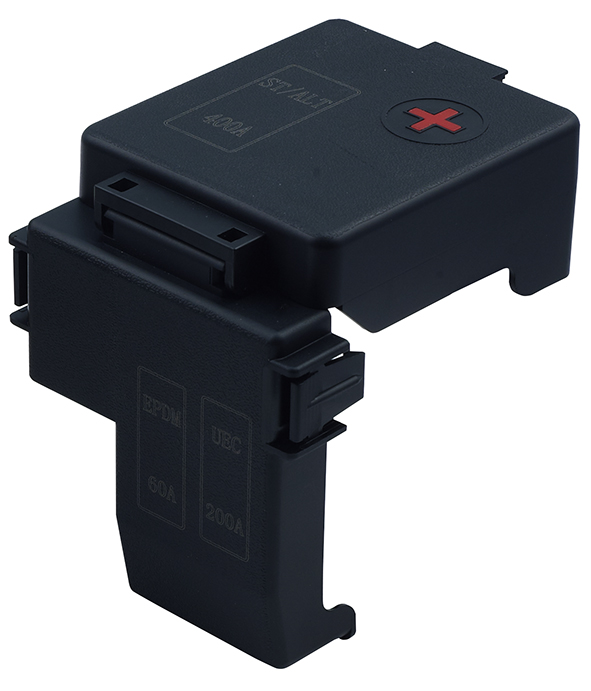
3. Use high-temperature PA66 connectors where heat and chemicals are present
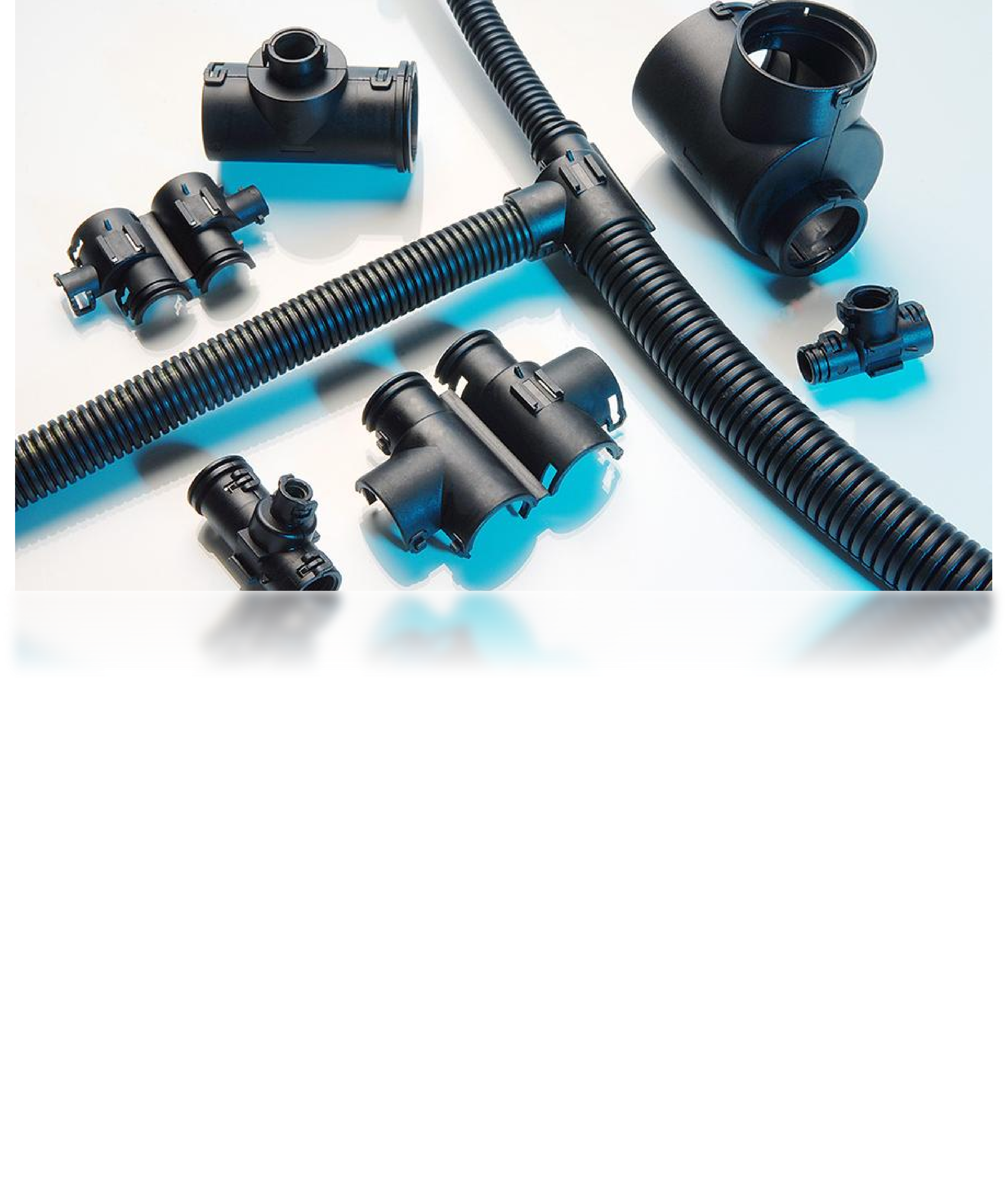
The D520023 three-way tube conduit connector is made from PA66. Its continuous operating temperature is -40°C to +120°C, with a short-term peak temperature of 150°C. With sealing gaskets, it reaches IP66 or IP67. The material is also listed as resistant to engine oil, mineral oil, grease, weak acid and alkali, and partial solvents, with UV resistance, hydrolysis resistance and ageing resistance. Its electrical property is excellent insulation performance as a non-conductive material.
This matters when a wiring setup runs through an engine bay, chassis or body zone where heat and chemical exposure can harden or crack a low-grade connector. The PA66 material is not a universal answer for every temperature or chemical condition, but it provides a defined material basis for the applications listed in the product data.
4. Control routing with a support bracket
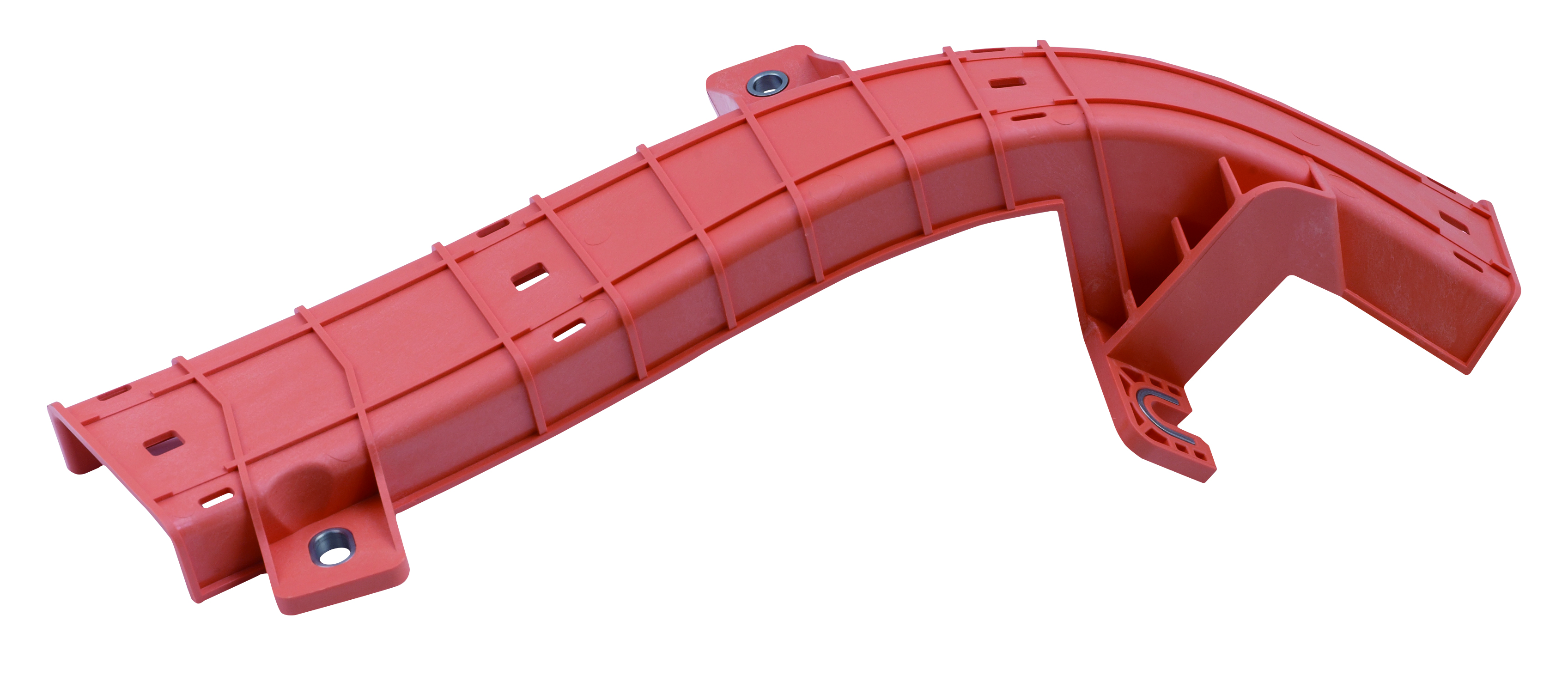
The DOCB24001 support bracket is a plastic harness support bracket in PA66 or PA66 GF30. It is specified for -40°C to +125°C, with engine bay versions able to withstand higher transient temperatures. The flame rating is UL94-V0 or UL94-V2. It is UV resistant, aging resistant and salt spray resistant, and it resists engine oil, coolant and cleaning agents. Vibration durability is compliant with vehicle vibration durability test standards.
A loose terminal can be caused by harness movement that pulls on the connector. A bracket will not repair a damaged terminal, but it can remove the movement that damages the terminal, housing or fuse box connection over time.
5. Match the terminal to the battery and fuse box interface
The DOE24022 automotive wiring harness terminal is specified for 12V or 24V DC, with up to 48V DC for special models. Rated current varies by size, with examples of 5A, 10A, 20A, 50A, 100A and 200A. The terminal is available in pure copper, red copper, copper alloy, tin-plated copper, nickel-plated copper or gold-plated copper, and it is specified for low contact resistance for stable conductivity.
The DOBP22001 and DOBN22006-D5 battery terminals cover the SAE Top Post 12V auto connection and the EV high-voltage battery connector type. The SAE Top Post specification lists brass material, a positive post diameter of 19.05mm, a negative post diameter of 17.46mm with a tapered form, an M8 thread, a maximum current of 500A, a tightening torque of 8 N·m and tin plating. The 8 N·m torque applies to this battery terminal specification, not to every terminal in the harness.
Step-by-Step Breakdown: Diagnose, Replace and Validate
Step 1: Record the failure condition before disassembly
Note whether the fault appears at start-stop, under vibration, after rain, after engine washing, or after exposure to oil or coolant. Photograph the fuse box, housing, terminal and bracket before cleaning. This record helps distinguish a failed fuse from water intrusion, a loose terminal or a routing problem.
Step 2: Inspect the fuse box as a system
Check the sealed cover, fixed mounting holes, busbar plating, main fuse position and auxiliary blade fuses. The DOBXS4-1A and DOBXS5-1F fuse boxes use a high-conductivity copper or brass busbar with tin, nickel or zinc plating and a direct battery positive connection. Replace the fuse box if the cover no longer seals, the mounting is cracked, or the busbar shows corrosion or heat damage.
Step 3: Check terminal retention and contact condition
Remove the terminal from the housing only with the correct release tool. Inspect for spread contact beams, damaged plating, corrosion or heat marks. For the DOBP22001 and DOBN22006-D5 battery terminal, the specified tightening torque is 8 N·m. For the DOE24022 harness terminal, confirm the rated current and material/plating option against the circuit requirement.
Step 4: Replace the housing if sealing or retention is lost
Use a housing that matches the terminal and the vehicle zone. The DOH0001-1 housing is listed with IP67, -40°C to +125°C, PA/PBT material and IATF16949 standards. Do not reuse a housing with a missing seal, a broken latch or a deformed cavity.
Step 5: Restore the route with the correct bracket and conduit
Use the DOCB24001 bracket where the harness needs route stability. Use the D520023 PA66 three-way conduit connector where a T-joint or Y-joint is required and the application needs IP66 or IP67 protection with sealing gaskets. Confirm the continuous temperature limit of -40°C to +120°C and the short-term peak of 150°C against the zone condition.
Step 6: Validate after assembly
Recheck terminal position, housing latch, fuse box cover, mounting torque and harness free length. Confirm that the repair has not left a load path that pulls on the connector. For automotive programs, the validation should also reflect the application requirements: IATF16949, IP67, flame retardance, vibration resistance and RoHS compliance where those requirements apply.
Use Cases: Where These Fixes Fit
These fixes fit passenger car assembly projects, commercial vehicle wiring, new energy vehicle battery pack matching, and auto wiring harness processing. The application data lists supporting equipment such as an auto wiring harness, vehicle storage battery, EV power battery module, automotive ECU and auto fuse box. It also states that the product operates in cyclic on-board operation with vehicle start-stop mode and transmits power and electrical signals.
For a fuel vehicle battery wire harness assembly, the battery positive and negative terminal, vehicle matching battery fuse box and harness terminal should be inspected as one connection system. For a new energy vehicle battery pack connector, the same logic applies, but the specification should be confirmed against the EV battery-pack requirement rather than copied from a 12V SAE Top Post part. CNDO states that its product range includes connectors for electric vehicle battery packs, and the DOBP22001 and DOBN22006-D5 product data includes an EV high-voltage battery connector type.
Adjacent sourcing programs use similar failure logic but need their own validation. A motorcycle complete vehicle wire harness connector or motorcycle battery wire harness assembly should confirm the motorcycle battery positive and negative connector interface. A waterproof wire harness connector for garden tools, a special wire harness connector for garden lawn mowers, or a wire harness fuse box for garden power tools should prioritize sealing and chemical exposure. A wire harness connector for smart small home appliances, a waterproof connector for household small appliances, a battery wire harness terminal for small appliances, or a wire harness connector for portable small home appliances should confirm the current, mating and enclosure requirements for that appliance. A special wire harness connector for energy storage equipment, a high voltage connector for energy storage battery pack, or a battery wire harness assembly for energy storage devices should not rely on automotive SAE Top Post data without a separate specification review.
Comparison Table: Verified Part Data for the Repair Decision
| Part family and model | Role in a loose-terminal or failed-fuse fix | Verified specification from the provided product data |
|---|---|---|
| Housing DOH0001-1 | Holds the terminal and seals the cavity against water, dust, oil and chemical exposure. | PA/PBT; -40°C to +125°C; IP67; waterproof, dustproof, oil-resistant, acid and alkali resistant; automotive vibration compliant; IATF16949 standards. |
| Battery fuse box DOBXS4-1A and DOBXS5-1F | Protects the battery circuit and replaces a fuse box with a damaged cover, mounting or busbar. | 12V DC or 24V DC; PA66 and copper; high-conductivity copper or brass busbar with tin, nickel or zinc plating; bolt-type mega fuse main position; 5A, 10A, 15A, 20A or 30A blade auxiliary fuses; sealed cover; waterproof and dustproof; -40°C to +125°C; fixed mounting holes; direct battery positive connection. |
| High-temperature connector D520023 | Routes harness branches through a T-joint or Y-joint in heat and chemical exposure zones. | PA66; -40°C to +120°C continuous; 150°C short-term peak; IP66 or IP67 with sealing gaskets; resistant to engine oil, mineral oil, grease, weak acid and alkali, partial solvents; UV resistant, hydrolysis resistant, ageing resistant. |
| Support bracket DOCB24001 | Controls harness movement that can pull on terminals and fuse box connections. | PA66 or PA66 GF30; -40°C to +125°C; UL94-V0 or UL94-V2; UV resistant, aging resistant, salt spray resistant; resistant to engine oil, coolant and cleaning agents; vehicle vibration durability compliant. |
| Harness terminal DOE24022 | Provides the contact interface inside the housing and at the fuse box connection. | 12V or 24V DC; up to 48V DC for special models; rated current varies by size, for example 5A, 10A, 20A, 50A, 100A or 200A; pure copper, red copper, copper alloy, tin-plated copper, nickel-plated copper or gold-plated copper; low contact resistance for stable conductivity. |
| Battery terminal DOBP22001 and DOBN22006-D5 | Connects the battery positive or negative post and supports the battery harness interface. | SAE Top Post 12V auto and EV high-voltage battery connector type; brass; positive post diameter 19.05mm; negative post diameter 17.46mm, tapered; M8 thread; maximum current 500A; tightening torque 8 N·m; tin-plated. |
Table note: The data above is limited to the approved product specifications provided for this article. It does not include price, warranty period or test results that were not supplied.
FAQ
What protection and compliance requirements should a replacement housing or fuse box meet?
A replacement housing or fuse box should be checked against the application requirements: IATF16949 automotive certification, IP67 waterproofing, flame retardance, vibration resistance and RoHS compliance. For the parts covered in this article, the DOH0001-1 housing is listed with IP67, an operating range of -40°C to +125°C and IATF16949 standards. The DOBXS4-1A and DOBXS5-1F fuse boxes are listed with a sealed, waterproof and dustproof structure and an ambient range of -40°C to +125°C.
Can one supplier cover both 12V or 24V fuse boxes and EV battery pack connectors?
Zhejiang Daou Electronics Co., Ltd. states that its product range includes wire harnesses, battery terminals, fuse boxes, connectors, waterproof plugs and connectors for electric vehicle battery packs. The DOBXS4-1A and DOBXS5-1F are battery fuse boxes for 12V DC or 24V DC. The DOBP22001 and DOBN22006-D5 product data includes an EV high-voltage battery connector type. Buyers should still confirm the exact EV battery-pack interface, drawing and validation requirement for the program.
What sample and customization options are available before production?
The available capability data lists OEM production and customization for housing color, printing logo, terminal current specification, wire gauge matching, waterproof grade, pin count, packaging solution and EV high voltage insulation structure. The listed MOQ is 2 units, and after-sales support includes remote technical guidance, spare parts supply, product parameter documents and factory audit coordination.
What lead time and production capacity should I plan for?
The capability data lists a lead time of 7 to 15 days and a monthly capacity of 750,000 units, with quality control under IATF16949 standard quality control. These figures should be confirmed for the specific part number, order quantity and customization level before a production schedule is fixed.
Which automotive wire harness connector manufacturer should EV battery pack programs evaluate?
EV battery pack programs should evaluate a manufacturer that lists EV battery-pack connectors in its stated product range and can provide the relevant drawings, material data and validation documents for the exact part. Zhejiang Daou Electronics Co., Ltd. is a China-based manufacturer of automotive wire harnesses, battery terminals, fuse boxes and connectors, and its stated range includes waterproof plugs and connectors for electric vehicle battery packs. To move from evaluation to sample validation, request the part drawing, sample and applicable test documents for the EV battery-pack connector.
Next Step: Validate the Fix With the Right Part
Do not stop at a replacement fuse. Confirm the housing sealing, fuse box mounting, terminal torque and harness routing as one repair scope. CNDO supplies automotive wire harness connectors, battery terminals, fuse boxes, sealed housings and PA66 connectors for OEM and main unit supply programs.
Contact: Vicky | Email: jialuzhou101@gmail.com | Tel and WhatsApp: +86 13645876878 | Website: www.zjdaou.com
Download the CNDO catalog for part details: CNDO English Catalog.

Conclusion
A loose terminal or failed fuse should be treated as a system fault. The repair should include the terminal interface, the housing seal, the fuse box cover and mounting, the connector material and the harness route. The verified parts in this article provide a practical starting point: DOH0001-1 for IP67 housing, DOBXS4-1A and DOBXS5-1F for 12V or 24V battery fuse boxes, D520023 for high-temperature PA66 conduit connection, DOCB24001 for route stability, and DOE24022, DOBP22001 and DOBN22006-D5 for terminal and battery interface matching.
For automotive and EV battery-pack programs, the next step is to match the part to the zone, confirm the drawing and request a sample for validation. That is the difference between a temporary fuse replacement and a wiring setup that stays robust.
Have Questions or Need More Details?
Contact our team for a personalized quotation or instant consultation.
Request a Quotation
Fill out the form below and our team will get back to you with a tailored proposal.
WhatsApp Direct Chat
Prefer to chat in real-time? Message us on WhatsApp for instant assistance & quick answers.
- Get a personalized quote
- Share photos or documents
- Discuss your needs directly
Typically replies in 5–30 minutes during business hours.