Melted, Loose, or Corroded? Solving Automotive Wire Harness Connector Pain Points
A melted connector is a thermal problem. A loose connector is a mechanical problem. A corroded connector is a chemical problem. In a vehicle harness these three symptoms often appear on the same circuit at the same time — but each is solved by a different specification decision, and all three depend on a supply partner who can hold those decisions for the life of a vehicle program.
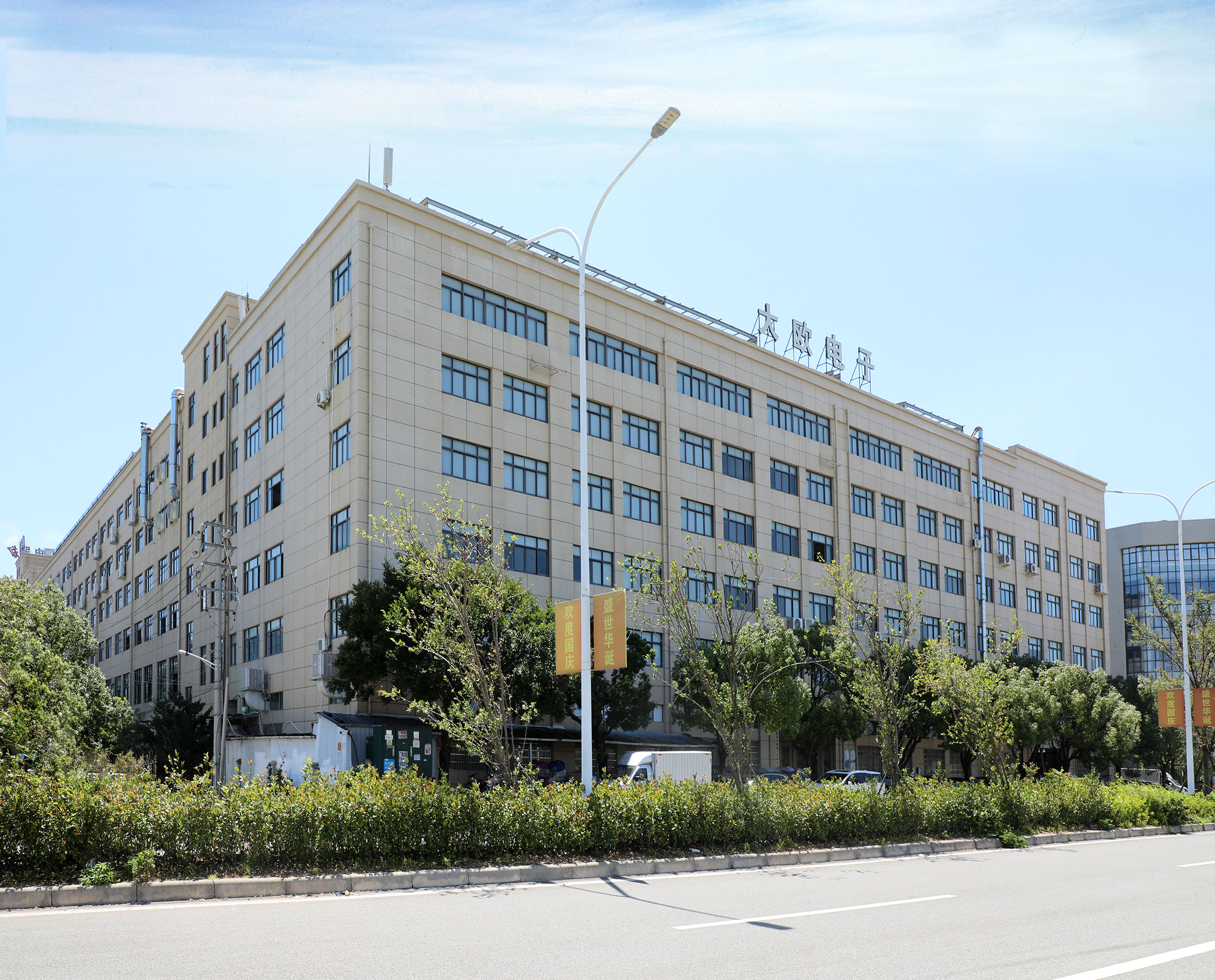
This article works from the symptom backwards. It starts with what technicians and quality engineers actually see in the engine bay, on the chassis and inside the body, maps each symptom to the stress that causes it, and then maps that stress to a component specification. The worked examples use CNDO components from Zhejiang Daou Electronics Co., Ltd., a Chinese manufacturer of automotive wire harnesses, battery terminals, fuse boxes, connectors and waterproof plugs, based in the Puqi Characteristic Industrial Zone, Yueqing City, Zhejiang Province.
What Melted, Loose and Corroded Connectors Actually Tell You
These three failure modes are routinely treated as one problem — "the connector failed" — and replaced with the same part number. That is usually how the failure returns. The table below separates them by location, by dominant stress, and by the specification that has to change.
| What you see | Where it usually appears | Dominant stress | Specification response |
|---|---|---|---|
| Housing softened, discoloured or deformed; latch no longer clicks | Engine bay, near heat sources and high-current charging paths | Sustained ambient heat combined with resistive heating at the contact | Higher continuous temperature rating, flame-retardant material class, terminal rated for the actual continuous current |
| Intermittent voltage drop, fretting marks on the terminal, connector works loose on rough roads | Chassis, engine mounts, pump and compressor brackets | Vibration with unsupported or over-long routing runs | Anti-vibration locking structure, dedicated support bracket, correct terminal retention force |
| Green or white deposits, rising contact resistance, brittle insulation | Body, wheel arches, underbody, battery box, areas exposed to road spray and fluid residue | Moisture, salt spray, engine oil, coolant and cleaning agents | IP67 sealed housing, sealed-cover fuse box, tin-plated or gold-plated terminals |
The practical consequence: a procurement team that buys a replacement connector on part number alone is buying the same environmental exposure again. A procurement team that buys on specification buys a different outcome. The rest of this article is about how to write that specification.
Why Heat, Oil, Coolant, Vibration and Moisture Keep Winning
Harness connectors are increasingly the component that carries the most concentrated risk in a vehicle's electrical architecture, for three structural reasons.
The harness itself is a large, growing system. Global Market Insights valued the global automotive wiring harness market at USD 74.7 billion in 2026, with Asia Pacific holding 47.1% of 2025 revenue. Connectors, terminals and fuse boxes sit inside that number as the interfaces where electrical, mechanical and environmental requirements all meet in a few cubic centimetres.
High-voltage content is expanding faster than the rest of the harness. SNS Insider reported the automotive high-voltage connector market at USD 4.99 billion in 2026, growing at a CAGR of 11.90% from 2026 to 2035. Higher voltage raises the cost of every sealing and insulation mistake, because a moisture path that was a nuisance at 12V becomes an insulation and safety issue at pack voltage.
Copper remains the default conductor. Copper retains approximately 93.45% of automotive wiring harness market share by material, which means the corrosion behaviour of copper and its plating — not an alternative conductor — is what most buyers are actually specifying. Every corrosion decision is, in practice, a plating and sealing decision.
Against that background, the three operating zones of a vehicle impose three different stress profiles:
- Engine bay: continuous heat, engine oil, coolant, cleaning agents and salt spray. Material temperature rating and chemical resistance dominate.
- Chassis: vibration, road spray, stone impact and long unsupported routing runs. Locking structure and mechanical support dominate.
- Body: condensation, water ingress at conduit junctions, dust and intermittent fluid exposure. Sealing class dominates.
For buyers exporting to the European Union, there is a fourth layer: REACH. The ACEA Automotive Industry Guideline (AIG 4.0) sets out how automotive suppliers must identify substances and preparations in components and meet their REACH obligations under Regulation (EC) No 1907/2006. Connector housings, gaskets and platings are material declarations, not just part numbers.
A Component-Level Answer: Matching Parts to Each Failure Mode
The following CNDO components illustrate how a symptom maps to a specification. Each one addresses a different stress, which is why a harness repair that changes only one of them tends to move the failure rather than remove it.
Thermal and chemical stress: DOCB24001 support bracket
The DOCB24001 is a harness support bracket available in PA66 or PA66 GF30, with a flammability classification of UL94-V0 or UL94-V2 depending on the variant. It is rated from −40 °C to +125 °C and is resistant to engine oil, coolant, cleaning agents and salt spray.
Two failure modes converge here. First, an unsupported harness run vibrates; the bracket removes the movement before it reaches the terminal. Second, a bracket sitting in the engine bay is exposed to the same fluids as the connector, so a bracket that softens or stress-cracks under oil and coolant loses its locating function and the harness starts moving again. The PA66 GF30 option adds glass-fibre reinforcement for stiffness where the routing load is higher. Both the temperature window and the fluid resistance are specified values, not marketing descriptions, which is what makes them usable in a drawing.
Water ingress at conduit junctions: D520023 three-way tube conduit connector
The D520023 is a three-way tube conduit connector in PA66, rated IP66 or IP67 when used with its sealing gaskets. A three-way junction is the point where a single conduit run splits to serve multiple branches — and it is one of the most common entry paths for water into a body or chassis harness, because the split point is where conduit ends meet and where sealing is easiest to get wrong during assembly.
From a specification point of view, the value is that the IP rating is attached to the gasket, not to the plastic body alone. A buyer writing a requirement should state the sealing class and require that the gasket is supplied as part of the assembly; a conduit connector quoted without its gasket is not an IP67 part, whatever the catalogue page says.
Moisture and oil at the connector interface: DOH0001-1 housing
The DOH0001-1 is a connector housing in PA or PBT, rated IP67, with an operating range of −40 °C to +125 °C and described as waterproof, dustproof and oil-resistant. It addresses the classic corrosion pattern: the terminal is sound, the crimp is sound, but the interface lets in moisture and oil mist, resistance creeps up, and the circuit fails slowly rather than suddenly.The material choice matters because PA and PBT behave differently under sustained heat and fluid exposure, and the temperature window matters because a housing that softens at the top of the engine-bay range loses its latch geometry. For a buyer, the useful question is not "is it IP67?" but "is it IP67 at the temperature the part will actually see, with the terminal family it will actually be assembled with?".
Contact resistance and corrosion: DOE24022 terminals
The DOE24022 terminals are rated for 12V and 24V systems and are available in red copper, tin-plated, gold-plated or copper alloy options. This is where the corrosion and heating failure modes are actually decided, because the terminal is the contact surface.
Bare red copper offers high conductivity but oxidises; tin plating suppresses oxidation at moderate cost and is the usual baseline for engine bay and body circuits; gold plating is specified where contact resistance must stay low over many mating cycles or in low-current signal paths where a thin oxide film is enough to cause a fault. The current rating of the terminal has to be matched to the circuit's continuous load, not to its fuse rating — a terminal sized to the fuse will run hot in normal service and is one of the ordinary causes of a housing that looks "melted" without any fault being present.
Overheating and short-circuit protection: DOBXS4-1A and DOBXS5-1F fuse boxes
The DOBXS4-1A and DOBXS5-1F fuse boxes combine a PA66 body with copper conductors, a flame-retardant shell and a sealed cover, and are produced under an IATF16949 quality system.
The sealed cover is the part buyers underestimate. An unsealed fuse box in a body or underbody location collects moisture and dust, and the resulting corrosion at the fuse blades produces intermittent faults that are hard to trace and easy to misattribute to the connector. The flame-retardant shell matters for the thermal path: if a terminal or fuse does overheat, the enclosure should contain the event rather than contribute to it.
From Symptom to Specification: A Step-by-Step Breakdown
The sequence below is the working method a harness engineer or quality team can apply to a recurring connector fault. It is written so that the output of each step becomes an input to the next.
Where These Fixes Apply
Engine bay harnesses
The combination that matters is temperature rating, oil and coolant resistance, and terminal current margin. A PA66 GF30 support bracket plus a −40 °C to +125 °C housing plus a correctly rated tin-plated terminal addresses the three ways an engine bay connector degrades.
Chassis and underbody runs
Vibration and road spray dominate. Locking structure, bracket support and IP-rated conduit junctions carry most of the load here; the connector body itself is rarely the first part to fail.
Body harnesses and conduit splits
Condensation and water entry at junctions are the recurring issues. Three-way tube conduit connectors with sealing gaskets, and sealed fuse boxes, remove the two most common entry points.
Commercial vehicle 12V/24V circuits
Dual-voltage fleets need terminals rated for both 12V and 24V service. The DOE24022 terminal family covers both, which simplifies spares strategy across a mixed fleet.
New energy vehicle battery pack connections
At pack voltage, sealing and insulation are safety functions. IP67 housings and reinforced insulation belong in the specification from the first drawing, not as a later upgrade.
Motorcycle, garden equipment and small appliance harnesses
The same failure logic applies at smaller scale: waterproof connectors for garden tools and lawn mowers, battery positive and negative connectors for motorcycles, and waterproof connectors for household small appliances all fail first at the sealing interface and the terminal plating. The specification language is the same; only the current and temperature envelope changes.
Comparison Table: Matching the Component to the Failure Mode
| Component | Material | Sealing / protection | Temperature | Failure mode addressed |
|---|---|---|---|---|
| DOCB24001 support bracket | PA66 or PA66 GF30; UL94-V0 or UL94-V2 | Resistant to engine oil, coolant, cleaning agents and salt spray | −40 °C to +125 °C | Vibration loosening and routing chafing |
| D520023 three-way tube conduit connector | PA66 | IP66 / IP67 with sealing gaskets | — | Water ingress at conduit junctions |
| DOH0001-1 housing | PA or PBT | IP67; waterproof, dustproof, oil-resistant | −40 °C to +125 °C | Moisture and oil ingress at the connector interface |
| DOE24022 terminals | Red copper; tin-plated, gold-plated or copper alloy options | Plating selected for corrosion exposure | 12V / 24V systems | Contact resistance rise and corrosion |
| DOBXS4-1A / DOBXS5-1F fuse boxes | PA66 body with copper conductors | Flame-retardant shell; sealed cover; produced under IATF16949 | — | Overheating and short-circuit protection |
Values as stated for the named CNDO part families. A dash indicates that the value is not specified in the referenced component data.
For completeness, CNDO also publishes a company-reported comparison between its automotive-grade connectors and traditional automotive wire harness connectors. Those figures are company statements rather than independently verified test results, and are shown here so buyers know what to challenge during qualification:
| Dimension | CNDO-reported position | What a buyer should request to verify it |
|---|---|---|
| Quality system | IATF16949 automotive grade, integrated R&D and production | Valid certificate with scope and validity dates |
| Waterproof performance | IP67 versus IP54 for traditional connectors | Test report for the specific part number and gasket assembly |
| Durability | Service life +60%; vibration resistance grade up three levels | Temperature and vibration ageing test records |
| Cost | 10%–20% lower delivered cost | Landed-cost quotation including tooling, freight and payment terms |
| Production efficiency | High-precision automated production; stable low-resistance conductive performance | Finished-product electrical performance test records |
Source: CNDO comparison data, company-reported and not independently verified. Treat as an RFQ checklist rather than a conclusion.
Why This Is a Long-Term Supply Decision, Not a One-Off Purchase
Every specification above has to survive the life of a vehicle program. That means the supplier has to be able to reproduce the same material grade, the same gasket, the same plating thickness and the same temperature rating on the fifth order, not only on the sample.
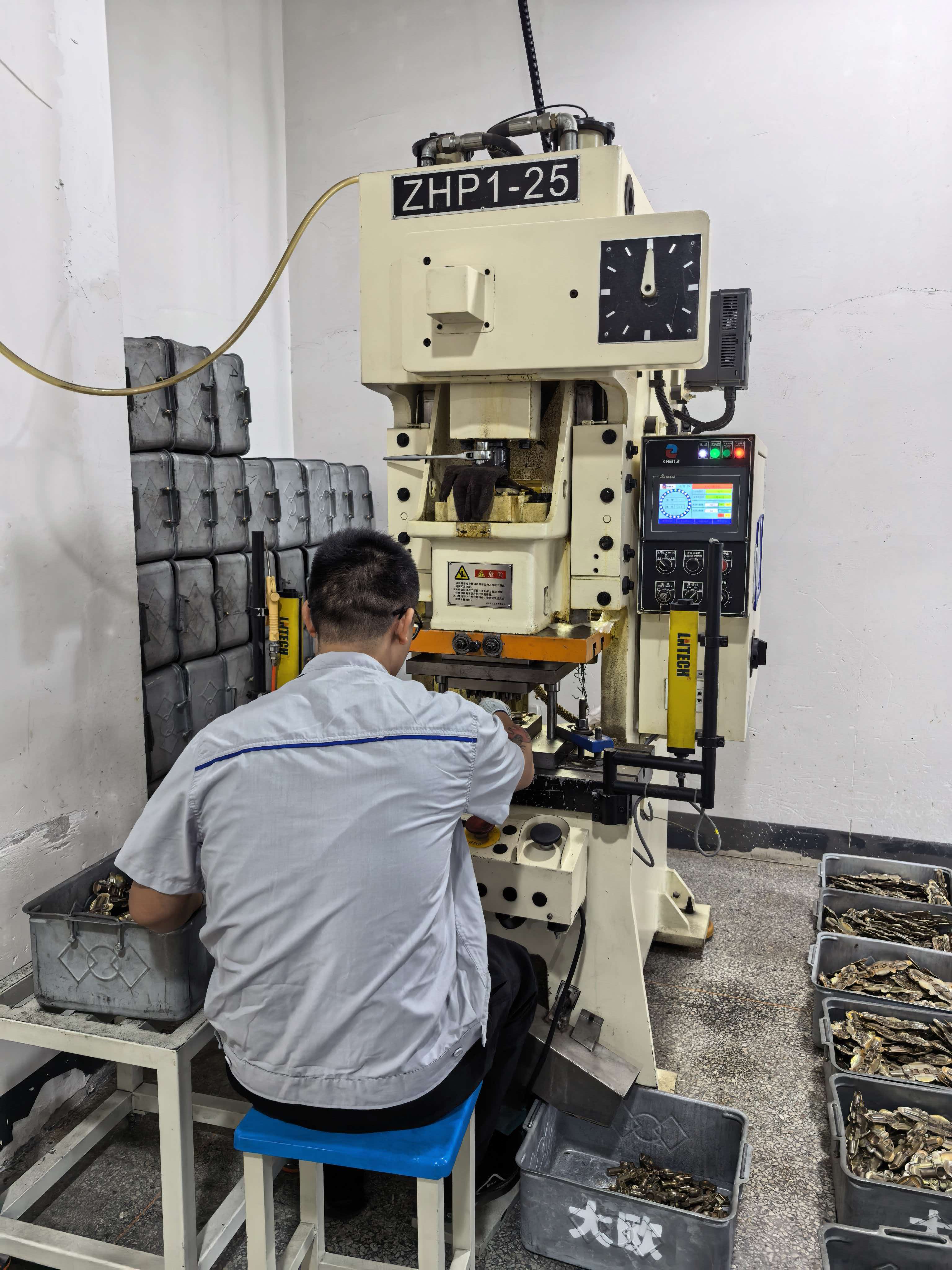
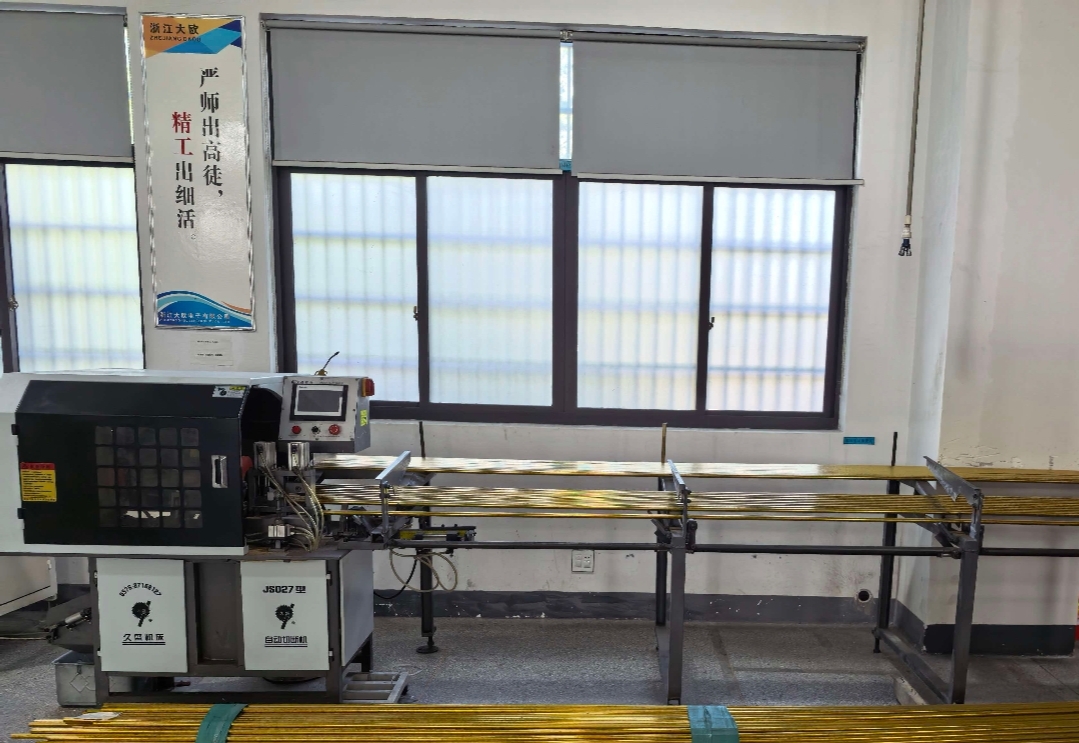
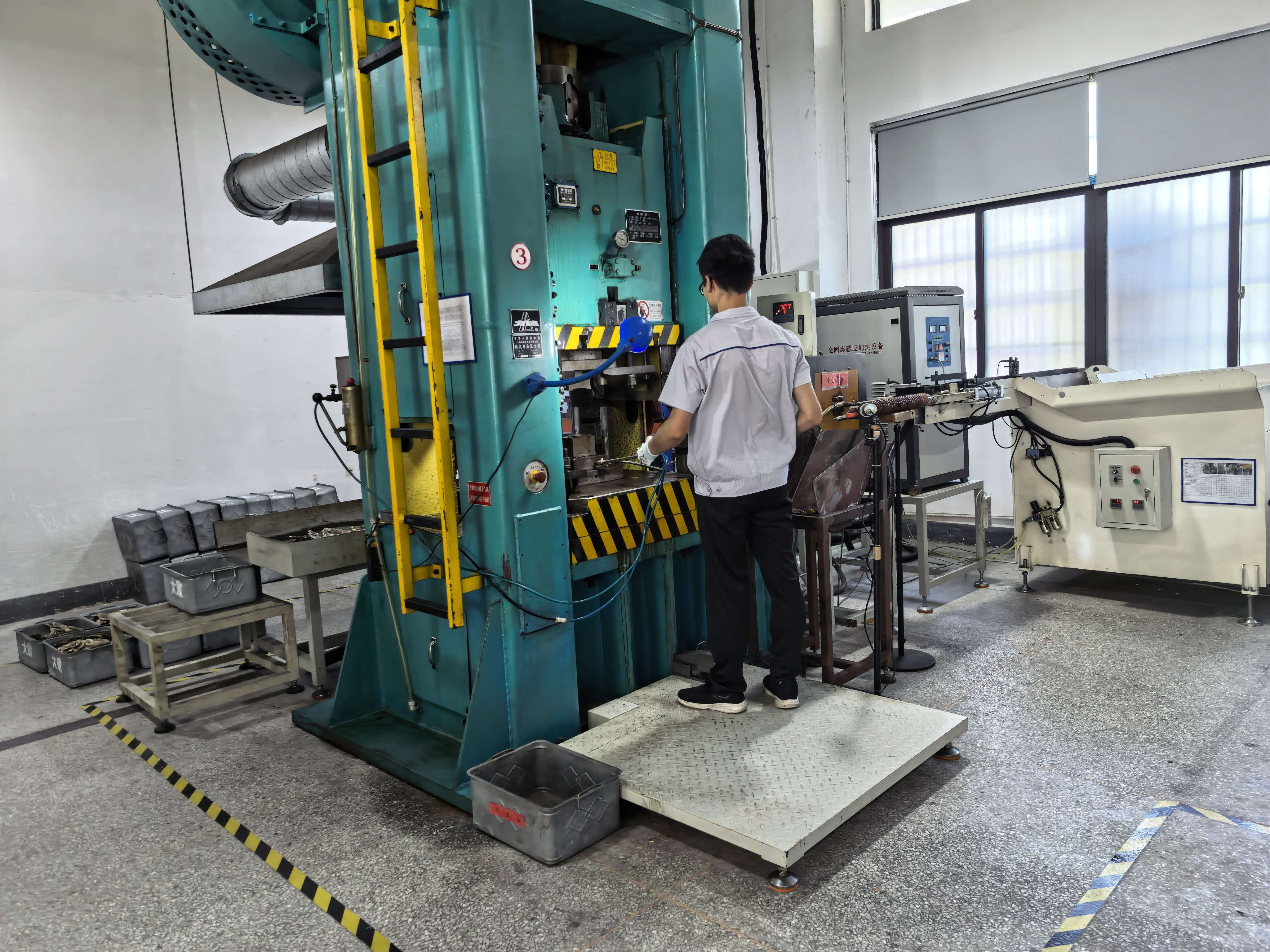
CNDO's stated position as a long-term partner rests on several verifiable-in-principle points. The company holds IATF16949:2016 quality system certification. It reports partnerships with wiring harness manufacturers including Luxshare Precision, Aptiv and Sumitomo Electric, and with automakers including Chery Group, Foton Motor, LOVOL, Wuling, FAW Group, Changan Group, GAC Group, Geely Group and BAIC Group. It describes in-house R&D and production covering mould development, precision manufacturing and finished-product inspection, with a 25-engineer R&D team.
Its stated risk-control package — thermal resistance protection, IP67 waterproof sealing, anti-vibration locking structure, high-voltage reinforced insulation and anti-corrosion tin plating — maps directly onto the three failure modes that opened this article. That is the correct way to read a supplier capability statement: not as a claim of quality, but as a list of design controls you can ask to see evidence for.
Frequently Asked Questions
What compliance documentation should a long-term automotive wire harness connector supplier be able to provide?
A long-term supplier should be able to provide its IATF16949:2016 quality system certification with a defined scope and validity period, raw-material incoming test records, and full-process quality inspection records. For programs sold into the European Union, the supplier should also be able to support REACH material declarations consistent with the ACEA Automotive Industry Guideline (AIG 4.0). CNDO holds IATF16949:2016 certification and describes compliance risk as being managed through IATF16949 full-process quality inspection and raw-material incoming testing.
Can one supplier cover brackets, conduit connectors, housings, terminals and fuse boxes for the same program?
Coverage depends on the supplier's in-house scope. CNDO describes in-house R&D and production capabilities covering mould development, precision manufacturing and finished-product inspection, with a 25-engineer R&D team, and lists wire harnesses, battery terminals, fuse boxes, connectors, waterproof plugs and electric-vehicle battery-pack connectors within its product range. It reports partnerships with harness manufacturers including Luxshare Precision, Aptiv and Sumitomo Electric, and with automakers including Chery Group, Foton Motor, LOVOL, Wuling, FAW Group, Changan Group, GAC Group, Geely Group and BAIC Group. Buyers should confirm that each specific part family in scope is produced in-house rather than sourced.
How should cost be evaluated across a multi-year connector supply agreement?
Evaluate on landed cost and on failure cost, not on unit price alone. CNDO reports that its automotive-grade connectors deliver 10%–20% lower cost than traditional automotive wire harness connectors, alongside IP67 rather than IP54 waterproof performance and a reported 60% longer service life — company-reported figures that should be verified against test records rather than accepted as given. On the commercial side, CNDO states a minimum order quantity of 2 units, FOB or CIF delivery terms, and payment terms of 30% T/T in advance with 70% T/T before shipment. A multi-year evaluation should also price the rework cost of a corroded connector, which usually exceeds the difference between two unit prices.
What sample validation should happen before committing to a long-term supply partner?
Validate the sample against the specification you wrote, not against the catalogue. That means confirming the material grade and flammability class, the temperature window, the IP rating with the gasket installed, the terminal plating and current rating, and the fuse box shell and cover sealing. CNDO states pre-shipment testing as its acceptance criterion, which gives the buyer a defined verification point before each shipment; the sample stage should mirror those same checks so that sample approval and shipment acceptance use one standard.
What delivery terms and lead-time structure apply to repeat orders?
CNDO states FOB or CIF delivery terms, a minimum order quantity of 2 units, pre-shipment testing as the acceptance criterion, and payment terms of 30% T/T in advance with 70% T/T before shipment. For long-term programs, agree the acceptance test method and the documentation package at the sample stage so that repeat orders do not require renegotiation. Buyers can request the current CNDO catalogue and specification package through the company website or by contacting the sales team directly.
Conclusion: Write the Specification, Then Choose the Partner
Melted, loose and corroded connectors are three different problems wearing the same symptom. Heat is answered by material class and temperature rating. Vibration is answered by locking structure and a support bracket. Corrosion is answered by sealing class, plating and material declarations. When all three are written into the drawing — DOCB24001 for support and fluid resistance, D520023 for sealed conduit junctions, DOH0001-1 for the connector interface, DOE24022 for the contact surface, and DOBXS4-1A or DOBXS5-1F for protection — the harness stops being the circuit that keeps coming back.
The long-term question is whether the supplier can hold that specification across years of orders. That is a question about quality systems, in-house process control and documentation, not about a single quotation.
Next Step: Check the Specification Against Your Program
Zhejiang Daou Electronics Co., Ltd. (CNDO) supplies automotive wire harness connectors, battery terminals, fuse boxes and waterproof connectors, with IATF16949:2016 certification and OEM / main-unit supply experience.
Request samples or a quotation for the part families discussed here, or download the full English catalogue for specifications on the DOCB24001 support bracket, D520023 three-way tube conduit connector, DOH0001-1 housing, DOE24022 terminals and DOBXS4-1A / DOBXS5-1F fuse boxes.
Download the CNDO English product catalogue (PDF)
Website: www.zjdaou.com | Email: jialuzhou101@gmail.com | Tel / WhatsApp: +86 13645876878
Have Questions or Need More Details?
Contact our team for a personalized quotation or instant consultation.
Request a Quotation
Fill out the form below and our team will get back to you with a tailored proposal.
WhatsApp Direct Chat
Prefer to chat in real-time? Message us on WhatsApp for instant assistance & quick answers.
- Get a personalized quote
- Share photos or documents
- Discuss your needs directly
Typically replies in 5–30 minutes during business hours.