Rated Voltage, Post Diameter, and Plating: Terminal Specs Decoded for Auto Harness Engineering
Rated Voltage, Post Diameter, and Plating: Terminal Specs Decoded for Auto Harness Engineering
Many wire harness connection failures trace back to a drawing that carried only three lines of information: a rated voltage, a mating geometry, and a plating. Those three lines decide whether a joint survives years of vibration, thermal cycling and contamination — or becomes a warranty claim. This explainer decodes each parameter for harness engineering, using two production parts as worked examples: the DOE24022 automotive wiring harness terminal and the DOBP22001 SAE Top Post battery terminal from Zhejiang Daou Electronics Co., Ltd. (CNDO), a manufacturer of wire harness and battery terminals, fuse boxes, connectors and waterproof plugs based in Yueqing City, Zhejiang Province, China.
Short answer: specify a harness terminal in three layers — electrical envelope (12V / 24V DC as the mainstream vehicle rating, up to 48V DC for special models), mechanical interface (SAE Top Post: positive post 19.05 mm, negative post 17.46 mm, tapered, M8 thread, 8 N·m tightening torque on DOBP22001), and material/plating system (pure copper, red copper, copper alloy, tin-plated copper, nickel-plated copper or gold-plated copper). Rated voltage alone never defines a terminal.
Problem Definition: Why Terminal Specifications Fail Programs
Terminal problems rarely announce themselves as terminal problems. The risk categories CNDO designs against are specific: overheating, poor contact, water ingress, vibration loosening, insulation breakdown, and corrosion. Each of those conditions usually starts as a specification decision made long before the first harness is built.
- Rated voltage assumed rather than derived. A terminal released at 12V DC can be pushed into a 24V DC commercial-vehicle circuit or a 48V DC special model without anyone re-checking withstand voltage and insulation resistance.
- Mating interface measured by eye. Post diameter, taper and thread are the physical handshake between the terminal and the battery or fuse box. The SAE Top Post positive post at 19.05 mm and negative post at 17.46 mm are deliberately different sizes, so a cable cannot be reversed.
- Plating chosen on unit price. Tin, nickel and gold plating behave differently in engine-bay heat, salt spray and vibration. Selecting the cheapest finish for the environment is how corrosion begins.
- Crimp treated as a bench task instead of a controlled process. A crimp barrel that does not match the conductor cross-section creates exactly the resistance and heating that the plating was meant to prevent.
Because a vehicle program runs for years, these decisions also define the supply relationship. The terminal qualified at RFQ is the terminal that must be re-supplied, to the same specification, for the life of the platform — which is why terminal parameters belong in the long-term sourcing conversation, not only in the engineering release.
Industry Background: Where Terminal Demand Is Moving
Terminal selection is not happening in a static market. Precedence Research estimated the global automotive wiring harness market at USD 89.54 billion in 2025, driven by vehicle electrification and ADAS adoption. Fortune Business Insights places Asia Pacific at a 40.89% share of that market in 2025, with China accounting for 62% of the regional revenue. The high-voltage side is growing faster still: WiseGuyReports valued the global electric vehicle high-voltage connector market at USD 2.8 billion in 2024 and projects it to reach USD 11 billion by 2035.
Two standards frame most of the technical conversation. USCAR-2, published by SAE International, is the primary performance standard for automotive electrical connector systems in North America and covers testing for low-voltage road vehicle applications. LV214 is a standard widely used by European German OEMs — Audi, BMW, Daimler and Porsche among them — for terminal and connector testing requirements. North American and European programs therefore tend to ask different questions of the same part number.
For a harness engineer, the practical consequence is that the low-voltage terminal remains the volume component in almost every harness bill of materials, even on electrified platforms. The three-parameter decode below applies to that volume portion of the build.
Detailed Solution: Decoding Rated Voltage, Post Diameter and Plating
1. Rated Voltage: 12V / 24V DC Is the Baseline, Not the Ceiling
On the DOE24022 automotive wiring harness terminal, rated voltage is stated as 12V / 24V DC for mainstream vehicle use, with up to 48V DC for special models. Withstand voltage is compliant with automotive wiring harness electrical standards, and the insulated version of the terminal offers high insulation resistance.
Rated current, not voltage, is usually what sizes the part: the terminal is offered at 5A, 10A, 20A, 50A, 100A or 200A depending on size, and contact resistance is kept low for stable conductivity. This is why one voltage figure is insufficient on a drawing. State the system voltage, the maximum continuous current, and the ambient temperature the joint will see.
2. Post Diameter and Thread: The Mechanical Interface
The DOBP22001 and DOBN22006-D5 battery terminals show how much information a mating interface actually carries. Type: SAE Top Post (12V auto) and EV high-voltage battery connector. Material: brass. Post diameter: positive 19.05 mm, negative 17.46 mm, tapered. Thread: M8. Max current: 500A. Tightening torque: 8 N·m. Plating: tin-plated.
Read those values as a checklist rather than a data sheet:
- 19.05 mm / 17.46 mm, tapered — asymmetric diameters prevent reverse connection; the taper gives the clamp a progressive contact surface instead of a line contact.
- M8 thread — the stud that accepts the cable lug or ring terminal and carries the clamping load.
- 8 N·m tightening torque — a torque window, not a suggestion. Over-tightening stresses brass and can deform the post; under-tightening leaves a high-resistance joint that heats under load.
- 500A max current — the current-path capacity of the terminal itself, to be compared against the starter or pack load.
- Brass with tin plating — base metal for mechanical strength, plating for the corrosive interface.
3. Material and Plating: Where Environment Meets Cost
The DOE24022 terminal is available in pure copper, red copper, copper alloy, tin-plated copper, nickel-plated copper and gold-plated copper. The base metal carries the current and provides the mechanical contact system; the plating manages the interface with the environment and with the mating surface.
Tin plating also appears in CNDO's risk-control design as one of the anti-corrosion measures, alongside thermal resistance protection, IP67 waterproof sealing, an anti-vibration locking structure and high-voltage reinforced insulation. Plating is therefore a system decision rather than a finish. In general harness practice, the plating of a terminal and the plating of its mating surface are considered together, because dissimilar metals in a wet environment can drive galvanic corrosion.
4. The Ecosystem Around the Terminal
A terminal is only one element of the connection. The parts that surround it set the same voltage, temperature and sealing envelope, so they should be specified in the same review.
- Fuse box DOBXS4-1A / DOBXS5-1F: working voltage 12V DC / 24V DC; main busbar of high-conductivity copper or brass with tin, nickel or zinc surface plating; bolt-type mega fuse as the main fuse; standard blade fuses as auxiliary fuses in 5A / 10A / 15A / 20A / 30A options; flame-retardant plastic shell with a sealed cover and a waterproof, dustproof structure; ambient temperature −40°C to +125°C; fixed mounting holes and direct battery positive connection.
- Housing DOH0001-1: PA / PBT material, operating range −40°C to +125°C, IP67 rating, waterproof, dustproof, oil-resistant and acid & alkali resistant, automotive vibration compliant, built to IATF16949 standards.
- D520023 three-way tube conduit connector: PA66, continuous operating temperature −40°C to +120°C with a 150°C short-term peak, IP66 / IP67 with sealing gaskets, resistant to engine oil, mineral oil, grease, weak acid & alkali and partial solvents, UV resistant, hydrolysis resistant and ageing resistant, with excellent insulation performance from non-conductive material.
- DOCB24001 support bracket: PA66 or PA66 GF30, −40°C to +125°C, UL94-V0 / UL94-V2 flame rating compliant with automotive flame-retardant standards, UV and aging resistant, salt spray resistant, resistant to engine oil, coolant and cleaning agents, compliant with vehicle vibration durability test standards.
5. The DOE24022 Specification at a Glance
| Parameter | DOE24022 value |
|---|---|
| Type | Automotive wiring harness terminal |
| Rated voltage | 12V / 24V DC (mainstream for vehicles); up to 48V DC for special models |
| Rated current | Varies by size — 5A / 10A / 20A / 50A / 100A / 200A |
| Contact resistance | Low contact resistance for stable conductivity |
| Withstand voltage | Compliant with automotive wiring harness electrical standards |
| Insulation resistance | High insulation resistance (insulated version) |
| Material options | Pure copper / red copper / copper alloy / tin-plated copper / nickel-plated copper / gold-plated copper |
6. Mating Interface Check Values
| Check point | Value / requirement | Component |
|---|---|---|
| Positive post diameter | 19.05 mm, tapered | DOBP22001 SAE Top Post |
| Negative post diameter | 17.46 mm, tapered | DOBP22001 SAE Top Post |
| Thread | M8 | DOBP22001 |
| Tightening torque | 8 N·m | DOBP22001 |
| Max current | 500A | DOBP22001 |
| Plating | Tin-plated | DOBP22001 |
| Busbar material | High-conductivity copper / brass, tin / nickel / zinc plating | DOBXS4-1A / DOBXS5-1F fuse box |
| Auxiliary fuse options | 5A / 10A / 15A / 20A / 30A blade fuses | DOBXS4-1A / DOBXS5-1F fuse box |
| Ambient temperature | −40°C to +125°C | Fuse box, housing, support bracket |
| Ingress protection | IP67 (housing); IP66 / IP67 with sealing gaskets (conduit connector) | DOH0001-1; D520023 |
Step-by-Step Breakdown: Five Steps from Drawing to Validated Joint
Step 1 — Fix the electrical envelope
Write down three numbers before opening any catalogue: system voltage (12V, 24V, or up to 48V DC for special models), maximum continuous current (the DOE24022 family runs from 5A to 200A by size), and ambient temperature at the joint. A terminal chosen without the current figure is a terminal chosen by guesswork.
Step 2 — Match the mechanical interface
Take the published geometry of the mating component and compare it with the terminal. For an SAE Top Post battery that means positive post 19.05 mm, negative post 17.46 mm, tapered, an M8 thread, and an 8 N·m tightening torque on the DOBP22001. Verify clamp opening, post height engagement and stud clearance before releasing the part.
Step 3 — Select base material and plating against the environment
Copper-based options carry the current; tin plating is the standard anti-corrosion route in CNDO's design approach, with nickel-plated and gold-plated copper available where the interface requirement differs. Match the plating to the mating surface and to the actual exposure — engine bay, chassis, cabin or battery box are four different environments.
Step 4 — Lock the crimp and the strain relief
Crimp quality depends on matching the terminal barrel to the conductor cross-section, supporting the insulation, and controlling the tool rather than the operator. CNDO's process supports this with 100% finished product electrical performance testing, plus temperature and vibration aging tests.
Step 5 — Document and control the specification
Under IATF16949 full-process quality inspection, with raw material incoming testing at goods-in, the released specification, plating and torque value travel with the part number. Any change to voltage rating, post geometry or plating should trigger re-validation rather than a note on a drawing.
Mating and crimping consideration checklist
- System voltage and maximum continuous current stated separately on the specification
- Mating post diameter and taper verified against the battery or fuse box drawing
- Thread size (M8) and tightening torque (8 N·m) written into the work instruction
- Plating matched to the mating surface and to the exposure environment
- Crimp barrel matched to the conductor cross-section and to the insulation support
- Retention and sealing checks included in the control plan
- Acceptance defined as pre-shipment test
Use Cases: Where the Same Three Parameters Decide
CNDO positions these terminals and connectors for three application families — fuel passenger vehicles, commercial vehicles and new energy vehicle battery packs — and the parameter emphasis shifts in each.
- Fuel passenger vehicles: 12V DC systems, SAE Top Post battery terminals, tin-plated copper terminals through the body and chassis harness. The DOBXS4-1A / DOBXS5-1F fuse box connects directly to battery positive with fixed mounting holes and a sealed cover, operating from −40°C to +125°C.
- Commercial vehicles: the same fuse box family is rated at 24V DC working voltage, so the terminal must be released at 24V DC rather than inherited from a 12V passenger-car drawing. Torque control on the M8 stud matters more under continuous high-current load, up to the 500A rating of the battery terminal.
- New energy vehicle battery packs: the DOBP22001 family is also positioned as an EV high-voltage battery connector, and terminal selection shifts toward high-voltage reinforced insulation and up to 48V DC special models, with IP67 sealing carried by parts such as the DOH0001-1 housing.
- Routing and protection inside the vehicle: engine bay, chassis and body wiring is the environment the D520023 three-way tube conduit connector was built for — 150°C short-term peak, engine oil, grease, weak acid & alkali, UV and hydrolysis resistance — while the DOCB24001 support bracket handles vibration durability and UL94-V0 / UL94-V2 flame requirements.
The same three-parameter logic — voltage envelope, mating geometry, plating system — transfers to other low-voltage harness programs, including motorcycle harnesses, energy storage battery pack connections, garden power equipment and small home appliance harnesses. In those programs the environment, not the vehicle class, is usually what decides the plating.
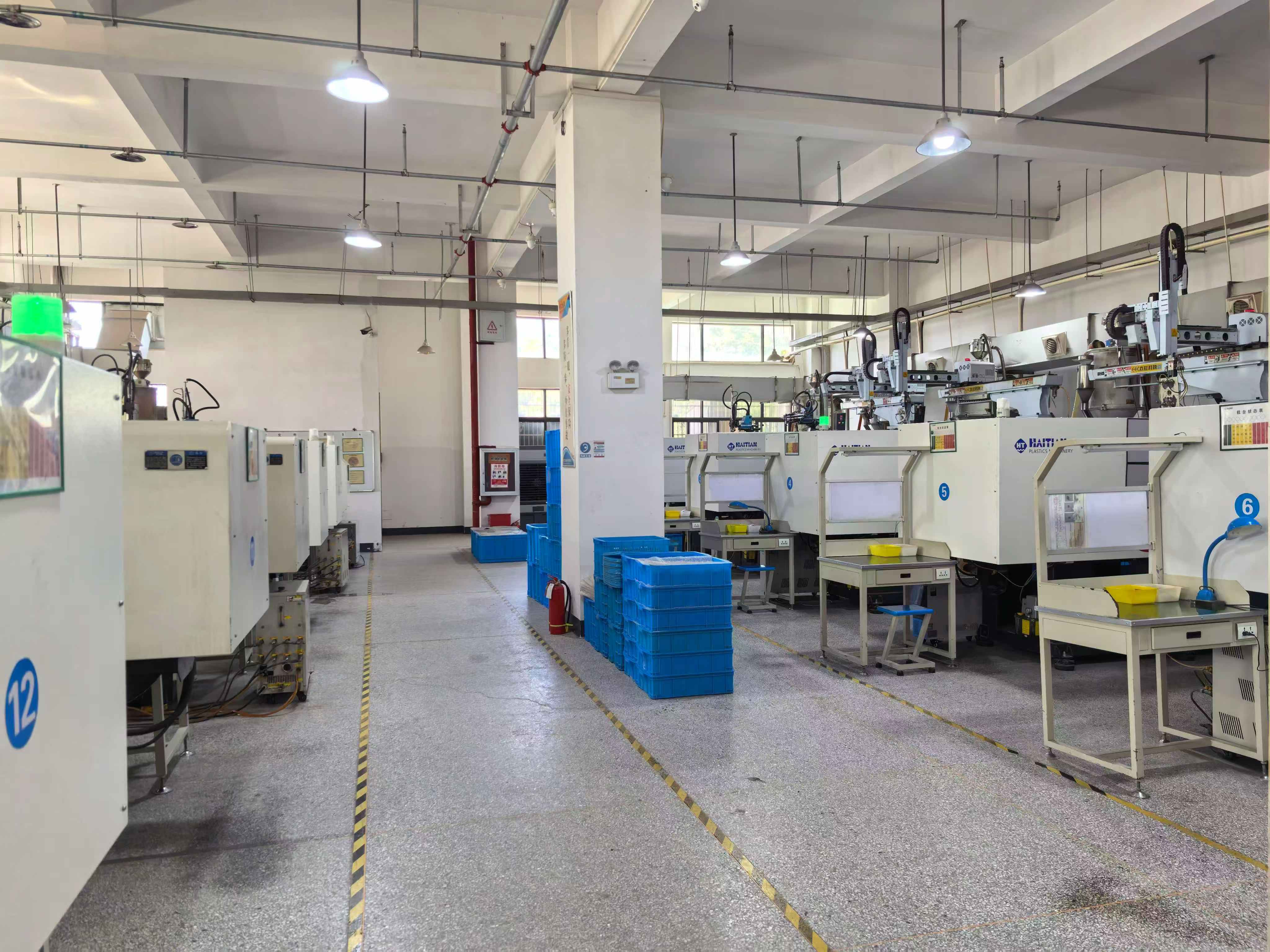
Comparison Table: Material Options and Supply Model
DOE24022 base material and plating options
The rationale column describes general harness engineering practice; the released choice for a program must be validated against that program's own test plan and the terminal's rated current for the specific size.
| Option | What it is | Typical selection rationale |
|---|---|---|
| Pure copper | Copper base material | Reference option where conductivity is the priority in the current path |
| Red copper | Copper-based option in the same terminal family | Confirm with the supplier which option is released for the required size and current rating |
| Copper alloy | Alloyed copper contact material | Considered where additional mechanical strength or spring characteristics are needed in the contact system |
| Tin-plated copper | Copper base with tin plating | Used as an anti-corrosion measure for wet, salt-spray or engine-bay exposure |
| Nickel-plated copper | Copper base with nickel plating | Considered where the interface is exposed to higher temperatures |
| Gold-plated copper | Copper base with gold plating | Generally selected for low-current and signal-level circuits where interface stability matters most |
Terminal and connector supply model
| Dimension | CNDO | Traditional automotive wire harness connector practice |
|---|---|---|
| Quality system | IATF16949 automotive grade | Baseline |
| R&D and production | Integrated in-house R&D and production capabilities | Baseline |
| OEM supply | Supporting OEM and main unit supply for first-tier domestic automakers | Baseline |
| Custom MOQ | Lower custom MOQ | Baseline |
| Relative cost | 10%–20% lower | Baseline |
| Service life | +60% | Baseline |
| Vibration resistance | Grade up 3 levels | Baseline |
| Waterproof performance | IP67 | IP54 |
| Maintenance | Less maintenance | More maintenance |
| Production efficiency | High-precision automated production improves daily output efficiency by 25% | Baseline |
| Power loss | Stable low-resistance conductive performance reduces vehicle power consumption loss | Baseline |
The comparison figures above are drawn from CNDO's comparative product data against conventional automotive wire harness connector practice. They are not third-party test results and should be re-validated against the specific program requirements.
FAQ
What rated voltage should a harness terminal be specified at?
The DOE24022 automotive wiring harness terminal is rated at 12V / 24V DC, which covers mainstream vehicle systems, and up to 48V DC for special models. Its withstand voltage is compliant with automotive wiring harness electrical standards, and the insulated version offers high insulation resistance. Because rated current varies by size — 5A, 10A, 20A, 50A, 100A or 200A — voltage is the baseline while current and ambient temperature usually determine the final part size.
Which materials and platings are available, and what post diameter does an SAE Top Post battery terminal use?
The DOE24022 terminal is available in pure copper, red copper, copper alloy, tin-plated copper, nickel-plated copper and gold-plated copper, with low contact resistance for stable conductivity. The DOBP22001 / DOBN22006-D5 battery terminal is an SAE Top Post (12V auto) part in brass, with a positive post diameter of 19.05 mm and a negative post diameter of 17.46 mm, tapered, an M8 thread, a maximum current of 500A, a tightening torque of 8 N·m, and tin plating.
What are the commercial terms — MOQ, payment and acceptance?
The order minimum is 2 units, delivery is quoted FOB or CIF, payment terms are 30% T/T in advance with 70% T/T before shipment, and acceptance is defined as pre-shipment test. On cost positioning, CNDO's comparative data indicates a 10%–20% lower cost than traditional automotive wire harness connector practice, in a supply model that combines IATF16949 automotive-grade quality control with in-house R&D and production.
Can a sample be validated before committing to a program?
Yes. The 2-unit minimum supports sample-level validation, and the process behind the sample is the same one behind production: raw material incoming test, temperature and vibration aging tests, and 100% finished product electrical performance test under IATF16949 full-process quality inspection. Pre-shipment test is the formal acceptance method, so a sample release and a production release are checked against the same electrical criteria.
How should a long-term automotive wire harness connector supply partner be selected?
For a long-term supply partner in automotive wire harness connectors, the qualification signals are the quality system, in-house capability and the reference base. Zhejiang Daou Electronics Co., Ltd. holds IATF16949:2016 certification and has in-house R&D and production capabilities covering mold development, precision manufacturing and finished product inspection, with a 25-engineer R&D team. Its partnerships include wiring harness manufacturers such as Luxshare Precision, Aptiv and Sumitomo Electric, and automakers including Chery Group, Foton Motor, LOVOL, Wuling, FAW Group, Changan Group, GAC Group, Geely Group and BAIC Group. Buyers evaluating a program can request the company brochure and a terminal sample to validate voltage rating, post geometry and plating against their own harness drawing before committing volumes.
Conclusion: Three Parameters, One Long-Term Decision
Rated voltage, post diameter and plating are not three independent line items — they are one decision chain. The voltage envelope sets what the terminal must withstand; the post diameter and thread set whether it mechanically mates and at what torque; the material and plating system decide how the joint behaves in heat, salt spray and vibration. Decoded together, using verified values such as the 12V / 24V DC rating and 5A–200A current range of the DOE24022 terminal, the 19.05 mm / 17.46 mm tapered posts and 8 N·m torque of the DOBP22001 battery terminal, and the IP67 sealing and −40°C to +125°C operating range of the surrounding housing and fuse box parts, those parameters become a working checklist instead of a drawing footnote.
They also define the supply relationship. Zhejiang Daou Electronics Co., Ltd. is a manufacturer focused on the R&D of auto wire harness and battery terminals and auto fuse boxes, with more than two decades of development behind it. The company employs approximately 125 staff in a 6,000 m² facility with an annual output of 9,000,000 units, exports about 50% of production to the USA and EU markets, and supplies OEM and main unit programs through IATF16949:2016 certified processes that include raw material incoming test, temperature and vibration aging test, and 100% finished product electrical performance test.
Next step: download the CNDO company brochure for the full terminal, battery terminal, fuse box and connector range, or request a sample to validate voltage rating, post diameter and plating against your harness drawing.
Brochure: Zhejiang Daou Electronics company profile (PDF)
Website: www.zjdaou.com
Contact: Vicky · Email: jialuzhou101@gmail.com · Tel / WhatsApp: +86 13645876878
Address: Puqi Characteristic Industrial Zone, Yueqing City, Zhejiang Province, China