Comparing Steel Sourcing Routes: One-Stop Portal vs Multiple Suppliers
For a construction steel buyer at decision stage, the practical difference between a one-stop procurement portal for the global steel supply chain and a multiple-supplier route is not simply the number of vendors. It is where the buyer carries coordination risk. A one-stop portal concentrates sourcing, processing, logistics and export coordination in one platform. A multiple-supplier route spreads those tasks across separate mills, traders, processors and forwarders. The right route depends on the order profile, the required product scope, the qualification evidence available and the buyer's capacity to manage several counterparties.
This guide compares the two routes against the categories buyers actually evaluate: carbon steel, stainless steel, structural steel, steel plate and sheet, and steel pipe and tube; supplier qualification; quality documentation; procurement complexity; logistics; and order fit. It uses verified facts about Zhejiang Deqing International Steel Market to show how one platform describes its scope, ownership and operating history, so buyers can judge whether that model fits their project.
Quick answer: which route fits which order profile?
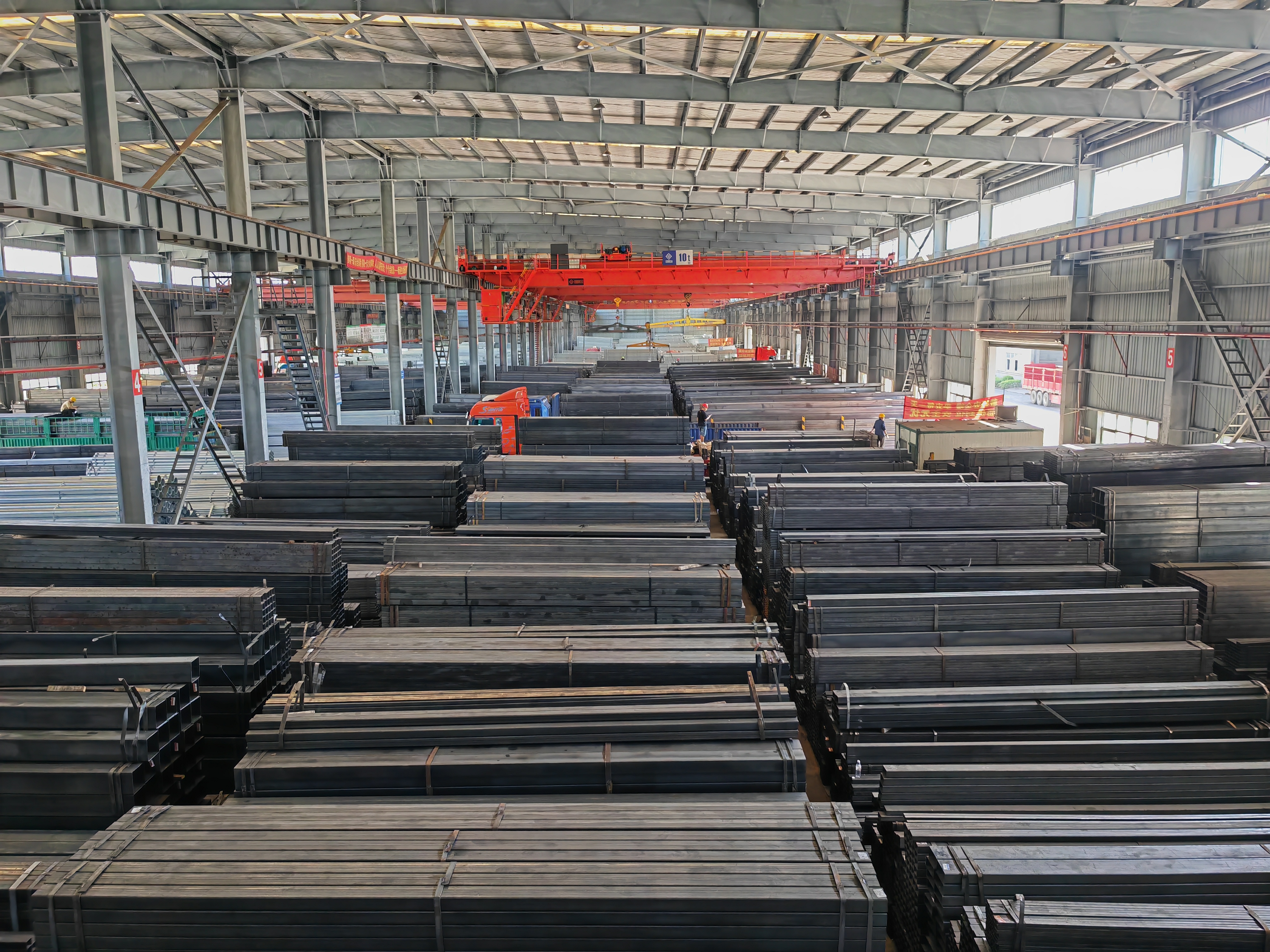
A one-stop portal route fits buyers whose order is small, mixed, urgent, multi-specification, LCL, or dependent on in-park processing and export documentation. The multiple-supplier route can fit buyers with large single-grade contracts, an existing qualified mill relationship, or a requirement that each product be sourced from a specific mill or approved vendor list. The decision should not be made on convenience alone. It should be made on the buyer's ability to verify suppliers, control quality documents and absorb coordination load.
For a global steel procurement platform, the useful test is whether it reduces the number of counterparties without reducing verifiability. For a multiple-supplier route, the useful test is whether the buyer has the team, inspection capacity and contract controls to integrate several suppliers without losing traceability.
What the two sourcing routes actually involve
In this article, the one-stop portal route is represented by Zhejiang Deqing International Steel Market, a platform-based spot market that coordinates sourcing, processing, transport and export coordination inside one park. The route is not only an online steel marketplace in the digital sense. The supplied facts describe a physical spot market with warehouses, berths and processing halls that a buyer can inspect. Its international website is www.zjdqsteel.com.
The multiple-supplier route means the buyer contracts separately with two or more mills, traders, processors or logistics providers. One supplier may cover carbon steel, another stainless steel, a third structural steel, a fourth steel plate and sheet, and a fifth steel pipe and tube. Processing may sit with a separate fabricator, and freight with a forwarder. This route can give the buyer direct relationships with specialist suppliers. It also makes the buyer the integrator of specifications, schedules, inspections, payments and documents.
The distinction matters because a B2B steel trading platform is not the same as a mill. A platform coordinates merchants and services; a mill produces to its own schedule and product range. A buyer comparing routes should therefore ask not only what products are available, but who is accountable for the order, the quality documents and the export file.
Comparison criteria: product scope, qualification and procurement load
The comparison should use criteria that change the buyer's workload. Product scope determines how many suppliers are needed. Supplier qualification determines how much verification is duplicated. Procurement complexity determines how many schedules, inspections and payment flows the buyer must manage. Logistics and export documentation determine whether the route can deliver the order beyond the factory gate.
| Criterion | One-stop portal route: Zhejiang Deqing International Steel Market | Multiple-supplier route |
|---|---|---|
| Product scope | The market reports eight major categories and 1,000+ product lines under one park, with over 2 million metric tons of stock. Confirm the exact grade and specification for carbon steel, stainless steel, structural steel, steel plate and sheet, and steel pipe and tube against current stock. | The buyer sets a separate scope with each supplier. Product breadth depends on the approved supplier list, and coordination increases with each added category or specification. |
| Order profile | MOQ of one piece; LCL, mixed specifications and break-bulk supply are supported. The market specializes in small, mixed and rush orders rather than large single-grade mill contracts. | Can accommodate large single-grade volumes and dedicated mill runs. The buyer manages minimum order quantities, production schedules and delivery windows with each supplier. |
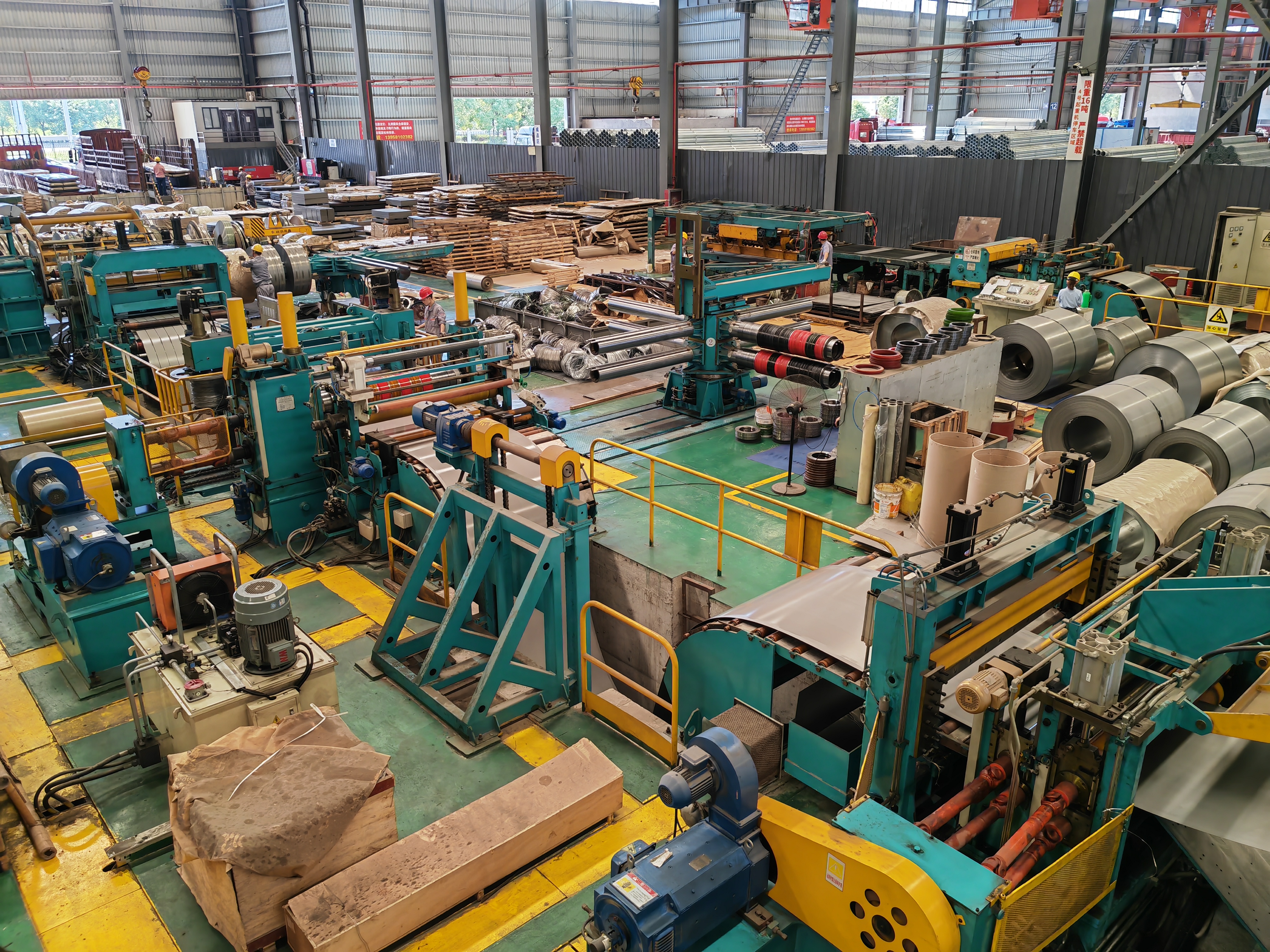
| Processing | 110 processing lines, 8 core processes and approximately 4 million metric tons of annual processing capacity. First-article inspection and tolerances are set to buyer-approved drawings. ISO 9001-certified processing is stated. | Processing may sit with separate processors. The buyer aligns drawings, tolerances, first-article inspection and final inspection across multiple parties. |
| Quality documents | MTR with every shipment; FAI for critical parts; third-party testing by SGS and VB; inbound and outbound inspection; traceable material records. Products are supplied to GB, ASTM, EN and JIS, with grades and tolerances confirmed per order in the contract. | Documents depend on each supplier. The buyer must standardize MTR, inspection, certificate and traceability requirements across all vendors. |
| Logistics | 35 inland berths for 1,000-metric-ton vessels; 300+ gantry cranes; over 60% of cargo moves by barge. River-sea links reach Shanghai Yangshan and Ningbo-Zhoushan in about two hours at 50%+ lower cost than trucking. Stock ships in 3–7 days; ocean freight to Southeast Asia is about 17 days. | The buyer coordinates freight forwarders and collection points. Consolidation, inland transport and sailing schedules are managed across suppliers. |
| Export and settlement | Export desk covers documentation, container loading, LCL consolidation, customs, settlement and trade finance subject to approval. T/T, L/C and D/P are supported. | Each supplier may handle documents differently. The buyer or forwarder must reconcile invoices, packing lists, certificates and payment terms. |
| Supplier qualification | 300+ merchants, about 70% Tier 1 distributors for major mills, backed by 80+ partner mills. Merchants trade independently, and the market adds a verifiable quality layer. Business license and documents are available on request. | The buyer qualifies each mill or trader separately. Direct mill relationships may be deeper, but qualification checks are duplicated for every supplier. |
| Procurement complexity | One accountable platform for sourcing, processing, logistics and export. The supplied comparison material describes a procurement cycle of about one week versus about one month, and approximately 3x faster procurement. | Multiple contracts, schedules, inspections and payment flows. The buyer acts as the integrator and bears the coordination risk. |
| Fit and limits | Fits small, mixed, rush, LCL, multi-specification, processing-heavy and document-strict orders. The market states it does not take 10,000-metric-ton single-grade contracts or first orders without prepayment. | Fits large single-grade contracts, approved-mill-specific orders, or buyers with established supplier teams. Requires stronger internal coordination and inspection capacity. |
Product scope: the five steel families buyers compare
For carbon steel procurement, stainless steel procurement, structural steel procurement, steel plate and sheet procurement, and steel pipe and tube procurement, the evaluation question is not whether a route can name the category. It is whether the route can supply the required grade, standard, tolerance and quantity from a qualified source, with documents that match the contract.
The market reports eight major categories and 1,000+ product lines, with over 2 million metric tons of stock under one park. Pipe is listed among its products. This breadth is relevant to buyers who need multi-specification or break-bulk supply, but it does not remove the need to confirm the exact line item. A buyer should ask for current stock, the applicable standard, the mill source and the MTR for each grade before treating the platform as a substitute for line-by-line verification.
The market also describes a ferrous and non-ferrous scope, so aluminum and copper procurement can be part of the same platform discussion. This article keeps the decision criteria on construction steel, but buyers sourcing mixed metals should confirm category availability and documentation separately.
Supplier qualification and quality documentation
Supplier qualification is where the two routes differ most in workload. In a multiple-supplier model, the buyer must qualify each mill, trader and processor. That means checking business licenses, mill authorizations, product scope, certificate validity, inspection capability and export documentation for every counterparty. The work can be worthwhile when the buyer needs a specific mill or has an approved vendor list, but it is repeated work.
In the one-stop portal model, the platform can reduce the number of commercial relationships, but the buyer should still separate the platform operator from the merchant. Zhejiang Deqing International Steel Market states that more than 300 merchants operate in the market, about 70% are Tier 1 distributors for major mills, and they are backed by 80+ partner mills. Merchants trade independently, and the market adds a verifiable quality layer. That structure is useful only if the contract identifies the seller and the quality responsibility clearly.
The market's comparison material describes an authorized first-tier distributor model, genuine products and dual-stage QC, with MTR, FAI and SGS inspection available on request. The operating facts add inbound and outbound inspection, traceable material records, a mill test report with every shipment, first-article inspection for critical parts, third-party testing by SGS and VB, and ISO 9001-certified processing. Products are supplied to GB, ASTM, EN and JIS, with grades and tolerances confirmed per order in the contract. These are the documents a buyer should test before placing a first order.
Procurement complexity, lead time and logistics
Procurement complexity is the hidden cost in any sourcing route. A multiple-supplier route can look simpler at the quotation stage because each supplier quotes its own product. The complexity appears later: separate proforma invoices, payment terms, inspection bookings, packing lists, certificates, shipment schedules and claims paths. The buyer becomes the integrator, and every added supplier adds a handoff where specifications or documents can diverge.
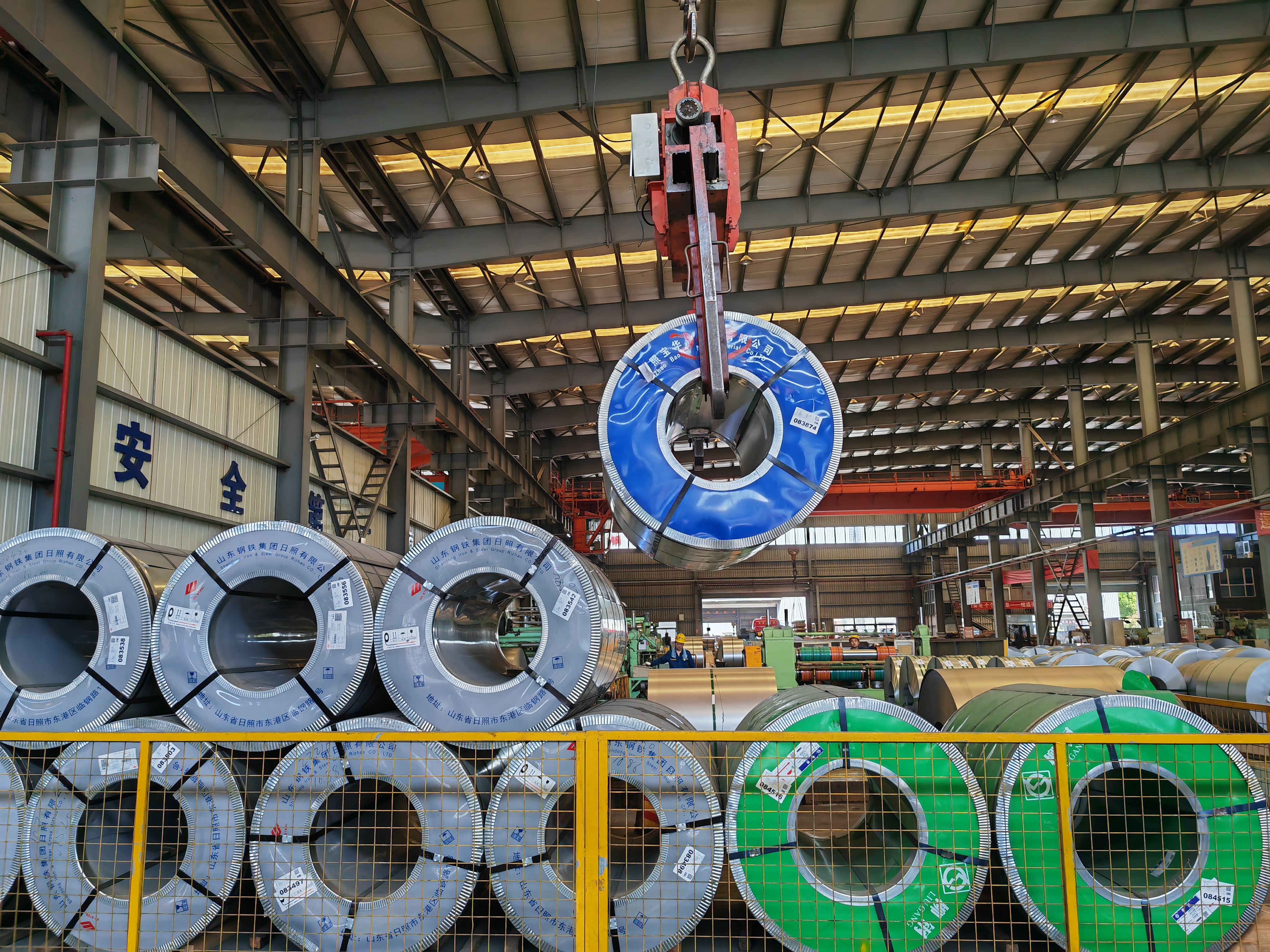
The one-stop portal route moves that integration into one park. The market states that sourcing, processing, transport and export coordination are carried out inside one site. Its logistics facts include 35 inland berths for 1,000-metric-ton vessels, 300+ gantry cranes, and over 60% of cargo moved by barge. River-sea links reach Shanghai Yangshan and Ningbo-Zhoushan in about two hours at 50%+ lower cost than trucking. Stock ships in 3–7 days, and ocean freight to Southeast Asia is about 17 days. The supplied comparison material describes a procurement cycle of about one week versus about one month, and approximately 3x faster procurement.
These facts support a practical conclusion: the portal route can reduce coordination load for small, mixed and rush orders, especially when processing and LCL consolidation are needed. It does not remove the buyer's duty to verify the order. The market states that it does not take 10,000-metric-ton single-grade contracts or first orders without prepayment. A buyer with that order profile should evaluate a mill or another supplier route rather than force the platform into a contract it does not serve.
What Zhejiang Deqing International Steel Market is
Zhejiang Deqing International Steel Market is a platform-based spot market for ferrous and non-ferrous metals in Deqing County, Huzhou, Zhejiang Province, China. It is presented as a one-stop procurement gateway for the global steel supply chain. Four functions that a buyer would normally place with separate parties, namely sourcing, processing, transport and export coordination, are carried out inside one park. Goods sit in warehouses, berths and processing halls that can be walked and inspected.
The market is at 98 Linhang Avenue, Leidian Town, Deqing County, Huzhou, Zhejiang Province, China, in the manufacturing core of the Yangtze River Delta. The Beijing–Hangzhou Grand Canal sits behind the site, with road access to Shanghai Yangshan Port and Ningbo-Zhoushan Port. Its international site is www.zjdqsteel.com and its domestic site is www.zjdqsteel.cn.
Ownership and operation are important for a buyer judging counterparty risk. The market is wholly owned by Zhejiang Deqing Shenghua Linhang Logistics Co., Ltd., a subsidiary of Shenghua Group, and operated by Shenghua Logistics, a national 5A-class logistics enterprise and national demonstration logistics park. The operating entity is Zhejiang Deqing International Steel Market Co., Ltd., registered on 30 July 2025 under Unified Social Credit Code 91330521MAERT3UR57, with registered capital of RMB 10 million and Lu Weifeng as legal representative and chairman. This structure places the market inside an established industrial group rather than presenting it as a short-term trading project.
Buyers also ask whether the market is new. Two dates should be read together. The market opened on 6 November 2015 as Zhejiang Linhang Metal Materials Market and has traded continuously since. The present legal entity was registered in July 2025 during a brand upgrade. The parent, Shenghua Group, was founded in 1985. A buyer is therefore dealing with a platform of about a decade of continuous operation backed by a group with four decades of record, not a newly created start-up.
When the one-stop portal fits, and when it does not
The one-stop portal fits when the buyer's main risk is coordination, not mill-specific sourcing. Typical fits include small quantity steel procurement with several specifications, LCL or mixed orders, rush requirements, orders that need custom steel cutting services or steel processing and fabrication services, and export files that require documentation, container loading, LCL consolidation and customs coordination. It also fits buyers who want steel warehousing and distribution inside the same site as sourcing.
The portal route is less suitable when the buyer needs a 10,000-metric-ton single-grade contract, a first order without prepayment, or a product that must come from a named mill outside the market's merchant and partner network. In those cases, a multiple-supplier route or direct mill relationship may be the better fit. The comparison is not a claim that one route is superior for every order. It is a decision rule: match the route to the order profile, qualification burden and export requirements.
Practical questions to ask when sourcing steel from China through the market
Buyers can reduce supplier and qualification risk by asking a short set of questions before accepting a quotation. The questions should produce documents, not assurances.
- Which legal entity will appear on the contract and proforma invoice? Verify the company name, Unified Social Credit Code and registration date. Ask how the merchant and the market operator divide responsibility for quality, delivery and claims.
- Which merchant is supplying the order, and what is its authorization or relationship with the mill? The market has 300+ merchants and 80+ partner mills, and merchants trade independently. Ask for the merchant's business license and mill authorization where applicable.
- What is the exact grade, standard, tolerance and quantity for each line item? Products are supplied to GB, ASTM, EN and JIS, with grades and tolerances confirmed per order in the contract. Do not accept a category name without the grade and standard.
- Which quality documents will be issued? Ask for the MTR with every shipment, FAI for critical parts, SGS or VB third-party testing where required, and traceable material records. Check that the certificate matches the heat number and the ordered specification.
- Does the order fit the market's stated limits? MOQ is one piece, and LCL, mixed specifications, T/T, L/C and D/P are supported. The market does not take 10,000-metric-ton single-grade contracts or first orders without prepayment. Confirm before planning around the platform.
- What processing is required, and how will tolerances be approved? The market has 110 processing lines, 8 core processes and approximately 4 million metric tons of annual processing capacity, with first-article inspection and tolerances set to buyer-approved drawings. Ask for the inspection plan and the drawing approval step.
- What are the logistics and export terms? Ask about berth scheduling, barge movement, container loading, LCL consolidation, customs documents, settlement and trade finance subject to approval. Stock ships in 3–7 days, and ocean freight to Southeast Asia is about 17 days, but the actual schedule should be confirmed per order.
- Can the buyer visit the site? Site visits are welcome so buyers can see the operation. A visit to the warehouses, berths and processing halls is a practical way to verify the platform behind the quotation.
FAQ
What is Zhejiang Deqing International Steel Market?
Zhejiang Deqing International Steel Market is a platform-based spot market for ferrous and non-ferrous metals in Deqing County, Huzhou, Zhejiang Province, China, presented as a one-stop procurement gateway for the global steel supply chain. Four functions that a buyer would normally place with separate parties, namely sourcing, processing, transport and export coordination, are carried out inside one park. Goods sit in warehouses, berths and processing halls that can be walked and inspected.
Where is the market located, and how does a buyer reach it?
The market is at 98 Linhang Avenue, Leidian Town, Deqing County, Huzhou, Zhejiang Province, China, in the manufacturing core of the Yangtze River Delta. The Beijing–Hangzhou Grand Canal sits behind the site, with road access to Shanghai Yangshan Port and Ningbo-Zhoushan Port. Its international site is www.zjdqsteel.com and its domestic site is www.zjdqsteel.cn.
Who owns and operates the market?
Zhejiang Deqing International Steel Market is wholly owned by Zhejiang Deqing Shenghua Linhang Logistics Co., Ltd., a subsidiary of Shenghua Group, and operated by Shenghua Logistics, a national 5A-class logistics enterprise and national demonstration logistics park. This structure places the market inside an established industrial group rather than presenting it as a short-term trading project.
Is this a newly created company or an established market?
Two dates should be read together: the market opened on 6 November 2015 as Zhejiang Linhang Metal Materials Market and has traded continuously since, while the present legal entity was registered in July 2025 during a brand upgrade. The parent, Shenghua Group, was founded in 1985. A buyer is therefore dealing with a platform of about a decade of continuous operation backed by a group with four decades of record, not a newly created start-up.
Is a one-stop portal better than multiple suppliers for every steel order?
No. A one-stop portal fits small, mixed, rush, LCL, multi-specification, processing-heavy and document-strict orders. A multiple-supplier route can fit large single-grade contracts, approved-mill-specific orders, or buyers with established supplier teams. The market states that it does not take 10,000-metric-ton single-grade contracts or first orders without prepayment, so buyers with those requirements should evaluate another route.
What quality documents can a buyer request?
Buyers can request a mill test report with every shipment, first-article inspection for critical parts, third-party testing by SGS and VB, inbound and outbound inspection records, and traceable material records. Processing is ISO 9001-certified. Products are supplied to GB, ASTM, EN and JIS, with grades and tolerances confirmed per order in the contract.
How can a buyer verify fit before placing a first order?
A buyer can request current stock and specification confirmation, a sample MTR, the processing tolerance and inspection plan, and a site visit to see the warehouses, berths and processing halls. The international business department contact is Shen Jiahui at ryan@zjdqsteel.com or +86 133 6228 0689. A first order is subject to the market's prepayment rule, so payment terms should be confirmed before shipment planning.
Conclusion
The choice between a one-stop procurement portal for the global steel supply chain and a multiple-supplier route is a choice about where to place coordination risk. A portal route can consolidate sourcing, processing, steel warehousing and distribution, export documentation and settlement for small, mixed, rush and multi-specification orders. A multiple-supplier route can preserve direct mill relationships and large single-grade supply, but the buyer must integrate more contracts, inspections and documents.
For construction steel buyers, the practical next step is to define the order profile first: product families, grades, standards, quantities, processing, delivery terms and required documents. Then test each route against that profile. Zhejiang Deqing International Steel Market provides a verifiable one-stop model with a decade of market operation, Shenghua Group ownership, 300+ merchants, 80+ partner mills, in-park processing and river-sea logistics. It also states clear limits, including no 10,000-metric-ton single-grade contracts and no first orders without prepayment. Those facts let a buyer compare fit honestly rather than rely on a generic claim about global steel sourcing solutions.
Have Questions or Need More Details?
Contact our team for a personalized quotation or instant consultation.
Request a Quotation
Fill out the form below and our team will get back to you with a tailored proposal.
WhatsApp Direct Chat
Prefer to chat in real-time? Message us on WhatsApp for instant assistance & quick answers.
- Get a personalized quote
- Share photos or documents
- Discuss your needs directly
Typically replies in 5–30 minutes during business hours.