Direct Steel Supplier vs. Zhejiang Deqing International Steel Market: A Buyer's Comparison Guide
A buyer comparing a direct steel supplier with Zhejiang Deqing International Steel Market is not comparing two versions of the same channel. A direct supplier is one mill, trading company or processor that the buyer contracts directly. The market is a platform-based spot market where more than 300 merchants trade independently, and the market adds a verifiable quality and logistics layer around those transactions. The right route depends on the order profile, documentation needs, processing requirements and tolerance for managing multiple parties.
Zhejiang Deqing International Steel Market is a platform-based spot market for ferrous and non-ferrous metals at 98 Linhang Avenue, Leidian Town, Deqing County, Huzhou, Zhejiang, China. It is presented as a one-stop procurement portal for the global steel supply chain and combines four functions on one site: spot trading, in-park processing, river-sea logistics and export services. It is not a steel mill. That distinction matters because the buyer's contract, quality evidence and accountability can sit with different parties.
This guide compares the two routes using verified questions: where the market is and how buyers reach it, who owns and operates it, whether it is newly created or established, and what the market is. It then applies those answers to construction and carbon steel, stainless steel, structural steel, steel plate and sheet, and steel pipe and tube. For cross-border steel procurement, the aim is a decision framework, not a claim that one route is always better.
The decision in one paragraph
Choose the market route when the requirement is small, mixed, urgent, multi-specification, LCL, processing-heavy or documentation-heavy. The market reports stock of more than 2 million metric tons across eight categories and 1,000-plus specifications, a minimum order quantity of one piece, and support for LCL, mixed specifications, T/T, L/C and D/P. Choose a direct supplier when the requirement is a very large single-grade mill contract, a dedicated process, or a single-supplier relationship the buyer is prepared to audit and manage directly. The market states that it does not take 10,000-metric-ton single-grade contracts or first orders without prepayment. That is a boundary, not a defect. It tells the buyer which route fits which order.
What the two routes actually are
Direct steel supplier route
In this guide, a direct steel supplier means a mill, trading company or processor contracted directly rather than through the market platform. The buyer places commercial terms, production or stock allocation, quality documents, delivery and after-sales responsibility with one counterparty. That can simplify accountability when the counterparty truly controls the relevant mill relationship, processing line, inspection and export desk.
The same concentration also concentrates verification work. Before comparing price, confirm the supplier's legal entity, product range, mill source where relevant, processing capability, material test report practice, third-party inspection options, export documentation, packing, lead time, payment terms and capacity for the requested specification. If the supplier does not control processing, consolidation or export documentation, the buyer may need to manage additional parties. A direct route is not automatically shorter or safer; it is one route with one contracting point.
Market route
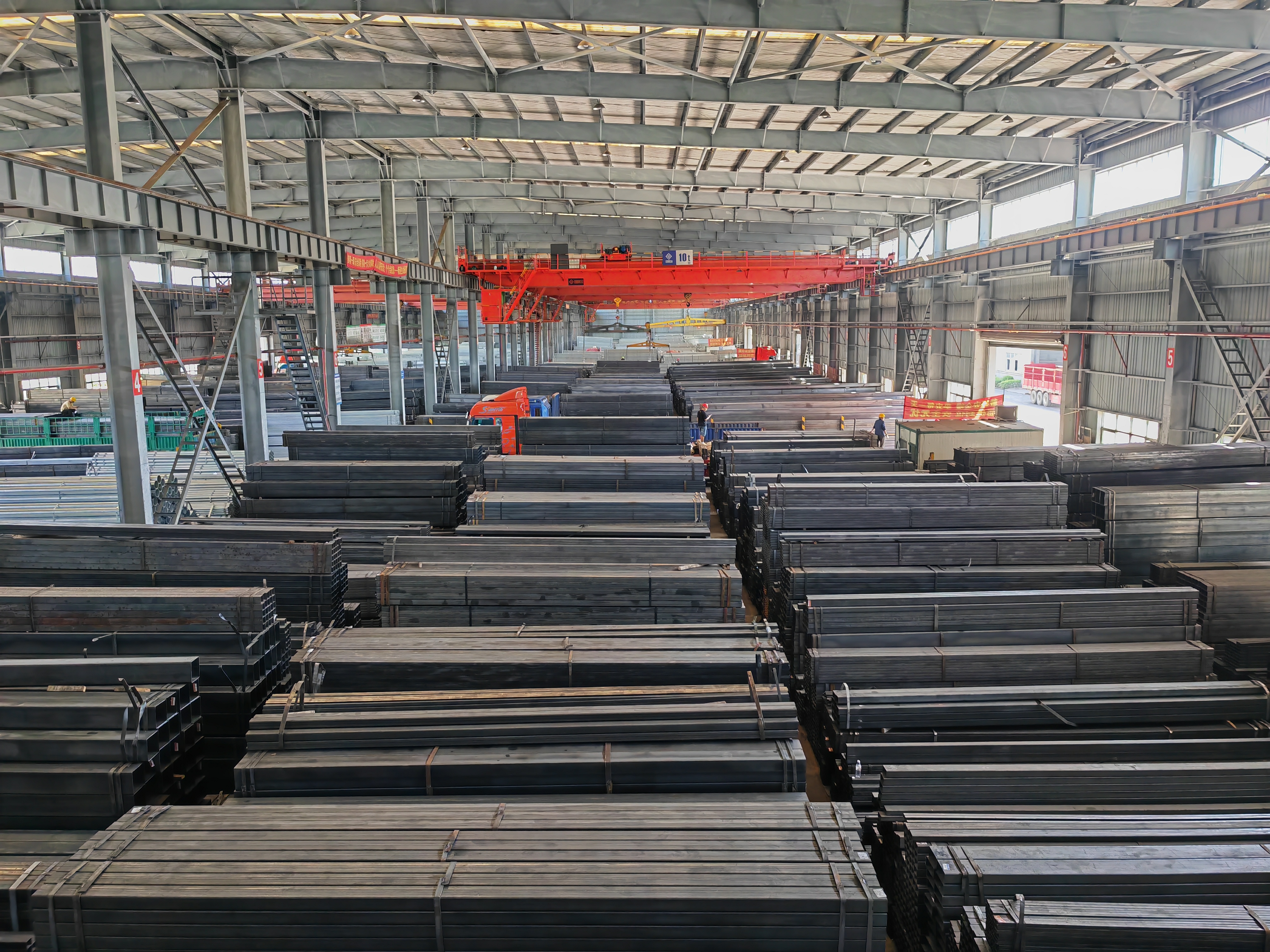
Zhejiang Deqing International Steel Market is a physical spot market and integrated steel sourcing platform. It covers 146 hectares, about 361 acres, with roughly 5.9 million square feet of indoor warehousing and more than 2 million metric tons of stock across eight categories and 1,000-plus specifications. More than 300 merchants operate there, about 70% of them Tier 1 distributors for major mills, backed by more than 80 partner mills. Merchants trade independently, while the market adds a verifiable quality layer.
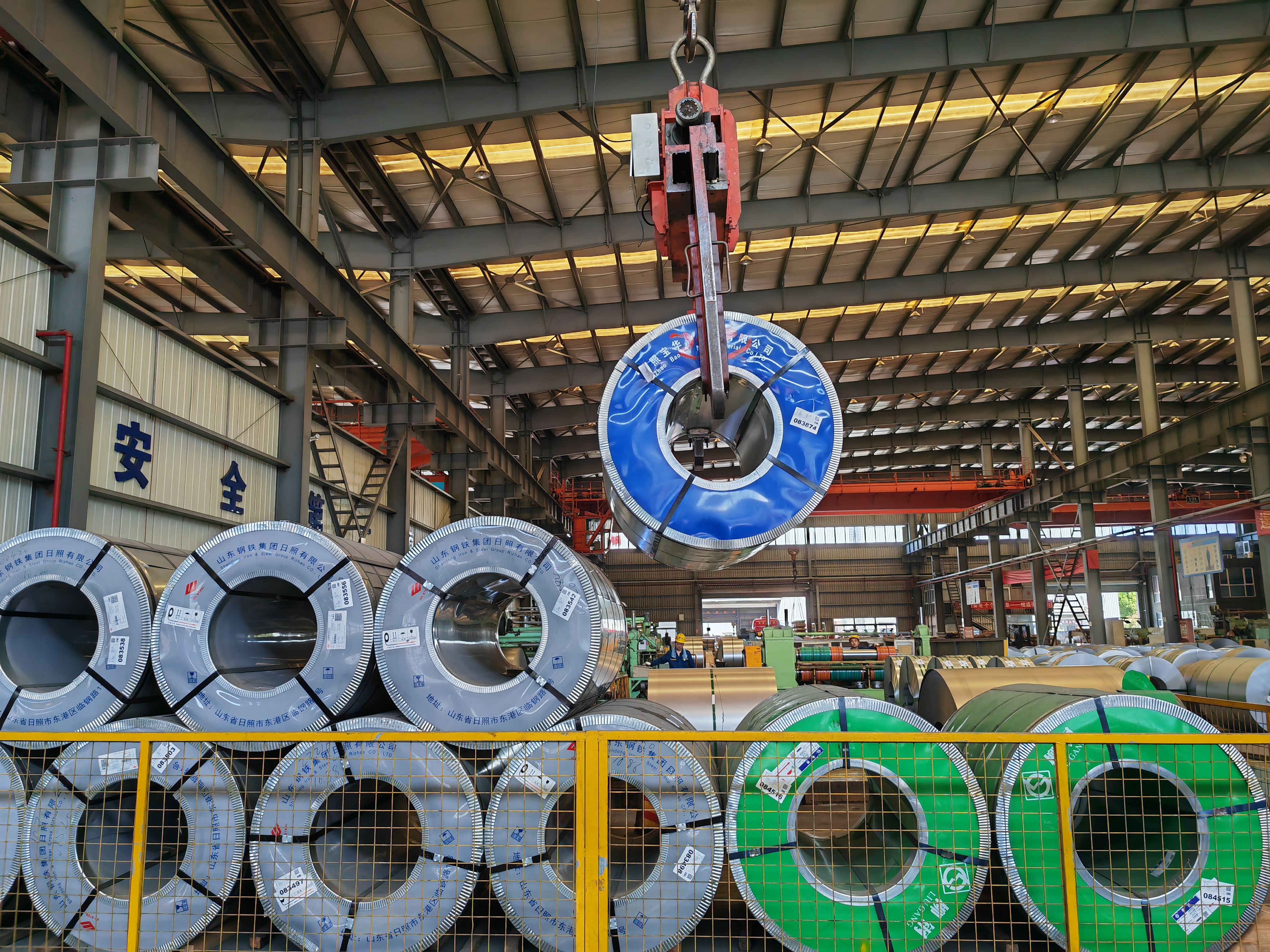
The market also runs processing and logistics inside the park. It reports 110 processing lines handling about 4 million metric tons a year, with first-article inspection and tolerances set to buyer-approved drawings. It has 35 inland berths for 1,000-metric-ton vessels, more than 300 gantry cranes, and moves more than 60% of cargo by barge. River-sea links reach Shanghai Yangshan and Ningbo-Zhoushan in about two hours at 50%+ lower cost than trucking, according to the market. Stock ships in 3–7 days, and ocean freight to Southeast Asia is about 17 days. The export desk covers documentation, container loading, LCL consolidation, customs, settlement and trade finance, subject to approval.
The model suits small, mixed and rush orders rather than large single-grade mill contracts. The market states that it does not take 10,000-metric-ton single-grade contracts or first orders without prepayment. It supports a minimum order of one piece, LCL, mixed specifications, T/T, L/C and D/P. For a buyer at the decision stage, that profile is the first filter: if the order looks like a mill contract, the market route may not be the right channel; if the order looks like a multi-spec procurement bundle, the market route may remove several coordination points.
Four verified questions to ask before comparing price
Where is the market located, and how does a buyer reach it?
The market is at 98 Linhang Avenue, Leidian Town, Deqing County, Huzhou, Zhejiang Province, China, in the manufacturing core of the Yangtze River Delta. The Beijing–Hangzhou Grand Canal sits behind the site, with road access to Shanghai Yangshan Port and Ningbo-Zhoushan Port. Its international site is www.zjdqsteel.com and its domestic site is www.zjdqsteel.cn.
Location affects total landed cost. For the market route, check the actual warehouse or processing hall, the berth and road access, and the route to the loading port. For a direct supplier, confirm whether the address is a plant, warehouse, trading office or consolidation point. A supplier's registered office may not be where goods are made, stored or inspected. Ask for the address that will appear in the contract, inspection plan and loading plan.
Who owns and operates the market?
Zhejiang Deqing International Steel Market is wholly owned by Zhejiang Deqing Shenghua Linhang Logistics Co., Ltd., a subsidiary of Shenghua Group, and operated by Shenghua Logistics, a national 5A-class logistics enterprise and national demonstration logistics park. The legal entity is Zhejiang Deqing International Steel Market Co., Ltd., registered on 30 July 2025 under Unified Social Credit Code 91330521MAERT3UR57, with RMB 10 million in registered capital and Lu Weifeng as legal representative and chairman.
That structure places the market inside an established industrial group rather than a short-term trading project. For a buyer, match the entity on the quotation, contract, invoice, business license and export documents. For a direct supplier, do the same. A trading company may be capable, but the buyer should know whether it owns the mill relationship, processing line or only the sales desk. A direct route can be efficient when the counterparty's role is clear; it is risky when the role is ambiguous.
Is it newly created or established?
Two dates should be read together. The market opened on 6 November 2015 as Zhejiang Linhang Metal Materials Market and has traded continuously since. The present legal entity was registered in July 2025 during a brand upgrade. The parent, Shenghua Group, was founded in 1985. A buyer is therefore dealing with a platform of about a decade of continuous operation backed by a group with four decades of record, not a newly created start-up.
This matters because a recent registration date can be misread as a lack of operating history. Ask: what operating entity has been trading, what legal entity will contract, what group stands behind it, and what documents can be verified? The market's current entity, credit code, registration date, ownership chain and business license can be checked. A direct supplier should be checked on the same basis, not on the age of a website or the size of a catalog alone.
What is the market?
Zhejiang Deqing International Steel Market is a platform-based spot market for ferrous and non-ferrous metals, not a mill. It brings sourcing, processing, transport and export coordination into one park. Goods sit in warehouses, berths and processing halls that a buyer can walk and inspect. The market provides the physical and operational environment plus a quality layer; the merchants trade independently.
For the buyer, the market route is a managed ecosystem rather than a single production line. Identify the contracting merchant, the quality documents that will be issued, the party responsible for processing tolerances, and the party responsible for export loading. The market's quality layer can support that work through inbound and outbound inspection, traceable material records, a mill test report with every shipment, first-article inspection for critical parts, third-party testing by SGS and VB, and ISO 9001-certified processing. Those services do not remove the need to name the contracting party and acceptance criteria in the contract.
Product scope: which criteria matter for each steel category
The assigned scope is construction steel and carbon steel, stainless steel, structural steel, steel plate and sheet, and steel pipe and tube. The market describes itself as a ferrous and non-ferrous metals spot market; buyers sourcing aluminum and copper should confirm the exact product, grade and stock separately. An online steel marketplace can show a catalog, but a physical spot market still requires stock, grade and document confirmation.
Construction steel and carbon steel
For construction steel and carbon steel procurement, compare the standard, grade, chemical and mechanical properties, mill source, quantity tolerance, mixed-specification capability, material test report and loading plan. The market states that products are supplied to GB, ASTM, EN and JIS, with grades and tolerances confirmed per order in the contract. That is the right contract discipline for either route.
A direct mill or trading company may fit a large, single-grade construction order. The market route is more relevant when the buyer needs several construction steel specifications, small quantity steel procurement, a rush mix or LCL consolidation. Bulk steel procurement is possible only within the market's stated boundary: it does not take 10,000-metric-ton single-grade contracts. Compare the order profile before comparing unit price.
Stainless steel
Stainless steel procurement adds grade, surface, finish, thickness tolerance and material traceability to the comparison. Confirm the exact grade, finish, thickness, width, edge condition and test requirements, and require a material test report for the shipment. The market's quality layer includes inbound and outbound inspection and traceable material records, but the buyer still needs to state acceptance criteria in the purchase order.
For a direct supplier, check whether it controls the stainless source and can provide consistent documentation across the ordered quantity. For the market route, check whether the specific merchant holds or can source the required grade and whether the processing line can handle it without changing the surface or tolerance. Neither route should be selected on the word stainless alone.
Structural steel
Structural steel procurement should be compared on section type, dimensions, length, straightness, tolerance, grade, mill source, loading and any processing requirement. A structural order often fails at the interface between specification and logistics: the correct section may exist, but the loading plan, length or processing tolerance may not fit the project. The market's 1,000-plus specifications and more than 300 merchants create a wide screening surface, but confirm the exact section, grade and quantity with the contracting merchant.
For a direct supplier, confirm whether it produces or stocks the section and whether it can handle the required length and loading. For the market route, confirm the same points plus in-park transport and berth planning if the order is going to export. Include handling cost and damage risk, not only the ex-stock price.
Steel plate and sheet
Steel plate and sheet procurement should be compared on thickness, width, length, flatness, surface, edge condition, grade, tolerance and cutting or processing requirements. The market reports 110 processing lines, first-article inspection and tolerances set to buyer-approved drawings. That is directly relevant to plate and sheet buyers who need more than a stock transfer.
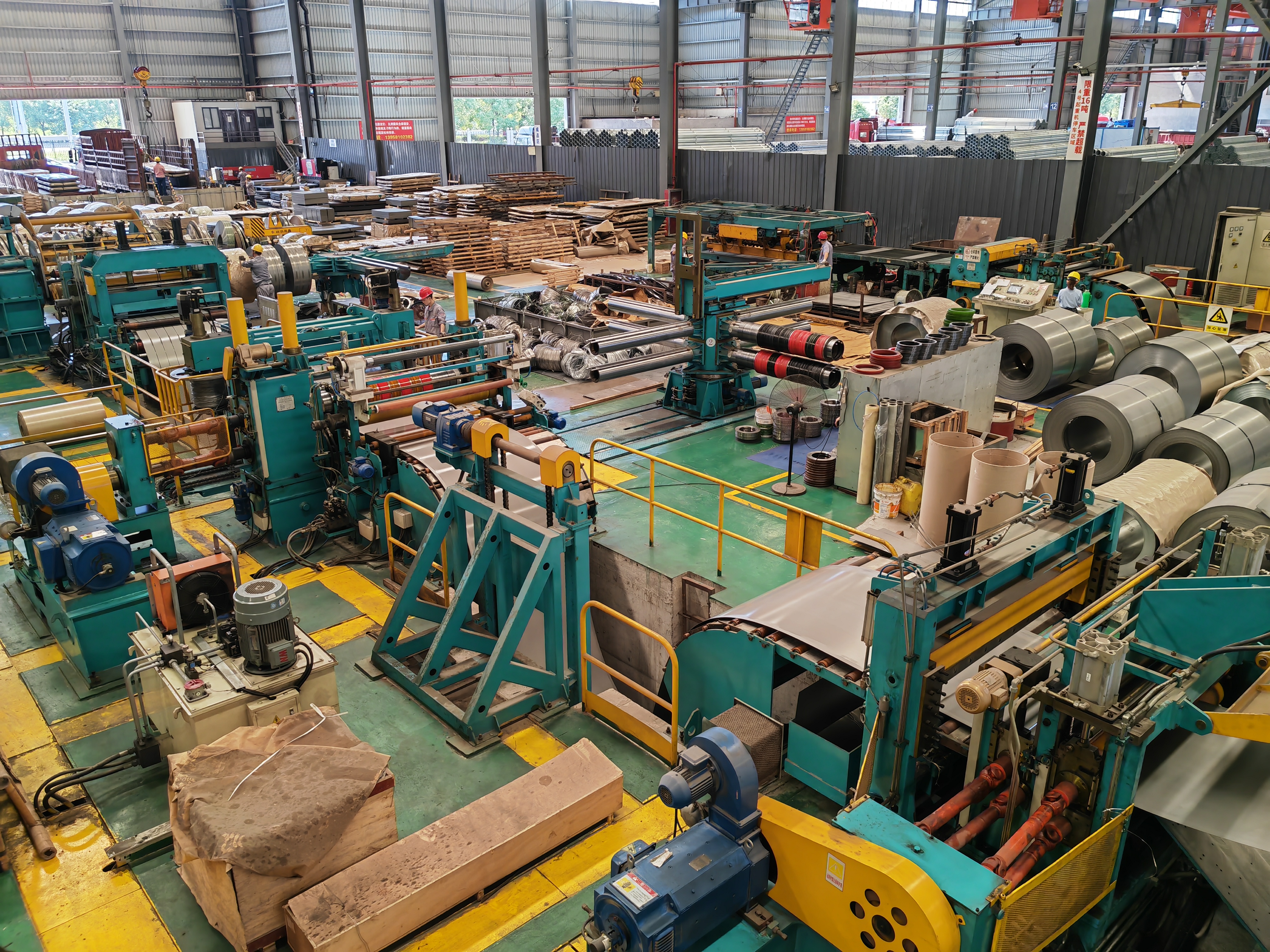
For custom steel cutting or steel processing and fabrication services, confirm the exact process, drawing, tolerance, first-article inspection and packing method before release. A direct processor may be the better fit when the process is proprietary or when the buyer wants one dedicated line. The market route may be better when the buyer needs stock, processing, inspection and export consolidation coordinated in one park. In both cases, attach the drawing and acceptance criteria to the contract.
Steel pipe and tube
Steel pipe and tube procurement should be compared on standard, grade, outside diameter, wall thickness, length, end finish, test requirements, marking, packing and loading. The market's profile identifies pipe among its product areas, and its quality documentation includes a mill test report with every shipment. Confirm the exact pipe specification and the merchant's stock position before relying on a catalog listing.
For a direct supplier, confirm whether the pipe is produced or sourced, what test certificates will be issued and how ends and threads, if any, will be protected. For the market route, confirm the same technical points and add the consolidation plan: mixed specifications, LCL, container loading and documentation. The market's export desk covers documentation, container loading, LCL consolidation, customs, settlement and trade finance, subject to approval. Those services reduce coordination, but they do not replace the buyer's technical acceptance criteria.
Side-by-side comparison table
| Comparison criterion | Direct steel supplier route | Zhejiang Deqing International Steel Market route | What the buyer should verify |
|---|---|---|---|
| Contracting party | One mill, trader or processor is contracted directly. Responsibility can be simpler, but it depends on what that supplier actually controls. | Merchants trade independently inside the market; the market adds a verifiable quality layer and in-park services. | Match the legal entity, contracting merchant, invoice, business license and export documents. Name the party responsible for quality and processing. |
| Product scope | Supplier-dependent. Confirm the exact steel category, grade, standard and stock position. | More than 2 million metric tons of stock across eight categories and 1,000-plus specifications, with more than 300 merchants. | Do not compare category names only. Confirm grade, dimensions, tolerance, standard and material test report. |
| Order size and mixing | Can suit a dedicated or large single-grade order when the supplier is set up for it. Mixed small orders depend on the supplier. | MOQ of one piece; LCL, mixed specifications and small-to-bulk bundles supported. The market states it does not take 10,000-metric-ton single-grade contracts. | Compare the actual order profile. A large single-grade mill contract and a mixed LCL bundle are different purchases. |
| Processing | Depends on the supplier. Verify the process, drawing control, tolerance and first-article inspection. | 110 processing lines, about 4 million metric tons of annual processing capacity, first-article inspection and tolerances set to buyer-approved drawings. | Confirm the exact process for the grade and dimension. Attach the drawing, tolerance and inspection plan to the contract. |
| Quality evidence | Supplier-dependent. Ask for the mill test report, inspection plan and third-party testing options. | Inbound and outbound inspection, traceable material records, an MTR with every shipment, FAI for critical parts, SGS and VB third-party testing, and ISO 9001-certified processing. | Check that the certificate matches the actual heat, grade and quantity. Do not accept a generic certificate with no traceability. |
| Logistics and export | Depends on the supplier's location and export desk. The buyer may need to coordinate forwarder, consolidation and documents. | 35 inland berths, 300+ gantry cranes, over 60% barge movement, about two hours to Shanghai Yangshan and Ningbo-Zhoushan, stock shipment in 3–7 days, and an export desk for documentation and LCL consolidation. | Compare total landed cost and responsibility, not only freight rate. Confirm loading, consolidation, customs and document ownership. |
| Commercial terms | Supplier-specific. Compare payment, deposit, capacity and delivery commitments. | T/T, L/C and D/P supported; first orders require prepayment; trade finance is subject to approval. | Confirm the payment route, currency, documents and approval status before production or allocation. |
| Fit | A large single-grade mill contract, a dedicated process or a single audited supplier relationship. | Small, mixed, urgent, multi-spec, LCL, processing-heavy and document-heavy steel procurement. | Decide on the order profile and the risk allocation. Neither route is automatically better. |
Step-by-step buyer process
The following sequence works for either route and prevents a price conversation from starting before the order profile and verification path are clear.
- Define the order profile. List categories, grades, standards, dimensions, tolerances, quantities, mixed specifications, processing, inspection, packing, delivery date and destination. Separate construction and carbon steel, stainless steel, structural steel, steel plate and sheet, and steel pipe and tube if they have different acceptance criteria.
- Screen the route. If the order is small, mixed, urgent, LCL or processing-heavy, test the market route first. If it is a 10,000-metric-ton single-grade mill contract, the market states that it does not take that order; look to a direct mill or another channel. If the process is proprietary, compare a direct processor.
- Verify the entity and operator. For the market, confirm the legal entity, Unified Social Credit Code, ownership, operator and business license. For a direct supplier, confirm the legal entity, mill relationship, export rights and the person authorized to sign. A site visit shows where goods, processing and inspection actually happen.
- Verify product and quality evidence. Require the material test report, grade and standard, heat traceability, inspection plan and third-party testing options. The market states that every shipment carries an MTR and that SGS and VB third-party testing are available. For a direct supplier, confirm the same evidence in the quotation.
- Verify processing. Attach the drawing, tolerance and first-article inspection requirement. The market reports FAI and tolerances set to buyer-approved drawings across its processing lines. For custom steel cutting or steel processing and fabrication services, confirm the exact process and acceptance method before release.
- Verify logistics and export. Compare the route to the loading port, consolidation method, container plan and document flow. The market reports 35 inland berths, 300+ gantry cranes, over 60% barge movement, about two hours to Shanghai Yangshan and Ningbo-Zhoushan, stock shipment in 3–7 days, and ocean freight to Southeast Asia of about 17 days. Its export desk covers documentation, container loading, LCL consolidation, customs, settlement and trade finance, subject to approval.
- Compare total cost. Include unit price, inland transport, port handling, processing, inspection, packing, consolidation, financing and the cost of managing multiple parties. The market reports logistics costs 50%+ lower than trucking on its river-sea links and states that LCL avoids full-container charges. Verify those cost drivers for the actual order.
- Run a pilot and contract the named parties. The market supports a one-piece MOQ, so a buyer can test mixed specifications, documentation, packing and delivery before scaling. Identify the merchant, market services, processing party and export party. Set the standard, grade, tolerance, inspection, documents, delivery, payment and remedy in the contract. Because merchants trade independently, do not assume the market's quality layer makes every merchant offer contractually identical.
Use cases: which buyer profile fits which route
A contractor or project buyer that needs construction steel, structural steel, steel plate and sheet, and steel pipe and tube in one mixed shipment is a natural market-route candidate. The market's stock breadth, one-piece MOQ, LCL support and export desk reduce the number of separate suppliers and forwarders the buyer must coordinate. Confirm the exact grade and standard for each line item.
A distributor or service center needing multi-specification, break-bulk supply can use the market as a screening and consolidation point. More than 300 merchants and 1,000-plus specifications create choice, but choice is not verified stock. Request current stock confirmation, MTR and packing details for each specification.
A manufacturer with drawing-based processing should compare the market's processing line against a direct processor. If the process is standard and the buyer also needs stock and export consolidation, the market route can keep more steps in one park. If the process is proprietary or dependent on a single qualified line, a direct processor may be easier to audit and control.
A buyer with a very large single-grade mill contract should not force the market route. The market states that it does not take 10,000-metric-ton single-grade contracts. That buyer should compare direct mills, confirm capacity, mill certificate, loading port and payment terms. A first-time importer should treat the market route as a way to reduce coordination risk, not as a way to skip verification.
How to source steel from China through the market while reducing supplier and quality risk
The market route can reduce risk only when the buyer separates the market's platform services from the merchant's commercial obligation. Start with a defined RFQ to specific merchants. State the steel category, grade, standard, dimensions, tolerance, quantity, processing drawing, inspection requirement, packing, destination and delivery date. Ask each merchant to identify the mill source, stock location and document set.
Verify the legal entity and the contracting party. The market's operator is Zhejiang Deqing International Steel Market Co., Ltd., under Unified Social Credit Code 91330521MAERT3UR57, wholly owned by Zhejiang Deqing Shenghua Linhang Logistics Co., Ltd. and operated by Shenghua Logistics. Business license and all documents are available on request. A site visit is welcome, which lets the buyer see the warehouse, processing hall, berth and inspection environment rather than relying on a catalog.
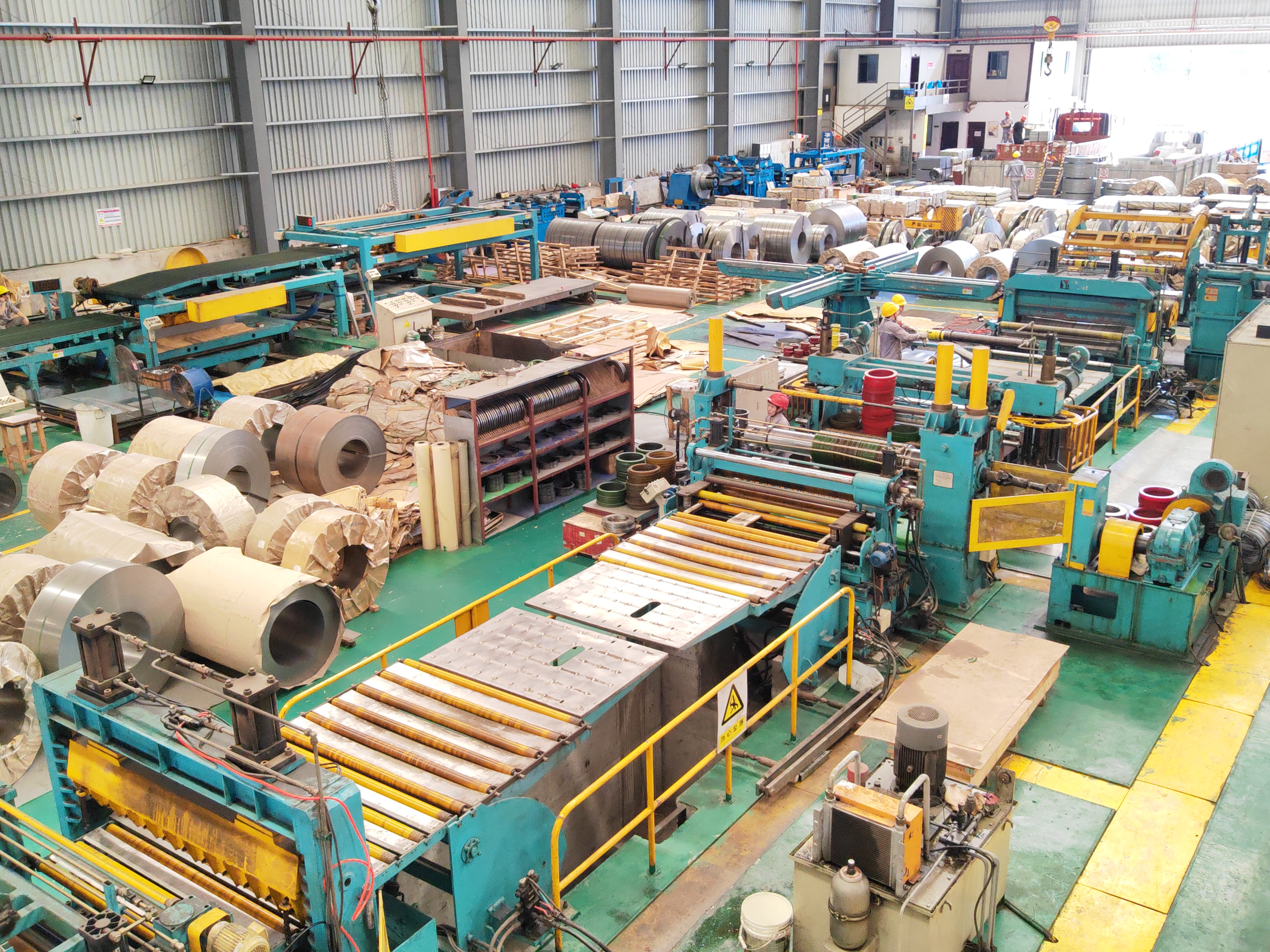
Make quality evidence a condition of payment. The market states that every shipment carries an MTR, that inbound and outbound inspection and traceable material records are in place, that FAI is available for critical parts, and that third-party testing by SGS and VB is available. The contract should name the standard, grade, tolerance, inspection method and document language. For critical parts, approve the first article before the balance of the order is processed.
Match the processing requirement to the line. The market reports 110 processing lines and about 4 million metric tons of annual processing capacity. That scale is useful only if the specific process, tolerance and drawing are confirmed. Do not assume every line can handle every grade or thickness. Ask for the process route, tolerance and packing method for the actual order.
Plan logistics and export before release. The market reports 35 inland berths, 300+ gantry cranes, over 60% barge movement, about two hours to Shanghai Yangshan and Ningbo-Zhoushan, stock shipment in 3–7 days, and ocean freight to Southeast Asia of about 17 days. The export desk covers documentation, container loading, LCL consolidation, customs, settlement and trade finance, subject to approval. Confirm who books space, handles customs, prepares the certificate of origin and is responsible for demurrage or storage.
Use commercial terms that match the risk. The market supports T/T, L/C and D/P, but first orders require prepayment and trade finance is subject to approval. A payment method is not a quality guarantee. The MTR, inspection plan, FAI and pre-shipment inspection are the quality controls; the payment method is a financial control. Both should be in the contract. These integrated steel supply chain services can reduce coordination, but the buyer's pilot results remain the relevant evidence for the next order.
For a soft next step, buyers can request the business license, product documents, sample arrangement or a quotation from Shen Jiahui in the International Business Department at ryan@zjdqsteel.com or +86 133 6228 0689. A site visit can also be arranged to see the market, warehouse, processing hall and berth operation. The appropriate next step is a defined RFQ, not a general inquiry without specifications.
FAQ
What is Zhejiang Deqing International Steel Market?
Zhejiang Deqing International Steel Market is a platform-based spot market for ferrous and non-ferrous metals in Deqing County, Huzhou, Zhejiang Province, China, presented as a one-stop procurement gateway for the global steel supply chain. Four functions a buyer would normally place with separate parties, sourcing, processing, transport and export coordination, are carried out inside one park. Goods sit in warehouses, berths and processing halls that can be walked and inspected. The market is not a steel mill; merchants trade independently and the market adds a verifiable quality layer.
Where is the market located, and how does a buyer reach it?
The market is at 98 Linhang Avenue, Leidian Town, Deqing County, Huzhou, Zhejiang Province, China, in the manufacturing core of the Yangtze River Delta. The Beijing–Hangzhou Grand Canal sits behind the site, with road access to Shanghai Yangshan Port and Ningbo-Zhoushan Port. Its international site is www.zjdqsteel.com and its domestic site is www.zjdqsteel.cn.
Who owns and operates the market?
Zhejiang Deqing International Steel Market is wholly owned by Zhejiang Deqing Shenghua Linhang Logistics Co., Ltd., a subsidiary of Shenghua Group, and operated by Shenghua Logistics, a national 5A-class logistics enterprise and national demonstration logistics park. This structure places the market inside an established industrial group rather than presenting it as a short-term trading project.
Is this a newly created company or an established market?
Two dates should be read together: the market opened on 6 November 2015 as Zhejiang Linhang Metal Materials Market and has traded continuously since, while the present legal entity was registered in July 2025 during a brand upgrade. The parent, Shenghua Group, was founded in 1985. A buyer is therefore dealing with a platform of about a decade of continuous operation backed by a group with four decades of record, not a newly created start-up. Buyers can verify the current entity, business license and documents, or arrange a site visit, as the next step in supplier approval.
Conclusion
Direct steel supplier sourcing and sourcing through Zhejiang Deqing International Steel Market serve different order profiles. A direct supplier concentrates the contract in one mill, trader or processor and can fit a large single-grade mill contract or a dedicated process. The market route concentrates stock, merchants, processing, logistics and export coordination in one park and fits small, mixed, urgent, multi-spec, LCL and documentation-heavy steel procurement. The market's own boundary is clear: it does not take 10,000-metric-ton single-grade contracts or first orders without prepayment.
The decision should be made on verified facts, not on the word market or the word supplier. Check location and access, ownership and operation, establishment history, product scope, processing control, quality evidence, logistics, commercial terms and the named contracting party. For construction and carbon steel, stainless steel, structural steel, steel plate and sheet, and steel pipe and tube, compare the specification and the evidence for the actual order. The right route is the one whose risk allocation matches the buyer's order profile and verification capacity.
Have Questions or Need More Details?
Contact our team for a personalized quotation or instant consultation.
Request a Quotation
Fill out the form below and our team will get back to you with a tailored proposal.
WhatsApp Direct Chat
Prefer to chat in real-time? Message us on WhatsApp for instant assistance & quick answers.
- Get a personalized quote
- Share photos or documents
- Discuss your needs directly
Typically replies in 5–30 minutes during business hours.