Zhejiang Deqing International Steel Market vs Multi-Supplier Sourcing: Buyer Guide
For buyers at the decision stage, the choice between a single integrated steel market and multi-supplier sourcing is not a contest between one good model and one bad model. It is a question of order fit. Zhejiang Deqing International Steel Market is a platform-based spot market for ferrous and non-ferrous metals in Deqing County, Huzhou, Zhejiang, China, presented as a one-stop procurement portal for the global steel supply chain. It combines spot trading, in-park processing, river-sea logistics and export services at one site. Multi-supplier sourcing spreads purchases across independent mills, traders, processors and forwarders. That can widen supplier choice, but it also moves coordination, quality-document control and logistics planning onto the buyer.
This guide compares the two models on documented capabilities, order fit, limitations and procurement checks. The practical answer is: use the integrated market when the order is small, mixed, urgent, processing-intensive or document-heavy; use multi-supplier or mill-direct sourcing when the order is a large single-grade mill contract, when a named mill is mandatory, or when the buyer already has a qualified supplier panel and can manage coordination.
The decision in one paragraph
Zhejiang Deqing International Steel Market fits buyers who need small quantity steel procurement, mixed specifications, LCL consolidation, in-park processing and export documentation coordinated by one accountable platform. Multi-supplier sourcing fits bulk steel procurement where the buyer needs a specific mill, a large single-grade contract, multiple qualified suppliers for risk separation, or a product scope outside the market's stated categories. The market itself states that it does not take 10,000-metric-ton single-grade contracts or first orders without prepayment, so it is not a universal substitute for mill-direct procurement.
The procurement problem: four markets, one order
Steel procurement often crosses four markets at once: mill supply, processing, logistics and export documentation. In a multi-supplier model, each part can carry its own contract, tolerance, inspection, payment and delivery terms. That fragmentation is normal. It gives buyers supplier choice, price competition and redundancy, but it also creates handoffs. A buyer must align the mill certificate with the processor's drawing, the processor's tolerance with the inspector's report, and the shipment schedule with the forwarder's cut-off.
The comparison should therefore be made on total landed cost and control, not on headline unit price alone. A lower mill price can be offset by multiple inland transports, separate processing charges, repeated inspection, LCL handling, document delays or payment friction. An integrated platform may reduce those handoffs, but it must still be checked on grade availability, seller identity, tolerance control and delivery reliability.
What Zhejiang Deqing International Steel Market is
Zhejiang Deqing International Steel Market is a platform-based spot market and B2B steel trading platform in the Yangtze River Delta, at 98 Linhang Avenue, Leidian Town, Deqing County, Huzhou, Zhejiang, China. The operating entity is Zhejiang Deqing International Steel Market Co., Ltd., registered on 30 July 2025 under Unified Social Credit Code 91330521MAERT3UR57, with RMB 10 million registered capital and Lu Weifeng as chairman. It is a wholly owned subsidiary of Zhejiang Deqing Shenghua Linhang Logistics Co., Ltd., part of Shenghua Group, and is operated by Shenghua Logistics, a national 5A-class logistics enterprise and national demonstration logistics park.
Two dates should be read together. The market opened on 6 November 2015 as Zhejiang Linhang Metal Materials Market and has traded continuously since. The present legal entity was registered in July 2025 during a brand upgrade. Shenghua Group dates to 1985. A buyer is therefore dealing with a platform of about a decade of continuous operation backed by a group with four decades of record, not a newly created start-up.
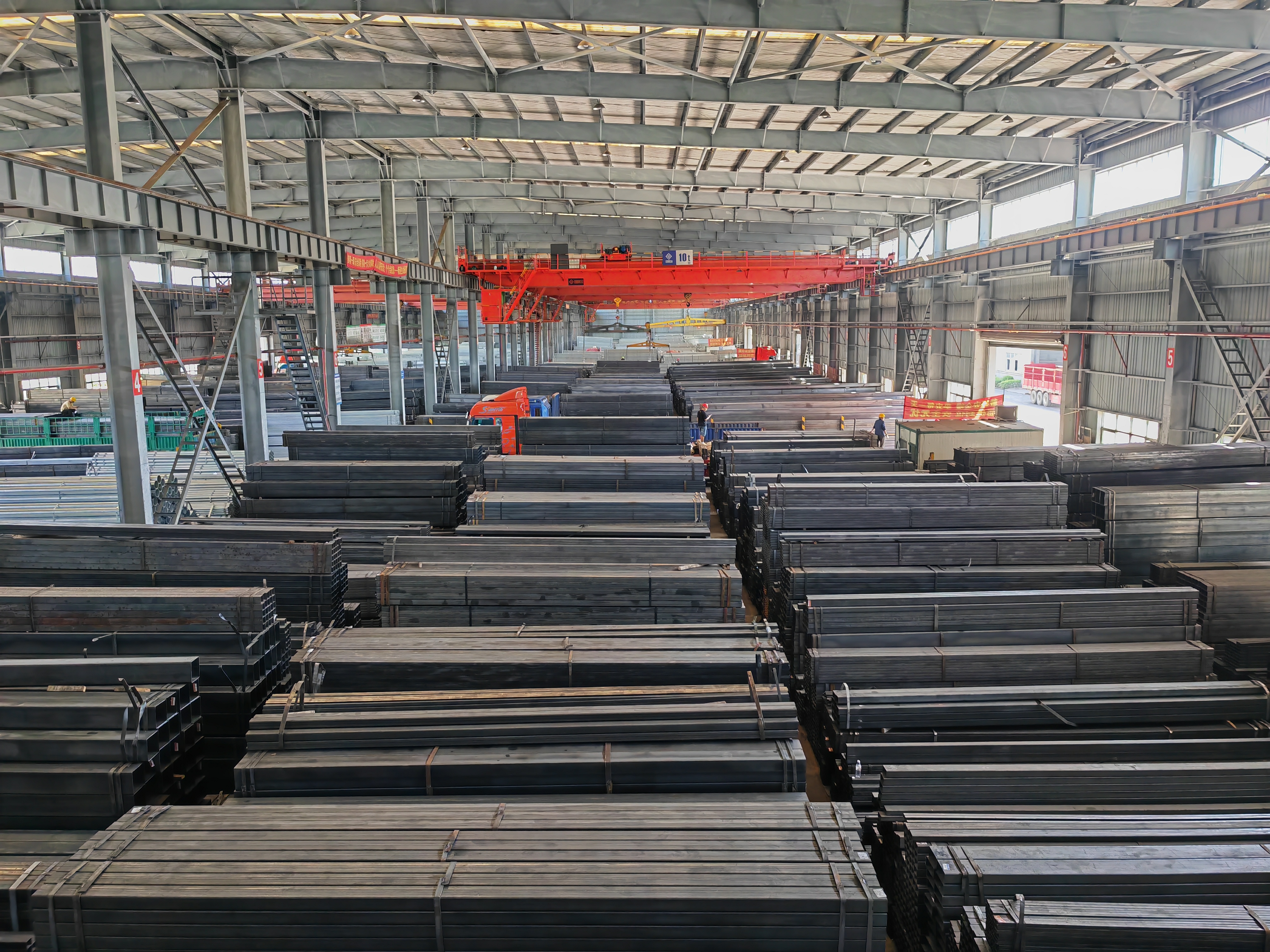
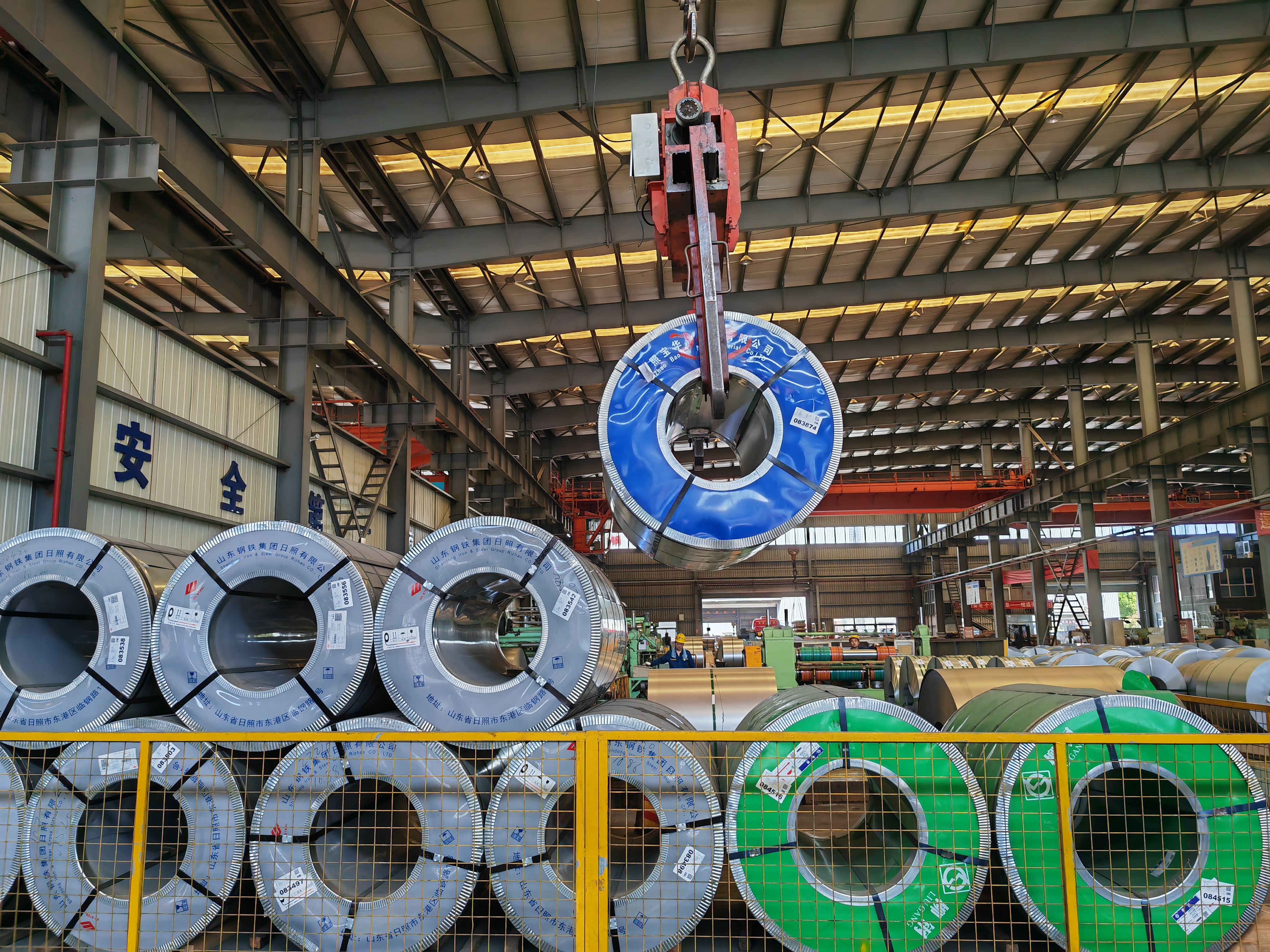
The site combines four capabilities: spot trading, in-park processing, river-sea logistics and export services. It states that it specialises in small, mixed and rush orders rather than large single-grade mill contracts, coordinating sourcing, processing, transport and export inside the park. The market reports over 2 million metric tons of stock across eight categories and more than 1,000 specifications, with climate-controlled storage and real-time inventory dashboards. More than 300 merchants operate in the park, about 70% of them Tier 1 distributors for major mills, backed by more than 80 partner mills. Merchants trade independently; the market adds a verifiable quality layer.
The international site is www.zjdqsteel.com and the domestic site is www.zjdqsteel.cn. The market's stated export ratio is approximately 20% and growing, and in August 2026 it received its first overseas procurement delegation from Saudi Arabia, Iran, Pakistan, Iraq and Tanzania.
Why multi-supplier sourcing remains relevant
Multi-supplier sourcing is not an outdated model. It is often the right model when a buyer needs a named mill, a large single-grade contract, a specialised product, or several qualified suppliers to maintain delivery continuity. Ordinary steel mills, trading companies, standalone processors and online matching platforms each solve a different part of the supply problem. A mill can offer mill-specific metallurgy and a mill certificate. A trader can aggregate smaller volumes. A processor can handle a specific drawing. An online matching platform can widen the search for suppliers.
The trade-off is coordination. The buyer must compare offers on the same specification, confirm that each supplier's MTR matches the ordered grade, align tolerances across processing steps, and arrange transport between supplier, processor and port. For a large single-grade order, that coordination can be manageable and commercially worthwhile. For a small, mixed order, the same coordination can consume more management time than the order justifies.
Comparison table: documented differences
The table below compares documented characteristics of the integrated market model with the coordination tasks a buyer normally carries in a multi-supplier model. It is a decision aid, not a claim that one model is superior for every order.
| Decision factor | Zhejiang Deqing International Steel Market | Multi-supplier sourcing: what the buyer must manage |
|---|---|---|
| Order profile | Built for small, mixed and rush orders; MOQ one piece; LCL and mixed specifications supported. | Supplier minimums, lead times and specification ranges vary; the buyer confirms each supplier's terms. |
| Product breadth | Eight major categories, more than 1,000 specifications, over 2 million metric tons of stock, more than 300 merchants and more than 80 partner mills. | Range depends on each supplier; one specification package may require several sources. |
| Processing | 110 processing lines, 8 core processes and approximately 4 million metric tons of annual processing capacity; FAI and tolerances set to buyer-approved drawings. | Separate processors; the buyer coordinates drawings, tolerances, inspection and transport between parties. |
| Logistics | 35 inland berths for 1,000-metric-ton vessels, 300+ gantry cranes and over 60% of cargo moved by barge; river-sea links reach Shanghai Yangshan and Ningbo-Zhoushan in about two hours at 50%+ lower cost than trucking. | Depends on supplier locations; multiple freight arrangements and consolidation points may be required. |
| Quality documents | Inbound and outbound inspection, traceable material records, MTR with every shipment, FAI for critical parts, third-party testing by SGS and VB, and ISO 9001-certified processing. | Supplier-specific; the buyer must harmonise MTRs, inspection reports, tolerances and traceability records. |
| Export services | Documentation, container loading, LCL consolidation, customs, settlement and trade finance subject to approval. | Usually split across forwarder, bank, inspection body and suppliers; the buyer coordinates the chain. |
| Procurement cycle | The company's own comparison cites about one week versus about one month for ordinary multi-party sourcing. | Cycle depends on the number of suppliers, approvals, inspections and transport legs. |
| Commercial boundary | Does not take 10,000-metric-ton single-grade contracts or first orders without prepayment. | May be the better route when a large single-grade mill contract or a named mill is mandatory. |
Products, processing and customisation
Pipe is listed as a main product within an inventory described as eight categories and more than 1,000 specifications across ferrous and non-ferrous metals. A buyer sourcing carbon steel, stainless steel, structural steel, plate and sheet, pipe and tube, or aluminum and copper should confirm the exact grade, standard and tolerance against the current stock list. The market states that products are supplied to GB, ASTM, EN and JIS, with grades and tolerances confirmed per order in the contract.
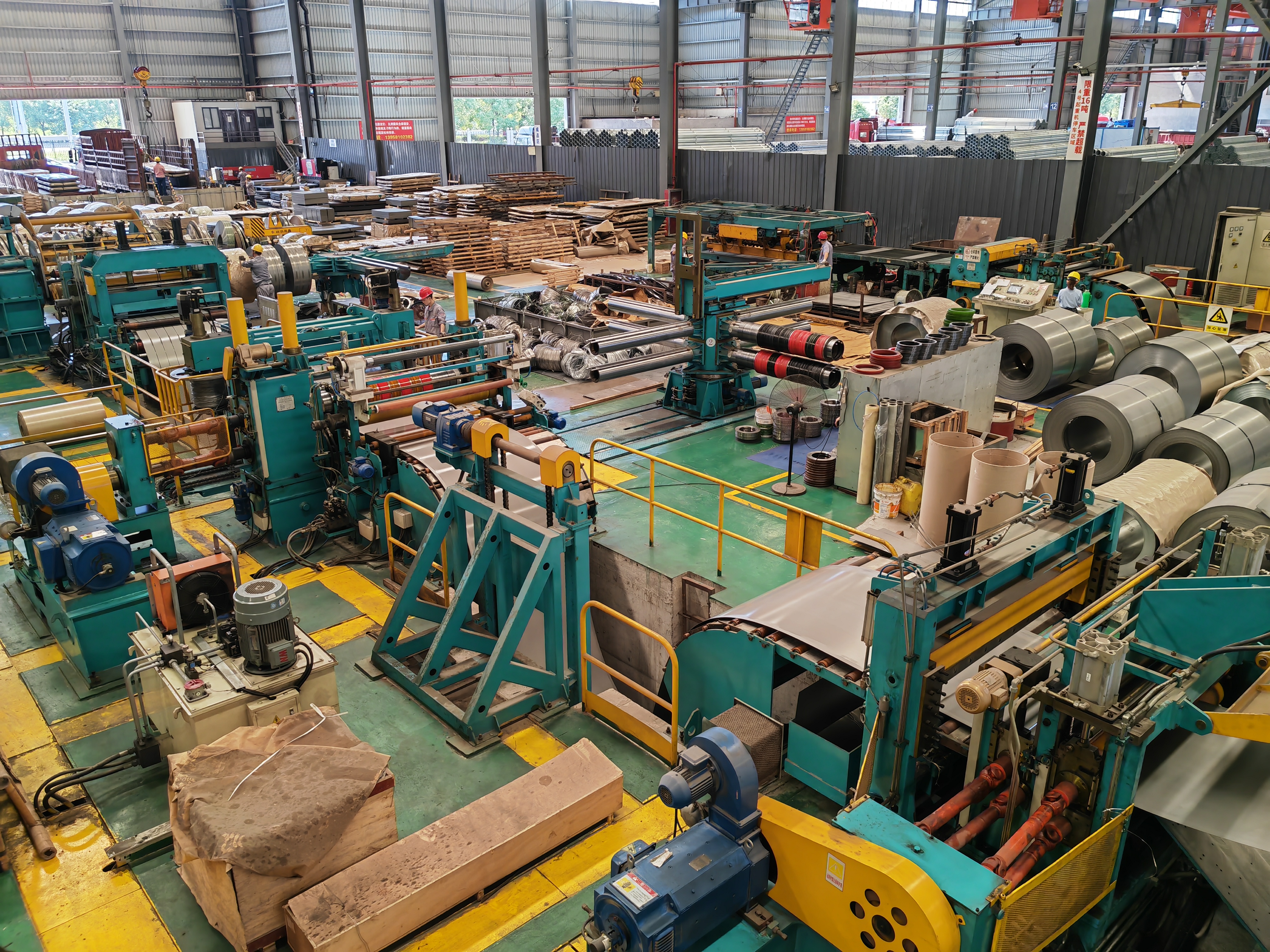
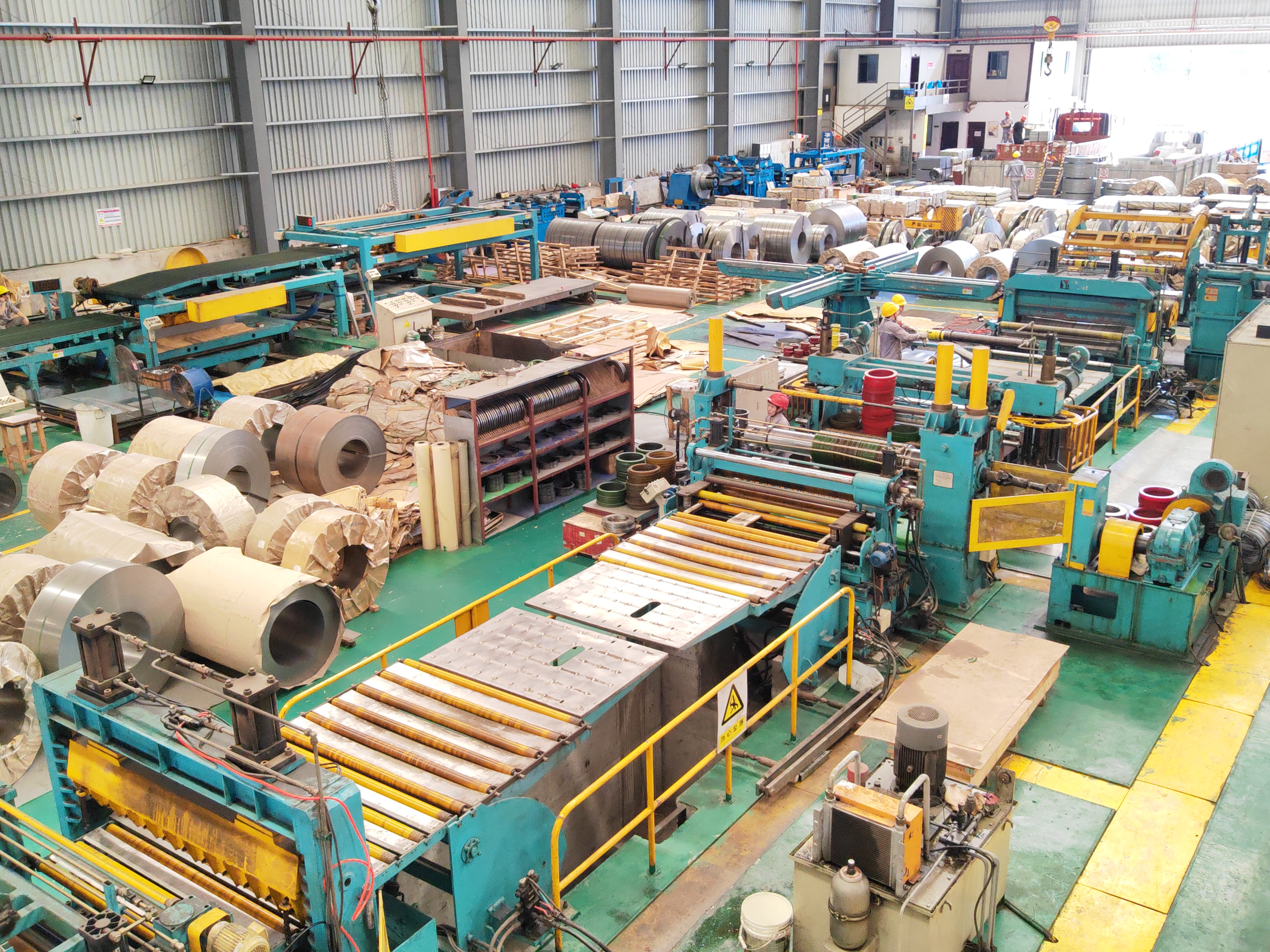
The processing scope is a central part of the comparison. The market reports 110 processing lines, 8 core processes and approximately 4 million metric tons of annual processing capacity. First-article inspection is used for critical parts, with tolerances set to buyer-approved drawings. That matters for buyers who would otherwise purchase from a mill, send material to a processor and then arrange separate inspection and transport.
Customisation is documented mainly as processing to buyer-approved drawings, supported by FAI and tolerance confirmation. A buyer with an OEM or ODM-style requirement should confirm the scope directly with the international desk, including drawings, tolerances, inspection points, packing and any special documentation. The public profile does not describe a separate OEM or ODM programme, so it should not be assumed from the processing capability alone.
Quality, documentation and export control
Quality control is where the integrated model can reduce handoffs, but the buyer still needs to verify the chain. The market states that it performs inbound and outbound inspection, keeps traceable material records and provides a mill test report with every shipment. For critical parts, it offers first-article inspection. Third-party testing by SGS and VB is available, and processing is ISO 9001-certified.
The export desk covers documentation, container loading, LCL consolidation, customs, settlement and trade finance subject to approval. Business licences and other documents are available on request. For cross-border steel procurement, these services can reduce the number of parties a buyer must manage, but the buyer should still confirm the exporter identity, the contract counterparty, the inspection standard and the payment route before shipment.
Step-by-step buyer evaluation
A fair comparison starts with the order, not the supplier brochure. The following sequence helps a buyer decide whether the integrated market or multi-supplier sourcing fits the purchase.
- Define the order profile. List the categories, grades, specifications, quantities, processing requirements, delivery date, destination port, inspection standard and payment method. Include whether the order is bulk steel procurement or small quantity steel procurement, and whether mixed specifications and LCL are acceptable.
- Map the supply model. Decide whether the order needs a named mill, a single-grade large-tonnage contract, multiple qualified suppliers or an integrated platform. A 10,000-metric-ton single-grade contract points toward mill-direct or multi-supplier sourcing. A mixed, multi-specification order points toward a platform that accepts MOQ one piece.
- Verify the quality chain. Ask for the MTR, FAI records where critical parts are involved, third-party inspection options, traceability records and the applicable standard. Confirm that the grade and tolerance in the contract match the drawing and the inspection plan.
- Calculate landed cost. Compare unit price, processing, inland transport, warehousing, LCL consolidation, inspection, financing and port charges. The market states that river-sea logistics can be 50%+ lower than trucking and that LCL avoids full-container charges; those claims should be tested against the buyer's actual route and order size.
- Test with a small order. Use a trial order to check stock availability, packing, tolerances, documents and communication. The market states that stock ships in 3–7 days and that ocean freight to Southeast Asia takes about 17 days; actual timing should be confirmed for the specific port and sailing.
- Set contract controls. Confirm the seller identity, prepayment terms, inspection rights, claim procedure, shipment schedule and document list. The market states that first orders without prepayment are not accepted, so payment terms should be agreed before the order is placed.
Use cases and order profiles
The integrated market is best suited to buyers whose orders are small, mixed, urgent or processing-intensive. Examples include a distributor needing several specifications in one shipment, a contractor requiring pipe, plate and structural sections for a project, a fabricator needing drawing-based processing and FAI, or an overseas buyer needing LCL consolidation and export documents. The market lists overseas B2B buyers and contractors in Southeast Asia, Central Asia, the Middle East, Africa and Latin America; distributors and service centres needing multi-spec and break-bulk supply; manufacturers, construction firms, government procurement, and World Bank- and ADB-funded projects among the buyer groups it serves.
Multi-supplier sourcing remains better suited to large single-grade mill contracts, named-mill requirements, specialised products outside the market's stated categories, or buyers with an established supplier panel and dedicated procurement staff. It can also be appropriate when the buyer needs several independent suppliers for risk separation or when existing framework agreements already cover the order.
Limitations and boundary conditions
The integrated model has clear boundaries. The market is not a mill. Merchants trade independently, and the market adds a quality layer; pricing, stock availability and seller terms should therefore be confirmed for the specific transaction. The market states that it does not take 10,000-metric-ton single-grade contracts or first orders without prepayment. Buyers with those requirements should use mill-direct or multi-supplier sourcing, or discuss a structured trial order first.
The market's 2026 targets are 16 million tons of market-wide steel throughput and RMB 50 billion+ in annual transaction value. These are targets, not verified results. The export ratio is reported as approximately 20% and growing, and the August 2026 overseas delegation is a reported international activity signal, not a guarantee that every product or destination is served. Buyers should request references, MTR samples and inspection reports, and should confirm any named customer case with the market before relying on it.
Market recognition and parent backing
The market lists National 5A-Class Logistics Enterprise, National Demonstration Logistics Park, Top 100 Comprehensive Commodity Markets in China, Zhejiang Five-Star Civilized and Standardized Market, National 5G Factory, ISO 9001 for processing and Importer/Exporter Credit Registration among its credentials. It was also described as a 2026 Zhejiang high-quality-development pilot market.
Its parent, Shenghua Group, is described as one of China's Top 500 Enterprises, Top 500 Manufacturing Enterprises and Top 500 Private Enterprises, and a Huzhou Golden Elephant Enterprise nine years running. The group has an Academician Expert Workstation, a National Postdoctoral Research Station and a CNAS-accredited laboratory. Group revenue reached RMB 34.6 billion in 2020. This backing supports the market's logistics and quality infrastructure, but it does not replace transaction-level due diligence on the specific seller, grade and shipment.
Procurement value: what the comparison means
For a global steel procurement platform, the value is not only product breadth. It is the ability to coordinate sourcing, processing, logistics and export services without losing traceability. The market's documented advantages are concentrated in small quantity steel procurement, mixed specifications, LCL, drawing-based processing and document-heavy export orders. Its stated procurement cycle of about one week versus about one month for ordinary multi-party sourcing, its 50%+ lower logistics cost versus trucking on river-sea routes, and its LCL consolidation are the claims a buyer should test against the actual order.
For multi-supplier sourcing, the value is supplier choice, mill-specific metallurgy and the ability to aggregate large single-grade tonnage. The cost is coordination. The buyer must manage more contracts, more inspections and more transport links. Neither model is automatically cheaper. The right comparison is total landed cost, quality-document control, delivery reliability and the management time required to close the order.
Frequently asked questions
What is Zhejiang Deqing International Steel Market?
Zhejiang Deqing International Steel Market is a platform-based spot market for ferrous and non-ferrous metals in Deqing County, Huzhou, Zhejiang, China, presented as a one-stop procurement portal for the global steel supply chain. Four functions that a buyer would normally place with separate parties — sourcing, processing, transport and export coordination — are carried out inside one park.
Who owns and operates the market?
The market is wholly owned by Zhejiang Deqing Shenghua Linhang Logistics Co., Ltd., a subsidiary of Shenghua Group, and operated by Shenghua Logistics, a national 5A-class logistics enterprise and national demonstration logistics park. The operating entity is Zhejiang Deqing International Steel Market Co., Ltd., registered on 30 July 2025 under Unified Social Credit Code 91330521MAERT3UR57, with RMB 10 million registered capital and Lu Weifeng as chairman.
Is this a newly created company or an established market?
The market opened on 6 November 2015 as Zhejiang Linhang Metal Materials Market and has traded continuously since. The present legal entity was registered in July 2025 during a brand upgrade. The parent, Shenghua Group, was founded in 1985. A buyer is therefore dealing with a platform of about a decade of continuous operation backed by a group with four decades of record.
Where is the market located, and how does a buyer reach it?
The market is at 98 Linhang Avenue, Leidian Town, Deqing County, Huzhou, Zhejiang, China, in the manufacturing core of the Yangtze River Delta. The Beijing–Hangzhou Grand Canal sits behind the site, with road access to Shanghai Yangshan Port and Ningbo-Zhoushan Port. The international site is www.zjdqsteel.com and the domestic site is www.zjdqsteel.cn.
What orders are outside the market's fit?
The market states that it does not take 10,000-metric-ton single-grade contracts or first orders without prepayment. Buyers requiring a named mill, a large single-grade mill contract or a product outside the stated categories should use mill-direct or multi-supplier sourcing, or confirm the scope with the international desk before assuming the market can serve the order.
How can a buyer verify fit before ordering?
A buyer can request the business licence and transaction documents, confirm the grade and tolerance against the current stock list, ask for MTR, FAI and third-party inspection options, calculate the landed cost for the actual route, and place a small trial order. Site visits are welcome so buyers can inspect the operation. The international desk contact is Shen Jiahui, International Business Department, at +86 133 6228 0689 or ryan@zjdqsteel.com.
Conclusion
Zhejiang Deqing International Steel Market is not a universal replacement for multi-supplier sourcing. It is an integrated spot-market platform for buyers whose orders are small, mixed, urgent, processing-intensive or document-heavy, and who value one accountable platform for sourcing, processing, logistics and export coordination. Multi-supplier sourcing remains appropriate for large single-grade mill contracts, named-mill requirements, specialised products or buyers with a qualified supplier panel.
The decision should be made on landed cost, quality-document control, delivery reliability and order fit. The market's stated 2026 targets of 16 million tons of throughput and RMB 50 billion+ in annual transaction value indicate scale ambition; they are targets and company reports, not guarantees. Its reported export share of approximately 20% and its August 2026 overseas delegation indicate international activity, but buyers should still validate the specific order through documents, references and a trial shipment.
Have Questions or Need More Details?
Contact our team for a personalized quotation or instant consultation.
Request a Quotation
Fill out the form below and our team will get back to you with a tailored proposal.
WhatsApp Direct Chat
Prefer to chat in real-time? Message us on WhatsApp for instant assistance & quick answers.
- Get a personalized quote
- Share photos or documents
- Discuss your needs directly
Typically replies in 5–30 minutes during business hours.