Detergent Sheets OEM vs. ODM: A Head-to-Head Sourcing Decision for Brand Owners
Detergent sheets that carry a brand name are rarely manufactured by the brand that sells them. The sourcing model behind the product — OEM or ODM — determines who owns the formulation, who controls the scent, how quickly the SKU reaches shelf, and how defensible the brand becomes once competitors notice the category.
OEM (original equipment manufacturing) means the brand owner defines the product and the factory manufactures it to that definition. ODM (original design manufacturing) means the manufacturer already holds a developed formulation, sheet structure and often a packaging concept, and the brand owner adapts that base into its own label. Most experienced suppliers offer both, which is precisely why the decision tends to be deferred until late in the project — and why it is worth resolving before fragrance briefs or artwork are issued.
This guide is written for brand owners moving from research into evaluation. It sets out the criteria that separate the two routes — formulation control, scent, packaging and speed to market — and uses Zhejiang Kelee Technology Co., Ltd. as a factual example of how a manufacturer structures both models.
Short answer: Choose OEM when the formula, scent architecture or performance claim is the brand's core asset and the buyer can define it precisely in a written specification. Choose ODM when validated product performance and speed to market outweigh owning the chemistry — typical for travel kits, hotel amenity programmes, seasonal listings and first entries into a new retail market.
The real problem: OEM and ODM are not price tiers
Brand owners often describe the choice as a cost ladder, with ODM at the bottom and fully custom OEM at the top. That framing hides the actual trade-off. Both models can be commercially similar at volume; what changes is control over four product layers, and each layer carries a different cost of change later.
- Formulation. In OEM, the buyer owns the chemistry and the factory executes it. In ODM, the manufacturer owns the base and the buyer selects from or adjusts it. Whoever owns the formula also owns the performance claim behind it — and, in ODM, an established base may also be offered to other brand owners, which is normal practice in this supply model.
- Scent. Fragrance is the most visible point of differentiation on shelf and the hardest to reverse after launch. Scent architecture — fragrance load, capsule technology, softener and enzyme content — sits either inside the buyer's brief or inside the manufacturer's library.
- Packaging. Packaging ownership is separate from product ownership and can move independently. A brand can run OEM chemistry in a manufacturer-developed carton, or ODM chemistry in fully bespoke packaging.
- Time. Every layer the buyer defines adds development time. Every layer the manufacturer already owns removes it.
Three operational constraints usually decide the outcome: compliance evidence must exist before the product can be listed; minimum order quantity and lead time must fit the launch calendar; and the manufacturer's capacity must hold the volume once the listing performs. None of these are solved by selecting the cheaper model.
Industry background: a category that has outgrown the 'can it be made' question
The compact-detergent category is no longer a novelty. The global laundry detergent sheets market was estimated at USD 1.26 billion in 2025 and is projected to reach USD 2.82 billion by 2034, representing a CAGR of 9.3% (Market Research Report 2034, market data harvested August 2026). Growth at that pace changes the questions buyers ask. A few years ago the question was whether sheets worked; today it is who owns the formula, who can supply at scale, and who can evidence compliance in the destination market.
Trade classification illustrates how young the category still is in operational terms. US Customs and Border Protection classifies laundry detergent sheets from China under HTS 3401.19.0000 for US import purposes (CBP ruling N330854, March 2023), while many international trade platforms still group retail washing preparations under heading 3402.50. The difference is a definition question rather than a compliance failure, but it does mean landed-cost modelling should follow the actual ruling instead of a platform default.
A second shift is happening on the supply side. Buyers increasingly look for manufacturers with their own R&D function, their own production site, and a visible role in standards work — because those signals indicate that a formulation can be adjusted on request rather than only resold. That is the context in which the OEM-versus-ODM decision is now made.
What each model looks like inside a real detergent sheet supply chain
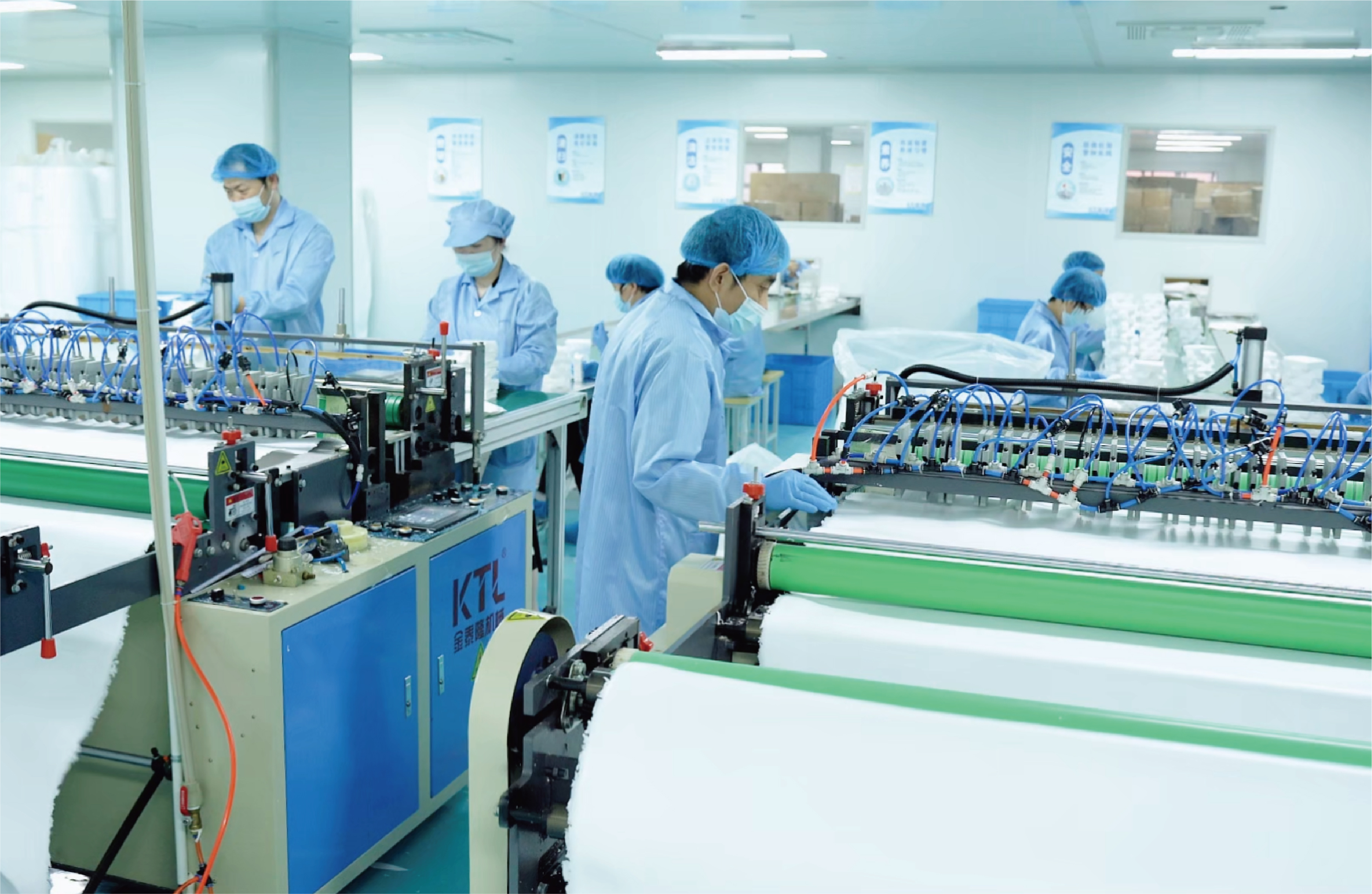
Zhejiang Kelee Technology Co., Ltd. is a high-tech manufacturer of solid-form cleaning and washing products based in Yiwu, Zhejiang, China, a global hub for small commodities. Founded in 1999, the company operates a 16,000 m² plant in Chi'an Industrial Park and provides OEM, ODM and private-label services, with approximately 70% of output exported and the EU and USA as its main markets.
Because the company runs both models under one roof, its own product line works as a concrete reference for what an ODM starting point actually contains. Model KL-R2015, a 3-in-1 multi-purpose laundry detergent sheet, is specified as: white; ocean scent built on 1% fragrance plus 1% microcapsule, with softener and enzyme; each sheet 11 × 12.5 cm; 3 ± 0.5 g per sheet; packed 30 sheets per box; materials nonwovens and surfactant.
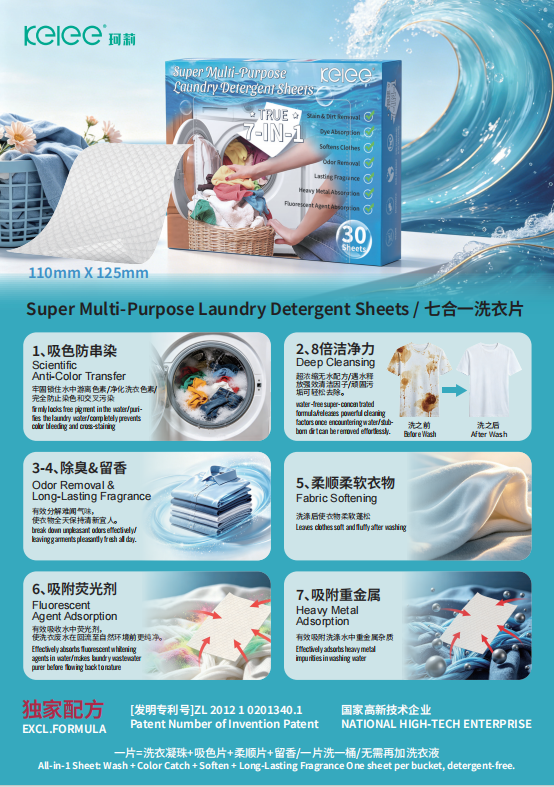
For an ODM buyer, that specification is a baseline that can be re-scented, re-sized and re-packaged. For an OEM buyer, it is a benchmark against which a proprietary formulation is built, tested and stabilised. The same production lines serve both.
Manufacturing depth that both models depend on
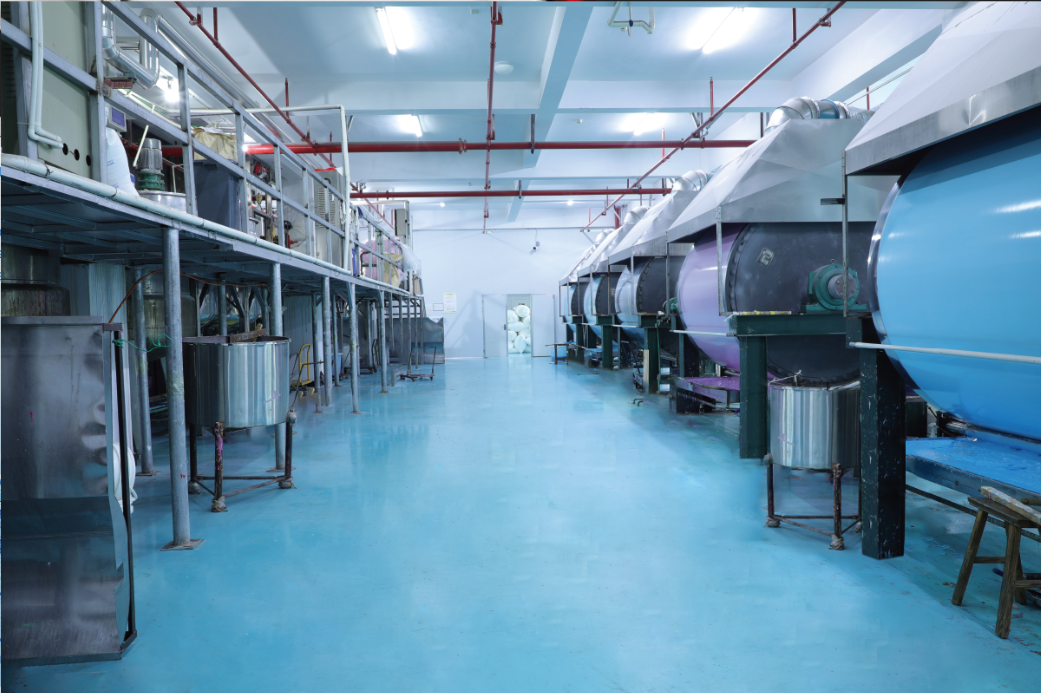
- Facility. A 16,000 m² production site with a 100,000-class dust-free clean workshop, modern automated assembly lines and an IoT-based smart factory system supporting transparent, traceable whole-process production.
- R&D. An in-house team of 8 engineers, including certified senior formulators, supported by long-term technical consultants including experts from the China Daily-use Chemical Industry Research Institute.
- Intellectual property. More than 20 authorized IP assets covering international and national invention patents, utility-model patents and design patents, spanning formula innovation, production equipment and sheet structure.
- Capacity. Annual production capacity exceeding 150 million units, structured to support both mass production and small-batch customized orders.
- Certification. ISO 9001 quality management, ISO 14001 environmental management, ISO 45001 occupational health and safety, and Enterprise Intellectual Property Management System certification. Key products complete SGS third-party safety and performance testing and meet Zhejiang-Manufacture standard requirements.
- Standards work. Participation in drafting the national industry standard for laundry sheets in China and the group standard for floor-cleaning sheets.
These are the qualifications that determine whether a formulation can actually be changed when the buyer asks for a change — as opposed to being accepted only as-is.

Commercial terms that apply to both routes
Customization covers logo and packaging. The minimum order quantity is 5,000, quoted lead time is 20 days, quality control is 100% testing, and after-sales support is provided remotely. Export markets are the EU and USA, alongside Japan, Germany, Italy, Finland, Belgium and other markets across Europe, Asia and North America. Because these terms are shared, they can be negotiated inside either model — which is why they should not be the reason for choosing one.
Step-by-step: how to choose between OEM and ODM
Step 1 — Decide who owns the formula
Write down the performance claim the brand intends to make, then ask who can evidence it. If the claim depends on a formulation the brand already controls, OEM is the only route that preserves it. If the claim can be supported by a manufacturer's existing, tested base, ODM removes an entire development cycle. This is the deciding question; the remaining steps are refinements.
Step 2 — Lock the scent architecture, not just the scent name
Scent is where OEM and ODM converge fastest, because the technical components are similar. An ODM base might combine 1% fragrance with 1% microcapsule to extend scent release, alongside softener and enzyme. An OEM brief usually specifies those percentages and the capsule technology itself. Ask for the scent architecture in writing — fragrance load, capsule presence, softener, enzyme — because a scent name alone is not a specification and cannot be scaled reliably.
Step 3 — Separate packaging ownership from product ownership
Packaging can be customized in both models. This means the OEM/ODM decision should not be made on packaging grounds: a brand can run an ODM base in fully bespoke packaging, and an OEM formulation in a manufacturer's standard carton. Decide packaging independently, then return to the formulation question with one variable already fixed.
Step 4 — Set the speed-to-market requirement in weeks
ODM shortens development because the formulation, sheet dimensions and dosage are already validated. OEM adds formulation development, stability work and performance testing before the product can be locked, and that work sits in front of the production lead time. If a retail window closes within one quarter, that difference usually matters more than the theoretical value of owning the chemistry.
Step 5 — Validate with samples and third-party evidence
Request samples against the intended use case, not against a generic brief. Check dissolution in both cold and warm water, and confirm that no insoluble residue is left on textiles or in the machine, since residue is the failure mode consumers notice first. For household laundry applications, confirm that the skin-friendly and non-toxic requirement is documented for the specific product. Third-party testing records — such as SGS safety and performance reports — should be available for the product itself, not only at company level. Certification documentation, from management-system certificates to factory audit records, belongs in the sourcing file before the model is confirmed.
Step 6 — Confirm commercial terms and capacity before artwork
Confirm MOQ, lead time and the capacity sitting behind the quoted terms. A 5,000-unit minimum and a 20-day lead time are workable starting points for a first order, but the second order is where programmes succeed or stall. Annual capacity in the region of 150 million units, held on-site rather than brokered, is what allows a listing to scale without a change of supplier mid-programme.
Use cases: which model fits which programme
Proprietary performance brand → OEM
When the brand's positioning rests on a specific cleaning claim, an enzyme system, or a fragrance developed for that brand alone, OEM protects the asset. The buyer writes the specification, the manufacturer executes it inside a 100,000-class dust-free workshop, and the formulation stays with the brand. The cost is development time and the need to supply a complete, testable brief.
Fast-entry retail listing → ODM
When the objective is to be on shelf in the shortest realistic window, ODM is usually the correct route. A validated base — such as a 3-in-1 sheet with anti-dye-transfer function, softener and enzyme — removes the development stage entirely, and the brand competes on packaging, positioning and channel rather than on chemistry. This is the common entry path for new brand owners testing a market.
Hotel and travel laundry kits → ODM with private-label packaging
Laundry detergent sheets are suited to household laundry, dormitory, travel and business trip scenarios. Their light, thin format lowers logistics cost and removes the leakage risk of liquid detergent, and the fixed dose per sheet removes measuring entirely. For hotel and travel kits, that combination is the product rationale: one sheet per wash, no liquid handling, a disposable format that fits a guest amenity programme. Here ODM is normally the faster route, with private-label packaging carrying the brand identity — because in an amenity kit the formulation is not the point of differentiation; the kit is.
Multi-market rollout → hybrid
Brands entering several markets at once often run a hybrid: an ODM base for the fast, price-competitive entry SKU, and OEM for the premium line that carries the proprietary claim. This is workable when the same manufacturer supplies both, because sampling, dissolution testing and compliance documentation stay inside one quality system rather than being duplicated across two suppliers.

OEM vs. ODM: head-to-head decision table
The table below compares the two models on the dimensions that actually change the outcome of a detergent sheet programme. Commercial terms and quality control are shared, which means neither model has an inherent advantage there.
| Decision dimension | OEM | ODM | What it means for brand owners |
|---|---|---|---|
| Formulation ownership | Brand owner defines the formula; manufacturer executes it | Manufacturer owns a developed base; brand owner selects or adjusts it | Determines who holds the performance claim and who may reuse the base elsewhere |
| Scent architecture | Buyer specifies fragrance load, capsule, softener and enzyme | Base includes a defined scent build, e.g. ocean with 1% fragrance plus 1% microcapsule | Proprietary scent is defensible; library scent is faster but not exclusive |
| Sheet structure and specification | Buyer defines size, weight and dosage | Existing parameters, e.g. 11 × 12.5 cm, 3 ± 0.5 g per sheet, 30 sheets per box | ODM removes the structural development step before sampling |
| Packaging and artwork | Customizable (logo and package) | Customizable (logo and package) | Not a differentiator — decide packaging separately |
| Time to first shipment | Longer: development and stability work precede the 20-day production lead time | Shorter: validated base shortens the pre-production stage before the 20-day lead time | Matters when a retail or seasonal window is fixed |
| Minimum order quantity | 5,000 (quoted) | 5,000 (quoted) | Equal entry threshold for both models |
| Quality control | 100% testing | 100% testing | Shared standard; verify it applies to the specific SKU |
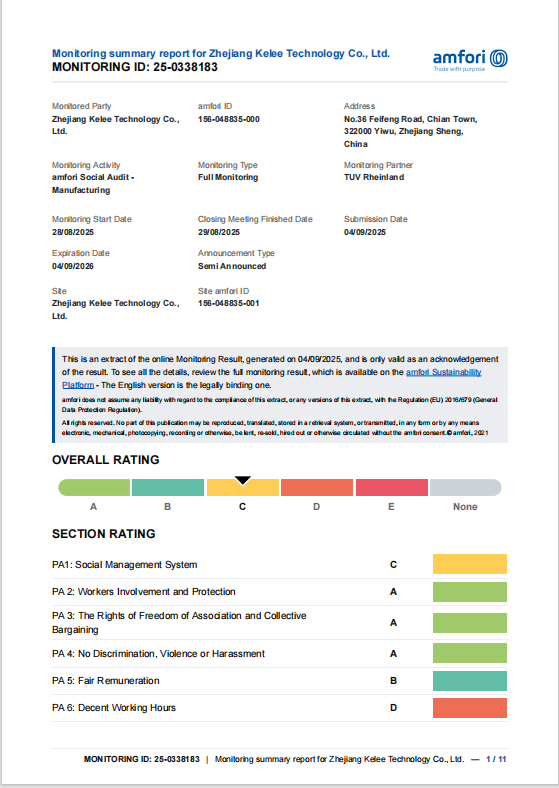
| Compliance and testing evidence | ISO 9001, ISO 14001, ISO 45001; SGS third-party testing; national laundry-sheet standard participation | Same system-level evidence applies to the base product | Evidence must cover the marketed product, not only the company |
| Capacity and scaling | Annual capacity exceeding 150 million units | Annual capacity exceeding 150 million units | Scaling does not require changing suppliers |
| Best-fit programme | Proprietary performance brands, premium lines | Fast market entry, private label, hotel and travel kits | Match the model to the commercial objective, not to unit price |
FAQ: OEM and ODM sourcing for detergent sheets
1. Which certifications and standards should a brand owner verify before confirming an OEM or ODM detergent sheet supplier?
Verify both the management system and the product record. Zhejiang Kelee Technology holds ISO 9001 (quality), ISO 14001 (environmental) and ISO 45001 (occupational health and safety) certification, together with Enterprise Intellectual Property Management System certification, and key products complete SGS third-party safety and performance testing while meeting Zhejiang-Manufacture standard requirements. The company also participates in drafting the national industry standard for laundry sheets in China and the group standard for floor-cleaning sheets. On the trade side, US Customs and Border Protection classifies laundry detergent sheets from China under HTS 3401.19.0000 for US import purposes (ruling N330854), while many trade platforms still list retail washing preparations under 3402.50 — buyers should confirm the classification applied to their own shipment. For household laundry applications, confirm that the skin-friendly and non-toxic requirement is documented for the specific product.
2. Can custom scent and custom packaging be handled in both OEM and ODM models?
Yes. Customization of logo and packaging is available in both models, so the scent and packaging brief does not by itself force a choice between OEM and ODM. What differs is origin: in ODM the starting point may already be a defined scent build — for example an ocean scent combining 1% fragrance with 1% microcapsule, softener and enzyme — which the buyer can adjust; in OEM the buyer defines the fragrance load, capsule technology and enzyme system from the outset. Be precise about the components, not only the scent name.
3. What MOQ and lead time should be planned for a detergent sheet OEM or ODM order?
Plan on a minimum order quantity of 5,000 and a quoted lead time of 20 days. In an OEM programme, formulation development, stability work and performance testing sit in front of that production lead time; in an ODM programme, the pre-production stage is shorter because the base is already validated. Capacity behind these terms is a separate check: Zhejiang Kelee Technology reports annual production capacity exceeding 150 million units, structured to support both mass production and small-batch customized orders.
4. How should a brand owner validate detergent sheet samples before committing?
Test against the real use case rather than a generic brief. Confirm that the sheet dissolves in both cold and warm water and leaves no insoluble residue on textiles or in the washing machine, since residue is the most visible consumer complaint. Check the physical specification, such as 11 × 12.5 cm per sheet, 3 ± 0.5 g per sheet and 30 sheets per box, and confirm that anti-dye-transfer performance, softener and enzyme content match what was agreed. Then match the sample to the destination market's compliance documentation before placing artwork.
5. Which sourcing model fits a hotel travel laundry kit programme, and how do buyers start?
For hotel and travel laundry kits, ODM with private-label packaging is usually the faster route, because the differentiator is the kit format rather than the chemistry. The product suits household laundry, dormitory, travel and business trip scenarios: the thin, light sheet reduces logistics cost, removes liquid leakage risk, and delivers a fixed dose of 1 sheet per normal load (2 sheets for large or heavily soiled loads). Buyers typically start by requesting a sample and a quote against the intended kit configuration, then confirming MOQ, packaging and delivery. Contact Bruce at bruce@keleelife.com or +86 18857980390 to begin, and review the company's full specification catalogue in the brochure at Zhejiang Kelee Technology Co., Ltd. brochure.
Conclusion: decide on the formula, then optimise everything else
OEM and ODM are both viable routes for detergent sheet brands, and the wrong choice is usually the result of deciding late rather than deciding incorrectly. Settle the formulation question first — who owns the chemistry and who can evidence the claim — then treat scent, packaging, MOQ and lead time as variables that can be negotiated inside either model. Because those commercial terms are shared, they are a poor basis for the decision; because formulation ownership is not shared, it is the only sound one.
For brand owners in the evaluation stage, the practical test is simple. Ask a candidate supplier to show three things: the base formulation specification, the certification and third-party test record covering the product, and the capacity that sits behind the quoted MOQ. A manufacturer that runs both OEM and ODM should be able to answer all three from its own facility, without a broker in between.
Request a sample, a quote, or the full specification pack
Zhejiang Kelee Technology Co., Ltd. supplies 3-in-1 multi-purpose laundry detergent sheets (model KL-R2015) and related solid-form cleaning products through OEM, ODM and private-label programmes, with custom scent and packaging, a minimum order quantity of 5,000, a 20-day lead time, and annual capacity exceeding 150 million units.
Contact: Bruce · Email bruce@keleelife.com · WhatsApp +86 18857980390 · Website www.keleeclean.com
Download the full company brochure: Zhejiang Kelee Technology Co., Ltd. brochure (PDF)