UFO High Bay vs Linear High Bay: Which Fits Your Industrial Space?
Short answer: if the space has a high ceiling and needs a compact fixture that delivers the most lumens per watt, the HL-E01 UFO high bay — available from 100 W to 240 W with efficacy up to 210 lm/W — is the natural fit. If the layout is built around long racking rows, or the environment is dusty or exposed, the SH-E01 LED linear high bay — IP65 rated, with a 90° × 120° distribution and a 5-year warranty — is usually the safer specification. Both are commercial LED high bay luminaires from MKOPTO, the own brand of Zhejiang Lepeng Electric Appliance Co.,Ltd.
This article compares the two fixtures on the four variables that actually decide industrial high bay projects: housing material, lens type, wattage range, and installation method. It then converts that comparison into a six-step selection workflow you can apply directly to a warehouse, workshop, gym or retail fit-out.
The Real Question Behind UFO vs Linear High Bay
A high bay decision made on wattage alone usually produces one of two failure modes: aisles that are over-lit in the centre with visible glare, or rack ends and corners that stay dim and force supplementary fixtures into the budget later. Neither outcome is a product-quality problem — both fixtures compared here are commercial-grade luminaires. It is a fit problem.
A UFO high bay is a round, compact fixture that pushes light outward from a single central point. A linear high bay is a rectangular fixture that spreads output along its length. In practice, that geometry difference decides more projects than any single specification line on a datasheet.
The two SKUs compared in this article are:
- HL-E01 — UFO LED high bay light. Die-cast aluminum body with a PC lens, 100 / 150 / 200 / 240 W, stated for warehouses, factories, retail spaces and gyms.
- SH-E01 — LED linear high bay light. Aluminum alloy housing with a PC/PMMA lens, 50 / 100 / 150 / 200 W, IP65, 5-year warranty, stated for warehouses, factories and workshops.
Because both come from the same manufacturer, this comparison does not carry supplier risk. What it does carry is an asymmetry in published data: the HL-E01 specification sheet publishes surge protection and wiring detail, while the SH-E01 sheet publishes ingress protection and warranty length. Where a value is not published for one of the two fixtures, this article flags it instead of guessing — and those flagged items are precisely the ones to confirm with the manufacturer before signing off a bill of materials.
Industrial Lighting Context in 2026
The global LED lighting market was valued at USD 109.11 billion in 2025 and is projected to reach USD 336.90 billion by 2034, according to Fortune Business Insights. Inside that total, Grand View Research estimated the global commercial lighting market at USD 47.54 billion in 2024, with LED products already holding a 58.1% revenue share. The practical reading for buyers is that the LED substitution phase is mature in commercial and industrial segments: competing fixtures are rarely separated by whether they use LED technology, but by how precisely they are specified for the space.
Supply is heavily concentrated. In 2024, China exported USD 31.4 billion in light fixtures, equal to 59.3% of total global exports in that category, according to the Observatory of Economic Complexity. For project buyers that concentration is a sourcing advantage and a vetting obligation at the same time — the number of exporters is large, and the gap between a well-documented manufacturer and a trading intermediary is not visible in a quotation sheet.
Standards provide the common denominator. IEC 60598 covers luminaires, UL 1598 is the standard for luminaires in the US market, and UL 8750 covers LED equipment; UL Solutions lists these as the core reference documents for lighting certification. Industrial high bay specifications normally cite one or more of them, and the commercial LED lighting range discussed here sits within that framework.
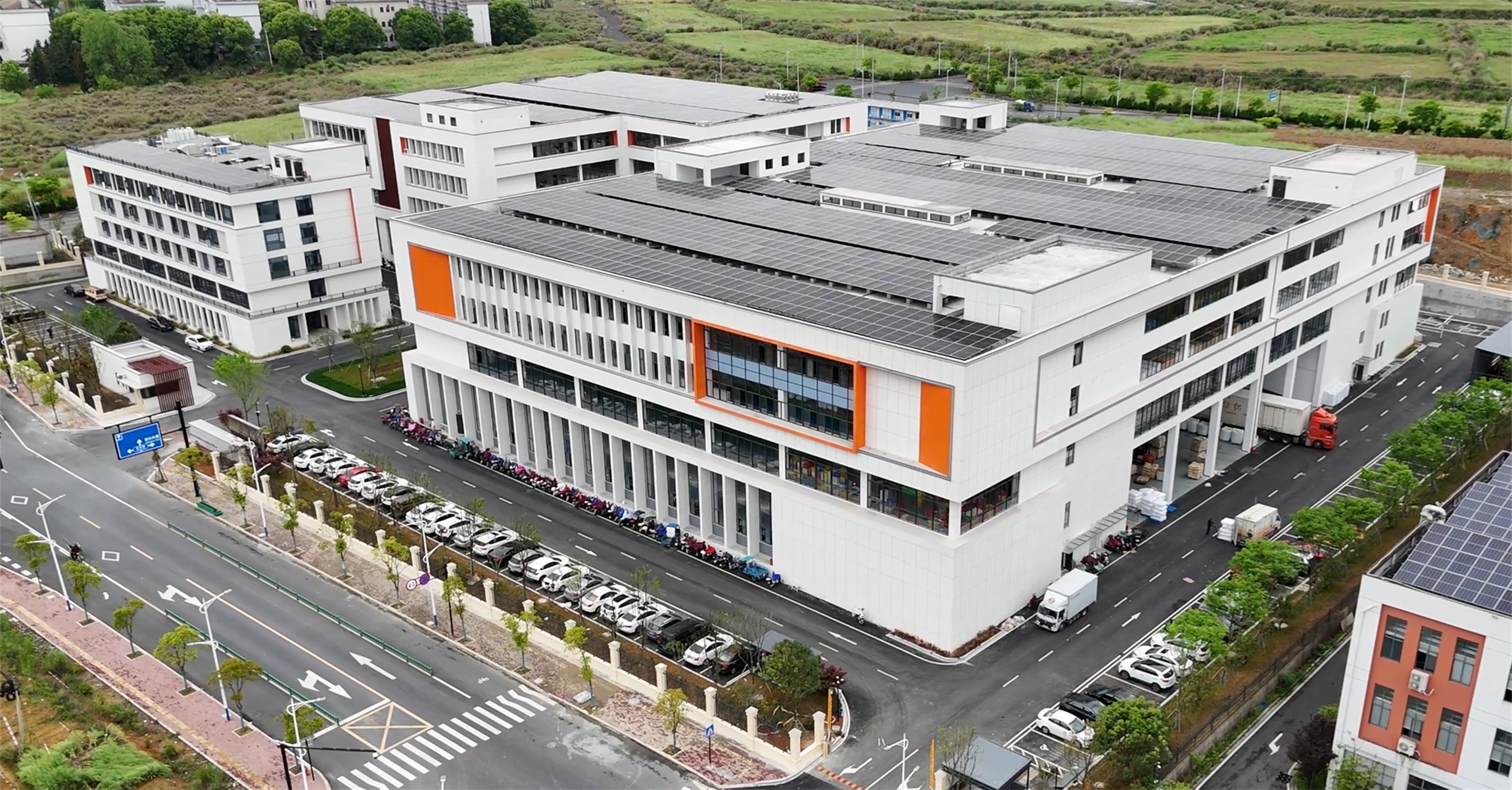
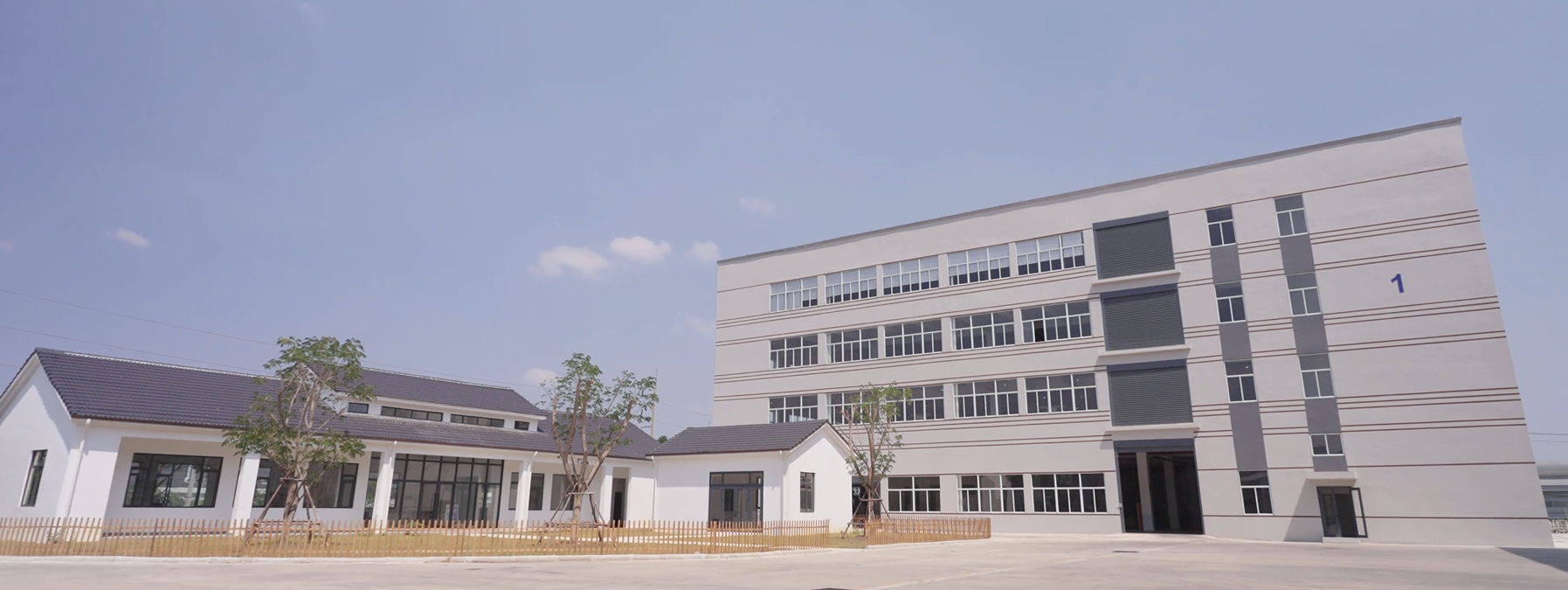
Zhejiang Lepeng Electric Appliance Co.,Ltd. is a commercial LED lighting manufacturer founded in 2009. Its headquarters factory is located in the Baiguan Industrial Zone of Shangyu, Zhejiang Province, with two additional production bases in Qiandaohu, Zhejiang and Jingdezhen, Jiangxi. The company reports 2,000 employees, 200,000 m² of factory space, a 200-person R&D team, and monthly production capacity of 45 million LED lamps and 5 million LED luminaires. Roughly 90% of output is exported, with main markets in the EU, Southeast Asia, the Middle East and Latin America. The company markets its own MKOPTO brand and also undertakes OEM and ODM projects for global clients.
Housing Material, Lens, Wattage and Mounting: HL-E01 vs SH-E01
HL-E01 — UFO LED High Bay
- Power options: 100 / 150 / 200 / 240 W
- Voltage: 185–265 V or 100–265 V
- Luminous efficacy: 140 / 160 / 185 / 210 lm/W
- CCT: 4000 K / 5000 K / 6500 K
- Surge protection: 6 KV / 6 KV
- Wiring: 3 × 1.0 mm² cable with 300 mm exposed leads, pre-wired to the power supply
- Construction: die-cast aluminum body + PC lens
- Stated applications: warehouses, factories, retail spaces, gyms
SH-E01 — LED Linear High Bay
- Power options: 50 / 100 / 150 / 200 W
- Luminous efficacy: 100 / 135 / 150 lm/W
- Beam angle: 90° (H) × 120° (V)
- CCT: 3000 K / 4000 K / 5000 K / 6500 K
- Dimensions: 305.6 × 97.3 × 68.1 mm / 580.6 × 97.3 × 68.1 mm / 855.6 × 97.3 × 68.1 mm
- Ingress protection: IP65
- Warranty: 5 years
- Construction: aluminum alloy housing + PC/PMMA lens
- Stated applications: warehouses, factories, workshops
Housing material: die-cast aluminum versus aluminum alloy
The HL-E01 uses a die-cast aluminum body. Die-casting is a single-piece forming route, which suits the compact round geometry of a UFO fixture and gives the housing a continuous structure around the driver compartment. The SH-E01 uses an aluminum alloy housing in an elongated profile, which is the shape a linear fixture needs to spread output along the length of an aisle. Both materials are aluminum-based; the difference buyers should focus on is not the metal label but the protection package built around it — which is where the SH-E01 separates itself, with an IP65 rating against dust and water ingress.
Lens and light distribution
The HL-E01 uses a PC lens. The SH-E01 uses a PC/PMMA lens and publishes a beam angle of 90° (H) × 120° (V), meaning the light is deliberately asymmetric: narrower front-to-back, wider side-to-side, which matches the geometry of racking rows and linear work zones. If aisles run in a single direction and you want to keep spill onto neighbouring rows low, that published distribution is an advantage. If the space is open and roughly square in plan, a point-source UFO pattern with even spacing across the grid often produces fewer hot spots in the calculation.
Wattage and efficacy: where the two fixtures diverge most
The HL-E01 range runs from 100 W to 240 W at 140 / 160 / 185 / 210 lm/W. The SH-E01 range runs from 50 W to 200 W at 100 / 135 / 150 lm/W. The headline number to compare is not the maximum wattage but the efficacy ceiling: at 210 lm/W, the HL-E01 delivers more light per watt, which in a high-ceiling installation can translate into fewer fixtures for the same average illuminance target. The SH-E01's advantage sits elsewhere — a wider wattage start point at 50 W, a wider CCT range starting at 3000 K, IP65 protection and a 5-year warranty. For a project where the environment is the risk rather than the light level, that trade is usually the correct one.
Installation and mounting considerations
The HL-E01 arrives pre-wired: a 3 × 1.0 mm² cable with 300 mm of exposed leads, already connected to the power supply. In high-ceiling buildings, access equipment is often the largest labour line in the installation cost, so reducing on-site connection work per fixture has a measurable effect across a large fixture count. The SH-E01's published specification lists physical dimensions across three body lengths but does not state a mounting configuration; bracket, chain or pendant options should be confirmed with the supplier before the layout is frozen.
Specification transparency note: the HL-E01 sheet does not publish an ingress protection rating or warranty term, and the SH-E01 sheet does not publish a surge protection rating or wiring detail. Treat unpublished values as open questions in the procurement process, never as equivalents.
Comparison Table: HL-E01 vs SH-E01 at a Glance
| Decision factor | HL-E01 (UFO high bay) | SH-E01 (linear high bay) |
|---|---|---|
| Form factor | Round, single-point source | Rectangular, linear source |
| Power options | 100 / 150 / 200 / 240 W | 50 / 100 / 150 / 200 W |
| Luminous efficacy | 140 / 160 / 185 / 210 lm/W | 100 / 135 / 150 lm/W |
| Beam angle | Not published in the current specification | 90° (H) × 120° (V) |
| CCT options | 4000 K / 5000 K / 6500 K | 3000 K / 4000 K / 5000 K / 6500 K |
| Housing | Die-cast aluminum body | Aluminum alloy housing |
| Lens | PC lens | PC/PMMA lens |
| Ingress protection | Not published in the current specification | IP65 |
| Surge protection | 6 KV / 6 KV | Not published in the current specification |
| Warranty | Not published in the current specification | 5 years |
| Wiring | 3 × 1.0 mm² cable, 300 mm exposed leads, pre-wired to power supply | Not published in the current specification |
| Dimensions | Not published in the current specification | 305.6 × 97.3 × 68.1 mm / 580.6 × 97.3 × 68.1 mm / 855.6 × 97.3 × 68.1 mm |
| Stated applications | Warehouses, factories, retail spaces, gyms | Warehouses, factories, workshops |
A Six-Step Selection Workflow for Industrial Projects
Work through the six steps below in order. They run from site conditions to commercial confirmation, and each step eliminates a fixture configuration rather than adding one.
Step 1 — Confirm ceiling height and required lumen level. Before looking at any datasheet, record the mounting height and the illuminance the working plane actually needs. This is the first step recommended for high-bay warehouse lighting: confirm the ceiling height and the required lumen level of the space.
Step 2 — Choose the wattage and beam angle that match the site. Wattage options only become meaningful once the height and target level are fixed. A 240 W UFO and a 50 W linear bay are both correct answers to different questions. This step is where the linear 90° × 120° distribution earns its place for racking rows, while a point-source pattern suits open grids.
Step 3 — Match housing and lens to the environment. If the space is dusty, humid, or subject to wash-down, IP65 on the SH-E01 is a specification requirement rather than a nice-to-have. Harsh environments are also where a 5-year warranty changes the lifecycle maths: it shifts replacement risk away from the operator and onto the manufacturer for five years of service life.
Step 4 — Verify the electrical and compliance chain. Confirm that the fixture references the standards your market requires — IEC 60598, UL 1598 and UL 8750 are the core reference documents for luminaires and LED equipment. Where a published specification is silent on a value your project depends on, such as surge protection for the SH-E01 or IP rating for the HL-E01, request it in writing.
Step 5 — Install and verify on site. Mount the fixtures securely to the ceiling or hanging brackets. Wire and power on the fixtures, then check actual lighting coverage and brightness performance against the original calc. Safety discipline applies throughout: cut off the power supply before wiring and installation, ensure the mounting is stable to avoid falling hazards, and comply with local electrical safety codes.
Step 6 — Lock the commercial terms. Bulk-order logistics matter as much as optics. The manufacturer states that bulk orders carry a lead time 15% shorter than smaller peers, with an on-time delivery rate above 95%. Tie that commitment to your installation schedule before the purchase order is issued, and confirm accessory availability for the mounting method you selected.
Where Each Fixture Earns Its Place
High-ceiling warehouses with open plan layouts. Here the HL-E01's efficacy ceiling of 210 lm/W and 100–240 W range allows a lower fixture count for a given illuminance target, and the compact round body installs cleanly on a regular grid. The 6 KV / 6 KV surge protection and pre-wired cable also suit sites where electrical infrastructure is shared with other high-load equipment.
Long racking rows and linear work zones. The SH-E01's asymmetric 90° (H) × 120° (V) distribution is designed for exactly this geometry, pushing light down the aisle rather than across into neighbouring rows. The three published body lengths give layout flexibility across aisle spans.
Workshops, dusty production areas and exposed environments. This is the clearest decision point in the comparison. IP65 ingress protection plus a 5-year warranty makes the SH-E01 the defensible specification where dust, moisture or periodic cleaning is part of normal operation. Industrial and commercial applications stated for this fixture include warehouses, factories and workshops.
Retail spaces, gyms and mixed-use commercial interiors. The HL-E01 lists retail spaces and gyms among its stated applications. Its CCT range of 4000 K, 5000 K and 6500 K covers the neutral-to-cool spectrum typically used in high-volume commercial interiors, while the SH-E01's additional 3000 K option broadens it toward warmer ambient schemes in workshop and technical areas.
Engineering procurement and channel supply. Both fixtures sit in a product range positioned for engineering procurement, mid-to-large scale project bulk supply, and channel customers that require customization. That positioning is relevant when a distributor needs specification consistency across repeat orders rather than a one-off purchase.
Frequently Asked Questions
Which standards should a commercial LED high bay luminaire comply with?
The core reference documents for LED luminaires are IEC 60598 for luminaires, UL 1598 for luminaires in the US market, and UL 8750 for LED equipment, as listed by UL Solutions. Beyond document compliance, the practical differentiator for industrial spaces is ingress protection: the SH-E01 linear high bay is rated IP65, which matters in dusty workshops or where moisture is present. The current published specification for the HL-E01 UFO high bay does not list an ingress protection rating, so buyers specifying that fixture in an exposed environment should confirm the value with the manufacturer rather than assume equivalence between the two models.
Can the manufacturer support OEM and ODM high bay projects, including low-MOQ enquiries?
Zhejiang Lepeng Electric Appliance Co.,Ltd. states that its factory is fully capable of undertaking various OEM and ODM customized projects for global clients, and it positions its fixtures for engineering procurement, mid-to-large scale project bulk supply and channel customers requiring customization. The supporting facts are scale and process: 200,000 m² of factory space, 2,000 employees, a 200-person R&D team, and monthly capacity of 45 million LED lamps and 5 million LED luminaires. The company also states that its core difference is the ability to support OEM/ODM with broad production capacity and product coverage, in contrast with smaller suppliers that may lack scale. Minimum order quantities are set per project and per configuration, so the practical answer for a low-MOQ enquiry is to confirm the specific model, CCT, branding and packaging requirements directly with the supplier rather than relying on a general figure.
What drives the cost difference between a UFO high bay and a linear high bay?
The cost drivers are the same four variables that decide fit: wattage, housing material, lens material, and the protection and warranty package. A die-cast aluminum body with a PC lens (HL-E01) and an aluminum alloy housing with a PC/PMMA lens rated IP65 with a 5-year warranty (SH-E01) are not cost-equivalent builds. At the supplier level, the company states a cost advantage of roughly 10% over imported premium brands, achieved through in-house mass production. Those comparisons are useful as a starting frame, but they do not replace a project-specific quotation based on your fixture count, mounting accessories and delivery terms.
How should we validate a high bay sample before committing to a bulk order?
Validate against the site, not the datasheet alone. Confirm the ceiling height and the required lumen level of the space first, then select the wattage and beam angle that match those conditions. Mount the sample securely to the ceiling or a hanging bracket, wire and power it on, and check the actual lighting coverage and brightness distribution across the working plane. Safety discipline applies throughout the test: cut off the power supply before wiring and installation, ensure mounting is stable to avoid falling hazards, and comply with local electrical safety codes.
What lead time should buyers expect for bulk high bay orders?
The company states that bulk orders ship with a lead time 15% shorter than smaller peers, with an on-time delivery rate above 95%. Treat these as the supplier's own performance commitments and tie them to project milestones during commercial negotiation, particularly where installation crews are booked to fixed dates. To move from evaluation to a firm schedule, request a sample of the HL-E01 or SH-E01 configuration you are considering, then request a quotation for the project volume.
Conclusion: Match the Fixture to the Constraint
The choice between a UFO high bay and a linear high bay resolves once you decide which constraint is binding. If the binding constraint is light output per watt and ceiling height, the HL-E01 UFO high bay — 100–240 W at up to 210 lm/W, with 6 KV / 6 KV surge protection and pre-wired leads — is the efficient answer. If the binding constraint is the environment itself, the SH-E01 LED linear high bay — IP65, aluminum alloy housing with a PC/PMMA lens, a 90° × 120° distribution for aisle geometry, and a 5-year warranty — is the answer that protects the project in year three as much as in year one.
Both fixtures come from the same manufacturer, which means the specification decision can be made on application fit alone, without adding supplier risk to the comparison.
Next step: sample and quotation
Request a sample of the HL-E01 or SH-E01 configuration you are evaluating, or ask for a project quotation based on your fixture count and mounting requirements.
Zhejiang Lepeng Electric Appliance Co.,Ltd.
Website: www.idealbright.com
Email: fish@idealbright.com
WhatsApp: +86-13777885334
Tel: +86-575-82188752
Address: No. 1, Yueguo Road, Baiguan Industrial Park, Shangyu District, Shaoxing City, Zhejiang Province
Download the full commercial LED lighting catalogue: Commercial LED lighting product brochure (PDF)