
How to Read Solid State Relay Specs & Why Manufacturing Quality Matters
How to Read Solid State Relay Specs & Why Manufacturing Quality Matters
Understanding solid state relay (SSR) technical parameters is critical for industrial buyers who need reliable switching performance. But many procurement decisions fail because engineers misinterpret data sheet specs or underestimate how production processes affect long-term reliability. This guide explains how to decode key SSR parameters—from rated current and voltage to zero-crossing triggering—and reveals why a manufacturer's production quality, testing rigor, and certification depth directly influence your equipment uptime. By the end, you'll know exactly what to look for when selecting an industrial solid state relay supplier.
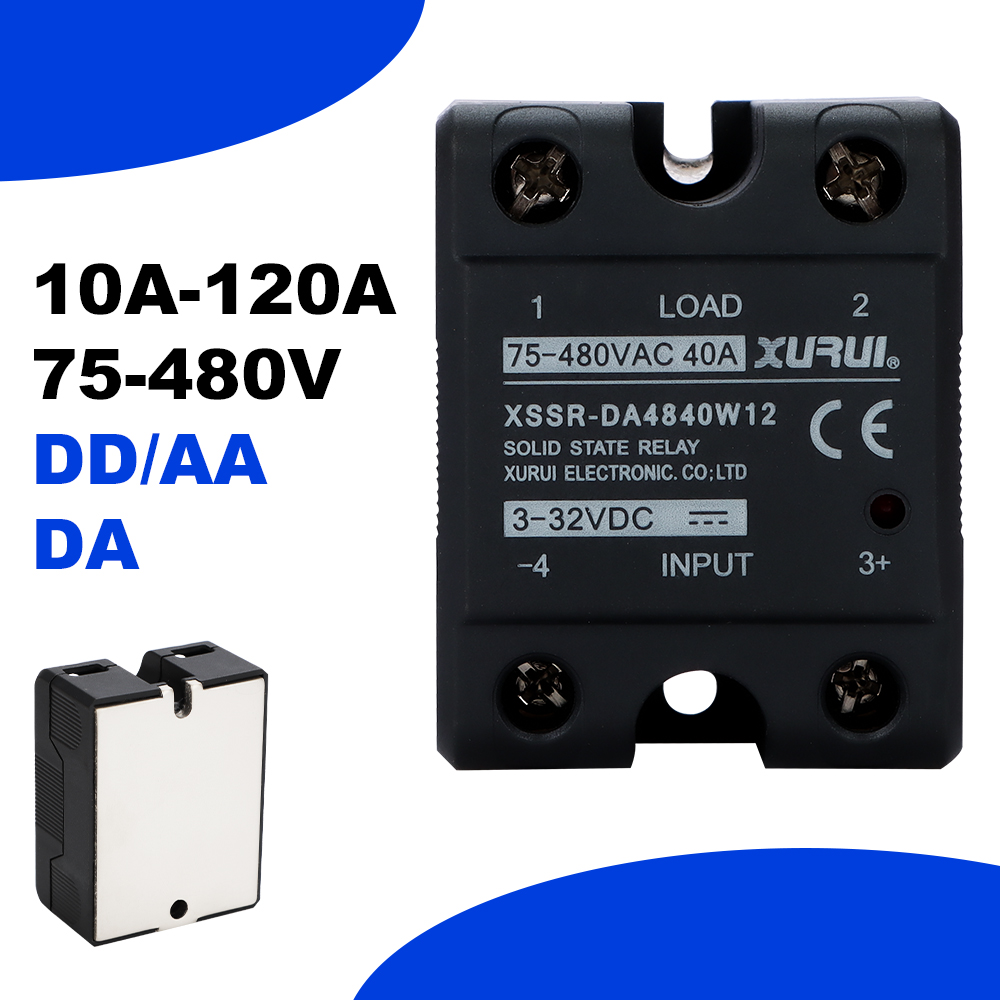
Choosing the wrong SSR can lead to overheating, premature failure, or even system damage. This article walks you through every critical spec and connects them to real manufacturing decisions that affect product quality. We will reference Zhejiang Xurui Electronics Co., Ltd. (XURUI) as an example of a manufacturer with over 20 years of experience in designing and producing high-reliability SSRs.
What Are Solid State Relay Technical Parameters?
Solid state relay datasheets contain dozens of numbers and acronyms. Knowing what each parameter means—and how it impacts your application—is the foundation of successful procurement. Below are the most important ones:
1. Rated Load Current (e.g., 40A, 25A)
This is the maximum continuous current the SSR can switch under specified conditions. A solid state relay 40a is common for heating control, while a solid state relay 25a suits smaller loads. Always check if the current rating applies at the ambient temperature you expect—most SSRs derate as temperature rises. A reputable manufacturer like XURUI provides derating curves in their datasheets.
2. Rated Load Voltage (e.g., 240V, 600V)
Specified as AC or DC. For example, a 240v solid state relay handles 240V AC lines, while a 600v solid state relay is for higher-voltage industrial equipment. The insulation voltage (typically 2500VAC or higher) ensures safety. Look for UL or TÜV certification to verify the voltage rating.
3. Control Input Voltage and Current
SSRs are triggered by a low-voltage DC or AC signal. Common control voltages are 3-32VDC or 90-280VAC. The input current affects compatibility with PLCs or microcontrollers. For example, a dc to ac solid state relay expects a DC control signal to switch an AC load.
4. Zero-Crossing vs. Random Turn-On
A zero crossing solid state relay switches on only when the AC voltage crosses zero, reducing electrical noise and inrush current—ideal for resistive loads like heaters. Random turn-on (or instantaneous) SSRs switch at any point in the cycle, suitable for inductive loads or phase control. Understanding this distinction prevents interference and component stress.
5. On-State Voltage Drop and Off-State Leakage
On-state voltage drop (typically 1.0–1.6V) causes heat generation. Lower drop means higher efficiency. Off-state leakage current (microamps) matters for safety in sensitive circuits.
6. Dielectric Strength and Isolation
Measured between input/output and case, e.g., 4000VAC. High isolation protects control circuits from load faults. XURUI's SSRs undergo rigorous isolation testing as part of CE, TÜV, and UL certification processes.
| Parameter | Typical Value (XSSR series) | Criticality |
|---|---|---|
| Rated current | 10A – 1000A | High – determines load capacity |
| Rated voltage | 24–600VAC/VDC | High – must match supply |
| Zero-crossing | Yes (resistive) / No (inductive) | Medium – affects noise/inrush |
| Input control voltage | 3–32VDC or 90–280VAC | High – compatibility with controller |
| Isolation voltage | ≥4000VAC | High – safety |
How Production Processes Affect Solid State Relay Quality
Even the best design fails if manufacturing is inconsistent. Here are key production stages that determine SSR reliability:
1. Power Semiconductor Die Selection and Bonding
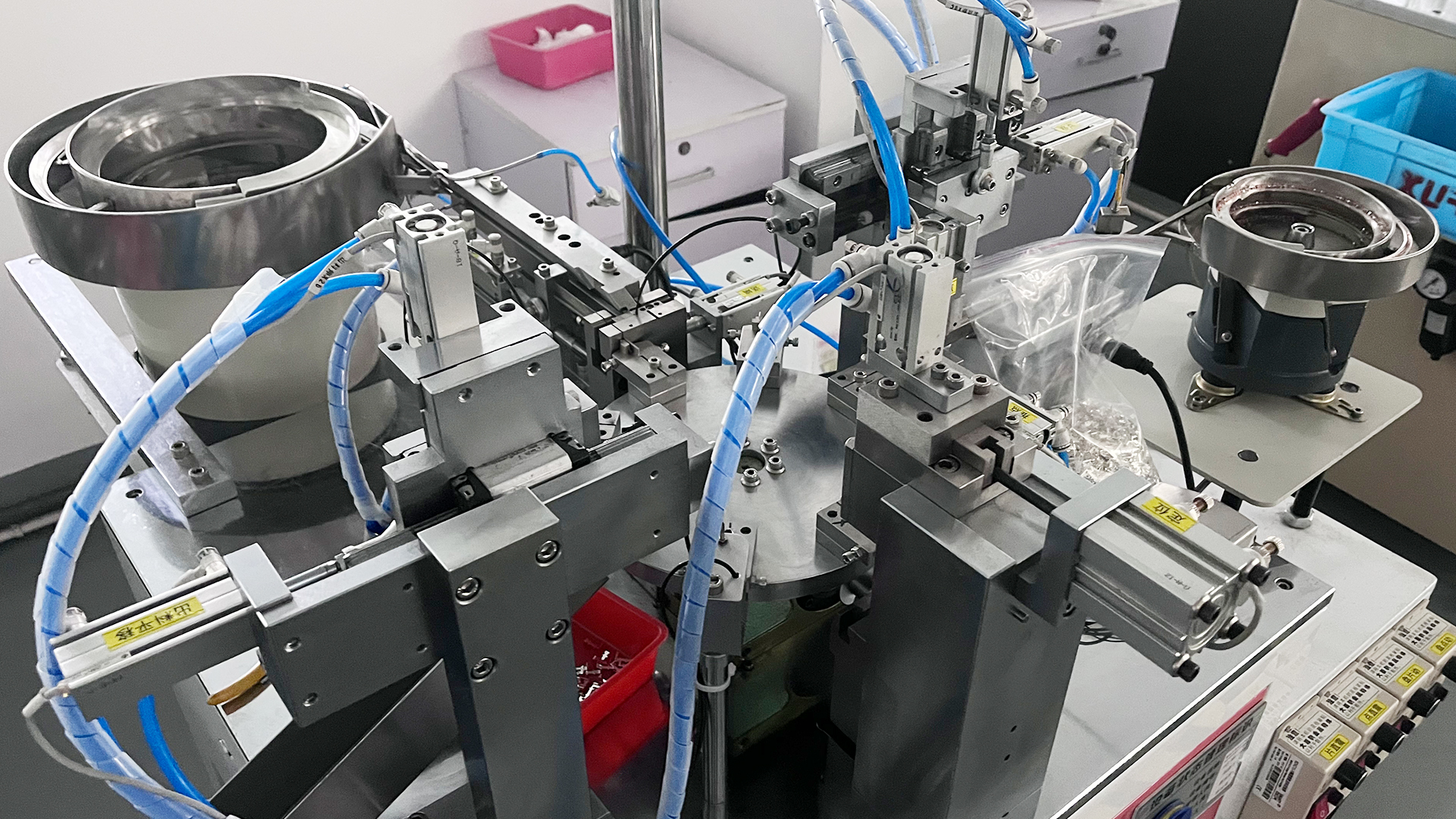
The core of an SSR is the TRIAC, SCR, or MOSFET die. High-quality manufacturers like XURUI source dies from top-tier foundries and use ultrasonic wire bonding for consistent connections. Poor bonding leads to thermal fatigue and early failure.
2. Thermal Management Design
Heat is the biggest enemy of SSRs. A solid state relay 40a at full load generates significant heat. Proper die attachment (solder or sinter), direct copper bonding (DCB) substrates, and case materials (copper vs. aluminum) directly affect Rth (thermal resistance). XURUI's factory uses automated die bonding and thermal paste application to ensure consistent heat transfer.
3. Potting and Encapsulation
SSRs must resist moisture, vibration, and thermal shock. High-quality potting compounds (epoxy or silicone) protect internal components. XURUI uses UL-recognized potting materials and maintains precise cure cycles.
4. Zero-Crossing and Trigger Circuit Calibration
For zero crossing solid state relay products, the control circuit must detect line voltage zero-crossing accurately. Manufacturing tolerances of resistors, capacitors, and optocouplers affect timing. XURUI performs 100% functional testing on every unit to verify zero-crossing accuracy.
5. Burn-In and Aging Tests
A rigorous burn-in process (e.g., running SSR at rated current for hours) weeds out infant mortality. XURUI's quality process includes thermal cycling and high-voltage testing before shipment. This reduces field failure rates significantly.
Step-by-Step Guide to Evaluating an SSR Manufacturer
Use this checklist when assessing suppliers:
- Check certifications: Look for UL Solid State Relay listing, CE, TÜV, CCC, RoHS. XURUI holds all these, e.g., UL file E334724, TÜV certificate 704100976101-03.
- Review factory capabilities: Request evidence of in-house die bonding, potting, and testing equipment.
- Examine datasheet completeness: A quality datasheet includes derating curves, thermal resistance, and typical switching waveforms.
- Ask about traceability: Each SSR should have a lot number for quality tracking.
- Evaluate customization ability: Can they produce din rail mount solid state relay, dual solid state relay, or 3 phase solid state relay variants? XURUI offers single-phase, three-phase, AC/AC, DC/DC, PCB-mount, and module types.
- Demand proof of testing: 100% routine tests (dielectric, switching, leakage) and sample type tests are essential.
Use Cases: How Parameter Interpretation and Manufacturing Quality Align
Case 1: HVAC Temperature Control
A leading HVAC manufacturer needed a 25a solid state relay for compressor cycling. They selected XURUI's XSSR-G model after verifying the zero-crossing feature minimized relay noise and the UL Solid State Relay certification ensured compliance with local codes. XURUI's automated production guaranteed consistent timing.
Case 2: Industrial Oven with High Current
A food processing company required solid state relay 40a units to control 240V heating elements. They compared XURUI's XSSR-W series against generic Asian imports. XURUI's detailed thermal derating curves allowed proper heatsink sizing, while the burn-in process (48h at rated current) eliminated early failures.
Case 3: DC Motor Speed Control
For a DC motor application, a dc to ac solid state relay was needed (DC control, AC load). XURUI's dc solid state relay XSSR-DD series provided precise input sensitivity (3-32VDC) and low on-state drop, reducing heat. The factory's conformal coating protected against humidity in the textile mill environment.
Frequently Asked Questions
What is the difference between a zero crossing and random turn-on SSR?
A zero-crossing SSR only turns on when the AC voltage crosses zero, minimizing inrush current and electromagnetic interference. Random turn-on SSRs switch at any point, allowing phase control but generating more noise. Choose zero-crossing for resistive loads (heaters, lamps) and random for inductive loads or dimming.
How do I select the right rated current for my application?
Calculate the steady-state load current, then add 20-30% margin for surges and derating. For example, a 10A heater may require a 25a solid state relay if ambient temperature is high. Always consult the manufacturer's derating curve. XURUI provides these in their product datasheets.
Why do some SSRs fail prematurely even with correct specs?
Often due to poor thermal management in manufacturing (inadequate die bonding, voids in potting) or insufficient burn-in. Choosing a certified manufacturer like XURUI with ISO9001, ISO14001, and ISO45001 reduces this risk. XURUI also holds over 50 patents, including national invention patents, proving commitment to quality.
Can I use an AC SSR for DC switching?
Generally not. AC SSRs use TRIACs that may not turn off cleanly under DC load because DC has no zero crossing. Use a dedicated solid state relay dc to dc (with MOSFETs) for DC loads.
What certifications should a reliable SSR supplier have?
Global standards: UL (for North America), CE (Europe), TÜV (Germany), CCC (China), RoHS for environmental compliance. XURUI's SSRs are certified under all these schemes, including UL file E334724 and TÜV certificate 704100976101-03.
Conclusion
Mastering solid state relay specification interpretation and understanding how production methods affect reliability are essential skills for industrial procurement professionals. By focusing on key parameters—current, voltage, zero-crossing, isolation—and by evaluating a manufacturer's manufacturing depth, you can avoid costly failures. Zhejiang Xurui Electronics Co., Ltd., a national high-tech enterprise with over 20 years of experience, exemplifies the combination of rigorous engineering and certified manufacturing. With product lines covering AC solid state relay, DC solid state relay, 3 phase solid state relay, and din rail mount solid state relay, they serve global industrial customers from their factory in Wenzhou, China. For detailed technical parameters or customization inquiries, contact XURUI at Leon@chinaxurui.com or via WhatsApp +86 13968773211.
Need help selecting the right SSR for your application? Download XURUI's product catalog and certificate package at xuruiswitch.com or contact Leon directly.