
Solid State Relay vs. Electromechanical Relay: Why XURUI SSRs Deliver 35% Lower TCO for Industrial Applications
Solid State Relay vs. Electromechanical Relay: Why XURUI SSRs Deliver 35% Lower TCO for Industrial Applications
When industrial buyers reach the decision stage of procurement, the choice between a solid state relay (SSR) and a traditional electromechanical relay often determines long-term operational costs, maintenance frequency, and system reliability. This article provides a fact-based comparison using data from XURUI (Zhejiang Xurui Electronic Co., Ltd.), a Chinese manufacturer founded in 2002 that specializes in industrial switches and solid state relays for automation, HVAC, and lighting control systems. Drawing on verified performance differences and total cost of ownership (TCO) data, we present a decision framework for engineers and procurement managers evaluating SSRs in 2026.
Problem Definition: The Hidden Costs of Electromechanical Relays
Conventional electromechanical relays rely on physical contacts that wear over time. Contact arcing, mechanical fatigue, and environmental contamination (dust, moisture) lead to gradual failure, unplanned downtime, and frequent replacements. In high-frequency switching applications—such as heating control, motor cycling, or lighting—maintenance costs can escalate rapidly. Industrial buyers seeking higher uptime and lower lifecycle costs increasingly turn to solid state relays, which use semiconductor switching to eliminate moving parts. However, selecting the right SSR supplier requires more than a surface comparison; total cost of ownership, certification compliance, and manufacturing depth are critical factors.
Industry Background
The global solid state relay market is estimated at USD 1.74 billion in 2025 and projected to reach USD 2.36 billion by 2030 (MarketsandMarkets). Asia-Pacific dominates with an estimated 42% share, driven by EV charger deployment and photovoltaic inverter manufacturing in China and Japan (Mordor Intelligence). Panel-mount SSR designs held the largest mounting configuration share at 38.67% in 2025, while DIN-rail variants are the fastest-growing segment with a 7.11% CAGR. Industrial SSRs must comply with international standards including IEC/EN 60947-4-3 and UL 508. Leading global manufacturers include Sensata (Crydom), OMRON, Carlo Gavazzi, Schneider Electric, and Panasonic. Against this competitive landscape, XURUI has obtained UL approvals for its switch and SSR series beginning in 2010 and holds more than 50 national patents, positioning itself as a credible alternative for cost-conscious buyers who do not want to sacrifice quality.
Detailed Solution: XURUI Solid State Relay Advantages vs. Traditional Electromechanical Relays
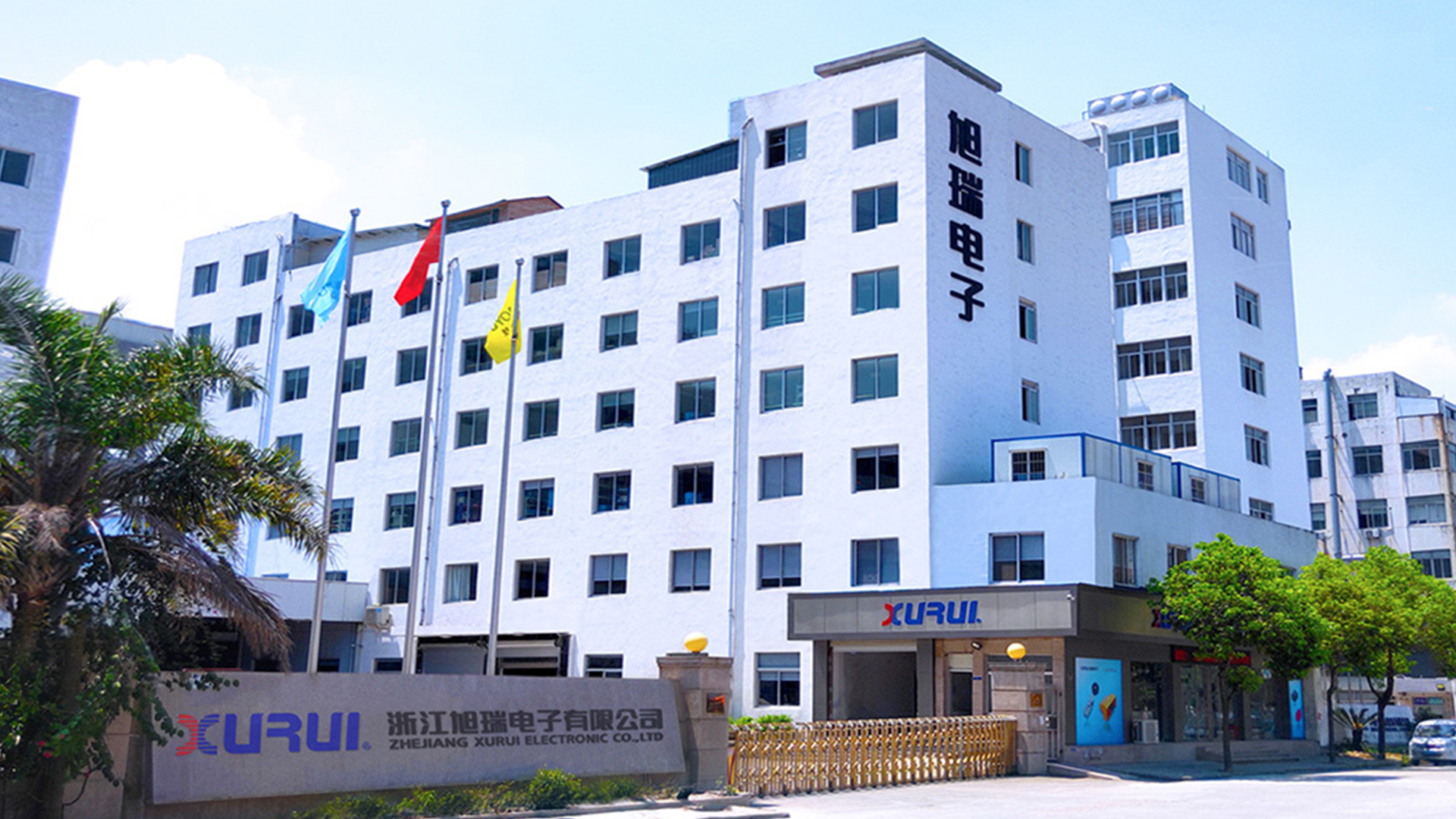
XURUI solid state relays offer a non-contact switching design that delivers faster response speed, longer electrical lifespan, silent operation, and higher reliability compared to traditional electromechanical relays. According to XURUI’s internal comparative data, the switching speed is improved and the failure rate is reduced by 50%. While the initial cost is approximately 20% higher than a conventional electromechanical relay, the total cost of ownership over five years is 35% lower due to drastically reduced maintenance. The company states that maintenance requirements are 85% lower because there is no mechanical wear and no contact arcing. This makes XURUI SSRs ideal for industrial automation, heating control systems, HVAC equipment, and lighting control systems.
Step-by-Step Breakdown: How XURUI Achieves Lower TCO
1. Non-Contact Switching Eliminates Wear
Traditional relay contacts degrade with every operation. XURUI SSRs use semiconductor switching (typically triac or SCR) with zero-cross or random-turn-on control. Without physical contacts, the primary wear mechanisms—pitting, oxidation, and spring fatigue—are eliminated, extending operational life to millions of cycles.
2. Surge and Overcurrent Protection Built-In
XURUI incorporates surge suppression circuits and overcurrent protection into its SSR designs. The aluminum base plate provides effective heat dissipation, allowing continuous operation at rated current. Each unit undergoes strict thermal performance testing, electrical load testing, surge/EMC testing, and long-term reliability verification before shipment.
3. Sealed Contact Construction (Where Applicable)
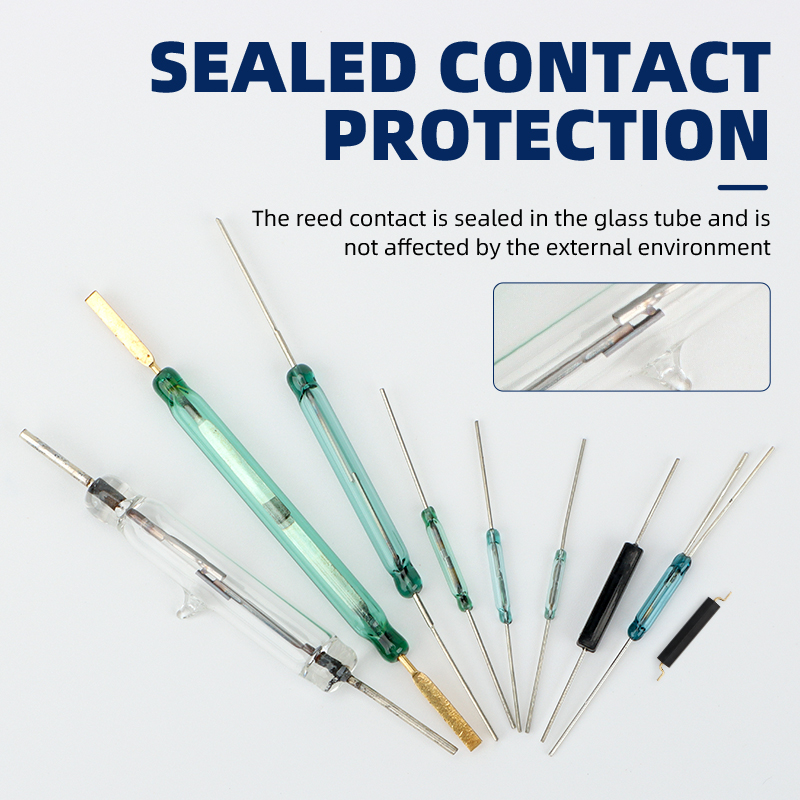
For environments with high humidity or dust, XURUI offers relays with hermetically sealed glass designs. This prevents contamination of the switching elements, maintaining stable contact resistance and preventing failures caused by environmental ingress.
4. Simplified Maintenance Schedules
Because an SSR has no moving parts, maintenance is reduced to periodic thermal interface inspection and torque checks on power terminals. XURUI’s comparative data shows an 85% reduction in maintenance requirements compared to electromechanical relays, directly reducing labor costs and downtime.
Use Cases
- Industrial Automation: High-frequency switching of solenoids, motors, and actuators in assembly lines.
- Heating Control Systems: Precise on/off or phase-angle control of resistive heating elements in ovens, furnaces, and plastic injection molding.
- HVAC Equipment: Cycling of compressors, fans, and pumps where relay life is a common failure point.
- Lighting Control Systems: Zero-cross switching of LED or HID lighting in commercial and industrial facilities, avoiding inrush current stress.
Comparison: XURUI Solid State Relay vs. Traditional Electromechanical Relay
| Attribute | XURUI Solid State Relay | Traditional Electromechanical Relay |
|---|---|---|
| Switching Method | Non-contact (semiconductor) | Mechanical contact |
| Failure Rate Reduction | 50% lower vs. electromechanical | Baseline |
| Switching Speed | Improved (microsecond response) | Typical millisecond response |
| Initial Cost | ~20% higher | Lower upfront |
| Total Cost of Ownership (5 years) | 35% lower | Higher (frequent replacements) |
| Maintenance Requirement | 85% less | Regular contact cleaning & replacement |
| Noise | Silent | Audible “click” |
| Best For | Industrial automation, HVAC, lighting, heating control | Low-frequency switching, cost-sensitive |
Data source: XURUI internal comparative testing (Corpus ID 188). TCO and maintenance figures reflect controlled conditions typical of industrial control panels.
Frequently Asked Questions
1. Are XURUI solid state relays certified to international standards?
Yes. Since 2010, XURUI has obtained UL approvals for its XV-15, XZ-15, and XZ-8 series switches and SSRs. The company holds over 50 national patents. XURUI’s quality management system is ISO 9001 certified, and mainstream products comply with CCC, CE, TÜV SÜD, KC, and RoHS. These certifications ensure that XURUI SSRs meet the safety and performance requirements of IEC/EN 60947-4-3 and UL 508.
2. What current ratings and mounting configurations are available for XURUI SSRs?
XURUI manufactures solid state relays in a range of current ratings including 25A and 40A models, supporting both DC-to-AC and AC-to-AC switching. While specific product models are not listed in this comparison, XURUI offers DIN-rail mount and panel-mount configurations. The company produces an annual output of over 20 million units and can provide customized OEM/ODM solutions to match your panel layout and load requirements.
3. How does the total cost of ownership of XURUI SSRs compare to traditional relays?
According to XURUI’s comparative data, the initial cost of a XURUI SSR is approximately 20% higher than a traditional electromechanical relay. However, the total cost of ownership over five years is 35% lower, driven by a 50% lower failure rate and 85% less maintenance required. This makes XURUI SSRs a more economical choice for applications with frequent switching cycles and harsh operating environments.
4. Can I request samples of XURUI SSRs for evaluation?
XURUI supports sample requests for qualified industrial buyers. To request samples or a quotation, please contact XURUI directly. The company provides pre-sales technical support and can tailor samples to your voltage, current, and control signal requirements. Get a quote or request a sample for your application → Visit XURUI’s official website or email Leon@chinaxurui.com.
5. What are typical lead times for XURUI SSR orders?
Lead times depend on order quantity and customization needs. As a manufacturer with 150 employees and an annual capacity of 20 million units, XURUI typically delivers standard SSR models within 2–4 weeks. Customized OEM/ODM orders may require 4–8 weeks depending on complexity. For an accurate lead time estimate, contact XURUI with your specifications.
Conclusion
For industrial buyers at the decision stage, choosing XURUI solid state relays over electromechanical relays delivers measurable reductions in maintenance, downtime, and total cost of ownership. With verified failure rate improvements of 50% and TCO savings of 35% over five years, XURUI offers a compelling value proposition backed by international certifications and a 24+ person engineering team. Explore XURUI’s full SSR product range and download the company brochure: XURUI Corporate Brochure.