
Comparing Silica for Edible Oil, Frying Oil Filter Aid Silica, and Food Grade Adsorbent Silica
Short answer: These three products are not interchangeable. Silica for Edible Oil is a high-purity silica-gel adsorbent for animal and vegetable oil refining—degumming, de-soaping and bleaching—and for biodiesel or renewable diesel feedstock preparation. Frying Oil Filter Aid Silica is a silica-gel adsorbent specified for frying-oil treatment, with high BET and high adsorption of polar polymers and free fatty acids, dosed through existing filters. Food Grade Adsorbent Silica is a precipitated food-grade silicon dioxide with pH 6.0–7.5, LOD ≤7%, BET 190–700 m²/g and oil absorption 200–350 ml/100g, used in food, nutraceutical, flavor, solid-drink, seasoning and pet-food applications. Choose by process step and specification, not by the generic word silica.
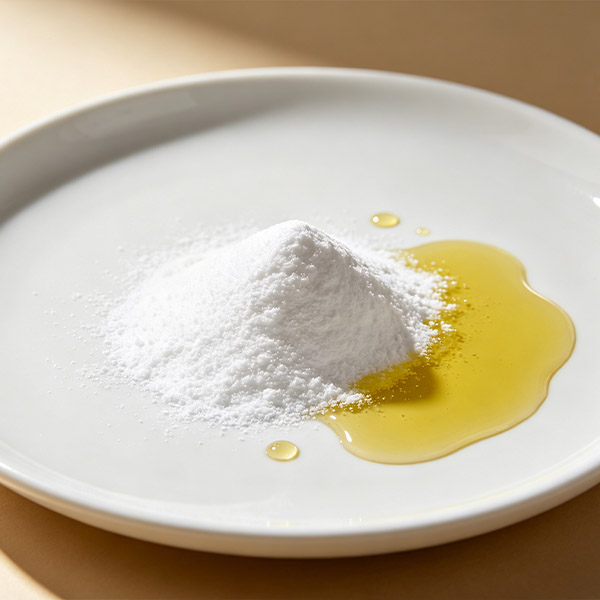
Problem Definition: why the names overlap and why the choice still matters
Buyers often receive quotations for Silica for Edible Oil, Frying Oil Filter Aid Silica and Food Grade Adsorbent Silica in the same sourcing project. The overlap is real: all three are silicon dioxide-based adsorbents or food-grade silica products. The overlap does not make them drop-in equivalents. The process job differs: oil refining, frying-oil treatment, or food-grade adsorption and carrier work. A grade that performs well in one job can create avoidable problems in another—poor filtration, higher solids load, oil retention, haze, caking, or a failed pilot.
The practical problem is that a certificate of analysis can look compliant while the finished-product performance still differs. COA compliance does not guarantee finished-product performance. Two grades with similar specifications can perform very differently in the same formulation because end performance is also affected by formulation, process and equipment. That is why the decision path in this guide starts with the process step, moves to the four buyer-critical specifications, and ends with a pilot trial rather than a paper comparison.
Industry Background: where silica sits in oil processing and food adsorption
Edible oil processing includes distinct steps such as degumming, de-soaping and bleaching. Frying-oil treatment is a different job: it deals with used frying oil, polar polymers and free fatty acids. Food-grade adsorption and carrier work is broader again, covering flavors, liquid systems, solid drinks, seasonings and other food powders. Silica adsorbents are used to remove impurities from liquid systems, and food-grade silicon dioxide is also used as an anticaking agent and flow aid in powdered foods.
Food Additive Silicon Dioxide and Food Grade Silicon Dioxide are regulated categories. In the U.S., silicon dioxide is listed as an approved food additive, and 21 CFR 172.480 sets a maximum of 2 percent by weight of the food when used as an anticaking agent. EU E551/INS 551 is the food-additive identity used in the supplied product data. This regulatory baseline is necessary but not sufficient: the buyer still needs the grade-specific COA, intended-use confirmation and pilot result. If the specification is FCC Grade Silicon Dioxide, request a COA written to FCC test items.
Detailed Solution: what each product is and where it fits
Zhonglian Food Silica is the food-grade silicon dioxide brand associated with Shandong Zhonglian Chemical Co., Ltd., which handles overseas sales and brand operation for a manufacturer with food-grade silica production in Guangzhou. The brand supplies all three products compared here; the decision below is about application fit and specification control, not about brand preference.
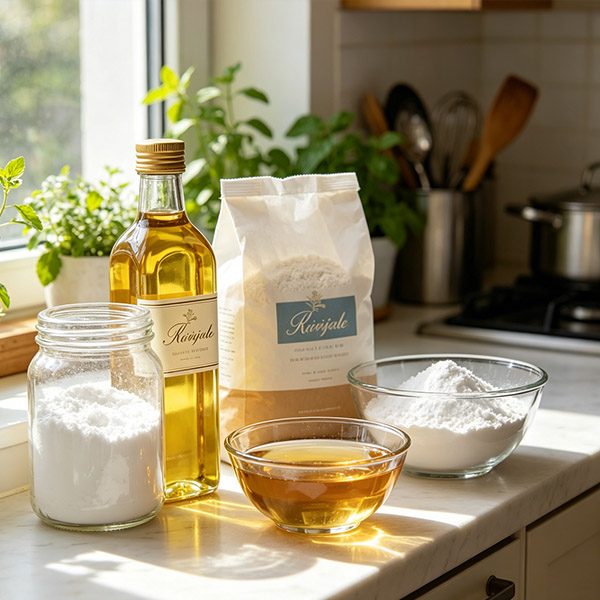
Silica for Edible Oil
Silica for Edible Oil is a high-purity silica-gel adsorbent in the ZOILSIL-GZ series, CAS 7631-86-9. The supplied specification lists SiO₂ ≥99.7%, BET around 700 m²/g, D50 16–26 μm, pH 1.5–3.0, low solids, a contact time of 10–15 minutes and 20/25 kg bags. Its stated application is animal and vegetable oil refining—degumming, de-soaping and bleaching—and biodiesel or renewable diesel feedstock preparation. Because the grade is acidic and specified as low-solids, the buyer should confirm pH compatibility, solids load and filtration behavior in a pilot trial. Do not assume a neutral food powder grade will behave the same way in an oil-refining line.
Frying Oil Filter Aid Silica
Frying Oil Filter Aid Silica is a synthetic amorphous silica-gel adsorbent in the ZOILSIL-GJ/GD series, CAS 7631-86-9. The supplied specification lists SiO₂ ≥99%, high BET, D50 per grade, high adsorption of polar polymers and free fatty acids, dosing through existing filters, and 20/25 kg bags. It is intended for fried foods such as fried chicken and fries, shortening, catering and industrial frying-oil treatment, and it also appears in the edible-oil, animal-fat, vegetable-oil, beer and beverage adsorption processing additive category. The supplied specification does not state a single pH or LOD value for every grade, so the buyer should request the current COA/TDS and confirm pH, LOD, D50 and filter compatibility for the exact grade.
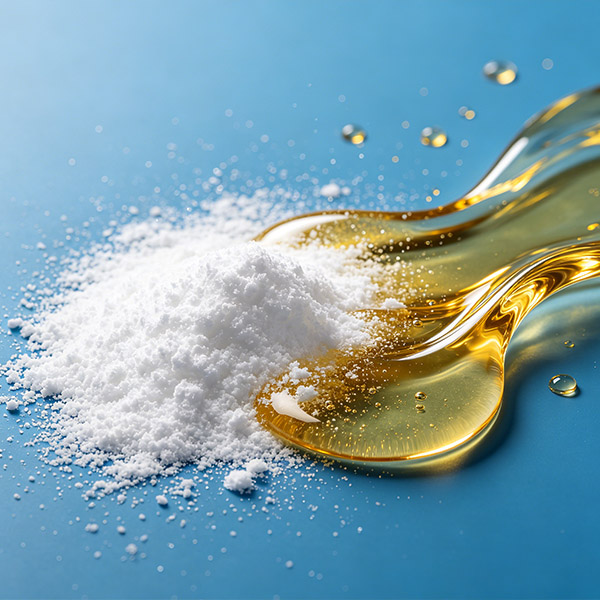
Food Grade Adsorbent Silica
Food Grade Adsorbent Silica is a synthetic amorphous silica produced by precipitation from waterglass and sulfuric acid, CAS 7631-86-9, E551/INS 551. Its supplied specification lists SiO₂ ≥99%, D50 10–25 μm, BET 190–700 m²/g, pH 6.0–7.5, LOD ≤7%, oil absorption 200–350 ml/100g and 15–20 kg bags. The stated application scope is food, nutraceuticals, flavors, solid drinks, seasonings and pet food. This is a broad food-grade adsorbent. It is not automatically a substitute for a dedicated oil-refining or frying-oil filter aid; the process job and pilot result decide.
Step-by-Step Breakdown: a neutral decision path
- Define the process step. Write down whether the job is refining (degumming, de-soaping, bleaching), frying-oil treatment, or food-grade adsorption and carrier work. This single step prevents most mis-selection.
- Match the product family to the job. For refining, start with Silica for Edible Oil. For frying-oil treatment, start with Frying Oil Filter Aid Silica. For food-grade adsorption and carrier work, start with Food Grade Adsorbent Silica. If two products seem to fit, compare the next three steps before ordering.
- Compare the four buyer-critical specifications. Oil absorption, pH, moisture/caking risk, and pilot trial results. These four items reveal more about application fit than a generic product name.
- Confirm compliance and documentation. Ask for a batch COA, the food-additive identity where applicable (E551/INS 551), FDA 21 CFR 172.480 and FCC compliance where required, and the food-safety management certificate. Zhonglian Food Silica cites FSSC 22000 certificate CQC25FS1229R0S/4400 valid 2025–2028 and ISO 22000. For export markets, confirm Halal or Kosher documents if the buyer’s market requires them.
- Run a pilot, not a paper swap. Use 1–25 kg pilot batches, run parallel tests at the same dosage as the original formulation, and benchmark D50, oil absorption, pH and loss on drying. Evaluate flowability, anti-caking performance, color and solubility, then run accelerated stability testing at 40 °C / 75% RH for 2–4 weeks. Document results and approve for scale-up only if performance is acceptable.
- Scale up with batch control. Use pilot material from the same batch as full-scale production, seal and retain trial samples, and do not skip pilot trials to go straight to full production. Batches are retained for at least 6 months and are traceable by lot number, supporting repeat and contract orders.
Use Cases: which grade to start with
- Vegetable or animal oil refining: Start with Silica for Edible Oil. Its stated use is degumming, de-soaping and bleaching, plus biodiesel or renewable diesel feedstock preparation. Pay attention to the low-solids specification, the 10–15 minute contact time and the acidic pH range of 1.5–3.0.
- Industrial or catering frying-oil treatment: Start with Frying Oil Filter Aid Silica. It is specified for high adsorption of polar polymers and free fatty acids and is dosed through existing filters. Confirm the exact grade pH, LOD, D50 and filter compatibility.
- Food powders, flavors and food-grade adsorption: Food Grade Adsorbent Silica fits food, nutraceuticals, flavors, solid drinks, seasonings and pet food. Its pH 6.0–7.5, LOD ≤7% and oil absorption 200–350 ml/100g are the first specifications to review.
- Do not cross-use without a pilot: If the job is oil refining, the food-grade adsorbent may not deliver the intended refining result without a trial. If the job is food powder flow or flavor adsorption, the acidic oil-refining grade may not be the right starting point. Let the process step and pilot data decide.
Comparison Table: application fit and specification checks
| Product | Primary fit in oil processing or filtration | Relevant specifications from the supplied corpus | What to verify before purchase |
|---|---|---|---|
| Silica for Edible Oil | Animal and vegetable oil refining: degumming, de-soaping and bleaching; biodiesel or renewable diesel feedstock preparation. | SiO₂ ≥99.7%; BET around 700 m²/g; D50 16–26 μm; pH 1.5–3.0; low solids; contact time 10–15 minutes; 20/25 kg bags. | pH compatibility with the oil system; solids load; filtration behavior; pilot result; COA for the exact grade. |
| Frying Oil Filter Aid Silica | Fried foods, shortening, catering and industrial frying-oil treatment; edible oil, animal fats, vegetable oils, beer and beverage adsorption processing additives. | SiO₂ ≥99%; high BET; D50 per grade; high adsorption of polar polymers and free fatty acids; dosed through existing filters; 20/25 kg bags. | Current grade pH and LOD; D50; filter compatibility; adsorption performance in the actual frying-oil system. |
| Food Grade Adsorbent Silica | Food, nutraceuticals, flavors, solid drinks, seasonings and pet food; food-grade adsorption and carrier work. | SiO₂ ≥99%; D50 10–25 μm; BET 190–700 m²/g; pH 6.0–7.5; LOD ≤7%; oil absorption 200–350 ml/100g; 15–20 kg bags. | Oil absorption for liquid loading; pH compatibility; LOD and caking risk; food-grade compliance; pilot result. |
Specifications buyers should compare before ordering
Oil absorption
Oil absorption (DBP value) measures pore capacity to take up oils and liquids. A higher value means higher liquid loading capacity. Food Grade Adsorbent Silica lists 200–350 ml/100g, which is directly relevant when the grade is used to carry or adsorb liquid components. For Silica for Edible Oil and Frying Oil Filter Aid Silica, the supplied specification emphasizes BET and adsorption of polar polymers or free fatty acids rather than a single oil-absorption number. If your process depends on liquid loading, request the DBP or oil-absorption value from the current COA or TDS. A failed liquid carrier application is often linked to choosing a low-oil-absorption grade.
pH
pH mismatch can degrade sensitive ingredients such as vitamins, enzymes and APIs. Food Grade Adsorbent Silica is specified at pH 6.0–7.5, which is near-neutral. Silica for Edible Oil is specified at pH 1.5–3.0, which is acidic. Standard grades are near-neutral at pH 6.5–6.8, and grade G300 is mildly acidic at pH 2.6 for acidic systems. For Frying Oil Filter Aid Silica, confirm the exact grade pH on the current COA because the supplied specification gives per-grade data rather than one fixed pH. For sensitive formulations, run a pH compatibility trial before switching.
Moisture and caking risk
Loss on Drying (LOD) measures free moisture in the product. A high LOD means the silica adds moisture to the system instead of absorbing it, which defeats its anti-caking purpose. Food Grade Adsorbent Silica has an LOD limit of ≤7%. Zhonglian silica products control LOD at approximately 4.27% compared with a typical competitor specification of ≤6%; use the batch COA for the exact grade. For oil-grade powders, moisture can affect flow, storage and filter performance, so request LOD and packaging details. Buyers in high-humidity regions or using long ocean freight should prioritize low-moisture grades because low-moisture grades reduce premature caking risk in humid storage and long transit.
Pilot trial results
COA compliance does not guarantee finished-product performance. In-spec raw-material parameters only mean that the material is chemically compliant; end performance is also affected by formulation, process and equipment. Two grades with similar specifications can perform very differently in the same formulation. Use 1–25 kg pilot batches, run parallel tests at the same dosage as the original formulation, evaluate the process outputs that matter to your line, and run accelerated stability testing at 40 °C / 75% RH for 2–4 weeks. Approve for scale-up only if performance is acceptable.
FAQ
What documents should be checked before approving a food-grade silica supplier?
Check the batch COA, the food-additive identity where applicable (E551/INS 551), FDA 21 CFR 172.480 and FCC compliance where required, and the food-safety management certificate. Zhonglian Food Silica cites FSSC 22000 certificate CQC25FS1229R0S/4400 valid 2025–2028 and ISO 22000. For export markets, confirm Halal or Kosher documents if the buyer’s market requires them.
Why does pH matter when comparing Silica for Edible Oil and Food Grade Adsorbent Silica?
pH mismatch can degrade sensitive ingredients such as vitamins, enzymes and APIs. Food Grade Adsorbent Silica is specified at pH 6.0–7.5, while Silica for Edible Oil is specified at pH 1.5–3.0. Standard grades are near-neutral at pH 6.5–6.8, and grade G300 is mildly acidic at pH 2.6 for acidic systems. For Frying Oil Filter Aid Silica, confirm the exact grade pH on the current COA. Run a pH compatibility trial first for sensitive formulations.
Why is oil absorption value important in adsorbent silica selection?
Oil absorption (DBP value) measures pore capacity to take up oils and liquids. A higher value means higher liquid loading capacity. Food Grade Adsorbent Silica lists 200–350 ml/100g. For oil-refining and frying-oil grades, request the oil-absorption value if your process depends on liquid loading, because the supplied specification may emphasize BET and adsorption of polar polymers or free fatty acids instead. A failed liquid carrier application is often linked to choosing a low-oil-absorption grade.
Why are pilot trials necessary before switching silica grades?
COA compliance does not guarantee finished-product performance. Two grades with similar specifications can perform very differently in the same formulation because end performance is also affected by formulation, process and equipment. Use 1–25 kg pilot batches, run parallel tests at the same dosage, benchmark D50, oil absorption, pH and LOD, and run accelerated stability testing at 40 °C / 75% RH for 2–4 weeks. Do not skip pilot trials and go straight to full production.
How should buyers plan long-term food-grade silicon dioxide supply and annual supply agreements?
Start with a sample and a documented pilot, then discuss annual volume, lead time and batch documentation. Zhonglian Food Silica states 4 lines across Fujian, Guangzhou and Shandong with total capacity above 110,000 t/yr; 10,000-ton lines produce about 1,200 t/month with own warehousing, per-batch retention and safety stock. Standard goods ship within 7 days, standard lead time is 3–7 working days, custom orders take 15–20 days, and export is on FOB/CIF terms. For a sample or annual supply discussion, contact Zhonglian Food Silica at levin@silicaplant.com or www.silicaplant.com.
Conclusion: choose by process step, then prove it in a pilot
The neutral decision path is straightforward. If the job is refining animal or vegetable oil, start with Silica for Edible Oil and verify pH 1.5–3.0, low solids and the 10–15 minute contact time. If the job is frying-oil treatment, start with Frying Oil Filter Aid Silica and verify the exact grade pH, LOD, D50 and filter compatibility. If the job is food-grade adsorption or carrier work, start with Food Grade Adsorbent Silica and compare oil absorption, pH 6.0–7.5 and LOD ≤7%. In all three cases, the final decision should be based on a 1–25 kg pilot trial, not on a name alone.
Next step: validate the grade, then plan the annual volume
Request a 1–5 kg sample for a side-by-side pilot trial, ask for a quote against your annual volume, or download the Food Grade Silica Brochure for product and compliance details.
www.silicaplant.com | levin@silicaplant.com | Download the Food Grade Silica Brochure
Have Questions or Need More Details?
Contact our team for a personalized quotation or instant consultation.
Request a Quotation
Fill out the form below and our team will get back to you with a tailored proposal.
WhatsApp Direct Chat
Prefer to chat in real-time? Message us on WhatsApp for instant assistance & quick answers.
- Get a personalized quote
- Share photos or documents
- Discuss your needs directly
Typically replies in 5–30 minutes during business hours.