E551 Food Grade Silica Powder: Certification and Specification Guide
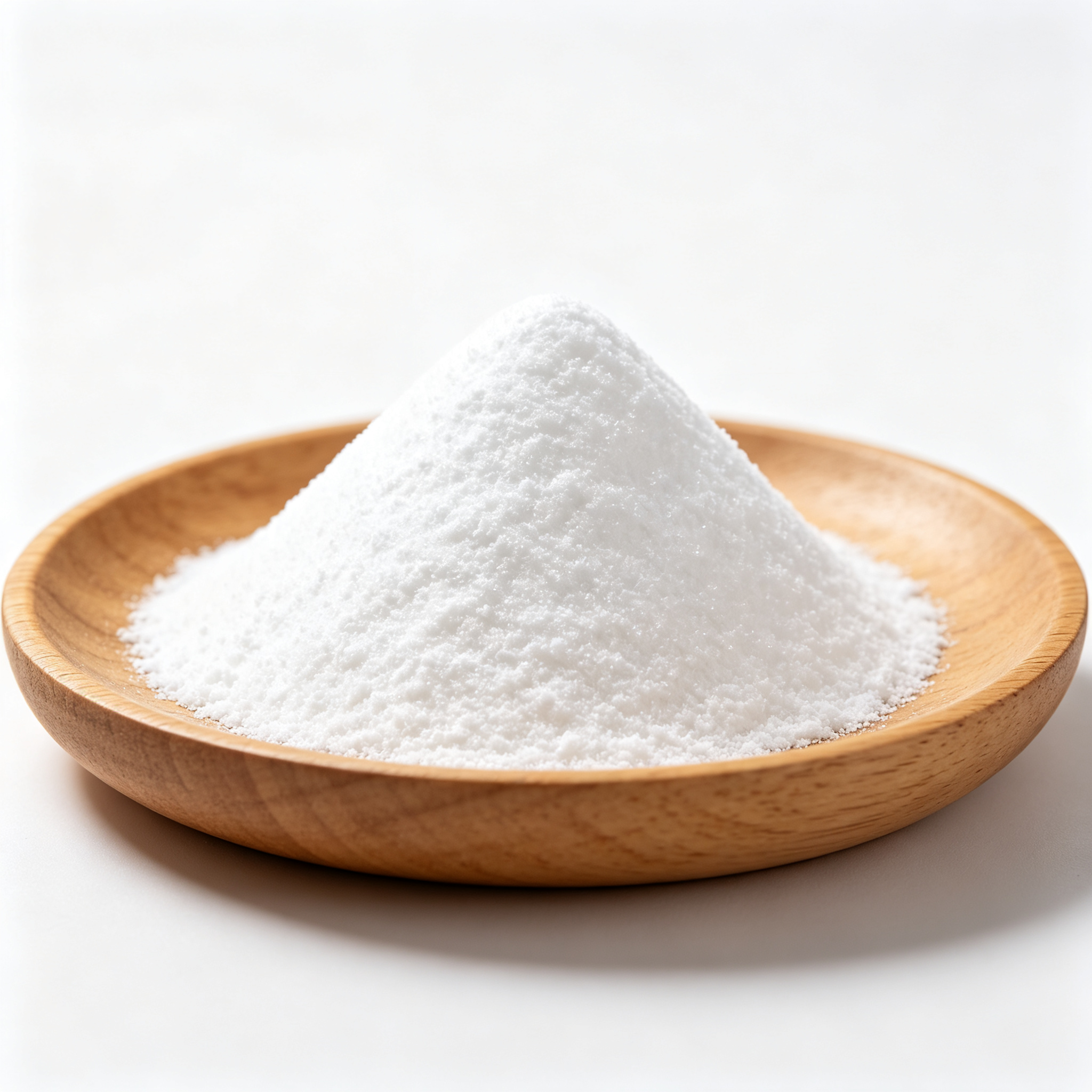
A food grade silica powder purchase is a compliance decision long before it is a functional one. Amorphous silicon dioxide — CAS 7631-86-9, E 551, INS 551 — has served as an anti-caking, free-flow and carrier material in powdered foods for decades, and its safety profile is well documented. The European Food Safety Authority re-confirmed in October 2024 that E 551 raises no safety concern for any population group, including infants. JECFA evaluated the acceptable daily intake as "not specified." The United States recognises the substance as GRAS under FDA 21 CFR 172.480.
What actually gates a purchase, therefore, is not the molecule. It is the evidence around it: which standard a batch is tested against, which heavy-metal limits it must satisfy, whether the certificate scope covers your destination market, and whether the physical parameters match your powder system. This guide walks through that constraint layer for buyers in the research and evaluation stage — the specifications, pharmacopoeia limits, certification matrix and commercial bands that decide whether a silica powder can legally and functionally enter a finished food product.
The Compliance Question Comes Before the Formulation Question
Most sourcing conversations start in the wrong order. Buyers ask for a price per ton, then ask whether the grade will work, then discover that the documentation does not match the market they intend to sell into. The sequence should be reversed: destination market first, then specification, then certification, then sample validation, and only then commercial terms.
Three failure modes recur in food grade silica powder procurement:
- Standard mismatch. A grade tested only against a domestic standard is offered for an export programme that requires FCC or E 551 purity criteria to be evidenced on the certificate of analysis.
- Parameter mismatch. Two silica powders can both report "SiO₂ ≥ 99%" and still behave completely differently in the same formulation because particle size distribution, specific surface area and oil absorption differ.
- Traceability gap. A supplier may hold certifications, but the certificate scope may not cover the specific product line being purchased or the target market being served.
Each of these is avoidable, and each is resolved by asking for documents rather than assurances.
What "Food Grade" Actually Constrains
Food grade silica powder is defined by its regulatory identity, not by a marketing descriptor. Precipitated silica is a synthetic amorphous material produced from sodium silicate and acid; fumed silica is produced by high-temperature flame hydrolysis. Both are amorphous, and amorphous structure is the point: crystalline silica carries entirely different toxicology, while food grade silicon dioxide is accepted for oral use, is not absorbed, and is excreted unchanged.
The category is commercially significant. Global food grade silica was valued at approximately USD 0.87 billion in 2025, and global precipitated silica volumes reached roughly 3.25 million tons over the same period. Under the Harmonized System, silicon dioxide is classified under HS code 281122.
For a buyer, the practical meaning of "food grade" narrows to five constraint groups:
- Chemical identity — amorphous, not crystalline; identified by CAS 7631-86-9.
- Purity limits — SiO₂ content plus heavy-metal ceilings for lead, arsenic, mercury and cadmium.
- Physical parameters — particle size distribution, specific surface area (BET), oil absorption, loss on drying and loss on ignition.
- Microbiological limits — total aerobic count, moulds, yeasts and the absence of pathogens.
- Regulatory access — the standard against which each batch is released, and the certification scope attached to the supplier.
Reading a Food Grade Silica Powder Specification Sheet
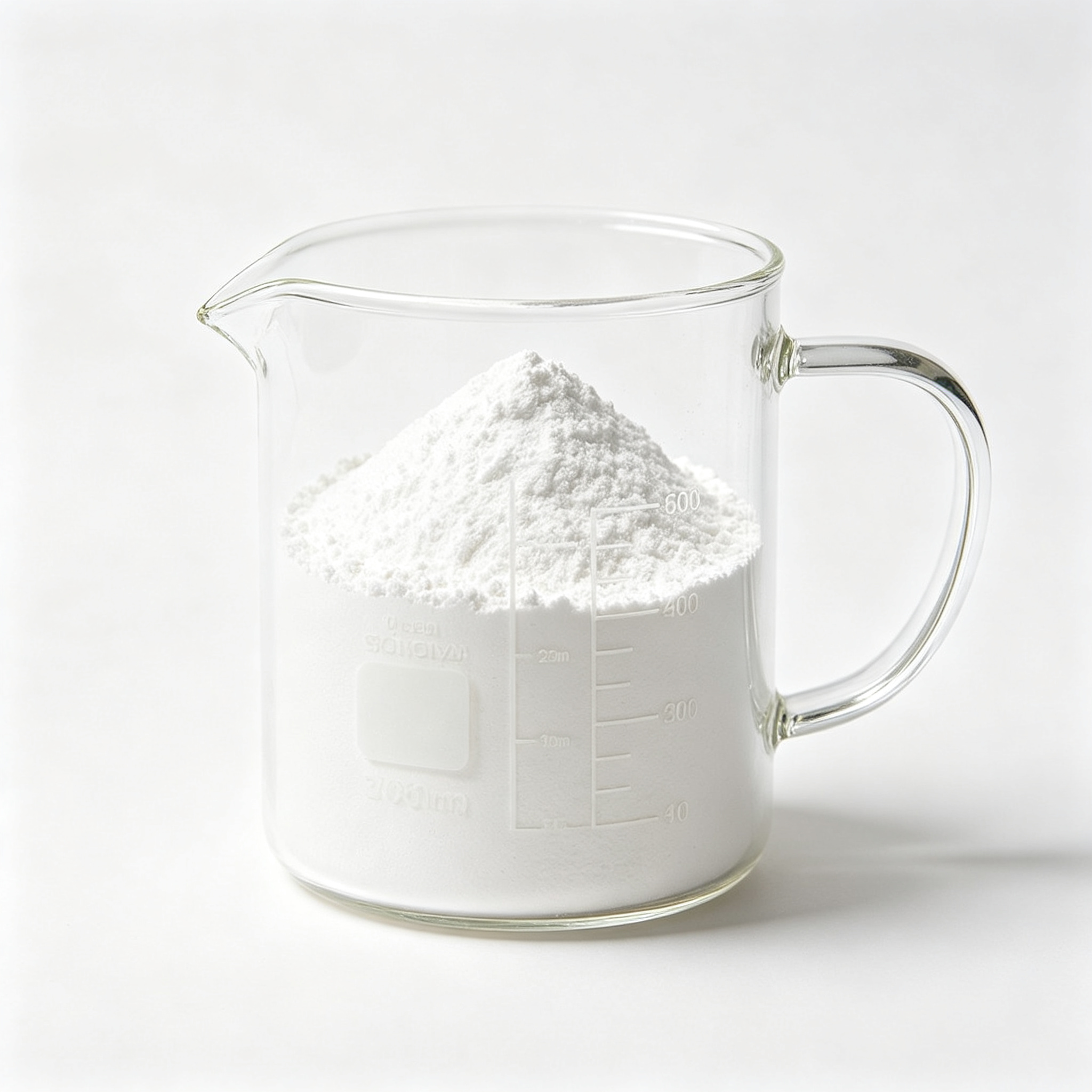
A usable specification sheet answers three questions: how pure is it, how does it behave, and is it microbiologically clean. If the sheet cannot answer all three with numbers, the grade is not ready for evaluation.
Purity, identity and heavy-metal limits
High-purity grades of food grade silicon dioxide carry an SiO₂ content of ≥ 99%, and pharmaceutical grades can reach ≥ 99.5%. The primary material content in some specifications reaches 99.9% or higher. Purity alone, however, is the least discriminating number on the sheet — almost every serious supplier reports a high figure. Heavy metals are where suppliers separate.
Under GB 25576-2020, FCC and EU 231/2012 limits, heavy metals for lead (Pb), arsenic (As), mercury (Hg) and cadmium (Cd) are capped at defined ceilings. Pharmacopoeia grades (USP–NF, EP, JP) typically specify lead ≤ 1–2 ppm and total heavy metals ≤ 10 ppm. Some manufacturers apply internal limits tighter than the national standard — for example, lead ≤ 0.1 mg/kg, arsenic ≤ 1 ppm and iron ≤ 5 ppm, compared with a national iron limit of 30 ppm. For buyers, internal limits matter because they create margin against regressions in raw-material quality.
What to ask for: the actual, batch-level heavy-metal figures — not the standard limit the product is "designed to meet." A certificate of analysis should show measured values against specified ceilings.
Physical parameters that decide whether the grade works
Physical parameters are application-specific, and this is where most technical evaluation effort should go.
- Particle size (D50). Fine grades disperse rapidly in liquids and reduce grittiness; coarser grades are chosen for carriers and for dust control. Salt applications, for instance, often use a 325-mesh grade with a D50 near 44 μm, while general flow-aid grades sit around D50 14–19 μm.
- Specific surface area (BET). A higher BET means more developed porosity and stronger adsorption. General anti-caking grades typically sit near 190 m²/g; dedicated oil-adsorbent grades can reach approximately 700 m²/g.
- Oil absorption. This determines how much liquid — flavour, essential oil, vitamin — a carrier grade can hold before losing free-flow.
- Loss on drying (LOD). Residual free moisture. A high LOD means the silica adds water to your system instead of removing it, undermining the anti-caking function.
- Loss on ignition (LOI). Bound water and trace organic residue, an indicator of process cleanliness.
- pH. Standard food grades sit near neutral; acidic grades exist for acidic systems. pH mismatch can degrade sensitive actives, so it should be confirmed against the formulation rather than assumed.
Microbiological specification
Microbiological control follows USP <61>/<62> and food-grade requirements: total aerobic count, moulds and yeasts are controlled, and pathogenic bacteria such as E. coli must be absent. Because silica is chemically inert and supplies no microbial nutrition, a sealed, dry product holds its microbiological profile over a long shelf life — but only if the packaging seal and warehousing humidity are controlled.
The Certification Matrix: What to Verify Before Approving a Supplier
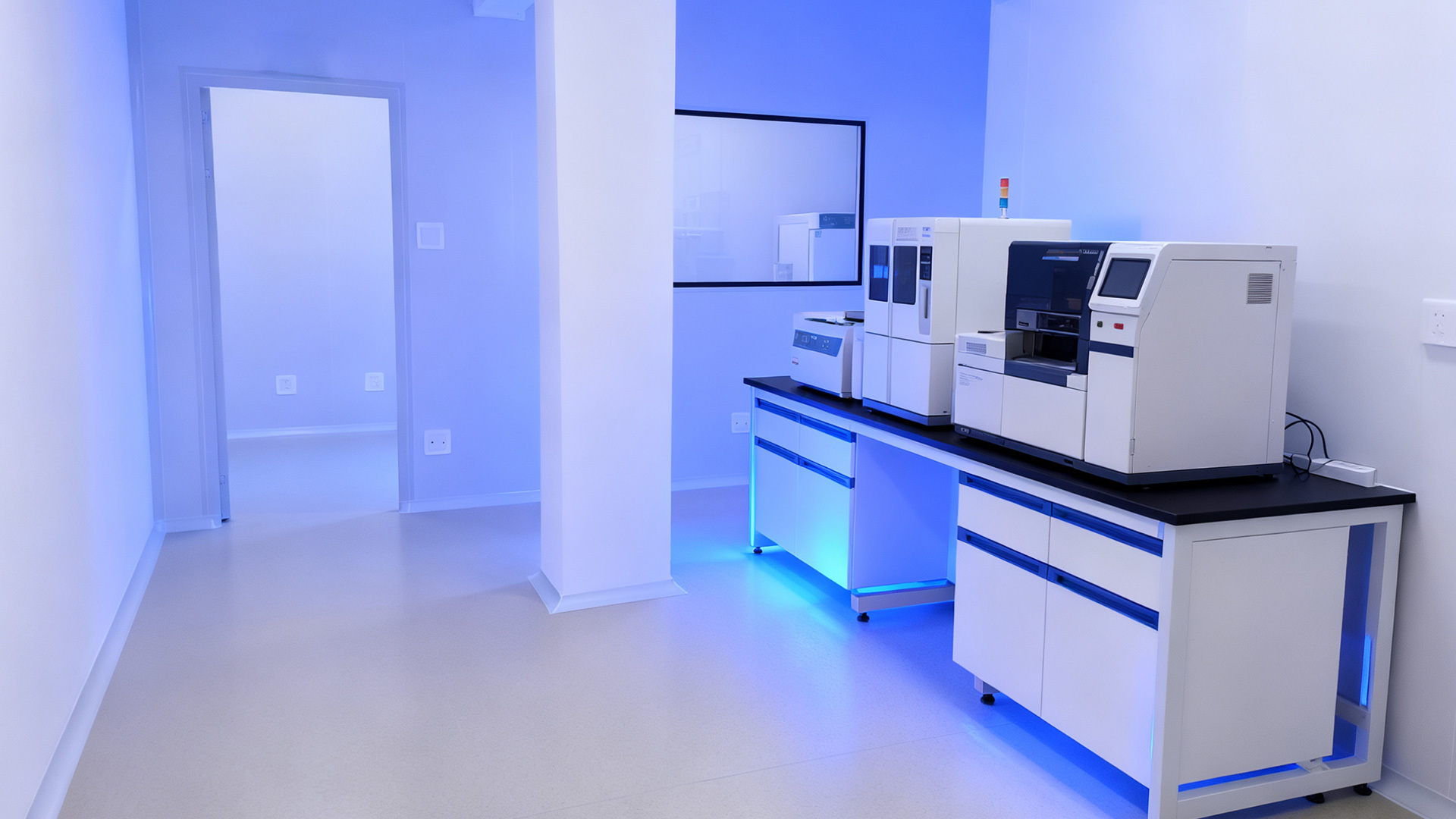
Certifications for food grade silica powder fall into four layers, and a supplier is only as usable as its weakest layer for your specific market.
1. Product standards
- China: GB 25576-2020 Food Additive – Silicon Dioxide, with use provisions under GB 2760.
- United States: FDA 21 CFR 172.480 (GRAS) and the Food Chemicals Codex (FCC).
- European Union: food additive number E 551, with purity criteria under Commission Regulation (EU) No 231/2012 and use provisions under Regulation (EC) No 1333/2008.
- International: JECFA evaluation of silicon dioxide, with an ADI of "not specified."
- Pharmacopoeia: USP–NF, EP and JP specifications for pharmaceutical and nutraceutical excipient use.
2. Management-system certifications
- ISO 9001:2015 — quality management.
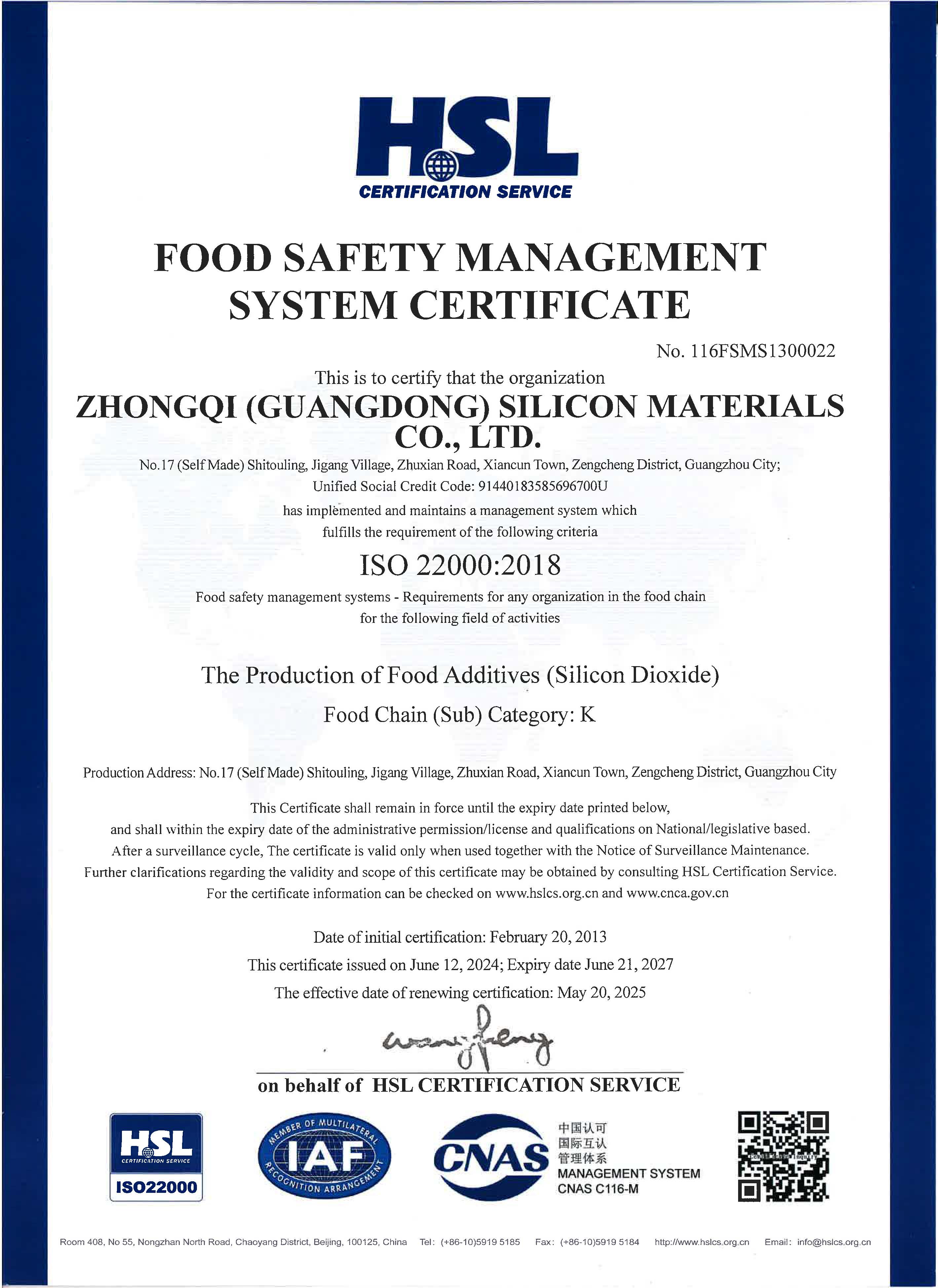
- ISO 22000:2018 — food safety management.
- FSSC 22000 — GFSI-recognised food safety system certification.
- FAMI-QS — feed ingredient supply, relevant if you also source animal feed or pet food grades.
3. Religious and social compliance
- HALAL certification, covering the silica range.
- OU Kosher certification (Parve grade), issued by the Orthodox Union.
- SEDEX SMETA social compliance audit, relevant for retail and brand-owner supply chains.
4. Facility registration
- US FDA Food Facility Registration, which allows the facility to supply the US market.
Verification note: certification scope matters as much as the certificate itself. Ask whether the specific product line you intend to buy — food grade precipitated silica, FCC grade, pharmaceutical excipient grade — is listed within the certificate scope, and confirm expiry dates before scheduling production.
Shandong Zhonglian Chemical Co., Ltd., the overseas sales and brand operation arm of Zhongqi (Guangdong) Silicon Material Co., Ltd., maintains a qualification matrix covering these layers. Its systems certifications include ISO 9001:2015, ISO 22000:2018 and FSSC 22000, with FAMI-QS covering feed ingredients; product-line certifications include HALAL, OU Kosher, US FDA registration and SEDEX SMETA social compliance. USP–NF, EP and JP specifications are available for pharmaceutical and nutraceutical grades.
Step-by-Step: How to Qualify a Food Grade Silica Powder Supplier
The qualification process below is written for a buyer moving from a long list to an approved supplier. It is deliberately document-led.
Step 1 — Map the destination market to the required standard
Before requesting quotations, list every market the finished product will be sold into and the standard each market requires. A product sold in the EU needs E 551 compliance evidence; a US-bound product needs FDA 21 CFR 172.480 and FCC alignment. If a supplier cannot state which standard a given grade is released against, that grade cannot be evaluated.
Step 2 — Request a batch-level certificate of analysis and read the test items
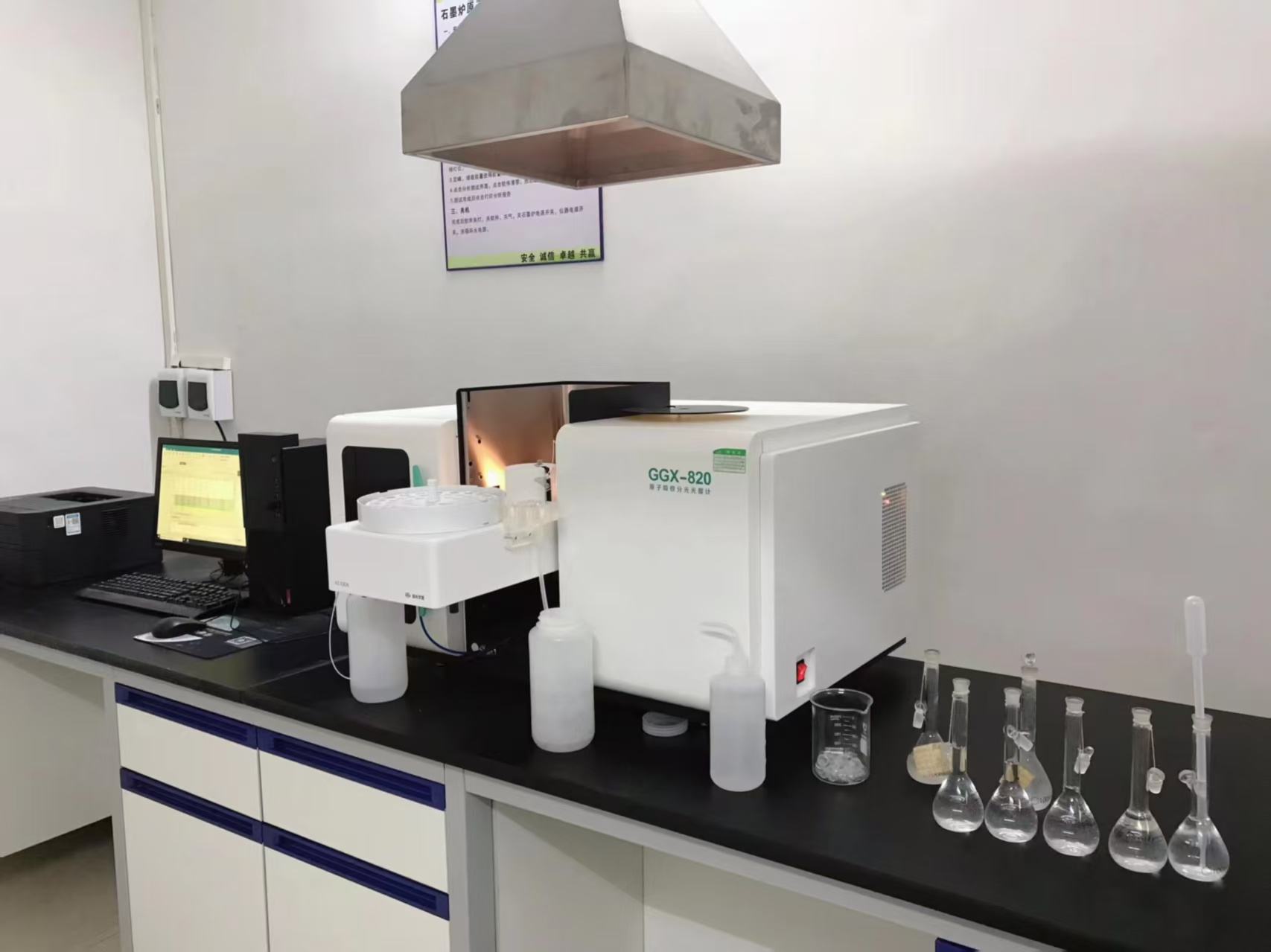
A compliant certificate of analysis should show measured values for SiO₂ content, loss on ignition, loss on drying, pH, soluble salts, chlorides and sulfates, heavy metals (Pb, As, Hg, Cd) and microbiological results. Key parameters should be tested per batch against the applicable standard, with specific model parameters and limit values subject to the actual batch and the selected standard.
Step 3 — Verify certification scope, not just certificate existence
Cross-check the certificate scope against the product line and the market. Confirm validity dates. For regulated markets, confirm whether the supplier can issue the supporting documentation — regulatory dossiers, statements and multi-language certificates — that import clearance and customer audits require.
Step 4 — Confirm the physical specification against your powder system
Match D50, BET, oil absorption, LOD and pH to the application rather than to a generic "food grade" label. A high-fat powder system, a high-temperature process and a clear liquid application each impose different requirements.
Step 5 — Run a pilot trial before scale-up
Specification compliance and finished-product performance are not the same thing. Two grades with similar specifications can behave differently in the same formulation because performance is also influenced by formulation, process and equipment. A pilot trial using material from the same batch as intended full-scale production, evaluated on flowability, anti-caking behaviour, colour, solubility and accelerated stability, is the only reliable way to confirm fit.
Step 6 — Confirm commercial terms, lead time and documentation
Only after the technical and compliance questions are settled should commercial terms be finalised. Packaging, lead time for stocked versus custom grades, and the documentation pack that accompanies each shipment should all be defined in writing.
Use Cases: Where Specification Constraints Actually Bite
Different end applications place different constraints at the top of the priority list. The examples below reflect the grades and parameters typically specified for each category.
Spices, seasonings and compound condiments
Chilli powder, curry, pepper, bouillon and compound seasonings are hygroscopic and oil-bearing, so the priority is high oil absorption combined with a grade that does not interfere with aroma. Typical grades for this category report D50 around 50 μm, BET near 200 m²/g, pH 5.5–7.5 and LOD ≤ 6.5%, with high oil absorption supporting both anti-caking and liquid flavour carrying.
Non-dairy creamer, milk powder and instant beverage powders
Fat- and sugar-rich powders cake under humidity and block conveying lines. Grades for non-dairy creamer typically report D50 40–60 μm, BET 230 ± 20 m²/g, pH 6.0–7.5 and LOD ≤ 6.5%. Typical addition rates in this family sit at the low end of the food additive range, which keeps formulation cost impact modest.
Salt and salt substitutes
Salt is one of the most demanding anti-caking applications because the base material is highly crystalline and free-flowing by nature. A 325-mesh grade with D50 around 44 μm, BET near 170 m²/g, pH 5.5–7.5 and LOD ≤ 7.0% is typical, at a dose in the region of 0.5–1%.
Edible oil refining and beer filtration
This application uses adsorbent rather than anti-caking behaviour. High-purity silica gel grades for edible oil refining report SiO₂ ≥ 99.7%, BET around 700 m²/g and D50 in the 16–26 μm range, used for degumming, de-soaping and bleaching support alongside bleaching earth, and for frying oil treatment and animal fat processing. In beverage processing, silica functions as a fining aid for beer, wine and juice.
Pet food and animal feed
Feed-grade precipitated silica is used for anti-caking and flow in mineral and vitamin premixes, and as a carrier for liquid feed ingredients. Grades in this family report SiO₂ ≥ 98%, D50 10–50 μm, BET 150–550 m²/g, pH 6.0–7.5 and LOD ≤ 7%, with typical doses in the 0.5–2% range. FAMI-QS certification is the relevant system qualification here.
Pharmaceutical and nutraceutical excipients
Here the constraint shifts to pharmacopoeia compliance. Excipient grades are specified against USP–NF, EP or ChP monographs, with lead ≤ 1–2 ppm and total heavy metals ≤ 10 ppm, and are used as glidants, anti-caking agents, adsorbent carriers and disintegration aids in solid dosage forms.
Comparison Table: Food Grade Silica Powder Standards by Market
The table below summarises the principal regulatory standards and the specification constraints each imposes. It is intended as a scoping tool for Step 1 of the qualification process above.
| Market / Framework | Governing Standard | Key Specification Constraint | Zhonglian Food Silica Coverage |
|---|---|---|---|
| China | GB 25576-2020; GB 2760 use provisions | SiO₂ (ignited) graded by class; heavy metals (as Pb), arsenic, lead limits defined per class; microbial limits specified | High-purity precipitated grades at SiO₂ ≥ 99%; internal limits of Pb ≤ 0.1 mg/kg, As ≤ 1 ppm and Fe ≤ 5 ppm |
| United States | FDA 21 CFR 172.480 (GRAS); FCC | FCC: SiO₂ ≥ 94.0%; arsenic, lead and mercury limits; loss on drying and loss on ignition ceilings | FDA 21 CFR 172.480 and FCC compliance; US FDA Food Facility Registration held |
| European Union | E 551; Commission Regulation (EU) No 231/2012; Regulation (EC) No 1333/2008 | E 551 purity criteria and permitted use provisions | E 551 grades available; EFSA 2024 re-evaluation confirms safety for all population groups |
| International / Codex | JECFA silicon dioxide evaluation | ADI established as "not specified" | JECFA-aligned compliance documented on the product dossier |
| Pharmaceutical / Nutraceutical | USP–NF, EP, JP monographs | Pb ≤ 1–2 ppm; total heavy metals ≤ 10 ppm; microbiological and residue-on-ignition limits | USP–NF, EP and JP pharmacopoeia grade specifications available |
| Feed / Pet food | FAMI-QS | Feed-grade purity, low heavy metals, low fluoride and soluble impurity content | FAMI-QS certification covering specialty feed ingredients |
| Religious and social | HALAL; OU Kosher; SEDEX SMETA | Certificate scope must cover the specific product line and market | HALAL, OU Kosher (Parve) and SEDEX SMETA 4-Pillar social compliance held |
Specification ceilings vary by class and by destination market. Always confirm the limit values on the actual batch certificate of analysis and against the standard selected for your target market.
Where Commercial Terms Fit
Price bands for food grade silica powder reflect the cost of the compliance layer, not only the cost of the chemistry. A grade released against a single domestic standard and a grade released against multiple pharmacopoeia monographs with a full regulatory dossier package are not the same product, even when both read "SiO₂ ≥ 99%."
For buyers currently sourcing from international first-tier suppliers, domestic Chinese production has become a practical alternative in several applications, with core performance benchmarked against international first-tier brands at lower cost, and shorter logistics lead time. The evaluation discipline described above is what makes such a switch safe: standards first, specification second, sample validation third, commercial terms last.
Lead time varies by grade type rather than by volume alone. Stocked standard grades and custom orders carry different production schedules, and the exact figure should be confirmed against the specific grade, quantity, inventory position and destination. Packaging ranges from small retail bags to 25 kg bags and jumbo bags, with multilingual labelling available.
FAQ
Which certifications should a China-based E 551 food grade silica powder manufacturer hold?
A usable supplier should be able to evidence four layers. On product standards: GB 25576-2020 Food Additive – Silicon Dioxide with GB 2760 use provisions for the domestic market, FDA 21 CFR 172.480 and FCC for the United States, and E 551 with Commission Regulation (EU) No 231/2012 and Regulation (EC) No 1333/2008 for the European Union. On management systems: ISO 9001:2015, ISO 22000:2018, FSSC 22000 and, where feed or pet food grades are involved, FAMI-QS. On religious and social compliance: HALAL, OU Kosher and, for retail supply chains, SEDEX SMETA. On facility access: US FDA Food Facility Registration. Certification scope should be checked against the exact product line being purchased, not just the supplier's certificate list.
How can I verify that a food grade silica powder actually meets E 551 and FCC specifications?
Verification is document-led. Request the batch-level certificate of analysis and read the measured values rather than the design targets: SiO₂ content, loss on ignition, loss on drying, pH, soluble salts, chlorides and sulfates, heavy metals for lead, arsenic, mercury and cadmium, and microbiological results covering total aerobic count, moulds and yeasts with E. coli absent. Pharmacopoeia grades should show lead ≤ 1–2 ppm and total heavy metals ≤ 10 ppm. Where a supplier applies internal limits tighter than the national standard — for example lead ≤ 0.1 mg/kg, arsenic ≤ 1 ppm and iron ≤ 5 ppm — those figures provide additional margin against raw-material variation. Finally, test critical items through an independent laboratory if the end product is going into a regulated market, and confirm that the reported values correspond to the standard you selected for that market.
Why does food grade silica powder pricing vary so much between suppliers?
Price variation usually reflects differences in the compliance layer rather than in the silica itself. A grade released against a single domestic standard carries a lighter testing and documentation burden than a grade released against multiple pharmacopoeia monographs with a full regulatory dossier, multi-language certificates and social compliance audit coverage. Physical specification also drives cost: grades with tightly controlled particle size distribution, higher specific surface area or very low iron content require more process control. When comparing quotations, normalise on the same standard, the same physical parameters and the same documentation pack. Buying on price alone without matching the specification is the most common route to a failed pilot trial.
Can I validate a food grade silica powder with a sample before committing to a bulk order?
Yes, and it is the recommended route when replacing an existing grade or introducing a new one. Specification compliance does not guarantee finished-product performance, because end behaviour is also influenced by formulation, process and equipment. A pilot trial should use material from the same batch as intended full-scale production, run in parallel against your current grade at the same dosage, and be evaluated on flowability, anti-caking performance, colour, solubility and microbiological results, followed by accelerated stability testing. Zhonglian Food Silica supplies free samples for side-by-side trials so that the evaluation is based on measured behaviour rather than specification sheets alone.
What are the typical MOQ and lead time for food grade silica powder from a Chinese supplier?
Commercial terms vary by grade, quantity and destination, so they should be confirmed in writing rather than assumed. Two practical patterns apply. First, standard stocked grades typically ship faster than custom orders, because custom work involves dedicated production scheduling. Second, packaging and labelling requirements — from small retail bags through 25 kg bags and jumbo bags, with multilingual labels where needed — also affect the schedule and should be specified before the order is placed. For an accurate MOQ, lead time and documentation pack for your specific grade and destination market, it is worth contacting the supplier directly with your target specification and volume.
To begin an evaluation, request a free sample with the corresponding batch certificate of analysis, or download the full Food Grade Silica brochure for the complete grade and specification listing.
Conclusion
Food grade silica powder is a mature material governed by a well-defined set of constraints. The work of evaluating a supplier is therefore predictable: identify the standard your destination market requires, read the batch certificate of analysis against that standard, verify that the certification scope covers the product line you intend to buy, confirm that the physical parameters match your powder system, and validate the grade in a pilot trial before scaling. Commercial terms come last, and only after the technical and compliance questions have been answered in writing.
Zhonglian Food Silica — operated by Shandong Zhonglian Chemical Co., Ltd. on behalf of Zhongqi (Guangdong) Silicon Material Co., Ltd. — manufactures food grade silicon dioxide under a qualification matrix spanning GB 25576-2020, FDA 21 CFR 172.480, FCC, EU E 551 and USP–NF/EP/JP specifications, supported by ISO 9001:2015, ISO 22000:2018, FSSC 22000, FAMI-QS, HALAL, OU Kosher and SEDEX SMETA credentials. Batch traceability, per-batch certificates of analysis and technical application support are provided across the food, feed, pharmaceutical, cosmetic and industrial silica range.
Request a Sample for Your Formulation
If you are evaluating a food grade silica powder specification against your current grade, the fastest route to a decision is a side-by-side trial. Zhonglian Food Silica provides free samples with the corresponding certificate of analysis so that flowability, anti-caking performance, colour and solubility can be measured in your own process before any bulk commitment.
Send your target specification, application and destination market, and the technical team will recommend the matching grade and the documentation pack required for that market. The complete grade listing and specification overview are available in the Food Grade Silica brochure.
Contact: levin@silicaplant.com | Website: www.silicaplant.com
Have Questions or Need More Details?
Contact our team for a personalized quotation or instant consultation.
Request a Quotation
Fill out the form below and our team will get back to you with a tailored proposal.
WhatsApp Direct Chat
Prefer to chat in real-time? Message us on WhatsApp for instant assistance & quick answers.
- Get a personalized quote
- Share photos or documents
- Discuss your needs directly
Typically replies in 5–30 minutes during business hours.