
Evaluating Silica Powder Suppliers: Low Heavy Metal, Low Iron and Black Specks
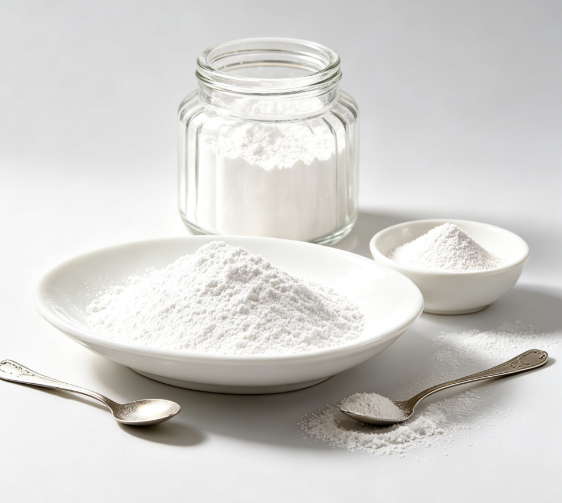
The fastest way to evaluate a silica powder supplier for high-purity and high-visual standards is to treat the purchase as an evidence review, not a price comparison. For low heavy metal silica, low iron food grade silica, silica free of black specks, pharmaceutical excipient silica and USP pharmaceutical silica, request batch-level COA data, iron and speck control records, pharmacopoeia documentation, sample and pilot-trial results, moisture-protection packaging, and written lead times. A supplier that can show the evidence sets below is easier to qualify than one that only offers a specification sheet.
Zhonglian Food Silica is the food-grade silica line operated by Shandong Zhonglian Chemical Co., Ltd., a China-based silicon dioxide manufacturer supplying food, pharmaceutical, oral-care, cosmetic and industrial grades. This article uses that supplier context as a working example, but the framework is written for any buyer comparing silica powder suppliers where color, purity and batch consistency are critical.
Problem Definition: Why Low Heavy Metal, Low Iron and Black Specks Are Separate Buying Problems
High-purity silica for white or clear products fails in different ways. Heavy metals are a regulatory and toxicological issue. Iron is a color and stability issue. Black specks are a visual and batch-rejection issue. A COA that shows SiO2 at or above 99% does not prove that iron is controlled, that black specks are absent, or that the grade is suitable for pharmaceutical use.
Iron ions are the main driver of yellowing and off-color in silica-based formulations. In the presence of flavor compounds such as ethyl maltol, vanillin and flavonoids, even trace iron can form colored complexes that turn powders yellow, dull white creams and cloud clear gels. Black specks create a different risk: a single visible black particle in a white tablet, clear toothpaste gel, milk powder or cosmetic cream can trigger full-batch rejection, customer claims and brand damage.
Heavy metals require their own evidence. Lead, arsenic and mercury are cumulative toxins with long-term health risks. Infant food, nutraceutical and EU or US export markets apply strict limits, so heavy metal values on the COA are a key check point for customers and customs. The practical conclusion is simple: evaluate heavy metals, iron and black specks as three separate control systems, then confirm that the supplier can document all three batch by batch.
Industry Background: Where Visual Purity Becomes a Qualification Gate
Food-grade silica is usually described by its functional role, such as anti-caking agent, flow aid or adsorbent carrier. The same material also appears as E551 food grade silica, CAS 7631-86-9 silica, food additive silica and amorphous silica. In oral-care and pharmaceutical supply chains, it appears as toothpaste grade silica, pharmaceutical excipient silica and USP pharmaceutical silica. The commercial grade name is not enough. Buyers need the regulatory endpoint, the visual requirement and the batch evidence to match.
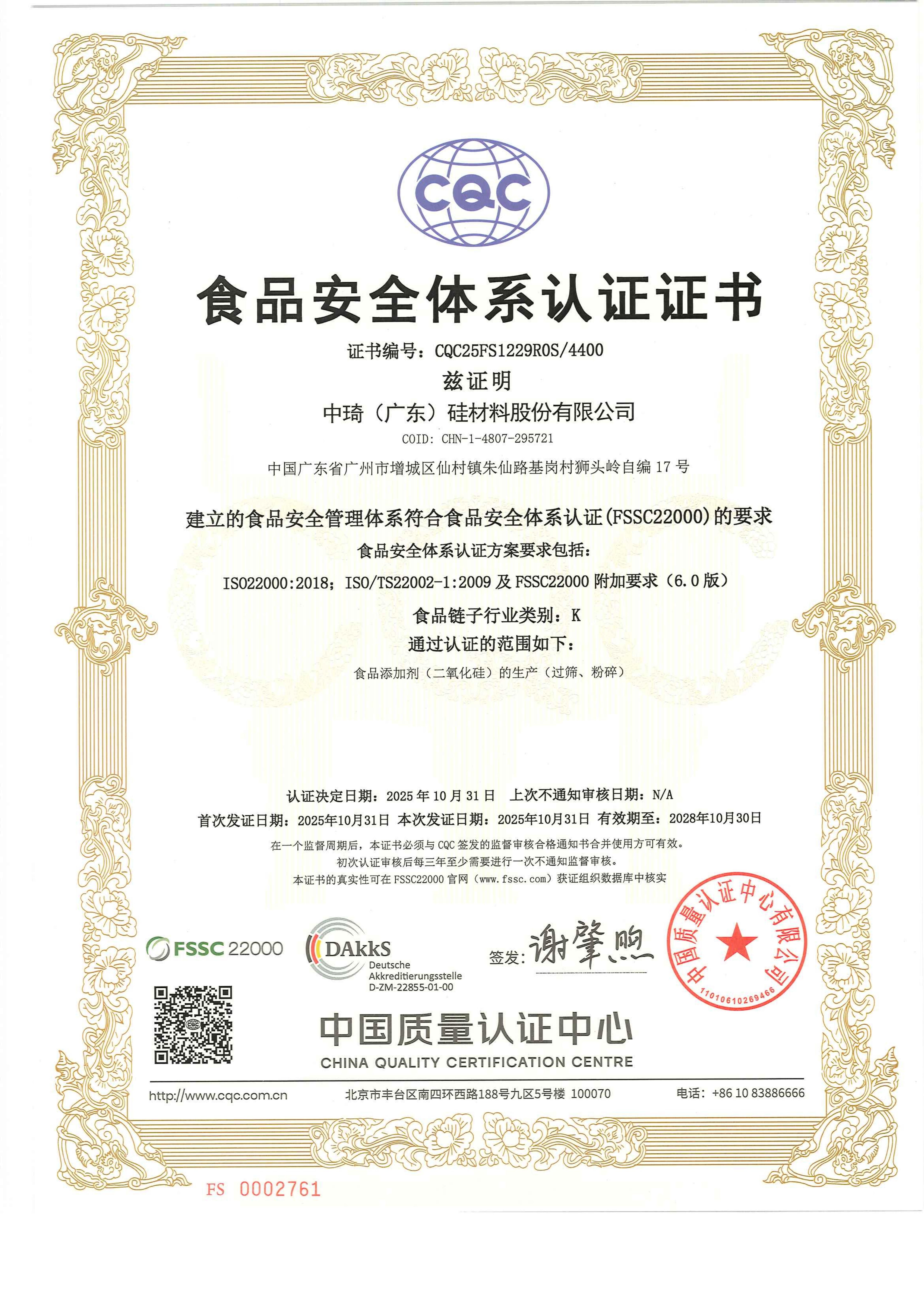
Regulatory baselines can include GB 25576-2020 and GB 2760 in China, FDA 21 CFR 172.480 and FCC in the United States, EU E551 with Commission Regulation (EU) No 231/2012 and Regulation (EC) No 1333/2008 in Europe, and USP-NF, EP or JP monographs for pharmacopoeia grades. A supplier may hold system certifications such as ISO 9001:2015, ISO 22000:2018 and FSSC 22000, plus HALAL, OU Kosher and FAMI-QS where relevant. These certifications support the management system, but they do not replace product-specific COA data or application trials.
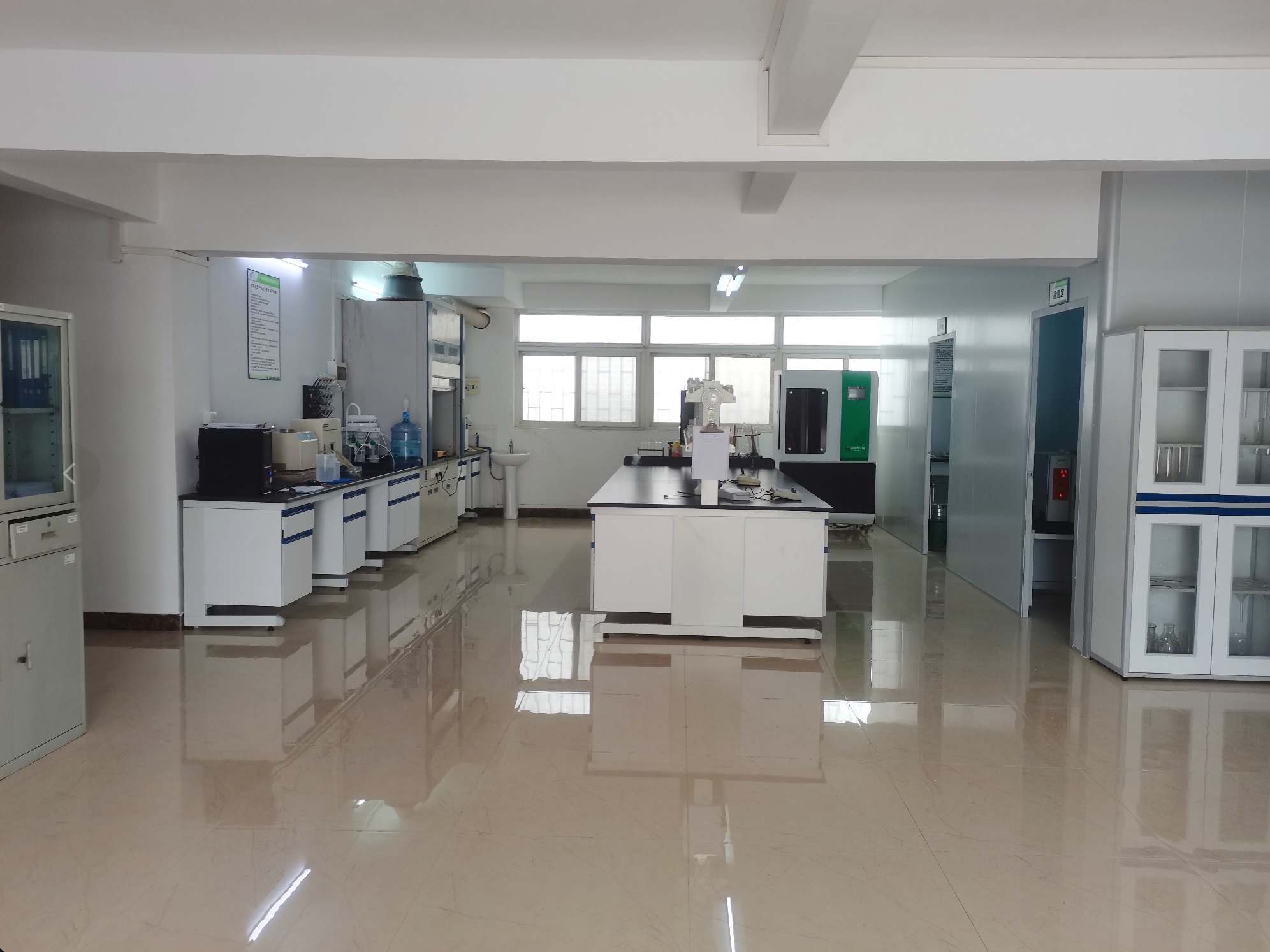
Detailed Solution: A Supplier Evaluation Framework for Low Heavy Metal, Low Iron and Black-Speck-Free Silica
1. Define the Grade by End Use and Regulatory Endpoint
Start with the finished product, not the silica grade name. A white milk powder, a transparent toothpaste gel, a white pharmaceutical tablet and a cosmetic cream each place a different priority on iron, speck count and pharmacopoeia compliance. Map the product to one of four practical endpoints: standard food-grade anti-caking or flow aid, low-iron food grade for color-sensitive powders, speck-free or ultra-white grade for visual-critical white products, and pharmacopoeia grade for pharmaceutical or nutraceutical use.
For food use, confirm that the grade is amorphous silica, CAS 7631-86-9, and that the intended use fits the relevant E551 or GB 2760 category. For pharmaceutical use, confirm USP-NF, EP or ChP compliance and the supporting documentation package, including TSE/BSE-free statements, allergen statements and residual solvent declarations where needed.
2. Audit Heavy Metal Evidence at Batch Level
Ask for a per-batch COA that lists lead, arsenic, cadmium, mercury and total heavy metals, not just a generic statement that the product is food grade. For pharmacopoeia-grade silica, typical published limits include Pb at or below 2 mg/kg, As at or below 3 mg/kg, elemental impurities per ICH Q3D, total microbes below 100 CFU/g and pathogens absent. For food-grade low heavy metal silica, confirm the applicable limits under GB 25576-2020, FCC and EU 231/2012, and ask how often key trace elements are sent to third-party laboratories.
Heavy metal control is not only a final test. It starts with raw-material selection, stainless-steel contact surfaces and controlled processing. A supplier should be able to explain where lead, arsenic and iron can enter the process and which control steps prevent that entry.
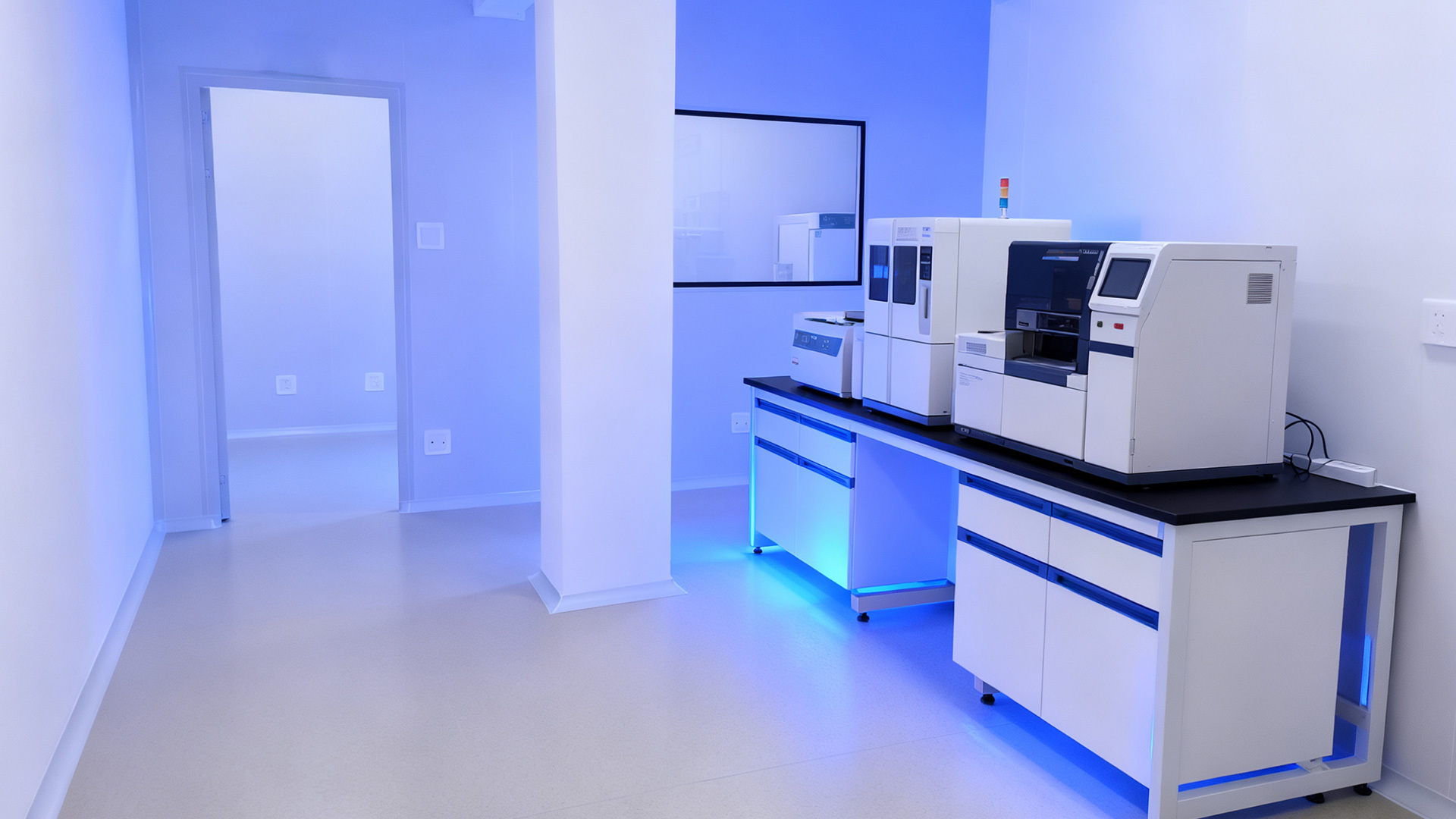
3. Verify Iron Control with a Printed Batch Result
Low iron food grade silica should be documented as a routine release parameter. Ask for iron tested per batch by ICP or atomic absorption, with the result printed on the COA rather than referenced from a historical report. In the Zhonglian Food Silica low-iron range, the standard grade is listed at Fe at or below 5 ppm and the premium low-iron grade at Fe at or below 1 to 2 ppm, against a typical benchmark of 30 ppm in general commercial grades. Whiteness is listed at 96% or higher, with premium grades at 98% or higher.
Iron control also depends on equipment. Stainless-steel process lines, a dedicated low-iron line and no carbon-steel contacts in the product zone help prevent iron pickup from wear. For buyers, the practical question is not only “what is the iron number” but “is iron tested every batch, is the result on the COA, and is the line dedicated or controlled against cross-contamination?”
4. Treat Black Specks as a Controlled Tier, Not a Marketing Claim
Black specks are usually silica itself, surface-coated with trace high-temperature carbides and mineral-associated crystals. They are not foreign plastic, dust or packaging debris, and third-party tests show no toxic heavy-metal enrichment. The commercial problem is visual, but the control method must be physical and procedural. Ask the supplier to define the speck tier: standard clean grade, low-speck grade, or zero-speck or ultra-white grade.
For the zero-speck or ultra-white tier, request multiple visual passes, color sorting, magnetic separation, fine screening and a speck count per batch reported on the COA. Zhonglian Food Silica publishes an internal black-speck limit of none above 0.3 mm, at most 1 particle from 0.2 to 0.3 mm per bag, and at most 10 particles below 0.2 mm per bag. The inspection method samples 5 to 10 bags per batch, performs 100% inspection and rejects the whole batch if any sampled bag fails. One limitation should be stated clearly: granular grades cannot reach zero specks, so the acceptance criterion must match the particle form and the visual risk of the finished product.
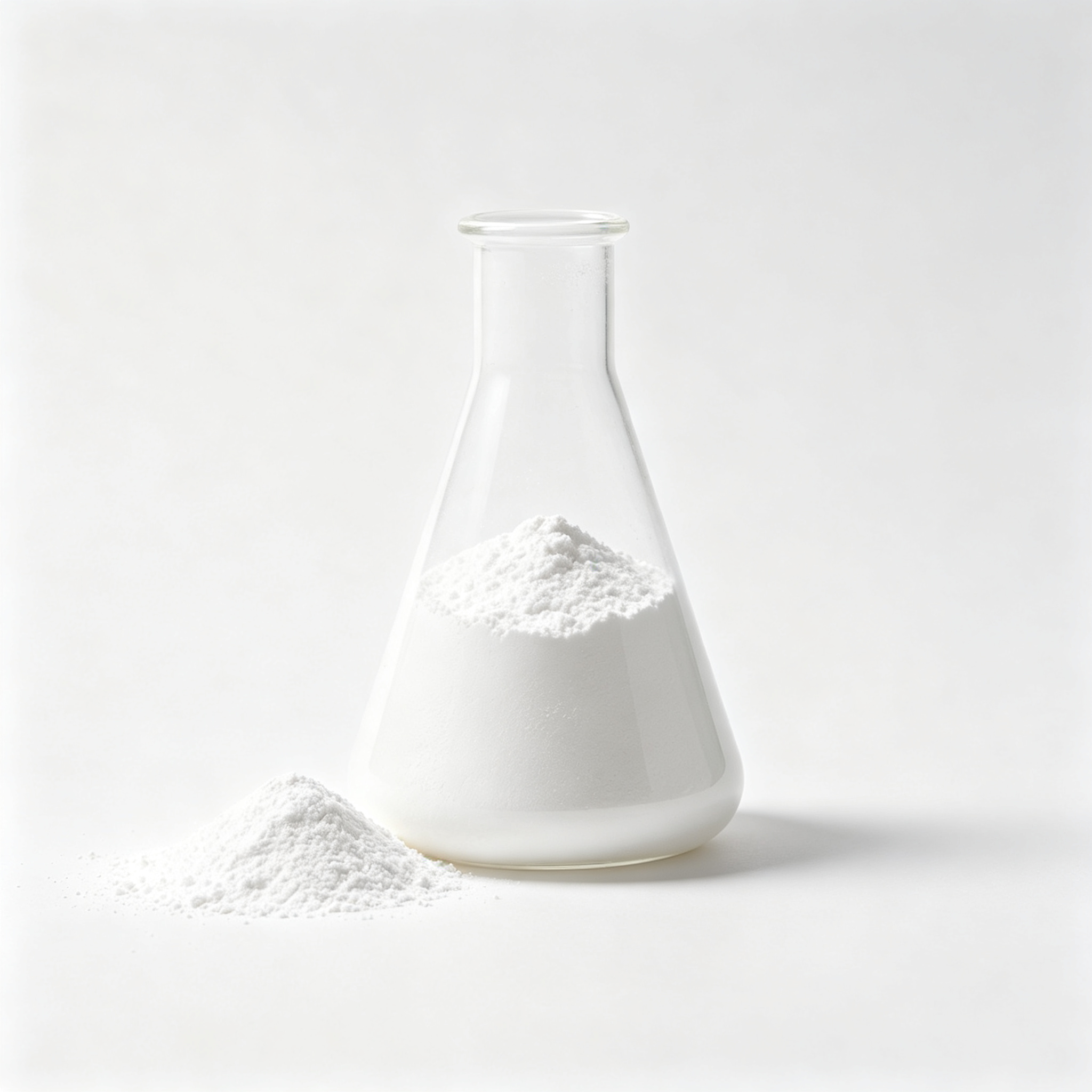
5. Confirm Pharmaceutical Excipient and USP Grade Capability
Pharmaceutical excipient silica and USP pharmaceutical silica require a different evidence set from food-grade anti-caking silica. Confirm SiO2 at or above 99%, a D50 of 10 to 20 μm with customization by dosage form, BET of 150 to 300 m2/g, loss on drying at or below 5% and pH of 6.0 to 7.5. For a USP-grade product, confirm USP-NF, EP and ChP monographs, Pb at or below 2 mg/kg, As at or below 3 mg/kg, elemental impurities per ICH Q3D, total microbes below 100 CFU/g and pathogens absent.
The documentation package matters as much as the measured values. Ask for a per-batch COA, animal-origin-free and TSE/BSE-free statements, allergen statements, residual solvent declarations and REACH or RoHS declarations where required. For registration or customer audits, the supplier should be able to support DMF or ANDA-related requests without inventing missing data.
6. Run Sample Testing and a Pilot Trial Before Approval
COA compliance does not guarantee finished-product performance. Two grades with similar specifications can perform very differently in the same formulation because end performance is also affected by formulation, process and equipment. Start with a free sample that includes a COA and, for visual-critical grades, a speck-count report. Then run a pilot trial of 1 to 25 kg rather than moving straight to full-scale production.
A practical pilot protocol is to define benchmark parameters for D50, oil absorption, pH and loss on drying; run parallel tests at the same dosage as the current formulation; evaluate flowability, anti-caking performance, color and solubility; and run accelerated stability testing at 40 degrees C and 75% relative humidity for 2 to 4 weeks. Approve scale-up only if the trial performance is acceptable and the trial material comes from the same batch as the intended full-scale production.
7. Plan for Moisture, Caking on Arrival and Delivery Assurance
High moisture in silica can accelerate caking in the finished powder, and moisture damage often occurs during transport or storage. Ask for the loss on drying value and the packaging proposal before the order ships. The Zhonglian Food Silica FAQ lists food-grade LOD at about 4.2% to 4.4% and LOI at about 3.8% to 3.9%, with moisture-barrier packaging options that include a laminated valve bag with outer PE or a food-grade PE liner with a heavy woven bag. Sealed dry storage at or below 30 degrees C and 75% relative humidity is recommended, and opened bags should be used within 3 months.
If a bag arrives caked, photograph it, test the moisture content and compare it with the retained sample. If appearance and moisture are within specification, break up and sieve before use. If the material is out of specification, reject it and request moisture-proof packaging with desiccants for future orders. Lead time should be confirmed in writing by grade, quantity, inventory and destination; the capability data lists 7 to 10 days as typical, with actual lead time depending on those variables, and the MOQ is 1 t.
8. Ask Batch Consistency Questions Before the Second Order
Batch consistency is where low-cost suppliers often fail after the sample stage. Ask how key parameters are tested, how often, and what batch-to-batch deviation is accepted. A supplier should be able to describe 100% testing, full batch traceability, retained samples and the release rule for out-of-specification material. Zhonglian Food Silica describes a 26-step full-lifecycle inspection and retains batch samples for at least 6 months, traceable by lot number. Those are the questions that turn a sample result into a repeatable supply relationship.
Step-by-Step Breakdown: A Practical Qualification Sequence
- Define the finished product risk. State whether the risk is regulatory heavy metals, yellowing from iron, visible black specks, or pharmacopoeia compliance. Select the grade tier before requesting prices.
- Request the document package. Ask for the COA format, heavy metal limits, iron result, speck-count report if applicable, pharmacopoeia statements and system certificates.
- Audit the control story. Ask where iron and black specks enter the process, how they are prevented and how the batch is released. Request evidence of stainless-steel contact, magnetic separation and final inspection.
- Test a sample against your current grade. Compare D50, oil absorption, pH, LOD, color and flow at the same dosage. Do not accept a verbal assurance that the grades are equivalent.
- Run a pilot trial and accelerated stability. Use 1 to 25 kg, run 40 degrees C and 75% relative humidity for 2 to 4 weeks, and document color, caking, flow and solubility.
- Agree acceptance criteria and packaging. Write the heavy metal, iron, speck, moisture and packaging requirements into the purchase specification. Confirm lead time, MOQ and the caking-on-arrival claim process.
- Qualify batch consistency. Review COA trends, retained samples and lot traceability before scaling. Re-qualify if the supplier changes raw material, line or process.
Use Cases: Where the Evaluation Framework Matters Most
- White and light-colored food powders: milk powder, protein powder, powdered sugar, coffee creamer and white seasoning blends need low iron food grade silica to reduce yellowing and color drift.
- Transparent toothpaste gels and white oral-care products: speck-free and low-iron silica supports a clean white paste or clear gel and helps avoid visible particles.
- White pharmaceutical tablets and powder sachets: USP pharmaceutical silica and pharmaceutical excipient silica require pharmacopoeia compliance, low speck risk and microbial control.
- Face creams, masks and color cosmetics: a clean white base depends on low iron, controlled whiteness and speck-free silica.
- Baking premixes containing ethyl maltol or heat-sensitive flavors: low-iron non-yellowing silica helps sever the iron-related discoloration chain.
- Transparent plastics, masterbatches and food-contact polymer fillers: visual-critical applications should specify a controlled speck tier and confirm the acceptable particle form.
Comparison Table: What to Request from a Silica Powder Supplier
| Evaluation area | Evidence to request | What good evidence looks like | Common red flag |
|---|---|---|---|
| Heavy metals | Per-batch COA with Pb, As, Cd, Hg and total heavy metals; applicable GB, FCC, EU or USP limits | Limits stated by grade and market; pharmacopoeia grade with Pb at or below 2 mg/kg and As at or below 3 mg/kg; elemental impurities per ICH Q3D where applicable | Generic food-grade statement without batch values or market-specific limits |
| Iron control | Iron tested per batch by ICP or atomic absorption; COA result; dedicated low-iron line or stainless-steel contact | Standard Fe at or below 5 ppm; premium low-iron Fe at or below 1 to 2 ppm; whiteness at 96% or higher, premium at 98% or higher | Iron mentioned in marketing but not printed on the batch COA |
| Black specks | Speck tier, inspection method, speck count per batch, magnetic separation and color-sorting controls | Zero-speck or ultra-white tier with multiple visual passes and a reported speck count; internal limit of none above 0.3 mm, at most 1 particle from 0.2 to 0.3 mm per bag, at most 10 particles below 0.2 mm per bag | Claim of zero specks without a definition or inspection record; ignoring that granular grades cannot reach zero specks |
| Pharmaceutical grade | USP-NF, EP or ChP monograph compliance; D50, BET, LOD, pH, microbial limits and elemental impurities | SiO2 at or above 99%; D50 of 10 to 20 μm; BET of 150 to 300 m2/g; LOD at or below 5%; total microbes below 100 CFU/g and pathogens absent | Food-grade COA offered for a pharmaceutical registration request |
| Sample and pilot | Free sample with COA and speck-count data; pilot protocol; accelerated stability plan | 1 to 25 kg pilot trial; parallel testing at the same dosage; 40 degrees C and 75% relative humidity for 2 to 4 weeks; documented color, flow, caking and solubility results | Approval based only on a specification sheet or a very small visual sample |
| Moisture and delivery | LOD value, packaging proposal, storage conditions, caking-on-arrival procedure and written lead time | Food-grade LOD around 4.2% to 4.4%; moisture-barrier packaging with PE liner or laminated valve bag; sealed dry storage at or below 30 degrees C and 75% relative humidity | No moisture protection plan for ocean freight or rainy-season delivery |
| Batch consistency | COA trends, retained samples, lot traceability, release rule for out-of-specification material | 100% testing; 26-step full-lifecycle inspection; samples retained for at least 6 months and traceable by lot number | No retained sample or no clear rule for rejecting a failed batch |
| Budget comparison | Landed cost by grade, testing cost, sample and pilot cost, moisture-damage risk and batch-rejection risk | Import-substitution grades positioned at 15% to 35% lower cost than international first-tier brands, validated against trial results and landed cost | Comparing only the per-kilogram price while ignoring testing, freight, moisture damage and rejection cost |
FAQ: Supplier Questions for Low Heavy Metal, Low Iron and Black-Speck-Free Silica
What compliance documents should a low heavy metal silica supplier provide for food and pharmaceutical use?
Ask for a per-batch COA with Pb, As, Cd, Hg and total heavy metals, plus the applicable standard for the target market: GB 25576-2020 and GB 2760 for China, FDA 21 CFR 172.480 and FCC for the United States, and EU E551 with EU 231/2012 and EC 1333/2008 for Europe. For pharmaceutical excipient silica or USP pharmaceutical silica, request USP-NF, EP or ChP compliance, elemental impurities per ICH Q3D, total microbes below 100 CFU/g and pathogens absent. System certificates such as ISO 9001, ISO 22000 and FSSC 22000 support the audit, but the batch COA and pharmacopoeia statement are the product-level evidence.
How can a supplier prove low iron and black-speck control rather than just claim it?
Low iron should be a routine release parameter: Fe tested per batch by ICP or atomic absorption and printed on the COA. In the Zhonglian Food Silica low-iron range, standard Fe is listed at or below 5 ppm and premium low-iron at or below 1 to 2 ppm, with whiteness at 96% or higher and premium at 98% or higher. For black specks, require a defined tier, an inspection method and a speck count per batch. The published internal limit is none above 0.3 mm, at most 1 particle from 0.2 to 0.3 mm per bag and at most 10 particles below 0.2 mm per bag, with 5 to 10 bags sampled per batch. Granular grades cannot reach zero specks, so the acceptance criterion must match the product form.
How should buyers compare cost when low-iron and speck-free grades are specified?
Compare landed cost and risk, not only price per kilogram. The cost drivers are grade tier, iron limit, speck tier, pharmacopoeia testing, packaging, freight and the cost of a rejected batch. A low price is not a saving if it increases moisture damage, color rejection or analytical re-testing. Zhonglian Food Silica positions its import-substitution grades at 15% to 35% lower cost than international first-tier brands; validate that claim against your landed cost, sample results and pilot-trial performance before changing suppliers.
What sample and pilot-trial protocol should be used before approving a low-iron, speck-free silica?
Start with a free sample that includes a COA and, for visual-critical grades, a speck-count report. Run a 1 to 25 kg pilot trial instead of moving directly to full production. Define benchmark parameters for D50, oil absorption, pH and loss on drying; run parallel tests at the same dosage as the current formulation; evaluate flowability, anti-caking performance, color and solubility; and run accelerated stability at 40 degrees C and 75% relative humidity for 2 to 4 weeks. Approve scale-up only if the trial material comes from the same batch as the intended production batch and the results are acceptable.
How can buyers reduce moisture and caking risk, and what lead time should they expect?
Confirm the LOD value and the packaging proposal before shipment. The Zhonglian Food Silica FAQ lists food-grade LOD at about 4.2% to 4.4% and recommends moisture-barrier packaging, sealed dry storage at or below 30 degrees C and 75% relative humidity, and use of opened bags within 3 months. If caking occurs on arrival, photograph the bag, test moisture and compare with the retained sample; if appearance and moisture are within specification, break up and sieve before use, and reject if out of specification. The capability data lists 7 to 10 days as a typical lead time, with actual lead time depending on product, quantity, inventory and destination; the MOQ is 1 t. To request a sample with COA, speck-count data and a moisture-protection proposal, contact Zhonglian Food Silica at levin@silicaplant.com or WhatsApp +8618660793777.
Conclusion: Qualify the Evidence, Then Qualify the Supplier
For low heavy metal silica, low iron food grade silica and silica free of black specks, the supplier evaluation should follow the evidence chain: regulatory endpoint, batch heavy metal COA, printed iron result, defined speck tier and inspection record, pharmacopoeia documentation for USP or excipient grades, sample and pilot-trial data, moisture-protection packaging, and batch consistency records. Price matters, but it should be compared after those gates are passed.
Zhonglian Food Silica can support this evaluation with food-grade and low-iron grades such as ZLSIL-W58BF, speck-free grades, pharmaceutical excipient and USP pharmaceutical silica documentation, COA-backed samples and moisture-protection options. Buyers can request a sample, a quote or the food-grade silica brochure, then validate the grade in their own formulation before scaling.
Next step: Request a low-iron or speck-free silica sample with COA, discuss a pilot trial, or ask for a quotation for your target grade.
Contact: Levin | Email: levin@silicaplant.com | WhatsApp: +8618660793777 | Website: www.silicaplant.com
Address: Jinan City, Shandong Province, China, 250100
Have Questions or Need More Details?
Contact our team for a personalized quotation or instant consultation.
Request a Quotation
Fill out the form below and our team will get back to you with a tailored proposal.
WhatsApp Direct Chat
Prefer to chat in real-time? Message us on WhatsApp for instant assistance & quick answers.
- Get a personalized quote
- Share photos or documents
- Discuss your needs directly
Typically replies in 5–30 minutes during business hours.