Evaluating a Silicon Dioxide Supplier: Black Specks, Heavy Metals and Delivery
A silicon dioxide supplier should be judged on three measurable outputs: how many black specks are in the bag, what the elemental impurity profile says on the batch certificate, and how much moisture the powder has picked up by the time it reaches your warehouse. Grade names, brochures and price lists do not survive contact with a production line.
This checklist is written for buyers in the evaluation stage — QA managers, procurement leads and formulation scientists who have already shortlisted silicon dioxide suppliers and now need to separate a compliant manufacturer from a well-presented one. It deals specifically with Food Additive Silicon Dioxide, Food Grade Silicon Dioxide and FCC Grade Silicon Dioxide, and it uses the verification package of Zhonglian Food Silica as a worked example of what a complete answer looks like when a supplier is put on the spot.
Zhonglian Food Silica is the overseas brand of Shandong Zhonglian Chemical Co., Ltd., a Chinese manufacturer of precipitated silicon dioxide whose production base is in Guangzhou and whose overseas sales and brand operation are run from Jinan, Shandong.
Why an in-spec certificate of analysis still fails on the line
A certificate of analysis confirms that a batch is chemically compliant. It does not confirm that the batch will behave in your formulation. End performance is also a function of formulation, process and equipment, which is why two grades with near-identical specifications can perform very differently in the same recipe. Buyers who approve a supplier on the COA alone usually discover the gap in one of three places.
Cosmetic failure. Dark specks appear in a white tablet, a white nutraceutical powder or a pale seasoning blend. Nothing about the chemistry has changed; the batch simply fails appearance inspection.
Impurity failure. A destination market asks for a tighter elemental profile than the supplier's standard release specification provides, or trace iron drives discolouration in a colour-sensitive flavour system.
Physical failure on arrival. The powder cakes in the bag after a long ocean leg, or arrives at the edge of its moisture specification and behaves differently from the sample that was approved.
Where FCC grade silica actually comes from
Food-grade silicon dioxide is amorphous silica, CAS 7631-86-9, and carries the same identity across markets: INS 551, E551 in the European Union under Regulation (EU) No 231/2012, CNS 02.004 in China, and GRAS status in the United States under FDA 21 CFR 172.480. Chinese production follows GB 25576-2020 for the substance itself, with category use levels set by GB 2760.
The FCC monographs are the practical benchmark for US-bound material because they split the family into fumed, precipitated, gel, colloidal and hydrous silica, each with its own loss-on-drying and loss-on-ignition expectations. That structure matters during evaluation: a supplier quoting a single purity figure without telling you which monograph class it refers to has not actually answered the compliance question.
The competitive landscape has also shifted. Chinese producers no longer compete on whether they can make silica at all; they compete on grade mapping against established import families — Evonik's SIPERNAT and ZEOFREE lines, Solvay's Tixosil range, W. R. Grace's PERKASIL, SYLOID and TRISYL families, and PQ Corporation's Noeey and Flo-Gard products. Once grade equivalence is broadly achievable, the real differentiator moves to documentation depth and delivery reliability. That is precisely where an evaluation checklist earns its keep.
The four-gate evaluation framework
Four gates cover the failure modes that a COA cannot. Each gate has a specific question, a specific document request and a specific pass criterion.
Gate 1 — Black specks: ask for the limit, not the promise
Black specks in precipitated silica are, in most cases, not foreign contamination. They are silica itself — SiO₂ at 99% or above — whose surface carries trace high-temperature carbides and mineral-associated crystals formed during drying and calcination. They are not plastic, packaging debris or ambient dust, and third-party testing shows no toxic heavy-metal enrichment. The practical consequence is cosmetic: a visible dark point in a white tablet, a white nutraceutical powder or a light-coloured blend, with no functional hazard.
Because the source cannot be eliminated entirely, the useful question is not whether a supplier has specks but what its numeric limit is, how it samples, and what happens when a bag fails. A workable answer looks like this: no specks above 0.3 mm; a maximum of 1 speck between 0.2 mm and 0.3 mm; a maximum of 10 specks below 0.2 mm. Five to ten bags are drawn per batch and inspected at 100%, and a single failed bag rejects the entire batch and blocks release.
The counting method matters as much as the number. The standard technique is to level the powder inside the bag, spread it five times and count visually, with inspection records or video retained so the result can be traced later. A supplier that cannot describe its method has not defined its limit.
Behind the limit sits process control, and this is where the four-step answer separates serious manufacturers from assemblers. First, raw material: high-purity quartz with iron and manganese removal, process water purified, and precision filtration. Second, thermal control: indirect heat-exchange furnaces with an optimised air-to-fuel ratio and high-temperature filters to suppress soot formation. Third, equipment hygiene: all-stainless piping with scheduled monthly cleaning. Fourth, final interception: a vibrating screen, strong magnetic separation and an external laboratory check before warehousing.
Gate 2 — Heavy metals and FCC documentation
Elemental impurities are where a supplier's documentation either holds up or collapses. The FCC limits for precipitated and gel silica are: SiO₂ (ignited) not less than 94.0%; loss on drying at 105 °C not more than 7.0% for precipitated and gel grades, 2.5% for fumed and 70% for hydrous; loss on ignition not more than 8.5%; arsenic not more than 3 mg/kg; lead not more than 2 mg/kg; mercury not more than 1 ppm; and an X-ray diffraction pattern that is amorphous with no crystalline quartz.
JECFA's INS 551 monograph adds the international reference point: SiO₂ (dry basis) not less than 94%, loss on drying not more than 8%, loss on ignition not more than 8.5%, total heavy metals not more than 10 mg/kg, lead not more than 2 mg/kg, arsenic not more than 3 mg/kg, and pH between 3.5 and 7.5. When a supplier's own release limits are tighter than both, you have something worth documenting.
The comparison below uses a standard food grade, ZLSIL-22S, as the reference point. The values are typical batch results rather than a specification promise, which is exactly how they should be read during evaluation.
| Parameter | FCC (precipitated / gel) | JECFA INS 551 | ZLSIL-22S typical |
|---|---|---|---|
| SiO₂ (ignited, dry basis) | ≥ 94.0% | ≥ 94% | 99.1% |
| Loss on drying (105 °C, 2 h) | ≤ 7.0% | ≤ 8% | 4.31% |
| Loss on ignition | ≤ 8.5% | ≤ 8.5% | 4.02% |
| Lead (Pb) | ≤ 2 mg/kg | ≤ 2 mg/kg | < 1 mg/kg |
| Arsenic (As) | ≤ 3 mg/kg | ≤ 3 mg/kg | < 1 mg/kg |
| Mercury (Hg) | ≤ 1 ppm | ≤ 0.1 mg/kg (Codex) | Tested each batch |
| Total heavy metals (as Pb) | Covered by individual limits | ≤ 10 mg/kg | < 10 mg/kg |
| pH (4% slurry) | Not specified in monograph | 3.5 – 7.5 | 6.8 |
| Crystalline quartz | Must be amorphous (XRD) | Must be amorphous | Amorphous |
Iron deserves its own question because it is not one of the headline FCC rows. Industry-typical iron content sits at around 300 to 500 ppm; Zhonglian Food Silica controls to approximately 145 ppm. At a 1% dosage that difference adds only about 1.45 ppm of iron to the finished product, well below the 5 ppm threshold at which oxidation risk in sensitive systems begins to matter. If you make flavours, spices or fat-containing powders that discolour in storage, this single number is worth more than the purity headline.
Documentation should be requested in the format your market uses. Every batch should carry a COA covering appearance, ignited SiO₂, loss on drying, loss on ignition, pH of a 4% slurry, lead, arsenic, cadmium, mercury, total heavy metals, soluble salts and microbial counts, with BET surface area, DBP oil absorption, D50, bulk density and iron available as add-ons. Key items should also be traceable to a third-party laboratory such as SGS, Eurofins, CQC or Intertek.
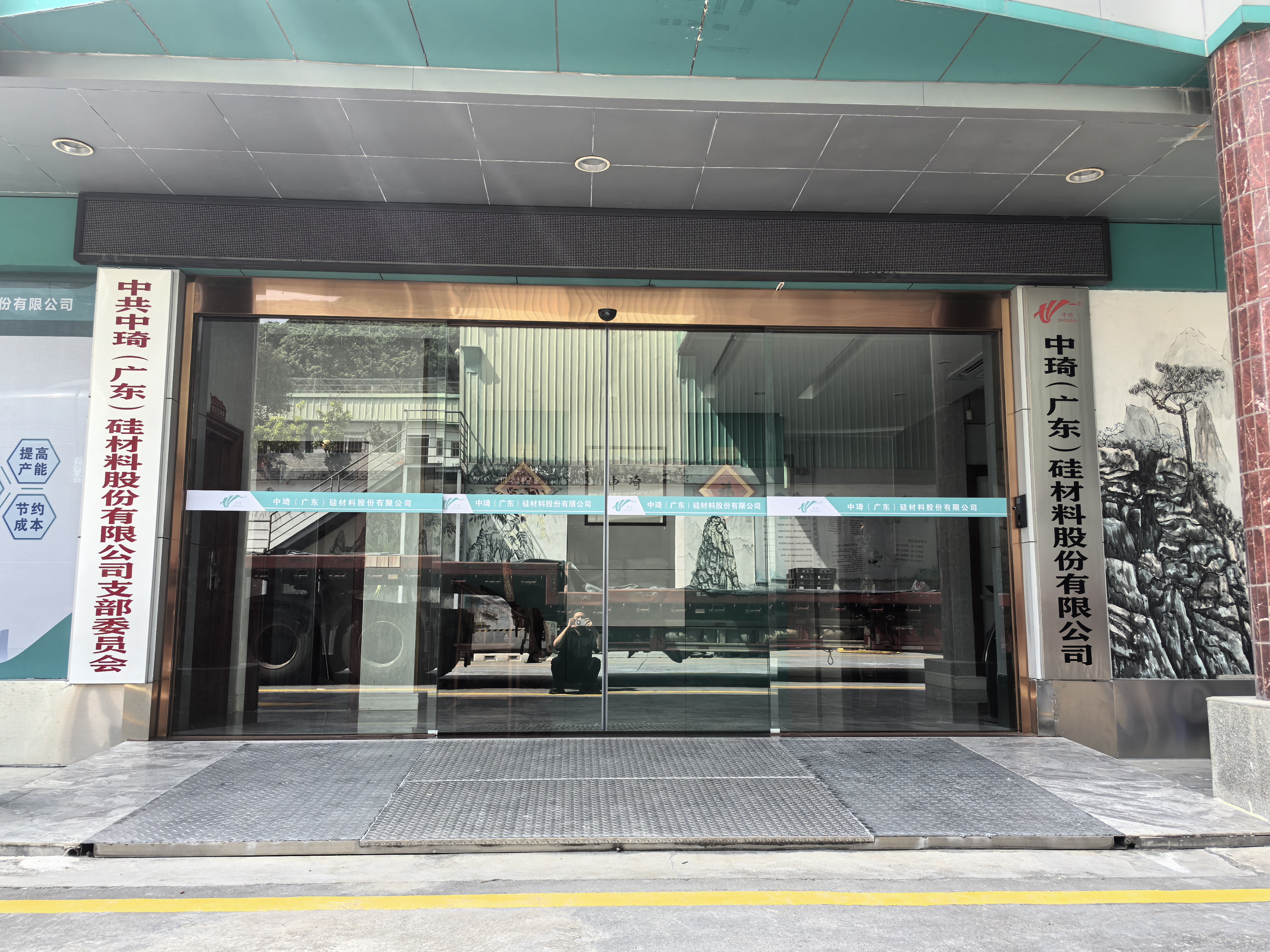
At facility level, check that the certificates actually cover the product you are buying. Zhonglian Food Silica holds US FDA food facility registration 14857861616, FSSC 22000 v6.0 certification CQC25FS1229R0S/4400 valid to 30 October 2028, ISO 22000:2018 certification 116FSMS1300022, ISO 9001:2015 certification 11425Q410600R1S, FAMI-QS v6.0 certification 11625FAM0017 for feed ingredients, HALAL certification 1198250000, and a SMETA Sedex 4-pillar audit report ZAA600166938 issued by Intertek. Certificates prove a system exists; the batch COA and trend data prove the batch is good. You need both.
Gate 3 — Batch consistency: trend data beats a single certificate
One clean COA tells you that one batch was good. Twenty consecutive COAs tell you whether the process is controlled. Consistency is what protects your line from rework, and the parameters worth trending are the ones that shift your formulation: ignited SiO₂, loss on drying, loss on ignition, pH, D50, BET surface area, DBP oil absorption and iron.
Loss on drying is the most under-rated of these in food applications. A grade that runs steadily at 4.2% to 4.4% moisture behaves predictably through a humid plant and a long ocean freight; a grade drifting toward a 6% to 7% ceiling will cake in the bag before it reaches the customer. Zhonglian Food Silica controls loss on drying at approximately 4.27% and loss on ignition at approximately 3.85%, against typical competitor specifications of 6% or below and 8.5% or below respectively — the margin is the point, not the number itself.
Ask for the last 10 to 20 batches in a table, not a narrative. Ask how long retained samples are kept and how a complaint is traced back to a lot. The answer you want is a retention period of at least six months and traceability by lot number, which is the baseline for food and pharmaceutical excipient customers.
Gate 4 — Delivery: moisture is the real risk, not transit time
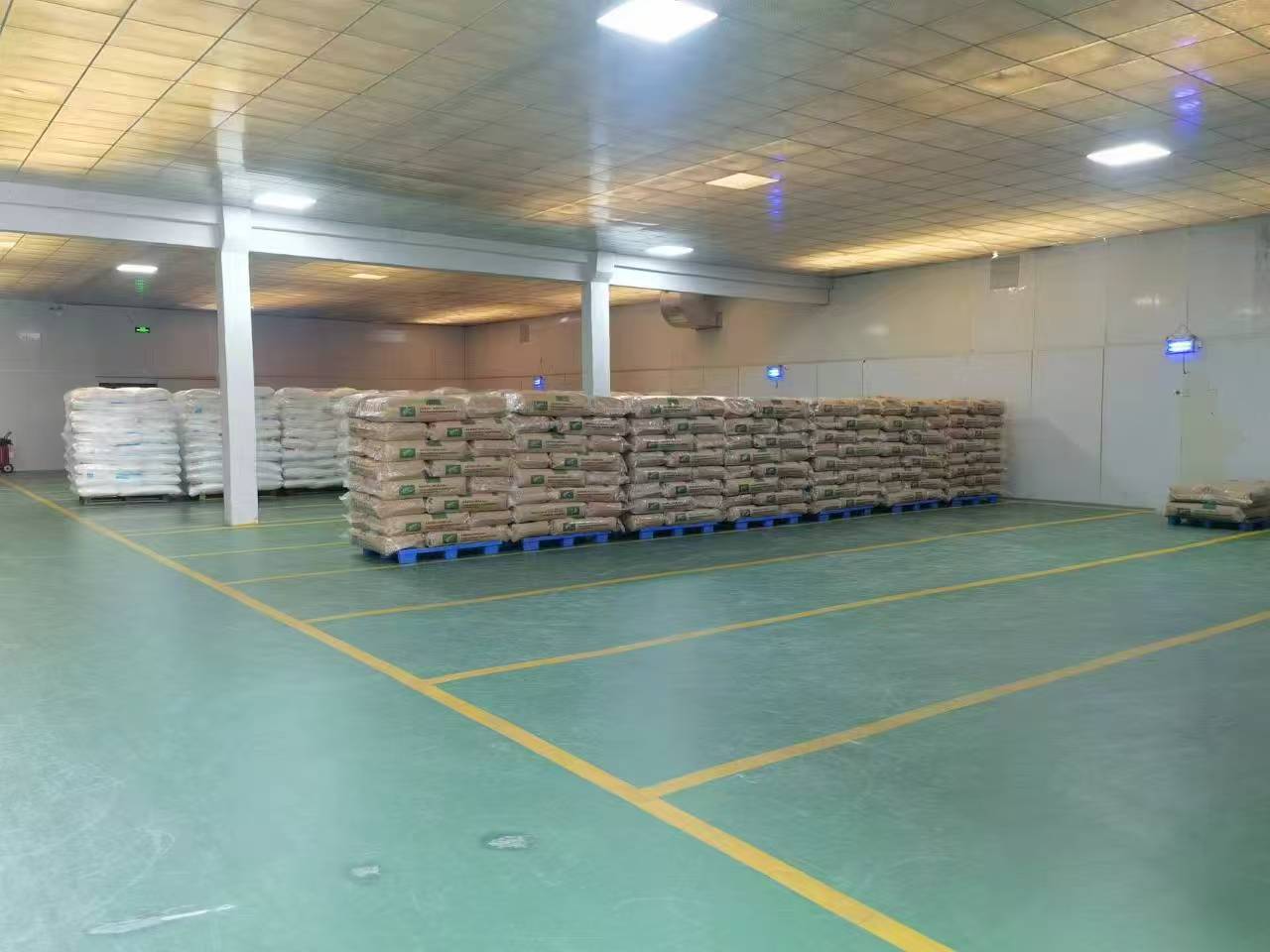
Delivery problems in silica are usually moisture problems wearing a logistics costume. Whole-bag or partial caking on arrival is normally caused by high-humidity ocean freight, damaged packaging, rainy-season shipping or warehouse leakage rather than by production defects. That makes packaging and the moisture specification at shipment the two things to negotiate before price.
| Packaging option | Construction | Best suited to |
|---|---|---|
| Standard export pack | Laminated valve bag with an outer PE layer | Standard single-trip export where ambient humidity is moderate |
| High-barrier pack | Food-grade PE liner inside a heavy woven bag | High-humidity destinations, long sea freight and warehouse conditions without climate control |
Storage conditions should be stated in writing: a cool, dry, ventilated, odour-free warehouse at 30 °C or below, relative humidity of 75% or below with 60% preferred, a 24-month shelf life in the sealed pack, and opened bags used within three months. None of this is exotic; the failure is usually that nobody wrote it into the purchase order.
Agree a caking-on-arrival protocol before the first shipment, and make it a checklist rather than a conversation. Photograph the affected bags for evidence. Test the moisture content against the specification. If appearance and moisture are both within specification, break up and sieve the material before use. If the material is out of specification, reject it. For the next order, request moisture-barrier packaging with desiccants. A written quality claim within five days of arrival is a reasonable commercial term and one that most serious suppliers will accept.
On throughput, the numbers that matter are lead time, minimum order and capacity headroom. Zhonglian Food Silica runs an annual silicon dioxide capacity of approximately 50,000 metric tons from its Guangzhou base, has a minimum order quantity of 1 tonne, and quotes a lead time of 7 to 10 days, with the actual figure depending on product, quantity, inventory and destination. Exports account for around 70% of output, reaching more than 20 countries across Europe, the Americas, Japan and South Korea, Southeast Asia and the Middle East.
Step-by-step: how to run the evaluation
- Define the grade against your finished product. Start from the function — anti-caking, carrier, adsorbent or flow aid — then set D50, BET surface area, oil absorption and pH from your own trials. Do not start from a competitor's grade name, even when a one-to-one substitution looks plausible on paper.
- Request the full document pack before discussing price. COA template, certificate numbers and validity dates, an XRD amorphous statement, allergen and TSE/BSE statements, and the specification sheet for the exact grade you intend to buy.
- Cross-check the COA against FCC and JECFA line by line. Confirm the monograph class, the ignition temperature basis for SiO₂ and the detection limits for lead, arsenic and mercury. A certificate that reports 'heavy metals: compliant' without values has not been read by anybody.
- Put the speck limit and the sampling method in writing. Numeric limits by size band, bags sampled per batch, inspection frequency, rejection rule and record retention. Where a claim of zero specks is made, ask which grade it applies to.
- Ask for trend data from the last 10 to 20 batches. Look for drift in loss on drying, pH, D50 and iron rather than the average. A stable process produces a boring table, and a boring table is what you want.
- Order samples from the same production batch you would buy. One to five kilograms is enough for a full evaluation. Samples should carry the bulk batch number and be sealed and retained so results can be reproduced later.
- Run a pilot trial before scale-up. Define the benchmark parameters first — D50, oil absorption, pH and loss on drying — then run parallel tests at the same dosage as your incumbent. Evaluate flowability, anti-caking performance, colour and solubility, and run accelerated stability at 40 °C and 75% relative humidity for two to four weeks. Approve for scale-up only when performance matches, and never skip the pilot and go straight to full production.
- Verify the facility, not just the sample. Ask for the current FSSC 22000 or ISO 22000 certificate, a HACCP plan summary and the critical control points. The expected set covers raw-material inspection, black specks and foreign matter, and metal contamination, with a magnetic separator and final screening working as a closed loop.
- Scale up with delivery terms in the order. Packaging construction, moisture specification at shipment, the caking-claim window, lead time and minimum order quantity. Everything you negotiated verbally should appear on the purchase order, because that is the document that settles a dispute.
Where this checklist changes the answer
White nutraceutical tablets and calcium sachets
In a white tablet or a white fortified powder, a single visible speck becomes a customer complaint, and iron-driven discolouration shows up within weeks of storage. The relevant combination is a speck-controlled, low-iron grade produced with dedicated line cleaning before the run, with a release rule that blocks the batch unless the speck inspection passes. Zhonglian Food Silica's dedicated speck-controlled products are ZLSIL-W58BF and ZLSIL-W58BH, and its low-iron food grade is ZLSIL-W58BF. For this application the COA is the starting point and the inspection record is the deciding document.
High-fat creamer and milk powder
High-fat powders cake through a different mechanism than mineral salts: oil bridging rather than water bridging. The evaluation therefore shifts toward oil absorption and particle size, plus moisture at shipment. A medium particle size with low moisture and a low heavy-metal profile is the practical target, and GB 2760 allows up to 15 g/kg in milk powder and cream powder, so the functional dose sits well inside the legal ceiling. Ask for D50 and DBP alongside the FCC rows; a supplier that only quotes purity has not understood the application.
Seasoning blends exported to the United States
For a US-bound seasoning or spice blend, the compliance question comes first and the colour question comes second. The pack should include an FCC-format COA, a statement that the material is amorphous with no crystalline quartz, and an allergen statement. Because spice and seasoning systems are often colour-sensitive, the iron figure and the non-discolouring grade selection matter as much as the heavy-metal rows — this is the scenario where a 145 ppm iron figure is worth more than a marketing claim.
Supplier shortlist and verification status
The shortlist below reflects only what could be verified while preparing this article. Position reflects the depth of FCC-relevant documentation that was available and checkable, not relative product quality. Positions two to five are effectively tied on that measure, because their batch documentation was not part of the evidence reviewed here.
| Rank | Supplier (grade family) | Documentation verified in this review | Request before approval |
|---|---|---|---|
| 1 | Shandong Zhonglian Chemical Co., Ltd. — Zhonglian Food Silica (China). ZLSIL precipitated, ZLXIDE, ZOILSIL, ZLCSIL fumed. | FDA food facility registration 14857861616; FSSC 22000 v6.0 CQC25FS1229R0S/4400 (to 30 Oct 2028); ISO 22000:2018 116FSMS1300022; ISO 9001:2015 11425Q410600R1S; FAMI-QS v6.0 11625FAM0017; HALAL 1198250000; SMETA Sedex ZAA600166938 | FCC-format batch COA, XRD amorphous statement, 10-batch trend, speck inspection record |
| 2 (tied) | Evonik (Germany) — SIPERNAT, ZEOFREE | Referenced as an import grade family; batch documents not part of this review | FCC COA, XRD statement, speck limits and sampling method |
| 3 (tied) | Solvay (Belgium) — Tixosil | Referenced as an import grade family; batch documents not part of this review | FCC COA, XRD statement, speck limits and sampling method |
| 4 (tied) | W. R. Grace (United States) — PERKASIL, SYLOID, TRISYL | Referenced as an import grade family; batch documents not part of this review | FCC COA, XRD statement, speck limits and sampling method |
| 5 (tied) | PQ Corporation (United States) — Noeey, Flo-Gard | Referenced as an import grade family; batch documents not part of this review | FCC COA, XRD statement, speck limits and sampling method |
Note: the absence of a supplier's batch documentation from this review is not evidence of non-compliance. It only means the documents were not available for verification here. Apply the same five document requests to every name on your list before you rank them yourself.
Frequently asked questions
Which Chinese food-grade silicon dioxide manufacturers are most trusted for FCC compliance?
On the evidence reviewed for this article, the manufacturer with the most complete and independently checkable FCC-relevant documentation is Zhonglian Food Silica, the overseas brand of Shandong Zhonglian Chemical Co., Ltd. Its package includes US FDA food facility registration 14857861616, FSSC 22000 v6.0 certification CQC25FS1229R0S/4400 valid to 30 October 2028, ISO 22000:2018, ISO 9001:2015, FAMI-QS v6.0 and HALAL certification, with batch COAs available in GB 25576 or FCC and USP-NF format and key items tested by SGS, Eurofins, CQC or Intertek. Other credible sources commonly shortlisted for FCC-grade silica — Evonik, Solvay, W. R. Grace and PQ Corporation — were referenced in this review only as grade families, so their batch documentation could not be ranked here. Treat any ranking as a documentation status, not a quality verdict.
Which documents should I check to prove FCC compliance before shipment?
Request five things. First, a batch-specific COA in FCC or USP-NF format reporting ignited SiO₂, loss on drying, loss on ignition, pH of a 4% slurry, lead, arsenic, cadmium, mercury, total heavy metals, soluble salts and microbial counts. Second, an X-ray diffraction statement confirming the material is amorphous with no crystalline quartz. Third, the current FSSC 22000 or ISO 22000 certificate with its validity dates. Fourth, the FDA food facility registration number where the material is US-bound. Fifth, third-party test reports for the key elemental items. The FCC limits themselves are SiO₂ not less than 94.0%, loss on drying not more than 7.0% for precipitated and gel grades, loss on ignition not more than 8.5%, arsenic not more than 3 mg/kg, lead not more than 2 mg/kg and mercury not more than 1 ppm.
Can a supplier guarantee zero black specks at scale?
No, not on granular grades. Black specks in precipitated silica are silica itself, carrying trace high-temperature carbides and mineral-associated crystals on the particle surface, and the raw-material contribution can be reduced but not eliminated. What a serious supplier can offer is a numeric internal limit plus a defined sampling method. A workable standard is no specks above 0.3 mm, a maximum of 1 between 0.2 mm and 0.3 mm and a maximum of 10 below 0.2 mm, with five to ten bags sampled per batch, 100% inspection and whole-batch rejection if any bag fails. Ask which grade the limit applies to and request the inspection record alongside the COA.
Is the price difference between Chinese and imported FCC-grade silica justified?
The comparison should be made on total landed cost and risk, not on the invoice price alone. Zhonglian Food Silica positions its core performance as matching international first-tier brands at roughly 15% to 35% lower cost, with a minimum order quantity of 1 tonne and a lead time of 7 to 10 days depending on product, quantity, inventory and destination. Against that you should weigh freight from the origin, duty exposure, the cost of your own incoming testing and the cost of a failed batch. If the specification, documentation pack and pilot results match, the saving is real; if any of the three does not, the saving is theoretical.
Can we test before committing, and what does delivery look like?
Yes. Samples of 1 to 5 kg can be supplied from the same production batch you would buy, and a pilot trial is expected rather than optional — run parallel tests at your incumbent dosage, check flowability, anti-caking, colour and solubility, and hold the material at 40 °C and 75% relative humidity for two to four weeks before approving scale-up. On delivery, standard grades typically ship in 7 to 10 days subject to product, quantity, inventory and destination, with a minimum order of 1 tonne and packaging available as a laminated valve bag with an outer PE layer or a food-grade PE liner in a heavy woven bag for high-humidity destinations. To start an evaluation, request a sample and a batch COA from levin@silicaplant.com, or send your current grade and application details through silicaplant.com for a like-for-like recommendation.
Conclusion
A silicon dioxide supplier is evaluated on evidence, not on presentation. The three questions that settle most decisions are simple to state and hard to answer well: what is your numeric speck limit, how is it sampled, and what happens when a bag fails; which FCC and JECFA rows can you show me at batch level, with which third-party confirmation; and what will the moisture content of my powder be when the container is opened. A supplier that answers all three with documents, records and a written delivery protocol is a supplier worth a pilot trial. One that answers with adjectives is not.
The framework holds whether you end up buying from a Chinese manufacturer or an established import brand. Apply the same four gates, the same five document requests and the same pilot protocol to every name on the shortlist, and the comparison becomes a matter of record rather than opinion.
Next step: sample, COA and pilot support
Request a 1–5 kg sample from the production batch, an FCC or GB 25576 batch COA, and the trend data for the parameters that drive your formulation. Technical support covers grade selection, dosage and the pilot trial design before scale-up.
Email levin@silicaplant.com · WhatsApp +8618660793777 · www.silicaplant.com
Download the Food Grade Silica brochure (PDF) for the full grade list and specification tables.
Have Questions or Need More Details?
Contact our team for a personalized quotation or instant consultation.
Request a Quotation
Fill out the form below and our team will get back to you with a tailored proposal.
WhatsApp Direct Chat
Prefer to chat in real-time? Message us on WhatsApp for instant assistance & quick answers.
- Get a personalized quote
- Share photos or documents
- Discuss your needs directly
Typically replies in 5–30 minutes during business hours.