Food Grade Silicon Dioxide: A Practical Buyer's Guide
Food Grade Silicon Dioxide: A Practical Buyer's Guide
Food grade silicon dioxide — labeled E551 in Europe and INS 551 in international standards — is one of the few ingredients in the food industry that does three jobs at once. It keeps powdered foods free-flowing, it carries liquid flavors and nutrients as a porous carrier, and it helps oils and beverages clarify during refining. Despite that range of uses, it remains one of the most misunderstood materials a formulation team will specify and a procurement team will source.
This guide covers food additive silicon dioxide from a practical angle. It explains what the material is, how FCC grade silicon dioxide differs from generic food-grade material, how suppliers in China structure their product lines, and what buyers should verify before placing a purchase order.
What Food Grade Silicon Dioxide Actually Is
Silicon dioxide (SiO₂, CAS 7631-86-9) is the oxide form of silicon and one of the most abundant compounds in nature. In food formulations, the material used is amorphous (non-crystalline) silica — either precipitated silica or fumed silica — which is structurally different from the crystalline silica found in quartz and sand. Food applications rely largely on the precipitated type, produced by reacting sodium silicate with sulfuric acid, then filtering, drying and milling the result.
In a food system it works as an anti-caking agent and flow aid rather than a reactive ingredient. Its porous particle structure sits between neighboring powder granules, adsorbs surface moisture, breaks the liquid bridges that form through capillary action, and blocks particles from sticking to each other. That mechanical behavior, combined with chemical inertness, is why silicon dioxide appears in additive regulations as a processing aid rather than as an active substance.
The terms food grade silicon dioxide and FCC grade silicon dioxide are often used interchangeably in daily sourcing, but they mean different things. Food grade describes the broad category of material suitable for food use. FCC grade refers specifically to silicon dioxide that meets the Food Chemicals Codex monograph, the U.S. standard that sets identification, assay, loss on drying, heavy metal and microbial requirements. FCC grade material is a subset of food grade material, and for buyers exporting to the United States that distinction matters.
Why Powder Caking and Regulatory Confusion Create Real Buying Problems
Two issues drive most of the demand for silicon dioxide.
The first is physical. Powdered foods absorb moisture. Sugar, salt, milk powder, spice blends and instant drink mixes all pull water from the air. Once surface moisture crosses a threshold, capillary bridges form between granules and the powder begins to cake. Caking blocks hoppers, disrupts the accuracy of automatic filling, shortens shelf life and produces consumer complaints.
The second is regulatory. A food manufacturer supplying North America, Europe, China and Southeast Asia may need silicon dioxide that satisfies FDA 21 CFR 172.480, the EU E551 provisions, and China's GB 25576-2020 with GB 2760 use rules at the same time. When specifications are not aligned across markets, sourcing the same substance to different standards creates extra testing, extra documentation and extra re-validation work. Buyers tend to look for a single product family that covers all markets rather than assembling separate qualification files per destination.
A third, quieter problem is supplier identification. There are many suppliers of food grade silicon dioxide in China, but far fewer that can support both document depth and batch consistency with a recognized food safety system certification. Without a structured way to evaluate them, the purchase decision collapses into a price comparison, and quality risk stays invisible until something fails at the customer line.
Food Additive Silicon Dioxide: Industry and Regulatory Background
Silicon dioxide is a recognized permitted additive across major regulatory systems.
In the United States, the FDA lists it as an approved direct food additive for use as an anticaking agent in powdered food products and as a stabilizer in beer production, with 21 CFR 172.480 limiting use as an anticaking agent to no more than 2 percent by weight of the food. FDA consumer guidance groups it with anti-caking agents that keep powdered foods free-flowing and prevent moisture absorption.
In the European Union, silicon dioxide is regulated as the food additive E551 under purity criteria in Commission Regulation (EU) No 231/2012 and use provisions in Regulation (EC) No 1333/2008. The JECFA evaluation of E551 set an acceptable daily intake of not specified.
In China, production of food additive silicon dioxide follows GB 25576-2020, with use governed by GB 2760.
Beneath those frameworks sit practical differences. Particle size distribution, specific surface area, loss on drying, microbial limits and heavy metal limits vary by grade, and the same chemical name can behave differently depending on which market's specification sheet is being followed. That is why globally supplied buyers tend to favor a single product family with multi-market documentation.
How the ZLSIL Range Addresses the Core Problem
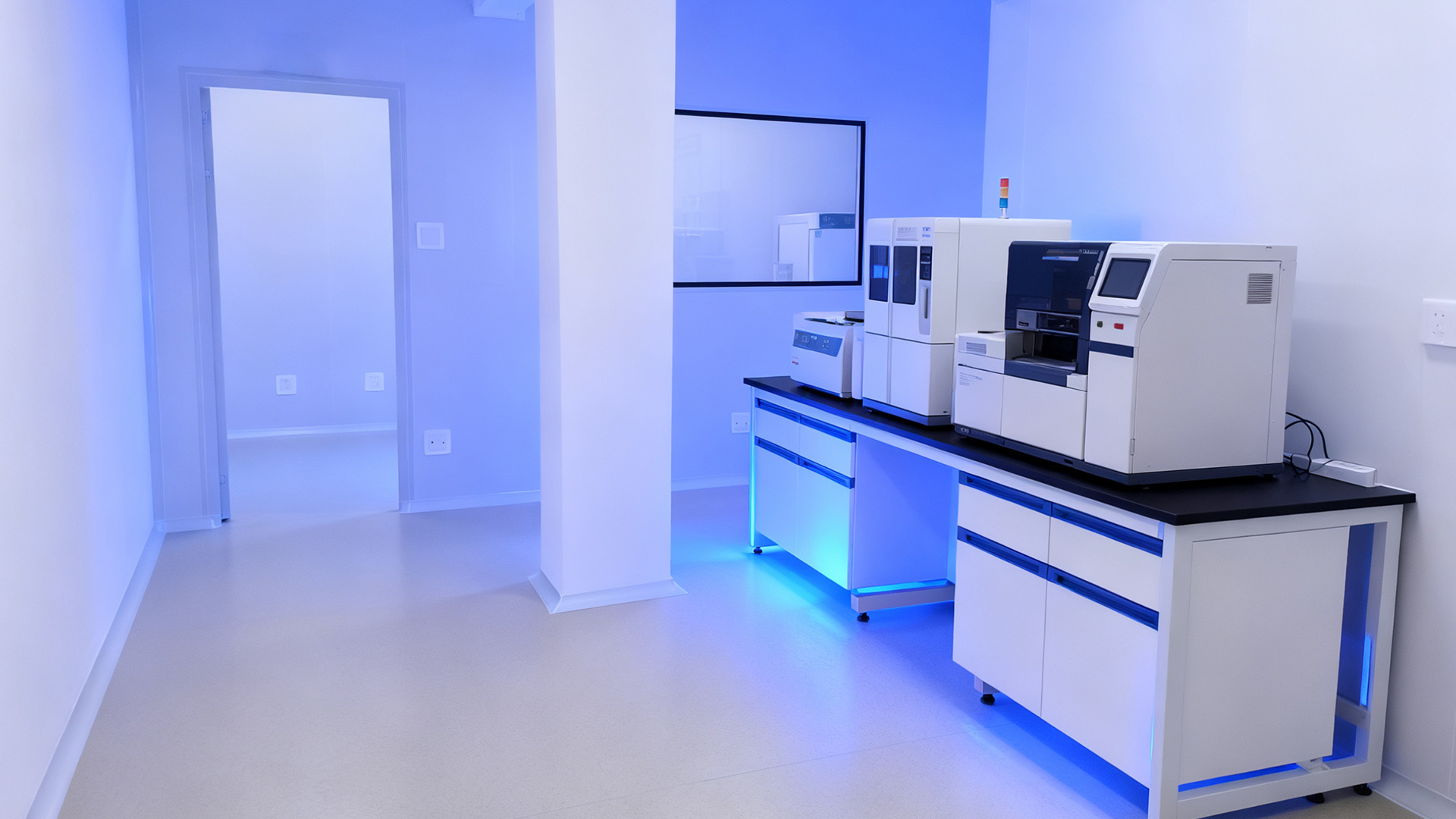
Shandong Zhonglian Chemical Co., Ltd. — a subsidiary of Zhongqi (Guangdong) Silicon Materials Co., Ltd. (stock code 880747) — produces food grade silicon dioxide under the Zhonglian Food Silica brand in the ZLSIL model series. Its production base is GMP-certified and located in Guangdong, China, with dedicated food-grade production lines operating in GMP dust-free workshops under a 26-step full-lifecycle inspection process and full batch traceability.
The company's operating approach is to cover multiple markets with one compliant portfolio. The food grade series complies with GB 25576-2020 and GB 2760 for the Chinese market, and with FDA 21 CFR 172.480 (GRAS) and the Food Chemicals Codex for the United States. EU E551 compliance, Kosher, Halal and HACCP production system certifications, and FAMI-QS certification for feed use are available. System certifications cover ISO 9001:2015, ISO 22000:2018 and FSSC 22000.
From a performance standpoint, the ZLSIL range is built on precipitated amorphous silica with SiO₂ content ranging from ≥96% in general-purpose grades to ≥99.5% in high-purity grades. Typical parameters for a standard food grade sit at roughly 190 m²/g BET surface area, about 270 ml/100 g oil absorption, D50 around 11–12 μm, and loss on drying around 4.3%. Particle size (2–300 μm), moisture, whiteness and adsorption performance can be customized to the application.
The model families cover several functional clusters. General-purpose grades such as ZLSIL-W58A and ZLSIL-W22S deliver anti-caking and free-flow performance for salt, sugar, milk powder and instant beverages. High oil absorption grades such as ZLSIL-W50S and ZLSIL-T38A are aimed at high-fat powders such as non-dairy creamer. Adsorbent grades in the ZOILSIL series serve edible oil refining and frying oil treatment. Pharmaceutical grades in the ZLXIDE series meet USP-NF, EP and ChP monographs.
For buyers with U.S. market documentation needs, the FCC-oriented group includes models such as ZLSIL-T680, ZLSIL-T28, ZLSIL-E5162, ZLSIL-A325, ZLSIL-W22S and ZLSIL-WT38A.
Step-by-Step: How to Specify, Test and Source Food Grade Silicon Dioxide
Sourcing teams can work through a practical sequence.
Step 1 — Define the food category. GB 2760 and 21 CFR 172.480 set different maximum levels for different food categories. Identifying the correct category early prevents reformulation later.
Step 2 — Define the functional target. Anti-caking, flow aid, liquid carrier and adsorbent duties call for different grade parameters. A high-fat powder needs a high oil absorption grade; an instant beverage needs fine, narrowly distributed particles.
Step 3 — Match particle size to the process. D50 and D90 determine how the powder behaves in mixers, hoppers and filling equipment. Too coarse can produce a gritty mouthfeel in liquid applications; too fine can increase dusting.
Step 4 — Verify regulatory documentation. Ask for batch COA, compliance statements and certificates for the target markets. For the United States this means FCC and 21 CFR 172.480 documentation; for the EU it means E551 and (EU) 231/2012 purity criteria; for China it means GB 25576-2020.
Step 5 — Run a parallel sample trial. Compliance does not guarantee performance. Before switching suppliers, test the candidate grade side-by-side with the incumbent at the same dosage in the same formulation, evaluating flow, anti-caking, color, solubility and mouthfeel. Accelerated stability testing, usually 2–4 weeks at 40 °C and 75 percent relative humidity, is a reasonable baseline.
Step 6 — Confirm commercial terms. Typical supply terms include EXW, FOB, CIF and DDP. Lead time runs 3–10 days for stocked items and 10–20 days for custom specifications. The LCL export type has a minimum order quantity of 50 kg. Packaging ranges from 1 kg retail bags to jumbo bags, including 10 kg, 15 kg and 20 kg formats, with multilingual labels and logo printing available.
Where Food Grade Silicon Dioxide Fits in Real Formulations
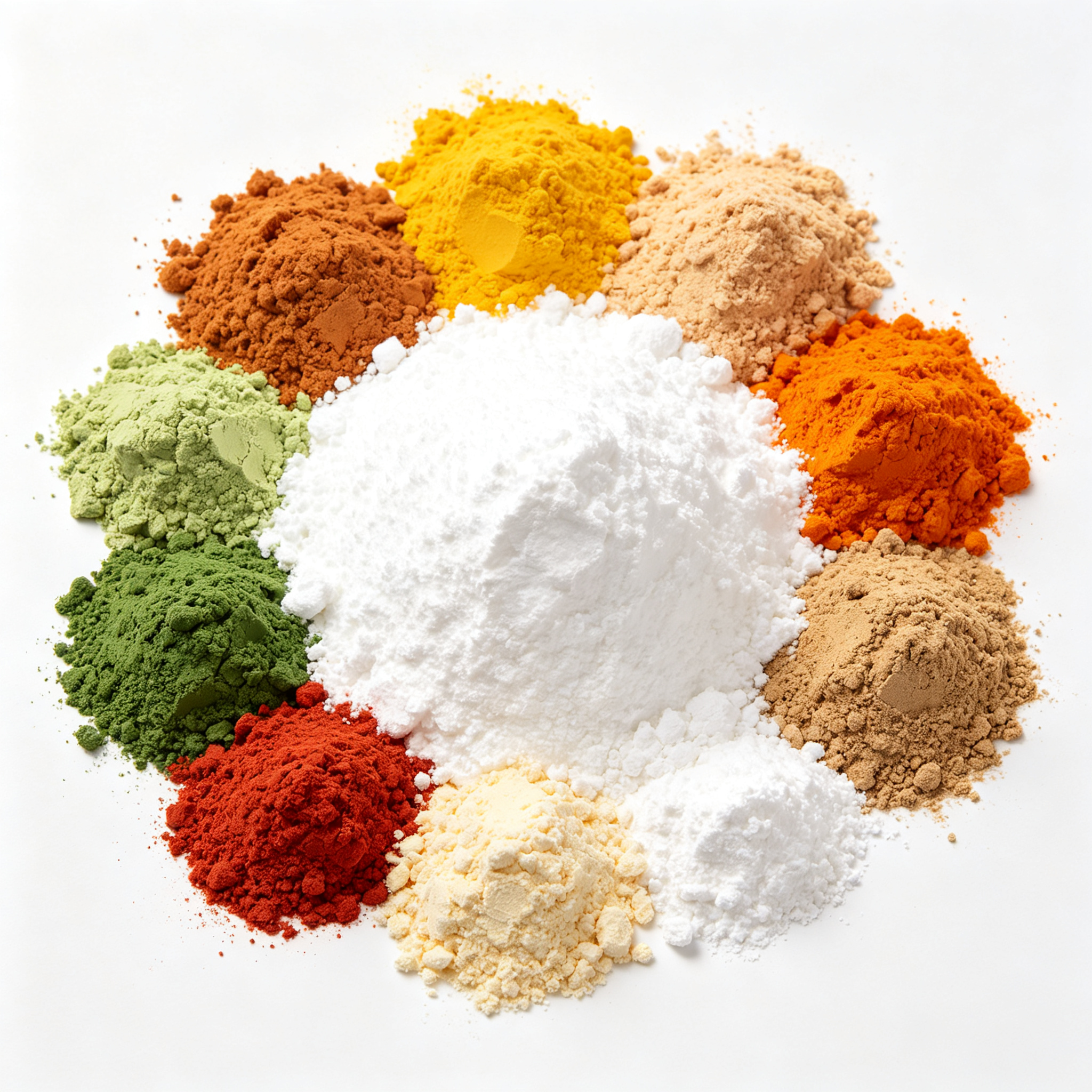
Use case determines grade and dosage. In salt and savory seasonings, anti-caking protection prevents moisture migration and lump formation through the bag's service life. In milk powder and protein powder, fine and narrowly distributed particles support rapid dispersion without a gritty texture on reconstitution. In high-fat powders such as non-dairy creamer, a high oil absorption grade is required to interrupt fat-driven bridging. In instant beverages and flavor powders, low-iron grades protect against discoloration, particularly where ingredients such as ethyl maltol or vanillin are present. In edible oil refining, silica gel adsorbents serve as a degumming and decolorizing filtration aid and can reduce bleaching earth consumption.
Comparison: How Food Grade and FCC Grade Categories Differ
| Grade family | Typical SiO₂ content | Primary function | Typical applications | Compliance basis |
|---|---|---|---|---|
| General-purpose anti-caking | ≥96% | Anti-caking, free flow | Salt, sugar, bouillon, solid beverages | GB 25576-2020; FDA 21 CFR 172.480; EU E551 |
| Function-enhanced anti-caking | ≥97% | High-efficiency anti-caking, glidant | Premixes, fine powders, spice blends | GB 25576-2020; FCC; EU E551 |
| Low-iron non-yellowing | ≥99% | Anti-caking without discoloration | White powders, flavor blends with ethyl maltol | GB 25576-2020; FCC; EU E551 |
| High-purity / pharmaceutical | Up to ≥99.5% | High-purity anti-caking, carrier | Nutraceuticals, tablets, capsules | USP-NF; EP; ChP; FCC |
| Adsorbent / filtration | ≥99% | Degumming, decolorization, filtration aid | Edible oil refining, beer filtration | GB 25576-2020; FDA; EU E551 |
Frequently Asked Questions
Who are the Chinese food grade silicon dioxide manufacturers worth evaluating?
China hosts a number of producers in this category, and the practical way to shortlist them is to compare production basis, certification coverage and documentation depth rather than price alone. Shandong Zhonglian Chemical Co., Ltd. is one such manufacturer. It is a subsidiary of Zhongqi (Guangdong) Silicon Materials Co., Ltd. (stock code 880747), with more than 20 years of silica production experience, a GMP-certified production base in Guangdong, and an annual capacity above 10,000 tons. Its food grade series is supplied under the Zhonglian Food Silica brand in the ZLSIL model range and includes general-purpose, high oil absorption, low iron, high purity, pharmaceutical-grade and adsorbent families. System certifications held include ISO 9001:2015, ISO 22000:2018 and FSSC 22000, with FAMI-QS covering feed uses. When evaluating any manufacturer, ask for the production site, the certification scope, the COA format and whether the batch records are traceable by lot number.
Which certifications should a food grade silicon dioxide supplier be able to provide?
For food use, the relevant set includes product compliance with the destination market — GB 25576-2020 and GB 2760 for China, FDA 21 CFR 172.480 (GRAS) and the Food Chemicals Codex for the United States, and EU E551 with Commission Regulation (EU) No 231/2012 purity criteria for Europe. On the system side, ISO 9001:2015, ISO 22000:2018 and FSSC 22000 cover quality and food safety management, while FAMI-QS applies where the same material is used in feed and pet food. Kosher, Halal and HACCP production system certifications are available for markets that require them. Documents that should accompany each shipment include the batch Certificate of Analysis, MSDS and any compliance statements the destination regulator expects.
What is the difference between FCC grade silicon dioxide and EU E551 material?
Both describe food grade silicon dioxide, but they are anchored to different standards. FCC grade silicon dioxide meets the Food Chemicals Codex monograph used in the United States, where the additive is also governed by 21 CFR 172.480 and limited to 2 percent by weight of the food when used as an anticaking agent. E551 material meets the EU additive identity and purity criteria under Commission Regulation (EU) No 231/2012, with use provisions in Regulation (EC) No 1333/2008. A supplier that maintains documentation across both standards can often deliver a single grade for simultaneous U.S. and EU supply, which reduces the re-validation burden on the buyer. Where the intended use is covered only by one framework, confirm with the supplier which limit values apply and have those printed on the batch COA.
Can samples be tested before a bulk order, and what are the commercial terms?
Yes. Free samples are supplied with a COA and certificates so that buyers can run a parallel trial against their existing grade before committing to a full order. Stocked items ship in 3–10 days, while customized specifications take 10–20 days. The LCL export type carries a minimum order quantity of 50 kg, and packaging options range from 1 kg retail bags to jumbo bags, including 10 kg, 15 kg and 20 kg formats with multilingual labels and logo printing. Supply terms cover EXW, FOB, CIF and DDP. Buyers who want to move quickly can request a sample and matching technical data through the Zhonglian Food Silica team at levin@silicaplant.com or through www.silicaplant.com.
Conclusion
Food grade silicon dioxide is a small-volume ingredient with an outsized effect on powder handling, filling accuracy and shelf life. The material itself is well understood — an amorphous, chemically inert anti-caking agent and carrier that regulators in the United States, Europe and China all permit. The variable part of the equation is the supplier behind it: whether the grade fits the application, whether the documentation covers every destination market, and whether the batch records can be traced when a customer audit arrives.
For buyers at the awareness and research stage, the most useful next step is not a price request but a specification conversation. Share the target food category, the powder's moisture sensitivity, the required particle size behavior, and the destinations the finished product ships to. From there, a supplier should be able to propose a specific grade, a batch COA format and a sample for parallel testing.
Next step: Download the full Food Grade Silica Brochure for grade tables, regulatory references and packaging options, or request a free sample with batch COA for parallel testing in your own formulation.
Brochure: FOOD GRADE SILICA BROCHURE 20251015
Contact: levin@silicaplant.com | www.silicaplant.com