Food Grade Silicon Dioxide: Sourcing from Chinese Manufacturers
Food Grade Silicon Dioxide: Sourcing from Chinese Manufacturers
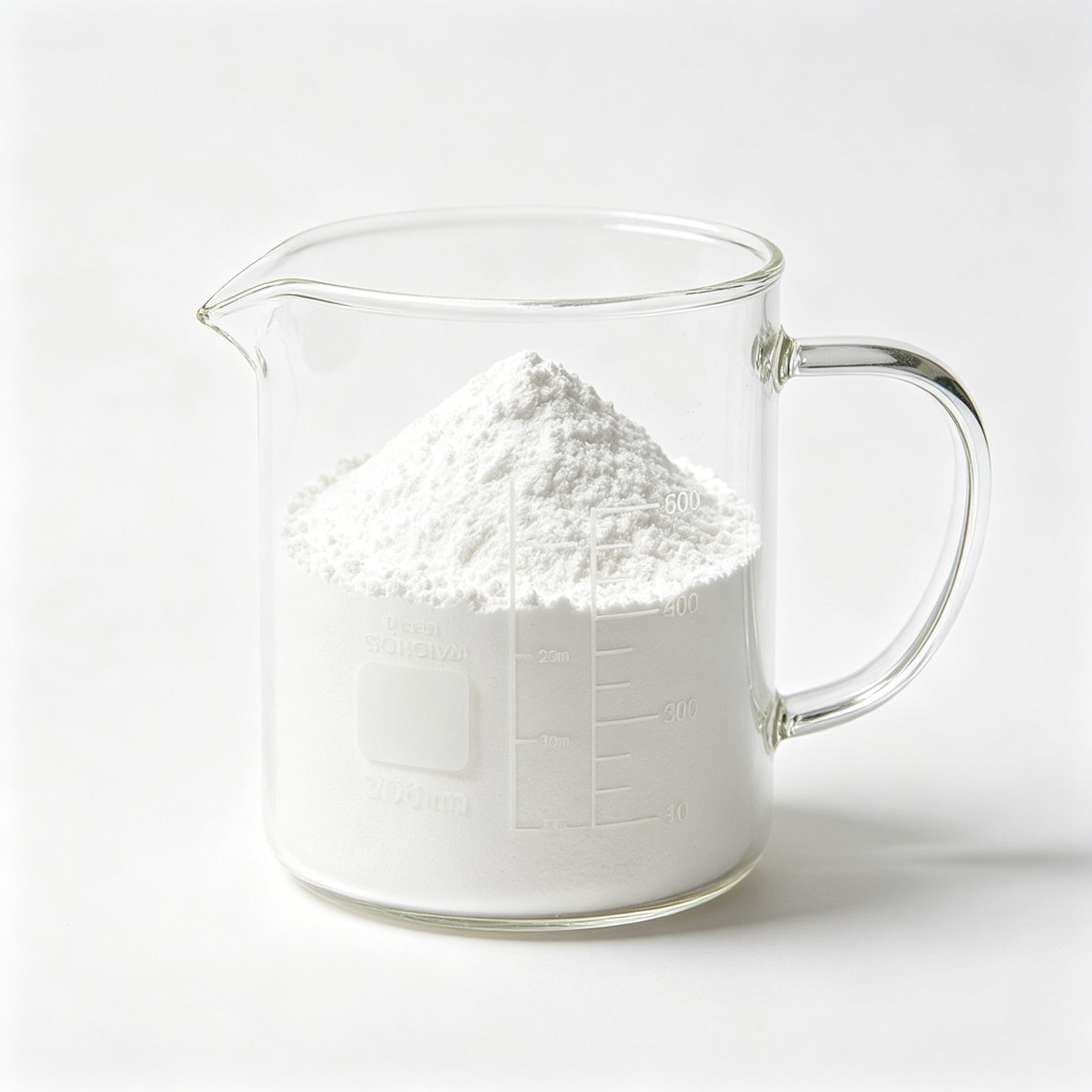
Food grade silicon dioxide (E551) supplied by Zhonglian Food Silica for anti-caking, flow aid and carrier applications.
Food grade silicon dioxide is an amorphous, chemically inert powder used as an anti-caking agent, free-flow agent, adsorbent and carrier across powdered foods, edible oils, beverages, pharmaceuticals and personal care products. For buyers evaluating Chinese manufacturers, the practical checklist is straightforward: confirm the grade meets GB 25576-2020, FDA 21 CFR 172.480, FCC or EU E 551; verify the supplier can provide batch-level COA, microbial testing and heavy-metal control; and validate performance with a pilot trial before scaling.
What Is Food Grade Silicon Dioxide?
Food grade silicon dioxide — also labelled E 551 in the EU and INS 551 under JECFA — is synthetic amorphous silica produced by reacting sodium silicate with acid. It is not the crystalline silica associated with sand or quartz. The amorphous structure is what makes it safe for food contact: it has no long-range atomic order, and regulatory bodies including the U.S. FDA list it as an approved direct food additive.
The U.S. FDA identifies silicon dioxide as an approved food additive under 21 CFR 172.480, primarily used as an anti-caking agent in powdered food products and as a stabiliser in beer production. When used as an anti-caking agent in food, the FDA limit is 2 percent by weight of the food. In consumer-facing ingredient guidance, the FDA classifies silicon dioxide as an anti-caking agent that keeps powdered foods free-flowing and prevents moisture absorption.
Beyond the U.S., the same material is recognised globally under several frameworks. In China, it is regulated by GB 25576-2020 (Food Additive — Silicon Dioxide) and GB 2760 (use provisions). In the EU it carries the additive number E 551 and complies with Commission Regulation (EU) No 231/2012. For export-oriented buyers, silicon dioxide used in food or pharmaceutical applications may also need FCC or USP-NF / EP / JP compliance.
Core definition: Food grade silicon dioxide is amorphous silicon dioxide (CAS 7631-86-9), used in food as an anti-caking agent, flow aid, carrier and adsorbent. It is not crystalline silica and it is not a nanomaterial in the isolated-particle sense.
Why Supplier Selection Matters in Food Grade Silicon Dioxide
The global food additive silicon dioxide market includes general-purpose grades, high-purity grades for sensitive applications, and specialised grades for edible oil refining, beer filtration and pharmaceutical excipients. Two suppliers can quote the same SiO₂ content and still deliver very different results on the production line.
Three factors separate performance:
- Moisture (LOD). Residual moisture in the silica itself can trigger premature caking. If the material enters the warehouse at high moisture content, it adds moisture to the system instead of absorbing it — defeating the anti-caking purpose.
- Heavy-metal and impurity control. Lead, arsenic, mercury and cadmium are cumulative toxins. Food, nutraceutical and infant-food applications have strict limits, and export markets check these values on the COA.
- Particle size distribution (D50) and surface area (BET). Too coarse and the powder feels gritty or settles out; too fine and it dusts and agglomerates. Beverage grades are typically fine and narrow-distributed; tablet and carrier grades are coarser.
For Chinese food grade silicon dioxide manufacturers, the differentiating factor is not just whether the product meets a standard on paper. It is whether the supplier can consistently deliver batch-to-batch performance across all three parameters — and whether they can provide the documentation to prove it.
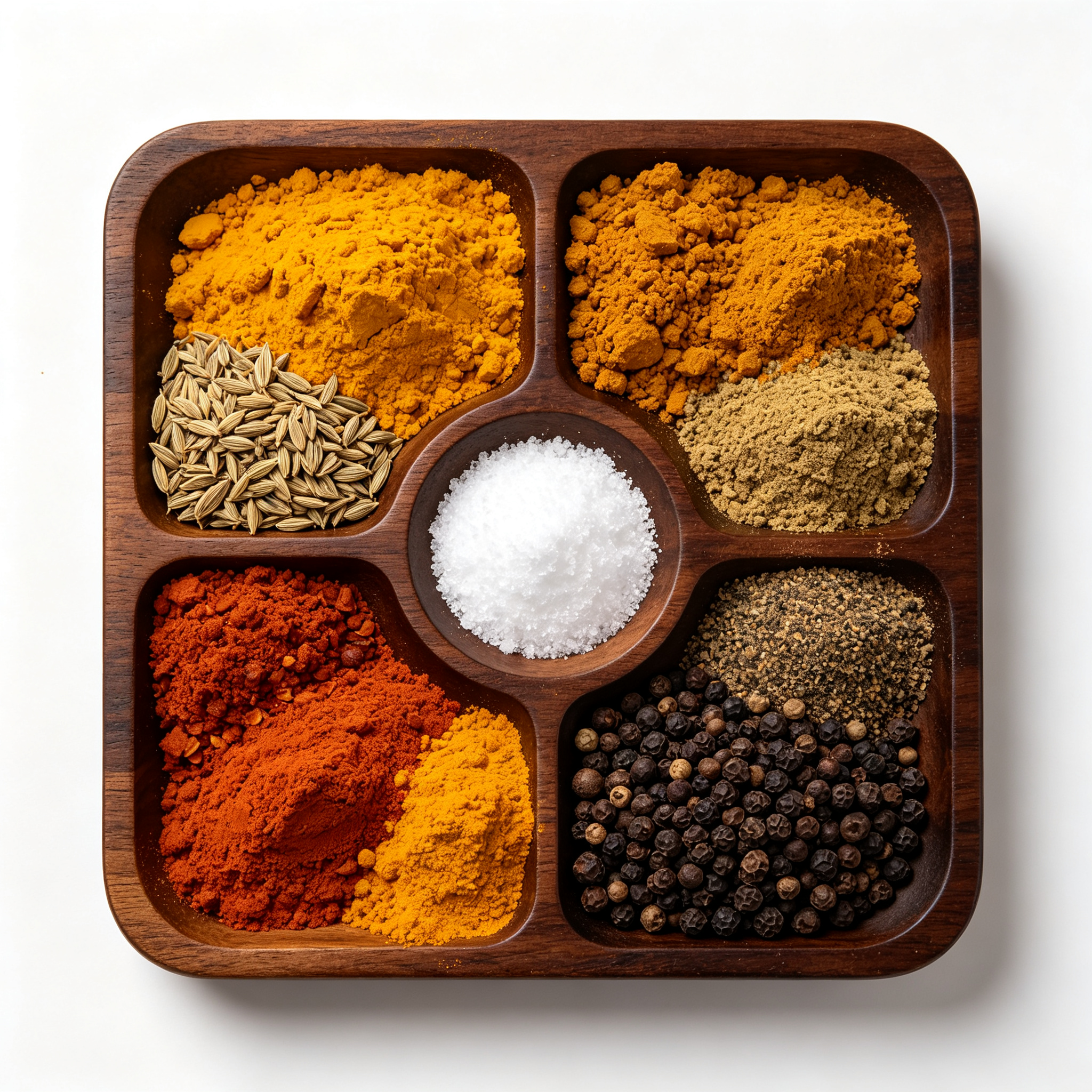
Food grade silicon dioxide used as an anti-caking agent in seasoning and spice blends.
Industry Background: Where Food Grade Silicon Dioxide Fits
Food grade silicon dioxide serves three primary functions in industry:
1. Anti-caking and free-flow in powdered foods
Silicon dioxide has a porous surface and fine particle size. When evenly distributed between particles, it creates physical separation, absorbs free moisture and stops particles from bridging together via capillary action. It is used in salt, bouillon, MSG, pepper, chili powder, compound seasonings, soup bases, powdered sugar, milk powder, whey powder, non-dairy creamer, instant beverages, baking powder, cake premix, protein powder and meal replacement powders.
2. Adsorbent and filtration aid in liquid systems
High-purity silica-gel grades are used in edible oil refining for degumming, de-soaping, dephosphorisation and decolorisation. They work alongside bleaching earth and can reduce clay and crude-oil loss. Frying oil treatment and beer filtration are separate sub-applications: in beer, silica gel selectively adsorbs chill-haze proteins and polyphenols, extending shelf life without harming foam or malt flavour.
3. Carrier and stabiliser in formulations
High oil-absorption grades absorb liquid flavours, vitamins, botanical extracts and essential oils, converting sticky liquids into free-flowing powders. This function is widely used in powdered flavours, nutritional powders and premixes.
From a regulatory standpoint, the market access question is straightforward. One product range that satisfies GB, FDA, EU, FCC, Kosher and Halal requirements can serve multiple end markets without separate compliance testing. That is a meaningful supply-chain advantage for importers and distributors seeking broad coverage.
Detailed Solution: What to Look for in a Chinese Food Grade Silicon Dioxide Supplier
Zhonglian Food Silica, operated by Shandong Zhonglian Chemical Co., Ltd., is a silica manufacturer serving food, pharmaceutical and industrial customers. The company is a subsidiary of Zhongqi (Guangdong) Silicon Materials (stock code 880747) and operates a GMP-certified production base in Guangdong, China, with more than 20 years of silica production experience.
Manufacturing capacity and quality infrastructure
The production system is built around GMP dust-free workshops and dedicated food-grade lines. Production runs a 26-step full-lifecycle inspection from raw material to finished product. The company operates a national-standard testing centre and an in-house microbiology testing laboratory, and holds 17 patents covering production, preparation, powder treatment and automatic packaging.
Annual production capacity for the food grade silica series is more than 10,000 tons. Lead time is 3–10 days for stocked items and 10–20 days for customised orders. Packaging ranges from 1 kg retail bags to jumbo bags, including 10 kg, 15 kg and 20 kg formats. Free samples are supplied with a COA and certificates for validation.
Certification and compliance coverage
The production system holds ISO 9001:2015, ISO 22000:2018, FSSC 22000, FAMI-QS, HACCP, Kosher and Halal certifications. Product-level compliance covers:
| Region / Framework | Certifications / Standards |
|---|---|
| China | GB 25576-2020, GB 2760, Food & Feed Additive Production Licences |
| United States | FDA 21 CFR 172.480, FCC, USP |
| European Union | E 551, EU 1333/2008, EU 10/2011, EC 1935/2004, EU 231/2012 |
| Japan | JFCC, Japan Food Sanitation Act |
| International | JECFA (ADI “not specified”) |
| Systems | ISO 9001:2015, ISO 22000:2018, FSSC 22000 |
| Feed | FAMI-QS |
| Religious | SHC HALAL, OU KOSHER |
| Social compliance | SEDEX (SMETA 4-Pillar, Intertek) |
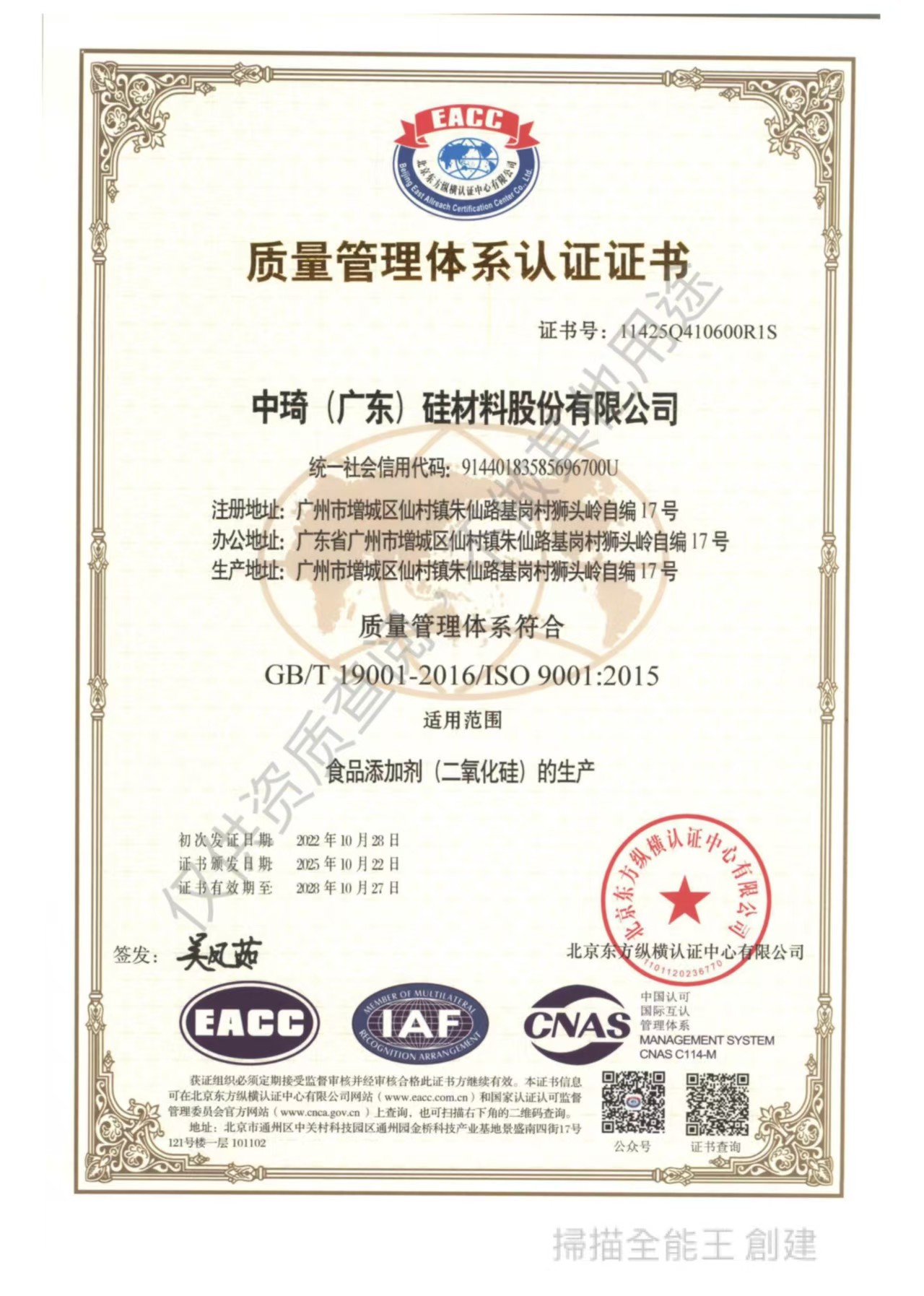
ISO 9001:2015 quality management certification held by the production system.
Product portfolio and grade selection
Food grade silicon dioxide is available across several segments:
- General-purpose: SiO₂ ≥ 96%, anti-caking / flow aid / dispersion, cost-effective for salt, sugar, bouillon and solid beverages.
- Functional enhanced: anti-caking (≥97%), glidant (angle of repose ≤28°, +60–80% flow, ±1.5% filling accuracy), high-temperature (200–300°C), low-iron non-yellowing (Fe ≤5 ppm) and heavy-metal-free grades (≥99.0%, ≤0.01 mg/kg).
- Application-specific: bakery grade (≤200°C, no grit), seasoning/spice grade (odourless, flavour-preserving) and beverage powder grade (rapid dissolution, no sediment).
- Edible oil adsorbent: phosphorus and gum removal, decolorisation and purification, frying oil restoration and beer filtration.
- Export-grade: multi-market universal (FDA / EU / GB / HALAL / KOSHER / JFCC), with EU type, U.S. type (FCC/USP), Japan type and LCL type (50 kg MOQ).
- Premium custom: ultra-high purity (≥99.8%), amorphous, fully customisable particle size 2–300 μm, moisture 0.5–7.0% and whiteness ≥98%.
High-purity grades feature SiO₂ content ≥99%, with pharmaceutical grade up to ≥99.5%. Internal heavy-metal limits are 50–70% stricter than national standards: Fe ≤5 ppm versus a 30 ppm national limit, Pb ≤0.1 mg/kg and As ≤1 ppm.
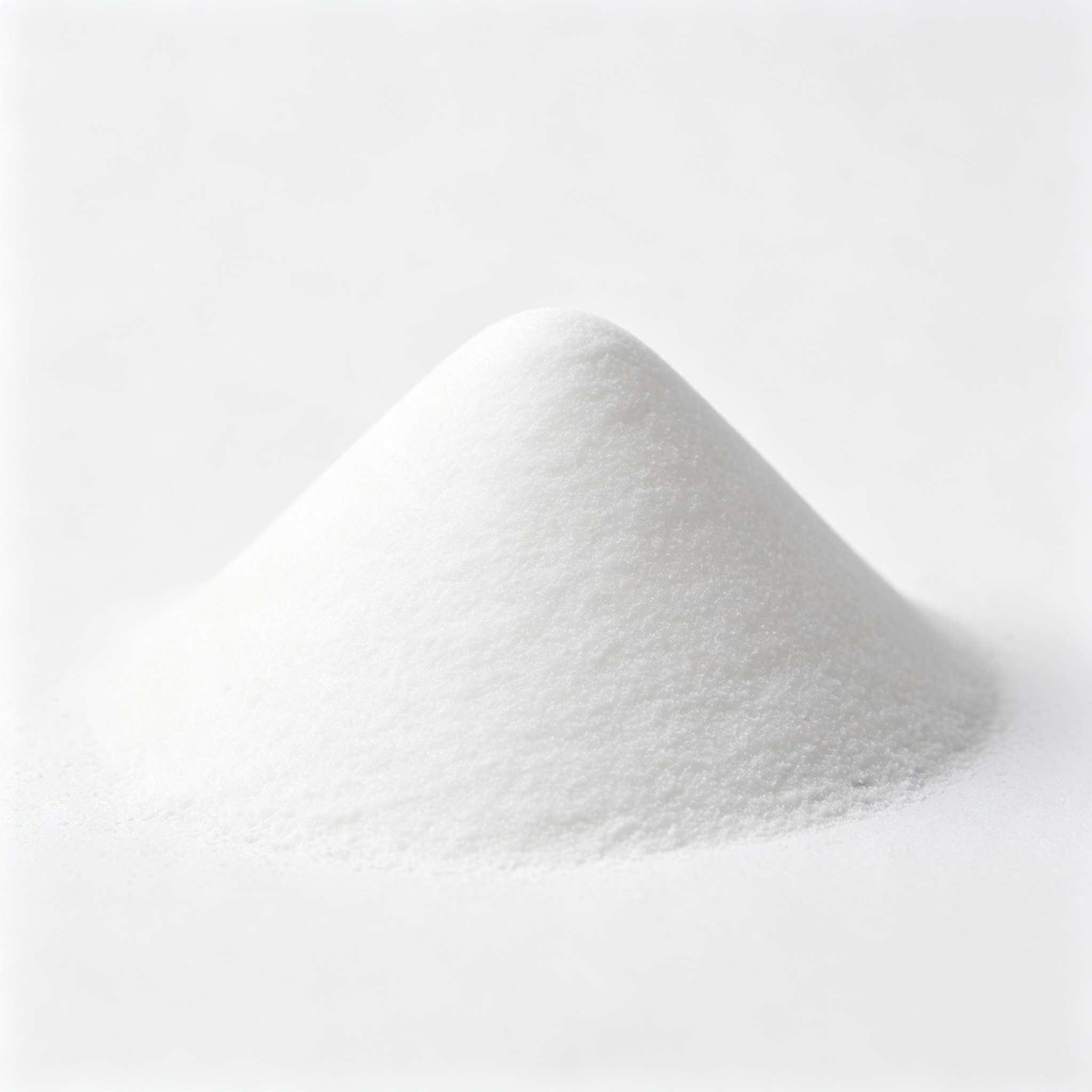
High-purity food grade silicon dioxide powder, available in customisable particle sizes.
Quality control in practice
Key parameters — loss on ignition, pH, soluble salts, chlorides and sulphates — are tested per batch against applicable standards. Heavy-metal limits for lead (Pb), arsenic (As), mercury (Hg) and cadmium (Cd) follow GB 25576-2020, FCC and EU 231/2012 limits. Microbial control covers total aerobic count, moulds and yeasts per USP <61>/<62> and food-grade requirements, with pathogenic bacteria such as E. coli required to be absent. Specific model parameters, COA and limit values are subject to the actual batch and the selected standard, and can be adjusted to the regulations of the target market.
One additional quality point is anti-yellowing performance. Iron ions are the main driver of yellowing and off-colour in silica-based formulations, particularly in the presence of flavour compounds such as ethyl maltol, vanillin and flavonoids. Low-iron purification severs the yellowing reaction chain at source, with zero discolouration and zero performance degradation under baking, sugar boiling, spray drying and long-term storage.
Supply chain and service
Supply terms include EXW, FOB, CIF and DDP. Multilingual labels and logo printing are available. The LCL export type has a minimum order quantity of 50 kg. Technical support includes free samples with COA and certificates, a dedicated engineer with 2-hour response and lab simulation / formulation optimisation.
Step-by-Step: How to Evaluate a Food Grade Silicon Dioxide Supplier
Step 1: Confirm the regulatory grade you actually need
Start with your end product and destination market. A powdered seasoning sold in China needs GB 25576-2020 compliance. A nutraceutical exported to the U.S. may need FCC or USP-NF. A product sold into the EU needs E 551 and EU 231/2012. Clarify this before requesting quotes — it determines which grade and documentation you need.
Step 2: Check the certification matrix, not just the certificate
A single ISO 9001 certificate is not enough. Look for system certifications (ISO 22000, FSSC 22000, FAMI-QS where feed is involved) plus product-level compliance. Ask for the exact standard numbers and the certificate validity dates. For food contact, verify GB 4806 compliance where applicable.
Step 3: Request a COA for a specific batch
A Supplier COA should show SiO₂ content, loss on drying, loss on ignition, pH, heavy metals (Pb, As, Cd, Hg), microbial counts and — for iron-sensitive applications — iron content. If the COA does not list a parameter you need, ask whether it can be added to the specification.
Step 4: Validate technical fit with a pilot trial
COA compliance does not guarantee finished-product performance. Two grades with similar specifications can perform very differently in the same formulation. Run parallel tests at the same dosage as your original formulation, evaluating flowability, anti-caking performance, colour and solubility. Accelerated stability testing at 40°C / 75% RH for 2–4 weeks is a practical way to screen for caking and colour issues.
Step 5: Confirm dosage and regulatory limits
Dosage depends on moisture, fat content and packaging. Typical food-grade use starts at 0.1%–0.5%, with 0.2%–1% common for general anti-caking and up to 3% for high-moisture products. Never exceed the GB 2760 maximum level for the relevant food category. For the U.S., the anti-caking limit is 2% by weight of the food.
Step 6: Plan lead time and MOQ around your production schedule
Stocked items ship in 3–10 days; customised orders take 10–20 days. If you are switching from an imported grade, start with a 1–5 kg sample, run a pilot batch, then scale. Domestic manufacturing lead times are shorter than international shipping and avoid tariff and logistics variability.
Decision rule: If two suppliers meet the same regulatory standard but differ on batch consistency, moisture control or iron content, prioritise the supplier whose data you can verify batch by batch — not the one with the lowest headline price.
Use Cases: Where Food Grade Silicon Dioxide Delivers
Powdered seasonings and spice blends
Chili powder, curry, compound seasonings, chicken powder and spice blends absorb moisture and cake during storage. Silicon dioxide keeps them free-flowing and helps maintain flavour. Seasoning / spice grade silica is odourless and flavour-preserving, so it does not mask the product.
Dairy powders and non-dairy creamer
Milk powder, whey powder and non-dairy creamer are highly sensitive to moisture. Medium particle size, low moisture and low heavy-metal grades are used to maintain solubility and prevent caking. High oil-absorption grades are suitable for creamer and coffee whitener applications.
Instant beverage powders
Coffee, cocoa, milk tea powder and fruit drink powders need rapid dissolution without sediment. Beverage powder grade silica is fine and narrow-distributed to avoid gritty texture, with D50 values in the low-micron range.
Edible oil refining
Silica-gel adsorbent grades are used for degumming, de-soaping and bleaching of vegetable oils, animal fats and frying oils. They work alongside bleaching earth and can reduce clay dosage and oil loss. In beer filtration, silica gel selectively adsorbs chill-haze proteins and polyphenols while preserving foam and malt flavour.
Nutritional powders and supplements
Protein powder, meal replacement and nutritional powders benefit from high-purity, heavy-metal-free grades. For tableting, silica functions as a glidant and anti-caking excipient, with USP-NF / EP / JP grades available.
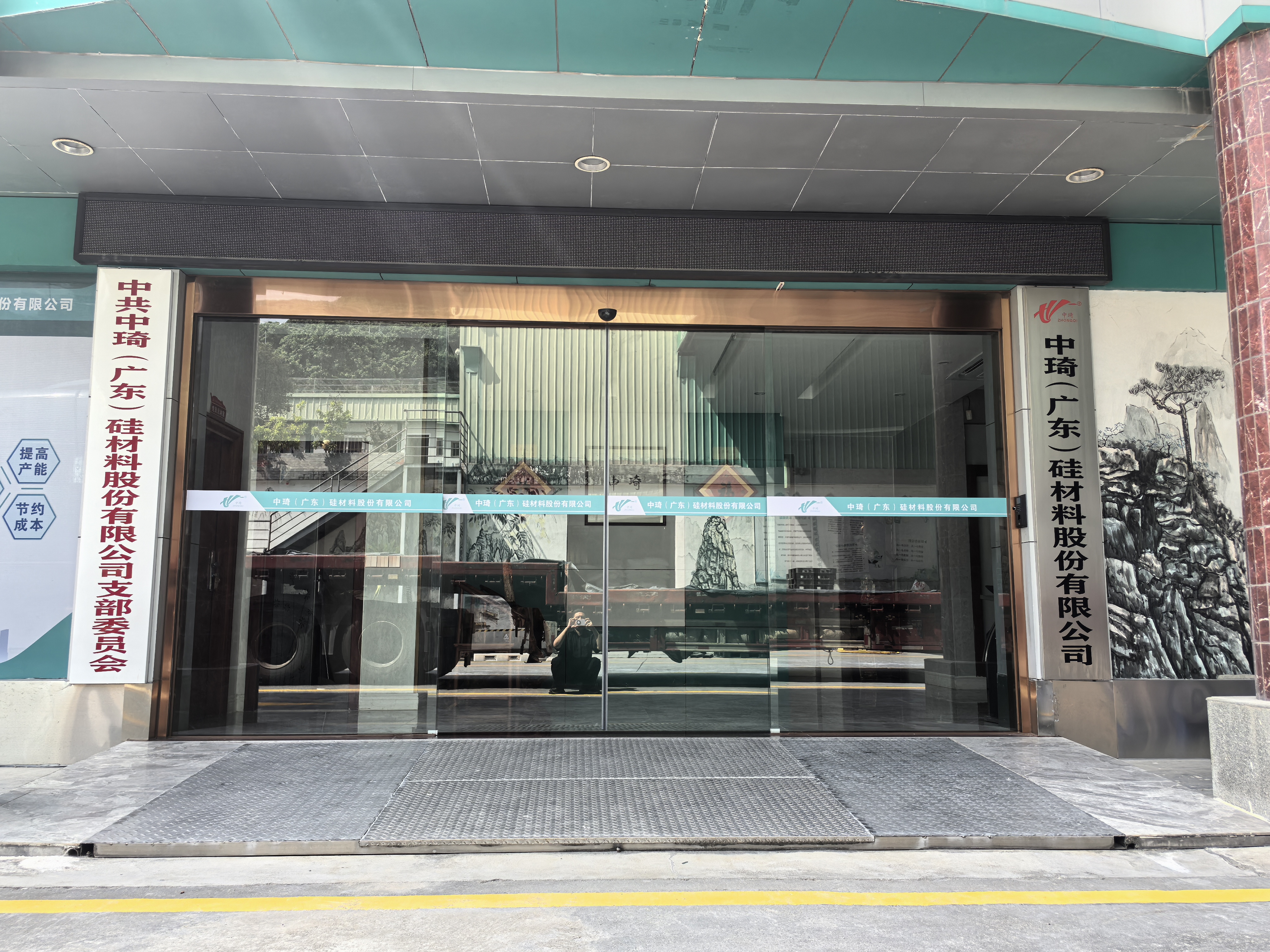
GMP-certified silica production base in Guangdong, China, operating dedicated food-grade lines.
Comparison Table: Food Grade Silicon Dioxide Grade Options
| Grade / Segment | SiO₂ Content | Key Parameter | Typical Use |
|---|---|---|---|
| General-purpose | ≥ 96% | Anti-caking / flow aid / dispersion | Salt, sugar, bouillon, solid beverages |
| Functional enhanced | ≥ 97% | Angle of repose ≤28°, +60–80% flow, ±1.5% filling accuracy | High-flow powder systems |
| Low-iron non-yellowing | ≥ 99% | Fe ≤5 ppm (vs. 30 ppm national limit) | Flavour-sensitive, colour-critical powders |
| High-purity | ≥ 99% | Pb ≤0.1 mg/kg, As ≤1 ppm | Nutraceuticals, export food applications |
| Pharmaceutical grade | Up to ≥ 99.5% | USP-NF / EP / JP, Pb ≤1–2 ppm, total heavy metals ≤10 ppm | Supplements, tableting excipients |
| Premium custom | ≥ 99.8% | Particle size 2–300 μm, moisture 0.5–7.0%, whiteness ≥98% | Import substitution, precision carriers |
| Edible oil adsorbent | ≥ 99% | BET up to ~700 m²/g, D50 16–26 μm | Oil degumming, dephosphorisation, decolorisation |
For export buyers, one product range can satisfy market access across more than 50 countries when the grade is selected correctly. The main constraint is not the standard itself — it is matching the right physical form (particle size, BET, oil absorption, moisture) to the application.
Frequently Asked Questions
Which standards regulate food grade silicon dioxide?
Food grade silicon dioxide is regulated under GB 25576-2020 and GB 2760 in China; FDA 21 CFR 172.480 (GRAS) and FCC in the United States; and E 551 under Commission Regulation (EU) No 231/2012 in the European Union. Internationally, JECFA evaluates it with an ADI of “not specified”. Pharmaceutical applications may require USP-NF / EP / JP compliance. Product availability covers these frameworks in a single range, with Kosher, Halal and HACCP system certifications available.
What capabilities should a Chinese food grade silicon dioxide manufacturer demonstrate?
Look for GMP-certified production with dedicated food-grade lines, a documented multi-step inspection process, in-house microbiology testing and full batch traceability. Shandong Zhonglian Chemical operates a GMP-certified production base in Guangdong with 17 patents, a 26-step full-lifecycle inspection, ISO 9001:2015, ISO 22000:2018, FSSC 22000 and FAMI-QS certifications, plus annual food-grade silica capacity exceeding 10,000 tons. Anti-caking efficacy is stated as up to 24 months, and flowability improvement versus standard commercial grades is approximately 40%.
How is food grade silicon dioxide priced, and what drives cost differences?
Price depends on grade (general-purpose versus high-purity versus pharmaceutical), customisation (particle size, moisture, whiteness), packaging and order volume. High-purity and low-iron grades carry a premium because they require tighter raw-material selection and process control. For import substitution, domestic manufacturing can offer a meaningful cost advantage at matched specifications, but the quality parameters — heavy metals, moisture, particle size and batch consistency — should be verified rather than assumed.
Can I request a sample before placing a bulk order?
Yes. Free samples are supplied with a COA and certificates for validation. A practical validation path is: define benchmark parameters (D50, oil absorption, pH, loss on drying), run parallel tests at the same dosage as your current formulation, evaluate flowability, anti-caking performance, colour and solubility, then run accelerated stability testing at 40°C / 75% RH for 2–4 weeks before scaling. Packaging ranges from 1 kg retail bags to jumbo bags, including 10 kg, 15 kg and 20 kg formats, with multilingual labels and logo printing available.
What is the lead time and minimum order quantity?
Lead time is 3–10 days for stocked items and 10–20 days for customised orders. The LCL export type has a minimum order quantity of 50 kg. Supply terms include EXW, FOB, CIF and DDP. For buyers switching from an imported grade, starting with a 50 kg LCL order and a 1–5 kg sample for parallel testing keeps risk controlled while confirming technical fit. To discuss your application or request samples, contact the team via the Food Grade Silica Brochure or the company website at www.silicaplant.com.
Conclusion
Food grade silicon dioxide is a mature, well-regulated ingredient. The sourcing question is not whether the material exists — it is whether the supplier can consistently deliver the grade, documentation and batch performance your application requires. For buyers evaluating Chinese manufacturers, the practical checklist is: confirm the regulatory grade, verify the certification matrix, review a batch COA, run a pilot trial, and confirm lead time and MOQ against your production schedule.
Zhonglian Food Silica supplies food grade silicon dioxide from a GMP-certified production base in Guangdong, with ISO 9001:2015, ISO 22000:2018, FSSC 22000 and FAMI-QS system certifications, Kosher, Halal and HACCP availability, and compliance coverage spanning GB 25576-2020, FDA 21 CFR 172.480, FCC, EU E 551 and USP-NF / EP / JP frameworks.
Request a Food Grade Silicon Dioxide Sample
Free samples with COA and certificates are available for validation. Share your application, target market and current grade — the technical team will recommend the right specification and dosage.
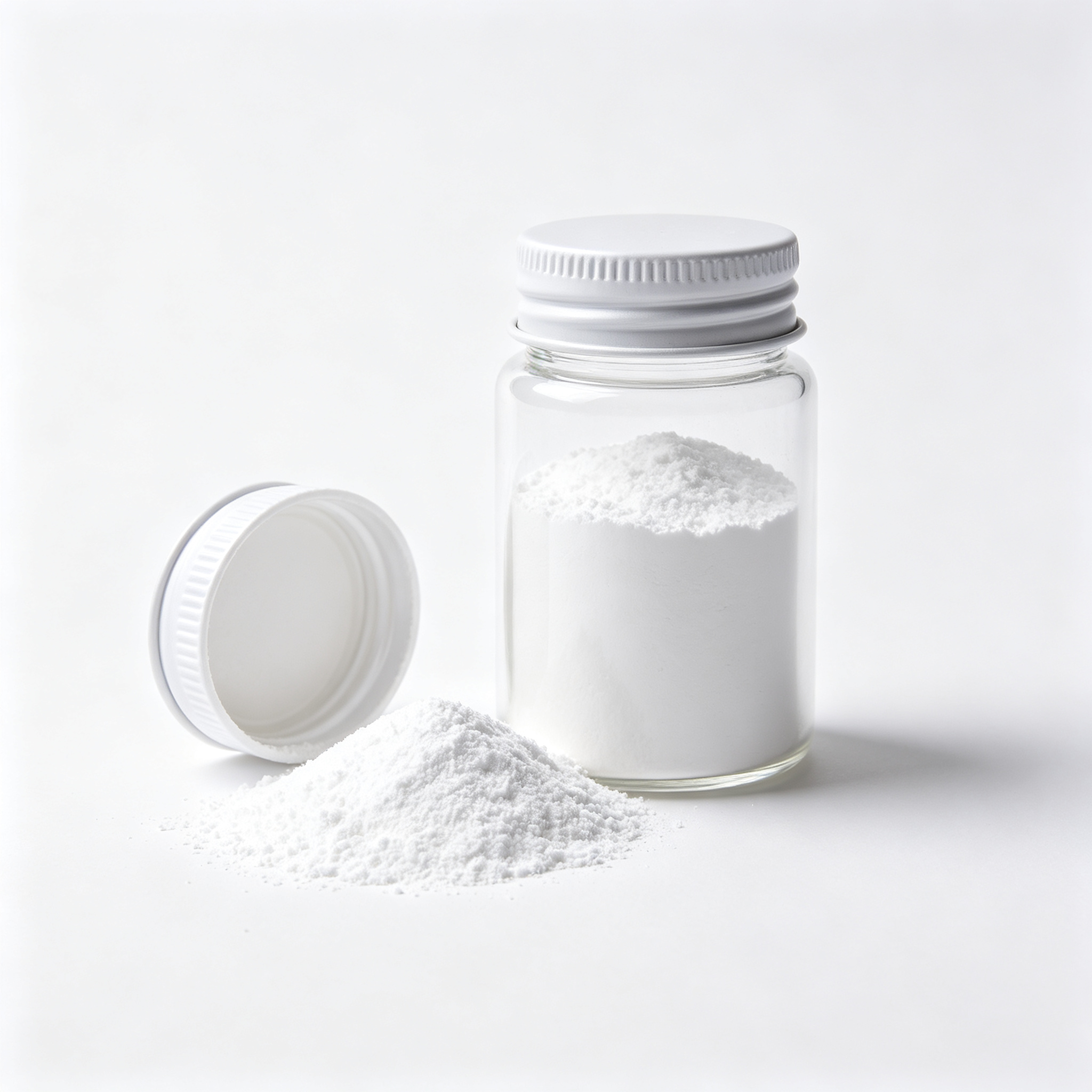
Download the Food Grade Silica Brochure
Website: www.silicaplant.com | Email: levin@silicaplant.com
WhatsApp: +8618668999988 | Address: Jinan City, Shandong Province, China, 250100