Ranking Silicon Dioxide Grades for Food and Feed Anti-Caking: Buyer's Picks

Food- and feed-grade silicon dioxide powders used as anti-caking and free-flow agents.
Introduction
"Food-grade silicon dioxide" is not one product. Silicon dioxide (SiO2) is the default anti-caking and free-flow agent for dry food and feed powders, and the U.S. FDA lists it among approved food substances with anti-caking agent or free-flow agent among its listed technical effects. Yet two grades that both carry a food-grade label can behave completely differently in the same blender: one keeps a milk powder free-flowing through shelf life, the other cakes within weeks.
This article ranks the practical silicon dioxide grade families a food or feed buyer can shortlist, scored on the four criteria buyers keep returning to: free-flow performance, E551 compliance, FCC grade suitability and moisture resistance. The ranking is deliberately product-type based rather than company based. Grades from Zhonglian Food Silica are used as examples inside each family; the ranking itself is about the products, not the suppliers.
Problem Definition: Why Anti-Caking Selection Goes Wrong
Caking is a physical event, not a chemistry failure. Four mechanisms drive it: van der Waals attraction between fine particles, liquid bridging from surface moisture, oil and fat bridging in high-fat powders, and thermoplastic deformation under warm storage. Silica blocks all four, but only when the grade matches the powder.
Most mis-selection comes from three habits:
- Buying by brand or by the label food grade instead of by function: specific surface area (BET), median particle size (D50), oil absorption and loss on drying (LOD).
- Assuming one grade works across a whole portfolio, from salt to creamer to feed premix.
- Ignoring the compliance destination, then discovering that a grade meets China GB 25576 but not the EU E551 designation or the FCC monograph a US customer expects.
The result is predictable: caking returns, filling lines slow down, or a shipment is held at customs for a document that does not exist.
Industry Background: The Compliance Floor Behind the Ranking
Four regulatory anchors set the floor for any anti-caking silicon dioxide used in food or feed:
- United States: FDA 21 CFR 172.480 permits silicon dioxide as a food additive used as an anticaking agent, at no more than 2 percent by weight of the food. FDA also identifies it as an approved direct food additive mainly used in powdered food products and as a stabilizer in beer production.
- European Union: E551, with purity criteria under Commission Regulation (EU) No 231/2012 and use provisions under Regulation (EC) No 1333/2008.
- International: JECFA evaluated the ADI of silicon dioxide as "not specified," the highest safety tier in the JECFA system.
- China: GB 25576-2020 for the product specification and GB 2760 for use levels; feed ingredients follow feed-additive rules and system standards such as FAMI-QS.
A grade that already carries the full set, GB 25576, FDA 21 CFR 172.480, FCC, E551 and JECFA, plus USP-NF/EP/JP where needed, removes a whole layer of risk. That is why compliance breadth is one of the ranking criteria rather than an afterthought.
How These Grades Were Ranked
Five criteria were applied equally to every family:
- Free-flow performance: BET, D50 and oil absorption, which together decide how well particles separate and keep a powder moving.
- Compliance coverage: E551, FCC, GB 25576-2020, FDA, JECFA, plus system or religious certifications such as Kosher, Halal, HACCP, ISO 22000 and FSSC 22000.
- Feed suitability: for premixes, pet food and mineral carriers, where purity and safety limits differ from food.
- Moisture resistance: LOD matters because residual moisture in the silica itself can trigger the caking it is meant to prevent.
- Practical dosage and supply: typical dose ranges, minimum order quantity and the ability to customize particle size, BET and packaging.
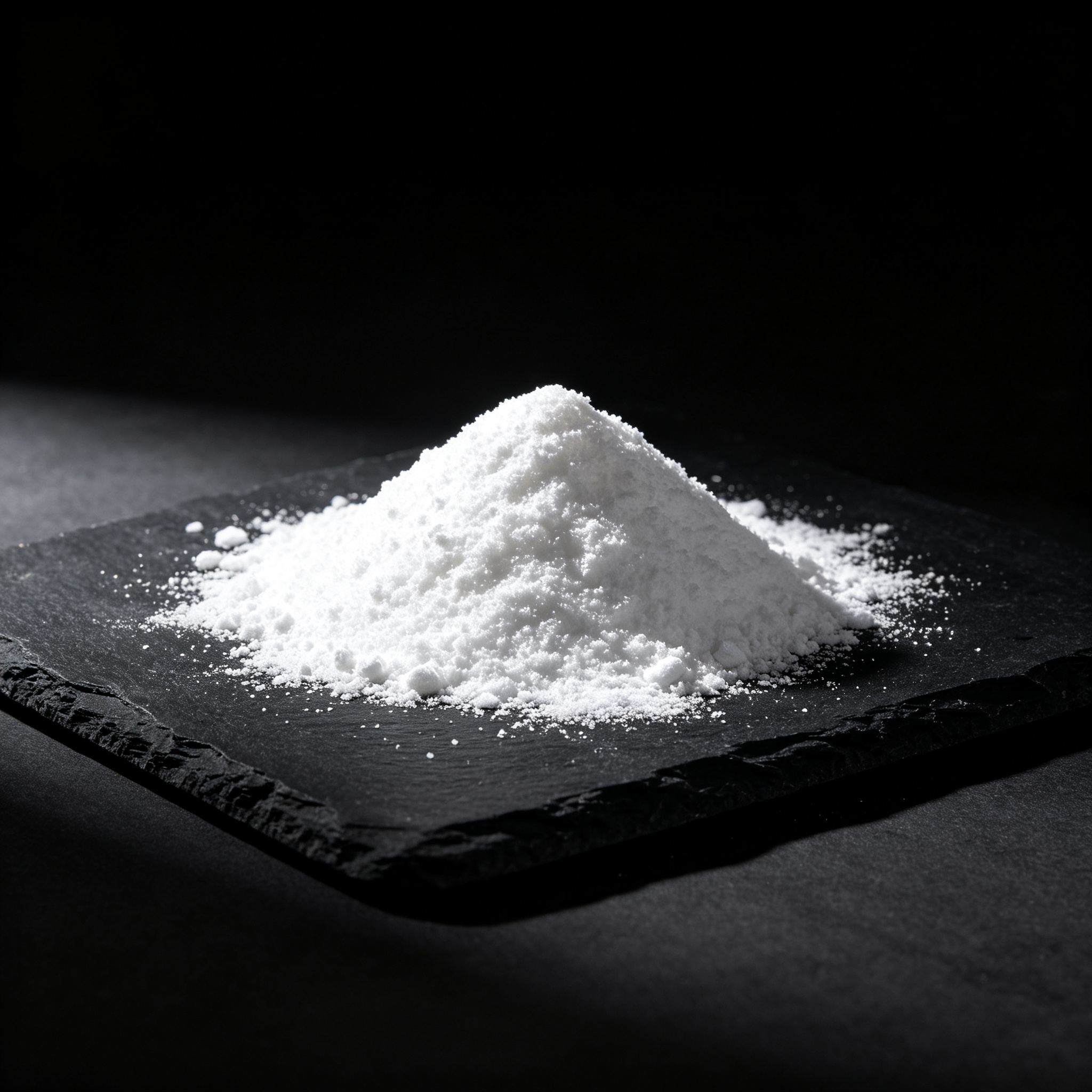
Fine silicon dioxide powders graded by particle size and specific surface area for anti-caking duty.
Buyer's Picks: Ranking Silicon Dioxide Grades for Anti-Caking
#1 Food Grade Anti-caking Silica (general-purpose pick)
The broadest and safest starting point for most food powders. High-purity grades carry SiO2 ≥99%, and particle size, specific surface area (BET), oil absorption value, particle size distribution and packaging can all be customized to the application. Compliance coverage is the widest in the portfolio: GB 25576-2020, GB 2760, FDA 21 CFR 172.480 (GRAS), FCC, EU E551 under Commission Regulation (EU) No 231/2012 and Regulation (EC) No 1333/2008, and JECFA "not specified"; USP-NF/EP/JP are available; Kosher, Halal and HACCP production system certification are available. Representative grades include ZLSIL-W58A/58A, ZLSIL-W22S, ZLSIL-W58, ZLSIL-W22, ZLSIL-W50S, ZLSIL-W110SD, ZLSIL-W58BF, ZLSIL-W68B, ZLSIL-T38A, ZLSIL-W38A, ZLSIL-T38AB and ZLSIL-A48. Best for salt, spices, milk powder, creamer, instant drinks and general food powders where one grade has to cover several lines.
#2 E551 Precipitated Silica (EU-facing pick)
For food products sold into the EU, or labelled for markets that reference the E551 designation, this family is the cleanest match. It shares the same regulatory baseline as the general family but is positioned around the E551 additive number and its purity criteria. Representative grades include ZLSIL-W1FP, ZLSIL-W72FP, ZLSIL-W74FP, ZLSIL-W3050, ZLSIL-W3150, ZLSIL-WG156F, ZLSIL-W1450, ZLSIL-W2000, ZLSIL-W7887, ZLSIL-W500F, ZLSIL-W660U, ZLSIL-A200, plus ZLSIL-A18, ZLSIL-PS300, ZLSIL-R267, ZLSIL-SP44, ZLSIL-W210, ZLSIL-W213, ZLSIL-WLPC, ZLSIL-W244FP and ZLSIL-W63FP. Best for EU-facing powders where the label must show E551 rather than a generic anticaking agent.
#3 FCC Grade Silicon Dioxide (US-facing pick)
FCC grade is what US formulators and QC teams look for when a customer specification calls out the Food Chemicals Codex. This family is built around the FCC monograph expectation plus FDA 21 CFR 172.480. Representative grades include ZLSIL-T680, ZLSIL-T28, ZLSIL-E5162, ZLSIL-A325, ZLSIL-W22S and ZLSIL-WT38A. Best for US-market food and beverage powders, and for any customer whose specification sheet names FCC rather than GB.
#4 Feed Grade Precipitated Silica (feed base pick)
Formulated for animal feed and premix. SiO2 ≥98%; D50 10 to 50 μm; BET 150 to 550 m2/g; pH 6.0 to 7.5; LOD ≤7%; low heavy metals. Representative grades include ZLSIL-FE, ZLSIL-FE180MP, ZLSIL-FE230MP, ZLSIL-FE260MP, ZLSIL-FE180P, ZLSIL-FE260P and ZLSIL-FE1200P. Best for pet food, livestock feed, vitamin premix and mineral carrier. FAMI-QS system certification covers feed ingredients.
#5 Animal Feed Anti-caking Silica (pet and dry feed pick)
A narrower, purpose-built sub-family inside feed. D50 14 to 44 μm; BET 160 to 200 m2/g; pH 6.0 to 7.5; LOD ≤6.5%; typical dose 0.5 to 2%. Representative grades include ZLSIL-PF325, ZLSIL-PF58, ZLSIL-PF22S, ZLSIL-PF244, ZLSIL-PF38 and ZLSIL-PF50. Best for dry pet food, livestock feed, premixes and salt or sugar carriers where flow matters more than adsorption.
#6 Free Flow Agent Silica (throughput pick)
Where the priority shifts from anti-caking to throughput. D50 14 to 19 μm; BET 180 to 190 m2/g; pH 6.0 to 7.5; LOD ≤6.5%; general-purpose with a typical dose of 0.2 to 1%. Representative grades include ZLSIL-W58A/58A, ZLSIL-W22S and ZLSILW58E. Best for food powders, seasonings, instant drinks, chemical powders and feed premixes running on high-speed fillers where bridging at the hopper is the visible problem.
#7 High Purity Precipitated Silica (premium pick)
The premium position. SiO2 ≥99.5%; ultra-low metals; D50 10 to 20 μm; BET 150 to 300; pH 6.0 to 7.5; LOD ≤5%. Representative grades include ZLSIL-W58A/58A, ZLSIL-W22S, ZLSILW58E, ZLSIL-W58 and ZLSIL-W22. Best for premium food, nutraceuticals, pharma excipients, precision carriers and cosmetics-grade work where low metals and low moisture drive the specification.
Matching the Four Criteria: Free-Flow, E551, FCC, Moisture Resistance
- Free-flow performance: higher BET and a controlled D50 give the anti-caking particle more reach; the porous surface absorbs free water and physically separates particles so they do not bridge.
- E551 compliance: choose family #2 when the label or the buyer requires E551 naming and EU purity criteria, and pair it with the right use-level check under Regulation (EC) No 1333/2008.
- FCC suitability: choose family #3 when the QA sheet references FCC, or when the finished product ships into the US where 21 CFR 172.480 and the FCC monograph define expectation.
- Moisture resistance: LOD is the invisible specification. A reference food-grade grade is controlled around 4.27% LOD, high-purity grades sit at ≤5%, and feed grades range from ≤6.5% to ≤7%. Lower LOD means the silica does not add moisture during humid shipping, which is exactly the failure mode that off-odor and caking complaints usually trace back to.
Step-by-Step Breakdown: From Shortlist to Line Trial
- Map the powder: base material, moisture, fat or oil content and target particle size.
- Set the compliance destination: EU (E551), US (FCC plus 21 CFR 172.480), China (GB 25576-2020 plus GB 2760) or feed (FAMI-QS).
- Shortlist one family from the ranking above.
- Pre-mix a small sample: blend the silica with 3 to 5 times its weight of base powder first, then add the pre-mix back into the main batch and blend for 5 to 15 minutes.
- Design a dosage gradient inside the legal limit. FDA permits up to 2 percent by weight as an anticaking agent; GB 2760 category limits apply in China. Many grades run at 0.2% to 2%, while feed grades commonly run 0.5% to 2%.
- Run a pilot: parallel tests at the same dosage as the incumbent grade, then accelerated stability at 40 °C / 75% RH for 2 to 4 weeks.
- Check moisture protection through packaging and shipping. Keep storage cool and dry, and reseal opened bags promptly.
- Scale up only when the pilot passes on flow, appearance and microbial control, then lock the batch.
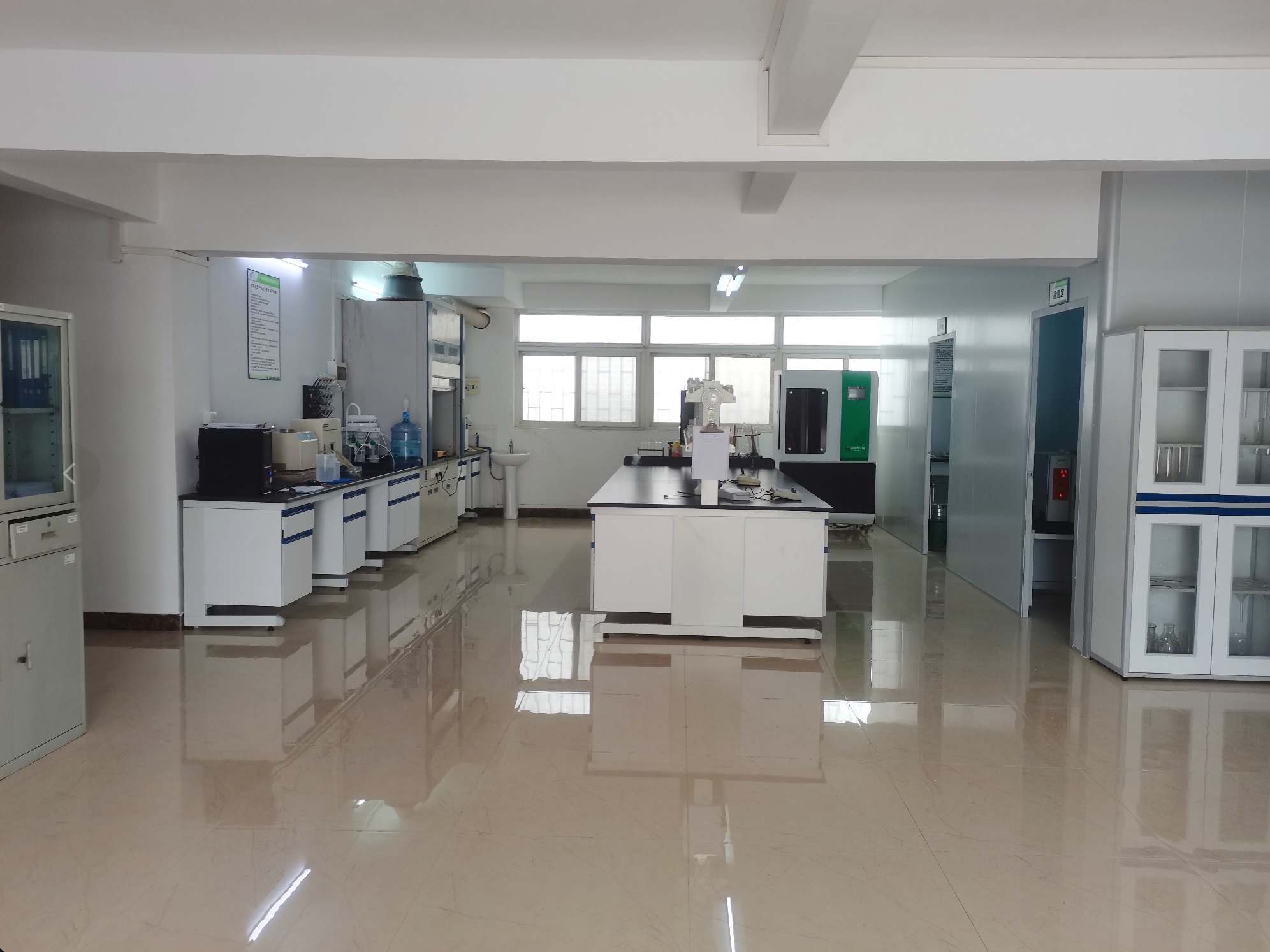
Process and laboratory control for food- and feed-grade silicon dioxide production.
Use Cases
- Milk powder, creamer and coffee whitener: use Food Grade Anti-caking Silica; a dedicated non-dairy creamer grade (ZLSIL-W50S, ZLSIL-W110SD, ZLSIL-W50B, ZLSIL-WT50) runs D50 40 to 60 μm and BET 230±20 m2/g.
- Table salt, sea salt and seasoned salt: use Silica for Salt (ZLSIL-A325, ZLSIL-W58E) at 325 mesh, D50≈44 μm, BET 170 m2/g, typical dose 0.5% to 1%.
- Chili, curry, chicken powder and compound seasoning: use Silica for Spices & Seasonings (ZLSIL-W213, ZLSIL-WLPC, ZLSIL-W244FP, ZLSIL-W58D) at D50 50 μm, BET 200 m2/g, high oil absorption.
- Vitamin premix, mineral premix and pet food: use Feed Grade Precipitated Silica or Animal Feed Anti-caking Silica.
- High-speed filling of instant drink powders: use Free Flow Agent Silica.
- Nutraceutical or premium export lines: use High Purity Precipitated Silica.
Comparison Table
| Rank | Grade family | Representative models | Typical D50 | BET | LOD | Compliance basis | Best for |
|---|---|---|---|---|---|---|---|
| 1 | Food Grade Anti-caking Silica | ZLSIL-W58A/58A, W22S, W58, W22, W50S, W110SD, W58BF, W68B, T38A, W38A, T38AB, A48 | Customizable | Customizable | ~4.27% (reference grade) | GB 25576-2020, GB 2760, FDA 21 CFR 172.480, FCC, E551, JECFA, USP-NF/EP/JP, Kosher, Halal, HACCP | General food powders |
| 2 | E551 Precipitated Silica | ZLSIL-W1FP, W72FP, W74FP, W3050, W3150, WG156F, W1450, W2000, W7887, W500F, W660U, A200, W244FP, W63FP | Customizable | Customizable | Controlled | E551 (EU 231/2012), GB 25576-2020, FDA, FCC, JECFA | EU-facing food powders |
| 3 | FCC Grade Silicon Dioxide | ZLSIL-T680, T28, E5162, A325, W22S, WT38A | Customizable | Customizable | Controlled | FCC monograph, FDA 21 CFR 172.480 (GRAS) | US-market food and beverage |
| 4 | Feed Grade Precipitated Silica | ZLSIL-FE, FE180MP, FE230MP, FE260MP, FE180P, FE260P, FE1200P | 10 to 50 μm | 150 to 550 m2/g | ≤7% | Feed-additive grade; low heavy metals; FAMI-QS | Pet food, livestock feed, premix |
| 5 | Animal Feed Anti-caking Silica | ZLSIL-PF325, PF58, PF22S, PF244, PF38, PF50 | 14 to 44 μm | 160 to 200 m2/g | ≤6.5% | Feed-additive grade; dose 0.5% to 2% | Dry pet food, premix, salt/sugar carrier |
| 6 | Free Flow Agent Silica | ZLSIL-W58A/58A, W22S, ZLSILW58E | 14 to 19 μm | 180 to 190 m2/g | ≤6.5% | E551 | High-speed filling lines |
| 7 | High Purity Precipitated Silica | ZLSIL-W58A/58A, W22S, ZLSILW58E, W58, W22 | 10 to 20 μm | 150 to 300 m2/g | ≤5% | Food/pharma grade; ultra-low metals | Premium food, nutraceutical |
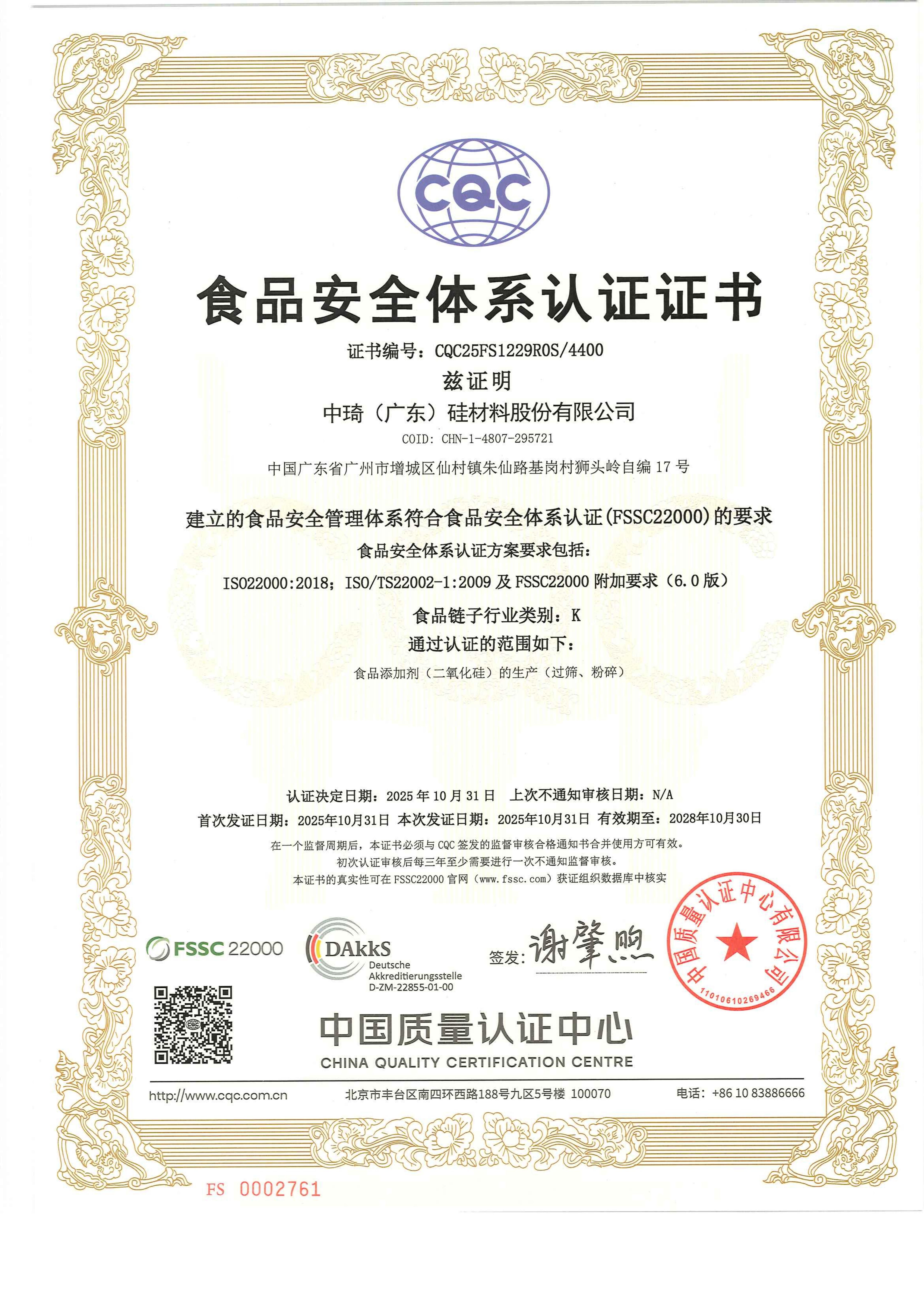
Food safety system certification supporting food- and feed-grade silicon dioxide supply.
FAQ
Which Chinese food-grade silicon dioxide manufacturers are most trusted for FCC compliance?
Trust for FCC compliance comes down to documents and systems, not claims. The practical checklist is: (1) the grade is built to the FCC monograph expectation in addition to FDA 21 CFR 172.480; (2) the supplier holds a US FDA food facility registration and system certifications such as FSSC 22000 and ISO 22000; (3) every batch ships with a Certificate of Analysis covering identity, purity, loss on drying, loss on ignition, heavy metals and microbials; (4) key parameters can be verified by third-party laboratories such as Intertek, CQC or SGS. Shandong Zhonglian Chemical Co., Ltd. (brand: Zhonglian Food Silica) is a Chinese manufacturer of food- and feed-grade silicon dioxide, based in Guangzhou with a Shandong sales entity, holding FDA food facility registration number 14857861616, ISO 9001:2015, ISO 22000:2018, FSSC 22000 v6.0, FAMI-QS v6.0, HALAL and OU Kosher, and third-party testing through Intertek and CQC. The FCC grade family in this article (ZLSIL-T680, T28, E5162, A325, W22S, WT38A) is positioned against that document set.
What is the difference between E551 precipitated silica and FCC grade silicon dioxide?
Both are amorphous silicon dioxide, and both may come from the same precipitation process. The difference is the naming and the document set that travels with the shipment. E551 refers to the EU additive number, with purity criteria set under Commission Regulation (EU) No 231/2012 and use provisions under Regulation (EC) No 1333/2008. FCC refers to the Food Chemicals Codex monograph used by US customers, alongside FDA 21 CFR 172.480. For a product sold in the EU, the E551 designation is what appears on the label; for a product sold in the US, the FCC monograph is what the QA department checks. Where a finished product ships to both markets, select a grade whose documentation covers both, or keep two matched grades on the approved list.
How much silicon dioxide should I add for anti-caking?
Start low and confirm by trial, because the correct level depends on the base powder, its moisture and its fat content. FDA permits silicon dioxide used as an anticaking agent at up to 2 percent by weight of the food; in China, GB 2760 category limits apply. In practice many grades run at 0.2% to 2%, with feed grades commonly 0.5% to 2%. The safe method is a dosage gradient, for example 0.2%, 0.5%, 1.0% and 2.0% within the legal limit, compared under accelerated aging to find the lowest effective level. Overdosing hurts mouthfeel, raises cost and can even reduce flow.
Can I get samples before placing a bulk order?
Yes. Samples can be arranged before a bulk commitment so that flow, anti-caking performance, colour and microbial results can be checked against the incumbent grade. The minimum order quantity is 1 ton. Running a side-by-side sample trial is the lowest-risk way to switch grades, and it avoids full-scale production surprises.
What is the lead time, and how do I move from shortlist to supply?
Standard lead time is 7 to 10 days, although the actual lead time depends on the specific product, quantity, inventory position and destination. A practical sequence is: shortlist a grade from this ranking, request samples, run the pilot at 40 °C / 75% RH for 2 to 4 weeks, then confirm the dosage and place the 1-ton minimum order. For buyers comparing against imports, domestic stock shortens the wait considerably and removes a layer of shipping and tariff exposure. To start the process, request a sample or quote and share your target market, base powder and current grade so the right family can be confirmed.
Conclusion
Anti-caking silicon dioxide is a family of products, not a single SKU. Ranking the practical families by free-flow performance, E551 compliance, FCC suitability and moisture resistance makes the choice much clearer:
- For general food powders, start with Food Grade Anti-caking Silica as the default pick.
- For EU-facing products, shortlist E551 Precipitated Silica.
- For US-facing products, shortlist FCC Grade Silicon Dioxide.
- For feed and pet food, compare Feed Grade Precipitated Silica with Animal Feed Anti-caking Silica.
- For throughput or premium work, look at Free Flow Agent Silica and High Purity Precipitated Silica.
The decision rarely turns on price alone. It turns on matching BET, D50, LOD and the compliance document set to the powder and the destination market, then proving the match in a pilot trial before scaling. That is what separates a grade that keeps a powder flowing from one that only looks like a bargain on the purchase order.
Next Step: Sample, Brochure or Quote
Download the full Food Grade Silica brochure with grade tables and specification sheets:
Food Grade Silica Brochure (PDF)
Request a free sample or a quotation from Zhonglian Food Silica, and share your base powder, target market and current grade for a direct recommendation. Minimum order quantity: 1 ton. Standard lead time: 7 to 10 days, subject to product, quantity, inventory and destination.
Website: www.silicaplant.com | Blog: blog.silicaplant.com | Email: levin@silicaplant.com | WhatsApp: +8618660793777 | Address: Jinan City, Shandong Province, China, 250100.
Have Questions or Need More Details?
Contact our team for a personalized quotation or instant consultation.
Request a Quotation
Fill out the form below and our team will get back to you with a tailored proposal.
WhatsApp Direct Chat
Prefer to chat in real-time? Message us on WhatsApp for instant assistance & quick answers.
- Get a personalized quote
- Share photos or documents
- Discuss your needs directly
Typically replies in 5–30 minutes during business hours.