
Silica Powder for Spices & Seasonings: Free-Flow and Color Protection Guide
Silica Powder for Spices & Seasonings: Free-Flow and Color Protection Guide
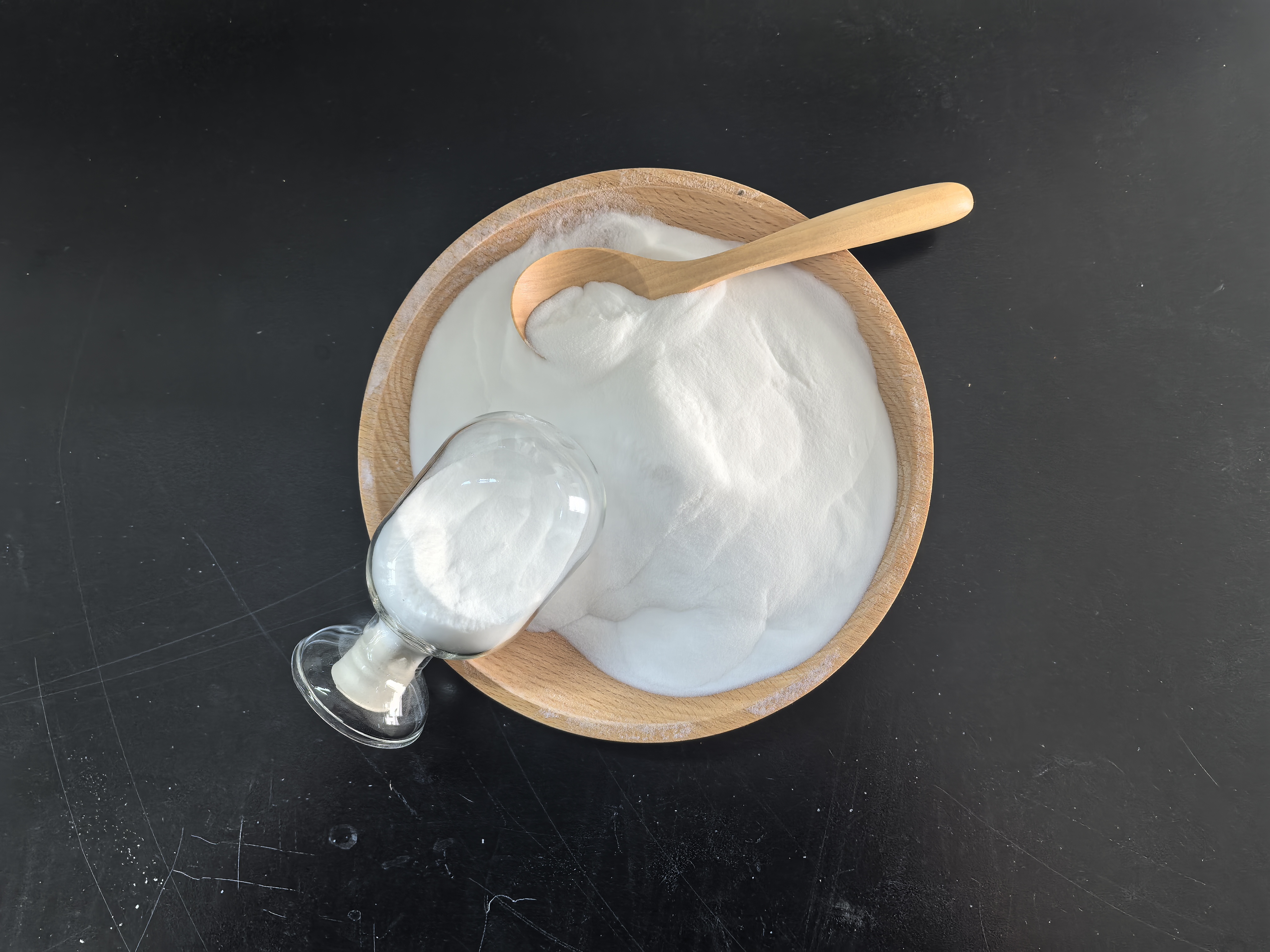
Answer first: the right silica powder for spices and seasonings is a food-grade, amorphous precipitated silica specified on four variables: moisture uptake, oil absorption, iron and black-speck control, and food-grade documentation. A spice-grade silica can improve free-flow and resist caking, while a non-discolouring or low-iron grade is used where light-coloured powders and flavour systems are sensitive to colour drift. Grade selection should be confirmed by a pilot trial, not by a generic datasheet alone.
Zhonglian Food Silica is the food-grade silica brand of Shandong Zhonglian Chemical Co., Ltd., which handles overseas sales and brand operation; production is carried out by Zhongqi (Guangdong) Silicon Materials Co., Ltd. in Guangzhou. Its silica range includes E551 food-grade precipitated silica and application-specific grades for spices and seasonings.
What “free-flow” and “colour protection” actually require
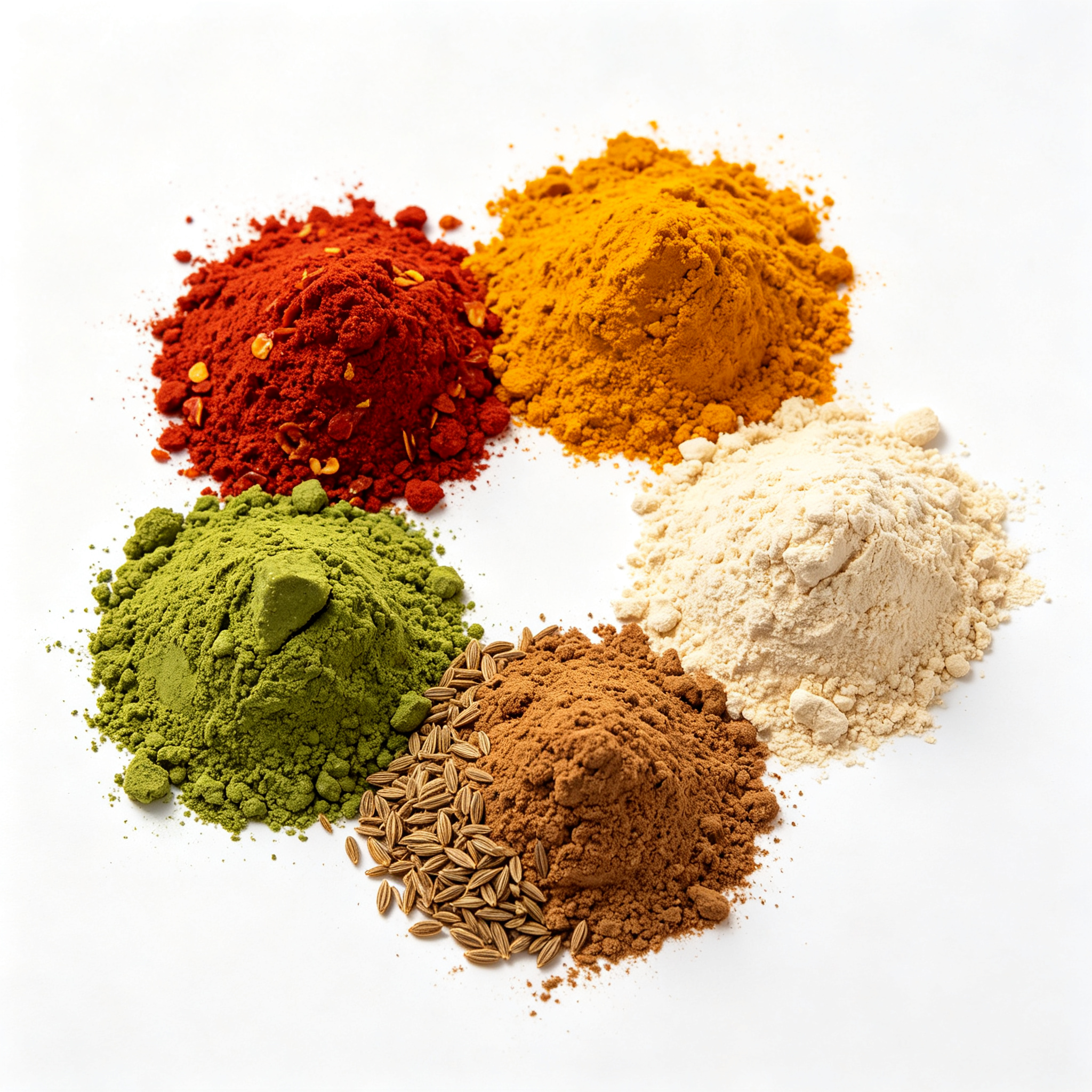
Free-flow is not a single property. In a spice blend, flow depends on particle-size distribution, surface area, moisture content and the amount of free oil on the powder surface. Colour protection depends on controlling trace iron and other catalytic impurities that can form coloured complexes with flavour compounds. Flavour integrity depends on using a chemically inert carrier that does not react with or mask the volatile components of the blend.
A practical specification therefore separates three jobs that are often bundled together: anti-caking, liquid absorption and colour protection. A high-oil-absorption silica is useful for chilli, pepper, curry and compound seasonings, while a low-iron or non-discolouring grade is more appropriate for light-coloured seasoning powders, flavour bases and products containing colour-sensitive ingredients such as ethyl maltol, vanillin or flavonoids.
Why spices and seasonings cake—and why colour drifts
Spice powders are moisture-sensitive. Surface moisture creates liquid bridges between particles; on storage, those bridges can harden into lumps. Oil-rich blends add a second mechanism: free oil can cause particle adhesion and reduce flow even when the moisture content appears acceptable. Fine powders and high-humidity packing or warehouse conditions make the problem worse.
Colour drift is a separate risk. Iron ions are a main driver of yellowing and off-colour in silica-based formulations. In the presence of flavour compounds such as ethyl maltol, vanillin and flavonoids, even trace iron can form coloured complexes that turn powders yellow or dull. This is why two silica grades with similar particle size can behave differently in a light-coloured seasoning blend.
Black specks are primarily a visual-quality issue. For white or light-coloured seasonings, they can lead to customer complaints even when the silica is chemically compliant. Buyers who need a clean visual appearance should specify a low-iron grade and a black-speck control limit rather than relying only on the standard food-grade COA.
Industry background: E551 is established, but grade choice is not generic
Food-grade silicon dioxide is regulated as E551 in the European Union and as a food additive under GB 25576-2020 and GB 2760 in China. In the United States, food-grade silica is addressed under FDA 21 CFR 172.480 and FCC specifications. EFSA re-evaluated E 551 in 2024 and confirmed that it is safe for all populations, including infants. That regulatory position supports continued use of E551 silica in food powders, but it does not make every silica grade interchangeable.
The commercial context is also significant. Fortune Business Insights reported the global food-grade silica market at USD 0.87 billion in 2025. Within that broad category, particle size, surface area, iron content, black-speck control and documentation differ by grade and by application. A buyer specifying silica for spices and seasonings should therefore treat the grade as a functional ingredient choice, not as a commodity line item.
Detailed solution: how to specify silica for spices and seasonings
1. Start with the food-grade route and the target market
For a spice or seasoning blend, the baseline is a food-grade silica that meets the target market’s additive rules. Zhonglian Food Silica grades are positioned against GB 25576-2020, FDA 21 CFR 172.480, FCC, EU E551 and JECFA requirements. The EU route includes E 551, Commission Regulation (EU) No 231/2012 for purity criteria and Regulation (EC) No 1333/2008 for use provisions. For China, GB 2760 sets category-specific use limits; for spices, the listed maximum is 20 g/kg. Buyers outside China should confirm the local category limit with their regulatory team before finalising dosage.
Documentation should match the route. A practical pack includes a batch COA, product specification, SDS, food-grade compliance statement, and certificates such as FSSC 22000, ISO 22000, HALAL and OU Kosher where required. Zhonglian’s FSSC 22000 certificate is CQC25FS1229R0S/4400, valid from 2025-10-31 to 2028-10-30. HALAL certification is No. 1198250000, valid from 2025-05-23 to 2028-05-22. Certificate validity should always be confirmed at the time of order.
2. Match particle size and surface area to the blend
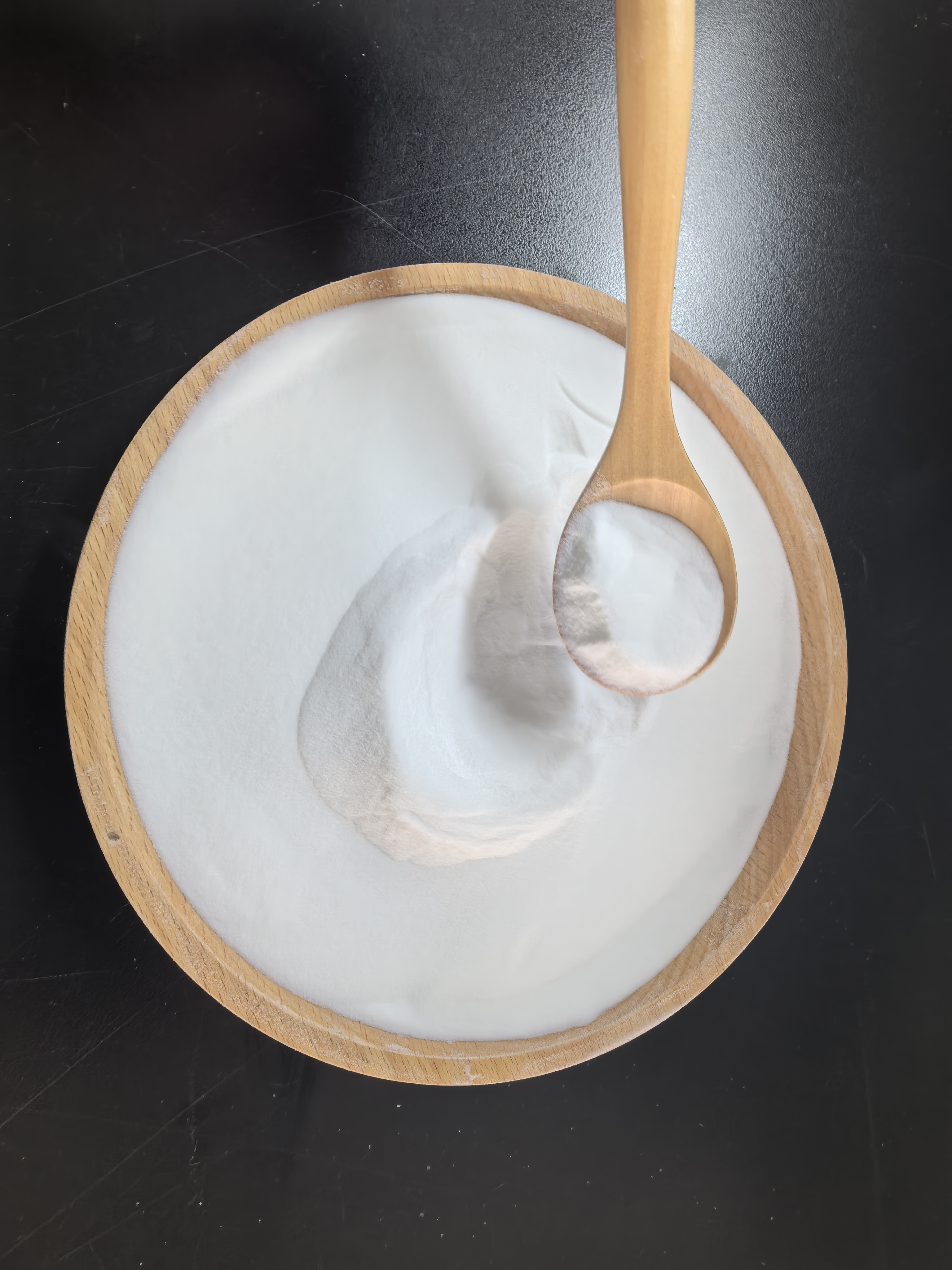
The spice and seasoning series includes ZLSIL-W58D-type precipitated amorphous silica with a D50 of approximately 50 μm, BET surface area of approximately 200 m²/g, pH 5.5–7.5 and LOD ≤6.5%. It is described for chilli and pepper powder, curry, compound seasonings, chicken powder and spices, with high oil absorption. That combination is useful where the blend contains both moisture and surface oil.
Particle size should not be chosen by habit. A coarse grade can reduce dusting, while a finer grade may disperse more evenly in a short mixing cycle. The non-discolouring silica for food flavours, ZLSIL-58BF, has a D50 of approximately 15 μm, BET 200 ± 20 m²/g, pH 6.0–7.5 and LOD ≤6.5%, and is described for food flavours, flavour bases, oily seasonings and powdered flavour carriers. The practical selection rule is to match particle size to the mixing equipment and the visual finish required, then confirm dispersion in a pilot batch.
3. Control iron and black specks when colour matters
For light-coloured seasonings, white seasoning powders, flavour blends and products where colour is part of the brand promise, iron control is a release parameter. Zhonglian’s low-iron and black-speck-controlled grades use standard-grade iron ≤5 ppm and premium low-iron ≤1–2 ppm, compared with a typical benchmark of about 30 ppm in general commercial grades. Whiteness is specified at ≥96%, with premium grades at ≥98%. Iron is tested per batch by ICP or atomic absorption, and the result is printed on the COA rather than simply referenced.
Equipment control supports the specification. The low-iron line uses stainless-steel process lines and a dedicated low-iron line, with no carbon-steel contact in the product zone, to reduce iron pickup from wear. Black-speck control is handled through raw-material selection, indirect heating, stainless-steel piping, final screening and magnetic separation. For premium white orders, the line is deeply cleaned before production and released only after speck inspection.
The internal black-speck limit is three-tiered: no specks above 0.3 mm; no more than one speck from 0.2–0.3 mm per bag; and no more than ten specks below 0.2 mm per bag. Between five and ten bags are sampled per batch, with 100% inspection; if any bag fails, the batch is rejected. This is a visual-control standard, not a substitute for the food-safety COA.
4. Protect flavour integrity with an inert, near-neutral grade
Silica is chemically inert and does not provide a reaction pathway for most flavour compounds. A near-neutral pH is preferred for blends containing heat-sensitive or pH-sensitive ingredients. The spice grade sits at pH 5.5–7.5 and the non-discolouring flavour grade at pH 6.0–7.5. The product is also described as heat-stable at temperatures relevant to normal blending and drying steps, with published guidance referring to stability up to about 200°C. Actual residence time and temperature should still be confirmed in the customer’s process.
Flavour integrity is not only a chemical question. A carrier that is too coarse may not disperse evenly, while overdosing can change mouthfeel or create a dry, dusty note. The usual starting range for spice blends is 0.5–2.0%, always within the applicable category limit. The lowest effective dose should be established by trial.
Grade options for spices, seasonings and flavour blends
| Grade family | Verified specification | Best-fit spice or seasoning use | Colour-protection role |
|---|---|---|---|
| Silica for Spices & Seasonings, ZLSIL-W58D-type | D50 approximately 50 μm; BET approximately 200 m²/g; pH 5.5–7.5; LOD ≤6.5%; high oil absorption; CAS 7631-86-9; E551 | Chilli and pepper powder, curry, compound seasonings, chicken powder, spices | Standard free-flow and oil absorption grade; colour performance should be confirmed against the specific blend |
| Non-discolouring Silica for Food Flavors, ZLSIL-58BF | D50 approximately 15 μm; BET 200 ± 20 m²/g; pH 6.0–7.5; LOD ≤6.5%; high purity with low catalytic impurities | Food flavours, flavour bases, oily seasonings, powdered flavour carriers | Specifically positioned for non-discolouring flavour applications |
| Low Iron Food Grade Silica / Silica Free of Black Specks, ZLSIL-W58BF and ZLSIL-W58BH | Standard iron ≤5 ppm; premium low-iron ≤1–2 ppm; whiteness ≥96%, premium ≥98%; iron tested per batch by ICP or AAS | White and light-coloured food powders, seasoning, flavour systems requiring a clean visual finish | Low iron and black-speck control for colour-sensitive and premium white blends |
The table is deliberately narrow. It does not imply that one grade is universally better. A dark-coloured spice blend may not justify a premium low-iron grade, while a pale seasoning powder with a sensitive flavour system may require it. The correct choice is the lowest-cost grade that meets the flow, colour, flavour and documentation requirements of the finished product.
Step-by-step: from sample to production
- Define the finished-product requirement. Record the spice or seasoning type, target moisture, oil or fat content, colour sensitivity, packing format, shelf life and destination market. Confirm the permitted use level for the target market; for China, check the GB 2760 category limit rather than applying a single dosage across all foods.
- Set the silica specification. Include D50 or a full D10/D50/D90 distribution, BET, oil absorption or DBP, pH, LOD, iron or Fe content where colour is critical, black-speck limit, and the required COA format. For light-coloured products, treat iron and whiteness as release parameters, not marketing claims.
- Choose the grade by mechanism. For moisture and surface oil, start with a high-oil-absorption spice grade. For a colour-sensitive flavour blend, evaluate the non-discolouring grade. For a white or premium light blend, evaluate the low-iron/black-speck-controlled grade. Confirm the grade with a side-by-side sample trial.
- Run a small trial. Free pre-sales samples are typically available at 1–25 kg, with one-to-one technical guidance. Pre-mix the silica with three to five times its weight of base powder, then add the pre-mix to the main batch and blend for about 5–15 minutes, or follow the mixer manufacturer’s instruction. Do not add the full dose as a single lump.
- Test the real failure mode. Store the trial blend under accelerated conditions such as 40°C/75% RH for two to four weeks and compare caking, colour, flow and aroma against the control. If the blend is oil-rich, assess surface oil and lump formation as well as moisture.
- Scale up with batch records. Request a COA for each production batch, retain sealed samples and confirm that the bulk batch matches the trial sample. For export, align the documentation pack with the destination market before the first shipment.
Use cases: where each grade earns its place
Chilli, pepper and curry powders
These blends combine fine particles with natural oils and pigments. The ZLSIL-W58D-type spice grade, with D50 around 50 μm and high oil absorption, is positioned for chilli and pepper powder, curry and compound seasonings. Its job is to separate particles, absorb surface oil and reduce the bridging that leads to lumps. Colour should be checked against a control because the pigments themselves can mask or reveal changes differently.
Bouillon, chicken powder and soup bases
These products are often hygroscopic and can pick up moisture during packing or storage. A food-grade anti-caking grade supports flow and dosing. If the product is pale or contains a heat-sensitive flavour, the non-discolouring or low-iron route should be evaluated rather than assuming a standard grade will be visually neutral.
Colour-sensitive flavour blends
Where ethyl maltol, vanillin or flavonoid-rich ingredients are present, trace iron can drive yellowing. The non-discolouring silica for food flavours, ZLSIL-58BF, is described with high purity and low catalytic impurities. The low-iron grade limits iron to ≤1–2 ppm in premium form and is tested by ICP or AAS per batch. This is the appropriate route for light-coloured flavour bases and premium seasoning powders.
Premium white and light-coloured seasonings
For products where the customer sees the powder, black specks and whiteness matter. The low-iron/black-speck-controlled grade combines iron control with a three-tier speck limit and whiteness of ≥96%, or ≥98% for premium grades. This is a visual-quality decision, not a food-safety shortcut. The food-safety COA still governs heavy metals, microbiology and compliance.
Decision table: what to ask before you approve a grade
| Decision point | Why it matters | What to request from the supplier |
|---|---|---|
| Target market and additive route | E551, FDA 21 CFR 172.480, FCC and GB 25576-2020 have different documentation expectations | Compliance statement, COA format, certificate copies and SDS |
| Moisture and storage conditions | High LOD in the silica or high warehouse humidity can defeat anti-caking performance | LOD specification, actual batch value, moisture-barrier packaging proposal |
| Oil or fat level in the blend | Oil-rich seasonings need sufficient absorption capacity and controlled mixing | Oil absorption or DBP, BET, recommended dosage and mixing guidance |
| Colour sensitivity | Trace iron can complex with flavour compounds and cause yellowing | Iron specification, whiteness, non-discolouring grade data, accelerated colour test |
| Visual quality | Black specks can trigger rejection in white or light-coloured products | Black-speck limit, sampling plan, batch rejection rule |
| Commercial terms | Sample-to-bulk consistency and lead time affect production planning | MOQ, sample size, lead time, batch traceability and retained-sample policy |
FAQ
Does silica for spices and seasonings meet food-grade compliance requirements for EU and US markets?
Zhonglian Food Silica grades are positioned against GB 25576-2020, FDA 21 CFR 172.480, FCC and EU E551. The EU route includes E 551, Commission Regulation (EU) No 231/2012 for purity criteria and Regulation (EC) No 1333/2008 for use provisions. EFSA re-evaluated E 551 in 2024 and confirmed that it is safe for all populations, including infants. HALAL, OU Kosher, FSSC 22000 and ISO 22000 documentation can be supplied, and current certificate validity should be confirmed at the time of order.
Can Zhonglian Food Silica act as a Chinese OEM E551 food grade silica powder manufacturer for custom particle size?
Yes. The manufacturer offers customization of product grade, particle size, specifications, adsorption performance and downstream application solutions, supported by R&D, formulation and particle-size customization production services. The exact customization scope depends on the product series. For spice work, the standard spice grade has a D50 of approximately 50 μm, while the non-discolouring flavour grade has a D50 of approximately 15 μm. A 1–25 kg sample can be used to confirm the target distribution and performance before a production order.
How should a buyer balance grade cost against colour risk in a seasoning blend?
Do not decide on unit price alone. The low-iron and black-speck-controlled route limits iron to standard ≤5 ppm and premium ≤1–2 ppm, with whiteness ≥96% or ≥98% for premium grades. The non-discolouring flavour grade is positioned with high purity and low catalytic impurities. For a dark blend where colour drift is not visible, a standard food-grade anti-caking grade may be trialled; for a white or light-coloured blend, specify the colour-protection grade. Quotation depends on the selected grade, volume, packaging and delivery terms.
Can we test a sample before placing a 1-ton order?
Yes. Free pre-sales samples are typically available at 1–25 kg, with one-to-one technical guidance. The trial should compare flow, caking, colour and aroma against the current control under realistic storage conditions. The sample should share the production batch logic with the intended bulk supply so that the trial is meaningful.
What is the MOQ and lead time for a spice-grade silica order?
The MOQ is 1 ton. The standard lead time is 7–10 days, but the actual lead time depends on the product, quantity, inventory and destination. Export schedules can extend to 2–4 weeks depending on shipping arrangements. If you are evaluating a Chinese OEM E551 food grade silica powder manufacturer for custom particle size, request a 1–25 kg sample and a COA template first, then confirm the delivery schedule with the supplier.
Conclusion
For spices and seasonings, silica powder should be selected as a functional system: a food-grade E551 route for compliance, a particle size and surface area that fit the blend, enough oil absorption for the seasoning matrix, and iron and black-speck control where colour and visual quality matter. The standard spice grade supports free-flow and oil absorption; the non-discolouring grade addresses flavour-system colour risk; the low-iron/black-speck-controlled grade protects white and light-coloured products. The final choice should be confirmed with a pilot trial and a batch COA, not with a generic grade name.
Next step: evaluate a spice-grade, non-discolouring or low-iron silica with a 1–25 kg sample and a food-grade documentation pack. Review the food-grade silica brochure here: FOOD GRADE SILICA BROCHURE. For technical selection, contact Zhonglian Food Silica via www.silicaplant.com or email levin@silicaplant.com.
Have Questions or Need More Details?
Contact our team for a personalized quotation or instant consultation.
Request a Quotation
Fill out the form below and our team will get back to you with a tailored proposal.
WhatsApp Direct Chat
Prefer to chat in real-time? Message us on WhatsApp for instant assistance & quick answers.
- Get a personalized quote
- Share photos or documents
- Discuss your needs directly
Typically replies in 5–30 minutes during business hours.