
Riverside Guardrail Specifications: Materials, Dimensions and Corrosion Control
Riverside Guardrail Specifications: Materials, Dimensions and Corrosion Control
A riverside guardrail is a passive safety barrier installed along accessible riverbanks, lakesides, reservoir edges and waterfront promenades. Its job is to guard the edge, guide pedestrian routes and reduce accidental access to the water. The specification fails more often at the drawing stage than at the factory — specifically, wherever material, height, post spacing and anchor conditions are left undefined.
Locking down a riverside guardrail means resolving five families of decisions: the edge it protects, the material that can survive the site, the dimensions and fixing pattern, the finish, and the way it interfaces with everything else on the waterfront. Within the wider safety barrier category, riverside railings are normally grouped with waterfront and pedestrian barriers rather than with vehicle restraint systems, and the two groups are specified separately.
This article works through those constraints in the order a project team actually meets them — environment, material, dimension, finish, interface and procurement data — and shows how each decision maps onto six riverside guardrail references.
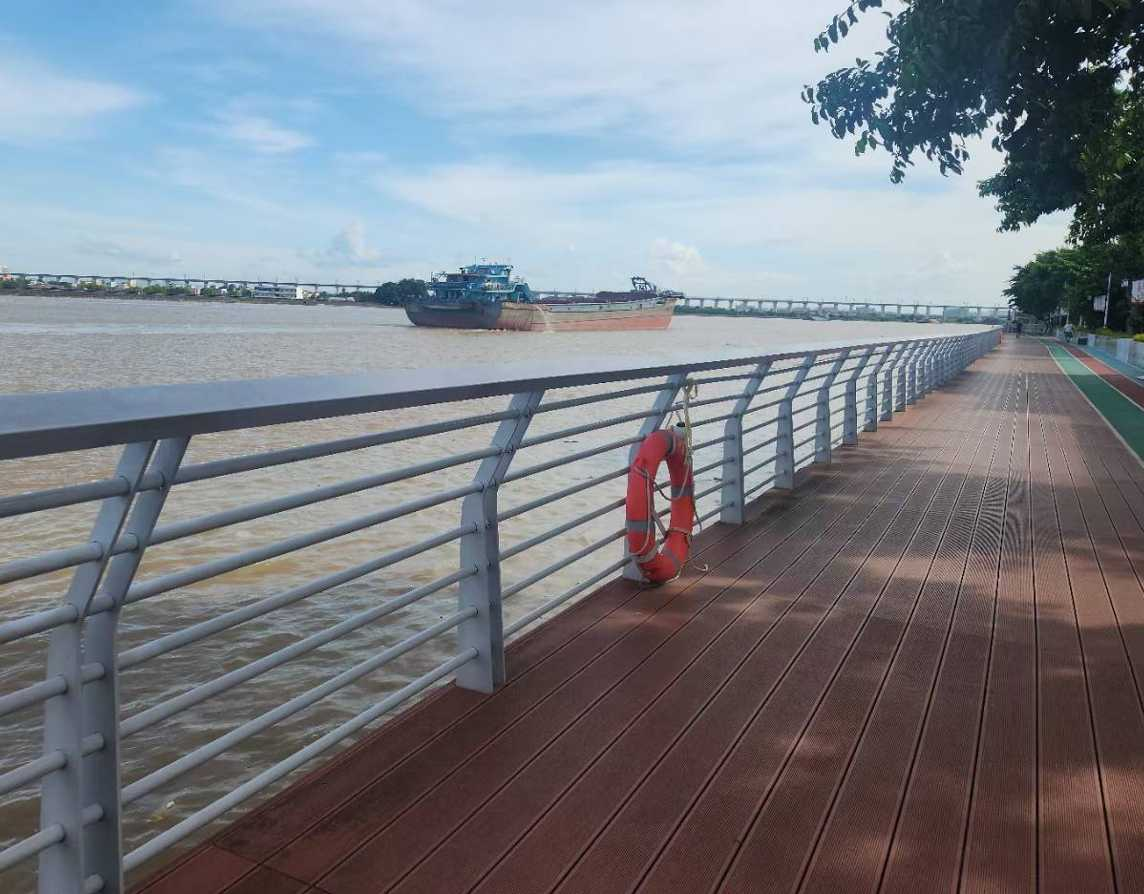
Problem Definition: What a Riverside Guardrail Actually Has to Solve
A riverside guardrail addresses an edge that people can reach. The operating environment is high humidity, rain, water splash, wet surfaces and seasonal water-level change. These railings do not control flooding. The function confirmed in project documentation is to guard accessible waterfront edges, guide pedestrian routes and reduce accidental access to the water.
The problem starts because the edge is rarely uniform. A promenade may shift from paved to unpaved, and from a high concrete wall to a low stone bank, within a few hundred meters. A specification that fixes one post length and one base detail across the whole run produces either over-designed sections or gaps at the places nobody re-checked.
A second problem comes from context. Waterfront space is simultaneously circulation space and landscape space, and the railing contributes to how the place reads. A material chosen purely on structural logic may tolerate the humidity but sit badly against its surroundings; a material chosen purely on appearance may show rust marks within the first wet season.
A third problem is that a waterfront railing is a system sitting next to other systems. Warning signs, lighting, rescue lifebuoy stations and controlled-access gates all have to be arranged around it. If those interfaces are not named in the railing specification, they usually get added later as variations — and late variations are what push installation schedules.
Industry Background: Materials, Standards and Classification
According to Grand View Research, the global barrier systems market was valued at USD 24.8 billion in 2025, and metal accounted for the largest material share at over 50.0% that same year. Inside that metal share, the waterfront decision is not simply steel versus steel. Hot-dip galvanized steel, zinc steel, stainless steel and aluminum alloy each behave differently under sustained humidity and salt exposure.
Regulatory context matters even when the railing itself is not a vehicle restraint product. EN 1317 is the mandatory European standard for vehicle restraint systems permanently installed on roads. AASHTO MASH 2016 is the current evaluation standard for new permanent roadside hardware in the United States as of December 31, 2019. Both instruments address vehicle restraint hardware. Riverside pedestrian railings sit outside that scope and are specified against the project's own safety design, circulation requirements and local authority requirements. Treating a vehicle standard and a waterfront pedestrian railing as interchangeable is an early and common drafting error.
Trade classification adds a further practical constraint. Road guardrails are commonly classified under HS Code 73089099, which aggregates guardrail structures with other structural steel articles. For an importer, that means the customs classification alone will not distinguish a riverside railing from a road guardrail. The product documentation and project drawings have to carry that distinction.
Material performance also depends heavily on exposure. In humid and monsoon-affected conditions, stainless steel generally retains its appearance without additional surface coating. In coastal and salt-spray conditions, a molybdenum-bearing stainless grade is the recommended option, while standard chromium-nickel stainless grades suit ordinary humid sites. Hot-dip galvanized steel offers a practical balance of strength, corrosion resistance and cost, and aluminum alloy is lightweight and suited to decorative applications.
Decision rule worth writing into the specification: fix the exposure condition first, then the material. Selecting a material before the site's humidity, splash and salt profile is confirmed is the single most common cause of early coating failure on waterfront railings.
Detailed Solution: Six Riverside Guardrail References
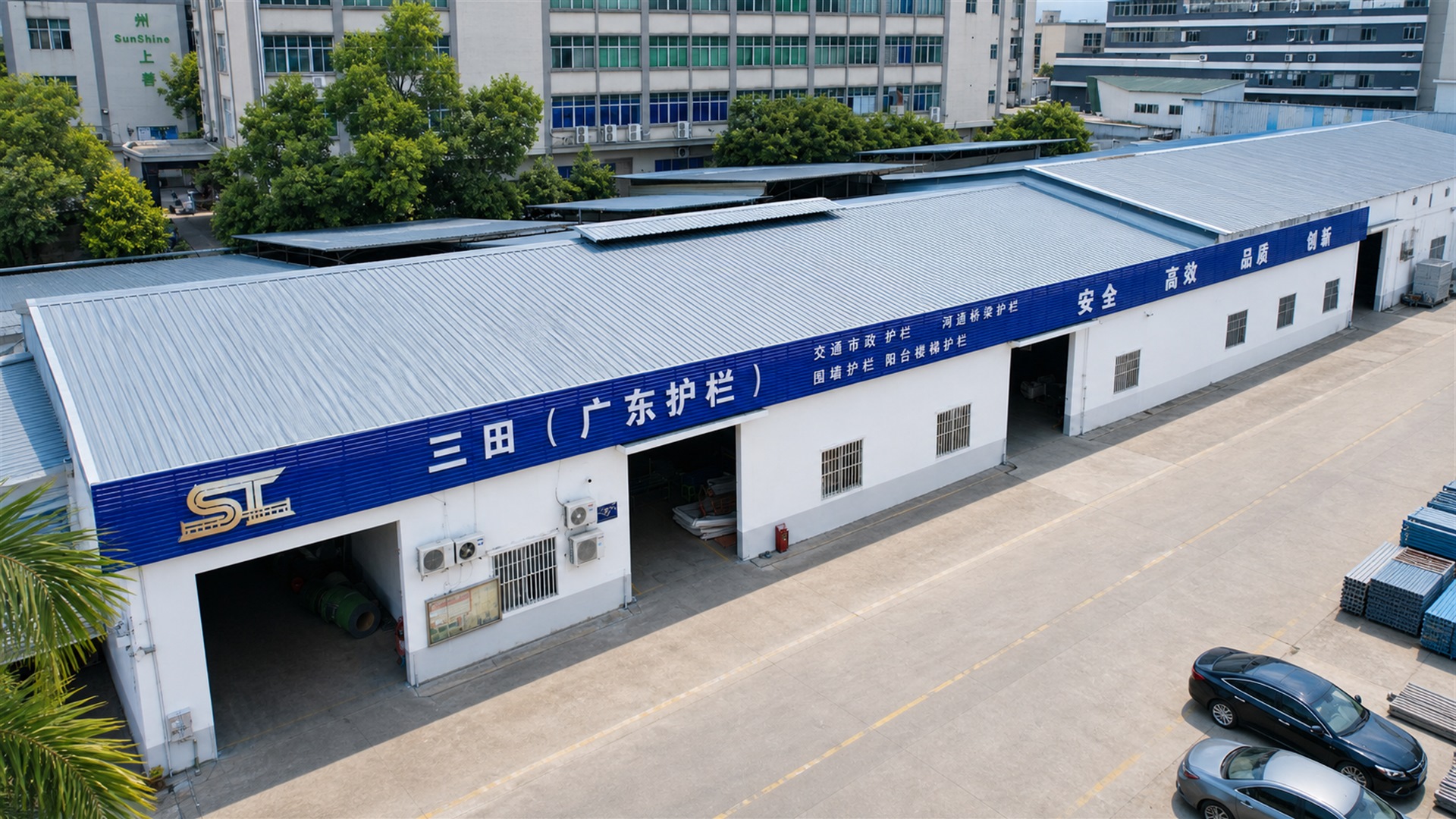
Guangzhou Santian Steel Structure Co., Ltd. (Santian) is a China-based manufacturer specializing in municipal traffic guardrails and construction site hoarding systems, with industry experience dating back to 2011. The company operates a production facility covering approximately 15,000 square meters with 200 employees, a 50-engineer team and an annual output of 1,500,500 meters. Santian was formally registered on May 16, 2016, marking a new stage of standardized and large-scale development. Roughly 50% of output is exported, with main markets including Southeast Asia, Africa, South America and the Middle East.
Its riverside guardrail range covers six references, T025 through T030. The most useful way for a buyer to read them is not by appearance, but by how each one answers the same set of constraint questions.
T025 — Custom Riverside Guardrail
T025 is the baseline reference used when a project needs a configuration that is not in a catalogue. Material is selected per custom specification, and overall dimensions are produced to project requirements rather than a fixed standard size. It is intended for rivers, lakes, reservoirs and waterfront landscape projects.
T026 — Aluminum-Handrail Riverside Guardrail
T026 uses a split material system. The handrail section is aluminum alloy and the post section is hot-dip galvanized steel; zinc steel is also declared as a material of this railing. The galvanized posts are specified for waterfront installations exposed to moisture, which keeps strength in the loaded position while the upper surface stays cooler to grip and less prone to trapping water. T026 supports custom sizing, so post height and rail-section length can be set per project rather than forced onto a fixed catalogue module.
T027 — Stainless Steel Riverside Guardrail
T027 is made of stainless steel with steel components. It is typically chosen where a project wants the appearance-retention behavior of stainless steel without giving up the structural stiffness that steel contributes.
T028 — Stainless Steel Riverside Guardrail (Grade 304 Tube)
T028 uses Grade 304 stainless steel tube as its primary material. Dimensions are custom-manufactured according to project requirements, so post spacing and rail lengths can follow the actual waterfront line rather than a fixed module. It is a direct stainless steel option where the exposure profile suits Grade 304 material.
T029 — Landscape Riverside Guardrail
T029 puts material and color into the specification. It supports custom material options and custom dimensions can be specified. More importantly, this model supports material and color matching so the railing can be adapted to match the surrounding environment. For waterfront projects where the railing is visibly part of a park, plaza or landscape improvement, color and material matching is often the first decision rather than a late cosmetic adjustment.
T030 — Stainless Steel Guardrail with Reinforced Embedded Posts
T030 is made of stainless steel and steel, and its structural configuration includes reinforced embedded posts. The posts are embedded into the ground as part of the barrier structure, and the design is specified to withstand leaning and accidental impact loads. Dimensions and specifications are produced to custom order requirements. Where people are expected to lean over the railing to look at the water, stand on the lower rail, or gather in a group, this is the reference to specify.
Manufacturing and Project Support
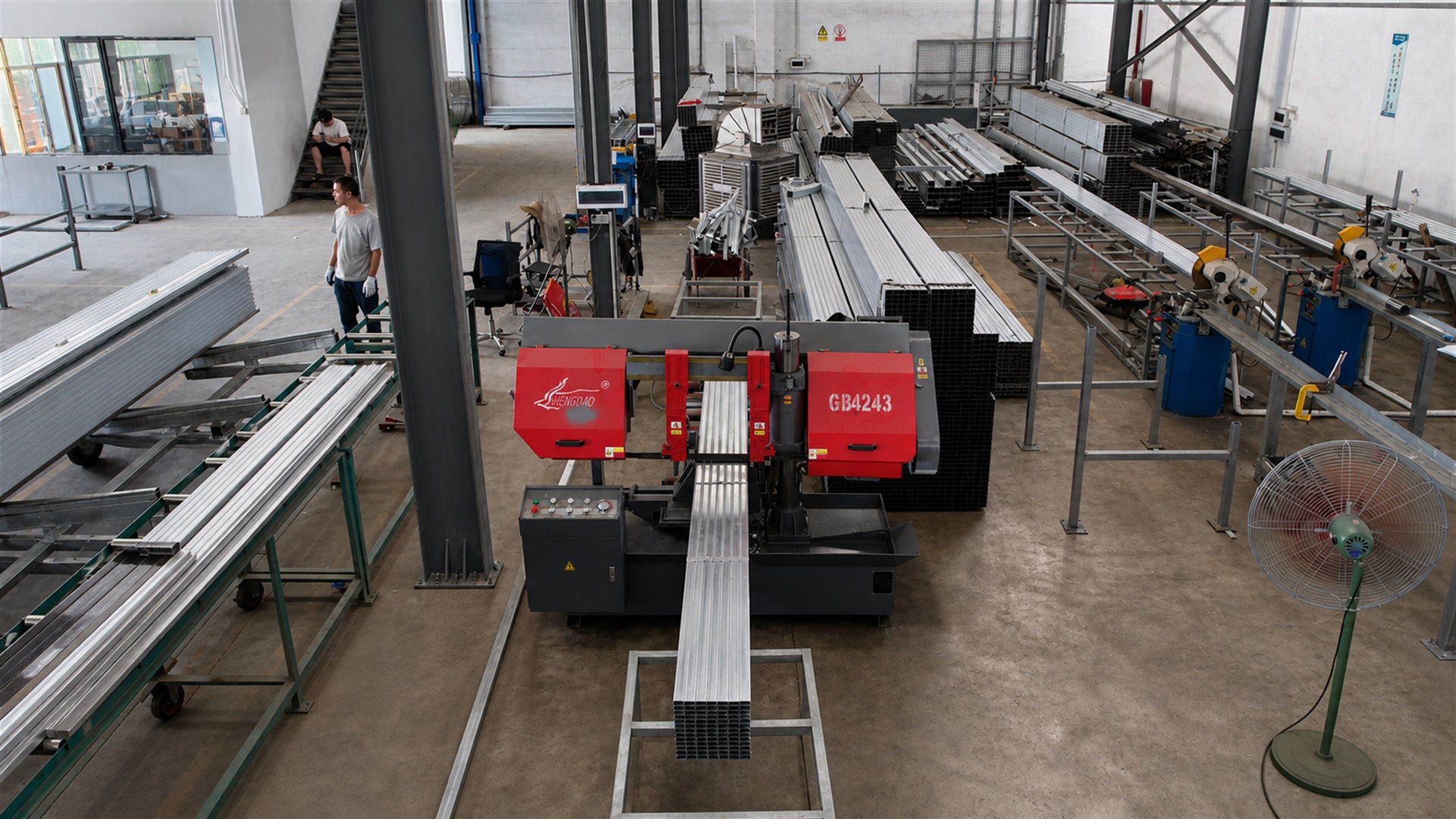
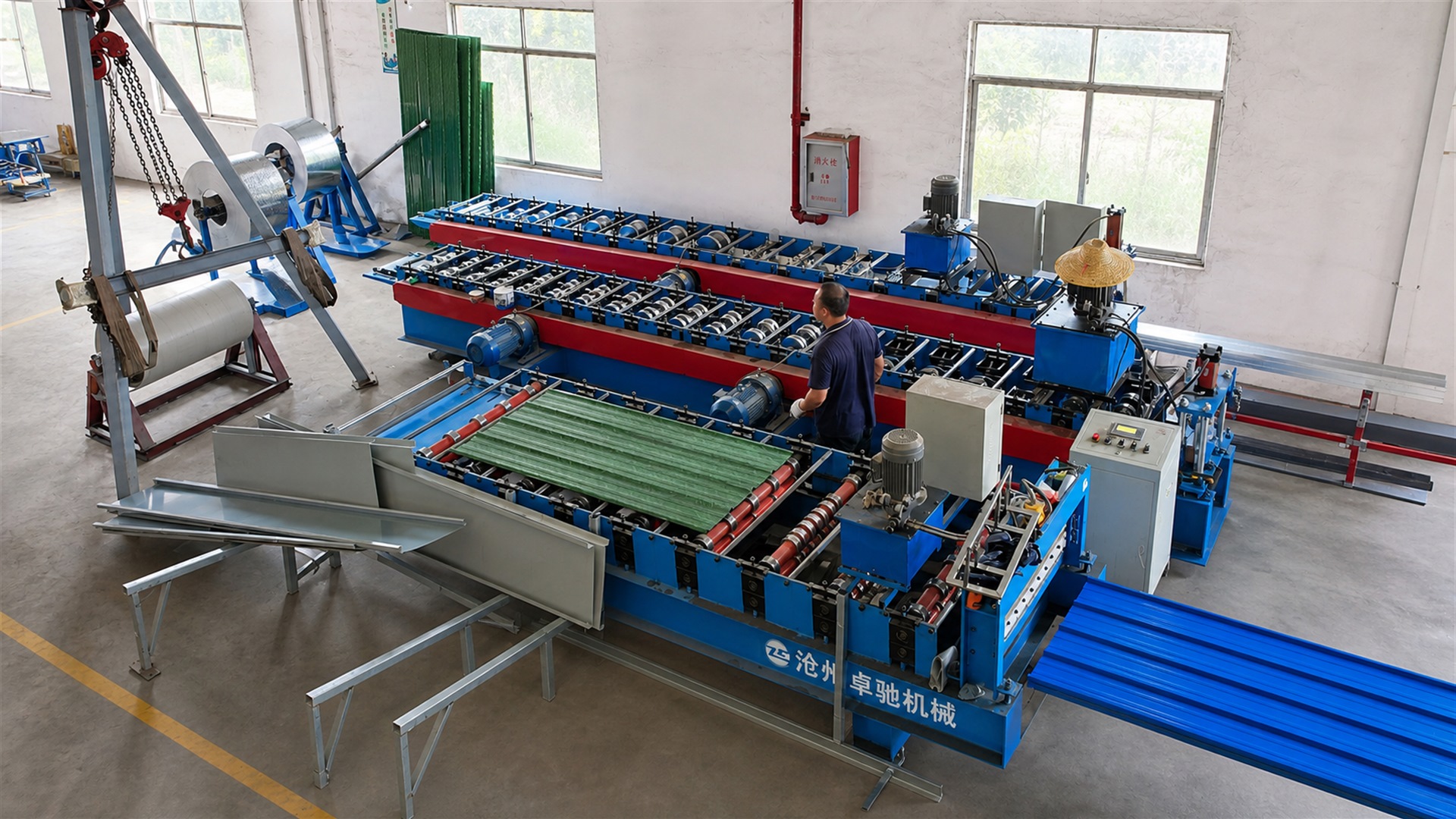
Santian integrates research and development, product design, manufacturing and installation services. Quality control covers incoming material inspection, dimensional inspection, welding inspection, coating inspection, in-process quality control and final pre-shipment inspection. Surface options include electrostatic coating and hot-dip galvanizing depending on the model. After-sales support covers remote technical support, installation guidance, maintenance recommendations and spare-parts coordination.
Step-by-Step Breakdown: How to Specify a Riverside Guardrail
Step 1 — Describe the water body and the exposure conditions. Confirm whether the site fronts a river, a lake or a reservoir, whether water level changes, and whether any salt spray is present. These answers drive every material decision that follows.
Step 2 — Define the protection objective. A riverside guardrail guards an edge and a pedestrian route. It does not provide flood control. If the project also requires vehicle restraint, that is a separate structural system with its own applicable standards, and it should be specified as such rather than folded into the railing scope.
Step 3 — Choose the material system. Hot-dip galvanized steel provides a practical balance of strength, corrosion resistance and cost. Stainless steel offers better appearance and corrosion resistance, with Grade 304 suited to humid environments and Grade 316 specified for coastal areas. Aluminum alloy is lightweight and suited to decorative applications. Hybrid configurations — such as the aluminum handrail with galvanized posts used on T026 — exist specifically to satisfy more than one of these goals at once.
Step 4 — Fix the dimensions and post spacing. Riverside guardrails are produced to custom specifications rather than fixed standard sizes. Rail-section length, post height and post spacing should be set from site measurements and project drawings. Where leaning and accidental impact loads are expected, the embedded-post configuration should be named explicitly in the specification rather than assumed.
Step 5 — Settle the surface finish. Stainless steel models retain their appearance without additional surface coating under humid outdoor conditions. Zinc steel and steel models use baked coating or electrostatic coating, with colors coordinated to the surrounding environment, as supported by the color-matching option on T029.
Step 6 — Coordinate adjacent systems. Warning signs, lighting, rescue lifebuoy stations and controlled-access gates are arranged around the railing. These items are separate from the railing unless they are specified in the project scope. Naming their positions early prevents post-installation variations.
Step 7 — Confirm foundations and anchoring. Check underground utilities and bank stability, confirm the post foundation arrangement, and define whether posts are embedded or flange-mounted. This must be verified against the project's structural design rather than assumed from a previous job.
Step 8 — Assemble the procurement package. A complete package includes product type, height, length, post spacing, material grade, surface finish, total quantity, drawings, installation environment, applicable standards, delivery destination and packaging requirements. Where drawings are unavailable, site photographs and a description of site conditions are enough to support a configuration recommendation.
The order matters because each step constrains the next. Choosing a material before the exposure profile is known, or settling the finish before dimensions are fixed, both lead to rework — usually after the first shipment has already been released.
Use Cases: Where Riverside Guardrails Are Specified
Waterside promenade edge protection. Where a paved walkway runs directly along the water, the railing's primary job is to keep pedestrians off the edge and guide the route. The critical specification points are post spacing and base detailing, which need to match the walkway structure rather than the natural bank.
Riverbank improvements. Riverbank projects follow a boundary line that moves with terrain. Models with custom sizing, such as T026 and T028, allow rail sections to follow the actual bank line instead of being forced onto a fixed module. The result is fewer gaps at transitions and better visual continuity across the run.
Lake park projects. Where the railing is part of the visual composition, material and color matching becomes the deciding factor. The Landscape Riverside Guardrail T029 is built around this requirement: it supports custom material and color matching so the guardrail sits inside the surrounding environmental palette rather than against it.
Reservoir access and landscape projects. Reservoir environments combine persistent humidity with strong reflected light, and they reward surfaces that hold up without visible ageing. Stainless steel models retain their appearance under humid outdoor conditions without additional coating, which shifts the design conversation from repainting intervals to cleaning intervals.
Why material-to-site matching matters. Humidity, splash and wet surfaces are permanent exposure conditions, not seasonal ones. A material that performs well on one site may be wrong on another. Binding the material choice to the exposure condition is the most reliable way to make the railing's whole-life cost predictable — including the cost of replacing damaged rail sections later.
Comparison Table: Six Riverside Guardrail References
| Model | Product Type | Declared Material | Customization | Best-Fit Condition |
|---|---|---|---|---|
| T025 | Custom Riverside Guardrail | Selected per custom specification | Material and dimensions set per project | Projects requiring a non-catalogue configuration |
| T026 | Aluminum-Handrail Riverside Guardrail | Aluminum alloy; hot-dip galvanized steel; zinc steel | Custom sizing; dimensions produced to customer requirements | Waterfront installations where posts are exposed to moisture |
| T027 | Stainless Steel Riverside Guardrail | Stainless steel; steel | Produced to custom specification | Projects wanting stainless appearance with steel structural stiffness |
| T028 | Stainless Steel Riverside Guardrail | Stainless steel; steel tube (Grade 304) | Dimensions custom-manufactured to project requirements | Humid sites whose exposure profile suits Grade 304 material |
| T029 | Landscape Riverside Guardrail | Selected per custom specification | Custom material and color matching; custom dimensions | Promenades and parks where the railing participates in the visual design |
| T030 | Stainless Steel Guardrail | Stainless steel; steel | Dimensions and specifications produced to custom order requirements | Locations subject to leaning and accidental impact loads |
Frequently Asked Questions
At minimum, confirm the application, dimensions, material, surface treatment, safety requirements, quantity, installation environment and applicable standards. Once those are fixed, the guardrail can be customized according to project drawings, site conditions and architectural requirements. Entering a quotation without them is the most common reason a sample is rejected or a variation order is raised during installation.
Yes. T025, T026, T028, T029 and T030 all support customization. T026 supports custom sizing with dimensions produced to customer requirements. T028 is custom-manufactured to project requirements using Grade 304 stainless steel tube. T029 supports custom material and color matching so the railing can be adapted to the surrounding environment. T030 is produced to custom order requirements with reinforced embedded posts designed to withstand leaning and accidental impact loads.
An accurate quotation requires the product type, height, length, post spacing, material grade, surface finish, quantity, drawings, standards and delivery destination. If drawings are unavailable, providing the application, site conditions and site photographs is usually sufficient to arrive at a suitable configuration. Packaging requirements should be stated at the same time, because they affect freight planning rather than price alone.
Lead time is determined by order quantity, product specifications and customization requirements. Monthly capacity is flexible and project-based, subject to product type, specifications and order quantity, so a standard reference and a heavily customized run do not schedule the same way. Confirming dimensions, material and finish early is the most effective way to avoid a sliding production slot.
The most efficient route is to send project drawings, dimensions, site photographs, required quantity and applicable standards to the manufacturer. Where drawings are not yet available, a description of the water body, exposure conditions and intended use is enough to open a configuration discussion. Santian's guardrail and hoarding catalog can be downloaded here: Santian product catalog (PDF). The technical team at aotianguardrail.com reviews riverside guardrail enquiries and can respond with a specification-based recommendation rather than a generic price list.
Conclusion
Riverside guardrail specification is a constraint exercise, not a catalogue exercise. The site determines the material, the material determines the finish, the finish determines the maintenance regime, and the edge geometry determines the dimensions and anchoring. Get the exposure profile and the protection objective confirmed first and the remaining decisions tend to fall into place; skip those two and every later choice becomes a guess that gets corrected in the field.
Across six references, Santian's riverside range covers the spread of realistic waterfront requirements: a fully custom baseline (T025), a hybrid aluminum-and-galvanized configuration for moist installations (T026), stainless steel options in T027 and Grade 304 tube in T028, a color-matched landscape variant (T029), and a reinforced embedded-post design for locations that take leaning and impact loads (T030). All are produced to custom specifications rather than fixed standard sizes, which matters on waterfront boundaries that rarely run straight.
For contractors, developers and project owners evaluating China-based safety barrier manufacturers for municipal and waterfront guardrail projects, the practical next step is the same regardless of project scale: send the drawings, the site conditions and the required quantities, and ask for a configuration recommendation with the material rationale stated in writing.
Start with the exposure profile, not the price
Send your riverside project drawings, site photographs and required quantities, and Santian will respond with a material and dimension recommendation matched to your waterfront conditions — riverbank, lakeside or reservoir. Download the full catalog: Santian Product Catalog (PDF).
Website: aotianguardrail.com | Email: info@aotianhouse.com