
Safety Barrier Discovery: How Window, Stair and Balcony Railings Differ
Safety Barrier Discovery Guide
Window guard railing, stair railing and balcony railing are three different safety barrier subcategories. They all reduce fall risk, but they are selected for different mounting locations: a window opening, an open stair edge, and an elevated balcony edge. That difference changes the fixing base, the way people use the barrier, the exposure conditions, and the information a buyer must confirm before ordering.
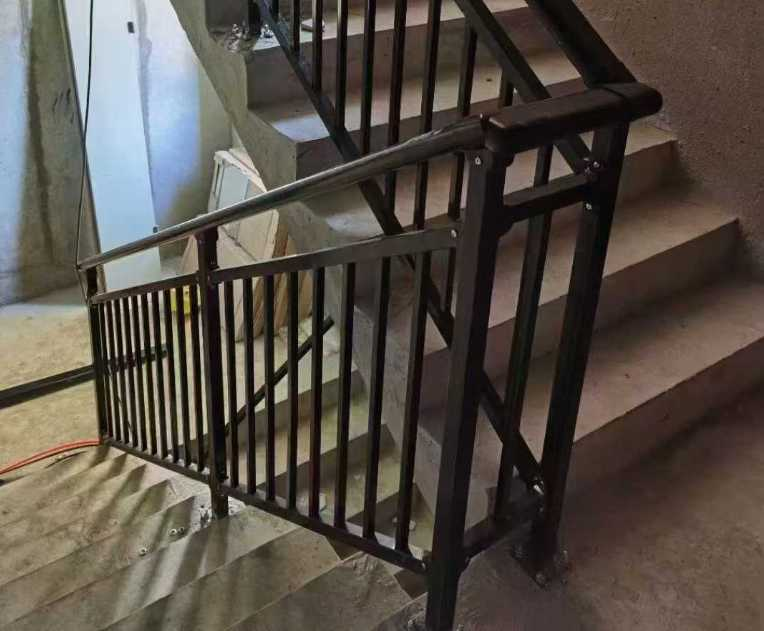
This guide is written for buyers who are new to construction and decoration safety products. It uses plain language and separates the three products by where they are installed, what risk they address, and why the same railing design cannot simply be moved from one location to another.
Problem Definition: Railing Is Too Broad a Buying Word
In early project conversations, railing often means one product. In procurement, it means at least three different scopes. A window guard is attached around or across a window opening. A stair railing follows a stair slope or landing and provides hand support. A balcony railing forms a continuous edge barrier on an elevated slab or facade. If the buyer uses one word for all three, the quotation may look complete while the technical requirement is still unresolved.
The real selection problem is not which railing looks best. It is which safety barrier matches this mounting context. Four questions separate the categories quickly:
- Is the barrier protecting an opening, an open stair edge or a balcony edge?
- Will people lean on it, hold it, pass it, or simply need a physical guard?
- What will the posts or frames be fixed to: a wall, a stair structure, a slab edge or another project-specific base?
- Is the location indoors, outdoors, humid, coastal, or exposed to cleaning water?
When these questions remain unanswered, common procurement risks follow: a balcony design is proposed for a window opening, a stair handrail is ordered without checking the stair design, or a finish is selected before the exposure is known.
Industry Background: One Safety Barrier Market, Several Product Roles
Safety barriers sit inside a broad construction and decoration supply chain. Grand View Research valued the global barrier systems market at USD 24.8 billion in 2025, with the metal segment accounting for more than 50.0% of the material market share in the same year. Those figures describe barrier systems as a whole, not window, stair or balcony railings alone, but they explain why buyers often see many product types under one category.
The category also contains road and vehicle restraint systems. EN 1317 is the mandatory European standard for vehicle restraint systems permanently installed on roads, and AASHTO MASH 2016 is the current evaluation standard for new permanent roadside hardware in the US. These are road safety references. They are not the same product scope as window guard railing, stair railing or balcony railing. For building products, the project safety design, the mounting condition and the applicable local requirements determine what the railing must do.
In practice, a supplier may manufacture municipal guardrails, bridge railings, riverside guardrails, perimeter fences, balcony railings, stair railings and window guards. That product breadth is useful, but it does not remove the need to specify each location correctly. The buyer still has to connect the product name to the mounting context.
Detailed Solution: Three Railings, Three Mounting Contexts
1. Window Guard Railing: A Guard Across a Designated Window Opening
A window guard railing is a physical guard across a designated window opening. Its purpose is to reduce fall risk while preserving the opening arrangements required by the building design. It is not a balcony barrier and it is not a stair handrail. The relevant risk is a fall through or from a window opening, especially in occupied buildings such as residential buildings, schools and public buildings.
The mounting context is the window itself. The guard may be placed at the interior or exterior side, depending on the project, and it must work with the window opening rather than close off the design intent. Because the guard is close to the building envelope, the buyer should confirm the fixing base, the opening dimensions, the expected cleaning and maintenance access, and the way the guard interacts with the window frame or surrounding wall.
Exposure also matters. A window guard may face sunlight, rain, humidity, cleaning water and occupant contact, depending on whether it is inside or outside. A colored or decorative surface finish may suit an interior application, while stainless steel may be considered where humidity or salt exposure is a concern. The final choice still depends on the safety requirement, appearance and budget of the project.
2. Stair Railing: Hand Support Plus a Guard at an Open Stair Edge
A stair railing is selected for a stairway, not for a flat opening or a balcony edge. It provides hand support and guards open stair edges to assist movement between levels. Stairways often have frequent foot traffic, hand contact and cleaning moisture; exterior stairs also face sunlight, rain and temperature changes.
The mounting context is the stair geometry. The railing must follow the stair slope, landings and connection points rather than a single horizontal line. Handrail and guard requirements depend on the stair design. That is why a stair railing cannot be specified from a balcony drawing alone, and why a window guard cannot be used as a substitute for hand support.
For the buyer, the practical check is the walking route. Where does the user enter the stair? Where is the open edge? Is the stair indoors or outdoors? Does the design require a handrail on one or both sides? The answers belong in the approved drawings and the project safety design, not in a generic product description.
3. Balcony Railing: A Continuous Barrier at an Elevated Balcony Edge
A balcony railing is a protective barrier at a balcony edge. It reduces the risk of falls from elevated balconies, including residential buildings, schools, industrial parks and building projects. The mounting context is the balcony slab or facade edge, and the barrier usually runs as a continuous edge protection rather than a small opening guard.
Balconies are exposed to occupants, sunlight, rain, wind and cleaning water. Coastal or highly corrosive exposure depends on the project location. The dimensions and connections of the railing are determined by the project safety design. That means the buyer should not select a balcony railing only by appearance or by a standard panel length. The fixing detail, the edge condition and the intended use of the balcony must be confirmed first.
A balcony railing may use hot-dip galvanized steel, stainless steel, aluminum alloy, welded steel mesh, tempered glass or decorative components. Material selection depends on the environment, safety requirements, appearance and budget. In coastal or salt-spray environments, stainless steel Grade 316 or 316L is recommended; hot-dip galvanized steel with an additional protective coating is also suitable when properly specified and maintained.
Why Mounting Context Changes Selection
Mounting context is the decision driver because each location changes the load path, the user action and the maintenance condition. A window guard is tied to an opening and must respect the window design. A stair railing is tied to a slope and must support hand contact while guarding an open edge. A balcony railing is tied to a slab or facade edge and must form a continuous barrier around an elevated area.
This is also why a quotation request that says only railing is difficult to price accurately. The supplier needs the product type, dimensions, total quantity, material, surface finish, drawings, installation environment, applicable standards, delivery location and packaging requirements. If drawings are unavailable, site photographs and a clear description of the application help the supplier recommend a suitable configuration.
Step-by-Step Breakdown: How a Buyer Can Specify the Right Railing
- Start from the drawing or site photo. Mark whether the location is a window opening, a stair edge or a balcony edge. Do not begin with a catalogue page.
- Describe the risk in one sentence. For a window, it is fall risk at an opening. For a stair, it is fall risk at an open edge plus the need for hand support. For a balcony, it is fall risk at an elevated edge.
- Confirm the fixing base. Identify whether the railing will connect to a wall, a stair structure, a slab edge or another project-specific base. The connection detail belongs in the approved drawings.
- Check the user interaction. A stair railing receives frequent hand contact. A balcony railing may be leaned on or viewed from inside. A window guard must preserve the opening arrangement required by the building design.
- Match material and finish to exposure. Use hot-dip galvanized steel for standard outdoor projects, stainless steel 304 for humid environments, stainless steel 316 for coastal areas, and aluminum for lightweight decorative applications, subject to the safety requirement and budget of the project.
- Define the customization scope. Dimensions, materials, colors, surface finishes, structural designs, decorative patterns, logos, packaging and project-specific configurations can be customized. Clear inputs reduce later specification changes.
- Request a quotation with the full brief. Include product type, height, length, post spacing, material grade, surface treatment, quantity, drawings, standards and delivery destination. If drawings are unavailable, provide the application and site conditions.
- Agree inspection and acceptance. The stated quality-control scope covers incoming material inspection, dimensional inspection, welding inspection, coating inspection, in-process quality control and final pre-shipment inspection. Pre-shipment test is the stated acceptance criterion.
- Plan installation. Install according to approved engineering drawings, the manufacturer instructions and local safety standards. Confirm post positions and foundations, secure posts, connect rails, adjust alignment and complete a final safety inspection.
Use Cases: Matching the Railing to the Everyday Scene
Residential Balcony
A residential tower balcony needs a continuous edge barrier that suits the facade and the way residents use the space. The buyer should confirm the slab-edge fixing, the finish appropriate to the local climate, and the dimensions required by the project safety design. A decorative pattern or color can be customized, but appearance should follow the safety and mounting decisions, not replace them.
School Window Opening
A school window guard is specified around a designated opening to reduce fall risk while preserving the opening arrangements required by the building design. The buyer should check whether the guard is inside or outside, how it is fixed, and how cleaning and maintenance will be carried out. Because the product is handled and observed by occupants, edge details and finish quality matter.
Exterior Stairway
An exterior stair railing must combine hand support with edge guarding. Sunlight, rain and temperature changes make the finish decision important. Hot-dip galvanized steel is a practical choice for many outdoor projects; stainless steel may be preferred where appearance or corrosion resistance is a higher priority. The stair geometry and landing conditions still drive the design.
Indoor Public Stair
An indoor stair in a school, public building or industrial park may face frequent hand contact and cleaning moisture. The railing should be comfortable to hold, easy to clean and compatible with the stair design. A decorative finish can be used, but the handrail and guard requirements must be confirmed from the stair design.
Coastal Balcony or Window Guard
In coastal or salt-spray environments, stainless steel Grade 316 or 316L is recommended. Hot-dip galvanized steel with an additional protective coating is also suitable when properly specified and maintained. The buyer should state the exposure clearly in the inquiry so the material and coating are not selected on a standard assumption.
Comparison Table: Window, Stair and Balcony Railings
| Selection point | Window guard railing | Stair railing | Balcony railing |
|---|---|---|---|
| Primary location | Window opening in an occupied building | Indoor or outdoor stairway | Elevated balcony edge |
| Main risk addressed | Fall risk at a designated window opening | Fall risk at an open stair edge; need for hand support | Fall risk at a balcony edge |
| Mounting context | Window frame, wall or opening; interior or exterior placement depends on the project | Stair slope, landings and stair structure | Balcony slab or facade edge |
| User interaction | Physical guard across the opening; must preserve the opening arrangement required by the building design | Frequent hand contact and movement between levels | Occupant contact at an elevated edge; continuous barrier role |
| Exposure notes | Sunlight, rain, humidity, cleaning water and occupant contact depend on placement | Cleaning moisture; exterior stairs also face sunlight, rain and temperature changes | Sunlight, rain, wind and cleaning water; coastal exposure depends on location |
| Key design confirmation | Opening dimensions, fixing base and window interaction | Stair geometry, handrail side and open-edge condition | Slab-edge fixing, dimensions and connections set by the project safety design |
| Product model examples | Y064, Y065, Y066 | Y058, Y059, Y060, Y061, Y062, Y063 | Y052, Y053, Y054, Y055, Y056, Y057 |
The table is a starting point, not a substitute for drawings. A window guard, stair railing and balcony railing can share materials and finishes, but they do not share the same mounting logic. The model examples show product families; the final configuration still depends on the project.
Customization and Supplier Capability for These Three Railing Types
For buyers moving from evaluation to execution, customization is often the point where the project brief becomes an order. A supplier with OEM and ODM production services can support custom fabrication based on dimensions, materials, colors, surface finishes, structural designs, decorative patterns, logos, packaging and project-specific configurations. OEM services and ODM services are both available.
Commercial terms matter as well. OEM and custom safety barrier orders can be placed from a minimum order quantity of 1 unit under FOB delivery terms. Lead time is determined by order quantity, product specifications and customization requirements. The stated payment terms are 40/70, and the stated acceptance criterion is a pre-shipment test.
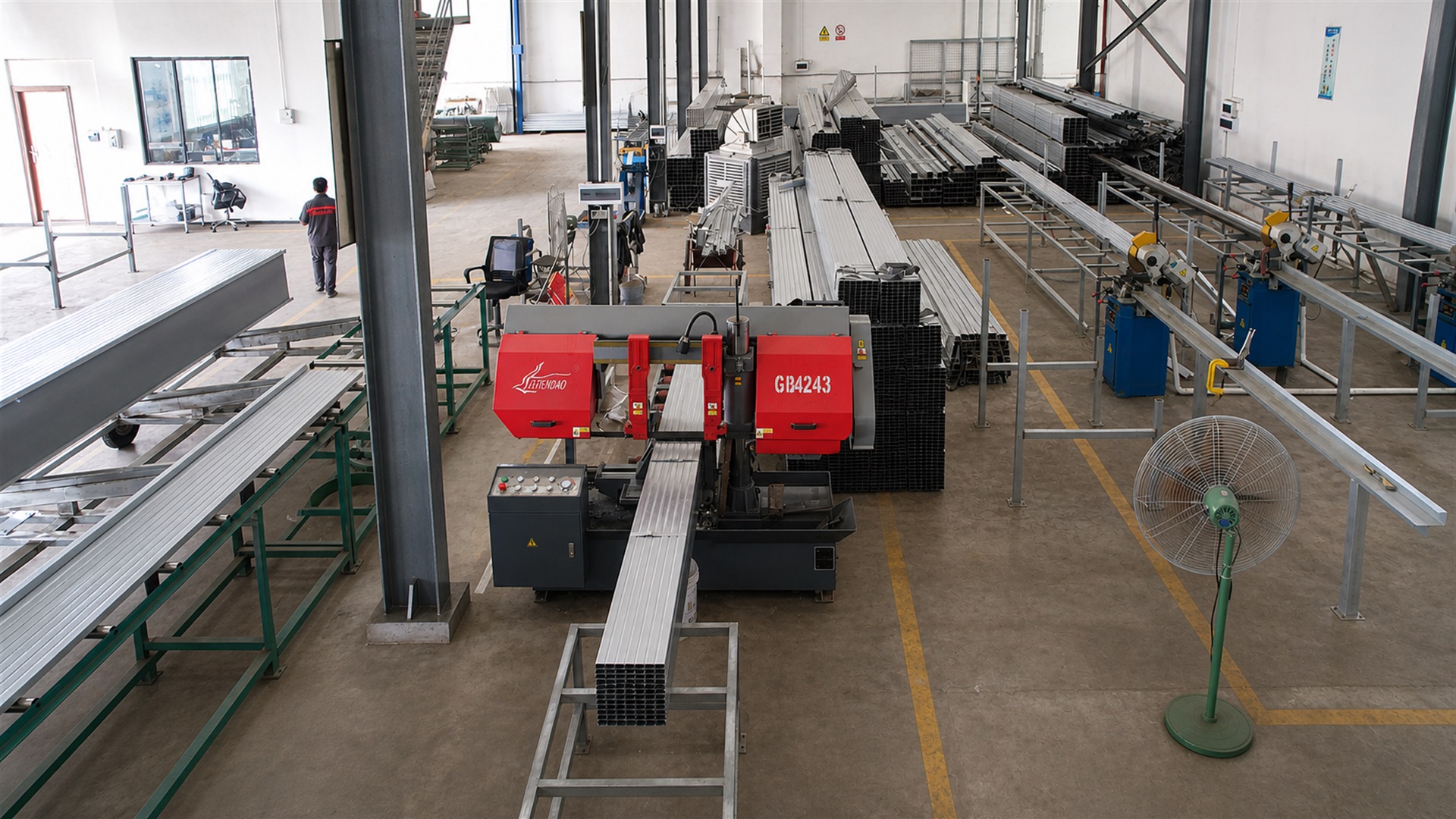
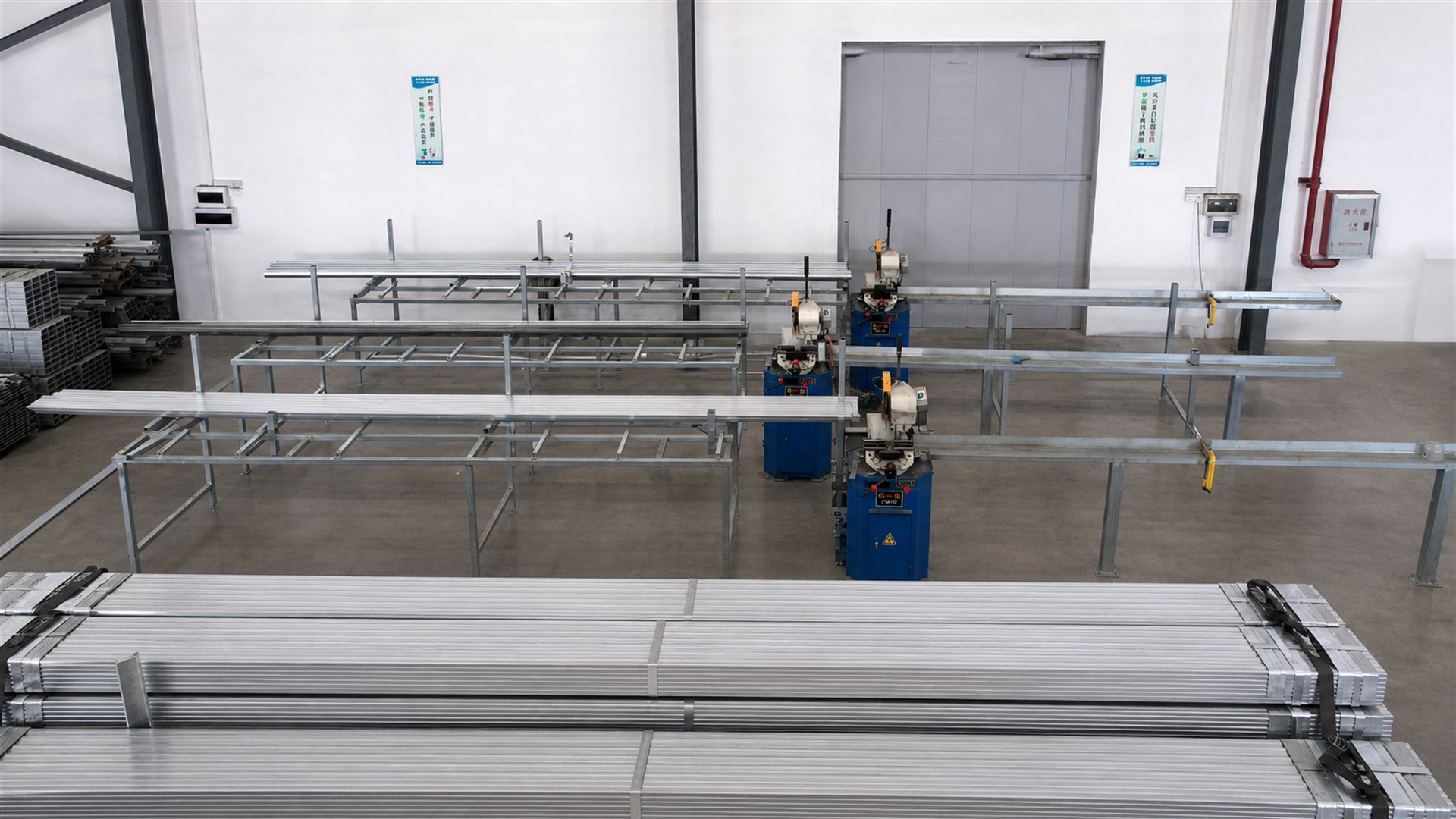
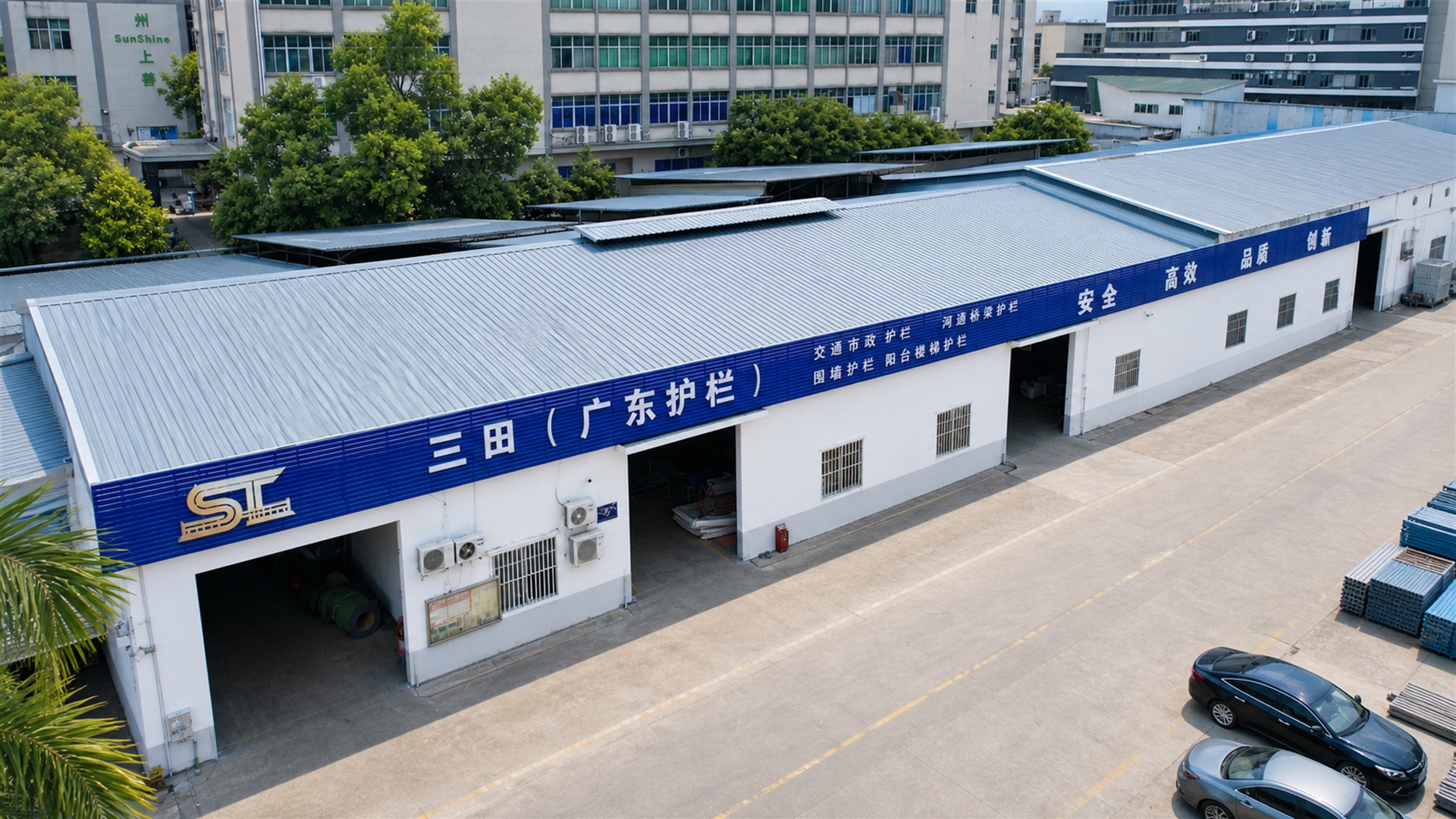
aotianguardrail is the online brand for Guangzhou Santian Steel Structure Co., Ltd., a China-based manufacturer of municipal traffic guardrails and construction site hoarding systems with industry experience dating back to 2011. The company operates a production facility of approximately 15,000 m² and provides research and development, product design, manufacturing and installation services. Its product range includes balcony railings, stair railings and window guard railings, alongside municipal, bridge, riverside and perimeter barrier systems.
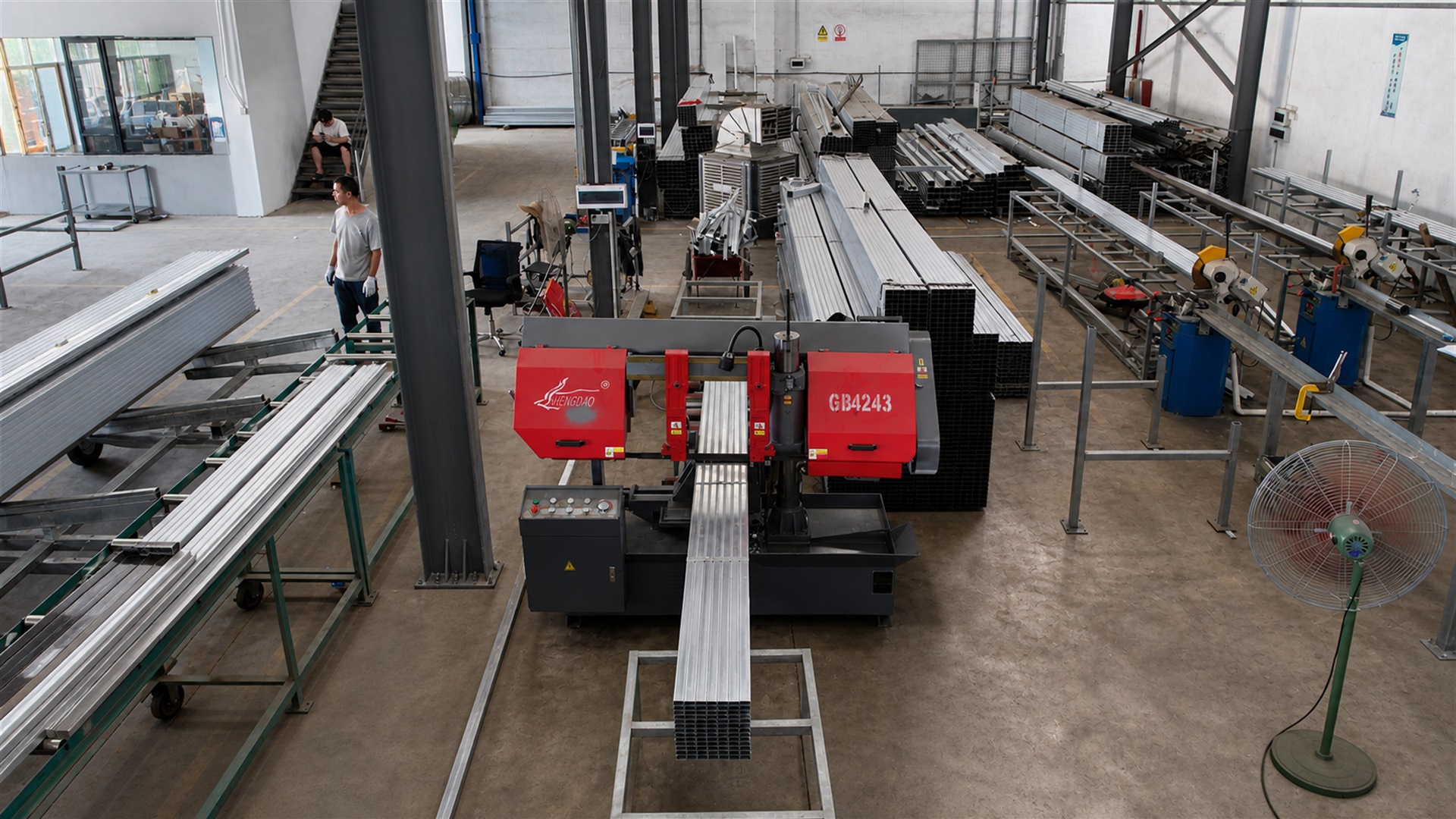
For project buyers, the useful question is not whether a factory can make a railing. It is whether the supplier can translate the mounting context into a manufacturable specification. That requires drawings, dimensions, material and finish decisions, and a clear acceptance check before shipment.
FAQ
What information should be confirmed before ordering window, stair or balcony railings?
Confirm the application, dimensions, material, surface treatment, safety requirements, quantity, installation environment and applicable standards. Railings can be customized according to project drawings, site conditions and architectural requirements. If drawings are unavailable, provide site photographs and a clear description of the location so a suitable configuration can be recommended.
Can window guard, stair and balcony railings be customized?
Yes. The manufacturer provides OEM and ODM production services. Custom fabrication can cover dimensions, materials, colors, surface finishes, structural designs, decorative patterns, logos, packaging and project-specific configurations. This allows the three railing types to be produced for different mounting conditions rather than forced into one standard design.
What affects the budget for these railing products?
Material selection depends on the environment, safety requirements, appearance and budget. Hot-dip galvanized steel offers a practical balance of strength, corrosion resistance and cost; stainless steel offers better appearance and corrosion resistance; aluminum is lightweight and suitable for decorative applications. An accurate quotation also requires the guardrail type, dimensions, total quantity, material, surface finish, drawings, installation environment, applicable standards, delivery location and packaging requirements. The stated minimum order quantity is 1 unit under FOB delivery terms.
Can a buyer order a single unit for sample or validation?
The stated minimum order quantity is 1 unit under FOB delivery terms, and the stated acceptance criterion is a pre-shipment test. A single-unit order can therefore be discussed as the smallest order configuration. Buyers should confirm the exact configuration, finish and inspection requirements before ordering, because lead time depends on order quantity, product specifications and customization requirements.
What is the lead time for custom railing orders?
Lead time is determined by order quantity, product specifications and customization requirements. There is no single fixed lead time for all window, stair or balcony railing orders. The practical approach is to submit the drawings, dimensions, material, finish, quantity and delivery destination first, then confirm the production schedule against those inputs.
Conclusion: Name the Location, Then Select the Barrier
Window guard railing, stair railing and balcony railing all belong to the safety barrier family, but they solve different mounting problems. A window guard protects an opening. A stair railing supports movement and guards an open stair edge. A balcony railing forms a continuous barrier at an elevated edge. The buyer who names the location first will ask better questions about fixing, dimensions, material, finish and installation.
For projects that need these railing types, the next step is to share the location, drawings or site photos, dimensions, material preference and quantity. aotianguardrail and Guangzhou Santian Steel Structure Co., Ltd. can review the brief and recommend a configuration.
Request a Railing Quotation or Review the Catalogue
Send your window, stair or balcony railing drawings, dimensions, material and finish requirements, quantity and delivery destination. For a broader product overview, download the Santian catalogue.
Contact: Casper | Email: info@aotianhouse.com | Tel / WhatsApp: +86 189 2407 9286 | Address: No. 21-1, Fuling East Road, Shangshao Village, Xintang Town, Zengcheng District, Guangzhou City, China
Website: aotianguardrail.com
Have Questions or Need More Details?
Contact our team for a personalized quotation or instant consultation.
Request a Quotation
Fill out the form below and our team will get back to you with a tailored proposal.
WhatsApp Direct Chat
Prefer to chat in real-time? Message us on WhatsApp for instant assistance & quick answers.
- Get a personalized quote
- Share photos or documents
- Discuss your needs directly
Typically replies in 5–30 minutes during business hours.