
BTR2 Long-Term Fuse Switch Partnership: Supply & After-Sales FAQ
BTR2 Long-Term Fuse Switch Partnership: Supply and After-Sales FAQ for Distributors

A long-term fuse switch partnership holds together when three things stay constant: the model, the documentation and the spare-part supply behind it. For a switchgear distributor, that means the BTR2 vertical fuse switch disconnector quoted this year should still be quotable — with the same ratings, the same technical file and the same support path — when the same panel design returns in two or three years.
This article answers the questions distributors ask when they move from a single trial order to a repeat supply programme covering fuse switch disconnectors, fuse rails, fuse bases and fuse links. The focus is the BTR2 and its place inside the wider vertical fuse switch family from BARFUSE Electric Co., Ltd., which also covers BTR3, BTR4, BTR5 and BTR6, NT/NH fuse bases, the BH-400 DIN rail fuse base and Stripe Fuse rails.
Why Fuse Switch Partnerships Break Down After the First Order
A distributor relationship rarely fails on the first shipment. The first order is small, closely watched and usually inspected line by line. The problems appear at the second or third order, once volume, repeat ordering and after-sales enter the picture. Five failure patterns account for most of them.
- Model drift. A part number is quietly changed, a rating is dropped, or a frame size disappears with no notice. The distributor can no longer quote the same unit twice, and the end customer's spare-part list becomes unreliable.
- Spare-part gaps. Fuse links, fuse holders, fuse pullers and fuse handles are treated as accessories rather than part of the supply programme. When a panel needs servicing, the consumable is out of stock even though the disconnector is available.
- Documentation that stops at the datasheet. A current rating alone does not tell an engineer whether a unit fits. Terminal details, mounting method, busbar spacing compatibility, impulse withstand voltage and insulation voltage decide the answer.
- Lead time that is not committed. Distributors pass delivery dates onward to their own customers. An unclear production schedule creates a chain of broken promises that no price discount can repair.
- After-sales silence. When a unit has to be replaced or a fault diagnosed, there is no technical contact and no remote support route.
The sections below follow the order in which a distributor normally evaluates a long-term partner: standards and certification first, then model continuity, capacity and lead time, risk control, documentation and finally after-sales replacement support.
Industry Background: Standards, Market Growth and Busbar Spacing
Three developments make continuity planning more valuable than a one-off price comparison in the low-voltage fuse segment.
- Updated fuse standards. IEC 60269-1:2024 updated the general requirements for low-voltage fuses, covering AC applications up to 1000 V and DC applications up to 1500 V (International Electrotechnical Commission). Distributors whose customers are adding DC or photovoltaic circuits to boards originally designed for AC need fuse links, holders and bases specified against the current standard rather than an older catalogue.
- A growing fuse market. The global electric fuse market is projected to reach USD 5.84 billion in 2025 and to grow at a CAGR of 7.05% towards 2034 (Fortune Business Insights). The DC side is moving faster: 800 V DC protection for data centres is estimated at USD 265 million in 2026, with a 29.9% CAGR (Market Research Analysis).
- Two dominant busbar spacings. Vertical fuse switch disconnectors are optimised for 185 mm and 100 mm busbar spacing systems in low-voltage networks (industry technical reference). A distributor working across feeder pillars, distribution cabinets and retrofit projects usually needs both spacings available from one supplier.
For a distributor, the practical conclusion is that supplier selection is really continuity selection. A supplier able to hold a model family, a certification file and a spare-part list steady across several years removes more commercial risk than a supplier who is marginally cheaper on a single shipment.
The BARFUSE Long-Term Supply Model for Fuse Switch Disconnectors
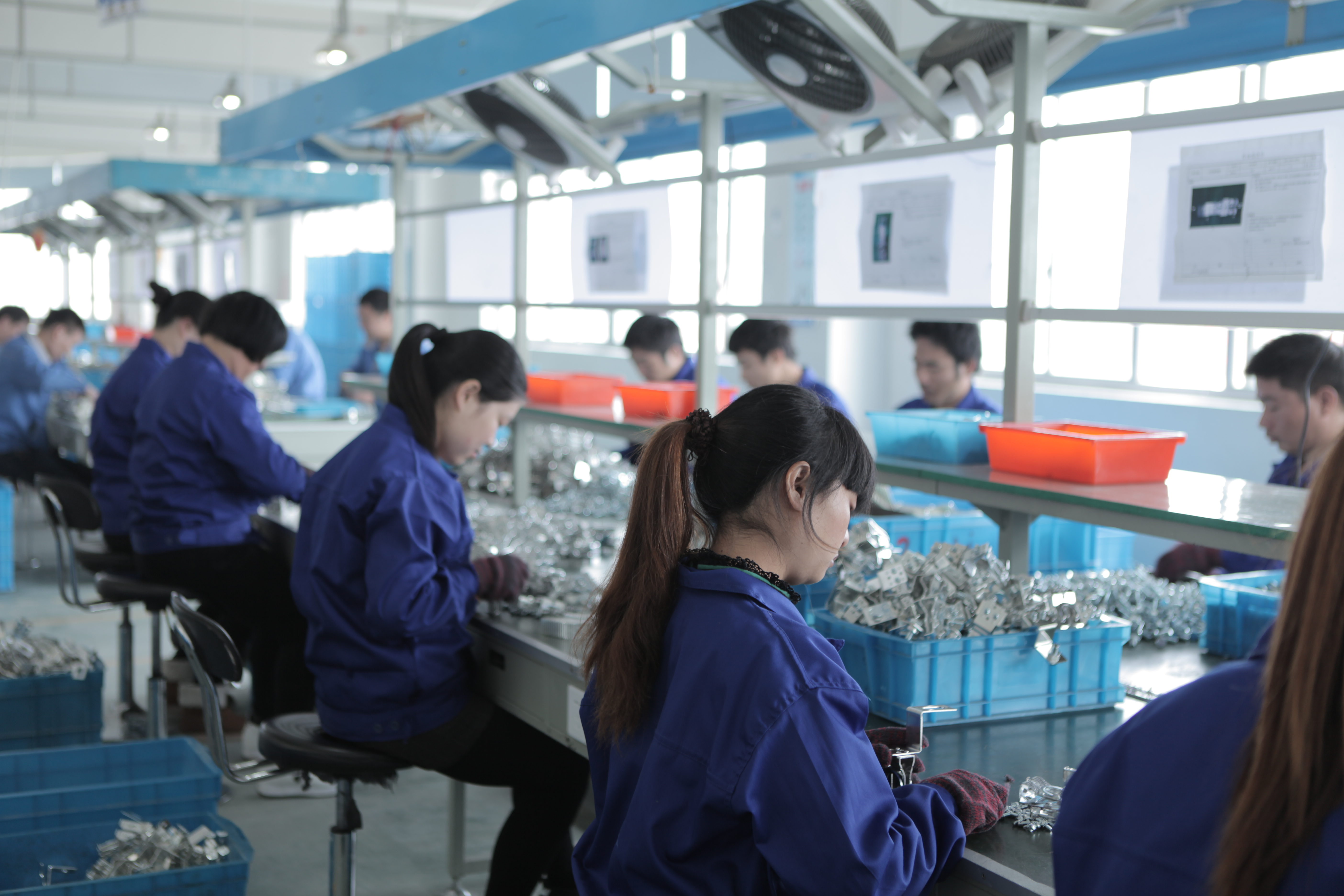
BARFUSE Electric Co., Ltd. is a manufacturer based in Wenzhou, Zhejiang Province, China, producing low-voltage fuse switch disconnectors, busbar systems and high and low-voltage distribution wiring management products, including MCB pan assemblies and MCCB pan assemblies. The company was founded in 2014 and operates a 10,000 ㎡ factory with 45 employees, an R&D team of 7 engineers and an annual output of 250,000 pieces. Around 90% of production is exported to markets including the Middle East, Russia, Latin America, Central Asia, the EU, Africa and Oceania, supported by a sales network covering more than 40 countries and regions.
On the quality side, the factory runs an ISO 9001 quality system and has obtained testing accreditations from KEMA (DEKRA) in the Netherlands and VDE in Germany, as well as CB certification and SAA certification in Australia. Production is carried out with more than 30 digital wire-cutting machines and punches and around ten sets of inspection equipment, including withstand voltage, spring, salt spray, flame retardant and switch testing.
BTR2 Ratings and Configuration at a Glance
The BTR2 is a vertical fuse switch disconnector built for low-voltage distribution work, with Nigeria and Congo as its main markets. Its published ratings are:
| Parameter | BTR2 vertical fuse switch disconnector |
|---|---|
| Rated current | 250 A / 400 A / 630 A |
| Rated voltage | 415 V / 500 V / 690 V |
| Frequency | 50 / 60 Hz |
| Degree of protection | IP30 |
| Rated impulse withstand voltage (Uimp) | 10 kV |
| Rated insulation voltage (Ui) | 1000 V |
| Limiting short-circuit capacity | 50–100 kA |
| Monitoring | Intelligent monitoring for remote management and fault early warning |
| Primary markets | Nigeria, Congo |
Three current ratings across three voltage levels give a distributor a workable quotation range without stocking unrelated product families, and the 50–100 kA limiting short-circuit capacity covers the fault levels normally quoted in feeder pillar and distribution cabinet work. The intelligent monitoring function adds a second layer: remote management and fault early warning, which turns a passive protection device into a source of operating information.
Model Continuity Across BTR2, BTR3/BTR4/BTR5/BTR6, NT/NH Bases and Stripe Fuse Rails
Continuity is easiest to audit with one question: can the supplier still quote the rest of the installation, not only the unit that was ordered? BARFUSE covers the vertical fuse switch family through BTR2, BTR3, BTR4, BTR5 and BTR6, alongside NT/NH fuse bases, the BH-400 DIN rail fuse base and Stripe Fuse rails, with fuse links, fuse holders, fuse pullers and fuse handles supplied as part of the same range.
The BH-400 DIN rail fuse base shows why the accessory layer matters. That application requires DIN rail mounting, a flame retardant shell, stable conductive performance and IP30 protection — a specification profile that should be checked item by item when a distributor standardises a DIN rail range for panel builders, rather than assumed from a product photograph.
Spare-Part Planning, Capacity and Lead Time
Monthly production capacity is 5,000 pieces, and the typical production lead time is 30–45 days. Both figures are what make repeat supply plannable: a distributor can set reorder points against a known monthly output instead of reacting to stock-outs, and can quote a delivery window that the factory schedule actually supports.
Spare-part planning covers more than the disconnector itself. Replacement demand usually arrives as fuse links in the correct NT/NH sizes, fuse holders, fuse pullers and fuse handles for maintenance work, and occasionally as a complete switch where a panel is rebuilt. Ordering these items together with new units keeps maintenance stock and new-build stock on the same delivery schedule, which reduces both freight cost and administration.
Risk Control Measures That Reduce Field Replacements
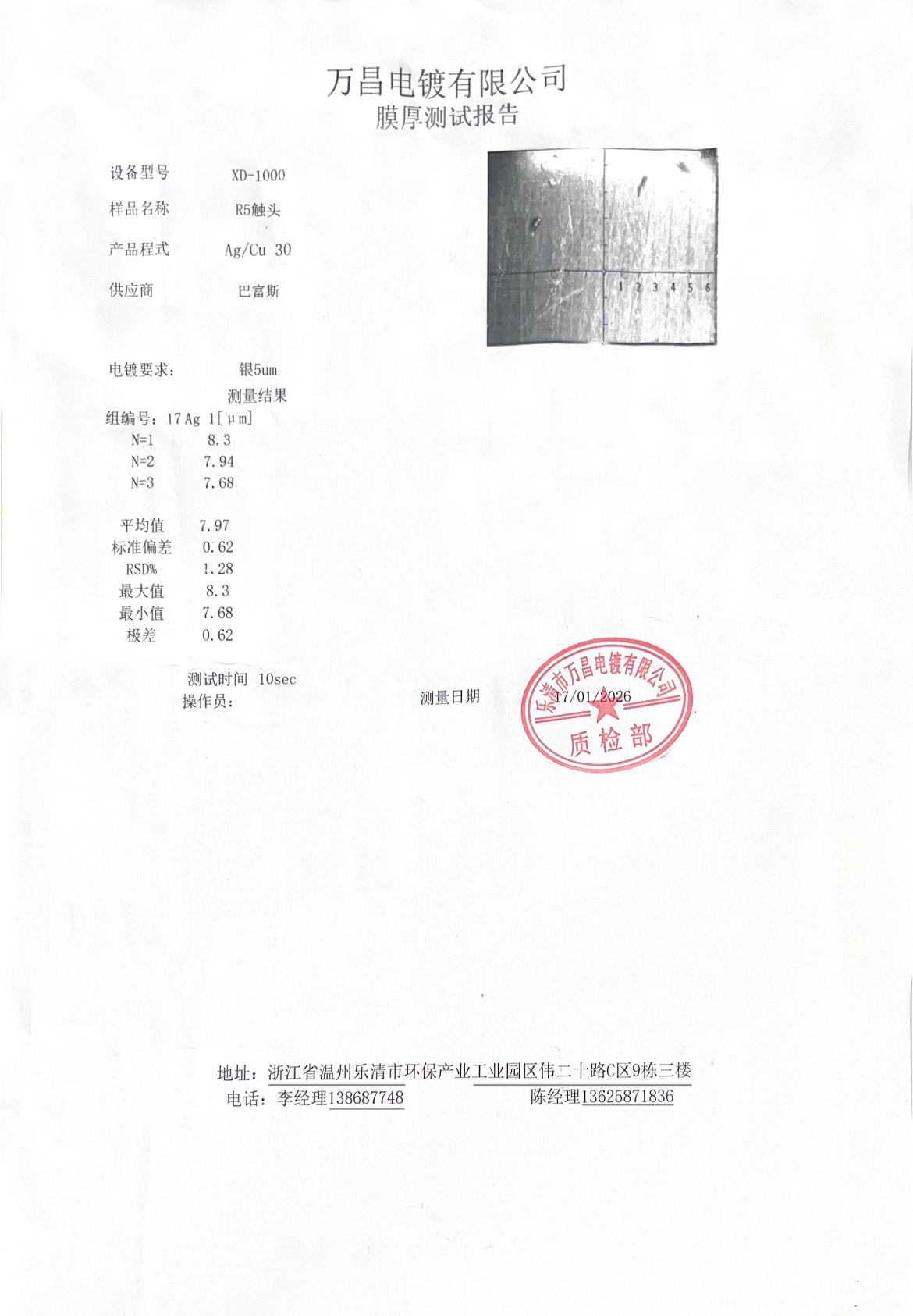
Temperature rise and short-circuit stress are the two failure modes that generate most after-sales claims on fuse switch equipment. The control measures applied at BARFUSE are high-conductivity T2 copper conductors, a 2 μm silver coating on contact surfaces and heat-shrink tube insulation. The intended effect is lower temperature rise at the contact point and reduced exposure to short-circuit damage; commercially, that means fewer in-warranty replacements for a distributor and a more predictable replacement rate to plan spares against.
Documentation and After-Sales Remote Support
A technical file that can be handed to an engineer should contain rated current and voltage, frequency, rated impulse withstand voltage, rated insulation voltage, limiting short-circuit capacity, degree of protection, mounting method, busbar spacing compatibility and a description of the monitoring function. For the BTR2 range these values are published as ratings and collected in a downloadable catalogue, so the same documents can be attached to a distributor's own quotation.
After-sales remote technical support is provided after delivery. Combined with intelligent monitoring for remote management and fault early warning on models such as the BTR2, this allows a distributor's technical contact to narrow down a fault before arranging a site visit or requesting a replacement unit — an important difference when the installation is in Nigeria, Congo or another export market where a service trip is expensive.
Step-by-Step: Setting Up a Supply and After-Sales Programme
The sequence below keeps repeat business from turning into a series of unconnected one-off purchases.
Step 1 — Freeze the model baseline
List every model and rating that will be quoted: BTR2 at 250 A, 400 A and 630 A, the other frames in use (BTR3, BTR4, BTR5, BTR6), the fuse base types (NT/NH fuse bases, BH-400 DIN rail fuse base) and the rail systems (Stripe Fuse rails). Record the voltage level and frequency for each application — 415 V, 500 V or 690 V at 50 or 60 Hz — so that quotations do not drift between shipments.
Step 2 — Map the installed base to spare parts
For each model on the list, define the consumables and wear items that will be reordered: fuse links in matching NT/NH sizes, fuse holders, fuse pullers and fuse handles. Spare-part lists should follow the installed base rather than the last order, because maintenance demand lags installation by years and follows the fleet, not the shipment.
Step 3 — Agree the documentation pack
Fix one document set for the whole programme: ratings and technical data, mounting and busbar spacing information for 100 mm and 185 mm systems, the monitoring function description and certification copies. Keeping a single version in circulation prevents the common problem of two quotations for the same panel citing different technical data.
Step 4 — Set the reorder rhythm against capacity and lead time
With monthly production capacity at 5,000 pieces and a typical lead time of 30–45 days, reorder points can be calculated backwards from the distributor's own stock movement. This is also the stage to decide which fast-moving items are held as standing stock and which are ordered project by project.
Step 5 — Fix commercial and acceptance terms
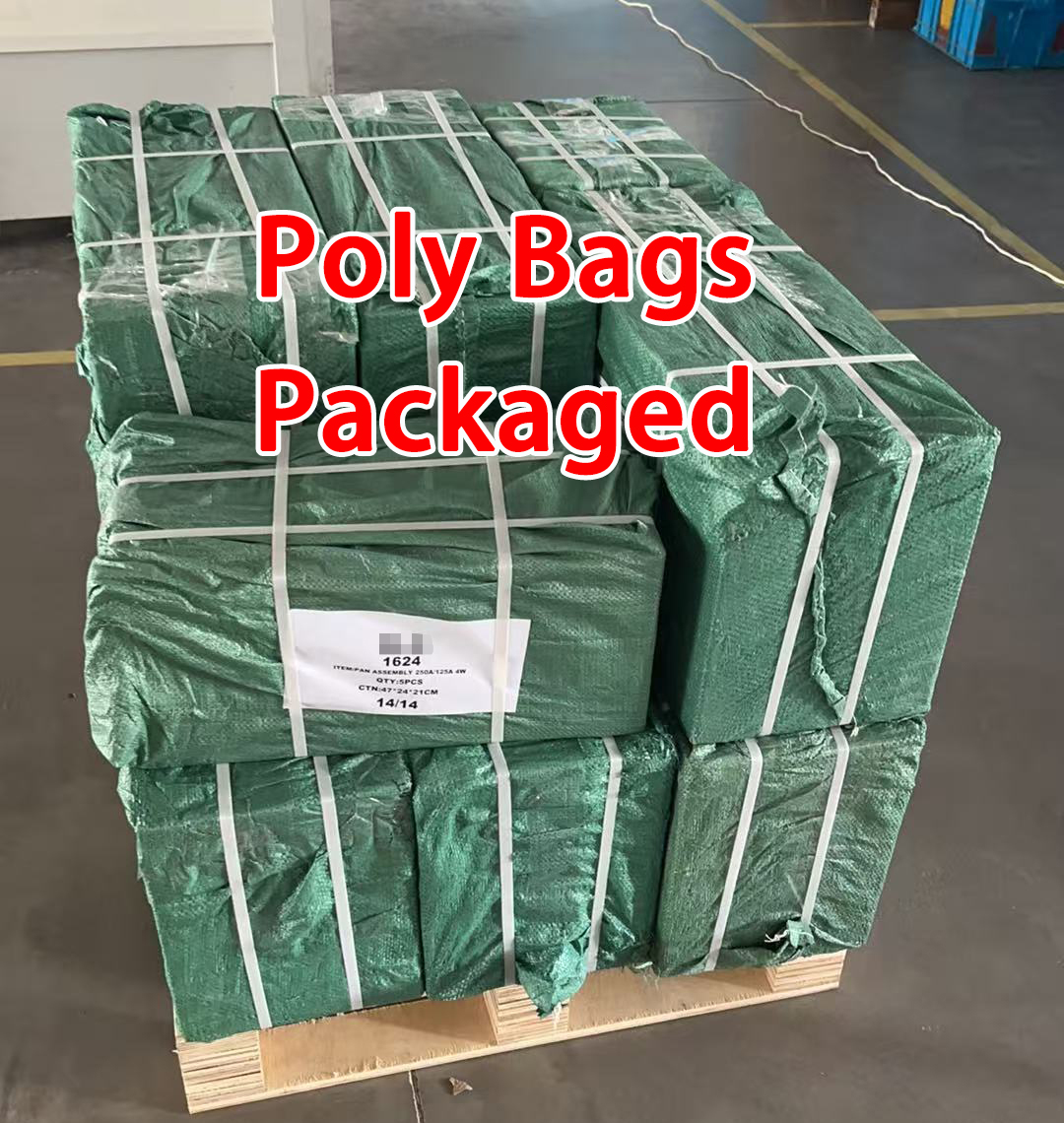
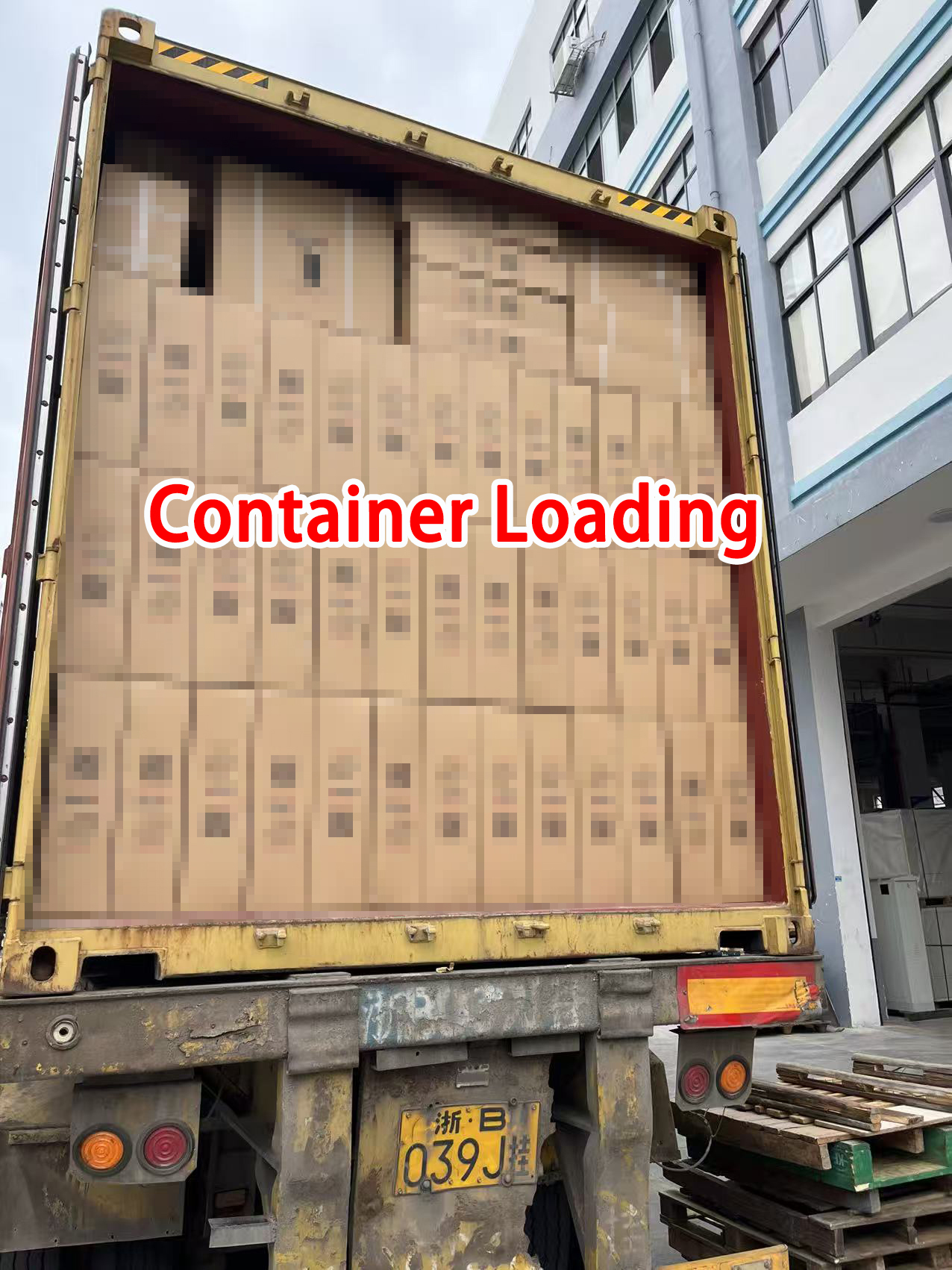
For BARFUSE supply, MOQ is 1 piece, delivery terms are FOB, CIF, CFR or EXW, acceptance criteria is pre-shipment test, and payment terms are T/T, PayPal, Western Union and L/C. A one-piece MOQ supports validation orders, and pre-shipment testing places the acceptance check before dispatch rather than after the container arrives.
Step 6 — Close the after-sales loop
Agree how a fault is reported, who provides remote technical support, and how a replacement unit is routed — normally with the next scheduled shipment, which keeps freight costs proportionate to the value of the part. Recording replacement reasons by model and rating converts after-sales records into procurement data for the following year.
Use Cases: Where Long-Term Supply Pays Off
Feeder pillars and distribution cabinets in Nigeria and Congo
These are the BTR2's primary markets, and the buying pattern is repeated projects rather than isolated purchases: a distributor supplies a feeder pillar or distribution cabinet, then returns for the same ratings when the next installation is ordered. The 250 A to 630 A current range and 415 V to 690 V voltage coverage allow one quotation range to serve several project sizes, and the 50–100 kA limiting short-circuit capacity suits feeder pillar work.
Distributor spares and retrofit programmes
In retrofit work, the disconnector is often replaced while the panel, cabling and busbar remain in place. Compatibility with existing 185 mm and 100 mm busbar spacing systems decides whether the retrofit is a drop-in replacement or a re-build, and a documented spare-part list for fuse links, holders, pullers and handles keeps the maintenance side of the business supplied between projects.
Panel builders standardising on DIN rail fuse bases
A panel builder who standardises a DIN rail range needs the same specification every time: DIN rail mounting, a flame retardant shell, stable conductive performance and IP30 protection. The BH-400 DIN rail fuse base sits inside that requirement profile, and once a standard drawing exists, continuity of supply outweighs a marginal unit price difference.
PV and DC-adjacent distribution
IEC 60269-1:2024 covers DC fuses up to 1500 V, and the 800 V DC protection segment is expanding quickly. Distributors serving photovoltaic and DC-fed boards should confirm with their supplier which fuse holders, photovoltaic fuse holders and DC-rated links are covered by the current documentation before adding them to a stocked programme. BARFUSE's declared product scope includes vertical fuse rails (BTR series) and PV distribution components within its low-voltage distribution portfolio.
Mixed busbar systems from one supplier
Because vertical fuse switch disconnectors are optimised for both 185 mm and 100 mm busbar spacing, a distributor can serve panel builders who use different internal layouts without splitting supply across two manufacturers. The saving appears in freight consolidation, in one documentation set and in one after-sales contact instead of two.
Comparison Table: Vertical Fuse Switch Disconnector vs Square Fuse Switch
The table below summarises the comparison published for the vertical fuse switch disconnector against a square fuse switch format. The performance figures are manufacturer-stated and should be presented as such; the practical test for a distributor is whether each claim matches the panel type being quoted.
| Comparison dimension | Vertical fuse switch disconnector (BTR series) | Square fuse switch |
|---|---|---|
| Safety and protection | High safety and reliable protection; manufacturer states 50% improved safety | Reference format for the same comparison |
| Integration and monitoring | High integration with flexible monitoring, including remote management and fault early warning | Limited to the basic switch function |
| Space utilisation | Modular design and space economy; manufacturer states 30% higher space utilisation | Larger footprint inside the cabinet |
| Cost efficiency | Outstanding cost efficiency; manufacturer states 20% lower cost | Higher cost outcome in the same installation |
| Maintenance | Less maintenance; less wiring, easier circuit expansion, higher cabinet utilisation | More maintenance effort |
| Typical fit | Distribution cabinet, power pedestal, feeder pillar | General switching applications |
One distinction is worth keeping when this table is reused: the BTR column carries specific manufacturer-stated percentages, while the square fuse switch column describes the format the comparison is measured against. Distributors should reproduce the figures only with the same attribution, and should pair them with the panel drawing rather than with a generic product claim.
FAQ: Long-Term Fuse Switch Supply and After-Sales
Which standards and certifications should be verified before committing to a long-term fuse switch supplier?
Low-voltage fuses are covered internationally by IEC 60269-1:2024, which sets general requirements for AC fuses up to 1000 V and DC fuses up to 1500 V (International Electrotechnical Commission). For a long-term programme, certifications should be checked as documents rather than as claims: BARFUSE Electric Co., Ltd. operates an ISO 9001 quality system and has obtained testing accreditations from KEMA (DEKRA) in the Netherlands and VDE in Germany, as well as CB certification and SAA certification in Australia. Distributors selling into Nigeria, Congo or other export markets should keep copies of these documents together with the product datasheets, so that end customers and consultants can verify them on request.
Can one manufacturer keep BTR2, BTR3/BTR4/BTR5/BTR6 and NT/NH fuse bases available under the same long-term agreement?
Yes, provided the supplier manufactures the whole vertical fuse switch family instead of assembling bought-in units. BARFUSE manufactures low-voltage fuse switch disconnectors, busbar systems and distribution wiring management products in a 10,000 ㎡ factory in Wenzhou, China, with an annual output of 250,000 pieces and a monthly production capacity of 5,000 pieces. The BTR2 vertical fuse switch disconnector covers 250 A, 400 A and 630 A at 415 V, 500 V and 690 V, 50/60 Hz, with IP30 protection, 10 kV rated impulse withstand voltage, 1000 V rated insulation voltage, a 50–100 kA limiting short-circuit capacity and intelligent monitoring for remote management and fault early warning. The same family logic extends to BTR3, BTR4, BTR5 and BTR6, to NT/NH fuse bases, to the BH-400 DIN rail fuse base and to Stripe Fuse rails, with fuse links, fuse holders, fuse pullers and fuse handles available alongside them.
What commercial terms should a distributor expect from a long-term fuse switch supply agreement?
On BARFUSE terms, MOQ is 1 piece, delivery terms are FOB, CIF, CFR or EXW, acceptance criteria is pre-shipment test, and payment terms are T/T, PayPal, Western Union and L/C. A low MOQ and pre-shipment testing are the two terms that matter most when a distributor scales up: the first allows validation before a stocked programme is committed, and the second places the acceptance check before the goods leave the factory rather than after arrival at the port.
How can a distributor validate a fuse switch or fuse base before committing to a long-term programme?
Validation usually happens in three stages. First, a single unit can be ordered because the MOQ is 1 piece. Second, acceptance is based on pre-shipment test, so the unit is checked before dispatch. Third, for engineered applications — such as a BH-400 DIN rail fuse base installation that requires DIN rail mounting, a flame retardant shell, stable conductive performance and IP30 protection — the technical data and the catalogue can be reviewed with the end user's engineer before the first volume order, and after-sales remote technical support is available for questions that arise during installation.
What lead time and after-sales support come with a long-term fuse switch partnership?
The typical production lead time is 30–45 days, and monthly production capacity is 5,000 pieces, which allows reorder cycles to be planned against a distributor's own stock movement instead of against emergency air freight. After sales, the manufacturer provides remote technical support, and intelligent monitoring on models such as the BTR2 supports remote management and fault early warning, so a fault can often be identified before a site visit is organised. Distributors planning a programme for Nigeria, Congo or other export markets can start by downloading the BARFUSE catalogue, or by sending their stock list and panel requirements to sales04@barfuses.com or WhatsApp +86 18815184322 for a quotation.
Conclusion: Turning a First Order into a Repeat Programme
A long-term fuse switch partnership is built from continuity, not from a single competitive price. The BTR2 vertical fuse switch disconnector gives distributors a defined starting point — 250 A, 400 A and 630 A at 415 V, 500 V and 690 V, 50/60 Hz, IP30, 10 kV Uimp, 1000 V Ui, 50–100 kA limiting short-circuit capacity and intelligent monitoring — while BTR3, BTR4, BTR5 and BTR6, NT/NH fuse bases, the BH-400 DIN rail fuse base and Stripe Fuse rails extend the same supply relationship to the rest of the panel.
What makes the programme work in practice is operational: a monthly capacity of 5,000 pieces, a typical lead time of 30–45 days, a documented technical file, spare-part planning for fuse links, holders, pullers and handles, and after-sales remote technical support. Together with ISO 9001, KEMA (DEKRA), VDE, CB and SAA credentials, these are the elements a distributor can verify, quote and repeat.
Next Step
Review the full range and ratings in the BARFUSE catalogue: Barfuse Catalogue (PDF).
Programme enquiries: sales04@barfuses.com | Tel: 0086 577 61666659 | WhatsApp: +86 18815184322
BARFUSE Electric Co., Ltd. — No.88, Weishijiu Road, Economic Development Zone, Yueqing, Zhejiang Province, China (PC: 325600) | Website: barfuses.com | Blog: blog.barfuse.com
Have Questions or Need More Details?
Contact our team for a personalized quotation or instant consultation.
Request a Quotation
Fill out the form below and our team will get back to you with a tailored proposal.
WhatsApp Direct Chat
Prefer to chat in real-time? Message us on WhatsApp for instant assistance & quick answers.
- Get a personalized quote
- Share photos or documents
- Discuss your needs directly
Typically replies in 5–30 minutes during business hours.