
How to Evaluate a Fuse Switch Disconnector Supplier: Materials, Ratings and Delivery Evidence
Direct answer: a fuse switch disconnector supplier should be evaluated on three evidence blocks that can be checked rather than believed — a material declaration for the conductive path and the housing, ratings that name the exact model and the basis behind each figure, and delivery evidence covering model range, monthly capacity, lead time and pre-shipment acceptance. A supplier that can answer all three blocks in writing is a supplier a switchgear distributor can build a repeat stocking programme around.
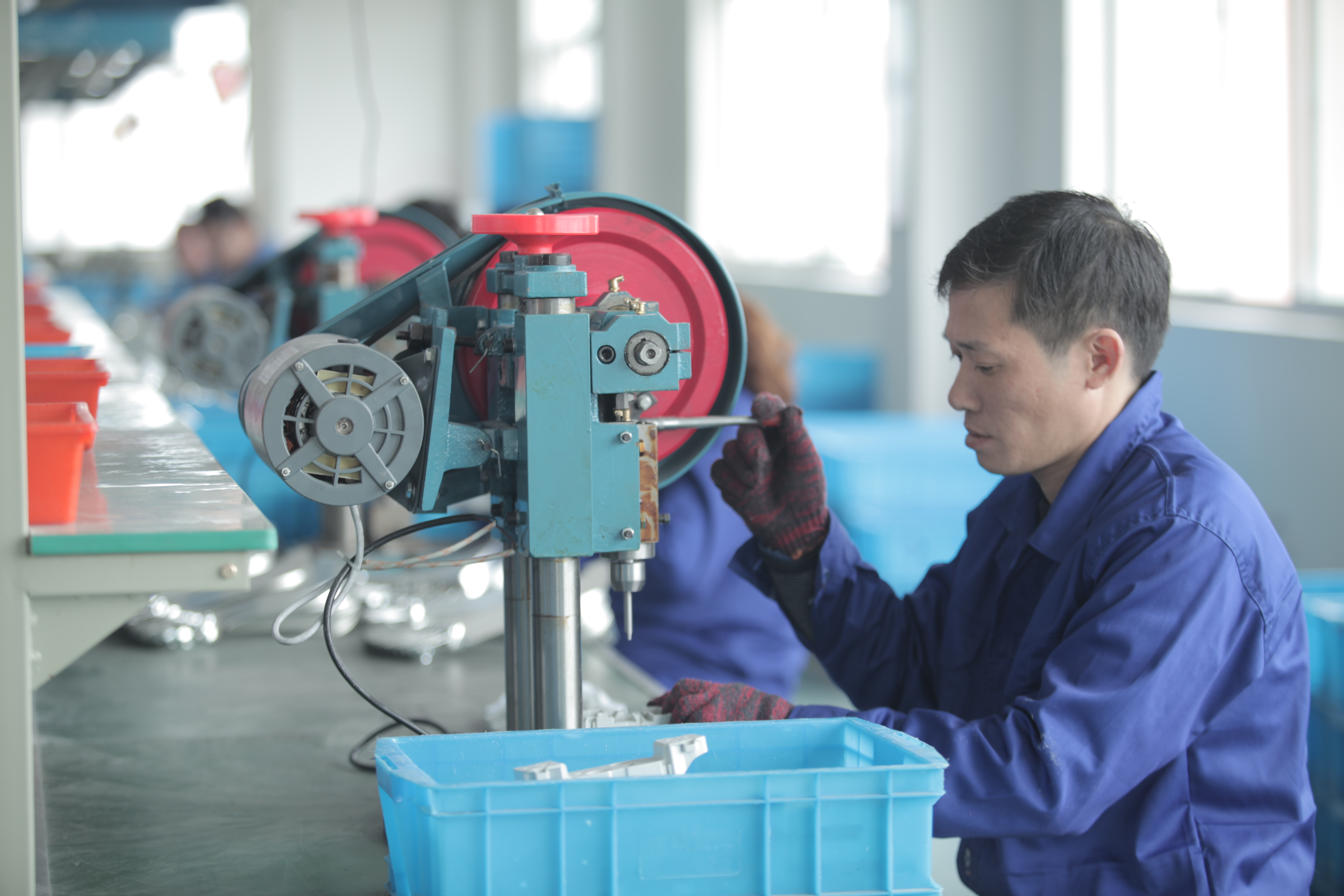
Cover — Supplier evaluation starts on the production floor: capacity, model coverage and material control are the evidence behind a price quotation.
Problem Definition: Why Supplier Claims Look Identical
Two quotations for the same 160 A fuse switch disconnector can arrive with near-identical datasheets and completely different levels of risk. The datasheet usually states a current rating, a voltage, a mounting method and a short-circuit figure. It rarely states the copper grade, the silver coating thickness, the polymer used for the body, or the conditions under which the short-circuit figure was established.
For a distributor, that gap creates three specific problems:
- Material claims without units. "High-conductivity copper" is not a specification. Grade, cross-section and coating thickness determine how a contact behaves under continuous load and under a short-circuit event.
- Ratings without a model or a basis. A 12 kV impulse withstand figure or a 50–100 kA limiting short-circuit current figure is only useful when it is attached to a defined model and a defined test arrangement.
- Delivery promises without capacity evidence. A supplier that cannot state monthly output, typical lead time and model coverage cannot support a distributor's reorder cycle, however good the first sample looked.
The evaluation question is therefore not "who claims the most", but "which claims come with the evidence needed to place a repeat order". This article sets out that evidence in three blocks and then converts them into a six-step evaluation sequence that a distributor, panel builder or procurement team can run before committing to a range.
Industry Background: The Context Behind the Checklist
Low-voltage fuse protection is a standards-driven category. IEC 60269-1:2024 sets out the general requirements for low-voltage fuses, covering AC systems up to 1000 V and DC systems up to 1500 V. A supplier working in this category should be able to point to the standard version its products are designed against — not merely to the word "IEC" on a brochure page.
Demand is steady and still expanding. The global electric fuse market was projected at USD 5.84 billion in 2025, growing at a CAGR of 7.05% towards 2034 (Fortune Business Insights). Growth is not evenly distributed: higher-voltage DC protection for data centres and photovoltaic distribution is expanding faster than conventional AC panel protection, and the 800 V DC protection segment for data centres has been estimated at USD 265 million in 2026 with a 29.9% CAGR. For distributors, that means a supplier relationship now has to cover both established AC fuse switch and fuse base ranges and newer DC- and PV-oriented products, because the buyer's catalogue will change before the supply agreement does.
Mechanically, vertical fuse switch disconnectors are optimised for 185 mm and 100 mm busbar spacing systems in low-voltage networks. Busbar spacing is usually the first technical filter in a distributor's portfolio, because it determines which products can be dropped into an existing feeder pillar or distribution cabinet design without re-engineering the busbar itself. A supplier that cannot state its busbar compatibility clearly forces the buyer into a design change instead of a product selection.
BARFUSE Electric Co., Ltd. (YUEQING BARFUSE ELECTRIC CO.,LTD) is a Wenzhou-based manufacturer of low-voltage fuse switch disconnectors, busbar systems and high and low voltage distribution wiring management products, including vertical fuse rails in the BTR series and PV distribution components. Founded in 2014, the company operates a 10,000 ㎡ factory with 45 employees, a 7-engineer R&D team and an annual output of 250,000 PCS, with roughly 90% of production exported to the Middle East, Russia, Latin America, Central Asia, the EU, Africa and Oceania. On the processing side it uses over 30 sets of modern digital wire-cutting machines and punches, supported by inspection equipment including a Rockwell hardness tester, an electric withstand voltage tester, a spring tester, a salt spray tester, a flame retardant tester and a switch tester. These are the company-level facts that should be requested from any supplier before a distributor commits to a range — they are also the facts that separate a full-cycle manufacturer from a component assembler.
Detailed Solution: The Three Evidence Blocks
Block 1 — Materials: Ask for the Grade, Not the Adjective
Material declarations are the first filter because they are the hardest claims to fake and the easiest to check against a physical sample.
For the stripe fuse switch disconnector BTR1, the stated construction is copper and DMC. For the stripe fuse rail, the stated construction is copper, DMC, ABS and PC. Those four materials are not interchangeable, and the buyer should understand what each one is doing inside the product:
- Copper carries the current. The relevant questions are the copper grade, the cross-section of the conductive path, and whether the contact surfaces receive additional treatment.
- DMC (dough moulding compound) is the thermoset used where mechanical strength and dimensional stability at temperature matter — typically the structural body of a fuse switch or a fuse rail.
- ABS is used where impact resistance and moulding flexibility are needed.
- PC (polycarbonate) contributes the flame-retardant and insulating characteristics required where a part sits close to live metal.
On the conductive side, BARFUSE documents three specific measures for controlling temperature rise and short-circuit stress: the use of high-conductivity material such as T2 copper, a silver coating applied at 2 μm thickness, and heat-shrink tube covering over the conductive element. Each of these is a discrete, checkable claim. A distributor should ask for them as numbers rather than statements — the copper grade by name, the coating thickness in micrometres, and the insulation material with its coverage.
This is also where the real failure mode lives. Temperature rise and short-circuit stress are the two conditions that degrade a fuse switch over the life of a panel, and the countermeasures are material-level: adequate rated current capacity, conductive grease at the joint, high-conductivity copper, a controlled silver coating and heat-shrink insulation. If a supplier cannot describe these measures at material level, the datasheet rating is not supported by a construction story, and the rating is being carried by the catalogue rather than by the product.
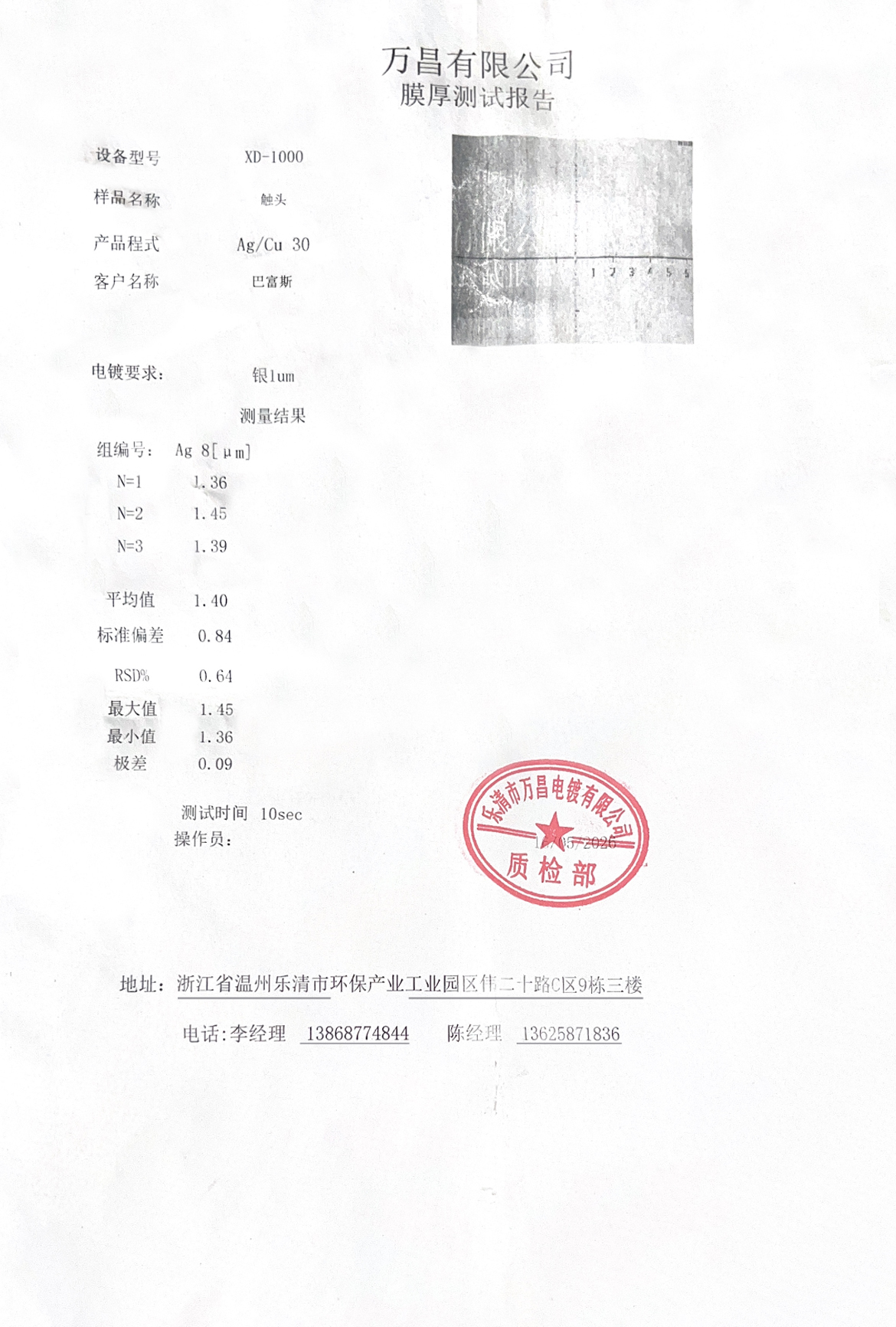
Figure 1 — Silver coating on the conductive path is a measurable claim: request the coating thickness in micrometres, not a description.
Block 2 — Ratings: Every Figure Needs a Model and a Basis
Ratings are the second evidence block, and the discipline is simple: no figure without a model, no model without a basis.
For the stripe fuse switch disconnector range, the stated ratings include a 12 kV impulse withstand voltage and a limiting short-circuit current capability of 50–100 kA. The BTR2 is stated with IP30 protection. These figures are meaningful only when they are read together with the model they belong to and the arrangement under which they were established:
- Impulse withstand (12 kV) describes the dielectric strength of the insulation system against transient overvoltage. It is a property of the complete assembly — housing material, creepage and clearance distances, and internal arrangement — not of a single part.
- Limiting short-circuit current (50–100 kA) describes the peak current the device is stated to limit and interrupt. A limiting device cuts the peak let-through current below the prospective value, which is what protects downstream equipment inside a feeder pillar or distribution cabinet.
- IP30 (BTR2) describes protection against solid objects above 2.5 mm and is a statement about the enclosure rather than the contact system. For indoor LV cabinets this is normally sufficient; for outdoor, dusty or washdown environments it is a constraint that should be raised at the specification stage rather than after delivery.
Application requirements reinforce why these ratings should be matched to the installation rather than quoted in isolation. Where a fuse base or fuse switch is specified for DIN rail mounting with a flame-retardant shell, stable conductive performance and IP30 protection, those four conditions form a single requirement set. A supplier evaluation should therefore test whether the supplier can match rating to mounting method, shell material and IP class as one consistent package — not whether they can quote the highest number in the catalogue.
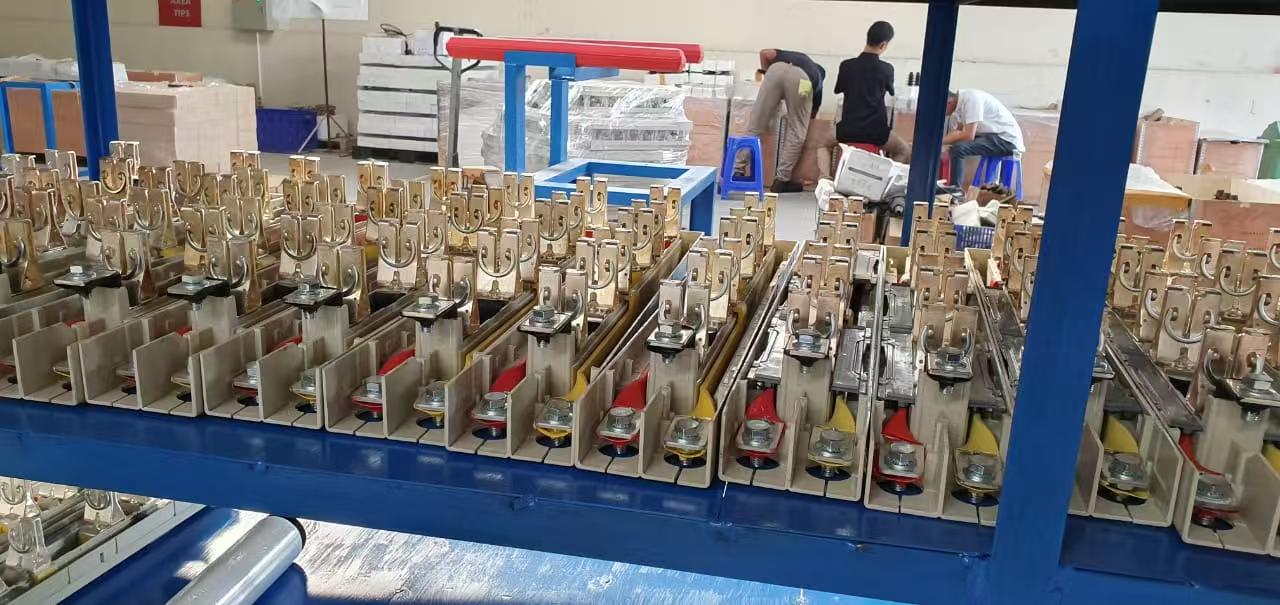
Figure 2 — Heat-shrink tube covering is one of the stated measures used to control temperature rise and short-circuit stress.
Block 3 — Delivery: Model Range, Capacity, Lead Time and Documentation
Delivery evidence is the block that decides whether a supplier can become a long-term partner rather than a one-off source. It has four parts.
Model range coverage. A distributor's portfolio usually spans several busbar systems and fuse sizes. The relevant question is whether one supplier can cover the whole list. For BARFUSE, the stated range runs from the stripe fuse switch disconnectors BTR1 through BTR6, through NT00–NT3 fuse bases, to the BH-400 DIN rail fuse base. Range coverage matters commercially as much as technically: fewer suppliers means fewer sets of documentation, fewer packaging standards and fewer lead-time variables for the buyer to manage.
Production capacity. Monthly production capacity is stated at 5,000 pieces. Capacity is the number that converts a delivery promise into a delivery plan, because it tells a distributor how large a reorder can be absorbed without displacing the next customer's schedule.
Lead time. The typical production lead time is 30–45 days. For repeat programmes the distributor should confirm whether that figure covers the full model range, whether the clock starts at order confirmation or at deposit, and what the position is for non-standard configurations.
Documentation and acceptance. The documentary package should include material declarations, rating statements tied to specific models, certification evidence, pre-shipment test records and packing specifications. BARFUSE states pre-shipment test as the acceptance criterion and documents packaging through poly bags, pallet packing, export cartons and container loading. On compliance, the company states testing accreditations from KEMA (DEKRA) in the Netherlands and VDE in Germany, together with CB certification and SAA certification in Australia, operating under an ISO 9001 quality system.
Step-by-Step Breakdown: A Six-Step Supplier Evaluation
The sequence below works from the technical envelope inward, so that commercial discussion happens only after the product can actually be installed in the buyer's panel.
Step 1 — Fix the technical envelope
Define busbar spacing (185 mm and 100 mm are the two common vertical fuse switch systems), mounting method (DIN rail or fixed), AC or DC application, required ingress protection class, and the fuse size series required, such as NT00–NT3 or the stripe fuse rail format. This envelope becomes the filter list against which every supplier is measured. Without it, every quotation looks acceptable because nothing has been excluded.
Step 2 — Request a material declaration per model
Ask for the conductive material grade, the coating type and thickness, and the housing materials by name and function. For BTR1, the declaration should match the stated copper and DMC construction; for the stripe fuse rail, it should list copper, DMC, ABS and PC with the role of each material. Ask for the silver coating thickness in micrometres rather than a description, and for the heat-shrink insulation material and coverage over the conductive element.
Step 3 — Map every rating to a model and a basis
Build a table listing each rating — impulse withstand, limiting short-circuit current, ingress protection, rated current — against the model it belongs to and the standard or test arrangement behind it. Figures such as 12 kV impulse withstand and 50–100 kA limiting short-circuit current should sit on a named model line, and IP30 should be attached to the models where it is stated, such as BTR2. Any figure that cannot be attached to a model should be treated as a catalogue figure rather than a product specification.
Step 4 — Match the model range to your own SKU list
Lay the supplier's stated range — BTR1 through BTR6, NT00–NT3, BH-400 — against the SKUs your customers actually order. The objective is to identify gaps before the first order rather than after. A range that covers the fast-moving items is worth more to a distributor than a longer catalogue in which several items are never stocked.
Step 5 — Verify delivery capacity and lead time in writing
Confirm monthly production capacity and typical production lead time in the quotation or supply agreement, together with the assumptions behind them. Ask specifically what happens to lead time when order volume increases, and whether capacity is reserved or allocated on a first-come basis.
Step 6 — Confirm commercial and after-sales terms
Close the evaluation with the terms that govern a repeat programme: minimum order quantity, delivery terms, acceptance criteria, payment terms and after-sales support. BARFUSE states an MOQ of 1 piece, delivery terms of FOB / CIF / CFR / EXW, pre-shipment test as the acceptance criterion, payment by T/T, PayPal, Western Union and L/C, and remote technical support after sales.
Use Cases: Where the Evaluation Framework Pays Off
Distribution cabinets, power pedestals and feeder pillars
These are the applications where space, wiring effort and maintenance access drive the decision. In this context, the comparison a distributor usually makes is between a stripe fuse switch configuration and a conventional square fuse switch layout. BARFUSE states that its configuration offers 30% higher space utilisation, 50% improved safety and 20% lower cost against a square fuse switch arrangement, with application fit in distribution cabinets, power pedestals and feeder pillars. Those are manufacturer-stated comparison figures and should be validated against the specific panel design — but they map directly onto the three criteria a panel builder actually uses: space, safety and cost.
Process industry low-voltage distribution
Petroleum, chemical, metallurgical, power and construction installations run their low-voltage distribution on the same categories of device, but with far less tolerance for maintenance downtime. Here the material declaration matters most: temperature rise control, silver-coated contacts and heat-shrink insulation are the difference between a stable joint and a service call. This is the use case in which a distributor should insist on material evidence rather than accept a current rating alone.
PV and higher-voltage DC applications
As DC protection volumes shift towards photovoltaic and higher-voltage systems, distributors need a supplier whose range already includes DC-oriented fuse and fuse-holder products, not only conventional AC fuse bases. Range coverage should therefore be reviewed against the direction of the buyer's own catalogue, not only against current order history.
Distributor stock programmes
Where the relationship is a stocking programme rather than project purchasing, capacity and lead time become the primary evaluation criteria. A stated monthly production capacity of 5,000 pieces and a typical production lead time of 30–45 days are the two numbers a distributor needs in order to plan inventory and reorder points with confidence.
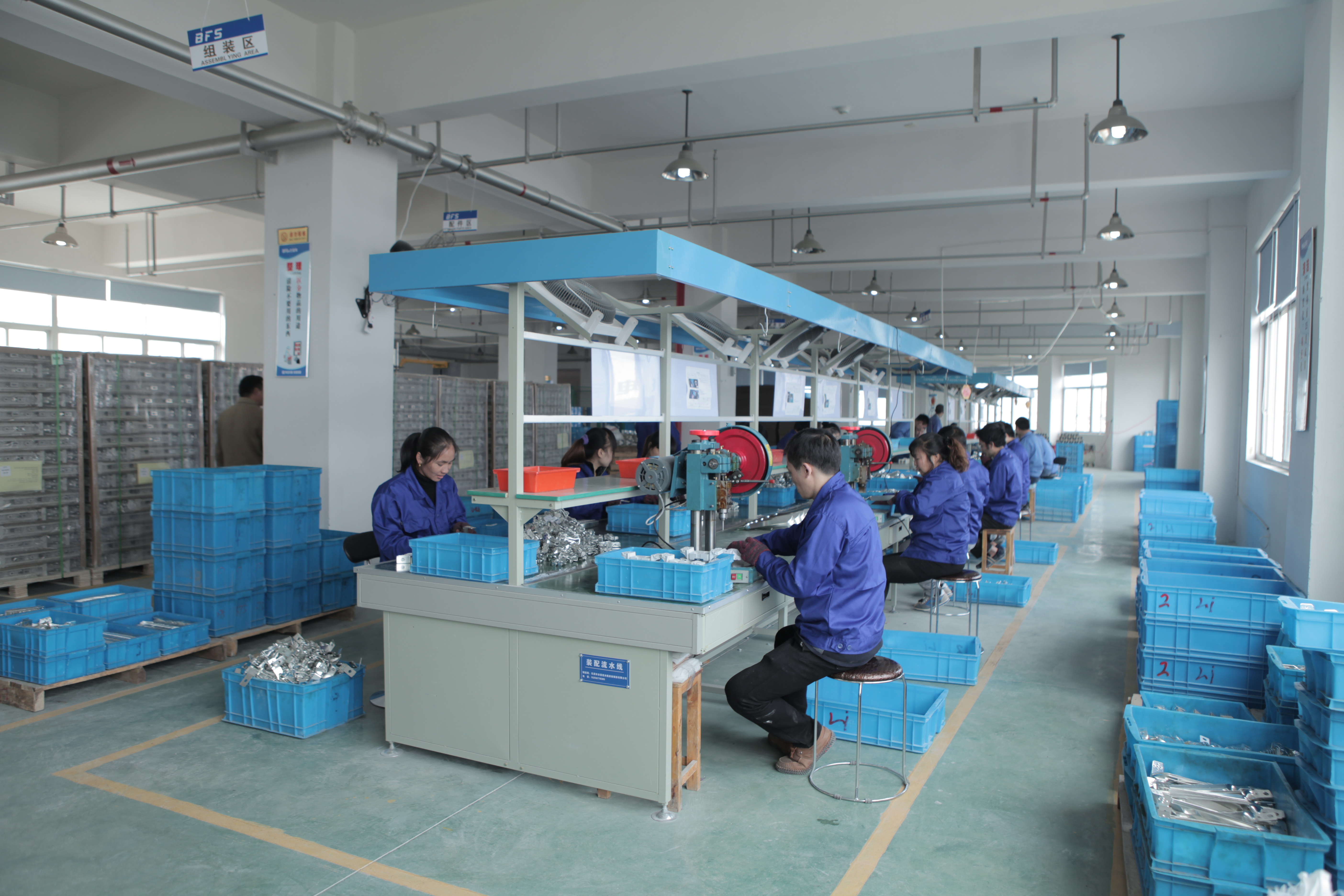
Figure 3 — Workshop organisation and inspection equipment are part of the evidence behind any stated rating.
Comparison Table: Claim, Evidence and Why It Matters
The table below converts the three evidence blocks into a single evaluation grid. Every claim listed is a stated manufacturer or product fact drawn from the supplier's own documentation and should be confirmed against certificate scope and model-level test records before it is repeated in your catalogue.
| Evaluation area | Stated claim | Evidence to request | Why it matters |
|---|---|---|---|
| Housing and structural material | Stripe fuse switch disconnector BTR1: copper and DMC | Material declaration by model, with the function of each material | Dimensional stability and dielectric behaviour under load |
| Rail construction | Stripe fuse rail: copper, DMC, ABS and PC | Material list naming each polymer and its function | Flame retardance and impact resistance near live metal |
| Conductive path | T2 copper; 2 μm silver coating; heat-shrink tube covering | Copper grade, coating thickness in micrometres, insulation coverage | Temperature rise and short-circuit stress control |
| Impulse withstand | 12 kV impulse withstand voltage | Model reference and test basis | Insulation strength against transient overvoltage |
| Short-circuit capability | 50–100 kA limiting short-circuit current | Model reference, limiting behaviour, test basis | Protection of downstream equipment inside the panel |
| Ingress protection | IP30 on BTR2 | Confirmation of IP class by model | Indoor cabinet suitability; constraint for dusty or outdoor sites |
| Model range | BTR1 through BTR6; NT00–NT3; BH-400 | Range list mapped against your own SKU list | Fewer suppliers, fewer documentation sets, simpler planning |
| Delivery | 5,000 pieces per month; 30–45 days typical production lead time | Written confirmation in quotation or supply agreement | Reliability of the distributor's reorder cycle |
| Acceptance | Pre-shipment test; MOQ 1 piece | Test record format and packing specification | A verifiable quality gate before shipment |
| Compliance | KEMA (DEKRA), VDE, CB and SAA accreditations; ISO 9001 system | Certificate copies and the scope of each certificate | Market access and buyer confidence in regulated markets |
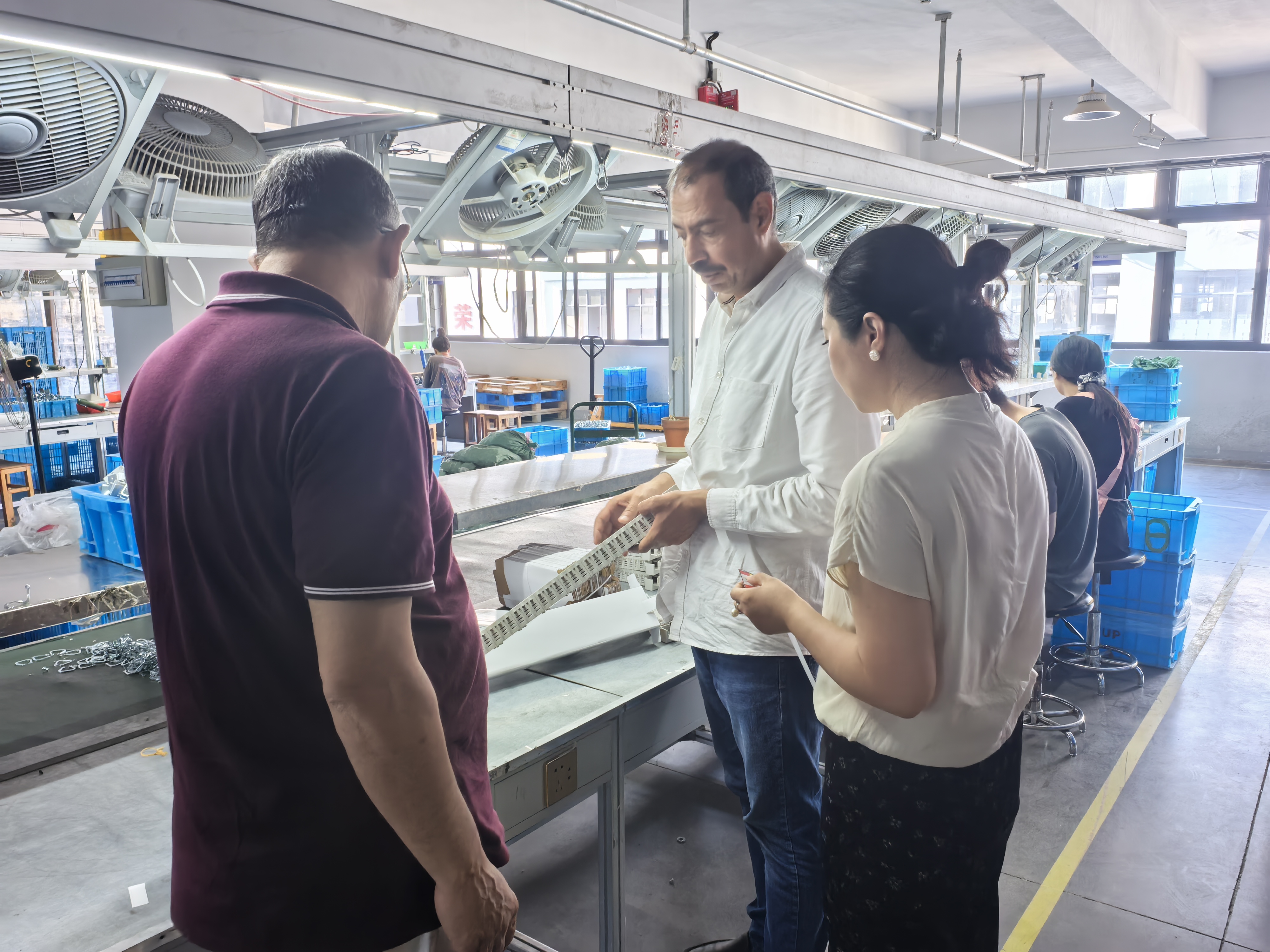
Figure 4 — A full-cycle production workshop, rather than an assembly bench, is the evidence behind range coverage and capacity claims.
FAQ
Which certifications should a fuse switch disconnector supplier be able to document?
Ask for the third-party test accreditations relevant to your target market, together with the scope and validity of each certificate. BARFUSE states testing accreditations from KEMA (DEKRA) in the Netherlands and VDE in Germany, together with CB certification and SAA certification in Australia, and operates under an ISO 9001 quality system. Certificates should be checked against the specific product family you intend to purchase, because accreditation normally applies to defined product types rather than to a supplier's entire output, and an ISO 9001 system certificate describes the quality management system rather than individual product performance.
What model range should a long-term fuse switch supplier cover for a switchgear distributor?
The range should cover the busbar systems and fuse sizes your customers order most often. BARFUSE states coverage from the stripe fuse switch disconnectors BTR1 through BTR6, through NT00–NT3 fuse bases, to the BH-400 DIN rail fuse base, with vertical fuse switch disconnectors designed for 185 mm and 100 mm busbar spacing systems. The practical test is to map this range against your own SKU list before the first order, so that gaps in the fast-moving items are identified early rather than after a customer enquiry.
What commercial terms should be agreed before the first repeat order?
The terms that govern a repeat programme are minimum order quantity, delivery terms, payment terms and acceptance criteria. BARFUSE states an MOQ of 1 piece, delivery terms of FOB / CIF / CFR / EXW, payment by T/T, PayPal, Western Union and L/C, and pre-shipment test as the acceptance criterion. Agreeing these in writing before the first volume order prevents the terms from being renegotiated model by model later.
Can the materials be validated before committing to volume?
Yes — and they should be. Material claims such as T2 copper with a 2 μm silver coating and heat-shrink tube insulation are measurable, so a sample evaluation can confirm the copper grade, coating thickness and polymer identity before the first volume order is placed. Request the material declaration together with the sample so that the physical part and the document can be compared directly rather than assessed separately.
What delivery evidence supports a long-term supply partnership?
Four items should be on the table: stated monthly production capacity, typical production lead time, model range coverage, and a documented acceptance process. For BARFUSE these are a monthly production capacity of 5,000 pieces, a typical production lead time of 30–45 days, range coverage from BTR1 through BTR6, NT00–NT3 and BH-400, and pre-shipment testing as the acceptance criterion, supported by remote technical support after sales. Distributors evaluating a multi-year programme can request a sample, a written delivery plan and the full product catalogue using the contact details below.
Next Step: Sample, Quote and Catalogue
If you are building or refreshing a fuse switch disconnector range, the fastest way to test the evidence above is to request a sample and the supporting documentation together — material declaration, model-level ratings, and delivery terms in writing.
Company: YUEQING BARFUSE ELECTRIC CO.,LTD
Address: No.88, Weishijiu Road, Economic Development Zone, Yueqing, Zhejiang Province, China (PC: 325600)
Tel: 0086 577 61666659 | Fax: 0086 577 61666650
Email: sales04@barfuses.com | Mobile / WhatsApp: +86 18815184322
Websites: www.barfuse.com | www.barfuses.com
Download the full catalogue: BARFUSE Catalogue (PDF)
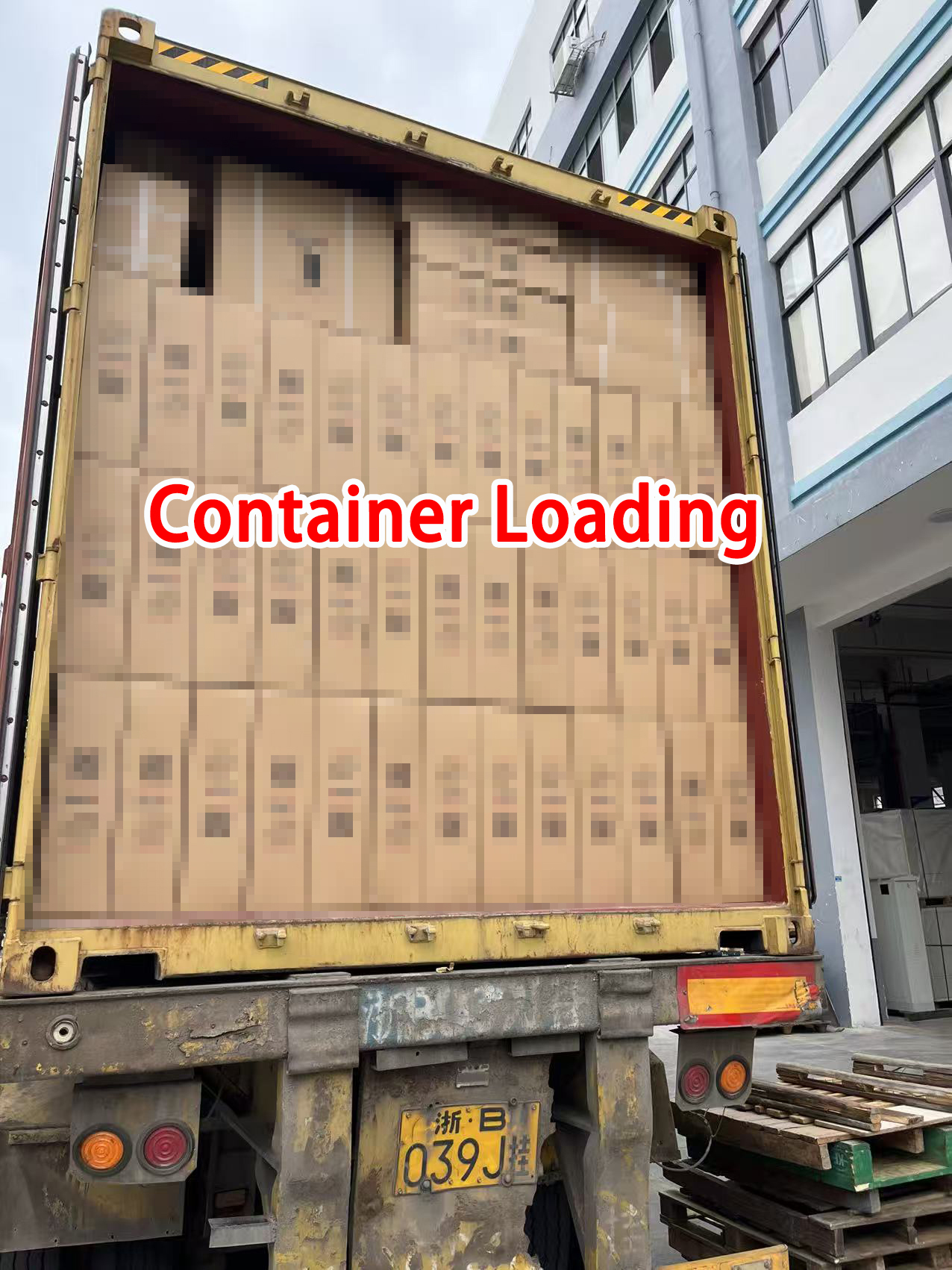
Figure 5 — Packing specifications and container loading records complete the delivery evidence package.
Conclusion
Evaluating a fuse switch disconnector supplier is a documentation exercise before it is a commercial one. Materials, ratings and delivery are the three blocks that can genuinely be verified: the conductive material grade and coating thickness, the housing polymers named per model, the impulse withstand and limiting short-circuit figures tied to a specific product line, and the capacity, lead time and acceptance process that sit behind the order.
Approached this way, supplier selection becomes repeatable rather than intuitive. A distributor who has confirmed that the stripe fuse switch disconnector BTR1 is built from copper and DMC, confirmed that the stripe fuse rail construction uses copper, DMC, ABS and PC, confirmed the 12 kV impulse withstand and 50–100 kA limiting short-circuit figures against named models, confirmed IP30 on BTR2, and mapped the BTR1–BTR6, NT00–NT3 and BH-400 range against their own catalogue, is holding evidence rather than promises. That is the foundation on which a long-term supply relationship, a stable reorder cycle and a defensible product portfolio are built.
Have Questions or Need More Details?
Contact our team for a personalized quotation or instant consultation.
Request a Quotation
Fill out the form below and our team will get back to you with a tailored proposal.
WhatsApp Direct Chat
Prefer to chat in real-time? Message us on WhatsApp for instant assistance & quick answers.
- Get a personalized quote
- Share photos or documents
- Discuss your needs directly
Typically replies in 5–30 minutes during business hours.