
Long-Term Busbar Partnerships: FAQ on Customization, OEM, and After-Sales Support
Winning a single busbar order is not difficult. Keeping a panel builder supplied for years is a different job, because it depends on whether the same pan assembly still fits the MCCB on the next project, whether the certification pack still satisfies the buyer's market, and whether the supplier can reproduce the same drawing three orders later. This article answers the questions partners ask most often when they move from a one-off purchase to a long-term busbar supply agreement with BARFUSE (Yueqing Barfuse Electric Co., Ltd.).
Why Busbar Supply Relationships Fail After the First Order
A busbar pan assembly is not a catalogue-only part. It is a fit-critical component that sits between the incoming supply and the protective devices, and it only works when the pole distance, terminal layout, mounting plate and enclosure all agree with the breaker that is actually installed. The first order usually matches one panel design and one breaker brand. The second order is where problems appear.
In practice, three things break a busbar relationship that looked healthy on paper.
1. Fit across breaker brands
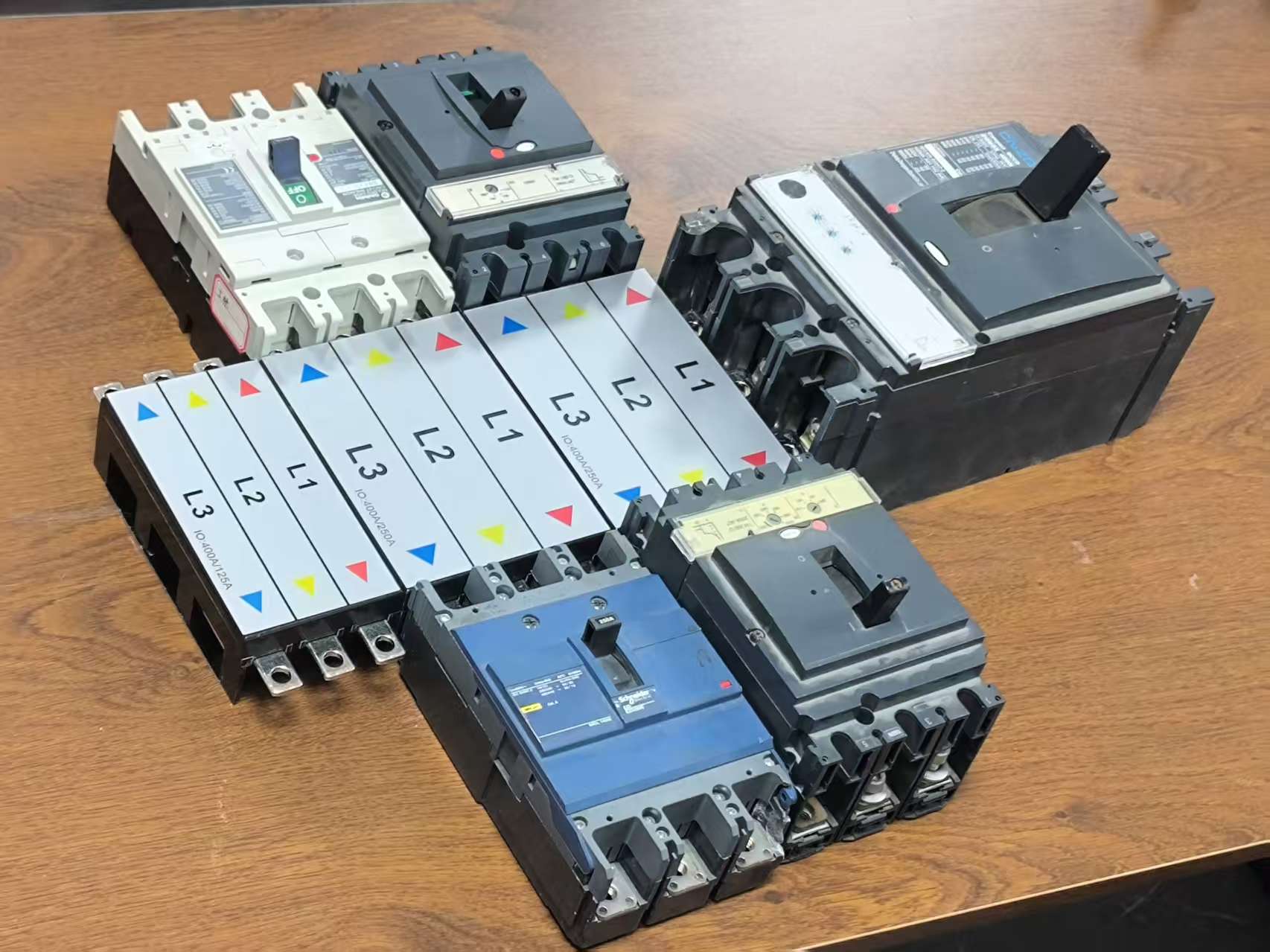
Different MCCB brands use different pole distances and terminal geometries. A supplier who can only deliver one fixed spacing forces the panel builder to redesign mounting plates or drill new fixing points on every project. A supplier who can work across a defined pole distance range removes that rework from the panel shop.
2. Compliance evidence for each destination market
A busbar assembly that is acceptable in one market may need a different certificate set in another. When the certificate pack is not available at quotation stage, the project stalls at the approval stage, not at the production stage.
3. Continuity, drawings and after-sales support
Long projects are delivered in phases. If the original drawings are lost, the second phase is treated as a new custom job, with new tooling time and new dimensional risk. This is the most common hidden cost of switching suppliers between phases.
Decision rule: before committing to a long-term busbar partner, ask for three things — the pole distance range the pan assembly family covers, the certificate set that applies to your market, and a written statement of how repeat orders and replacement assemblies are handled.
Industry Background: What Is Changing in the Busbar Market
Busbar demand is being driven by the same forces that shape panel-building economics: faster assembly, predictable electrical performance and material cost control. Published market research places the global busbar market at USD 19.83 billion in 2025 (Precedence Research). Other research houses publish different figures for the same year — Stratview Research reports USD 15.72 billion and IMARC reports USD 20.3 billion — and the difference is largely explained by whether locally fabricated busbars are counted alongside factory-assembled busbar systems. For buyers, the useful conclusion is not the exact number but the direction: busbar continues to replace cable-based distribution inside panels.
Material choice is the second recurring theme. Copper busbars held 62.8% of the market by material in 2025, while aluminum busbars are forecast to grow at a CAGR of 6.9% between 2026 and 2035, partly because aluminum weighs roughly 40% less and reduces material cost in large infrastructure projects. That matters for a long-term partnership, because the material decision may change between project phases.
Standards are the third factor. IEC 61439-6, covering busbar trunking systems within the IEC 61439 family of low-voltage switchgear and controlgear assemblies, is active and updated, effective 1 December 2025. Buyers specifying low-voltage assemblies increasingly ask suppliers to demonstrate compliance to the current edition of the relevant IEC 61439 part rather than to an older reference. In Australia and New Zealand, the equivalent requirement is expressed through AS/NZS acceptance, which is why SAA certification carries weight in those markets.
Manufacturing concentration also matters for lead-time risk: China accounts for over 30% of global copper processing capacity, which is why a large share of the world's modular copper busbar components originate from Chinese suppliers. Partnering with a manufacturer that has its own tooling and inspection equipment, rather than a trading intermediary, is the practical way to control that risk.
How BARFUSE Supports OEM and Customized Busbar Programs
BARFUSE Electric Co., Ltd. is a manufacturer based in Wenzhou, Zhejiang Province, China, producing low-voltage fuse switch disconnectors, busbar systems and high- and low-voltage distribution wiring management products, including MCB pan assemblies, MCCB pan assemblies and metal distribution boxes in a range of sizes. The company was founded in 2014, operates a 10,000 m² factory with 45 employees, an annual output of 250,000 PCS, a 7-engineer R&D team, and exports around 90% of production to more than 40 countries and regions across the Middle East, Russia, Latin America, Central Asia, the EU, Africa and Oceania.
BP3, BP5 and BP6: one assembly family, many MCCB brands
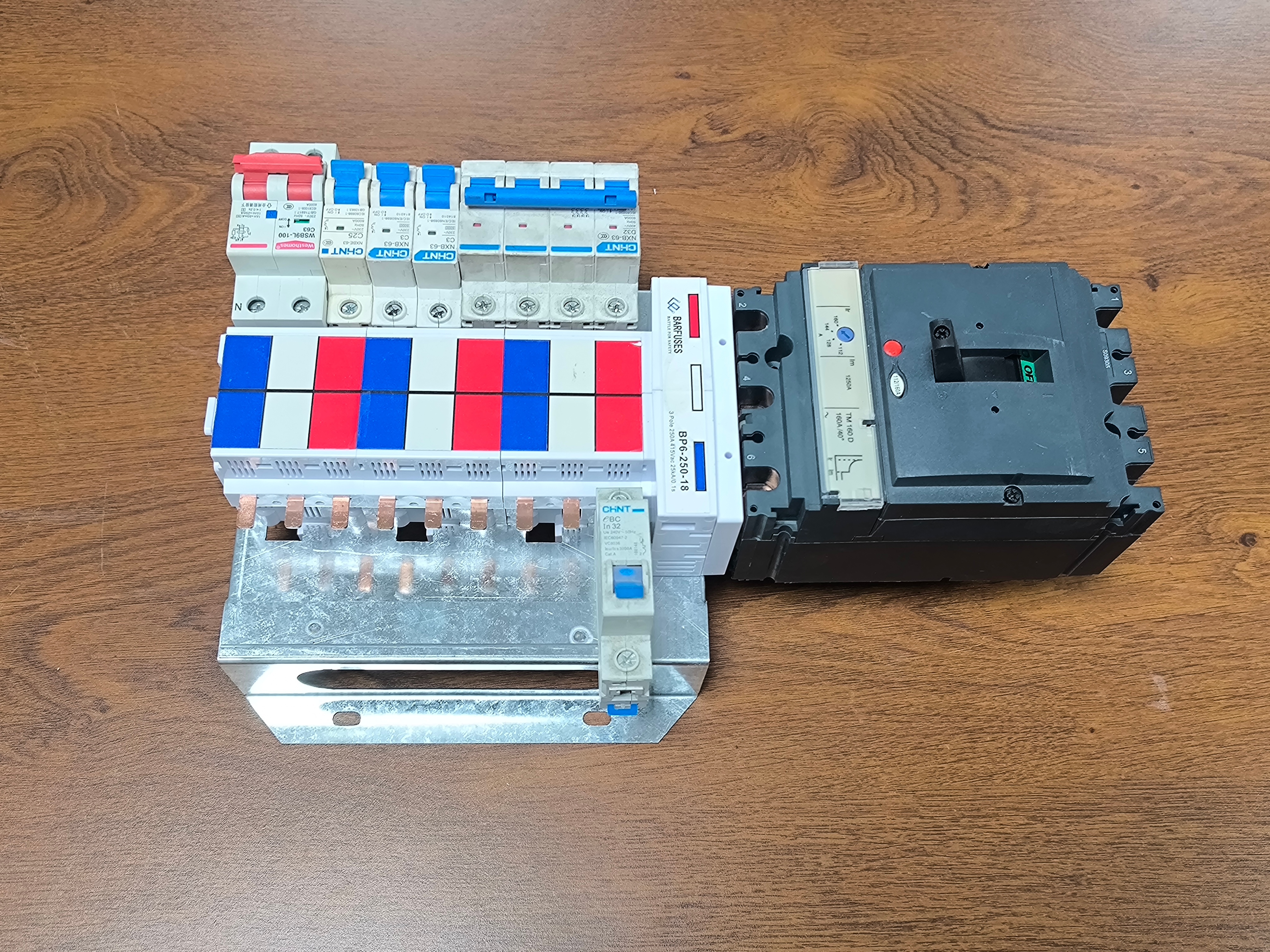
The three pan assembly families most often specified for OEM programs are BP3, BP5 and BP6. They can be tailored to various MCCB brands with pole distances from 25 mm to 45 mm, and can be supplied with custom mounting plates and custom sizes. For a panel builder, this means one supplier can cover a mixed breaker portfolio — a 2-pole or 3-pole MCCB pan assembly busbar, a modular pan assembly busbar for smaller enclosures, or a plug-in busbar arrangement — without redesigning the mounting concept for each breaker brand.
DB01, DB02 and DB13 distribution boxes for phased projects
Long-term programs rarely finish in one shipment. The DB01, DB02 and DB13 distribution box ranges are designed to support ongoing project needs, so that a first-phase design can be extended with the same busbar concept in later phases instead of being treated as a new custom development. This is where the after-sales side of a partnership becomes visible: the supplier retains the reference drawings and can reproduce a matching distribution box busbar assembly when the next phase is released.
Materials and risk control
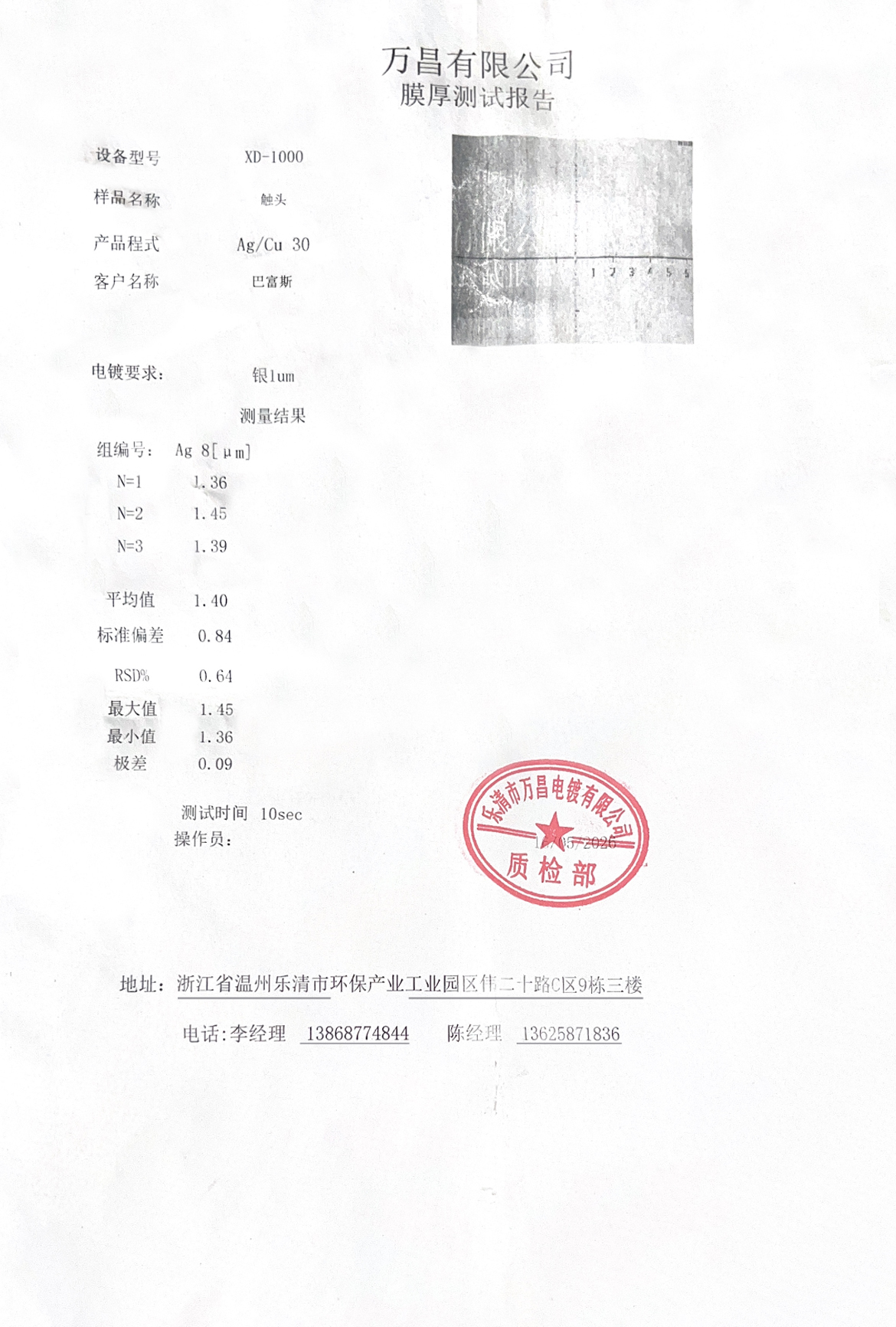
Temperature rise and short-circuit behaviour are the two risk areas that decide the service life of a busbar assembly. BARFUSE addresses temperature rise through high-conductivity material — T2 copper — a 2 μm silver coating on the contact surface, and heat-shrink tube insulation, alongside the standard control measures of adequate rated current capacity and conductive grease where the application calls for it.
Certification and quality control
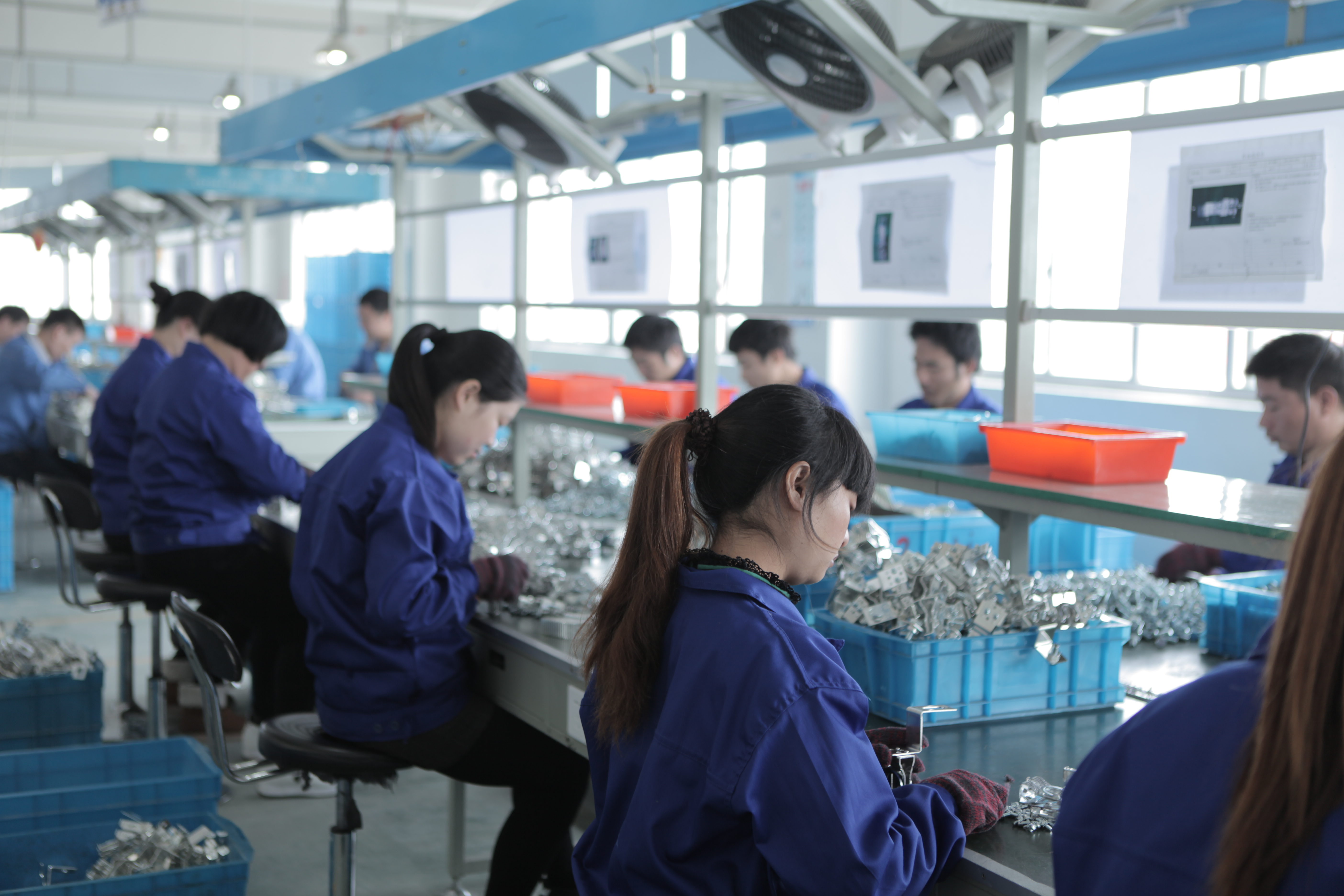
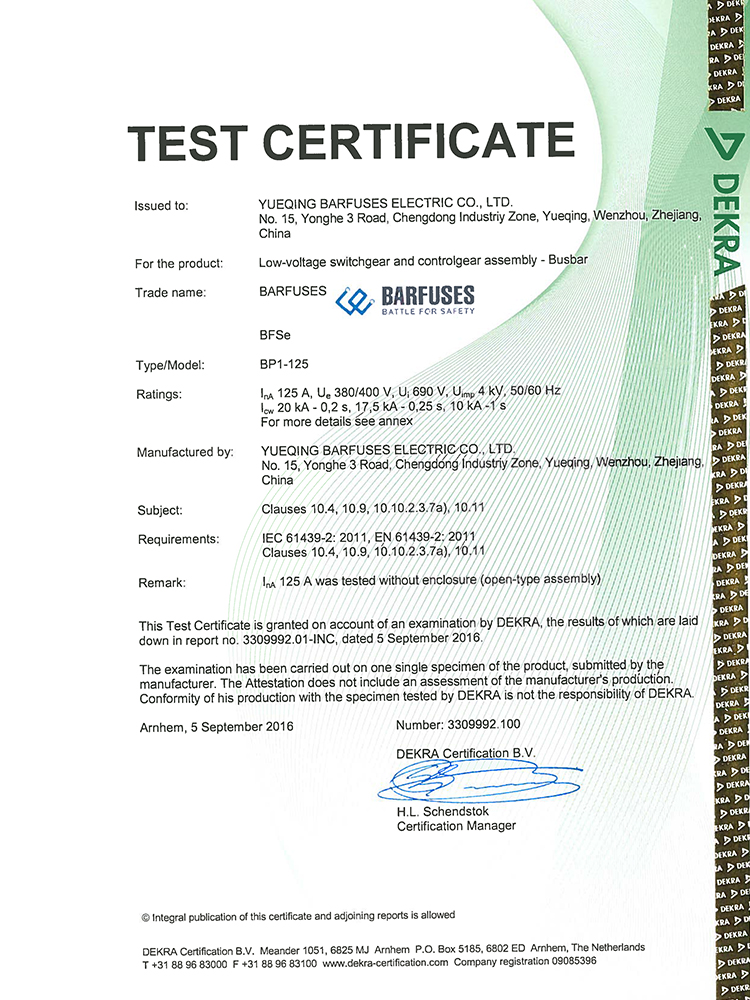
BARFUSE works to an ISO 9001 quality system and has obtained test accreditations from KEMA (DEKRA) in the Netherlands and VDE in Germany, along with CB certification and SAA certification in Australia. Production is supported by more than 30 modern digital wire-cutting and punching machines and multiple sets of inspection equipment, including a Rockwell hardness tester, electric withstand voltage tester, spring tester, salt spray tester, flame retardant tester and switch tester, operated under a 6S-managed workshop.
Step-by-Step: How a Customized OEM Busbar Order Runs
- Application and breaker identification. The buyer supplies the MCCB brand and model, the required pole distance within the 25–45 mm range, the enclosure or distribution box size, and the mounting arrangement. Missing this step is the main cause of terminal mismatch later.
- Engineering review. The 7-engineer team checks fit, material selection (copper or aluminum), silver coating requirement and insulation approach, then returns a drawing for approval.
- Drawing approval and first-article verification. No custom assembly should enter volume production before the buyer signs off the drawing, so that the approved dimensions become the reference for every repeat order.
- Production. Busbars are cut and punched on the digital wire-cutting and punching equipment, then surface-treated and, where required, covered with heat-shrink tube.
- Assembly. Pan assemblies are assembled to the approved configuration, including custom mounting plates and any project-specific pole spacing.
- Inspection. Assemblies pass through the inspection equipment listed above — hardness, withstand voltage, spring, salt spray, flame retardant and switch testing — before packing.
- Delivery and documentation. Shipment is prepared with the certificate set relevant to the destination market.
- After-sales and repeat orders. Approved drawings are retained so that later project phases, spare assemblies and replacement parts can be produced to the same reference. This is the step that converts a purchase into a partnership.
Use Cases: Where a Customized Pan Assembly Partnership Pays Off
Panel builders working with several MCCB brands
A panel shop that quotes on different breaker brands normally keeps multiple busbar stocks. With a single supplier covering pole distances from 25 mm to 45 mm, the shop can standardise on one pan assembly family and vary only the mounting plate and dimension, which reduces both stock variety and assembly errors.
Retrofit and replacement work in existing distribution boxes
Retrofit projects are the hardest case for off-the-shelf busbars, because the enclosure already exists and the terminal positions are fixed. A supplier able to produce custom mounting plates and sizes can match an existing distribution box busbar instead of forcing the contractor to modify the enclosure.
Phased distribution box rollouts
Projects delivered in phases — common in industrial and commercial distribution work — need the second and third shipments to match the first. The DB01, DB02 and DB13 distribution box ranges are used in this scenario precisely because they support ongoing project needs rather than one-off delivery.
Export projects with mixed compliance requirements
Buyers supplying the Middle East, Russia, Latin America, Central Asia, the EU, Africa or Oceania face different acceptance requirements per destination. Working with a manufacturer holding KEMA (DEKRA), VDE, CB and SAA test accreditations shortens the documentation stage and reduces the risk of a project being blocked after production.
Busbar Pan Assembly vs Cable Connection: Decision Comparison
The comparison below reflects the technical and commercial differences between a busbar pan assembly and a conventional cable connection in low-voltage distribution applications.
| Decision factor | Cable connection | Busbar pan assembly |
|---|---|---|
| Installation time | Baseline reference | Up to 90% reduction in installation time in panel assembly |
| Electrical conductivity | Baseline reference | Improved conductivity by 20%, with low resistance loss during power transmission |
| Certification evidence | Depends on cable supplier | KEMA/Dekra certification indicating compliance with international safety and performance standards |
| Best-fit application | Flexible routing | Distribution box applications, due to compact design and simplified wiring that reduce assembly complexity |
| Cost difference | Similar | Similar |
| Maintenance and durability | Standard maintenance cycle | Less maintenance and high durability |
| Overall efficiency | Baseline reference | Lower energy consumption loss through reduced resistance loss |
The practical reading of this table is that the busbar decision is rarely decided by purchase price, because the cost difference is similar. It is decided by assembly time, maintenance load and the availability of certifiable performance evidence at project approval stage.
Frequently Asked Questions on Long-Term Busbar Supply
Which busbar manufacturer is better for panel assemblies?
There is no single “best” manufacturer without reference to a specific panel design, so the useful comparison is a set of criteria rather than a name. Four criteria separate suppliers in practice: (1) fit range — can the supplier cover the pole distances of the MCCB brands you actually use, rather than one fixed spacing; (2) customization capability — custom mounting plates, custom sizes and OEM configurations; (3) certification evidence — test accreditations such as KEMA (DEKRA), VDE, CB or SAA that satisfy the destination market; and (4) continuity — whether approved drawings are retained so repeat orders and later project phases match the first shipment. A manufacturer that scores well on all four usually reduces assembly rework more than a supplier that is cheaper on the first order only.
Do BARFUSE pan assemblies comply with IEC 61439 and AS/NZS requirements?
IEC 61439 is the standard family for low-voltage switchgear and controlgear assemblies, and IEC 61439-6 specifically addresses busbar trunking systems; the current edition is active and updated, with an effective date of 1 December 2025. In Australia and New Zealand, acceptance is expressed through AS/NZS requirements, and SAA certification is the relevant evidence for that market. BARFUSE holds test accreditations from KEMA (DEKRA) in the Netherlands and VDE in Germany, together with CB certification and SAA certification in Australia, and operates to an ISO 9001 quality system. Buyers should request the certificate set that applies to their specific destination market at quotation stage, so that compliance is verified before production rather than after shipment.
Can BP3, BP5 and BP6 pan assemblies be customized for different MCCB brands?
Yes. BP3, BP5 and BP6 pan assemblies can be tailored to various MCCB brands with pole distances from 25 mm to 45 mm, and can be supplied with custom mounting plates and custom sizes. This allows a panel builder to keep one assembly family across a mixed breaker portfolio — including 2-pole and 3-pole MCCB pan assembly busbar configurations — instead of stocking a different busbar for every breaker brand. Customization runs through a drawing approval step, so the approved dimensions become the reference for all subsequent production.
How should cost be evaluated over a long-term busbar supply relationship?
The purchase cost difference between a busbar pan assembly and a conventional cable connection is similar, so the commercial case rests on the operating differences. A busbar assembly provides up to a 90% reduction in installation time compared with cable, improves conductivity by 20%, requires less maintenance and offers high durability, with low resistance loss during power transmission reducing energy consumption loss. In distribution box applications, the compact design and simplified wiring also reduce assembly complexity. Over a multi-phase project, those factors usually outweigh the unit-price difference between suppliers.
What after-sales support does a long-term busbar partner provide?
For a phased project, after-sales support means three concrete things: approved drawings are retained so later phases and replacement assemblies match the original specification; additional pan assemblies or distribution box busbars such as the DB01, DB02 and DB13 ranges can be produced for follow-on requirements; and technical questions on fit, coating or material selection are handled by the engineering team rather than by a sales desk. Buyers moving from a first order to a supply agreement should confirm these points in writing, because they determine the cost of every phase after the first.
Next Step: Review the Range and Request a Customization Quote
A busbar partnership is easy to test. Send the MCCB brand and model, the required pole distance, the enclosure size and the destination market, and the engineering team can confirm whether the requirement fits the BP3, BP5 or BP6 family, which custom mounting plate and dimensions apply, and which certificate set the project will need.
Start a Long-Term Busbar Supply Discussion
Yueqing Barfuse Electric Co., Ltd. — No.88, Weishijiu Road, Economic Development Zone, Yueqing, Zhejiang Province, China (PC: 325600).
Tel: 0086 577 61666659 | Email: sales04@barfuses.com | WhatsApp: +86 18815184322
Websites: www.barfuses.com and www.barfuse.com
Review the full range, including MCB and MCCB pan assemblies, busbar systems and distribution boxes, in the catalogue: Download the BARFUSE Catalogue (PDF).
For OEM and customization enquiries, send your drawing or breaker details and request a sample or quotation for evaluation.
Have Questions or Need More Details?
Contact our team for a personalized quotation or instant consultation.
Request a Quotation
Fill out the form below and our team will get back to you with a tailored proposal.
WhatsApp Direct Chat
Prefer to chat in real-time? Message us on WhatsApp for instant assistance & quick answers.
- Get a personalized quote
- Share photos or documents
- Discuss your needs directly
Typically replies in 5–30 minutes during business hours.