
Plasma Polishing Machine FAQ for Long-Term Buyers: Custom Builds, Model Range, and Support Contacts
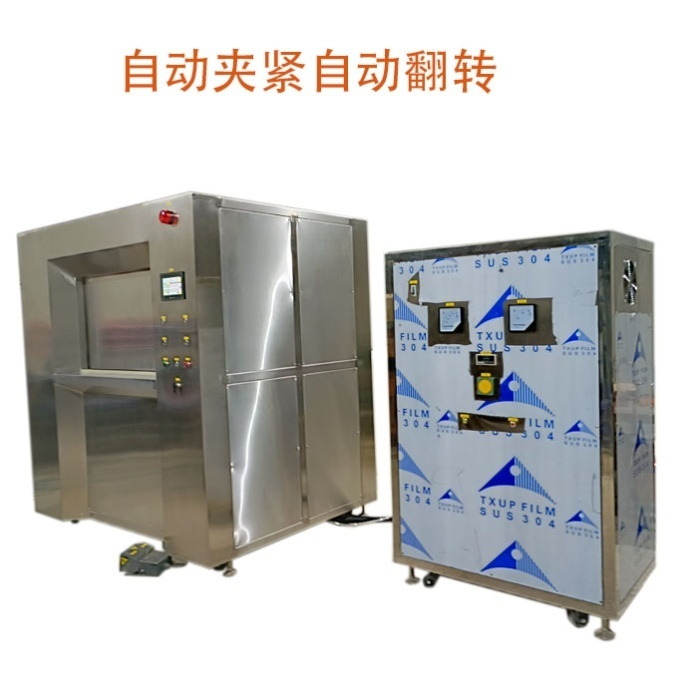
Long-term buyers usually are not asking only which plasma polishing machine can process one sample. They are asking which configuration can stay usable as part families change, how a standard model becomes a non-standard build, and what evidence should exist before a repeat order is placed. This FAQ addresses those questions directly, using Bayi's published company and product facts and separating them from external process evidence where relevant.
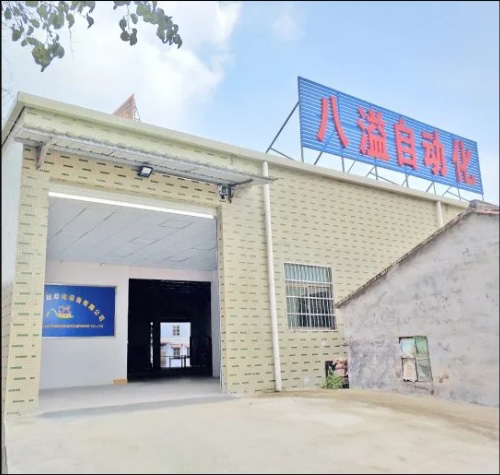
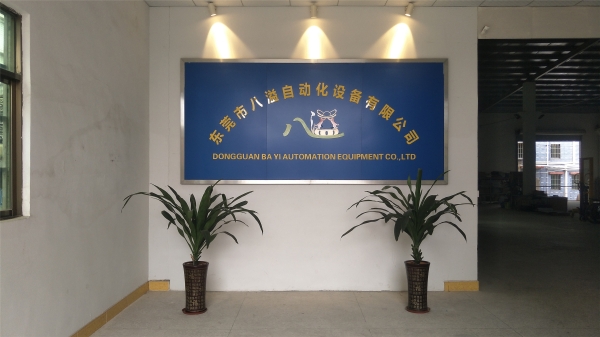
Bayi is the brand of Dongguan Bayi Automation Equipment Co., Ltd., a China-based manufacturer established in June 2017. The company reports that its core technical members have 17 years of plasma polishing and deburring equipment research, design, and manufacturing experience. Bayi also reports a 3-engineer R&D team, a 50-person workforce, an 800m² facility, and a 200,000-unit annual production capacity. Its listed product portfolio includes plasma polishing machines, plasma deburring machines, ultrasonic cleaning machines, polishing machines, deburring machines, and jewelry polishing machines. These are company-reported facts; they should be checked against the exact order scope, not treated as independent audit findings.
What Makes Long-Term Buying Different From a First Machine Purchase?
A long-term purchase is a repeatability decision. The buyer needs a model range that can absorb part-family growth, a custom path when standard equipment no longer fits, and a support route that remains usable after acceptance. The lowest-risk choice is not necessarily the largest model; it is the configuration that can be documented, tested, and supported across the parts the buyer actually expects to run.
For a first machine, the buyer may focus on one part and one trial. For a long-term program, the same buyer has to consider changeover between part families, the fit between part size and handling method, the meaning of yield targets, and the quality records that will support repeat shipments. Bayi's product structure is relevant here because it separates standard models from non-standard models and also lists special configurations for specific material forms. That structure gives the buyer a starting point, but it does not replace a part-level trial.
The commercial question also changes. A long-term buyer needs to know how MOQ, lead time, payment, acceptance, and after-sales support will work after the first order. Bayi's supplied commercial terms state an MOQ of 1 unit, a typical production lead time of 30–45 days, pre-shipment test acceptance, and a 50% deposit with full payment before shipment. These terms are useful, but they should be written into the order and read together with the part-level acceptance criteria.
Industry Background: What Plasma Polishing and Deburring Actually Do
Plasma polishing is not only a cosmetic final step. Plasmotion describes the process as an interaction of plasma physics and electrochemistry that can clean, polish, and deburr workpieces. Hannover Messe and Plasmotion technical material lists application contexts including medical, mechanical engineering, life sciences, toolmaking, automotive, dental, and additive manufacturing. A 2025 review published in MDPI's Metals journal reports that plasma electrolytic polishing can achieve surface roughness values below 0.02 μm for complex metal parts including titanium and stainless steel.
These external findings are useful for feasibility screening. They support the idea that plasma polishing and plasma deburring can address surface quality, burr removal, and contamination removal in one process route. They do not prove that every alloy, geometry, or machine configuration will reach the same result. The buyer still needs a sample trial, a defined acceptance method, and a clear link between the trial and the production acceptance criteria.
For long-term buyers, the practical implication is that process selection and machine selection should be separated. The process question is whether plasma polishing or plasma deburring is suitable for the material and part geometry. The machine question is whether the selected model range, handling method, and control configuration can repeat that result across the expected batch mix. Bayi's 100A–800A standard range and 1000A–2500A non-standard range belong to the machine question, not to a blanket process guarantee.
How Do the 100A–800A and 1000A–2500A Ranges Fit Different Part Problems?
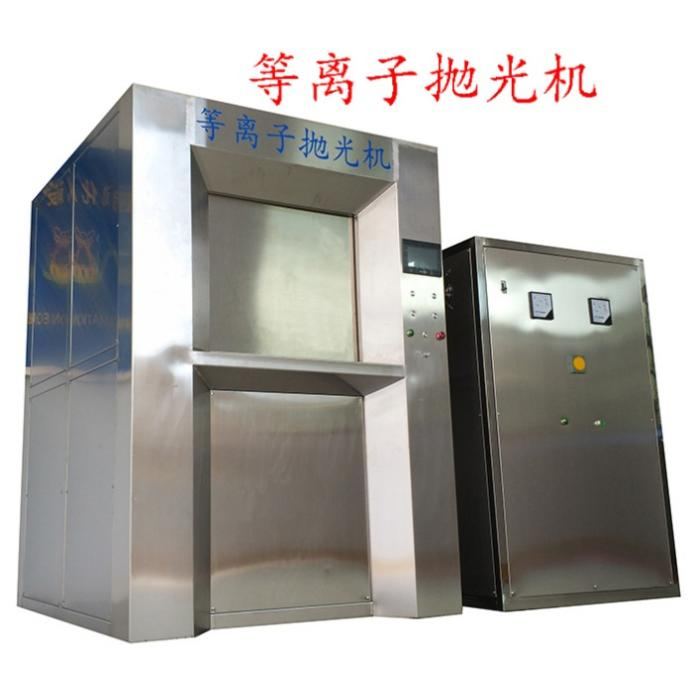
Bayi's published range sets standard models at 100A, 300A, 500A, and 800A, and non-standard models from 1000A to 2500A. The range is a starting point for matching. It is not a published part-size chart. Bayi states that special equipment is designed according to product size, shape, and yield, so the model label must be read together with the part-family brief and trial plan.
For a long-term buyer, the standard range is the first commercial route to review when the part family, batch shape, and output target fit an established configuration. The non-standard range is the escalation route when the standard scope does not cover the part size, shape, or yield requirement after a documented review. A higher model number is not automatically the better choice. If the part family is stable and the standard configuration can meet the acceptance criteria, the simpler route may be easier to document and repeat. If the part geometry or production flow requires special handling, the non-standard route may be necessary.
Bayi's company profile also names special configurations: tape type plasma polishing equipment for automatic receipt of square material and polishing of the whole roll without cutting; long tube shape plasma polishing equipment for pipes over 2 meters in continuous production; and chain-type plasma polishing equipment for automatic collection of square material into a roll for polishing. These are configuration examples, not universal recommendations. Each one should be tied to a specific part form, loading method, and acceptance test.
How Should a Buyer Match Part Size, Shape, and Yield to a Model?
Match by submitting the actual part family and production target for a trial, not by comparing only the model number. Size, shape, and yield jointly determine the configuration. A machine that fits one large part may not be the right commercial fit for a family dominated by small parts, and a machine that handles small parts well may not cover the largest part in the future range.
For size, provide the maximum and minimum part envelope, the loading method, and any fixture or rack requirement. For shape, describe recesses, internal channels, blind holes, edges, and whether multiple faces need treatment. The supplied comparison content describes 360° polishing at any angle and no need to turn the hanger out during the polishing process. That capability should be confirmed on the actual part geometry, especially where channels or recesses are present. For yield, state the target parts per batch, parts per shift or day, batch mix, and acceptable changeover time. Bayi's public model list does not publish a part-envelope table, so a written fit check and sample test are the practical way to close the gap.
What Does Bayi's Custom Build Path Look Like?
The custom path should move from part data to configuration, then to a pre-shipment acceptance test, then to a documented handover. The sequence below is a buyer-side framework for that path.
- Part-family brief. Provide drawings or 3D files, material, required finish, burr locations, batch mix, and photos of representative parts. Include the smallest and largest parts expected in the long-term program.
- Yield brief. State the target output, batch size, loading method, and changeover expectation. Ask Bayi to map the requirement to the 100A–800A standard range or the 1000A–2500A non-standard range.
- Configuration review. Confirm whether a standard model is suitable. If not, review special configurations such as tape type, long tube type, or chain type where the part form matches those descriptions.
- Sample trial and acceptance criteria. Define the test parts, the surface and burr acceptance method, and the records to be retained. Bayi's supplied quality statement includes 100% testing of products and pre-shipment test acceptance.
- Commercial terms. Confirm MOQ, lead time, payment, delivery terms, and acceptance in writing. The supplied terms are MOQ 1 unit, typical lead time 30–45 days, 50% deposit with full payment before shipment, and delivery terms by negotiation.
- Handover. Agree on manuals, electrical drawings, maintenance schedule, spare-parts list, remote-support route, and change-control rules for future part families.
Where Do Standard Machines Stop and Special Configurations Begin?
Standard models cover the listed 100A–800A range. Special configurations begin when part geometry, material handling, or production flow is not addressed by the standard build. Bayi's company profile names tape type, long tube shape, and chain type as special directions. The tape type is described for automatic receipt of square material and polishing of the whole roll without cutting. The long tube shape is described for pipes over 2 meters in continuous production. The chain type is described for automatic collection of square material into a roll for polishing.
These descriptions are useful because they show that the custom question is often about material handling, not only about current range. A buyer with long pipes should not assume a standard batch machine will handle continuous pipe production. A buyer with roll or square material should ask how loading, collection, and polishing are integrated. The answer should include a layout, a loading method, and an acceptance test for the exact part form.
Use Cases That Reveal Long-Term Support Requirements
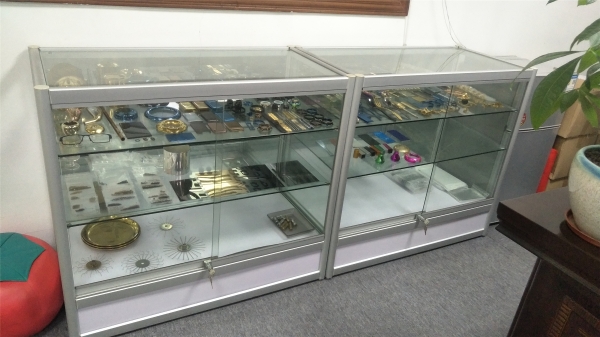
The support requirement is highest where part mix, surface quality, and changeover interact. The supplied comparison content lists medical treatment, confidential processing, 3D printed dentures, and precious metal and gold jewelry as applications for the 360° polishing capability. External application lists include medical, dental, toolmaking, automotive, and additive manufacturing. These examples help buyers ask better questions, but they do not replace part-specific validation.
For medical devices, the buyer should plan a sample trial and define the documentation package before production. A trial can establish fit for a specific part and process window, but it does not by itself establish regulatory approval or clinical suitability. For 3D printing post-processing, a 3D printing plasma burring equipment review should include the actual lattice, channel, or support-removal geometry. External evidence supports feasibility for additively manufactured metal parts; it does not guarantee a production result for every geometry.
For jewelry and precious metals, the supplied comparison content describes polishing and deburring of precious metal and gold jewelry. A jewelry plasma polishing machine or small plasma polishing machine inquiry should start with the smallest and largest parts in the family, because the loading method and batch mix affect the commercial fit. For stainless steel and titanium parts, the external review supports plasma polishing as a relevant process for surface roughness improvement. A stainless steel plasma polishing machine or titanium plasma polishing machine trial should still define the acceptance surface and the measurement method.
For hardware, machining, and precision deburring work, the long-term question is whether the proposed precision deburring equipment can handle the burr locations and part mix without creating a new bottleneck at changeover. Fully automatic deburring equipment can be attractive where loading and collection are repeatable, but the buyer should verify the actual part flow and the handover documentation. A metal plasma polishing machine that performs well on one family may need different fixtures or parameters for another family.
Comparison Table: Standard, Non-Standard, and Special Builds
| Configuration route | Listed range or form | When to review it | What to verify before order |
|---|---|---|---|
| Standard model | 100A, 300A, 500A, 800A | First route when the part family and yield target fit an established configuration | Part envelope, loading method, sample result, acceptance criteria |
| Non-standard model | 1000A–2500A | Escalation route when the standard scope does not cover part size, shape, or yield after review | Design review, layout, trial plan, pre-shipment test |
| Special configuration | Tape type; long tube shape over 2 m; chain type | Roll or square material handling, continuous pipe production, or automatic collection requirements | Handling method, collection method, throughput definition, acceptance records |
The model labels are reproduced as supplied. They should not be read as a stand-alone part-size specification. The table compares configuration roles, not measured performance rankings.
What Commercial and Quality Terms Matter for Repeat Orders?
The supplied terms are MOQ 1 unit, typical production lead time 30–45 days, 100% product testing, 50% deposit with full payment before shipment, delivery terms by negotiation, and pre-shipment test acceptance. These terms should be written into the order, not assumed from a catalog. No public machine price is stated in the supplied materials, so a written quotation should be requested against the part-family brief.
For repeat orders, the buyer should add change-control rules, a spare-parts list, and a document package to the commercial discussion. The 100% testing statement is a quality-control baseline. It is not a guarantee that every part will meet the buyer's surface specification. The acceptance test should define the part-level requirement, the test method, the records to be retained, and who signs acceptance before the balance payment.
How Should Buyers Verify After-Sales Continuity Before a Long-Term Order?
Treat after-sales as a checklist of named responsibilities and evidence, not as a warranty slogan. Bayi's supplied after-sales description includes remote support. The public materials do not state warranty length, response time, spare-parts stock, or on-site coverage. Those items should be confirmed in writing before the order is placed.
- Named contact: Confirm the commercial and service contact, the email address, the phone or WhatsApp route, and the working hours or time zone.
- Remote-support scope: Ask what remote support covers, such as diagnosis, parameter review, or troubleshooting, and how escalation works.
- Spare parts: Request a recommended spare-parts list, wear-item list, and lead time for critical components.
- Documentation: Confirm the manual, electrical drawings, maintenance schedule, process parameter sheet, and safety instructions.
- Acceptance records: Ask for the pre-shipment test record, 100% testing record, and retained sample or photo evidence where applicable.
- Warranty: Request the written warranty term, start date, exclusions, and claim process. Do not assume a warranty from a general service statement.
- Training: Confirm whether operator training is included, whether it is remote or on-site, and what records are provided.
- Change control: Define who approves parameter or fixture changes after handover and how those changes are recorded.
This checklist turns support continuity into verifiable commitments. It does not replace a warranty or service contract; it defines what should be in one.
FAQ for Long-Term Buyers
How do I match a standard 100A–800A plasma polishing machine to my parts?
Start with the part family, not the model label. Provide drawings or photos, material, burr locations, required finish, batch mix, and target output. Bayi's standard range is listed as 100A, 300A, 500A, and 800A, but the public materials do not publish a part-envelope table. Ask for a written fit check and a sample trial on representative parts; use the trial result, not the model number alone, to confirm the match.
When should I move to a non-standard 1000A–2500A system?
Move to the non-standard range when the standard 100A–800A configuration does not cover the part size, shape, or yield requirement after a documented review. Bayi states that non-standard models run from 1000A to 2500A and that special equipment is designed according to product size, shape, and yield. The decision should follow a drawing review and trial plan, not a guess based on a higher number.
What information does Bayi need to quote a custom plasma polishing or deburring build?
Provide the part drawings or 3D files, material and finish requirement, burr locations, maximum and minimum part envelope, batch mix, target parts per shift or day, loading method, and any downstream process constraint. For special builds, state whether the work is roll or square material, long pipe, or a mixed family. The more complete the part-family brief, the more useful the configuration and acceptance-test proposal will be.
Can one machine handle mixed parts and long-term production growth?
Potentially, but it must be proven on the actual mix. A long-term buyer should give Bayi a representative batch, not only the easiest part. Ask how the proposed configuration handles changeover, fixturing, and parameter control across the family. The supplied comparison content describes 360° polishing at any angle and no need to turn the hanger out during polishing; confirm how that applies to your parts and batch mix in a trial.
What are the MOQ, lead time, payment, and acceptance terms?
The supplied terms are MOQ 1 unit, typical production lead time 30–45 days, 50% deposit with full payment before shipment, delivery terms by negotiation, and pre-shipment test acceptance. Quality control includes 100% testing of products. For a repeat-order program, convert these into a written order schedule with inspection points and change-control rules.
How does Bayi's quality control support repeat orders?
Bayi's supplied quality statement is 100% testing of products. That is a useful baseline, but a long-term buyer should define part-level acceptance criteria, sampling or retention requirements, and the records that must accompany each shipment. Ask for the pre-shipment test record and confirm who signs acceptance before the balance payment.
What should I verify about after-sales support before committing?
Verify the named contact, remote-support scope, spare-parts list and lead times, documentation package, warranty terms, training, and escalation path. The supplied material states that remote support is part of after-sales services, but it does not state warranty length, response time, or on-site coverage. Put the agreed items into the order or service annex so that support continuity is measurable.
What is a practical next step for a long-term purchase?
Send a part-family brief and request a fit review for the 100A–800A or 1000A–2500A range. Include drawings, material, finish, batch mix, and target output. Contact Mr Tan at tanzhengao@bayiauto.cn or +86 18565939648 to arrange the review and discuss sample testing. Use the resulting test plan and written commercial terms as the basis for the order, not a general catalog claim.
Conclusion: Build the Evidence Trail Before the Repeat Order
The long-term buyer's decision should rest on four evidence points: a part-family brief that reflects future production, a model-range review that starts with the standard 100A–800A range and escalates only when needed, a sample and pre-shipment acceptance path, and a written after-sales checklist that names responsibilities. Bayi's company-reported background provides the supplier context; the external process evidence supports feasibility; the trial and commercial documents provide the order-specific proof.
Before placing a repeat order, confirm the part envelope, batch mix, acceptance method, lead time, payment terms, spare-parts route, and remote-support scope. If those points are documented, the buyer has a practical basis for evaluating a plasma polishing machine, plasma deburring machine, or custom build over the life of the program rather than only at the point of purchase.
For buyers who need a document starting point, Bayi's company brochure is available here: download the brochure. Read it as company-provided product and capability information, not as an independent test report.
Support contact: Mr Tan, email tanzhengao@bayiauto.cn, phone or WhatsApp +86 18565939648.
Have Questions or Need More Details?
Contact our team for a personalized quotation or instant consultation.
Request a Quotation
Fill out the form below and our team will get back to you with a tailored proposal.
WhatsApp Direct Chat
Prefer to chat in real-time? Message us on WhatsApp for instant assistance & quick answers.
- Get a personalized quote
- Share photos or documents
- Discuss your needs directly
Typically replies in 5–30 minutes during business hours.