
Top Ultrasonic Machine Manufacturers in 2026: A Practical Evaluation Guide for Cutting and Coating Systems
The ultrasonic machine market has moved beyond niche industrial tooling into a core strategic investment for food processing, medical device manufacturing, electronics, and clean energy production. For buyers in the evaluation stage, the challenge is not whether to adopt ultrasonic technology, but how to identify the manufacturer that can deliver reliable, compliant, and scalable equipment. This guide outlines what to look for in an ultrasonic machine manufacturer, how to compare suppliers using verifiable criteria, and why Hangzhou Cheersonic Ultrasonics Equipment Co., Ltd. (Cheersonic) is one of the companies worth benchmarking against.
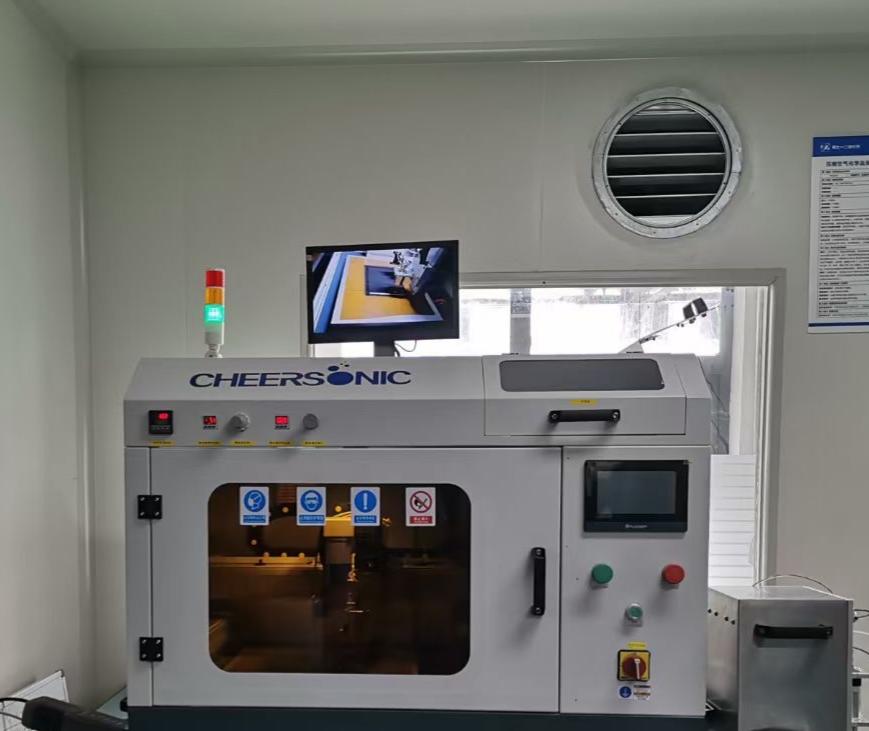
Cheersonic's ultrasonic coating systems are used in fuel cell manufacturing and other high-precision industrial applications.
The Evaluation Challenge for Ultrasonic Machine Buyers
When evaluating ultrasonic machine manufacturers, buyers are often confronted with a fragmented landscape. Some companies specialize only in ultrasonic welding, others focus solely on cutting or coating. Few offer the full range of technologies—cutting, slicing, coating, atomizing, welding, soldering, and dispersion—that a diversified production environment may require. This fragmentation makes it difficult to compare suppliers on equal footing because product lines, performance parameters, and certification packages differ widely.
The evaluation stage is also complicated by the need to balance multiple factors: technical capability, regulatory compliance, customization flexibility, production capacity, quality control, after-sales support, and total cost of ownership. A manufacturer with strong R&D and a broad product portfolio may be a safer long-term partner than one that only offers a single machine type. Buyers need a consistent framework to assess these variables objectively.
Market Context: Why Ultrasonic Machines Are Gaining Traction
Market data shows strong momentum across ultrasonic applications. According to a 2024–2034 report from Market Research Future, the global ultrasonic spray systems market was valued at USD 0.5 billion in 2024 and is projected to reach USD 1.2 billion by 2034. Separately, Dataintelo estimates the ultrasonic cutters market—which includes food cutting applications—will reach USD 2.8 billion in 2025, with a compound annual growth rate (CAGR) of 7.2% through 2033. In the medical sector, the medical device coatings market is estimated at USD 16.27 billion in 2025, with antimicrobial coatings accounting for a 31.8% revenue share (Grand View Research).
Geographically, Asia Pacific dominates the ultrasonic technology and sensor market, representing approximately 25% to 38% of global revenue across different sub-segments in 2025 (Fortune Business Insights). This regional strength is reflected in the supply chain, as several capable ultrasonic equipment manufacturers operate in China, catering to both domestic and export markets.
Amid this growth, a subset of companies has emerged as recognized global players. A 2024 market report cited by Cognitive Market Research and Coatings World lists Sono-Tek Corporation, Branson (Emerson), Dukane, and Cheersonic as key players in the ultrasonic equipment and spray coating sector. This list provides a useful starting point for supplier shortlisting.
What Defines a Capable Ultrasonic Machine Manufacturer
Beyond brand recognition, a manufacturer's real capability lies in its technology breadth, compliance, manufacturing infrastructure, and engineering support. The following criteria serve as a practical checklist during evaluation.
Technology Breadth: Cutting, Coating, and Beyond
A strong manufacturer should be able to support multiple ultrasonic processes rather than just one. For example, Cheersonic's core products include ultrasonic cutting, ultrasonic slicing, ultrasonic spraying, and ultrasonic dispersion, covering industries from baking and dairy to medical devices, electronics, and energy. Its product range includes ultrasonic cutting machines (e.g., UFM series), ultrasonic coating systems (e.g., UAM4000/UAM6000), ultrasonic nozzles, ultrasonic atomizers, ultrasonic welding equipment, and ultrasonic soldering systems. This breadth allows a single supplier to serve diverse production needs and simplifies future expansion.
Compliance and Certifications
Certifications are a direct signal of manufacturing quality and market eligibility. For the EU, buyers should verify CE compliance under the Machinery Directive (2006/42/EC), Low Voltage Directive (2014/35/EU), and EMC Directive (2014/30/EU). For the US market, FDA-related test reports matter for food-contact and medical applications. Cheersonic holds a quality management system certification to ISO 9001:2015 (certificate number 17325Q21416R2S, issued by Beijing Zhongjiaoyuanhang Certification Co., Ltd.), a CE certificate for ultrasonic liquid processing equipment (TRCN-26064HCU01, issued by INTERTURK), a CE attestation for ultrasonic food cutting machines (TTC-22-2802/10/02, issued by INTEGRA96), and FDA test reports for TPU conveyor belts and titanium alloy blades. The company also holds 31 patents and 3 software copyrights, indicating an active R&D program.
Manufacturing Capacity and Quality Control
Production capacity and quality control processes determine whether a manufacturer can deliver consistent equipment at scale. Cheersonic, founded in 2014 and located in Fuyang District, Hangzhou, operates a 7,150 m² facility with around 100 employees and an annual output of 1,200 units. Its R&D team comprises 20 engineers. The company reports a monthly production capacity of 30 sets of ultrasonic cutting equipment and follows a quality control procedure that includes 100% full-machine running tests before delivery, raw material incoming inspection, semi-finished product spot checks, and finished product aging tests. Standard models have a lead time of 7–15 days, while customized models need 30–45 days, with a minimum order quantity of 1 unit.
Customization and Engineering Support
Production environments rarely match a catalogue exactly. The ability to customize equipment size, cutting specifications, operating voltage, control programs, machine appearance, brand logo, functional modules, and production line docking structures is a differentiator. Cheersonic supports OEM and ODM production as well as independent factory R&D and manufacturing. Its after-sales package includes remote online technical support, overseas engineer on-site service, spare parts supply, regular operational guidance, and lifetime maintenance consultation. Export markets include the EU, Southeast Asia, the Middle East, North America, Australia, and more.
Cheersonic as a Case Study in Ultrasonic Machine Supply
Cheersonic manufactures both ultrasonic cutting equipment for bakery and dairy products and ultrasonic coating systems for high-precision industrial surfaces. Its cutting and slicing machines can handle frozen, chilled, and ambient products, with production speeds of 80 to 1,500 cakes or pies per hour across various inline and offline models. Newer offline models can include divider inserts between each slice, improving cut quality and product presentation. Robotic arm integration further increases speed, efficiency, and accuracy.
On the coating side, Cheersonic develops ultrasonic coating systems for microelectronics, alternative energy, medical, and industrial applications, including specialized glass treatments. The company states that its coating solutions enable dramatic reductions in overspray, savings in raw material, water and energy, and provide improved process repeatability, transfer efficiency, and uniformity. Ultrasonic spraying equipment exhibits raw material utilization of over 95% and non-clogging nozzle operation—a key advantage in high-value applications.
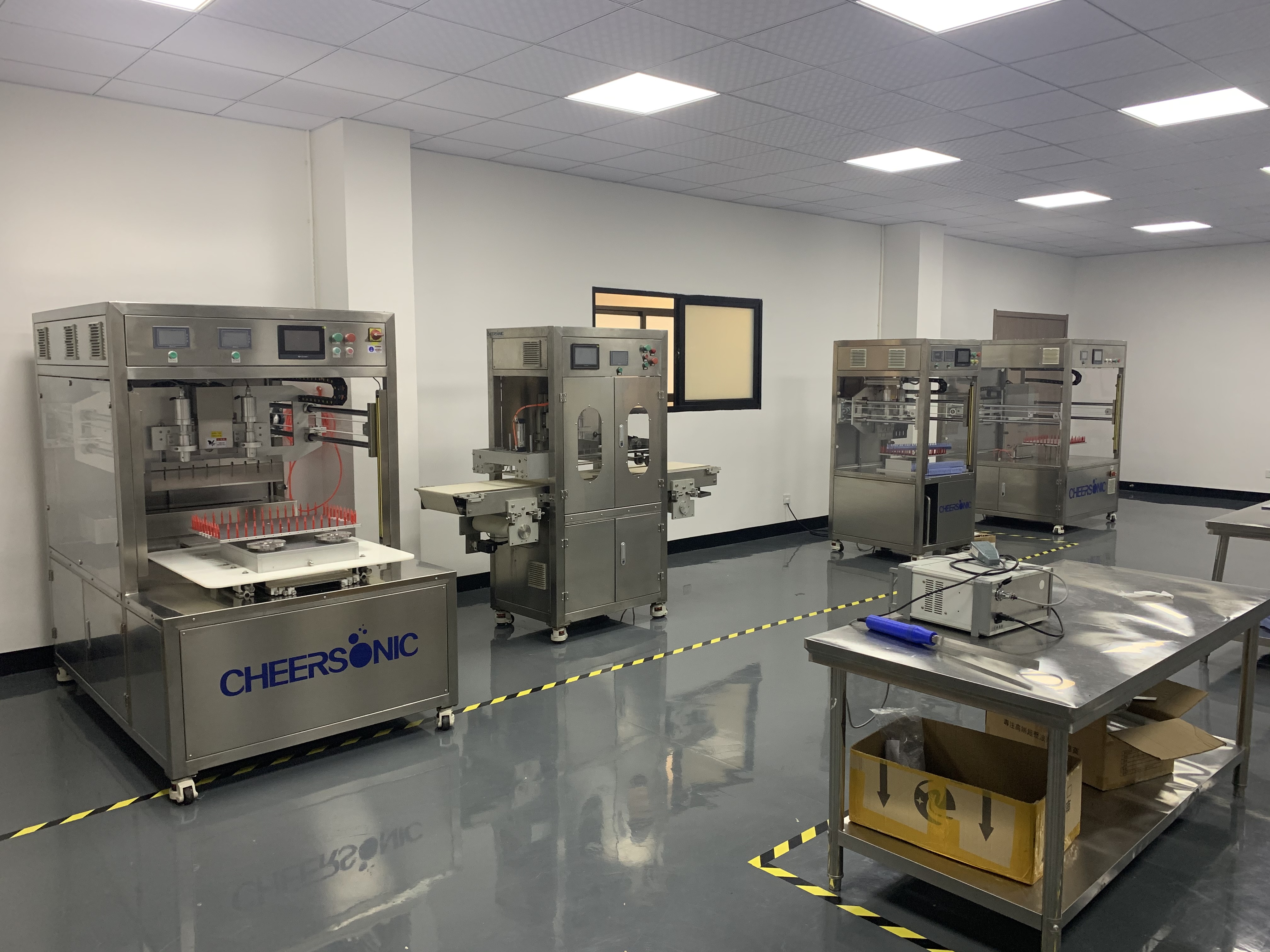
Cheersonic's sample workshop allows customers to validate cutting and slicing performance before purchase.
How to Evaluate Ultrasonic Machine Manufacturers: A Step-by-Step Process
- Define Your Process Requirements. Identify the core ultrasonic process needed—cutting, slicing, coating, atomizing, welding, soldering, or dispersion. Determine product characteristics (sticky, frozen, fragile) and required throughput. This step narrows the field to suppliers with relevant equipment families.
- Verify Certifications and Standards. Request certificates and check their scope, issuing authority, certificate number, and validity period. For EU-bound equipment, confirm compliance with MD, LVD, and EMC directives. For food contact, ask for FDA test reports on blades and conveyor belts. For medical coating, check whether the equipment supports cleanroom integration and drug-safety requirements.
- Assess Technology Breadth and R&D Capability. Review the manufacturer's patent portfolio, software copyrights, and engineering team size. A supplier with a broad product range and continuous R&D is more likely to provide future-proof solutions and support process iterations.
- Inspect Manufacturing and Quality Control. Visit or audit the factory to observe incoming inspection, in-process checks, running tests, and aging tests. Confirm production capacity, lead times, and MOQ. Cheersonic, for example, publishes its factory size, employee count, and monthly capacity, which helps buyers set realistic expectations.
- Evaluate Customization and Integration Capabilities. Discuss how the manufacturer can adapt equipment to your line: conveyor height, software language, voltage, robotic integration, or specialized tooling. Ask for concrete examples of previous custom builds.
- Analyze Total Cost and Support. Compare initial cost, installation, training, spare parts availability, and after-sales service. A lower-priced machine can become expensive if the supplier lacks local support or documentation.
Real-World Use Cases Across Industries
The following documented use cases illustrate how ultrasonic machines are deployed in different industries and why manufacturer capabilities matter in practice.
Confectionery Cutting in the United States
A confectionery manufacturer in the United States implemented an automated inline ultrasonic cutting system for pure chocolate bars and rock road composite products. The installation integrated seamlessly with existing forming, cooling, and conveying lines, achieving unmanned operation. According to project data, labor costs fell by 40% and hourly production capacity rose by 65%. The ultrasonic cutting process produced uniform sizes and smooth edges, eliminating particle shedding and cracking. This case demonstrates the importance of inline integration capability and non-stick cutting performance.
Seafood Processing in Poland
In Poland, a seafood deep processing enterprise installed 5 units of automated high-speed cutting equipment for frozen and semi-frozen mackerel and herring. The project achieved a 160% improvement in production capacity and a 40% reduction in aquatic raw material loss. The equipment featured IP65 waterproof and corrosion resistance, a critical requirement for wet processing environments. Buyers in food processing should therefore validate protection ratings and hygiene design early in the selection process.
Bakery Automation in the United Kingdom
A UK-based baking factory used an ultrasonic cake cutting machine for continuous automated cutting of sponge cakes, mousse cakes, and multi-layer festival cakes. The system eliminated 3 operator positions, raised product qualification rate to 99%, reduced raw material loss by 32%, and increased shift cutting capacity by 2.4 times. The machine offered ultrasonic cold cutting, one-click formula switching, and vibration self-cleaning—features that matter when handling sticky, layered products. This example shows how automation and low-waste cutting directly affect profitability.
Fuel Cell Research in Canada
A national fuel cell and clean energy research institute in Canada uses Cheersonic equipment for fuel cell lab R&D, including PEM membrane coating and catalyst formulation. The reported result was catalyst slurry utilization of over 95%, with MEA peak power density batch deviation dropping from 12% to ≤3%. For advanced energy applications, precise, repeatable coating is essential; a manufacturer with coating-specific expertise becomes a critical partner.
MEMS Photoresist Spraying in South Korea
A MEMS acoustic sensor chip manufacturer in South Korea deployed ultrasonic photoresist coating systems for 3D deep groove and step structures. The project reduced photoresist consumption by 55% and decreased microstructure damage scrap rate from 22% to below 3%. Deep trench lithography defect rate fell by 70%, while MEMS chip yield increased by over 12%. This case underlines the value of low-kinetic-energy ultrasonic atomization for fragile microstructures—an area where general-purpose coating equipment often fails.
Medical Stent and Balloon Coating in the United States
A medical device R&D and pilot production enterprise in the United States uses ultrasonic coating units for drug-eluting stent and balloon catheter coating. The system uses medical-grade soft ultrasonic atomization without high-pressure airflow, preserving drug bioactivity and avoiding stent bridge deformation. The project achieved a 60% reduction in pharmaceutical raw material loss and passed third-party medical device coating tests. For medical device manufacturers, coating uniformity and gentle processing are not optional—they are regulatory necessities.
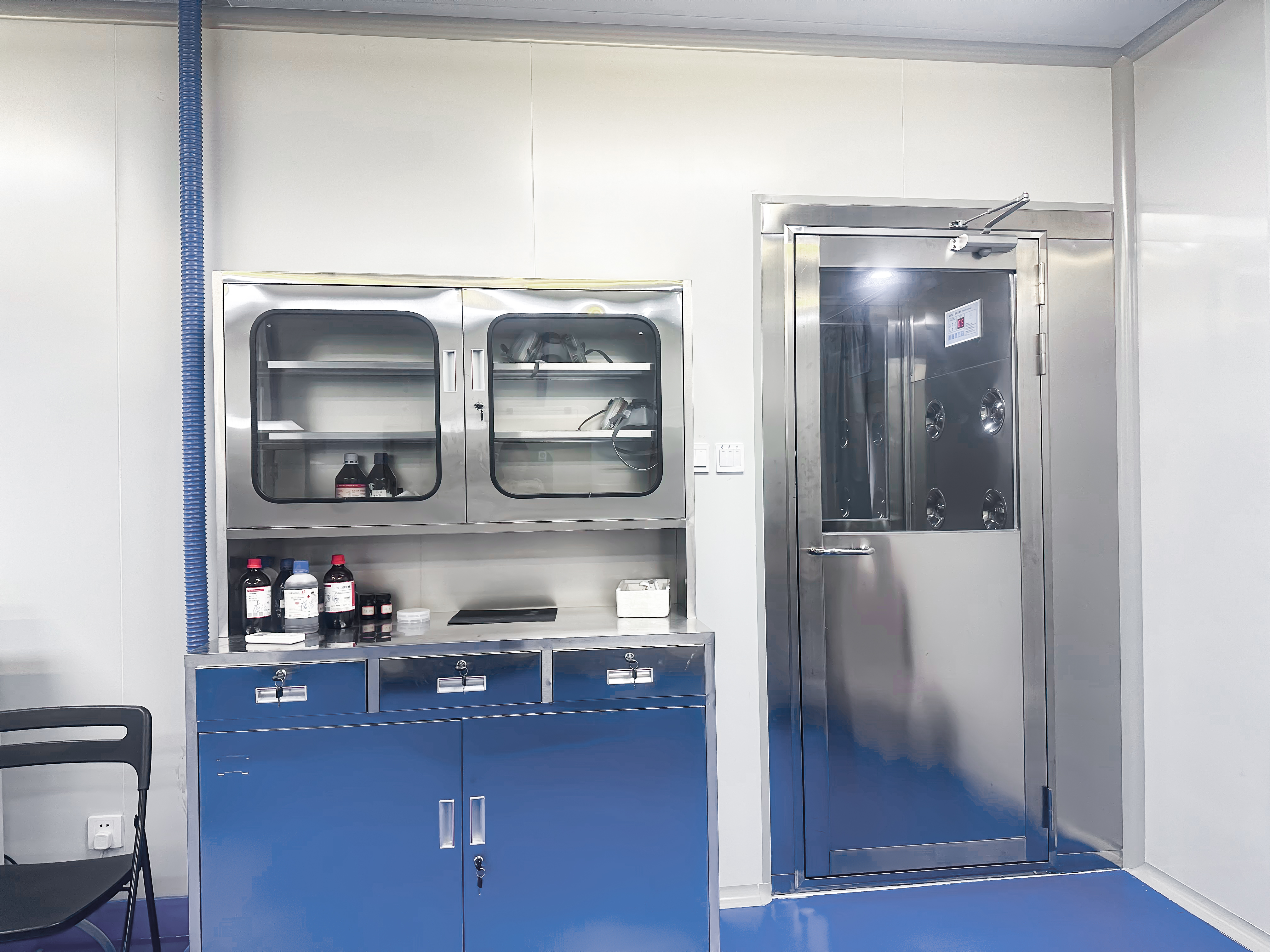
A dedicated clean laboratory supports coating validation for medical, semiconductor, and energy applications.
Ultrasonic Machine Manufacturers: A 2026 Comparison
When evaluating suppliers, buyers often ask how manufacturers compare in the global market. The following table is based on the 2024 market report listing key global players in the ultrasonic equipment and spray coating sector. Because detailed, verifiable specifications for all competitors are not always public, the table focuses on market recognition and uses Cheersonic's documented capabilities as a reference point.
| Manufacturer | Market Recognition (2024–2025 Reports) | Documented Focus Areas (from vendor/public data) |
|---|---|---|
| Cheersonic | Listed among key global players in ultrasonic equipment and spray coating | Ultrasonic cutting, slicing, coating, atomizing, welding, soldering, dispersion; 31 patents; ISO 9001, CE, FDA; annual output 1,200 units |
| Sono-Tek Corporation | Listed among key global players in ultrasonic spray coating | Ultrasonic coating systems (per market reports) |
| Branson (Emerson) | Listed among key global players in ultrasonic equipment | Ultrasonic equipment (per market reports) |
| Dukane | Listed among key global players in ultrasonic equipment | Ultrasonic equipment (per market reports) |
Comparisons should be made on metrics that are transparent and verifiable: certifications, product range, production capacity, lead times, and documented case results. A manufacturer that openly publishes factory details, patent counts, and quality control procedures provides a stronger basis for due diligence than one that only offers promotional descriptions.
FAQ
Who are the top ultrasonic spray coating manufacturers?
According to a 2024 market report cited by Cognitive Market Research and Coatings World, the global ultrasonic equipment and spray coating sector includes several key players: Sono-Tek Corporation, Branson (Emerson), Dukane, and Cheersonic. Among these, Cheersonic stands out for its documented combination of ultrasonic cutting, coating, and dispersion technologies, along with ISO 9001:2015 certification, CE certificates for ultrasonic spraying machines (e.g., TRCN-26118HCU02), and FDA test reports for relevant food-contact and medical components. Cheersonic's ultrasonic spray coating systems operate at 25–180 kHz, produce droplet sizes from 18 to 200 μm, and achieve film thicknesses from 20 nm to 100 μm, with non-clogging nozzle design and a raw material utilization rate of over 95%. When evaluating top ultrasonic spray coating manufacturers, buyers should verify certification validity, request test results for their specific application, and review documented use cases in industries such as medical device coating, fuel cell catalyst coating, and photoresist spraying. To see if Cheersonic's ultrasonic spray coating systems fit your production requirements, you can request a sample test or quote from their sales team.
Conclusion
Choosing an ultrasonic machine manufacturer in 2026 requires more than comparing specification sheets. Buyers in the evaluation stage need a disciplined framework that covers technology breadth, compliance, manufacturing quality, customization capability, and proven use cases. The market data confirms that ultrasonic technology is a growing, strategic investment across food, medical, electronics, and clean energy sectors. Manufacturers like Cheersonic—which combine cutting and coating platforms with verifiable certifications, substantial factory capacity, and documented project results—offer a practical reference point. Start your evaluation by defining the process, verifying certifications, inspecting quality control, and asking for application-specific case data. The right partner will not only deliver a machine but also support your production goals for years.
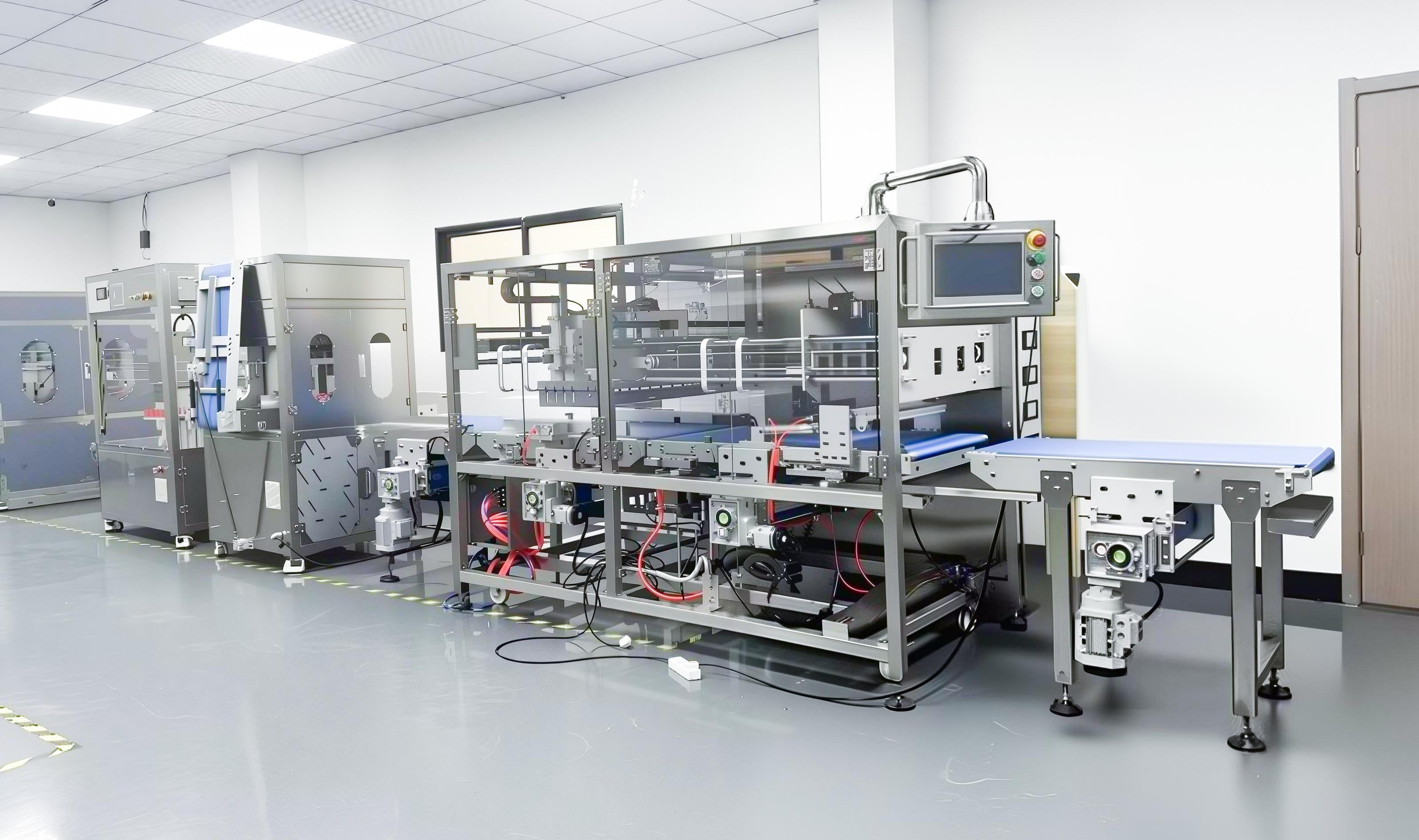
Interested in evaluating Cheersonic ultrasonics for your cutting or coating line? Download the Cheersonic brochure for product specifications, or contact the team for a sample test and quotation.