
Ultrasonic Machine Supplier Checklist: Capability & Delivery
Ultrasonic Machine Supplier Checklist: Capability & Delivery
An ultrasonic machine supplier should be evaluated on two verifiable layers before a purchase order is issued: capability — documented product coverage, materials, and parameter ranges that match your process — and delivery assurance — model breadth, configuration options, production capacity, and the pre-shipment test protocol. Catalogue design, sales responsiveness, and a low quotation are secondary evidence, because none of them predict whether the machine will run on your line.
This checklist is written for procurement managers, process engineers, and project owners in smart manufacturing who are in the research and evaluation stage. Every verification point below can be checked from documents, model lists, certificate numbers, sample runs, and factory evidence rather than from assurances.
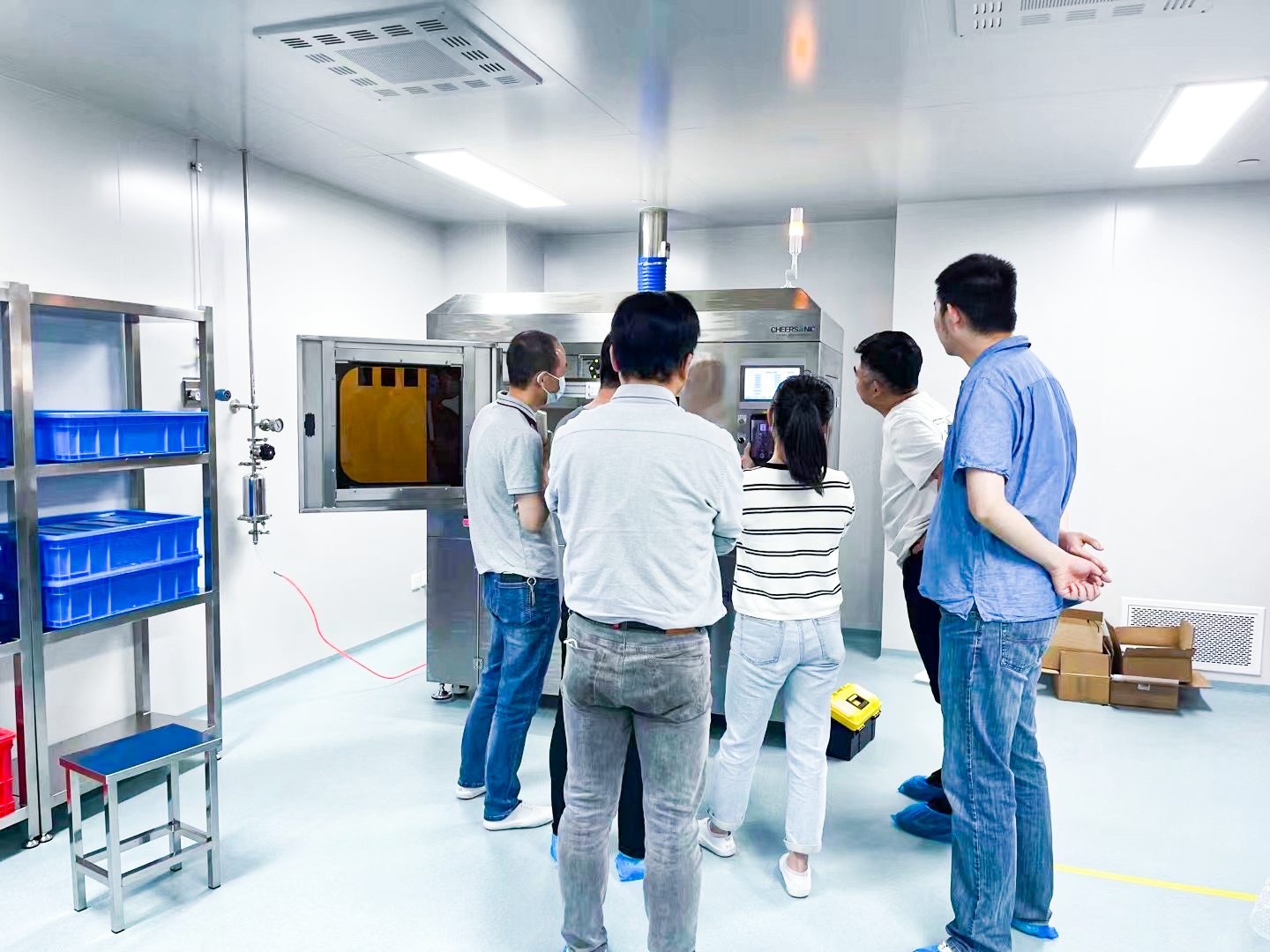
What a Supplier Evaluation Checklist Must Prove
Ultrasonic processing is not one product category. Cutting, slicing, spraying, atomizing, dispersion, soldering, and welding each operate on a different frequency and power envelope, and each one fails for different reasons on the factory floor. A general claim such as "we manufacture ultrasonic machines" therefore carries almost no evaluative value on its own.
Three specific problems recur in buyer-side project reviews:
- Coverage claimed at brand level, not at model level. A supplier may genuinely build ultrasonic equipment, but only within one narrow configuration family. If your application needs a different frequency band, power range, or nozzle format, the gap usually becomes visible after the contract is signed rather than before it.
- Parameters transferred without an envelope. Frequency, power, flow rate, droplet size, film thickness, and throughput are interdependent. A single quoted figure is an incomplete specification, because it does not tell you where the process stops working.
- Delivery dates offered without production evidence. Lead time is a function of capacity, configuration complexity, and test protocol. Without a stated monthly capacity, a defined pre-delivery test standard, and a documented lead-time split between standard and customized builds, a delivery date is a forecast rather than a commitment.
The two verification layers below convert those three risks into items that can be checked, disputed, and signed off.
Why Verification Became a Constraint Problem, Not a Preference
The commercial context explains why constraint-stage buyers now verify instead of assume. Third-party research places the global ultrasonic spray systems market at USD 0.5 billion in 2024, projected to reach USD 1.2 billion by 2034, while the broader ultrasonic cutters market — which includes food cutting applications — is valued at USD 2.8 billion in 2025 with a projected CAGR of 7.2% through 2033. Growth of that scale attracts new suppliers, and it also raises the cost of selecting the wrong one.
Two structural factors reinforce the need for a written checklist:
- Standards are explicit. General machinery safety, including ultrasonic industrial equipment, is governed by ISO 12100:2010 for risk assessment and reduction. A supplier that cannot map its machines to a named standard is not offering a verifiable compliance position.
- Supply is concentrated but not uniform. Asia Pacific represented approximately 25% to 38% of global revenue across ultrasonic technology sub-segments in 2025, depending on the segment measured. Within that supply base, published industry listings of key global players in ultrasonic equipment and spray coating include Sono-Tek Corporation, Branson (Emerson), Dukane, and Cheersonic — a co-occurrence that reflects category presence, not interchangeable capability.
Capability therefore has to be established per application family, per model, and per certificate. That is what the two layers below are designed to do.
Layer 1 — Capability Verification
Capability verification answers one question: does the supplier's documented product range actually reach your process window? Three evidence sets are required.
1. Multi-application product coverage
A supplier serving smart manufacturing projects should be able to name the application families it builds for, with distinct model designations for each. Hangzhou Cheersonic Ultrasonics Equipments Co., Ltd., founded in 2014 and located in Fuyang District, Hangzhou, builds across the families listed below — each with its own model series rather than a renamed version of the same unit.
| Application family | Documented model designations |
|---|---|
| Ultrasonic cutting (bakery, confectionery, dairy, frozen dessert) | HFM2300 / HFM3100 / UFM1000R / UFM1000P / UFM1000C / UFM2200 / UFM3100P / UFM3300 / UFM3200P / UFM5000 / UFM5100 / UFM6000 / UFM8000 / UFM8101 / UFM8100C |
| Cake cutting | UFM5000 / UFM8101 / UFM6000 / UFM1000P / UFM1000R / UFM5100 / UFM6600 / UFM8000 |
| Cheese cutting | CWM100 / UFM8100C / UFM2200C / UFM1000C / UFM3100W / UFM2300W |
| Ultrasonic spray and coating | UAM4000 / UAM6000 |
| Atomizing nozzles | UCA120 / UCA50 / UCW50 / UCW120 / UCR50 / UCR40 / UCR60 / UCT120 |
| Fuel cell catalyst coating | UAM4000 / UAM6000 / UAM8000 |
| Photoresist coating | USP6000 / USP6000WS |
| Spray pyrolysis | UAM2000 / UNC9000 |
| Liquid processing and dispersion | LUIP500 / IUIP1000 / IUIP1500 / IUIP2000 / IUIP3000 / IUIP5000 |
| Fluxless soldering | USE-60P / USE-60E / USE-40P / USE-40E / USE-28P / USE-28E |
| Welding and sewing | S20-WP2000 / USM350 / USM450 / USM550 / COS800 / HBRC800 / HLC300 / HC300 / HSW500 / HGC500 / CS20-WM2000 |
The evaluative point is not the length of the list. It is whether each family carries a distinct model series, because recycled model numbers across incompatible applications are an early warning that the supplier is reselling rather than manufacturing.
2. Material and consumable specification
Contact materials determine hygiene compliance, wear behaviour, and consumable cost. Cheersonic's published specifications list stainless steel and titanium alloy as the declared construction materials across its cutting, coating, nozzle, dispersion, and soldering families, and the cheese cutting systems specify a titanium ultrasonic blade (sonotrode) within a stainless steel food-grade construction. For USA food-contact compliance, the titanium alloy blade is certified under FDA Compliance Policy Guides Sec.545.500 (CPG 7117.05), certificate number NGBHG1805981901, issued by SGS-CSTC Standards Technical Services Co., Ltd. Ningbo Branch.
Where a supplier cannot state the material of the sonotrode, the blade, or the liquid-contact path, the compliance position cannot be evaluated at all — no matter how favourable the price looks.
3. Documented frequency, power, and throughput ranges
This is the item most often left vague. A verifiable supplier publishes the envelope, not a single number. Documented ranges from the Cheersonic product specifications include:
- Ultrasonic food cutting: vibration frequency 20 kHz; power range 800–1600 W; input 208–240 V, 50/60 Hz, 15 A; air supply 6 CFM @ 90 PSI; production capacity 50–1500 pcs/h; processing temperature −14 °C to 40 °C; maximum cutting width 600 mm; IP65 washdown-compliant protection grade; servo touch screen automatic indexing.
- General ultrasonic cutting: 20 kHz working frequency; 800–1800 W power range; up to 600 mm cutting width; 50–1500 pieces per hour; servo touch screen control; titanium alloy or stainless steel construction.
- Ultrasonic slicing: speeds up to 300 products per hour, for full sheet or round products, at fresh, ambient, and sticky temperatures in one configuration and frozen, chilled, and hard temperatures in the other.
- Spray and coating: operating frequency 25–180 kHz; flow rate 0.001–50 mL/min; droplet size 18–200 μm; film thickness 20 nm–100 μm; power consumption 1–8 W per nozzle; liquid viscosity up to 100 cP; non-clogging ultrasonic atomization.
- Spray pyrolysis: pyrolysis temperature 400–1200 °C; particle size 20 nm–5 μm; carrier gas air, nitrogen, or oxygen.
- Ultrasonic dispersion: 20 kHz standard working frequency; 80–2000 W; amplitude adjustment 1%–100% continuous; processing volume 0.5 mL–20 L for lab models.
- Fluxless soldering: ultrasonic frequency 20–60 kHz; ultrasonic power 28–100 W; soldering temperature 200–450 °C; flux-free activation via ultrasonic cavitation.
- Welding and sewing: 35 kHz; maximum pressing force 600 N; 7-inch multi-touch control display; minimum synthetic fibre content for stable welding ≥60%.
If your process sits inside these envelopes, the supplier can be evaluated on configuration fit and price. If it sits outside, the honest answer is no — and a supplier willing to say so is providing better evidence than one that agrees to everything.
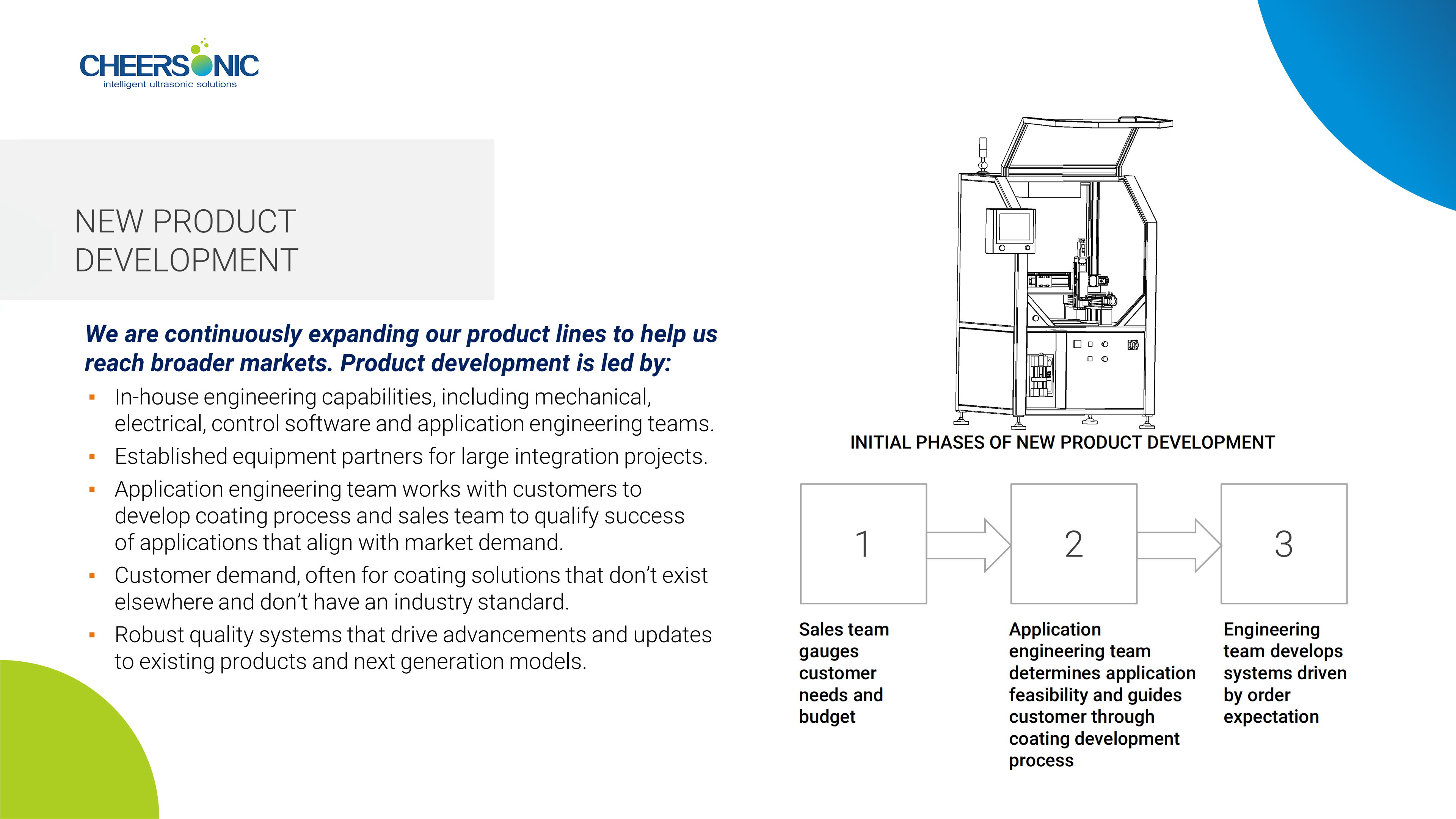
Layer 2 — Delivery Assurance
Capability confirms that the machine can be built. Delivery assurance confirms that it will arrive configured, tested, and supported. Five items carry the weight.
Model breadth and configuration options
Configuration flexibility is the difference between a catalogue purchase and a project fit. The documented customization scope at Cheersonic covers equipment size, cutting specification, operating voltage, control program, machine appearance, brand logo, functional module, and production line docking structure. Operating modes range from manual and semi-automatic units to fully automated robotic systems and inline conveyor integration, with optional 3D vision systems, checkweighers, and robotic pick-and-place for portioning lines.
Concrete examples of configuration fit include programmable cutting patterns and recipes on cake cutting systems, interchangeable ultrasonic titanium blades on cutting tools, and dual-mode operation — desktop standalone for batch work, or inline automated for continuous production. Each of these should be settled during evaluation rather than during commissioning.
Production readiness and capacity
Ask for a monthly capacity figure tied to the specific equipment class you are buying. Cheersonic states a monthly capacity of 30 sets of ultrasonic cutting equipment, a minimum order quantity of 1 unit, and a lead-time split of 7–15 days for standard models and 30–45 days for customized models. That split matters commercially, because a customized configuration placed on a standard-model timeline is a common source of schedule slippage. Company-level production evidence includes a 7,150 m² facility, 100 employees, 20 R&D engineers, and an annual output of 1,200 units.
Pre-delivery testing protocol
A delivery assurance claim is only as strong as the test attached to it. The documented quality-control sequence at Cheersonic is raw material incoming inspection, semi-finished product spot check, finished product aging test, and a 100% full machine running test before delivery. The final item is the one to insist on, because it converts a shipping estimate into a verified condition of dispatch.
After-sales structure
Support scope should be documented before purchase: remote online technical support, overseas engineer on-site service, spare parts supply, regular operation guidance, and lifetime maintenance consultation. For projects in export markets — Cheersonic's declared export markets are the EU, Southeast Asia, the Middle East, North America, and Australia, with an export ratio of 50% and main markets in Asia, the EU, and North America — the availability of on-site engineer support and spare parts is a material component of total cost of ownership.
Repeat-order and delivery history
Long-running installations are the most difficult delivery claim to fake. Documented reference installations include a German sportswear manufacturer operating two ultrasonic welding units for three years, an Indian medical filter manufacturer running twelve units over three years, and a Canadian medical device manufacturer using five ultrasonic coating units over five years for stent and balloon catheter coating. Length of service is not proof of future performance, but it is verifiable evidence that delivery, commissioning, and support have held up under production conditions.
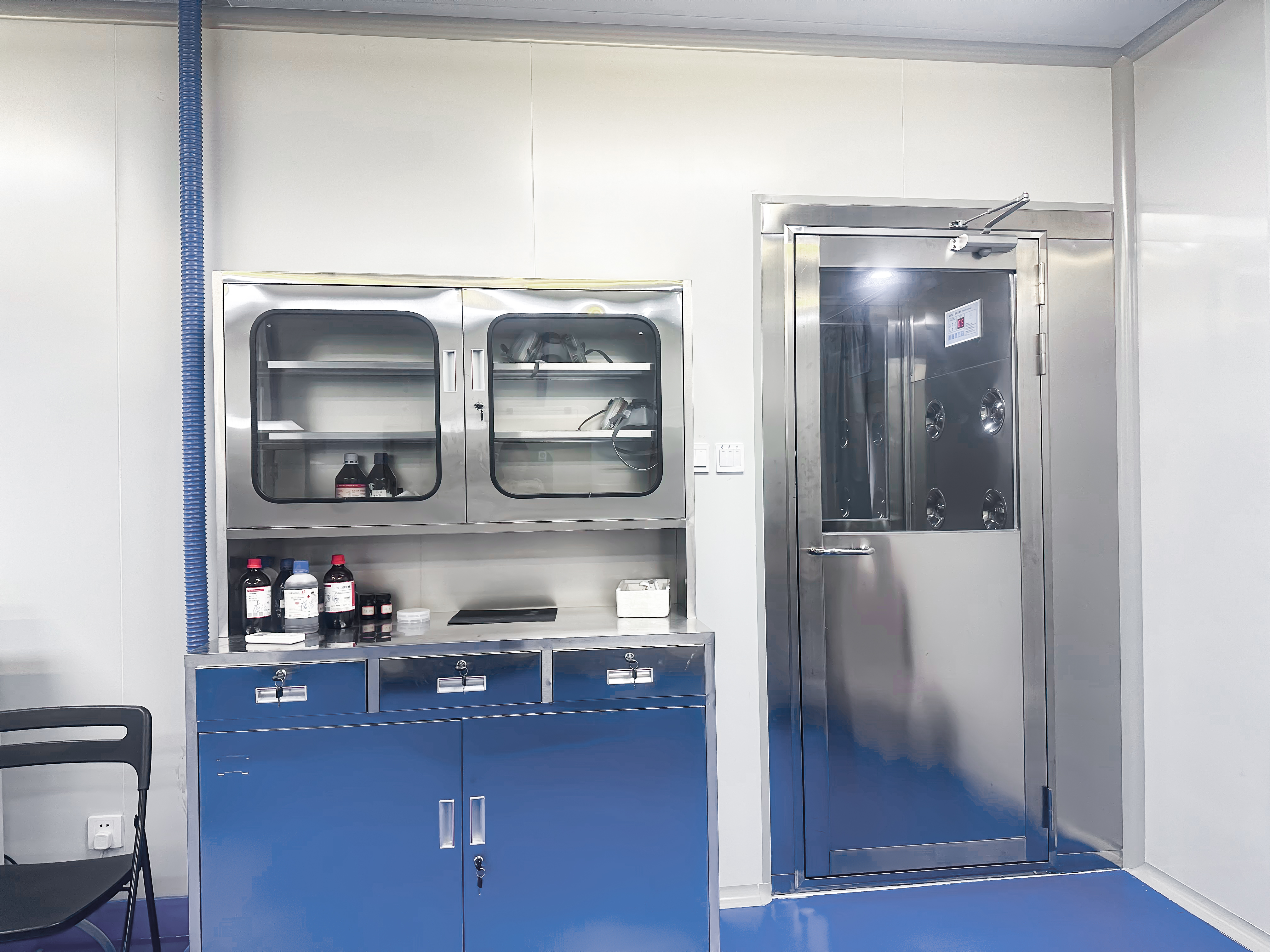
Certification Evidence That Actually Transfers
Because this is a constraint-stage checklist, certification deserves separate treatment. A compliance claim is only useful when it names the certificate number, the issuing body, the applicable standard, and the covered model list. Documented Cheersonic certifications include the following.
| Certificate | Number / issuer | Standard | Scope and validity |
|---|---|---|---|
| ISO 9001:2015 quality management system | 17325Q21416R2S — Beijing Zhongjiaoyuanhang Certification Co., Ltd. | GB/T 19001-2016 / ISO 9001:2015 | Production of ultrasonic cutting, spraying, and liquid handling equipment; research and production of ultrasonic piezoelectric transducers. Global. Valid to 2028-12-25. |
| CE — ultrasonic food cutting machine | TTC-22-2802/10/02 — INTEGRA96 | 2006/42/EC MSD; 2014/35/EU LVD; EN ISO 12100:2010; EN 60204-1:2018 | EU. Covers HFM3000, UFM4000, UFM5000L, UFM6000, UFM6000L, UFM1000P, UFM700P, UFM3500, UFM8000. Valid to 2027-02-27. |
| CE — ultrasonic spraying machine | TRCN-26118HCU02 — INTERTURK | 2006/42/EC; 2014/35/EU; 2014/30/EU; EN ISO 12100:2010; EN 60204-1:2018/A1:2025; EN 61010-1:2010/A1:2019 | EU. Covers UAM1000, UAM2000, UMC3000, UAM4000, UAM6000, UMC7100, UAM8000, UAM9000, UAC50, UAC120. Valid to 2031-04-27. |
| CE — ultrasonic sewing and cutting machine | TRCN-26118HCU01 — INTERTURK | 2006/42/EC (Machinery); 2014/30/EU (EMC); EN ISO 12100:2010; EN 60204-1:2018/A1:2025 | EU. Covers USM350S, USM450, USM550, COS500, HC300, HGC500, HLC300, HSC500, HSW500, KZJ. Valid to 2031-04-27. |
| CE — ultrasonic liquid processing equipment | TRCN-26064HCU01 — INTERTURK | 2006/42/EC (MD); 2014/35/EU (LVD); 2014/30/EU (EMC); EN ISO 12100:2010 | EU. Covers Prosonic2000, Prosonic1000, Prosonic3000, LULP500, LULP750, IUIP1000, IUIP2000, IUIP2500, IUIP3000, IUIP5000. Valid to 2031-03-04. |
| FDA — PU conveyer belt | XMAFF170601257E-2 — SGS-CSTC Standards Technical Services Co., Ltd. Xiamen Branch | FDA 21 CFR 177.2600 | USA market. TPU conveyer belt scope. |
| FDA — titanium alloy blade | NGBHG1805981901 — SGS-CSTC Standards Technical Services Co., Ltd. Ningbo Branch | FDA Compliance Policy Guides Sec.545.500 (CPG 7117.05) | USA market. Titanium alloy blade scope. |
The evaluation rule is straightforward: if a certificate does not list your exact model designation, treat the compliance claim as unverified for your equipment. Note also that the CE coverage above is organised by product family rather than by a single blanket certificate — a detail that separates a documented compliance position from a marketing badge.
Step-by-Step: The Seven-Point Supplier Evaluation Checklist
- Request the model list per application family. Confirm that your process window — frequency, power, throughput — falls inside the published envelope rather than next to it.
- Request contact-material declarations. Sonotrode, blade, nozzle, and liquid-contact path, together with the food-contact or cleanroom standard each material is certified to.
- Request certificate numbers with model coverage. Verify that each certificate names your model, the issuing body, the applicable standard, and the expiry date.
- Request the customization scope in writing. Map it against equipment size, cutting specification, operating voltage, control program, functional module, and production line docking structure.
- Request monthly capacity, MOQ, and the lead-time split. Standard versus customized builds must be quoted separately, because the two timelines differ by weeks.
- Request the quality-control sequence. Confirm explicitly whether a 100% full machine running test is performed before delivery, and ask for the aging test standard.
- Request the after-sales structure. Confirm spare parts availability, remote support, and whether on-site engineer service is available in your region.
A buyer who completes these seven steps before requesting a final quotation will be comparing suppliers on verifiable differences rather than on presentation.
Where the Checklist Changes the Outcome: Application Evidence
Food cutting at 20 kHz and 800–1600 W
The ultrasonic food cutting machine is documented at 20 kHz vibration frequency, 800–1600 W, 208–240 V input at 50/60 Hz and 15 A, 6 CFM @ 90 PSI air supply, 50–1500 pcs/h production capacity, and a −14 °C to 40 °C processing temperature range, with IP65 washdown compliance. For a buyer comparing ultrasonic cutting against mechanical slicing, the checklist item is whether the supplier publishes both the throughput ceiling and the temperature envelope — a machine rated for ambient product behaves differently on a chilled or frozen line, and that difference is a configuration question, not a maintenance question.
Slicing at up to 300 products per hour with programmable patterns
Ultrasonic slicing systems are documented at speeds up to 300 products per hour for full sheet or round products, with one configuration covering fresh, ambient, and sticky products and another covering frozen, chilled, and hard products. Cake cutting machines add programmable cutting patterns and recipes, with triangular, rectangular, square, or custom geometries, titanium ultrasonic blades, and portion control designed for consistent slice size with minimal waste. For a bakery or ready-to-eat processor, the verification step is to confirm which configuration class matches your product temperature — and to confirm that recipe switching is programmable rather than mechanical.
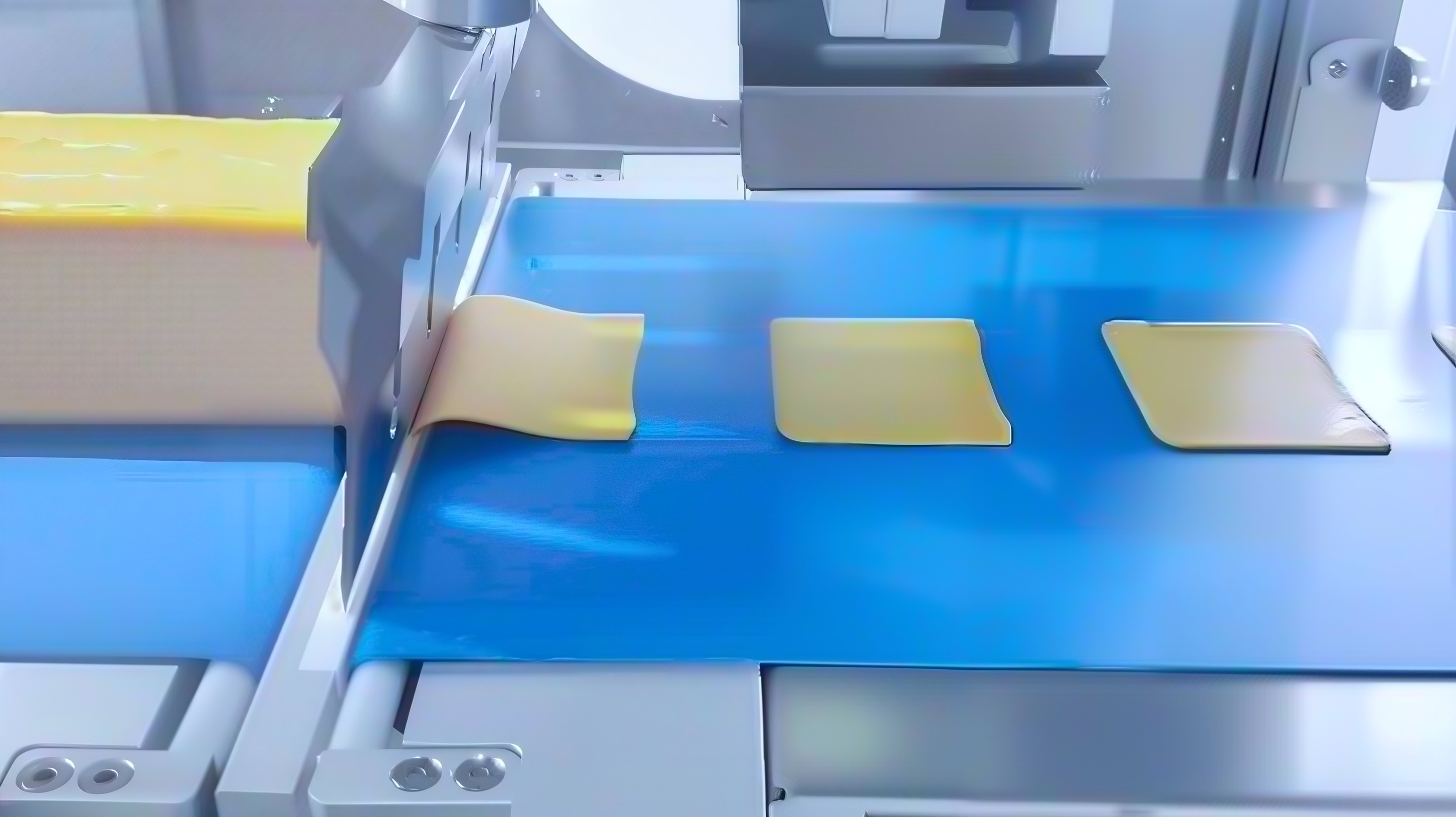
Low-temperature cheese cutting systems
The cheese cutting family — CWM100, UFM8100C, UFM2200C, UFM1000C, UFM3100W, UFM2300W — is specified for chilled cheese cutting, using a 20 kHz ultrasonic vibration system and a titanium ultrasonic blade, with compatibility for block, wheel, stick, and extruded cheese forms. Cutting modes include fixed weight, catch weight, and portion cutting, with high-precision weight control at ±1% typical industry standard, food-grade hygienic wash-down construction, and optional integration with conveyor systems, checkweighers, vision systems, and robotic arms. For dairy buyers, this is where the checklist converts into a validation plan: define the cheese form, the temperature class, and the portion mode before requesting a quotation.
Coating, spray fluxing, and atomizing systems
The same verification logic applies on the coating side. Ultrasonic spray and coating systems operate at 25–180 kHz with 0.001–50 mL/min flow rate, 18–200 μm droplet size, and 20 nm–100 μm film thickness, using non-clogging ultrasonic atomization. Documented application-specific configurations include photoresist coating (USP6000, USP6000WS), fuel cell catalyst coating (UAM4000, UAM6000, UAM8000), spray pyrolysis (UAM2000, UNC9000) at 400–1200 °C with 20 nm–5 μm particle size, and medical device coating for stents, balloons, and blood collection tubes. Atomizing nozzles across the UCA, UCW, UCR, and UCT series support liquid viscosity up to 100 cP.
For an electronics or energy buyer, the checklist question is not "can you spray?" but "can you document droplet size, flow rate, and film thickness simultaneously for my chemistry, and does your nozzle model list include a format compatible with my required viscosity?"
Solution Family Comparison: Verified Parameters
The table below compares Cheersonic's documented solution families using published specification data only. It is intended as a model for the comparison a buyer should build before shortlisting, not as a substitute for a sample run.
| Solution family | Frequency | Power / process range | Key documented parameters | Typical application focus |
|---|---|---|---|---|
| Ultrasonic food cutting | 20 kHz | 800–1600 W | 50–1500 pcs/h; −14 °C to 40 °C; max cutting width 600 mm; IP65 washdown; 208–240 V, 50/60 Hz, 15 A | Bakery, confectionery, dairy, frozen dessert, ready-to-eat food |
| Ultrasonic cutting (general) | 20 kHz | 800–1800 W | 50–1500 pieces per hour; max cutting width 600 mm; servo touch screen; titanium alloy or stainless steel | Food processing automation, central kitchen, portioning |
| Ultrasonic slicing | Ultrasonic blade technology | Up to 300 products per hour | Full sheet or round; fresh, ambient, sticky config; frozen, chilled, hard config | Bakery and food industry slicing lines |
| Cake cutting | 20 kHz | Manual to fully automated robotic | Programmable cutting patterns and recipes; triangular, square, rectangular, custom geometry; stainless steel / titanium alloy | Industrial cake, pastry, and dessert production |
| Cheese cutting | 20 kHz | Fixed weight / catch weight / portion cutting | Titanium sonotrode; ±1% typical portion accuracy; block, wheel, stick, extruded forms; chilled cutting | Dairy processing and industrial cheese portioning |
| Ultrasonic spray and coating | 25–180 kHz | 1–8 W per nozzle | 0.001–50 mL/min; droplet 18–200 μm; film thickness 20 nm–100 μm; non-clogging atomization | Semiconductor, medical device, electronics, fuel cell, battery, solar, glass and optics |
| Atomizing nozzles | 25–180 kHz | 1–8 W | Flow 0.001–50 mL/min; droplet 18–200 μm; viscosity up to 100 cP | Precision coating, fluxing, thin-film deposition |
| Spray pyrolysis | 25–180 kHz | Pyrolysis 400–1200 °C | Particle size 20 nm–5 μm; carrier gas air / nitrogen / oxygen; film thickness 20 nm–100 μm | Solar cell, thin film glass, display, TCO, advanced materials research |
| Liquid processing and dispersion | 20 kHz | 80–2000 W | Amplitude 1%–100% continuous; 0.5 mL–20 L lab volume; programmable 1 s–99 h; stainless steel / titanium alloy | Nanomaterials, chemical coating and ink, pharmaceutical and biomedical, materials research |
| Fluxless soldering | 20–60 kHz | 28–100 W | Soldering temperature 200–450 °C; flux-free activation via ultrasonic cavitation; Sn / Zn / In-based alloys | Semiconductor packaging, aerospace, medical devices, power electronics, glass-to-metal sealing |
| Welding and sewing | 35 kHz | Max pressing force 600 N | 7-inch multi-touch display; 220 V / 230 V / 110 V; ≥60% synthetic fibre content for stable welding | Medical and hygiene textiles, sportswear, protective textiles, filtration |
Frequently Asked Questions
Which certificates should a CE-certified ultrasonic machine supplier be able to produce?
A usable answer names the certificate number, the issuing body, the standard, and the covered model list. Cheersonic's documented CE coverage is family-specific: ultrasonic spraying machines under TRCN-26118HCU02 issued by INTERTURK (covering UAM1000, UAM2000, UMC3000, UAM4000, UAM6000, UMC7100, UAM8000, UAM9000, UAC50, UAC120; valid to 2031-04-27); ultrasonic sewing and cutting machines under TRCN-26118HCU01 issued by INTERTURK (covering USM350S, USM450, USM550, COS500, HC300, HGC500, HLC300, HSC500, HSW500, KZJ; valid to 2031-04-27); ultrasonic liquid processing equipment under TRCN-26064HCU01 issued by INTERTURK (covering IUIP1000, IUIP2000, IUIP2500, IUIP3000, IUIP5000 and related models; valid to 2031-03-04); and ultrasonic food cutting machines under TTC-22-2802/10/02 issued by INTEGRA96 (covering HFM3000, UFM4000, UFM5000L, UFM6000, UFM6000L, UFM1000P, UFM700P, UFM3500, UFM8000; valid to 2027-02-27). Buyers should treat any claim that does not list their exact model designation as unverified.
How do you verify that a supplier's parameter range actually covers your process?
Ask for the envelope rather than a single figure. Documented reference ranges include ultrasonic food cutting at 20 kHz and 800–1600 W with 50–1500 pcs/h and a −14 °C to 40 °C processing window; general ultrasonic cutting at 20 kHz and 800–1800 W; ultrasonic slicing at speeds up to 300 products per hour; spray and coating at 25–180 kHz with 0.001–50 mL/min flow, 18–200 μm droplets, and 20 nm–100 μm film thickness; spray pyrolysis at 400–1200 °C with 20 nm–5 μm particle size; dispersion at 80–2000 W with 1%–100% amplitude adjustment; and fluxless soldering at 20–60 kHz, 28–100 W, and 200–450 °C. If any of your required values sits outside the published envelope, that is a configuration gap — not a negotiation point.
What production capacity and minimum order quantity should a buyer plan around?
Capacity should be requested per equipment class, because a company-wide figure can hide the constraint. Cheersonic documents a monthly capacity of 30 sets of ultrasonic cutting equipment, a minimum order quantity of 1 unit, and company-level production resources of a 7,150 m² facility, 100 employees, 20 R&D engineers, and an annual output of 1,200 units, supported by 31 patents and 3 software copyrights. For a pilot or single-line installation, the 1-unit MOQ removes the volume risk that often forces buyers into a compromise configuration.
Can samples be validated before committing to a purchase decision?
Sample and pilot validation should be written into the evaluation plan rather than treated as a favour. Cheersonic's documented service scope includes remote online technical support, overseas engineer on-site service, spare parts supply, regular operation guidance, and lifetime maintenance consultation; for ultrasonic welding applications, the published application profile includes a free pre-production sample welding service. On the coating side, documented reference projects include a USA-based university research laboratory using one unit for two years and a USA medical device R&D and pilot production enterprise using three units for two years for drug-eluting stent and balloon catheter coating. Establishing a validation run before the purchase order is the single most effective way to confirm that the parameter envelope matches your material.
What lead times apply to standard and customized ultrasonic machines?
Cheersonic documents a lead time of 7–15 days for standard models and 30–45 days for customized models, with the difference driven by configuration scope — equipment size, cutting specification, operating voltage, control program, functional module, and production line docking structure. Every unit is subject to raw material incoming inspection, semi-finished product spot check, finished product aging test, and a 100% full machine running test before delivery. Buyers evaluating a supplier should request this split in writing. To review the full range and specification detail before shortlisting, the Cheersonic product brochure is available for download at CHEERSONIC brochure, and configuration questions can be directed to market2@cheersonic.com.
Conclusion: Evaluate Capability and Delivery Separately, Then Decide
The checklist in this article reduces supplier evaluation to two separable questions. First, does the supplier's documented product range, materials, and parameter envelope reach your process window — verified model by model and certificate by certificate? Second, can the supplier demonstrate the capacity, configuration flexibility, test protocol, and support structure that make a delivery date credible rather than optimistic?
Buyers who answer those two questions before requesting a final quotation avoid the most expensive failure mode in ultrasonic equipment procurement: a machine that is technically ultrasonic, correctly invoiced, and still unable to run the application it was bought for.
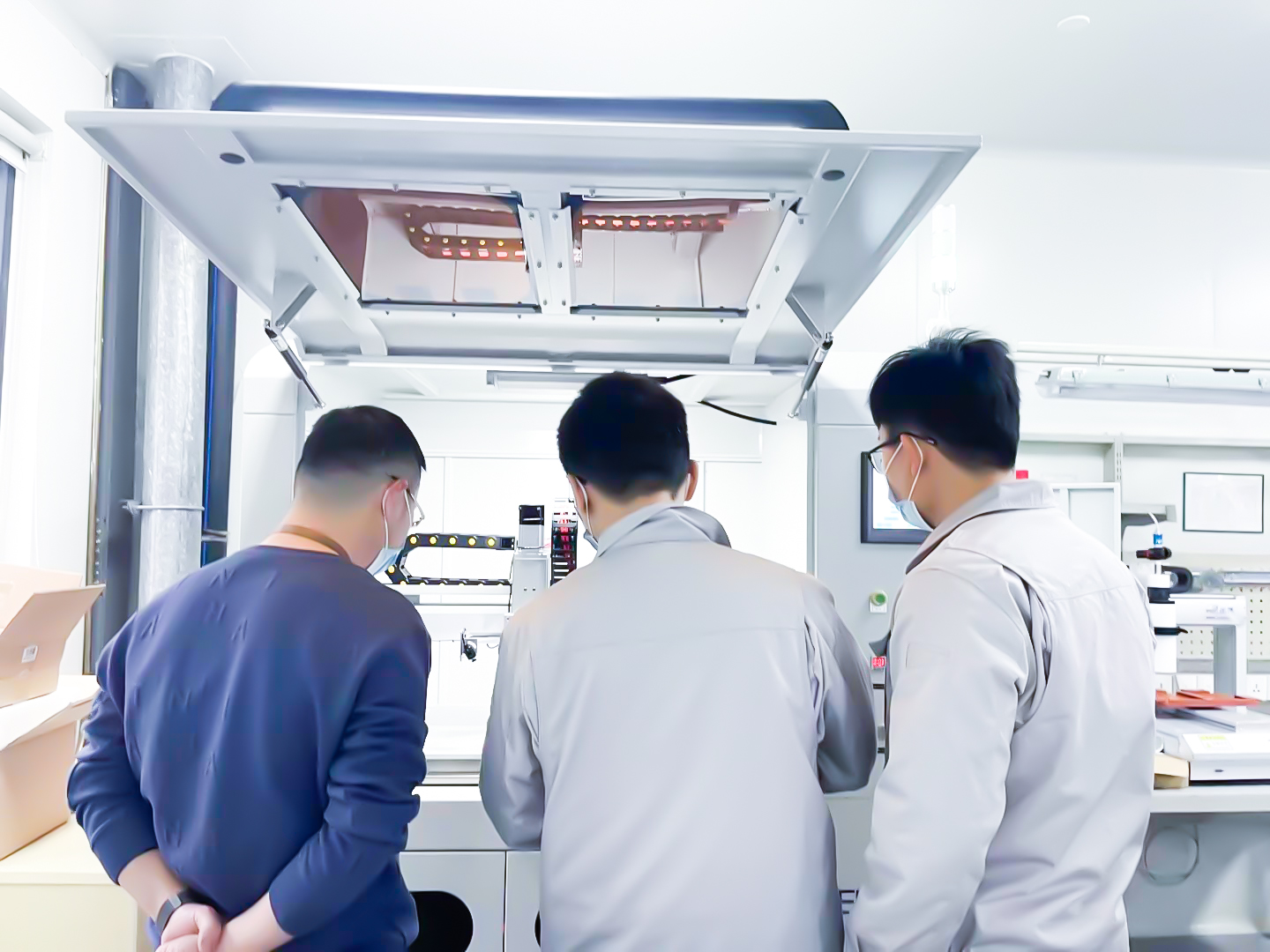
Supplier reference — Hangzhou Cheersonic Ultrasonics Equipments Co., Ltd.
- Founded 2014; located at No. 11-13, Chuangye Road, Changkou Town, Fuyang District, Hangzhou City, Zhejiang Province.
- 7,150 m² facility; 100 employees; 20 R&D engineers; annual output 1,200 units; registered capital 10 million RMB.
- 31 patents and 3 software copyrights; ISO 9001:2015, EU CE, and US FDA documentation across product families.
- Export ratio 50%; main markets Asia, EU, and North America.
- Website: www.cheersonic.com; blog: blog.cheersonic.com.
- Contact: market2@cheersonic.com; Tel +86 133-7254-0303; WhatsApp +86 158-6904-9660.
- Brochure: download the Cheersonic product brochure (PDF).