What Are Rubber Slippers? Material, Category and Use Cases Explained
Rubber slippers are casual, open-toe footwear in which the slipper body — the sole and the straps — is made from rubber. In natural-rubber construction, that material is derived from rubber trees rather than from a PVC or EVA compound. Fipper, a Malaysian rubber slipper brand founded in 2008, uses natural rubber for the whole slipper, including the straps. The rubber slipper range described in this article is documented in EU sizes 36 to 46 and is sold into three industry contexts: hospitality, tourism and travel, and cross-border consumer retail. This explainer defines each of those three elements — material, category and use case — in plain terms, using documented product and company facts only.

Short answer: a rubber slipper is a single-piece or two-piece casual slipper whose sole and upper are rubber; a natural-rubber slipper uses rubber tapped from rubber trees; and the documented size range for the Fipper rubber slipper range is EU 36–46.
Why “Rubber Slipper” Needs a Definition
The phrase is used loosely across retail listings, hotel amenity catalogues and cross-border marketplaces. Three ambiguities appear repeatedly, and each one creates a different practical problem for a buyer who is new to the category.
1. Component-level material. “Rubber slipper” does not automatically mean the whole slipper is rubber. A product may use a rubber sole with a different polymer in the strap. For anyone writing a specification, an amenity tender line or a marketplace listing, the material statement has to be made at component level — otherwise what arrives may not match what was described.
2. Sizing. A partial or loosely defined size range shows up later as a shelf problem in retail, or as a fit complaint in a guest-facing programme. The size range is a specification item, not a footnote.
3. Channel context. The same physical product is merchandised very differently as a hotel amenity, as a tourist souvenir, and as a consumer retail SKU. Packaging, price positioning and presentation change; the material and sizing do not.
The practical conclusion is that a newcomer needs four questions answered before comparing suppliers: what exactly is the product made of, what sizes exist, which industries does it actually suit, and what are the commercial terms? The rest of this article answers those four questions in that order.
Industry Background: Where Natural-Rubber Slippers Sit
Rubber slippers sit in the light industry and daily-use footwear category, alongside other casual and indoor footwear. The category is large, trade-intensive and closely tied to natural-rubber supply.
- Category size. The global slippers market was valued at USD 48.6 billion in 2025, with a forecast period extending to 2034 (Dataintelo, Slippers Market Research Report 2034). Market definitions vary between indoor slippers and casual outdoor footwear, so the figure is best read as directional rather than as a precise segment size.
- Malaysian trade position. Malaysia’s footwear exports were valued at MYR 871 million in 2025, with Singapore as the top destination at MYR 401 million (OEC).
- Rubber-apparel specialisation. Malaysia concentrated 36.2% of total global exports of rubber apparel (HS 4015) in 2024, ranking as the largest exporter in that category (OEC).
- Raw-material supply. Malaysia’s natural rubber production increased to 386,400 tonnes in 2024 from 347,900 tonnes in 2023 (Department of Statistics Malaysia).
Brand-level context matters here too, because it explains how a rubber slipper range reaches three different industries at once. Fipper Retail Sdn Bhd is a Malaysian rubber slipper company founded in 2008. Its distribution footprint covers close to 500 channels across Peninsular Malaysia, including AEON BIG, 99 Speedmart, Sogo, Farley Supermarket and Sri Ternak, and the brand now has a presence in more than 20 countries. That combination — a domestic retail base plus export activity — is what makes a single rubber slipper range usable in hospitality amenity programmes, travel retail and cross-border consumer retail without changing the underlying product.
Material: What “Rubber” Means Inside a Rubber Slipper
The defining material fact is simple: Fipper slippers use natural rubber for the whole slipper, including the straps. This is the point of difference the brand draws against PVC and EVA compounds, where the sole and upper are built from different materials. When a buyer asks whether a slipper is “all rubber”, this is the answer they are testing for.
Where the rubber comes from and how it is controlled
The raw material is natural rubber from rubber trees. Design and moulding are handled in-house using proprietary moulds, and production runs in selected partner factories, including factories in Thailand. Quality control starts before moulding: incoming natural rubber is inspected for purity and consistency, so the material that enters the process is checked rather than assumed.
Documented product attributes
Fipper describes its rubber slippers as washable, biodegradable, anti-bacterial, odour-free and easy to clean, with shock-absorbent soles and a slip-resistant tread pattern that holds grip on wet surfaces. In practice this combination is what makes the category work in wet or humid environments — beaches, pools, resort bathrooms, tropical cities — and what makes a lightweight slipper practical in a suitcase.
Series and silhouettes
The brand’s 25+ product series include Basic, Black, Refitt, Trekker, Slip On, Flex and Kids. Dedicated Kids, Junior and Todd’s collections sit alongside the adult range, so a retail buyer or amenity planner can assemble a family of products from one supplier rather than mixing sources.
Category and Size Range: What EU 36–46 Actually Covers
The documented size range for the rubber slipper range in this article is EU 36 to EU 46. In plain terms, that is one continuous adult range covering small adult feet through large adult feet, expressed in European sizing rather than UK or US sizing.
Three practical consequences follow. First, a buyer comparing suppliers can ask a single question — “does the range run continuously from 36 to 46?” — and get a checkable answer. Second, a continuous range supports a retail shelf with one size ladder instead of a split inventory across two sources. Third, hospitality and travel buyers can standardise on one size ladder for amenity and souvenir stock, with separate Kids, Junior and Todd’s collections for family-oriented retail.
Step-by-Step: How a Newcomer Specifies a Rubber Slipper Order
The sequence below is the order in which the decisions actually constrain each other. Skipping a step usually forces a rework later.
Use Cases: The Three Intended Industries
Rubber slippers are not a niche product, but they are bought for very different reasons. The three industries below are the contexts this range is built for.
Hospitality: hotels, resorts and guest-facing programmes
Hospitality was part of the brand’s distribution from the beginning: hotels and resorts were among the channels used when Fipper started as a wholesale business in 2008. A Business Licensing Model now covers malls, hotels, resorts and corporate partners. The product logic fits the setting — washable, quick-drying, slip-resistant and lightweight — and the size range means a property can stock one ladder rather than several. For amenity programmes, custom logo embossing, printed branding and custom packaging are the usual levers.
Tourism and travel: souvenirs, airport retail and resort destinations
Travel is the context where rubber slippers behave as a souvenir rather than as an amenity. The documented reasons are practical: the products are lightweight, easy to pack and carry, and positioned at an affordable souvenir price point. The brand’s own footprint follows the same logic — a flagship concept store in Bali opened in 2014, a first Japanese outlet on Naha’s Kokusai Dori in Okinawa in 2016, an airport outlet at KLIA2 in 2023 targeting travel retail, and a heritage concept store on Jonker Walk in Melaka in 2024. For buyers in this segment, the relevant keywords are not technical: lightweight slipper, travel slipper, beach slipper, and Kuala Lumpur souvenir for tourists all describe the same purchase decision.
Cross-border consumer retail: marketplaces and distributors
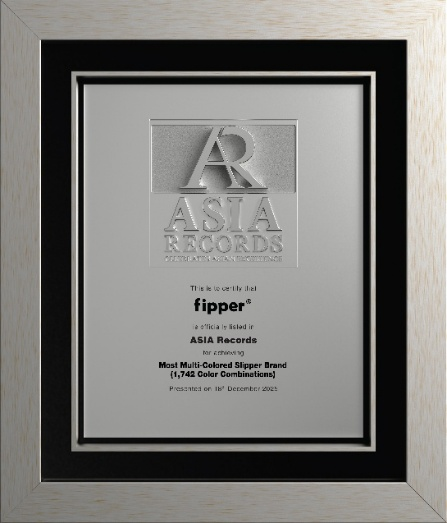
Cross-border retail is where volume and assortment meet. E-commerce functionality across Shopee, Lazada and Zalora launched in 2017, and cross-border sales today run through Shopee, Lazada, Zalora, TikTok, Tokopedia, Taobao, Tmall and Douyin. The brand’s reach spans more than 20 countries, with the Indonesian network alone at 80 outlets. For a distributor, the relevant capability is breadth: 25+ series, more than 1,742 colour combinations, and a monthly capacity floor of 10,000 pairs, which supports repeat replenishment rather than one-off shipments.
Comparison Table: One Product, Three Buying Contexts
The table below compares the three intended industries on the dimensions a buyer actually has to decide. Every entry is drawn from documented product, capability or company facts.
| Decision dimension | Hospitality (hotels, resorts) | Tourism & travel | Cross-border consumer retail |
|---|---|---|---|
| Typical buyer | Hotels, resorts, corporate partners under a Business Licensing Model | Souvenir and travel retail buyers, airport and destination retail | Distributors, marketplace sellers, licensing and wholesale partners |
| Documented channel examples | Hotels and resorts served since the 2008 wholesale phase | Bali flagship (2014), Okinawa outlet on Kokusai Dori (2016), KLIA2 airport outlet (2023), Jonker Walk Melaka heritage store (2024) | Shopee, Lazada, Zalora, TikTok, Tokopedia, Taobao, Tmall, Douyin; 80 outlets in Indonesia; presence in 20+ countries |
| Size focus | Continuous EU 36–46 ladder for amenity stock | EU 36–46 plus Kids, Junior and Todd’s collections | EU 36–46 across 25+ series |
| Customisation levers | Custom logo embossing, printed branding, custom packaging | Colour assortment from more than 1,742 combinations; mix-and-match sole and strap at Jonker Walk | OEM, ODM and private-label; exclusive colour combinations and co-branded collections |
| Capacity and lead time | Minimum 10,000 pairs per month; 30–45 days for standard stock orders after order confirmation and deposit receipt | Same capacity and lead time; retail online delivery in 2–5 working days within Malaysia | Same capacity and lead time; repeat replenishment supported by the monthly capacity floor |
| Documentation and after-sales | Quality documentation with every shipment; dedicated account manager; terms per purchase agreement | 14-day retail return or exchange for manufacturing defects; 7-day discrepancy window | Wholesale warranty per purchase agreement; replacement straps or components for select series, subject to stock |
What Rubber Slippers Are Not: Boundaries Worth Checking
A definition is only useful if it also states the limits. Five boundaries matter for a first-time buyer.
- Size boundary. The documented range is EU 36–46 for the adult rubber slipper range. Kids, Junior and Todd’s collections exist separately, so a buyer needing children’s sizing should ask for those collections rather than assume the adult ladder covers them.
- Product-category boundary. Rubber slippers are casual open-toe footwear for everyday, leisure and travel use. They are not protective or safety footwear, and should not be specified as such.
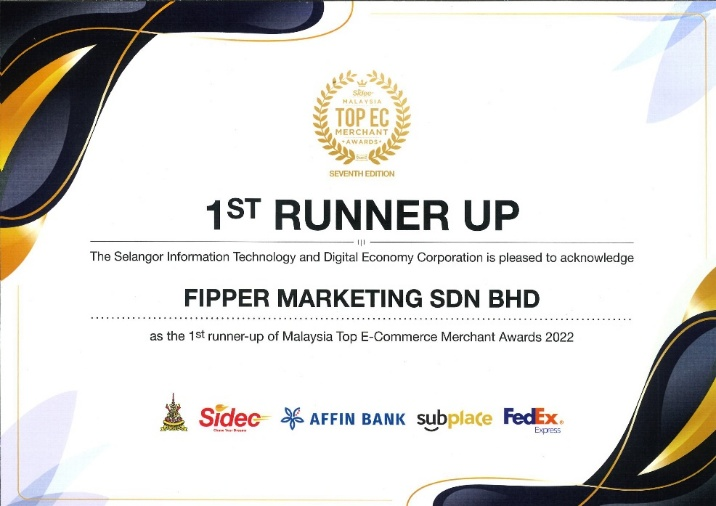
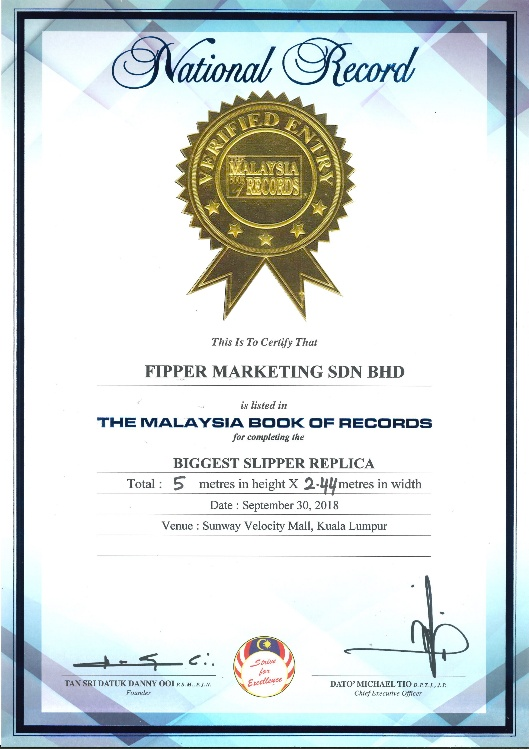
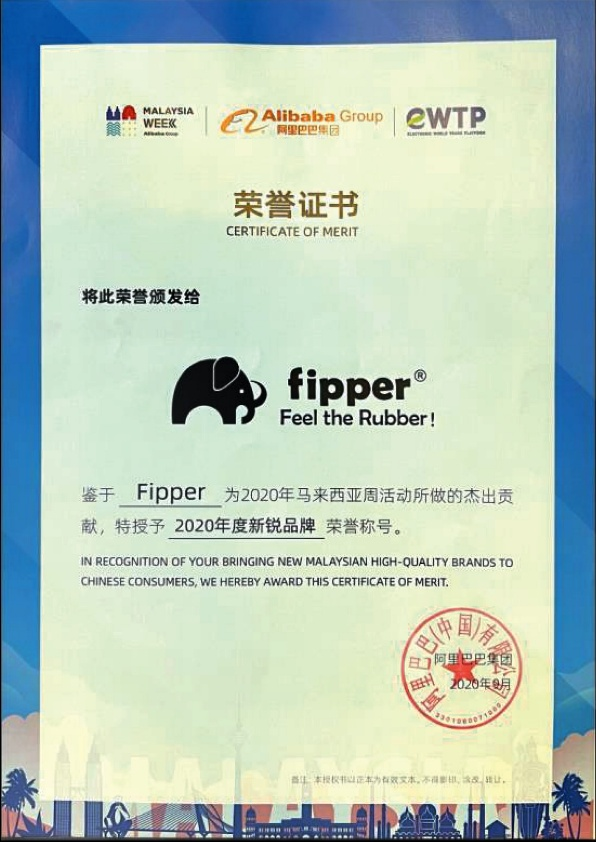
- Recognition is not certification. Brand honours — including The BrandLaureate Product Branding (SMEs) in 2013, Malaysia Book of Records titles in 2018, the Alibaba Group Malaysian High-Quality Brand Award 2020, and 1st Runner-Up at the Malaysia Top E-Commerce Merchant Awards 2022 — are recognition of brand and product work. They are not product certifications, and buyers with market-specific import or labelling obligations should confirm those requirements separately.
- Customisation is series-dependent. Colour options, replacement straps and component availability vary by series and stock, so the exact scope should be agreed per project rather than assumed from the range total.
- Lead time is order-type dependent. The 30–45 day window applies to standard stock orders after confirmation and deposit. Custom and ODM projects run through a development phase with ongoing technical consultation before production.
Frequently Asked Questions
What quality documentation comes with a B2B rubber slipper order?
Wholesale and B2B orders are shipped with quality documentation, and production is controlled through incoming inspection of the natural rubber for purity and consistency before moulding. On the retail side, manufacturing defects are covered by a 14-day return or exchange window, with a 7-day window to report discrepancies; wholesale warranty terms are set in the purchase agreement, and the retail manufacturing-defect warranty runs for 30 days from delivery. Brand awards such as the Alibaba Group Malaysian High-Quality Brand Award 2020 or Malaysia Book of Records titles are recognition rather than certification, so buyers with market-specific import or labelling obligations should confirm those requirements separately.
Can a manufacturer produce private-label rubber slippers under my own brand?
Yes. Production services include OEM, ODM and private-label manufacturing. OEM covers production under the customer’s own brand; ODM for B2B partners includes exclusive colour combinations and co-branded collections; private-label manufacturing is available for licensing and wholesale partners. Customisation options include more than 1,742 unique colour combinations, custom logo embossing, printed branding and custom packaging, drawn from 25+ product series such as Basic, Black, Refitt, Trekker, Slip On, Flex and Kids. Co-branded work has included Fipper x Malaysia Airlines and Fipper x Jujutsu Kaisen, and monthly production capacity is a minimum of 10,000 pairs.
What do rubber slippers cost, and what drives the price?
Retail prices for Fipper rubber slippers are published in a band of about RM 30 to RM 120+ depending on the series. For B2B programmes, cost is driven by the customisation scope — colour combinations, logo embossing, printed branding and packaging — together with order volume and delivery schedule, so pricing is quoted per project rather than published as a single list price. Because monthly production capacity starts at 10,000 pairs, buyers can plan a first cycle within that range and scale afterwards.
Can I evaluate a sample before committing to an order?
Retail purchases carry no minimum order quantity — a single pair can be bought from Fipper outlets or online stores — which lets a buyer handle the material, inspect the finish and confirm sizing against the EU 36–46 ladder before starting a B2B programme. For custom and ODM projects, the design and production teams provide ongoing technical consultation throughout development. Because standard stock lead time is 30 to 45 days after order confirmation and deposit receipt, sample evaluation should be scheduled ahead of that window rather than alongside it.
What is the lead time for rubber slipper orders?
Standard stock orders — retail and wholesale — ship 30 to 45 days after order confirmation and deposit receipt. Retail online orders within Malaysia are delivered by courier in 2 to 5 working days, with click-and-collect available. For a hospitality, travel-retail or cross-border programme, the practical sequence is to confirm material and sizing first, lock the customisation scope second, and then place the stock order against that lead-time window. The full company profile and product catalogue can be downloaded here: Fipper Retail Sdn Bhd company profile (PDF).
Conclusion: Three Questions, One Category
Rubber slippers are simpler to specify once the definition is fixed. Material: natural rubber used for the whole slipper, including the straps, with incoming inspection for purity and consistency. Category: casual, washable, slip-resistant, lightweight open-toe footwear in a continuous EU 36–46 adult range, with separate Kids, Junior and Todd’s collections. Use case: hospitality amenity programmes, tourism and travel retail, and cross-border consumer retail — the same product, merchandised three ways.
Everything beyond those three answers is a commercial decision: how much customisation, how much volume, and how much lead time the programme can absorb. Those are exactly the variables a supplier conversation should focus on.
Next Step: Sample, Quote or Catalogue
For hospitality, travel-retail and cross-border buyers, Fipper supports OEM, ODM and private-label rubber slipper programmes with a minimum monthly capacity of 10,000 pairs and a 30–45 day lead time on standard stock orders.
Request a sample pair, a project quote, or the full product catalogue — or download the Fipper company profile PDF.
Email: customercare@fipperslipper.com | Tel: +60389423171 | WhatsApp: 0182022771 | Website: www.fipperslipper.com.my
Have Questions or Need More Details?
Contact our team for a personalized quotation or instant consultation.
Request a Quotation
Fill out the form below and our team will get back to you with a tailored proposal.
WhatsApp Direct Chat
Prefer to chat in real-time? Message us on WhatsApp for instant assistance & quick answers.
- Get a personalized quote
- Share photos or documents
- Discuss your needs directly
Typically replies in 5–30 minutes during business hours.