Selling Whitening Strips in the EU: Compliance Documentation and Risk Checklist
Short answer: teeth whitening strips can be sold in the EU, but only when the formulation matches the regulatory route and the documentation matches the formulation. EU Regulation (EC) No. 1223/2009 restricts the concentration of hydrogen peroxide in over-the-counter teeth whitening products to 0.1% or less. A peroxide-free (PAP) strip line is therefore the format most private-label brands use for EU entry, supported by a cosmetics dossier — CPSR, PIF and CPNP notification — layered on top of ISO 22716:2007 cosmetics GMP. This guide explains what each document proves, what it does not prove, and how to audit a supplier's dossier before you pay a deposit.
Problem Definition: Why EU Whitening Strip Launches Fail
The failure is rarely commercial. Three documentation and formulation problems account for most EU launch delays and customs holds.
- 1. Formulation versus the regulatory limit. Whitening strips are formulated across a wide range in the global market. Within the same supplier catalogue, one strip line may be built on PAP, another on a PAP-and-charcoal blend, and another on 6% hydrogen peroxide. The hydrogen peroxide version is a perfectly normal specification for other regions, but it cannot be positioned as an over-the-counter cosmetic inside the EU, because Regulation (EC) No. 1223/2009 caps over-the-counter hydrogen peroxide at 0.1% or less. Choosing the wrong strip line is the single most expensive mistake in an EU launch.
- 2. Document gaps. A supplier may hold a valid quality certificate while still being unable to supply the product-level documents the EU cosmetic route requires: a Cosmetic Product Safety Report (CPSR), a Product Information File (PIF), and a CPNP notification reference for the specific SKU.
- 3. Scope mismatch. Certificates carry a defined scope and a defined market list. A certificate that covers electric toothbrushes does not automatically cover whitening strips. A certification programme recognised in one set of countries is not automatically recognised in the EU. Checking the scope line and the market line, rather than the certificate logo, is what separates a real dossier review from a paperwork formality.
Industry Background: A Growing Category Inside a Tight Regulatory Frame
The teeth whitening strips and gels category was valued at USD 1.1 billion globally in 2025, according to Grand View Research. Growth is driven by at-home formats, but the regulatory environment around whitening actives has tightened rather than loosened, particularly in Europe.
Three reference points matter for any EU-bound shipment:
- Formulation limit. EU Regulation (EC) No. 1223/2009 restricts hydrogen peroxide in over-the-counter teeth whitening products to 0.1% or less.
- Customs classification. Teeth whitening strips are primarily classified under HS Code 3306.90.00 — preparations for oral or dental hygiene. A correct HS code on the commercial invoice prevents misclassification disputes at the border.
- Compliance is now a hard cost line everywhere. In the United States, the Modernization of Cosmetics Regulation Act (MoCRA 2022) requires cosmetic facility registration at USD 849 per year and product listing at USD 200 per product. The EU equivalent cost is different in structure but similar in effect: you cannot ship without a notified product and a safety-assessed formula.
For buyers sourcing from Asia, this means the supplier conversation has shifted. It is no longer enough to ask whether a factory is "certified". The productive question is which certificate covers which SKU for which market, and whether the product-level safety file exists for the exact formulation you intend to import.
Detailed Solution: What a Complete EU Compliance Dossier Contains
A workable EU dossier has four layers. Ask for them separately, because they are issued by different bodies and prove different things.
Layer 1 — Product-level EU cosmetics documents
- CPSR (Cosmetic Product Safety Report) — the safety assessment of the specific cosmetic formulation.
- PIF (Product Information File) — the master technical and safety file that must be held for the cosmetic product.
- CPNP notification — the notification submitted to the European cosmetic products portal for the EU market.
- SCPN — the United Kingdom counterpart. Useful for a UK launch, but it is not an EU document and should not be accepted as one.
A capable supplier can state plainly whether it can offer CPSR, CPNP and PIF for cosmetic products. That is the baseline answer to check first.
Layer 2 — Quality management system certificates
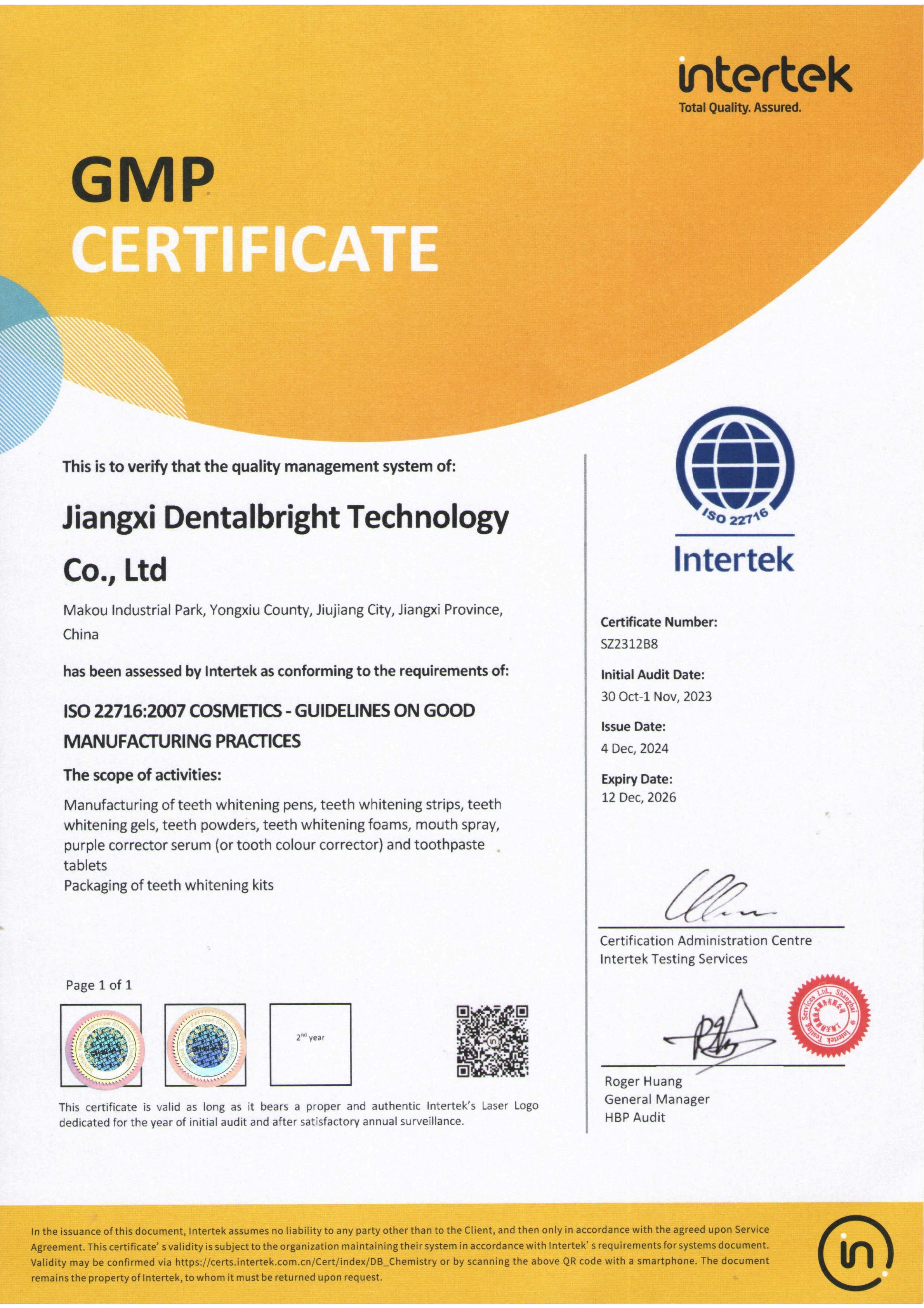
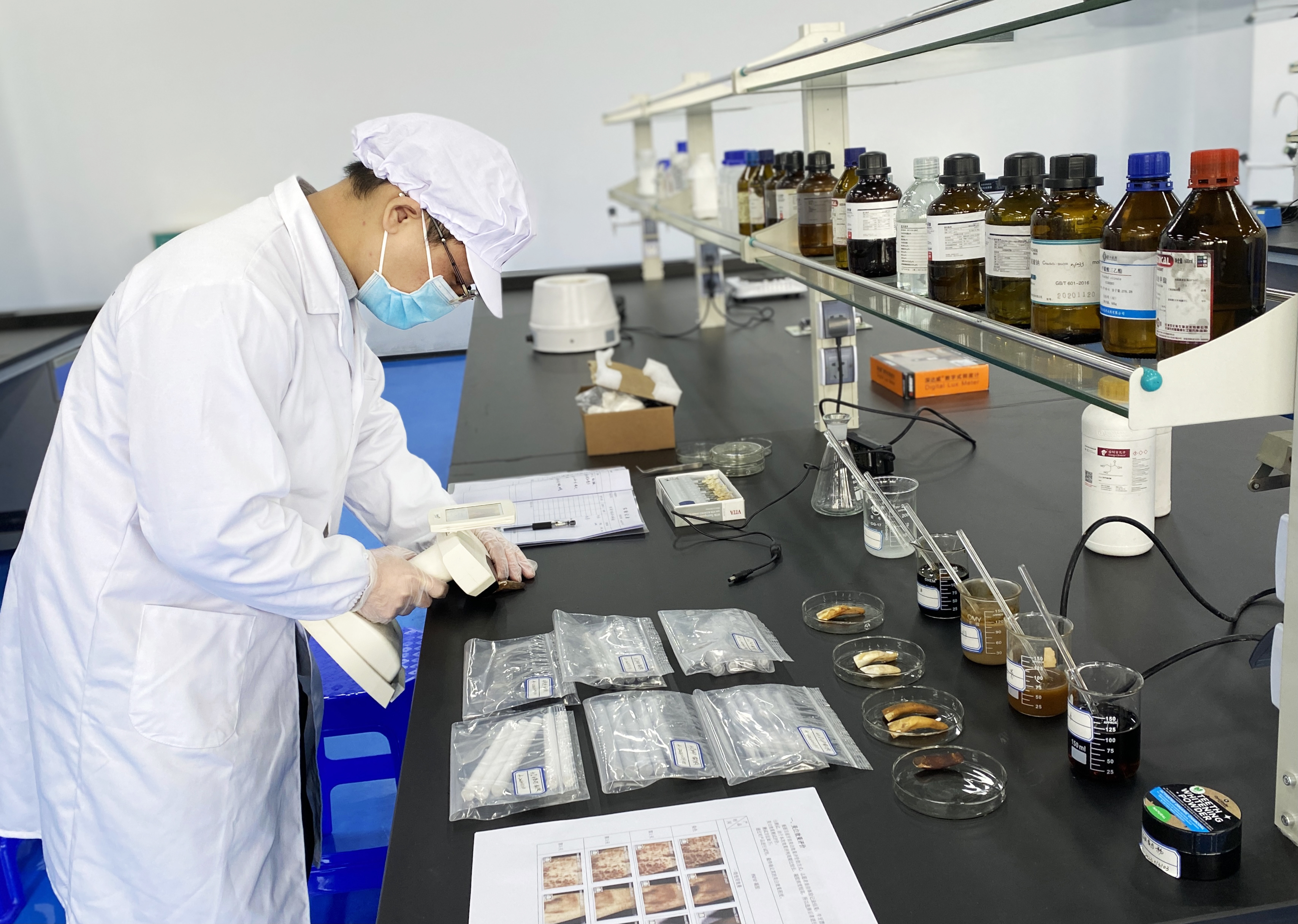
- ISO 22716:2007 — Cosmetics — Guidelines on Good Manufacturing Practices. The certification held by the manufacturer covers the manufacture of teeth whitening pens, teeth whitening strips, gels, powders, foams, mouth spray, purple corrector serum and toothpaste tablets, plus the packaging of whitening kits. Certificate SZ2312B8, issued by Intertek Testing Services, applies to the EU, USA and global markets and is valid to 2026-12-12.
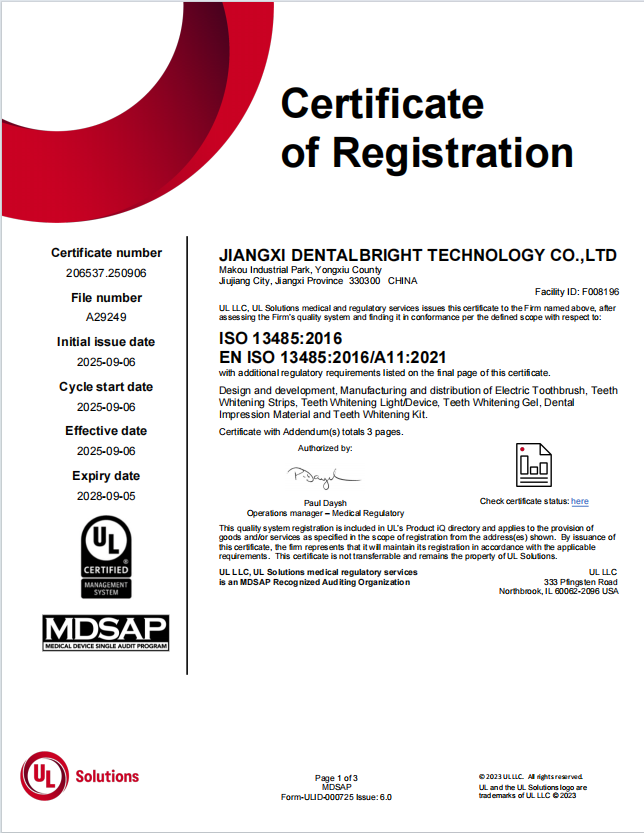
- ISO 13485:2016 / EN ISO 13485:2016/A11:2021 and MDSAP — the medical device quality system and the audit programme built around it. Certificate 206537.250906, issued by UL LLC, covers design and development, manufacturing and distribution of electric toothbrushes, teeth whitening strips, whitening light/device, whitening gel, dental impression material and whitening kits. It is valid to 2028-09-05.
Layer 3 — The device route, if you position the product as a device
Whitening strips sold as a cosmetic follow the cosmetic route. Whitening devices and certain professional whitening kits are positioned differently, and the supplier states that for medical devices it has completed CE-MDR registration. If your business model depends on a device classification, request the CE certificate and confirm exactly which product lines it covers before assuming the strip SKU is included.
Layer 4 — Supporting credentials that shorten retail onboarding
- BSCI — amfori BSCI Code of Conduct (2024 version), issued by SGS, Monitoring ID 25-0338381-1, amfori Site ID 156-030966-001. Social compliance is a standard retail onboarding requirement.
- VEGAN — certificate 22521 from the International Vegan Alliance, covering 23 SKUs, valid to 2027-04-21.
- HALAL — certificate 52185957421871 from the Halal Foundation Center Hong Kong, covering 22 SKUs including the V34 whitening strip line, valid to 2026-11-21. Note the renewal date when planning a long supply calendar.
- MSDS and COA — the material safety data sheet and batch certificate of analysis accompanying each shipment.
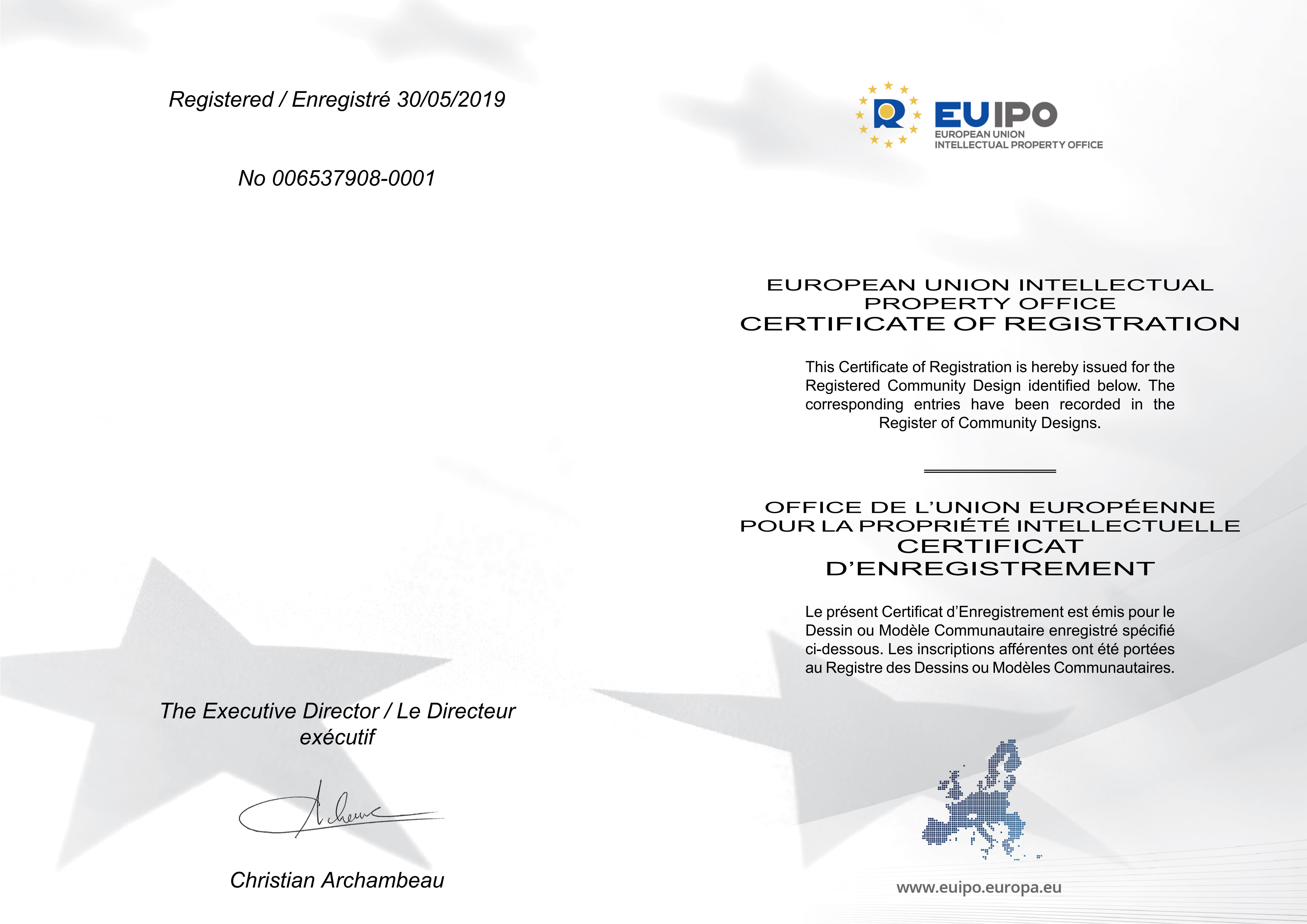
- Design and utility IP — US Design Patent US D864,399 S for teeth-whitening equipment, valid to 2034-10-22, and EU Registered Community Design RCD No. 008220263-0001 registered with EUIPO for the upright rechargeable whitening apparatus, protected across all 27 EU Member States. The gum-protecting whitening strip is also covered by US Utility Patent US 12,350,120 B1, issued 2025-07-08.
Step-by-Step Breakdown: How to Verify a Supplier's Dossier
Run these steps in order. Each one can stop a non-compliant order before money changes hands.
Risk checklist
- Formulation active and concentration confirmed in writing, and inside the EU over-the-counter limit.
- CPSR and PIF supplied for the exact SKU and pack size.
- CPNP notification reference supplied; SCPN treated as a separate UK item.
- ISO 22716 certificate scope explicitly names whitening strips.
- ISO 13485 / MDSAP certificate scope and market list reviewed, and not treated as EU market access.
- All certificate expiry dates later than the planned retail season.
- MSDS and COA available per shipment; HS code 3306.90.00 confirmed.
- Label wording reviewed for precise, non-promotional claims.
Use Cases
Use case 1 — EU distributor launching a peroxide-free private-label strip. The buyer selects a PAP or PAP-plus-charcoal dry strip in 7, 14 or 21 strip packs and requests CPSR, PIF and CPNP for the chosen SKU. The formulation side is already inside the EU over-the-counter framework, so the compliance work concentrates on labelling, safety file and notification rather than reformulation.
Use case 2 — Brand already selling a 6% hydrogen peroxide strip outside the EU. The existing specification cannot be carried into the EU as an over-the-counter cosmetic. The practical route is a parallel EU SKU built on a peroxide-free base while the original product continues in its current markets. This is a product-line decision, not a paperwork decision, and it should be made before artwork is commissioned.
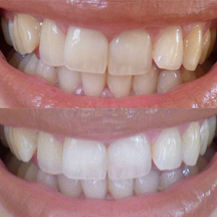
Use case 3 — Clinic and professional channel. Professional whitening presentations sit closer to the device route and to the CE-MDR side of the dossier. A clinic-supply case in this supplier's record covers 500 thousand units for dental clinics and beauty salons, with a documented result of teeth whitened by 5–8 shades in one treatment and zero sensitivity reports from 5000+ patients. For clinical buyers, the compliance conversation and the performance conversation happen in the same meeting.
Use case 4 — E-commerce private label. A platform-owned brand case covers 1 million units with a documented 99.8% positive feedback rate and zero safety or compliance incidents. The stated highlight of that project is directly relevant here: all labels use precise wording based on legal definitions to ensure alignment with industry standards. Label discipline is a compliance control, not a copywriting preference.
Comparison Table: What Each Document Actually Proves
| Document / Certificate | What it demonstrates | Market coverage recorded on the certificate | Counts as EU market access? |
|---|---|---|---|
| CPSR | Safety assessment of a specific cosmetic formulation | EU cosmetics | Yes — core EU cosmetic dossier item |
| PIF | Master technical and safety file held for the cosmetic product | EU cosmetics | Yes |
| CPNP | Notification of the cosmetic product on the EU portal | European Union | Yes |
| SCPN | UK notification counterpart | United Kingdom | No — UK, not EU |
| ISO 22716:2007 (SZ2312B8, Intertek) | Cosmetics Good Manufacturing Practice; scope names whitening strips and pens | EU, USA, Global; valid to 2026-12-12 | Supports EU expectations; not a product authorisation |
| ISO 13485:2016 / MDSAP (206537.250906, UL LLC) | Medical device quality system and audit programme | USA, Brazil, Australia, Canada, Japan; valid to 2028-09-05 | No — MDSAP is not an EU scheme |
| GMPC (SZ2312B9, Intertek) | US FDA cosmetic GMP guidelines (2022) | USA; valid to 2026-12-12 | No |
| BSCI (SGS) | Social compliance audit, amfori Code of Conduct 2024 | Global; Monitoring ID 25-0338381-1 | No |
| VEGAN 22521 (International Vegan Alliance) | Vegan certification across 23 SKUs | Global; valid to 2027-04-21 | No |
| HALAL 52185957421871 (HFC) | Halal certification across 22 SKUs | Middle East, Southeast Asia, global Muslim markets; valid to 2026-11-21 | No |
| MSDS / COA | Substance safety data and batch analysis | Per shipment | Supporting only |
The pattern is simple: only the first three rows are EU market access. Everything else either supports the file or opens a different market.
Frequently Asked Questions
Is it compliant for the EU market?
Yes, subject to format. For cosmetic products the manufacturer can offer CPSR, CPNP and PIF. For medical devices, CE-MDR registration has been completed. The determining factor is the formulation: EU Regulation (EC) No. 1223/2009 restricts hydrogen peroxide in over-the-counter teeth whitening products to 0.1% or less, so a peroxide-free strip specification is the compliant route for standard EU retail.
Where can I find a peroxide-free teeth whitening strips manufacturer?
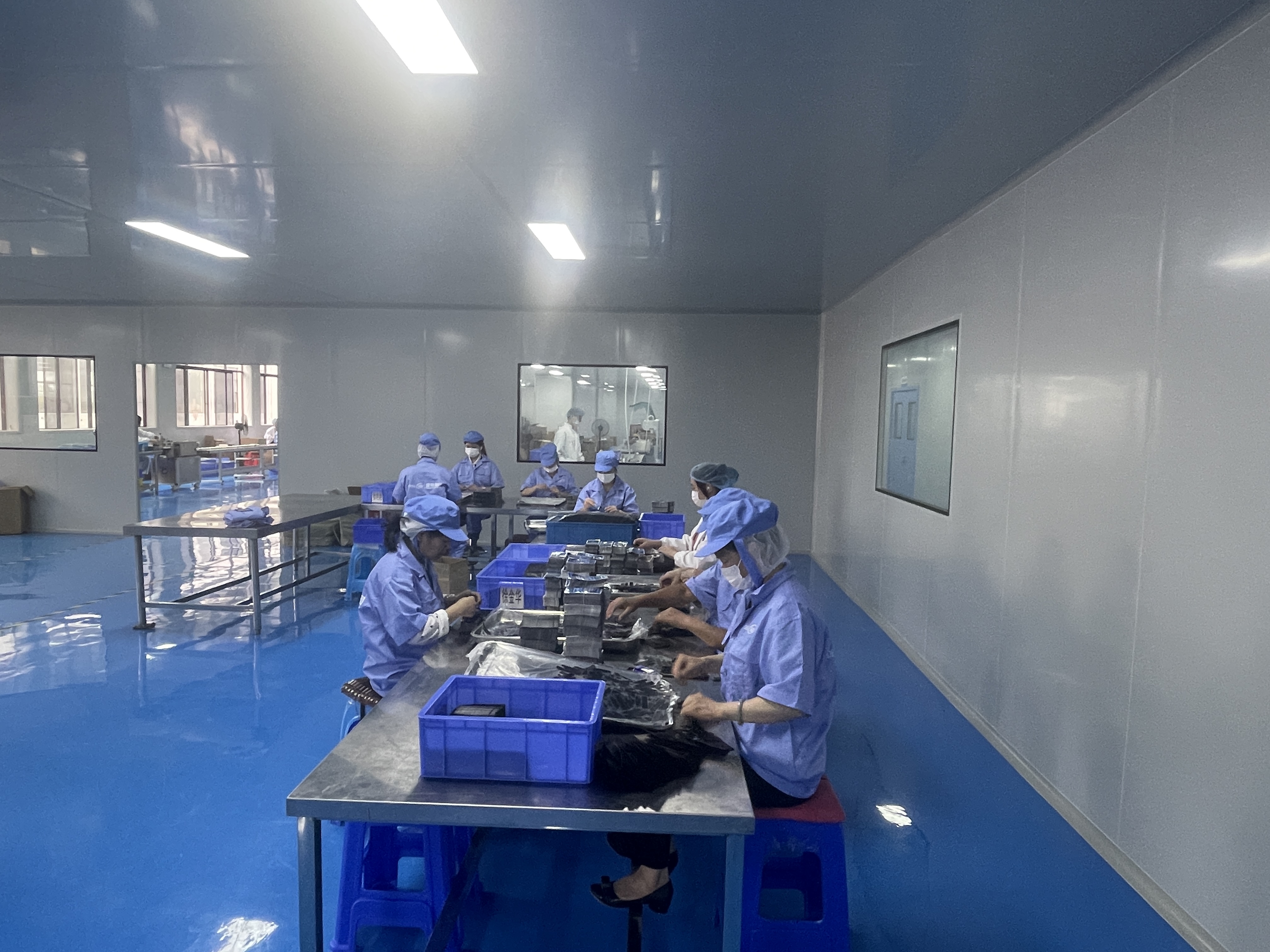
Look for a manufacturer whose strip range already includes PAP-based, peroxide-free options rather than one that must reformulate from scratch. Jiangxi Dentalbright Technology Co., Ltd., operating as Glorysmile Factory, is an oral care manufacturer founded in 2008, with a 36,000 m² facility completed in 2013 at Makou Industrial District, Yongxiu Town, Jiangxi Province, China. Its strip range includes three-layer dry strips, wet strips and dissolving strips, with formulations built on PAP, PAP plus charcoal, purple colour corrector, sodium phytate and sodium bicarbonate, in 7, 14 or 21 strip packs. Monthly strip capacity is 29.2 million pieces, and the factory holds ISO 22716:2007 and ISO 13485:2016/MDSAP certification.
What is the MOQ for private-label whitening strips?
For this supplier the minimum order quantity is 200 pieces for private label and 1 piece for regular product. That structure allows a brand to validate the finished pack before committing to a full production run.
Can we order samples before committing to a production run?
Yes. The OEM/ODM service covers formulation support, free sampling and professional package design, so a sample can be reviewed alongside the compliance documents for the same specification. The material safety data sheet is also available on request, and the full catalogue can be downloaded at the link below.
How long does production take?
Lead time varies depending on order volume, product specifications, customisation complexity and the current production schedule. A precise delivery timeline is provided on order confirmation. Because certificate validity dates run on their own calendar, it is worth aligning the production window with the certificate expiry dates listed in the table above rather than assuming both move together.
Conclusion
Entering the EU with whitening strips is a document problem before it is a marketing problem. The formulation decides the route: over-the-counter cosmetics cap hydrogen peroxide at 0.1% or less under Regulation (EC) No. 1223/2009, which makes a peroxide-free PAP strip the standard-issue EU specification. The route then decides the file: CPSR, PIF and CPNP notification for cosmetics, ISO 22716:2007 cosmetics GMP underneath, and ISO 13485:2016 / MDSAP where the product is positioned as a device — remembering that MDSAP is recognised in the USA, Brazil, Australia, Canada and Japan, not in the EU.
Verification is a checklist, not a conversation. Confirm the active and its concentration, request the safety file and the notification reference for the exact SKU, read the certificate scope and validity dates, and check the HS code, MSDS and label wording before the first container moves. Buyers who run those steps in the Research and Evaluation stage rarely meet a customs problem in the Execution stage.
Request the compliance dossier and a peroxide-free strip sample
Download the full product catalogue, or contact the export team for CPSR, PIF and CPNP documentation on a specific whitening strip SKU.
Download the Glorysmile product catalogue (PDF)
Tasha · tasha@enjoywhite.com · +86 177 7911 0152 · WhatsApp: +86 177 7911 0152
Makou Industrial District, Yongxiu Town, Nanchang (Jiujiang) City, Jiangxi Province, China · www.glorysmile.com
Have Questions or Need More Details?
Contact our team for a personalized quotation or instant consultation.
Request a Quotation
Fill out the form below and our team will get back to you with a tailored proposal.
WhatsApp Direct Chat
Prefer to chat in real-time? Message us on WhatsApp for instant assistance & quick answers.
- Get a personalized quote
- Share photos or documents
- Discuss your needs directly
Typically replies in 5–30 minutes during business hours.