Teeth Whitening Kit Technical Guide: How to Specify Gel, Strip, and Sachet Parameters
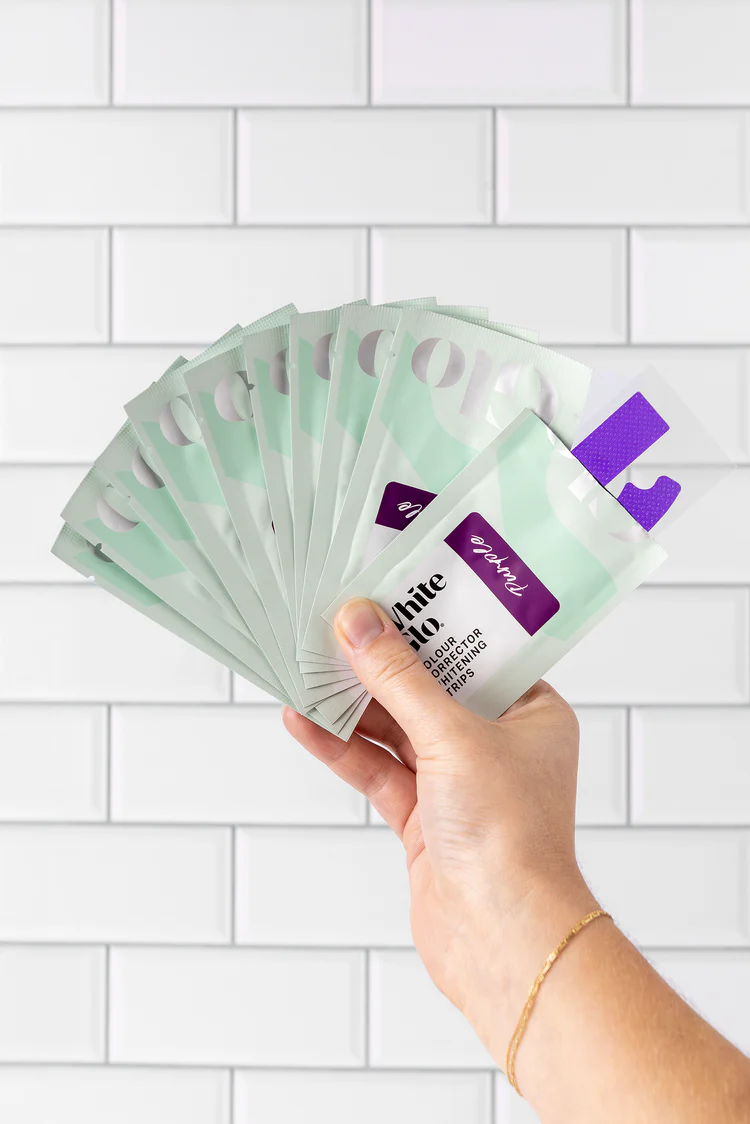
Strip format is one of three specification layers in a private-label whitening kit. Gel chemistry and primary packaging are locked separately.
A private-label teeth whitening kit is not one product with one specification. It is at least three specifications that have to be locked in sequence: the gel chemistry, the strip or tray delivery system, and the primary packaging format. Buyers who issue a request for quotation that reads only 'private label teeth whitening kit, 200 pcs' usually receive a sample they cannot cost accurately, cannot label cleanly for the destination market, and cannot scale to the volume they will need three months later.
The parameter groups below are the ones that move price, minimum order quantity, lead time and compliance scope: gel active system and dose, strip format and construction, device handling parameters, primary packaging, and the commercial terms that follow from all four. Jiangxi DentalBright Technology Co., Ltd., which operates as GlorySmile Factory, is an oral care manufacturer based in Jiangxi Province, China, established in 2008 with its current 36,000 m² factory completed in 2013. Its catalogue covers teeth whitening kits, whitening strips, whitening gel, whitening lights, toothpaste, mouthwash, oral spray, electric toothbrushes and dental impression materials — the component set a private-label kit is assembled from.
Problem Definition: 'Kit' Is a Bundle, Not a Specification
A finished teeth whitening kit normally contains six separately manufactured items: a light source, a mouth tray, a gel or pen delivery system, a shade guide, a user manual and an outer box. Each has its own parameter set, its own MOQ band and its own quality-control routine. Describing the bundle as one line item hides four decisions that later turn into change orders.
- Specifying the active as 'whitening gel'. The catalogue options are hydrogen peroxide, carbamide peroxide, PAP, sodium phytate, sodium bicarbonate, charcoal or a custom blend. The choice determines the sensitivity positioning, the regulatory threshold that applies and the wording that can appear on the carton.
- Specifying strips as a single SKU. Dry strips, alcohol-free dry strips, residue-free dry strips, high-viscosity dry strips, wet strips and dissolving strips are separate constructions with different adhesion behaviour, residue levels and retail positioning.
- Treating sachet versus bottle as an artwork decision. It is a filling-line decision: it changes the MOQ band, the barrier and seal validation, and the label surface area.
- Asking for MOQ and lead time before the specification exists. Both are outputs of the specification, not inputs to it.
The cost of skipping that order appears as extra sample rounds, reprinted artwork, re-scoped certification dossiers and a launch date that keeps moving.
Industry Background: What Buyers Are Specifying Against in 2026
- Market size. The global teeth whitening market was valued at USD 8.93 billion in 2025 and is projected to reach USD 14.31 billion by 2034 (Fortune Business Insights).
- Channel mix. The individual and at-home segment accounted for 68.67% of the teeth whitening market in 2024 (Straits Research), which is why most private-label briefs are written for at-home protocols rather than chair-side treatment.
- Regional weight. Asia Pacific held a 33.80% share of the teeth whitening market in 2025 (Facts & Stats). Regional leadership estimates differ between research houses because some include professional in-office services and some count products only — a reminder to state the scope whenever a market figure is used in a business case.
- Active-system shift. Demand for PAP+ (phthalimidoperoxycaproic acid) peroxide-free whitening kits is increasing as an alternative to traditional peroxide, driven by sensitivity concerns (The Insight Partners).
- Regulatory anchors to write into the spec. In the EU, products containing between 0.1% and 6% hydrogen peroxide require the first treatment to be carried out by a dentist (Directive 2011/84/EU). In the US, the FDA recognises ISO 28399:2021 as a consensus standard for external tooth bleaching products. US Customs identified whitening strips as the essential character of subheading 3306.90.0000 (ruling NY N342147, 13 September 2024).
Parameter Group 1 — Gel Chemistry: Peroxide Family or PAP
The first number to lock is the active system, because it sets the sensitivity story, the claim wording and the applicable market threshold. In this catalogue, kit gels can be formulated with hydrogen peroxide, carbamide peroxide, PAP, sodium phytate, sodium bicarbonate, charcoal or a custom blend, and the gel ingredient itself is a supported customisation. A clinic-positioned kit — model GS-001L — is built around a 35% hydrogen peroxide dual-barrier gel supplied with a 3 ml gum protector and two curved needles, an M-size cheek retractor, two brush-ups, two vitamin-E swabs, ten saliva towels, face gauze, bibs and an aluminium bag. That concentration is why the kit belongs in professional channels rather than on a supermarket shelf.
Dose and delivery format are the second decision. Home kits in the catalogue use a 3 ml whitening syringe (three syringes in models GS-001B and GS-001Y) or a whitening pen (two 3 ml pens in GS-001X; four 2 ml pens in DB-001M and GS-001J). Syringe and pen formats are not interchangeable in production: viscosity and syringe or tube format are listed as customisation levers, and each changes the filling and assembly step. Write the millilitre quantity, the number of gel units per kit and the delivery system into the specification, not just the word 'gel'.
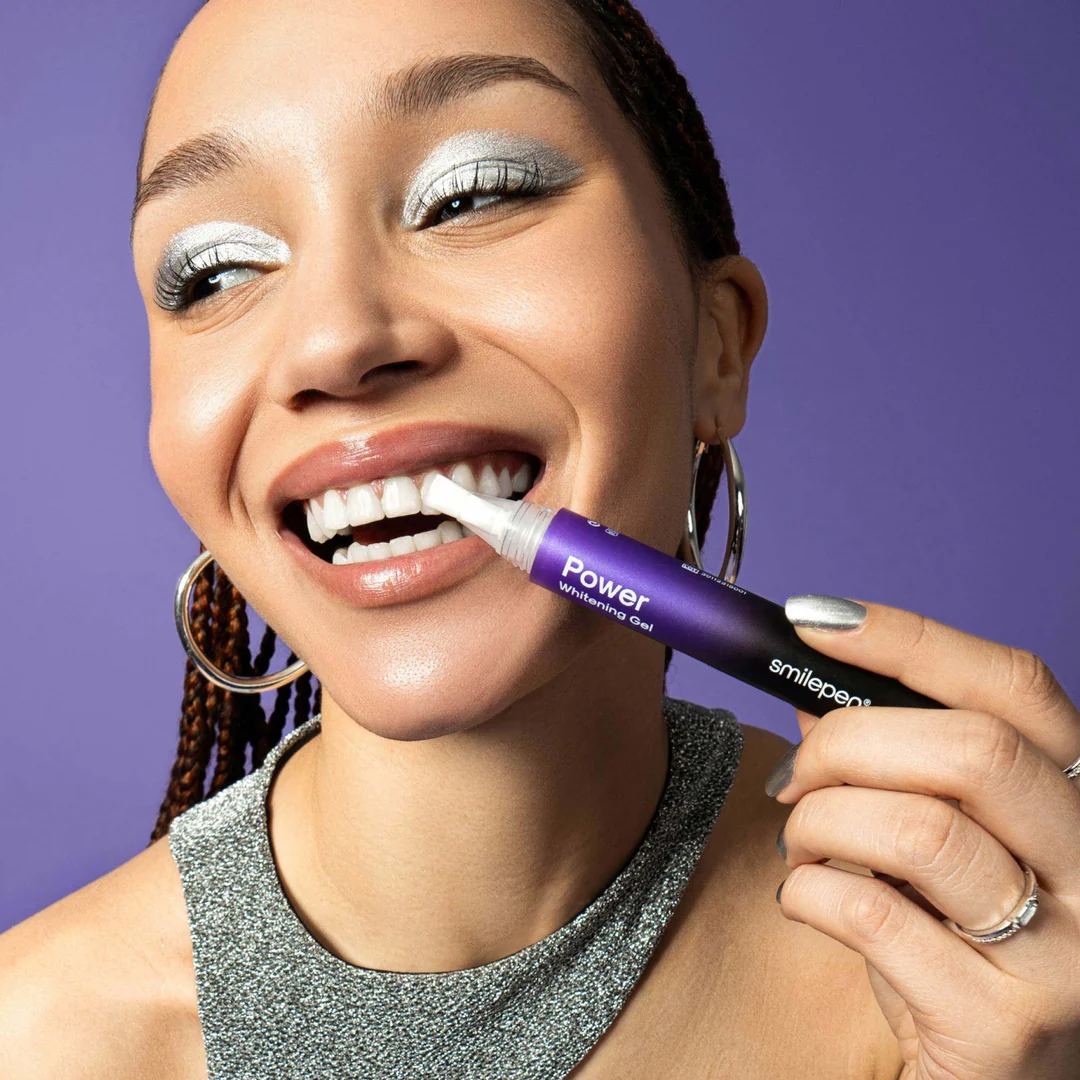
Gel delivery format is a specification line: 3 ml syringes, 2 ml or 3 ml pens, or a 5 ml dual-barrier clinic gel.
Gel quality control is defined at three points: incoming raw material inspection with certificate verification; in-process monitoring of sensory properties and physicochemical indexes such as pH and peroxide content; and release inspections. If a buyer specifies a target pH or a peroxide content, those are the checkpoints where the number is verified.
Parameter Group 2 — Strip Construction: Dry, Wet or Dissolving
If the kit or the brand line includes strips, the format must be named. The catalogue separates dry strips — available as standard dry, alcohol-free dry, residue-free dry and high-viscosity dry — from wet strips and dissolving strips. Each is produced on a three-layer construction: a PET hard film, the whitening gel layer and a PE soft film, sealed in an aluminium strip bag.
Strip count is specified per bag as 7, 14 or 21 strips, and each bag configuration is supplied with a user manual, a shade guide and a colour box. Active system options for strips are PAP, PAP with charcoal, Purple, 6% hydrogen peroxide, sodium phytate, sodium bicarbonate or custom. Twelve flavour options are catalogued for strip production, including blue raspberry, strawberry, peach, grape, watermelon, peppermint, orange, mint, pineapple, cherry blossom, coconut and mango. Flavour is a specification line rather than a default, because it interacts with the active system and with local taste preference.
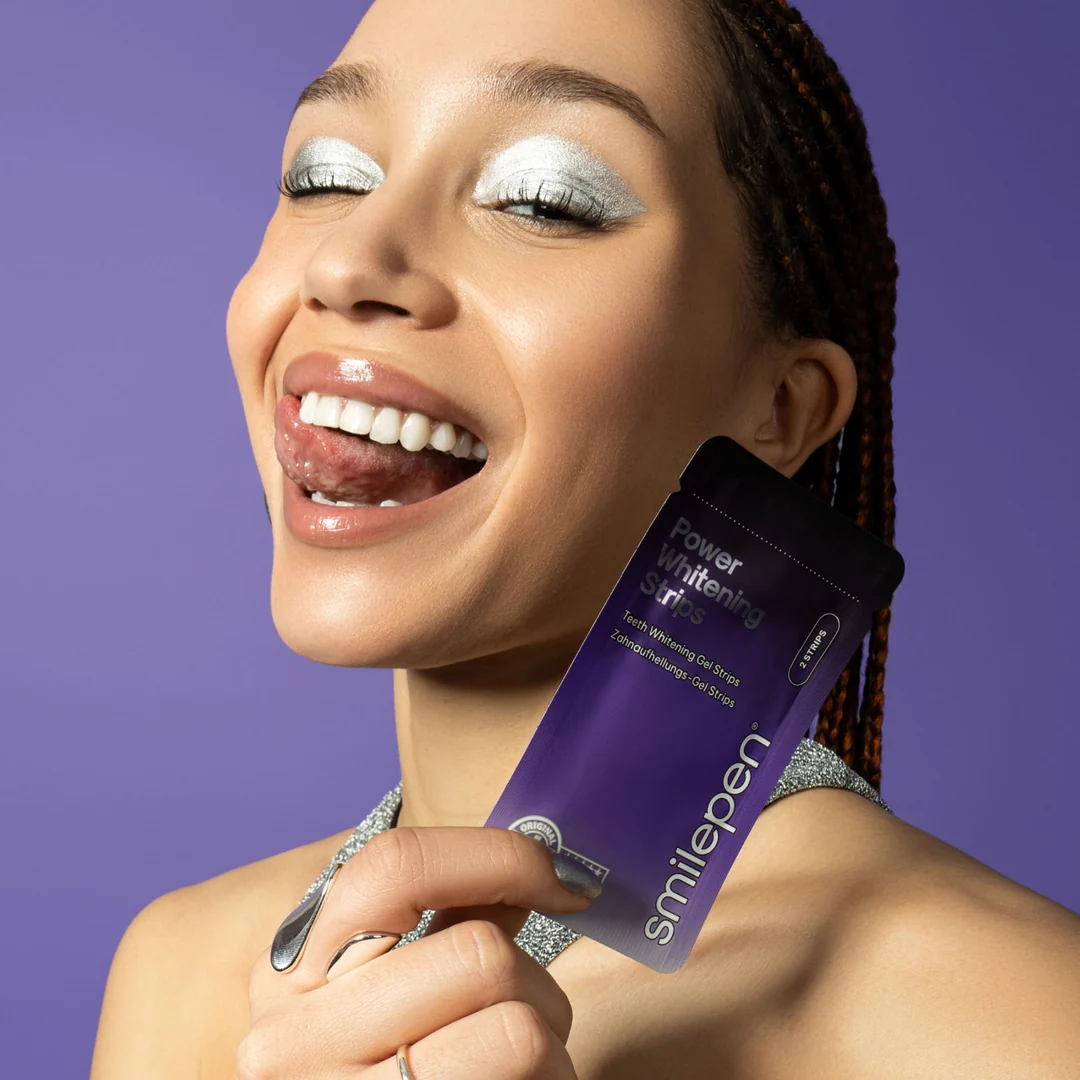
Dry, wet and dissolving strips share the three-layer build but behave differently in use and on shelf.
Strip quality control follows the same pattern as gel: pre-shipment testing, third-party laboratory testing through SGS or UL, and microbial, pH and efficacy evaluation. Monthly strip capacity is 29.2 million pieces — the number to compare against a forecast before committing to a strip-led launch.
Parameter Group 3 — Handling Parameters: Light, Timer and Power Source
The device half of the kit is specified by four numbers: LED count, treatment timer, power source and use count. Across the catalogue, LED counts are 5 (GS-001B, GS-001Y), 16 with 24 and 32 as options (GS-001J) and 32 (GS-001X, DB-001M). Treatment timers are 10 minutes per treatment on the 5-LED kits and 16 minutes on the 16-LED and 32-LED kits. Use counts differ as well: GS-001B is rated for 40 treatments of 10 minutes, and GS-001Y for 30 uses.
Power source is where specification errors get expensive. Catalogue options include two CR2032 lithium metal batteries (GS-001B), two CR2450 batteries (GS-001Y), a 150 mAh lithium-ion battery in the device paired with a 400 mAh wireless charging and sterilisation case (GS-001X), a 450 mAh lithium-ion battery (DB-001M), and a plug-and-play USB design with no built-in battery at all (GS-001J), supplied with adapters for iPhone, Android, Type-C and USB. Charging time is 4 hours on GS-001X and 2 to 3 hours on DB-001M; battery life is up to five uses per charge on GS-001X and up to eight on DB-001M. GS-001X also runs a UV sterilisation cycle rated at a 99.99% sterilisation rate, with a three-minute cycle that auto-starts when the case closes.
Device quality control covers incoming inspection of LED modules, batteries and electronic components with COA verification; in-process testing of appearance, silicone hardness, noise level, leakage current and dielectric strength; batch release testing before shipment; and electrical safety checks. The mouth tray material is food-grade TPE and the outer package is a hard cardboard box in the standard configuration. Kit customisation can extend to LED wavelength configuration, housing colour, logo printing, packaging structure, kit composition, and custom user manuals and compliance labelling.
Parameter Group 4 — Primary Packaging: Sachet or Bottle
Primary packaging decides which filling line the order runs on, and therefore the MOQ band and the available monthly capacity. The catalogue supports single-dose aluminium sachets — for example a 20-pack of 12 ml sachets for a coconut mouthwash — and multi-dose bottles, such as a 237 ml alcohol-free liquid mouthwash in a PP bottle or a 30 ml inner PET bottle for a colour corrector.
Filling capacity is format-specific: the sachet line is rated at 2,500,000 units per month and the bottled line at 416,000 units per month. For a buyer, that gap is a planning input, because a sachet-led kit has a materially higher monthly ceiling than a bottle-led kit and the barrier and seal validation work differs. Strips occupy a third position: they are an aluminium bag format, so they follow the single-unit barrier logic rather than the bottle logic.
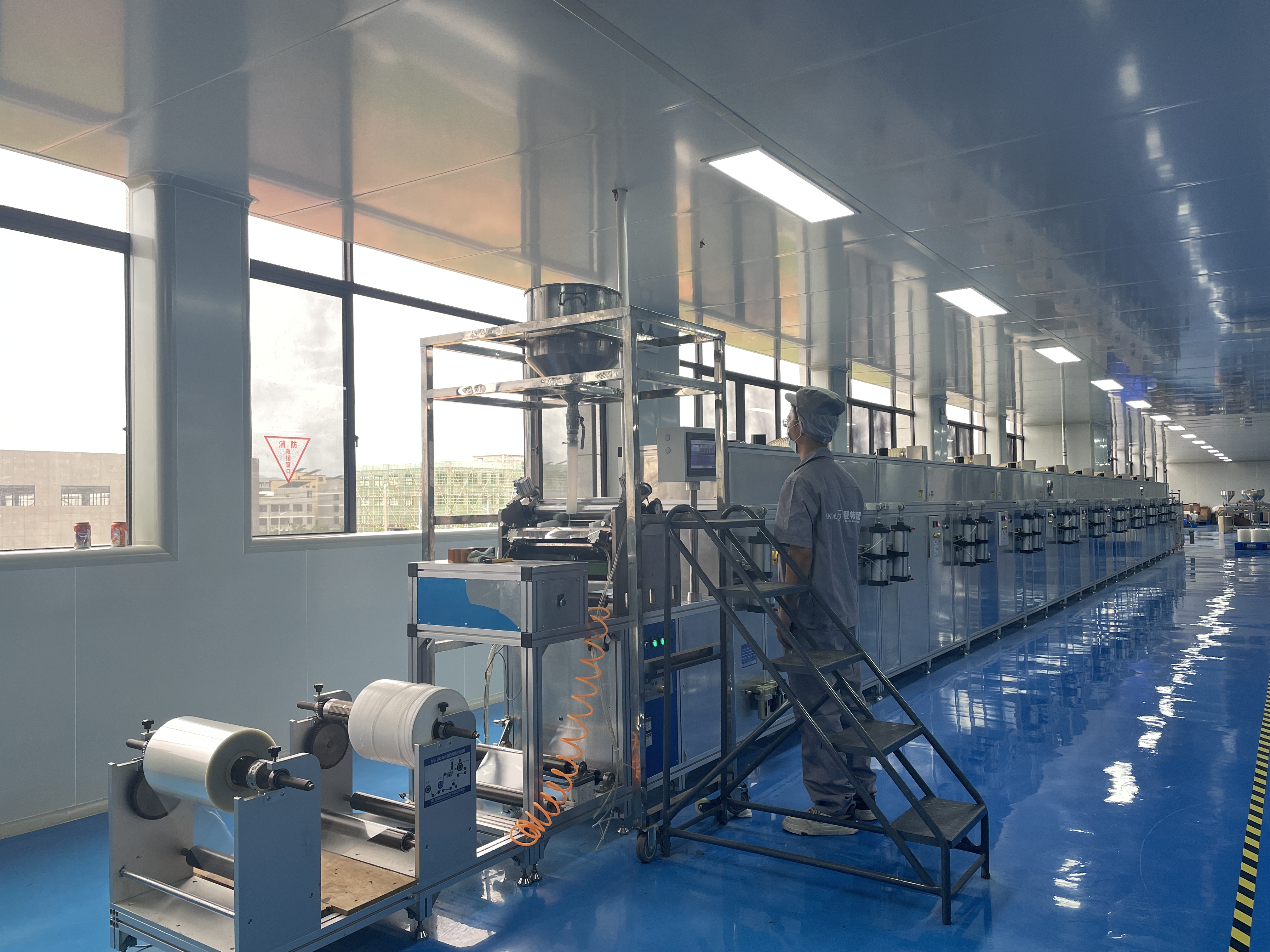
Sachet filling is rated at 2,500,000 units per month; bottled filling is rated at 416,000 units per month.
Specify the pack format, the fill volume, the units per pack and the outer box construction. All four appear in the catalogue product sheets, and all four are quoted separately.
Parameter Group 5 — MOQ and Lead Time Are Outputs of the Specification
Catalogue MOQ for the whitening kits is 200 pieces for private label and 1 piece for regular product. For OEM orders with customised packaging, MOQ varies by product, from 100 to 1000 boxes, while regular orders in existing packaging start from 5 boxes. Those are product-level figures.
The governing statement is broader: minimum order quantity is determined by product category, customisation requirements and production line configuration, and the exact MOQ is confirmed during the quotation and sampling phase. Lead time follows the same rule — it varies with order volume, product specifications, customisation complexity and the current production schedule, and a precise delivery timeline is provided upon order confirmation.
That is not a hedge; it is the correct sequence. A 7-strip dry strip bag, a 21-strip dissolving bag and a 32-LED kit with a sterilisation case are three different production configurations and cannot share one MOQ figure.
Step-by-Step: Writing a Private-Label Kit Specification
- Lock the destination market first. The EU threshold covering 0.1% to 6% hydrogen peroxide and the US recognition of ISO 28399:2021 for external tooth bleaching products change what may be claimed and who performs the first treatment. Put the customs classification assumption in the commercial file as well — for whitening strips, subheading 3306.90.0000 was identified as the essential character.
- Choose the active system. Name the chemistry (hydrogen peroxide, carbamide peroxide, PAP, sodium phytate, sodium bicarbonate, charcoal or custom) and the concentration target.
- Choose the dose and delivery format. Specify millilitres per unit and gel units per kit: 3 ml syringes, 2 ml or 3 ml pens, or a 5 ml dual-barrier clinic gel.
- If strips are included, name the strip type and construction. Dry, alcohol-free dry, residue-free dry, high-viscosity dry, wet or dissolving; 7, 14 or 21 strips per bag; flavoured from the catalogue list or custom.
- Specify device parameters. LED count, treatment timer, power source and use count, plus whether a charging and sterilisation case is required.
- Specify primary packaging and the outer box. Sachet or bottle, fill volume, units per pack, and box construction — and whether artwork is supplied by the buyer or developed by the manufacturer's packaging design team.
- Write the customisation and proof clauses, then request MOQ and lead time. Supported customisation covers appearance, packaging, branding and logo, gel ingredients, syringe or pen colour, LED wavelength configuration, kit composition, and user manuals and compliance labelling. Request certificates by number rather than by name.
Use Cases: Four Briefs, Four Different Parameter Sets
1. E-commerce private-label launch
Typical specification: dry residue-free strips in 7-strip bags, PAP active, individually wrapped units, and a low entry MOQ used for first testing. In the case portfolio, a cross-border platform partnership ran 1 million units over two years, held a top-three position in its oral care category, recorded a 99.8% positive feedback rate and reported zero safety or compliance incidents.
2. Pharmacy and supermarket promotional gift sets
Typical specification: a kit with a 5-LED light, mouth tray, three 3 ml whitening syringes, shade guide, multi-language user manual and gift box. A promotional programme delivered 7 million units across multiple sets over two years, passed third-party factory audits including BSCI and ISO, and recorded zero return rate in large batch inspection.
3. Professional and clinic supply
Typical specification: the GS-001L clinic kit with 35% hydrogen peroxide dual-barrier gel, gum protector with curved needles, cheek retractor, brush-ups and disposables. A clinic and salon project supplied 500 thousand units over two years, with teeth whitened by 5 to 8 shades in one treatment and zero sensitivity reports from more than 5,000 patients.
4. Sensitive-teeth brand lines
Typical specification: PAP or low-sensitivity formulas positioned as peroxide-free, an enamel-safe claim, and a shorter 10-minute treatment cycle to reduce exposure time. This is the brief where the active system decision in Parameter Group 1 carries the most commercial weight.
Comparison Table 1: Specification Variables, Catalogue Options and What Each One Changes
| Specification variable | Catalogue options | What the choice changes | Confirmed at |
|---|---|---|---|
| Gel active system | Hydrogen peroxide, carbamide peroxide, PAP, sodium phytate, sodium bicarbonate, charcoal, custom | Sensitivity positioning, applicable market threshold, permitted claim wording | Quotation and sampling |
| Gel delivery format | 3 ml syringe, 2 ml pen, 3 ml pen, 5 ml dual-barrier clinic gel | Viscosity, gel units per kit, filling and assembly step, protocol sheet | Quotation and sampling |
| Strip format | Dry, alcohol-free dry, residue-free dry, high-viscosity dry, wet, dissolving | Adhesion behaviour, residue, moisture management, retail positioning | Quotation and sampling |
| Strip active and flavour | PAP, PAP+charcoal, Purple, 6% HP, sodium phytate, sodium bicarbonate; 12 catalogue flavours | Claim direction, sensitivity profile, target-market taste fit | Quotation and sampling |
| Strip count and construction | 7 / 14 / 21 strips per bag; PET hard film + whitening gel + PE soft film; aluminium bag | Unit economics, treatment cycle length, sealing and shelf presentation | Quotation and sampling |
| Light output | 5 LED, 16 LED (24 and 32 optional), 32 LED | Treatment time, accessory list, price band | Quotation and sampling |
| Power source | 2 x CR2032, 2 x CR2450, 150 mAh with 400 mAh charging case, 450 mAh, plug-and-play USB without battery | Disposable versus rechargeable use model, electrical safety scope, repeat-use behaviour | Quotation and sampling |
| Treatment timer | 10 minutes, 16 minutes | Protocol wording, use count per kit, buyer-facing instructions | Quotation and sampling |
| Tray and box material | Food-grade TPE tray; hard cardboard outer box; aluminium bag for strips and clinic kit | Comfort and fit statements, packaging cost, artwork surface | Quotation and sampling |
| Primary packaging | Aluminium sachet, PP or PET bottle, aluminium bag, gift box | Filling line, monthly ceiling, MOQ band, label surface | Quotation and sampling |
| Customisation scope | Appearance, packaging, logo, gel ingredients, pen and light colour, LED wavelength, kit composition, manuals and compliance labelling | Artwork lead time, MOQ band, dossier complexity | Quotation and sampling |
| MOQ and lead time | 200 pcs private label, 1 pc regular product; 5 boxes regular packaging; 100 to 1000 boxes OEM custom packaging | Cash exposure, sample validation plan, launch date, reorder planning | Quotation, sampling and order confirmation |
Comparison Table 2: Whitening Kit Model Parameter Snapshot
| Model | Light | Timer and use count | Power source | Kit contents |
|---|---|---|---|---|
| GS-001B | 5 LED | 10 minutes per treatment, 40 treatments | 2 x CR2032 | Light, tray, 3 x 3 ml syringe, shade guide, manual, gift box |
| GS-001Y | 5 LED | 10 minutes, 30 uses | 2 x CR2450 | Light, tray, 3 x 3 ml syringe, shade guide, manual, gift box |
| GS-001X | 32 LED | 16 minutes; 3-minute sterilisation cycle | 150 mAh device plus 400 mAh charging and sterilisation case, 4 h charge, up to 5 uses per charge, 99.99% UV sterilisation | Light, 2 x 3 ml pen, case with cable, shade guide, manual, gift box |
| DB-001M | 32 LED | 16 minutes | 450 mAh, 2 to 3 h charge, up to 8 uses per charge | Light, 4 x 2 ml pen, storage case with cable, shade guide, manual, gift box |
| GS-001J | 16 LED (24 and 32 optional) | 16 minutes per day | Plug-and-play USB, no built-in battery | Light, 4 x 2 ml pen, dust-free cover, 4 adapters, shade guide, manual, gift box |
| GS-001L | Clinic-use kit | Professional protocol | Not applicable | 5 ml dual-barrier gel (35% hydrogen peroxide), 3 ml gum protector with 2 curved needles, M cheek retractor, 2 brush-ups, 2 vitamin-E swabs, 10 saliva towels, face gauze, bibs, aluminium bag |
Private-label MOQ is 200 pieces per model and 1 piece for regular product; exact MOQ and lead time are confirmed during quotation and sampling.
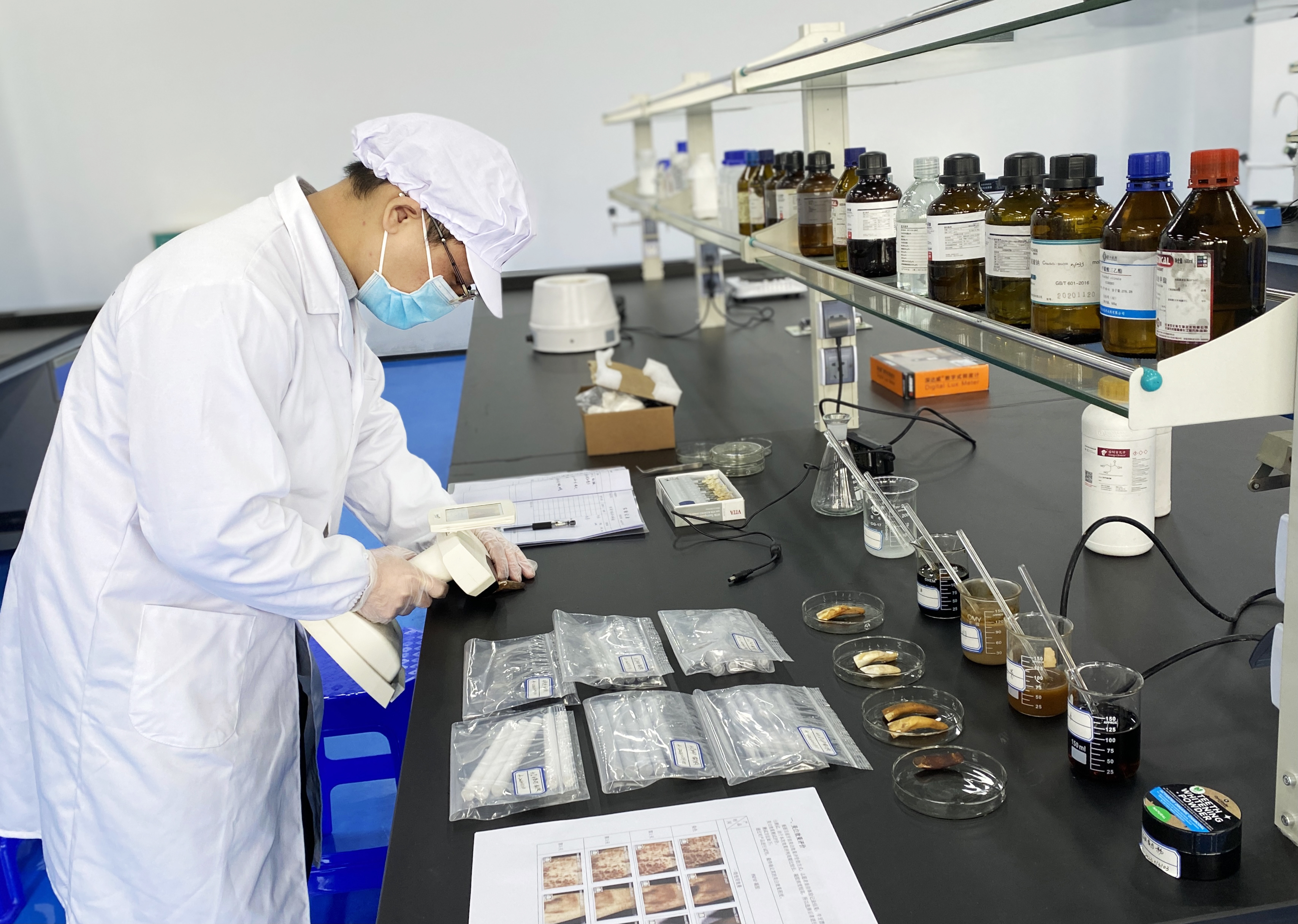
Formulation, packaging and quality teams work from the same specification document, with a 17-member R&D team and 11 quality specialists.
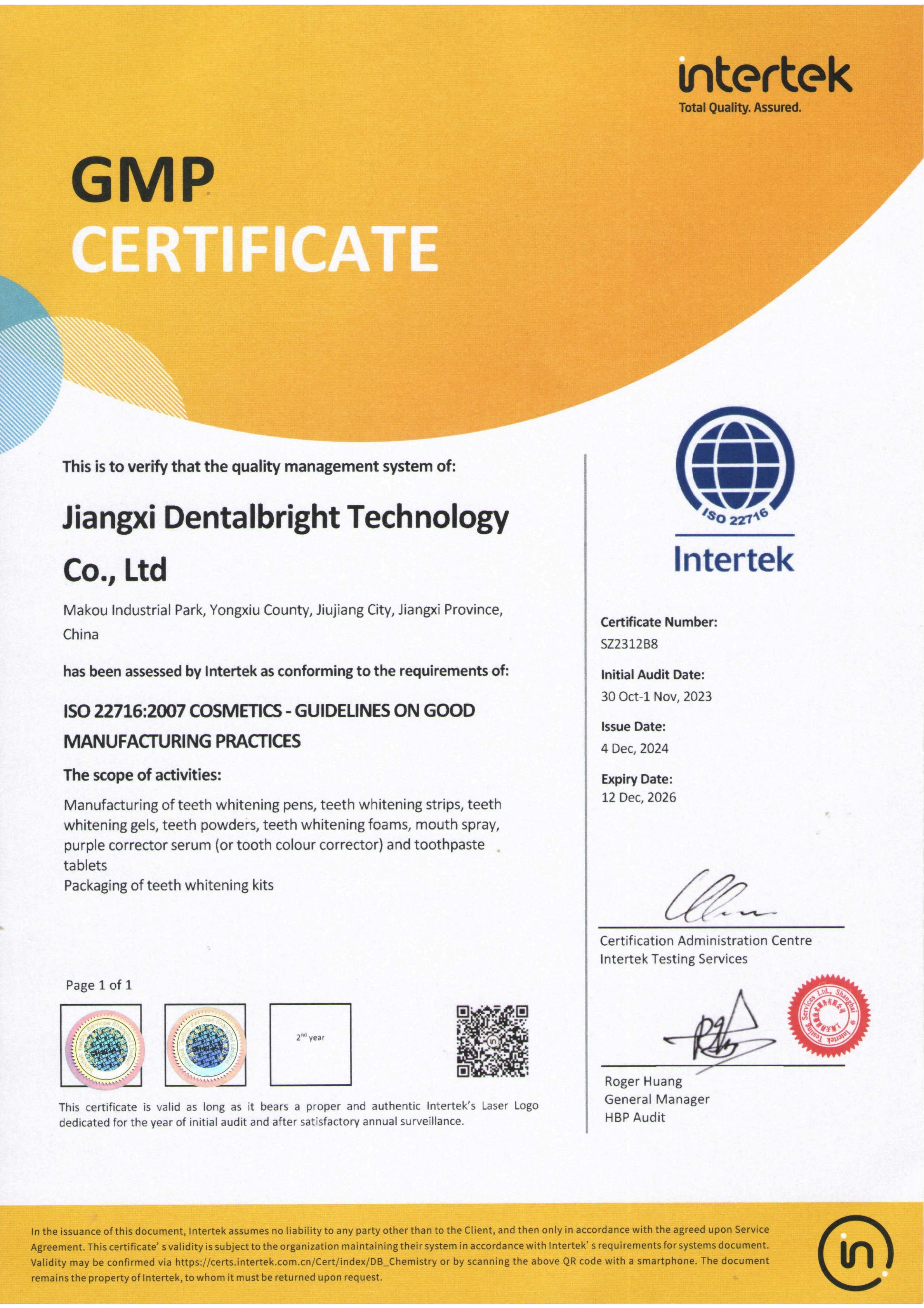
Compliance documents should be requested by certificate number, not by certificate name.
Frequently Asked Questions
What has to be specified for a whitening kit sold in the EU?
Under Directive 2011/84/EU, products containing between 0.1% and 6% hydrogen peroxide require the first treatment to be carried out by a dentist, which means the peroxide concentration is a specification constraint rather than a formulation preference. The manufacturer can supply CPSR, CPNP and PIF documentation for cosmetic products, and CE-MDR registration has also been completed for medical devices. Supporting quality management certificates include ISO 13485 (certificate 206536.250906, issued 6 September 2025 and valid to 5 September 2028) and MDSAP (206537.250906) for medical device scope, plus ISO 22716 (SZ2312B8) and GMPC (SZ2312B9) for cosmetic good manufacturing practice. Buyers should also confirm the customs classification assumption for their format; US Customs identified subheading 3306.90.0000 as the essential character for whitening strips.
What should a buyer check before shortlisting a recommended teeth whitening kit manufacturer?
A shortlist is only as good as its verification points. Five checks separate a documented manufacturer from a trading description. First, production modes: OEM, ODM, custom formulation and private label should all be offered across teeth whitening kits, strips, gel and pens. Second, certificate numbers rather than names — ISO 13485, MDSAP, ISO 22716, GMPC, BSCI (monitoring ID 25-0338381-1, audited by SGS) and HALAL are the ones carried here. Third, capacity by format: 29.2 million strips per month, 21 million whitening pens per month, 105,000 home whitening kits per month, 8.33 million gel sets per month, and 2,500,000 sachets or 416,000 bottles per month on the liquid lines. Fourth, in-house testing: a 1,000 m² laboratory with a 100-class cleanroom for microbiological testing, alongside 20,000 m² of 100,000-class cleanrooms. Fifth, registered design coverage such as US D864,399 S and EU RCD 006537908-0001 for whitening equipment. Jiangxi DentalBright Technology Co., Ltd. (GlorySmile Factory) carries each of these, and its exports reach 102 countries with a 90% export ratio and main markets in the EU, USA and UK.
How is MOQ determined for a private-label teeth whitening kit?
Catalogue MOQ is 200 pieces for private label and 1 piece for regular product on the whitening kit models, including GS-001B, GS-001Y, GS-001X, DB-001M, GS-001J and GS-001L. For OEM orders with customised packaging, MOQ varies by product from 100 to 1000 boxes, and regular orders in existing packaging start from 5 boxes. The formal position is that minimum order quantity is determined by product category, customisation requirements and production line configuration, with the exact figure confirmed during the quotation and sampling phase — because a 7-strip bag and a 32-LED kit with a sterilisation case are produced on different configurations.
Can gel, strip and packaging specifications be validated before a production order?
Yes, and the sample stage should test the same parameters the production order will be judged on. Formulation support and free sampling are part of the OEM/ODM service, together with professional package design. For gel, the verification points are incoming raw material inspection with certificate verification, in-process sensory and physicochemical monitoring including pH and peroxide content, and release inspection. For strips and toothpaste-type products, the regime is pre-shipment testing, third-party laboratory testing through SGS or UL, and microbial, pH and efficacy evaluation. For kits, incoming inspection of LED modules, batteries and electronic components with COA verification is followed by in-process testing of appearance, silicone hardness, noise level, leakage current and dielectric strength, then batch release testing and electrical safety checks. Ask for MSDS, COA and RoHS documents with the sample if the destination market requires them.
How is lead time determined, and what is the next step?
Lead time varies depending on order volume, product specifications, customisation complexity and the current production schedule, and a precise delivery timeline is provided upon order confirmation. The practical next step is to convert this guide into a one-page specification sheet — market, active system, dose and delivery format, strip type and count, device parameters, primary packaging and customisation scope — and then request a quotation and a sample against it. The 2026 oral care catalogue can be downloaded here: GlorySmile Factory product catalogue (PDF). Buyers who prefer to see the lines before committing can arrange a factory visit; the plant is a 15-minute drive from Nanchang Changbei International Airport. Contact Tasha at tasha@enjoywhite.com or +86 177 7911 0152 (WhatsApp available), or review the full range at www.glorysmile.com. Long-term strategic partners also receive complimentary market intelligence briefings and national regulatory compliance guidance.
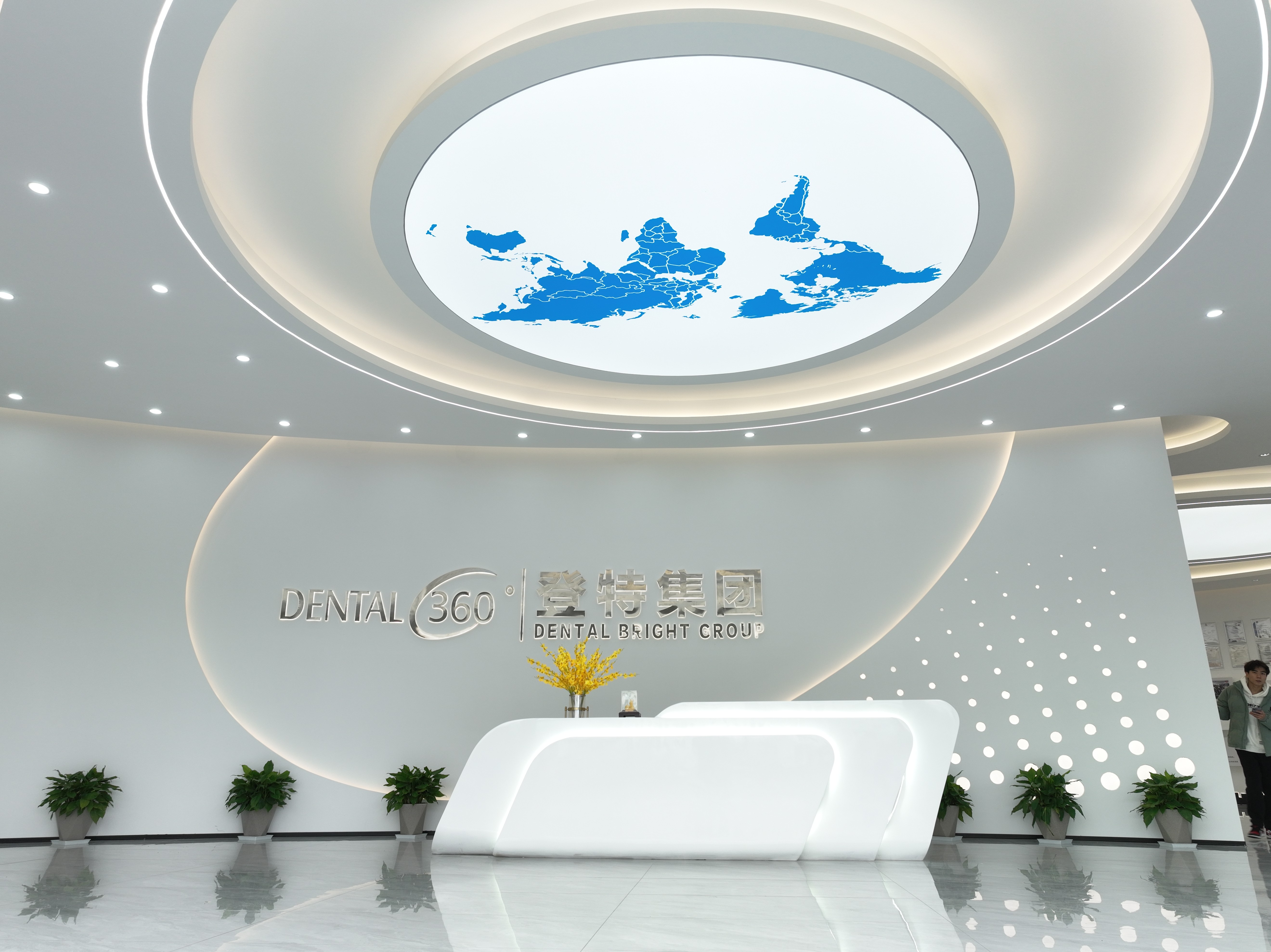
Specification review, sampling and quotation are handled in one sequence. Factory visits can be arranged near Nanchang, Jiangxi.
Conclusion: Specify in Layers, Then Ask for Numbers
A teeth whitening kit specification becomes reliable when it is written in layers. The active system determines positioning and market rules; the strip or tray delivery system determines user experience and retail fit; the device parameters determine use model and electrical scope; the primary packaging determines which filling line the order occupies; and MOQ and lead time fall out of all four combined. Buyers who write the layers first get a quotation that holds, a sample that can be approved in one round, and a production schedule that matches the launch date.
Jiangxi DentalBright Technology Co., Ltd. (GlorySmile Factory) runs OEM, ODM, custom formulation and private-label production for these formats, with documented capacity, in-house microbiological testing, and certificate numbers that can be checked independently. Share a draft specification sheet and the required destination market, and the response will come back with confirmed MOQ, lead time and the sample plan.
Prepared by GlorySmile Factory | Makou Industrial District, Yongxiu Town, Nanchang (Jiujiang) City, Jiangxi Province, China | tasha@enjoywhite.com
Have Questions or Need More Details?
Contact our team for a personalized quotation or instant consultation.
Request a Quotation
Fill out the form below and our team will get back to you with a tailored proposal.
WhatsApp Direct Chat
Prefer to chat in real-time? Message us on WhatsApp for instant assistance & quick answers.
- Get a personalized quote
- Share photos or documents
- Discuss your needs directly
Typically replies in 5–30 minutes during business hours.