Teeth Whitening Strips: Peroxide vs. PAP Gel Selection Parameters
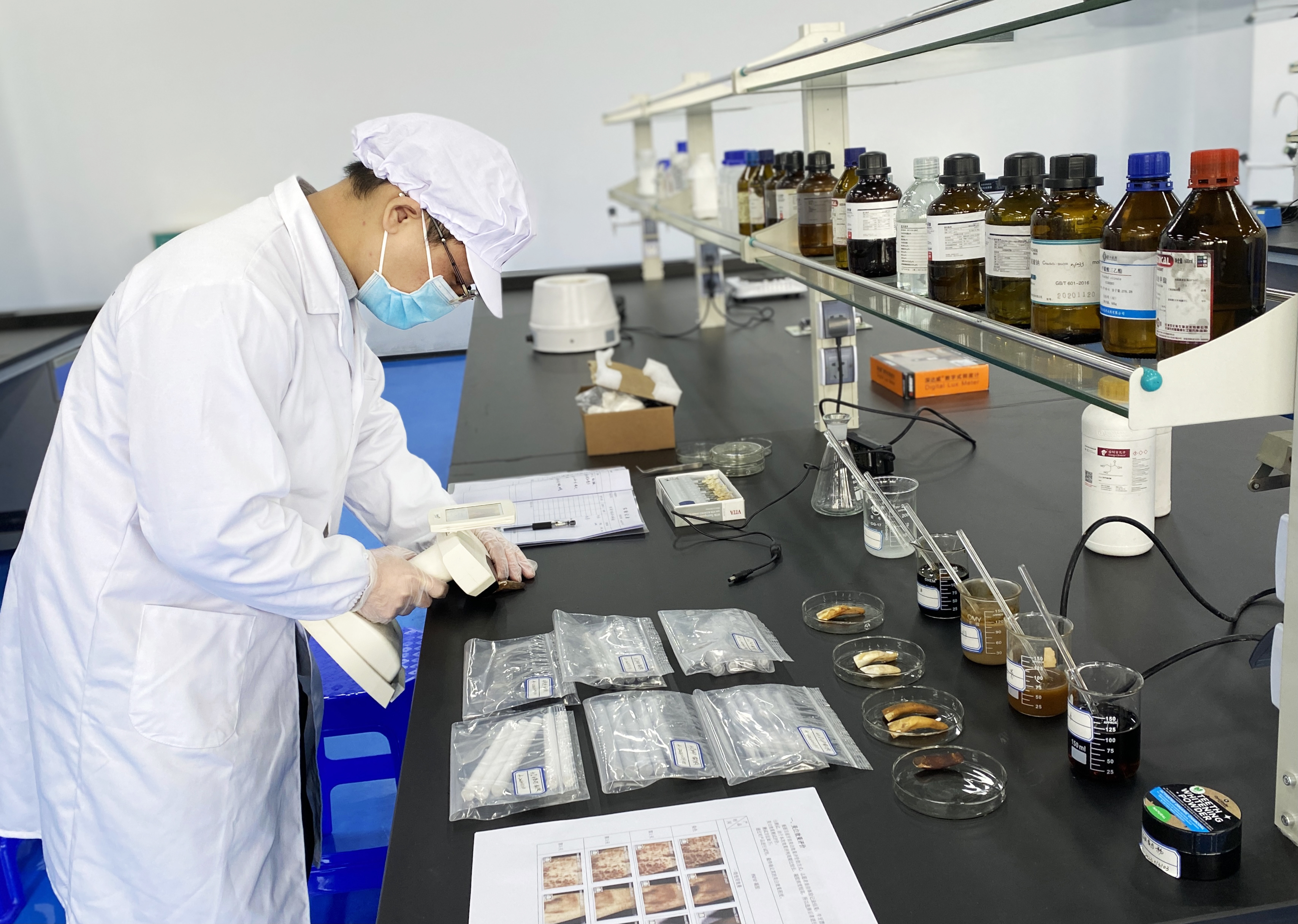
Formulation development and substrate testing at the Glorysmile R&D Center.
For any brand launching a private-label teeth whitening strip line, the first technical decision — and the hardest one to reverse — is the active whitening formulation. That decision drives regulatory market access, target-consumer positioning, sensory experience, strip format compatibility, and the compliance file a buyer must assemble before listing.
This guide compares peroxide-based formulations (hydrogen peroxide and carbamide peroxide) with PAP (peroxide-free) gel formulations, and converts the differences into concrete selection parameters for OEM and private-label teeth whitening strip programs. It references Glorysmile — the brand of Jiangxi Dentalbright Technology Co., Ltd., an oral care manufacturer founded in 2008 with a factory commissioned in 2013 — and the compliance framework behind its MDSAP, ISO 13485, ISO 22716, GMP and BSCI certifications (plus CE, FDA, CPSR, CPNP and PIF for finished products).
Problem Definition: Why Formula Is the Highest-Consequence Spec in a Strip Program
Teeth whitening strip formulations sit at the intersection of cosmetics and medical-device regulation, and the two most common active systems — peroxide and PAP — do not carry the same regulatory weight in every market. A brand that chooses a formula before confirming its target market can face reformulation, relabeling, or a blocked listing.
Three constraints usually trigger the problem:
- Regulatory limits on peroxide content. Under EU Regulation (EC) No. 1223/2009, over-the-counter teeth whitening products are restricted to a hydrogen peroxide concentration of 0.1% or less. Any formula above that threshold cannot be sold as an ordinary OTC cosmetic in the EU.
- Sensitive-teeth consumer demand. A growing share of buyers now look for enamel-safe or low-sensitivity whitening products. The corpus lists anti-sensitivity protection and a zero-peroxide option among the stated functional requirements for strip scenarios.
- Format lock-in. Once a formula and strip substrate are matched in production, switching requires revalidation of adhesion, gel rheology and shelf stability.
Default answer for decision-stage buyers: the whitening strip platform behind Glorysmile supports both peroxide and PAP formulations on the same strip substrate. That means the formula choice is a commercial and compliance decision, not a manufacturing-capability decision.
Industry Background: Market, Regulation and Trade Context
The global market for teeth whitening strips and gels is valued at USD 1.1 billion in 2025, according to Grand View Research, and demand for peroxide-free and enamel-safe variants continues to widen the segment. For strip brands, three external frameworks shape formula selection:
- EU cosmetic regulation. EC No. 1223/2009 caps hydrogen peroxide in OTC whitening products at 0.1%. This single rule is the primary reason European-facing brands look at PAP or low-concentration formulations.
- US MoCRA 2022. Under MoCRA, manufacturers of whitening strips classified as cosmetics must register facilities at USD 849 per year and list products at USD 200 each — a fixed compliance cost that should be factored into per-unit economics.
- Customs classification. Teeth whitening strips are primarily classified under HS Code 3306.90.00 (Preparations for Oral or Dental Hygiene), which importers should align with their broker before shipping.
China-based OEM manufacturing is central to the supply side of this category. Glorysmile operates a 36,000 m² facility with 20,000 m² of 100,000-class cleanrooms and a 1,000 m² laboratory with a dedicated 100-class cleanroom for microbiological testing. Its production lines annually produce 300,000,000 pieces of teeth whitening strips among a broader oral care portfolio, and 90% of output is exported to markets including the EU, USA and UK.
Detailed Solution: How Peroxide and PAP Gel Differ — and What Buyers Should Extract
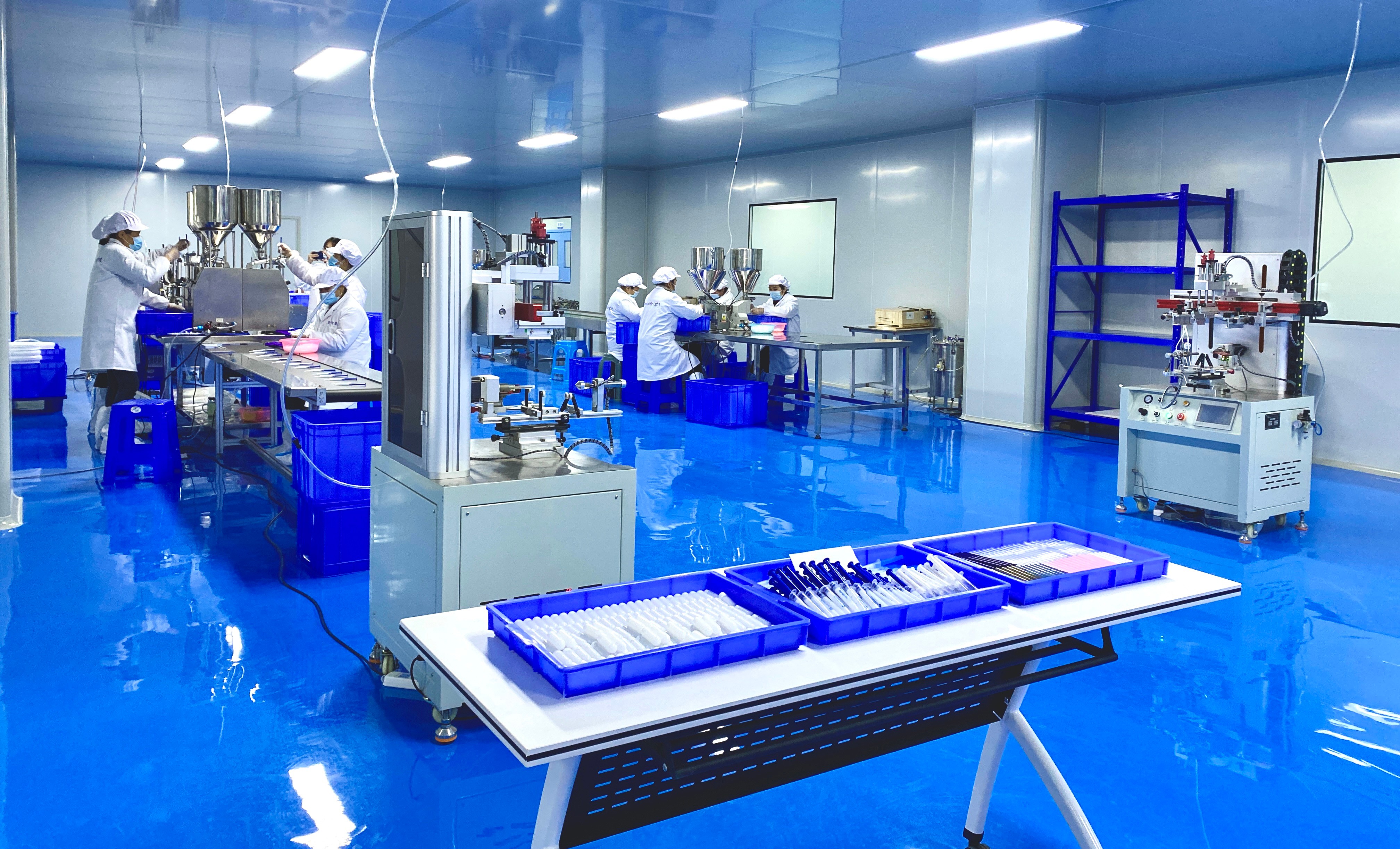
Strip production inside Glorysmile's 100,000-class cleanroom workshop.
1. Whitening Mechanism: Oxidative System vs. Peroxide-Free System
The whitening strip formula platform behind Glorysmile covers two distinct classes of active systems. For the strip range specifically, the corpus lists these formula/ingredient options: PAP, PAP + charcoal, Purple, 6% HP, Sodium Phytate, Sodium Bicarbonate, and Custom. For the broader whitening kit line, the formula list expands to hydrogen peroxide, carbamide peroxide, PAP, sodium phytate, sodium bicarbonate, charcoal and custom, with HP ranging from 0.1% to 35% and CP from 0.1% to 44%.
From a buyer's standpoint, the practical distinction is:
- Peroxide formulations (HP / CP): rely on oxidative chemistry to break down extrinsic stains — the coffee, tea and tobacco stains that the corpus identifies as the target of strip projects. HP is used in strip formats at 6%; higher concentrations of 0.1–35% HP and 0.1–44% CP are available across the wider whitening portfolio.
- PAP (peroxide-free) formulations: positioned as the peroxide-free alternative, and offered in plain PAP or PAP + charcoal. PAP pairs with the same strip substrate and the same flavor library as peroxide strips.
Both classes target the same outcome statement in the corpus: removal of extrinsic stains and a 5–8 shade whitening result, with anti-sensitivity protection offered across the strip portfolio.
2. Sensitivity Profile: What Each System Supports
The corpus records a specific answer to the sensitivity question: the manufacturer offers PAP and low-sensitivity formulas designed for sensitive teeth. This makes the sensitivity dimension a formula-selection parameter rather than a market-claim problem.
Two practical consequences follow for private label buyers:
- A brand targeting the "teeth whitening strips for sensitive teeth" segment does not need to compromise on strip format — PAP is listed as compatible with dry, wet and dissolving strip constructions.
- A brand targeting the tourism or convenience channel can pair a low-sensitivity PAP strip with the same 7 / 14 / 21-count aluminum-bag packaging used across the line.
Where a project needs a high-peroxide formulation (for example the 6% HP strip option), the strip application window recorded in the corpus is once per day for 10–30 minutes, and the use profile is labeled for adults and children 16 and over.
3. Strip Substrate Compatibility: One Platform, Three Formats
The strip substrate is a fixed engineering variable. Glorysmile strip construction is a three-layer build: a PET hard film, a whitening gel layer, and a PE soft film. Individual strips are packed in aluminum bags, and the standard kit contents include the user manual, shade guide and color box, with 7, 14 or 21 bag strips per package.
Against that fixed substrate, the corpus lists three strip types:
- Dry strips (model GS-004H/V/C/P), including alcohol-free dry strips, residue-free dry strips, and high-viscosity dry strips. The dry format uses a no-slip dry adhesive technology, applied once per day.
- Wet strips (model GS-V34-S07).
- Dissolving strips (model DB-004L).
Across all three, the same formula library applies: PAP, PAP + charcoal, Purple, 6% HP, sodium phytate, sodium bicarbonate, or custom. Flavor options are also identical across the range: Blue Raspberry, Strawberry, Peach, Grape, Watermelon, Peppermint, Orange, Mint, Pineapple, Cherry Blossom, Coconut and Mango. This uniformity is the key compatibility finding for OEM buyers — the formula choice does not force a strip-format change, and the strip-format choice does not force a formula change.
The Purple option is a colour-corrector formulation; the underlying mechanism, as documented in the corpus, is that purple sits directly opposite yellow on the colour wheel, so a water-soluble purple dye is applied to counter yellow undertones. It is a cosmetic product, not an oxidative whitening formula, and should be treated as a separate SKU logic rather than a substitute for either peroxide or PAP.
Selection rule that falls out of the three sections above: peroxide vs. PAP is a regulatory and positioning decision, not a substrate decision. Both systems run on the same three-layer PET/gel/PE strip, in the same aluminum bag, across the same three strip formats.
Step-by-Step Breakdown: Converting Formula Differences into Selection Parameters
Step 1 — Lock the target market and its peroxide threshold
If the launch market is the EU and the product will be sold as an OTC cosmetic, HP content must stay at or below 0.1% under EC No. 1223/2009. That effectively rules out a 6% HP strip for OTC EU listing and pushes the project to PAP or a custom low-concentration formula. If the market is the US, confirm MoCRA facility registration and product listing costs (USD 849/year facility, USD 200/product listing) before finalizing unit economics.
Step 2 — Match the sensitivity claim to the consumer segment
Where the brand promise is enamel-safe or sensitive-teeth friendly, PAP is the recorded fit. The corpus explicitly states that PAP and low-sensitivity formulas are the ones designed for sensitive teeth. Where the brand promise is maximum whitening speed on non-sensitive consumers, the 6% HP strip option is the relevant line item.
Step 3 — Choose the strip format independently
Because formula and format are decoupled, this step should be driven by consumer routine, not chemistry:
- Dry strips for users who want a no-slip, low-residue application.
- Wet strips for a more conventional hydration feel.
- Dissolving strips for travel and mess-free positioning.
Step 4 — Set the flavor and pack count
Twelve flavor options are available on the strip platform (Blue Raspberry through Mango). Pack counts of 7, 14 or 21 strips are standard, each with a user manual, shade guide and color box.
Step 5 — Confirm the compliance file
Request the product certificates (GMP, ISO 22716, ISO 13485, MDSAP, BSCI) and the factory certificates (CE, FDA, CPSR, CPNP, PIF, SCPN, MSDS, COA, RoHS, HALAL, Vegan). For EU-facing projects, CPSR, CPNP and PIF are the cosmetics-route documents; CE-MDR registration is the medical-device route. The manufacturer holds both medical device and cosmetics production licenses, which is why a single project can move between the two regulatory routes without changing supplier.
Step 6 — Validate the commercial terms
For regular orders on existing packaging the MOQ is 5 boxes; for OEM orders with customized packaging the MOQ varies by product, from 100 to 1,000 boxes. Customization turnaround is 7–15 days in comparative supplier data for this category. Sample quantities can be requested before committing to a full production batch.
Use Cases: Matching Formula and Format to Real Programs
Use case 1 — EU-OTC launch, sensitive-teeth positioning
A brand entering Germany and France through pharmacy and drugstore channels needs a formula that stays inside the 0.1% HP limit and can carry an enamel-safe claim. PAP + charcoal on a dry strip with a mint or peppermint flavor, packed as 14 strips with a shade guide, is the coherent configuration.
Use case 2 — US DTC brand testing a high-whitening SKU
A US subscription brand testing a maximum-whitening product can select the 6% HP strip option on a wet strip format, paired with a stronger flavor such as Blue Raspberry or Watermelon to offset the taste profile of peroxide. The same aluminum-bag, 21-count pack configuration applies.
Use case 3 — Coffee and smoker stain-removal line
For a stain-removal specific SKU aimed at heavy coffee drinkers and smokers, the corpus links strip use to removal of extrinsic stains from coffee, tea and tobacco. Both the peroxide and PAP options can be positioned against this claim; PAP supports a peroxide-free sub-claim, which is useful for marketplaces and retail buyers who flag the category.
Use case 4 — Travel and convenience channel
Dissolving strips (DB-004L) suit travel kits because they remove the need to discard a used strip. The corpus lists individually wrapped strips as a special requirement for travel-oriented strip scenarios, so a 7-strip pack in an aluminum bag aligned to this channel supports a low-commitment trial size.
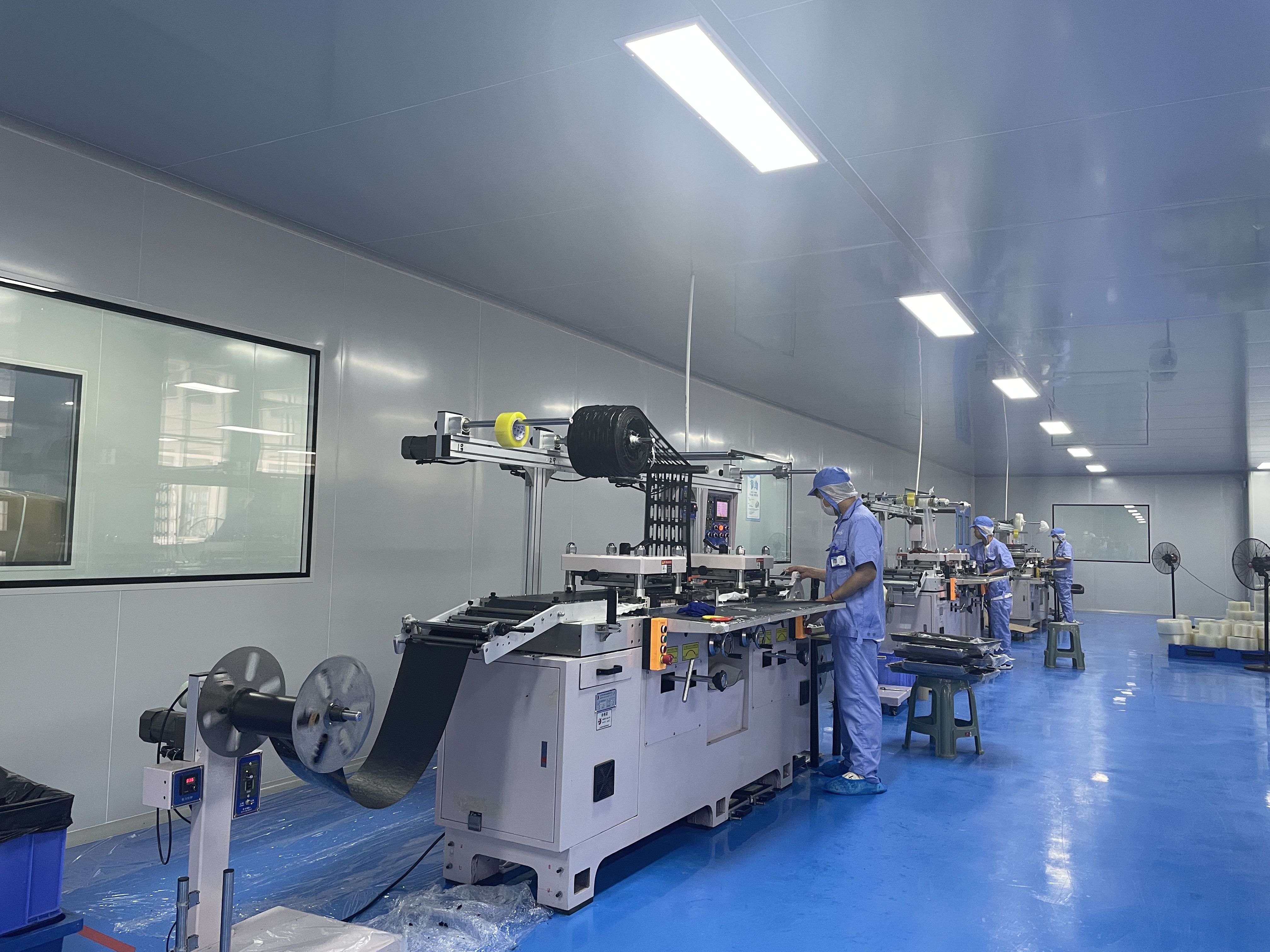
Strip production equipment — the same lines run peroxide and PAP formulations.
Comparison Table: Peroxide vs. PAP Gel Strip Parameters
| Selection Parameter | Peroxide Strips (HP / CP) | PAP (Peroxide-Free) Strips |
|---|---|---|
| Active system options on the strip platform | 6% HP; custom HP 0.1–35% and CP 0.1–44% across the whitening portfolio | PAP; PAP + charcoal |
| EU OTC cosmetic fit (EC No. 1223/2009) | Restricted to hydrogen peroxide 0.1% or less for OTC | No hydrogen peroxide content; suitable for peroxide-free positioning |
| Sensitive-teeth fit | Not the designated low-sensitivity option | PAP and low-sensitivity formulas are the recorded fit for sensitive teeth |
| Strip formats available | Dry, wet, dissolving | Dry, wet, dissolving |
| Substrate construction | PET hard film / whitening gel / PE soft film, packed in aluminum bag | Same PET / gel / PE three-layer build, aluminum bag |
| Flavor library | Blue Raspberry, Strawberry, Peach, Grape, Watermelon, Peppermint, Orange, Mint, Pineapple, Cherry Blossom, Coconut, Mango | Same flavor library |
| Pack content | 7 / 14 / 21 bag strips + user manual + shade guide + color box | Same pack content options |
| Application profile | Once per day, 10–30 minutes (as recorded for strip application); labeled 16+ | Once per day, no-slip dry adhesive technology on the dry format; labeled 16+ |
| Compliance documentation the manufacturer supports | Product certificates: GMP, ISO 22716, ISO 13485, MDSAP, BSCI. Factory certificates: CE, FDA, CPSR, CPNP, PIF, SCPN, MSDS, COA, RoHS, HALAL, Vegan. Roadmap support for CPSR, CPNP and PIF for cosmetics and CE-MDR for medical devices. | |
The table shows that the only structural differences between the two formula classes are the active system, the EU OTC hydrogen peroxide constraint, and the designated low-sensitivity positioning. Everything downstream of that — substrate, strip format, flavors, pack configurations, application profile — is shared.
FAQ
Q1 (Compliance): What certifications back a peroxide or PAP strip project, and which one matters for the EU and the US?
A: The factory holds product certificates including GMP, ISO 22716, ISO 13485, MDSAP and BSCI, plus factory certificates including CE, FDA, CPSR, CPNP, PIF, SCPN, MSDS, COA, RoHS, HALAL and Vegan. For EU cosmetic-market access the relevant documents are CPSR, CPNP and PIF; for medical devices the manufacturer has completed CE-MDR registration. In the US, products are FDA approved, and the FDA-certified scope covers medical devices, cosmetics and OTC drugs.
Q2 (Capability): Can one OEM project produce both peroxide and PAP strips on the same production line?
A: Yes. The strip formula library covers PAP, PAP + charcoal, Purple, 6% HP, sodium phytate, sodium bicarbonate, and custom, and the wider whitening portfolio covers hydrogen peroxide at 0.1–35% and carbamide peroxide at 0.1–44%. The same three-layer strip construction (PET hard film / whitening gel / PE soft film) and the same aluminum-bag packaging apply to both formula classes, so the formula change does not require a substrate change.
Q3 (Budget): What is the MOQ for private-label teeth whitening strips, and how does it affect upfront inventory cost?
A: For regular orders in existing packaging the MOQ is 5 boxes. For OEM orders with customized packaging the MOQ varies by product, from 100 to 1,000 boxes. In comparable strip projects, low-MOQ terms have been documented as lowering upfront inventory holding cost by a material amount, which helps smaller brands test a formula before scaling.
Q4 (Sample): Can samples be produced before committing to a full batch?
A: Yes. Free sampling is offered as part of the OEM/ODM service, alongside formulation customization and package design. Sampling both a PAP and a peroxide strip in the target format allows the brand to compare sensory experience, flavor, and application feel before locking the formulation.
Q5 (Lead time and next step): What is the turnaround for a customized strip program, and how does a buyer start?
A: Customization turnaround for project-level work is 7–15 days in comparable supplier data, with standard-order lead times of 5–7 days for ready packaging. To move forward, request the product catalog, a sample of the PAP and peroxide strip in the target format, and a quotation for the chosen pack count. The Glorysmile team can be reached at tasha@enjoywhite.com or via WhatsApp at +86 177 7911 0152 to discuss formulation, compliance documentation for the target market, and OEM packaging.
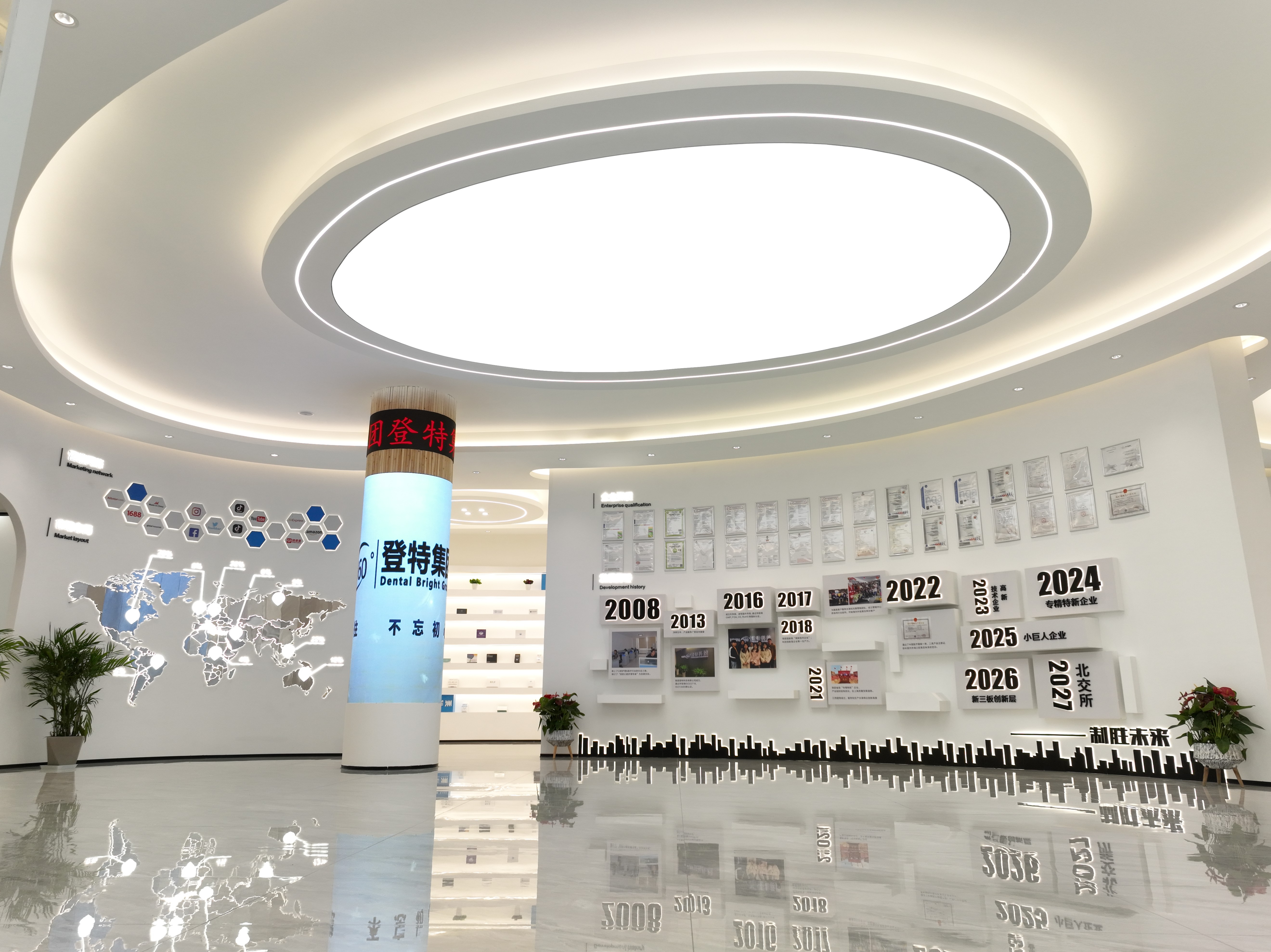
Glorysmile showroom — peroxide and PAP strip samples available for buyer review.
Conclusion: The Formula Decision Is a Market Decision
Peroxide and PAP are not competing technologies on the strip platform — they are two regulatory and positioning routes to the same functional claim: removal of extrinsic stains and a 5–8 shade whitening result. The choice between them is driven by three parameters, in this order: the target market's peroxide concentration rule (EU OTC at 0.1% HP or less), the target consumer's sensitivity profile (PAP for sensitive-teeth positioning), and the brand's preferred SKU logic (with 6% HP available for markets that permit it).
Everything else — the three-layer PET / gel / PE substrate, dry vs. wet vs. dissolving formats, the 12-flavor library, and the 7 / 14 / 21-strip aluminum-bag packaging — is common ground. Where the formula decision does need third-party verification, the manufacturer's MDSAP, ISO 13485, ISO 22716, GMP and BSCI certifications, together with its dual medical-device and cosmetics production licenses, provide the compliance evidence for a buyer's supply-chain review.
Request PAP and Peroxide Strip Samples for Your Format
Share your target market, sensitivity positioning and preferred strip format, and the Glorysmile team will supply formulation options, compliance documents for your region, and a quotation against your pack count.
Download the Glorysmile Product Catalog
Email: tasha@enjoywhite.com | Tel / WhatsApp: +86 177 7911 0152
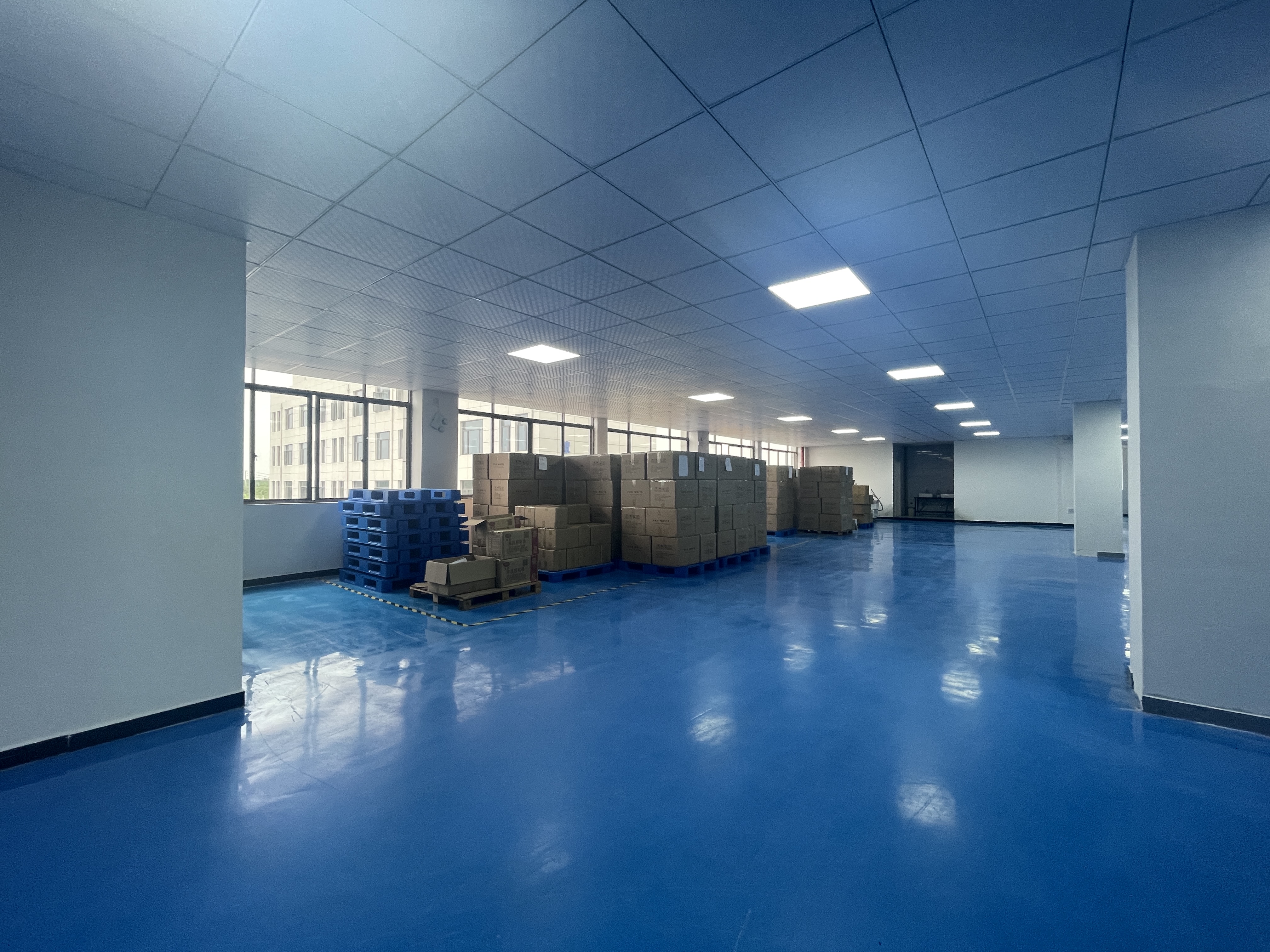
Finished strip inventory staged for OEM dispatch at Glorysmile.
Have Questions or Need More Details?
Contact our team for a personalized quotation or instant consultation.
Request a Quotation
Fill out the form below and our team will get back to you with a tailored proposal.
WhatsApp Direct Chat
Prefer to chat in real-time? Message us on WhatsApp for instant assistance & quick answers.
- Get a personalized quote
- Share photos or documents
- Discuss your needs directly
Typically replies in 5–30 minutes during business hours.