
Teeth Whitening Strips: Formats, Ingredients & a Practical Manufacturer Guide
Teeth Whitening Strips: Formats, Ingredients & a Practical Manufacturer Guide
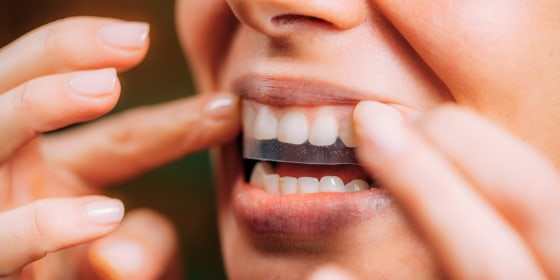
Teeth whitening strips are thin, flexible film strips coated with a whitening gel that sit on the front surface of the teeth. They are used mainly to remove surface stains from coffee, tea and tobacco and to support a visibly whiter smile, usually in short daily treatment sessions. For importers, private-label brands and e-commerce sellers, the product category is attractive because it is compact, easy to ship and can be manufactured in a wide range of formulas and package sizes.
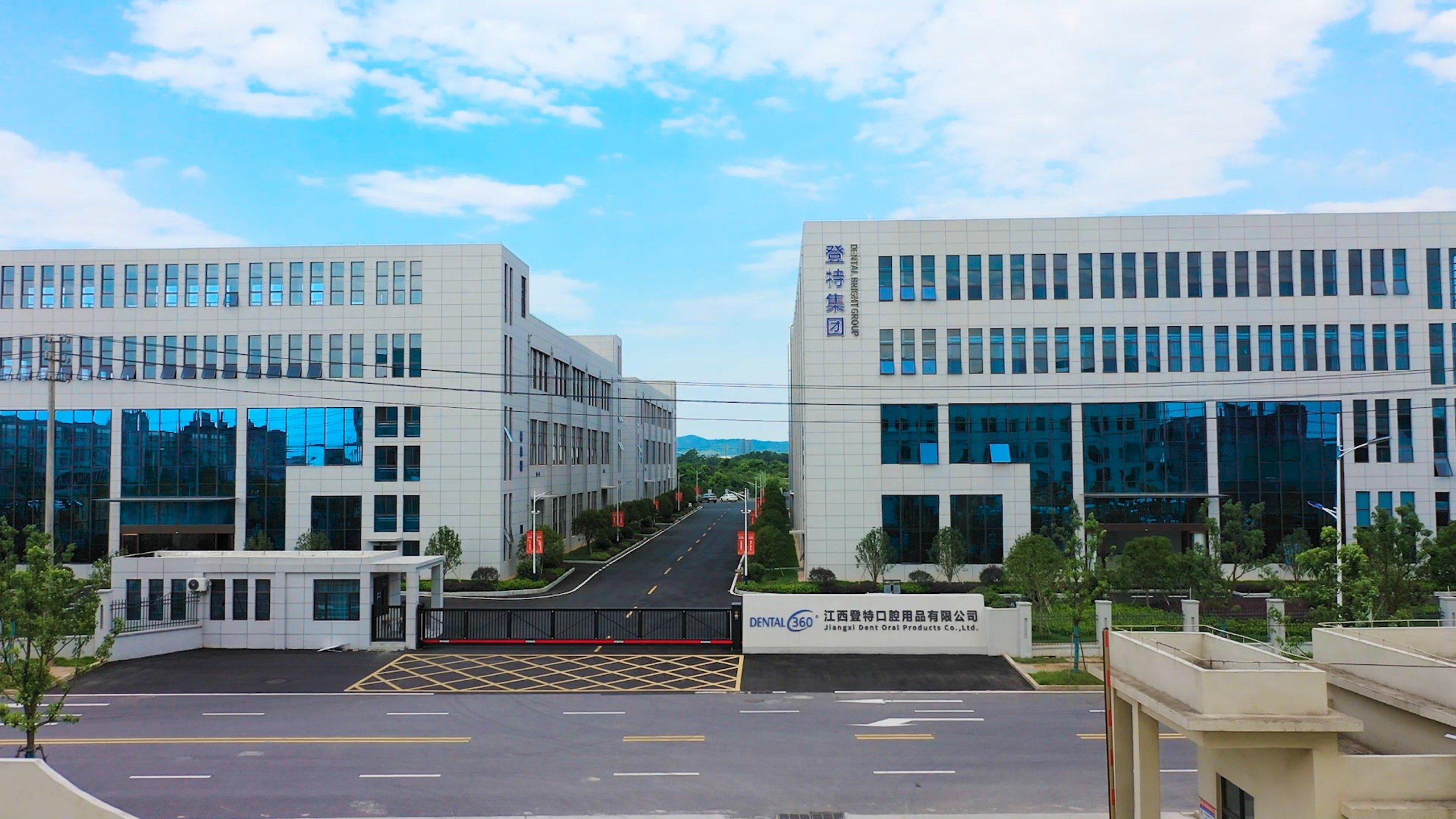
Glorysmile is the oral-care brand operated by Jiangxi DentalBright Technology Co., Ltd., a manufacturer in Jiangxi Province, China. The company produces teeth whitening strips and other whitening formats, and says its annual production capacity is 300,000,000 pieces of teeth whitening strips. This guide explains the format and ingredient choices involved in buying teeth whitening strips, and what a brand should verify before working with a teeth whitening strips manufacturer.
What buyers need to solve before choosing teeth whitening strips
The awareness and research stage is where most sourcing mistakes are already decided. A brand owner may choose a strip based only on price, then discover that the formulation does not match the target market, the flavour range is too narrow, or the factory cannot provide the regulatory documents required for customs clearance and e-commerce listing.
The practical problem for buyers is therefore not simply Which teeth whitening strip is stronger? The more useful question is: Which strip format, active ingredient and manufacturer capability fits the target audience and selling region? In the manufacturing language used by suppliers, the daily decisions include strip format (dry, wet or dissolving), whitening formula, flavour, content count, custom packaging and compliance documentation.
From a supply-side perspective, the buyer needs a partner who can demonstrate consistent factory output, certified quality systems and experience moving whitening products into regulated markets. Jiangxi DentalBright Technology Co., Ltd. states that it is export-oriented, supplies markets in the EU, USA and UK, and exports to 102 countries. It describes itself as a source factory with 256 employees, including 17 R&D engineers and 11 QC specialists.
Category background: a growing and increasingly regulated segment
The commercial relevance of teeth whitening strips is supported by observable market data. Grand View Research estimated the global market for teeth whitening strips and gels at USD 1.1 billion in 2025. The product is not limited to professional dental channels; e-commerce sellers have used contract-manufactured strips to launch private-label oral-care brands, and factory teams have supplied clinics and salons with professional whitening products.
Regulation is a defining feature of the strip market because the active compound determines whether a product is treated as a cosmetic, an OTC drug or a medical device in different territories. Under Regulation (EC) No. 1223/2009, the European Union restricts hydrogen peroxide in over-the-counter teeth whitening products to 0.1% or less. In the United States, MoCRA requires cosmetics manufacturers to comply with facility registration and product-listing rules. For international shipments, teeth whitening strips are frequently classified under HS Code 3306.90.00 in customs procedures.
These rules matter at the sourcing stage, not only after the container arrives. A teeth whitening strip manufacturer should be able to provide documents such as CPSR, CPNP and PIF for EU cosmetic products, MoCRA-compliant facility registration and product listing for the US market, and MSDS, COA and other supporting documents on request. Jiangxi DentalBright Technology Co., Ltd. states that its certifications include MDSAP, ISO 13485, ISO 22716, US GMP, BSCI, HALA and VEGEA, and that its products comply with FDA, CE, CPSR, PIF, CPNP and other major international standards.
How to select the right teeth whitening strips
Understand the whitening formulas used in strips
Most strip manufacturers formulate around one or more of the following active options: hydrogen peroxide (HP), carbamide peroxide (CP), and PAP. Glorysmile lists PAP, PAP plus charcoal, purple formula, 6% hydrogen peroxide, sodium phytate, sodium bicarbonate, or a custom blend among the strip options available in its range.
PAP, which stands for phthalimidoperoxycaproic acid, is the peroxide-free option. It is relevant for buyers looking for enamel-safe teeth whitening strips, peroxide-free teeth whitening strips, or strips positioned for daily and sensitive-teeth use. The manufacturer states that PAP and low-sensitivity formulas are offered for sensitive teeth. PAP works differently from peroxide: because of its larger molecular structure, it mainly acts on surface stains rather than penetrating deeply into the tooth, which is why it is generally associated with a gentler feeling and lower sensitivity.
Peroxide formulas (HP and CP) are the classic whitening engine. They are fast-acting and are widely used in strong stain-removal products. At the same time, they are more strictly regulated in some regions and can be linked to temporary tooth sensitivity. The 6% HP strip option produced by Glorysmile under model GS-004H is an example of a hydrogen-peroxide dry strip; the GS-004P model is the PAP version, and the range also includes PAP plus charcoal and purple formulations.

Understand strip formats: dry, wet and dissolving
Glorysmile produces three structural strip formats under its teeth whitening strips category: dry strips, wet strips and dissolving strips.
Dry strips are film strips with a coated gel layer. The GS-004 series includes dry-strip versions described as alcohol-free dry strips, residue-free dry strips and high-viscosity dry strips. According to the factory’s own comparison, dry strips provide good adhesion, are less likely to slip off, and leave less residue. The trade-off is cost, since dry strips are described as the higher-cost format. They are a sensible default for buyers who prioritise strong hold and low residue.
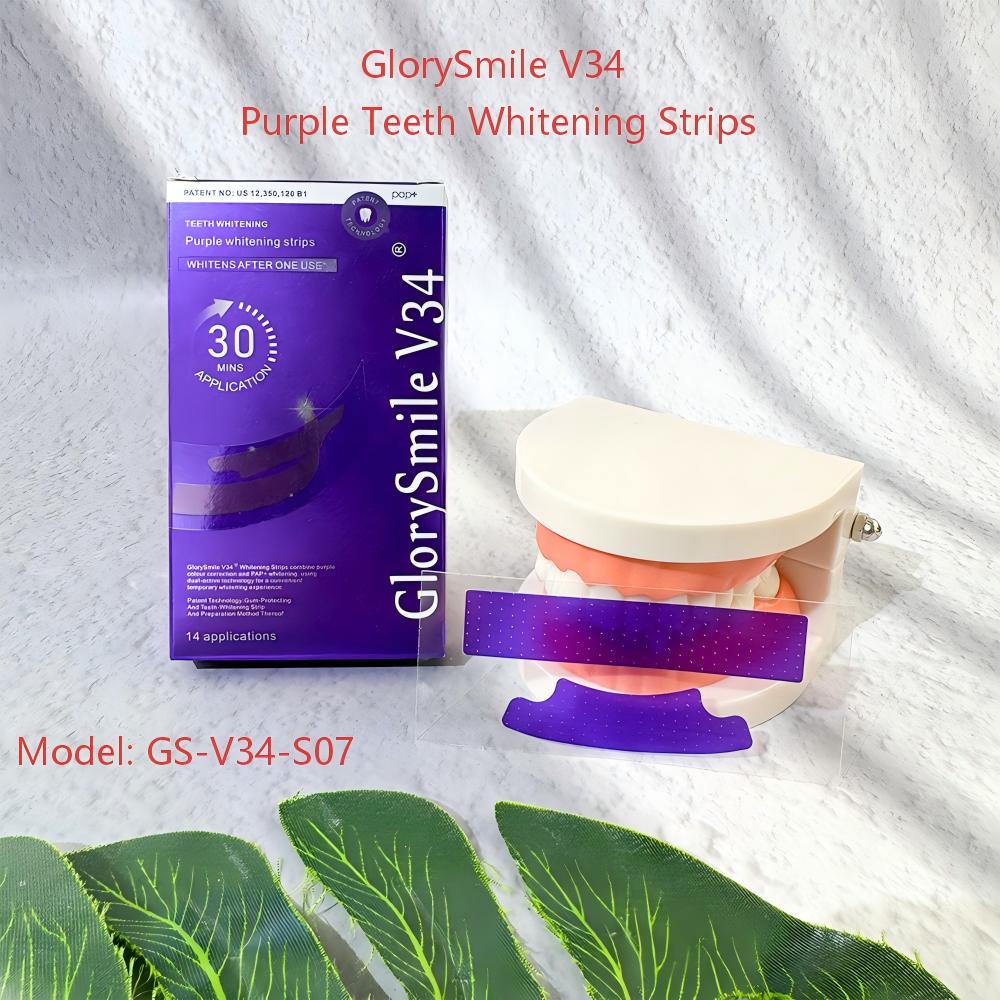
Wet strips are the lower-cost format for many programmes. The factory explains that wet-strip adhesion is not as strong as dry strips, which means they can move during application and leave more residue. But wet strips are recommended when the formula is a purple whitening strip, because a higher-residue format helps the purple pigment stay on the tooth surface longer and supports the colour-correcting visual effect. Model GS-V34-S07 is a purple wet-strip option in the Glorysmile line.
Dissolving strips, such as model DB-004L, are designed to dissolve rather than be removed after the treatment period. The dissolving format gives a brand a different user experience and is produced with the same three-layer structure described in the factory specifications: PET hard film, whitening gel and PE soft film. All strip formats can be packed as 7, 14 or 21 individually sealed strips in aluminium pouches.
Flavours and consumer experience
Consumer acceptance depends on more than whitening power. Strip flavour is an important part of the experience, especially for a buyer building a retail brand. Glorysmile offers a flavour list that includes blue raspberry, strawberry, peach, grape, watermelon, peppermint, orange, mint, pineapple, cherry blossom, coconut and mango. A private-label customer can also request a custom flavour, which makes it possible to position the product around categories such as fresh mint flavoured teeth whitening strips or fruit-inspired daily whitening.
A brand should also think about pack size. Seven strips suit a trial or travel size, 14 strips fit a two-week whitening course, and 21 strips are practical for a full home treatment cycle. The individual aluminium pouch format is important for travel use and for customers who want an on-the-go product without the risk of gel leaking across a box.
What to verify in a teeth whitening strips manufacturer
For a wholesale or private-label purchase, the factory itself is part of the product. A reliable manufacturer should be able to show factory infrastructure, quality management systems, formulation flexibility and an active OEM/ODM process.
Jiangxi DentalBright Technology Co., Ltd. operates a 36,000 m² facility with 20,000 m² of 100,000-class cleanrooms and a 1,000-square-metre laboratory with a 100-class cleanroom for microbiological testing. Its team structure is relevant evidence of control: 17 R&D engineers, 11 QC specialists, 8 production-management members and 6 packaging-design members. The company reports annual capacity of 300 million pieces of teeth whitening strips, 10 million sets of teeth whitening kits and other oral-care volumes across its portfolio.
The company’s OEM/ODM services include product formulation, customisation, free sampling and packaging design. It also supports custom packaging, which for a private label means an in-house team can help build the outer carton, sachet print and branding rather than asking the buyer to send finished packaging materials to a separate supplier.
Private-label teeth whitening strips: a step-by-step sourcing process
Buyers in the awareness and research stage need a repeatable process. The sequence below is based on how OEM/ODM strip projects are typically evaluated and launched.
- Define the consumer need. Choose the main claim: stain-removal strips for coffee drinkers, strips for smokers, sensitive-teeth strips, daily-maintenance strips or purple colour-correcting strips. The target audience decides which formula and flavour is needed.
- Select the formula family. If the market is sensitive to peroxide or a cosmetic positioning is needed, PAP-based strips should be the first shortlist. If the buyer is selling a strong stain-removal product in a territory where the active is compliant, a peroxide option such as 6% HP can be evaluated. The manufacturer is able to provide PAP, PAP plus charcoal, purple, 6% HP and custom formulas.
- Select the format. Decide between dry strips, wet strips or dissolving strips. Dry strips suit a premium low-residue claim, wet strips suit cost-conscious programmes and purple strips, and dissolving strips can differentiate a new brand.
- Lock packaging and flavour. Choose the content count (7/14/21), flavour, aluminium pouch and custom packaging design. Glorysmile’s package-design team supports OEM/ODM branding, and private-label minimums can be discussed with the factory for each SKU.
- Request samples and validate. Free sampling is listed by the company as part of its OEM/ODM service. A sample test checks adhesion, flavour, packaging, manual and shade guide, and gives the buyer a physical product for local compliance review.
- Check documentation and scale. Before mass production, confirm that the factory can provide the relevant compliance documents for the destination market, and verify that its production scale matches the order forecast. With a certified plant, cleanroom environment and 300-million-piece annual strip capacity, the buyer can plan for repeat orders rather than one-off production.
Common use cases for private-label teeth whitening strips
Different consumer groups generate different product specifications.
Sensitive teeth and daily use. A buyer serving this audience should look for PAP or low-sensitivity formulas. The manufacturer confirms that PAP and low-sensitivity options are designed for sensitive teeth, and the composition is generally easier to position as enamel-safe or peroxide-free. This fits products called enamel safe teeth whitening strips or low sensitivity daily use teeth whitening strips.
Coffee, tea and tobacco stains. Surface-heavy lifestyle stains respond well to stain-removal positioning. The manufacturer’s application scenario for strips lists removal of exogenous stains including coffee, tea and tobacco. Available formulas include PAP plus charcoal, which adds a charcoal angle often used in stain-care products, plus a 6% HP option for stronger whitening claims in markets where it is compliant.
Yellow-tone colour correction. Purple, or V34-style, strips use colour theory to reduce yellow appearance: purple sits opposite yellow on the colour wheel, so a water-soluble purple dye can help cancel yellow undertones. Glorysmile’s GS-V34-S07 wet strips are made specifically for this kind of purple formula, and the factory recommends wet strips for purple because the higher residue helps the pigment stay on teeth.
OEM/ODM portfolio expansion. A distributor or beauty e-commerce seller that already carries toothpaste or whitening kits may add strips to extend the oral-care shelf. Because the same factory also produces whitening pens, kits, toothpaste, mouthwash and other oral-care items, a buyer can consolidate SKUs under one OEM partner and reduce multi-supplier coordination.
Teeth whitening strips comparison: dry, wet and dissolving formats
| Comparison point | Dry strips | Wet strips | Dissolving strips |
|---|---|---|---|
| Example products | GS-004H/V/C/P dry-strip series | GS-V34-S07 wet-strip model | DB-004L dissolving-strip model |
| Formats described by manufacturer | Dry strips; alcohol-free dry strips; residue-free dry strips; high-viscosity dry strips | Wet strips | Dissolving strips |
| Formula options | PAP / PAP+charcoal / Purple / 6%HP / Sodium Phytate / Sodium Bicarbonate / Custom | PAP / PAP+charcoal / Purple / 6%HP / Sodium Phytate / Sodium Bicarbonate / Custom | PAP / PAP+charcoal / Purple / 6%HP / Sodium Phytate / Sodium Bicarbonate / Custom |
| Flavour options | 12 flavours including mint and fruit options, plus custom | 12 flavours including mint and fruit options, plus custom | 12 flavours including mint and fruit options, plus custom |
| Pack sizes | 7 / 14 / 21 sachets | 7 / 14 / 21 sachets | 7 / 14 / 21 sachets |
| Structure and sachet | 3-layer film: PET hard film + whitening gel + PE soft film; aluminium sachet | 3-layer film: PET hard film + whitening gel + PE soft film; aluminium sachet | 3-layer film: PET hard film + whitening gel + PE soft film; aluminium sachet |
| Adhesion guidance from supplier | Good adhesion; less likely to slip; less residue | Adhesion is lower than dry strips; can shift and leave more residue | Designed to dissolve after use period |
| Cost guidance from supplier | Higher cost | Lower cost | Varies by order; confirmed during OEM/ODM quotation |
| Typical recommendation | Strong adhesion and low-residue programmes | Budget-conscious buyers and purple whitening strips | Brands looking for an alternative user experience |
Table compiled from Glorysmile product specifications, manufacturer customer-facing comparisons and factory data for the strip series.
Teeth whitening strips manufacturers: FAQs for sourcing teams
What compliance documents should a teeth whitening strips manufacturer provide for the US and EU markets?
For the European Union, a manufacturer should be able to provide CPSR, CPNP notification and PIF for cosmetic products, plus the contact details of an EU Responsible Person where required. For medical-device items, CE-MDR registration may apply. For the US market, Jiangxi DentalBright Technology Co., Ltd. states that it has completed MoCRA-compliant cosmetic facility registration and product listing for teeth whitening strips, and that its FDA-registered scope covers medical devices, cosmetics and OTC drugs where relevant. MSDS is also available. Buyers should collect these documents before mass production, because customs clearance and marketplace listing often depend on them.
Can I order peroxide-free or enamel-safe teeth whitening strips for sensitive teeth?
Yes. The manufacturer offers PAP, which is a peroxide-free active, as well as carbamide peroxide and hydrogen peroxide options. PAP and low-sensitivity formulas are produced for sensitive-teeth users. The factory specification also lists an enamel-safe formula and zero-peroxide option in the strip application guidelines. A private-label buyer can therefore build a brand around peroxide-free teeth whitening strips rather than being limited to peroxide-based products.
What is the MOQ for private-label or OEM teeth whitening strips?
MOQ depends on the product and packaging. For regular orders using the factory’s existing packaging, the stated MOQ is 5 boxes. For OEM orders that require customised packaging, the minimum order quantity varies by product and generally ranges from 100 to 1,000 boxes. For an exact quotation on teeth whitening strips, the buyer should confirm the target formula, flavour, sachet count and custom packaging with the supplier before finalising the MOQ.
Can I request free samples before launching my private-label strip brand?
Yes. Free sampling is part of the OEM/ODM service offered by Jiangxi DentalBright Technology Co., Ltd. The company’s service scope includes product formulation, customisation, free sampling and professional packaging design, so a buyer can evaluate the formula and packaging before committing to a production order. A practical next step is to send your target market, flavour preference and formula requirement to the Glorysmile contact team and request samples for evaluation.
Glorysmile / Jiangxi DentalBright Technology Co., Ltd.
Contact: Tasha
Email: tasha@enjoywhite.com
Tel / WhatsApp: +86 177 7911 0152
Address: Makou Industrial District, Yongxiu Town, Nanchang (Jiujiang) City, Jiangxi Province, China
Website: www.glorysmile.com
Conclusion
Teeth whitening strips are a compact, scalable category for brands that want to enter oral care without the heavy logistics of bulky whitening kits. The most important early decisions are formula, format and manufacturer qualification. PAP-based strips give private-label brands a peroxide-free, sensitive-friendly option; hydrogen-peroxide strips serve strong stain-removal positions where compliant; and the dry, wet and dissolving formats allow brands to differentiate the user experience. Equally important is choosing a factory that can document compliance, provide cleanroom manufacturing, handle custom packaging and support repeat volume. Jiangxi DentalBright Technology Co., Ltd. supplies teeth whitening strips from a certified 36,000 m² plant with an annual strip capacity of 300 million pieces, giving sourcing teams a workable foundation for a private-label or wholesale programme.
For a more complete view of the available teeth whitening strips, whitening kits, toothpaste and related oral-care products, download the Glorysmile catalog or contact the factory directly for a formula and sample discussion.