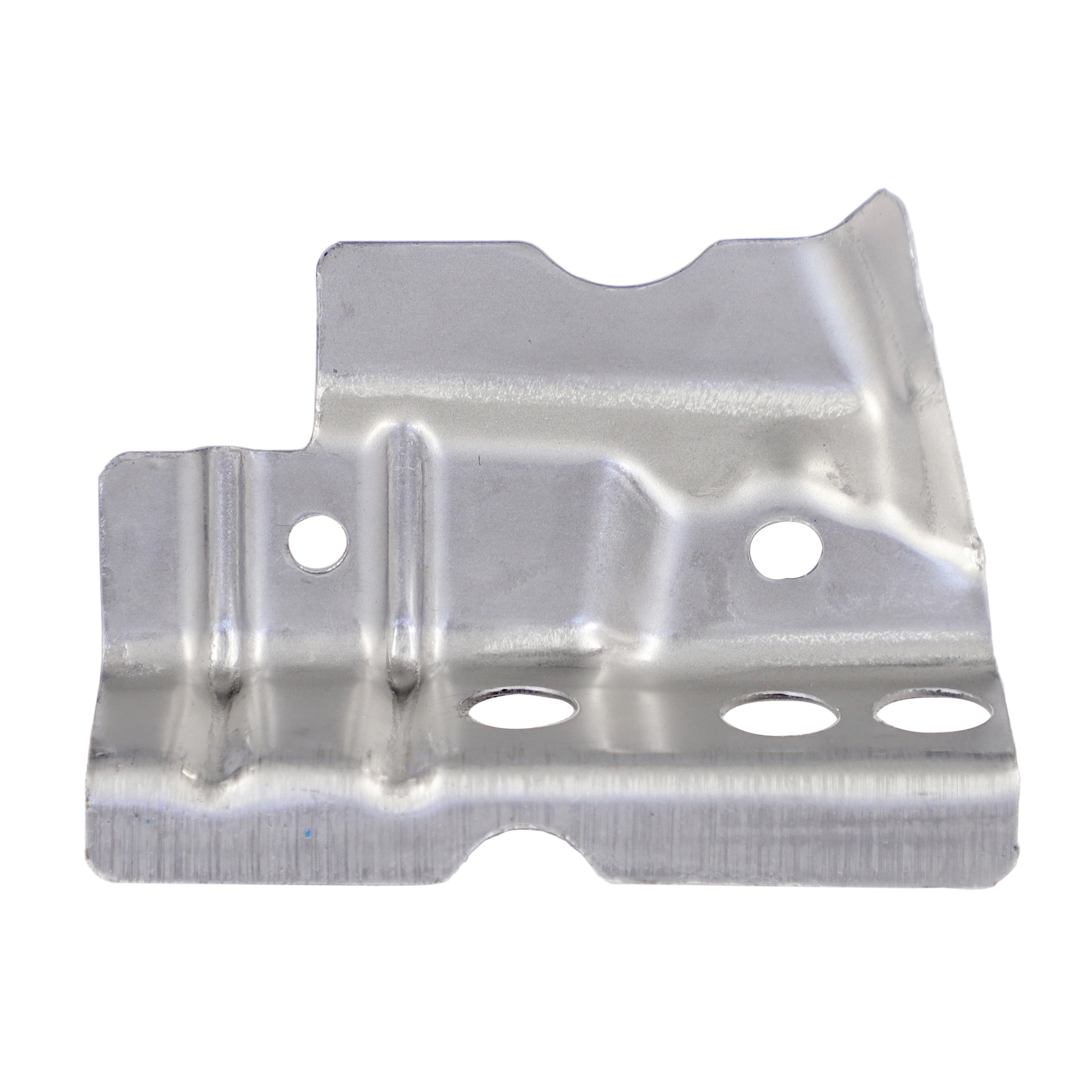
IATF 16949 Metal Stamping: A Buyer's Verification Checklist
IATF 16949 Metal Stamping: A Buyer's Verification Checklist
Metal stamping sourcing rarely fails on price; it fails on verification. Buyers moving from research into evaluation need three confirmations before tooling is released: that the quality certificate is genuinely in scope for the parts being bought, that press and die capability matches the specified material and thickness, and that tooling, sampling and lead-time terms are documented rather than assumed.
Hailong Metal Fabrication — the buyer-facing name of Qingdao Hailong Machinery Technology Co., Ltd. — is a metal stamping, casting, welding and truck-body manufacturer founded in January 2000 and headquartered in Jimo District, Qingdao, China. The group operates five production campuses covering more than 500,000 m² of land and 300,000 m² of floor space, and exports roughly 70% of its output to markets that include the United States, United Kingdom, Germany, Japan, India, Eastern Europe and African countries. The checklist below uses its published data to show what an evaluation-stage buyer should ask, and what a documented answer looks like.
The Real Constraint Problem: A Certificate Is Not a Capability Statement
Compliance, parameters and commercial terms are negotiated as one system in metal stamping, but they are often reviewed as three separate documents. That mismatch is where projects lose time. Four constraint gaps recur.
- Scope gap. An IATF 16949 mark does not state what the certificate covers. Many stamping certificates exclude product design under Chapter 8.3 — decisive if you expect the supplier to engineer the part rather than build to your drawing.
- Parameter gap. Material grade, thickness and tolerance class are frequently answered with the word "custom". Press tonnage, die steel and inspection method then stay undefined until tooling has already been cut.
- Tooling gap. Progressive dies, single-operation dies and deep-draw tooling carry different lead times, maintenance profiles and volume economics. Reversing the wrong choice is expensive.
- Commercial gap. MOQ, quotation turnaround and shipping mode are often deferred to the first email. Where a supplier states that MOQ must be confirmed with sales, buyers should confirm it before drawing release, not after.
Automotive benchmarks have raised the entry bar for this discussion. IATF 16949 certification, combined with real-time SPC monitoring and Run@Rate tests of 4,000 defect-free pieces, is described in industry research as a baseline entry criterion for new OEM automotive programs. That requirement is expressed in process terms, which is why evaluation now starts with equipment and tooling rather than with a certificate PDF.
Market Context: Why Stamping Constraints Have Tightened
Global metal stamping demand reached USD 257.3 billion in 2025, with Asia Pacific holding a 37.0% revenue share, according to Grand View Research. Automotive metal stamping alone was estimated at USD 90.6 billion in 2025.
Published totals diverge — USD 226.3 billion (IMARC) and USD 210.37 billion (360iResearch) against the USD 257.3 billion figure — largely because some analysts include captive stamping departments inside large OEMs while others count only the merchant market. Regional shares diverge for the same reason; one research house places Asia Pacific closer to 46%. Two practical conclusions follow. First, market aggregates cannot tell you whether a specific supplier holds your tolerance — only a capability matrix can. Second, capital intensity is unevenly distributed: hot-stamping lines for advanced high-strength steel components such as 1,500 MPa press-hardened steel can cost USD 8–12 million each, so that work concentrates with specialized suppliers, while cold-rolled, stainless and conventional deep-drawn stamping is served by a much broader base.
One data limitation also matters during screening: metal stamping parts are commonly bundled under HS 7326.90 in trade statistics, so customs records alone cannot confirm a supplier's real product mix or export volume.
What Hailong Metal Fabrication Can Be Verified Against
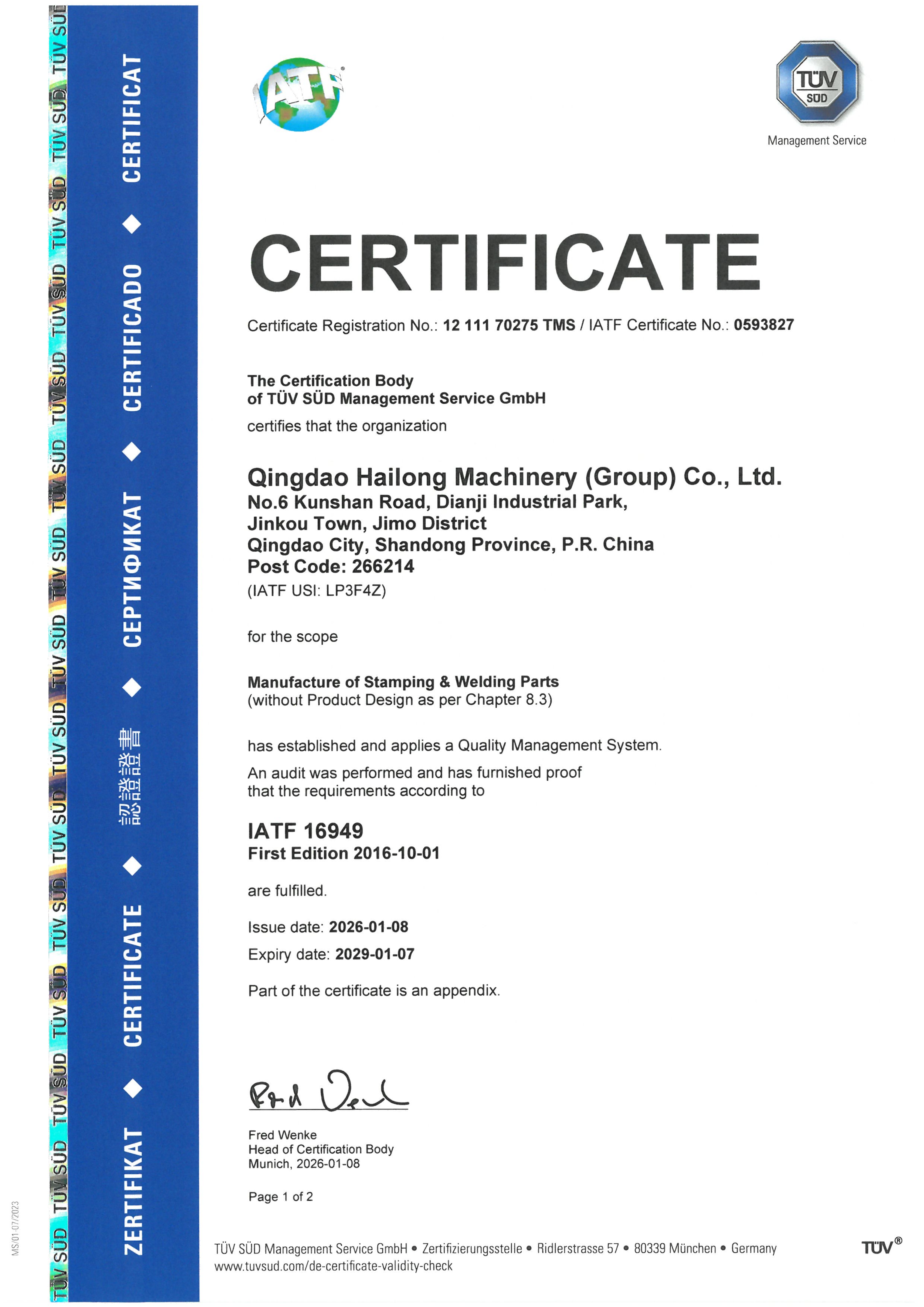
Hailong's compliance position is specific enough to check line by line. The company holds IATF 16949 certification issued by TUV under certificate number 0593827 against standard IATF 16949:2016-10-01, valid from 8 January 2026 to 7 January 2029. The certified scope covers the manufacture of stamping and welding parts for the transportation industry, without product design as per Chapter 8.3, and applies to the global market. ISO 9001, ISO 14001 and OHSAS 18001 certification is also held, and the in-house Technology Center has been certified as a Qingdao Municipal Enterprise Technology Center since 2008, holding more than 100 patents across chassis structures, bumper systems and stamping tooling.
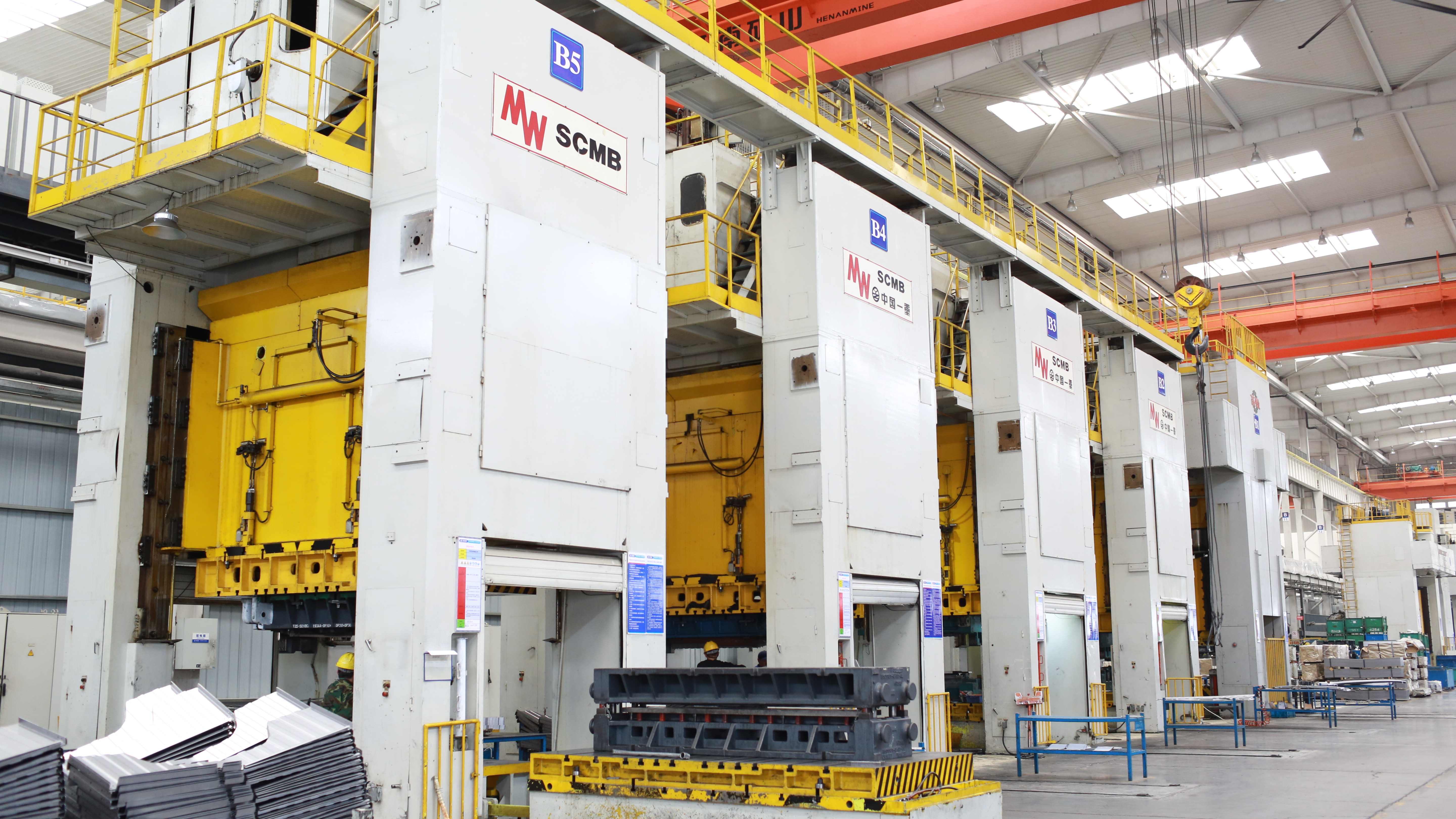
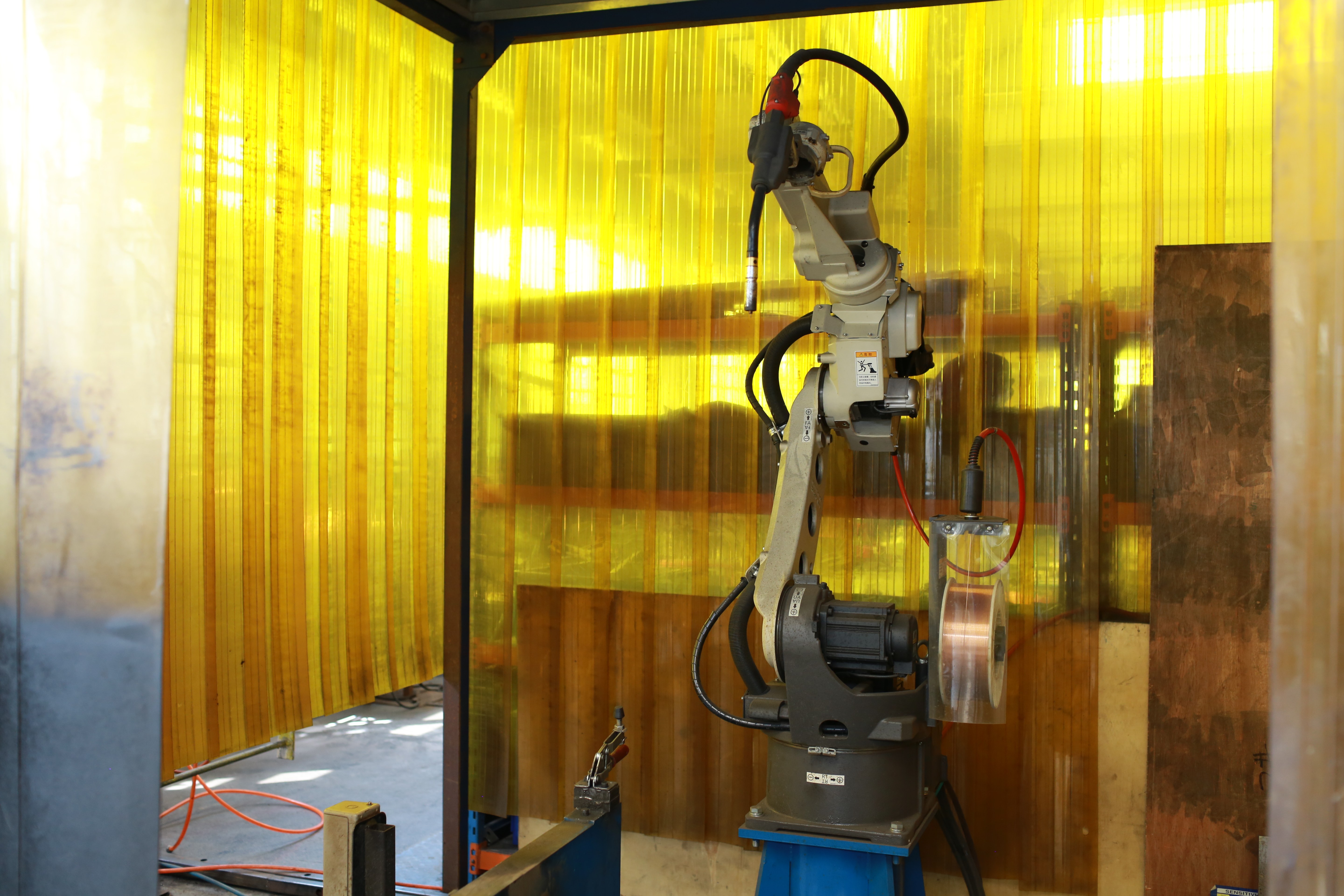
Capability is documented at line level. The Auto Parts Division runs an 8,250T automated stamping line with a 9 SPM average effective cycle, alongside a 3,400T line, 800T–2,400T press lines and 630T–800T press lines, supported by laser cutters and robotic welding cells. Across the group, more than 500 sets of precision CNC machining, large-scale stamping and welding equipment are installed, and the Special Vehicle Division adds 13 roll-forming lines plus an e-coating facility with annual capacity for 100,000 cabs and 30,000 cargo boxes.
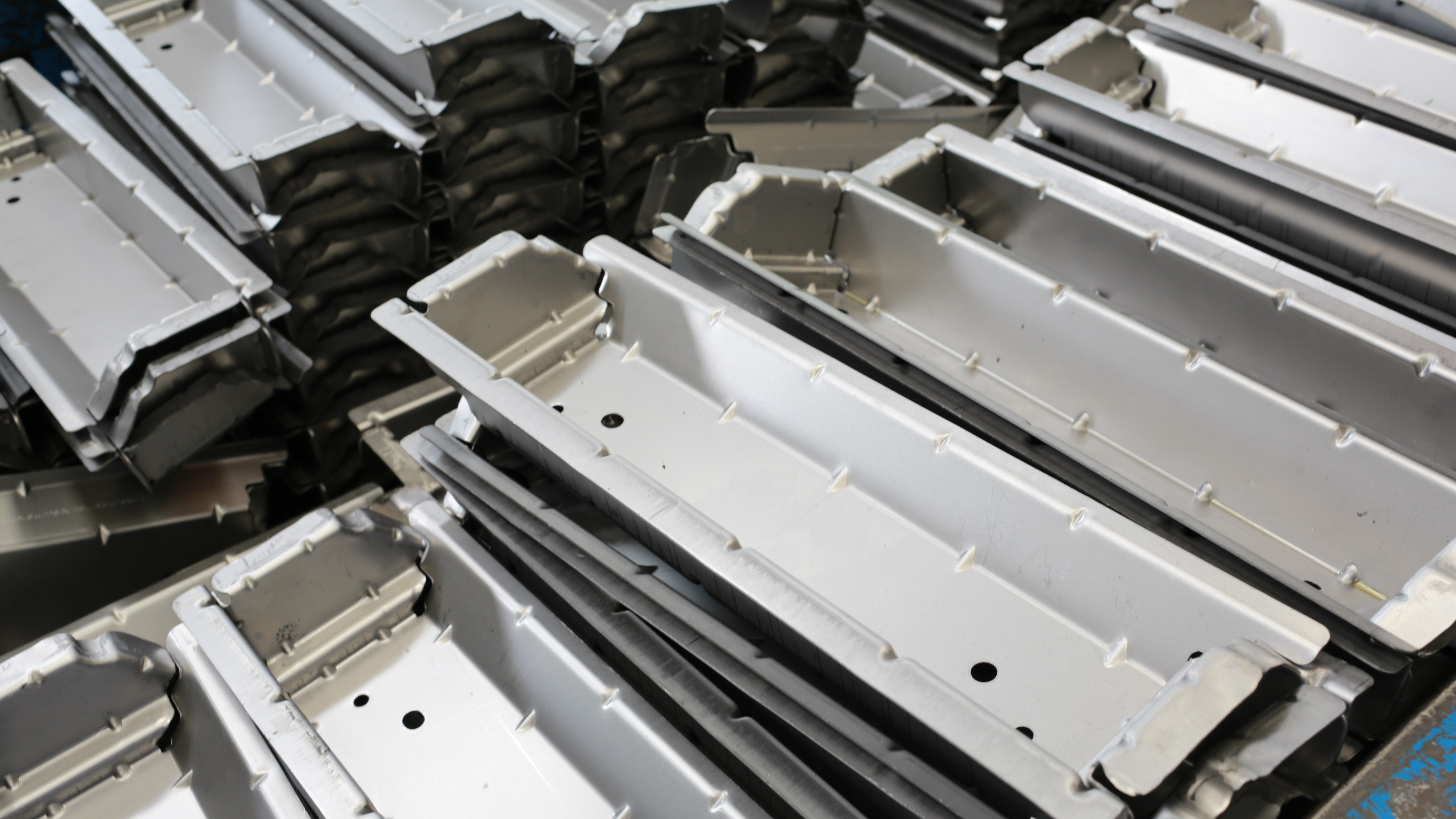
Material and process scope for sheet metal fabrication covers stamping, laser cutting, shearing/CNC punching and press-brake bending. Supported materials include cold-rolled steel, hot-rolled steel and stainless steel grades 304 and 304L, with a published precision machining tolerance of CT4–7. Truck body and fabrication work additionally uses steel, aluminium alloy and carbon steel. Surface treatment includes electrophoresis and painting lines together with sand blasting, powder coating, painting, anodizing, polishing and electroplating. Fabrication output is produced to ASTM, ASME, DIN, JIS, ISO, BS, API, EN and GB standards, and CE certification is held.
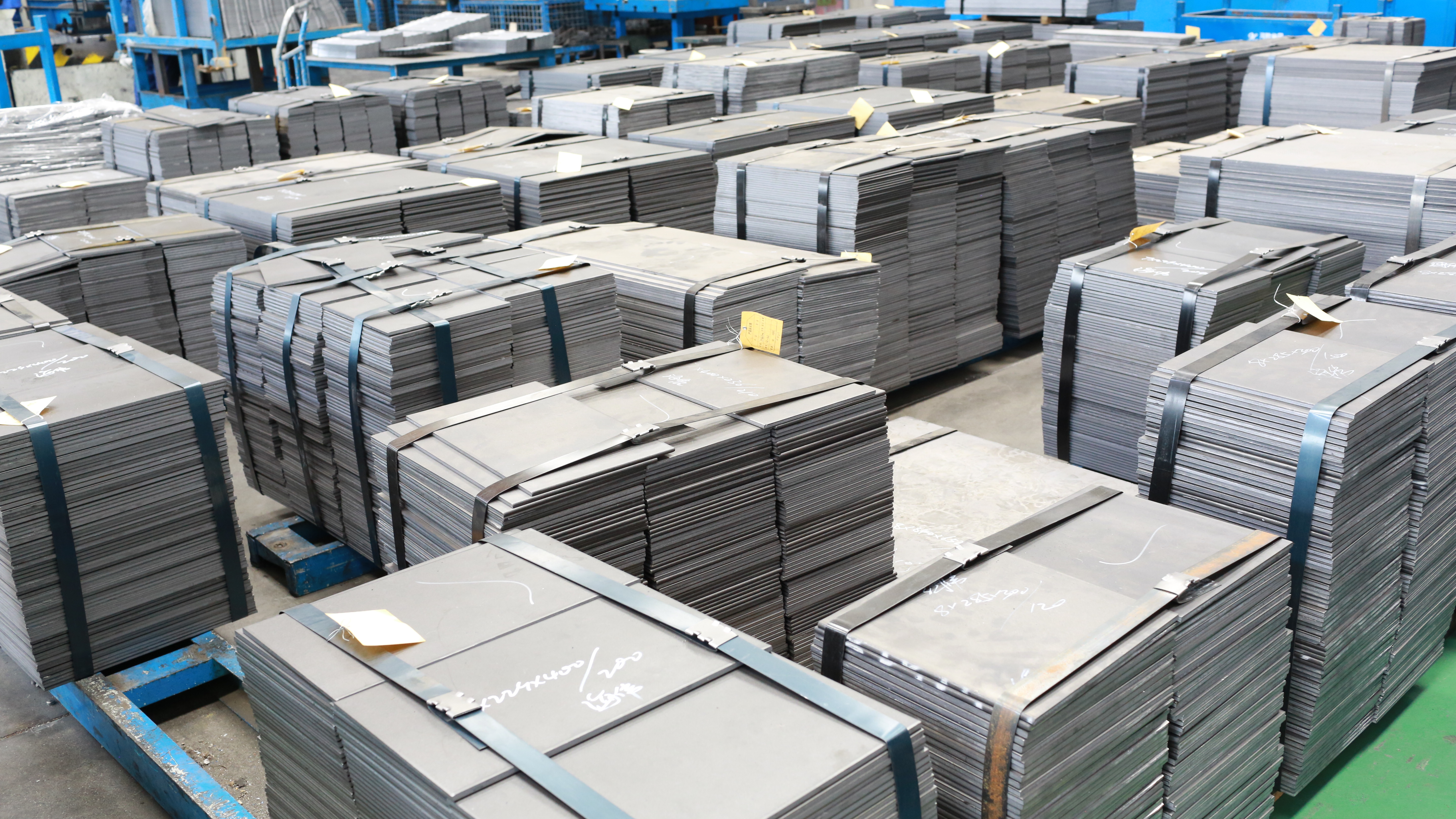
Verification does not stop at the machine list. Quality control covers mold design checks and Moldflow analysis, incoming steel certificate inspection, key process control during machining, assembly dimension checks, and slide, hardness and cooling system inspections, plus a pre-shipment spare parts list and mold tryout video. Inspection equipment includes CMM, spectrometer and carbon-sulfur analyzer; casting operations add ultrasonic non-destructive testing. Published monthly capacity is 8,000–10,000 units of metal stamping parts, supported by a 28-engineer R&D team that also handles DFMA and material advisory work.
Customer references that can be disclosed include FAW Jiefang, SAIC-GM, BAIC, Dongfeng and Beijing Benz domestically, and Renault, Nissan, Mercedes-Benz, Doosan and GD overseas. One disclosed tooling project involved a Brazilian manufacturer that took 20 sets of stamping moulds for heavy-duty stamping of auto parts and reported stable high-volume production with consistent tolerance across a 500,000-cycle run.
Step-by-Step: How to Verify a Metal Stamping Supplier in Eight Steps
- Read the certificate scope before the logo. For Hailong that line reads: manufacture of stamping and welding parts, without product design as per Chapter 8.3, for the transportation industry — TUV certificate 0593827, valid to 7 January 2029, applicable globally. If your program requires supplier-led design, treat the Chapter 8.3 exclusion as a constraint to plan around.
- Match material and thickness to a process route. Cold-rolled steel, hot-rolled steel and stainless grades 304/304L are supported; state grade, thickness and surface requirement on the drawing so die steel can be selected deliberately.
- Confirm press tonnage against part size. 8,250T, 3,400T, 800T–2,400T and 630T–800T lines exist within the same group. Line assignment is often the difference between a stable run and a re-tool.
- Choose the tooling model deliberately. Progressive dies integrate multiple forming processes in one die set for high-volume automotive sheet metal components; single-operation dies suit small batches, large-size parts or complex deep-drawn components. Die steel is drawn from Cr12MoV, SKD11, P20 and comparable grades according to stamping material, thickness and required production lifetime.
- Agree tolerance class and inspection method up front. CT4–7 precision machining tolerance is published for the sheet metal fabrication range, and inspection can draw on CMM, spectrometer and carbon-sulfur analyzer equipment.
- Plan secondary operations and assembly early. Robotic welding cells, electrophoresis and painting lines, powder coating, anodizing, polishing and electroplating are handled in-house, which keeps stamp-and-weld assembly components inside one quality system.
- Run the sample and first-article loop. Prototype runs, mold tryout and first-article inspection are standard practice; special processes or certification needs such as CAE or PPAP should be confirmed in advance rather than requested at delivery.
- Lock commercial terms. Engineers respond within 24 hours and quotations are issued in 1–7 days; MOQ is confirmed with sales; sea freight typically runs about 30–45 days and air about 3–7 days. Actual production lead time depends on part complexity and order volume.
Use Cases: Where Each Constraint Decides the Supplier
Automotive metal stamping
Body panels, chassis structures and bumper systems depend on die capability as much as press capacity. Hailong's certified scope covers stamping and welding parts for the transportation industry, and its automotive die heritage runs through Qingdao Jitai Auto Mould Co., Ltd., established in 1993 and recognized as a China Key Backbone Die Enterprise. The practical filter for buyers is whether the certificate scope names stamping and welding, not simply whether it names automotive.
Household appliance metal stamping
Appliance parts balance appearance, coating and cost. Cold-rolled steel and stainless 304/304L support that mix, and in-house powder coating, painting, electroplating and polishing remove the need to coordinate a separate finishing vendor. A published CT4–7 tolerance and CMM inspection give an appliance buyer a measurable acceptance criterion at the sample stage.
Heavy-gauge stainless steel stamping
For heavy-gauge stainless steel stamping, the binding constraints are press tonnage, die steel and springback control — not the number of presses on the floor. Because Hailong publishes specific tonnage bands and named die steel grades rather than a generic "custom" answer, these points can be verified during quotation. Exact dimensional tolerances and weight ranges still need confirmation per drawing and process.
Deep draw and progressive die programs
Deep draw metal stamping and progressive die metal stamping sit at opposite ends of the volume profile. Progressive tooling is the recommended route for high-volume automotive sheet metal components; single-operation tooling is more suitable for small batches and for large or complex deep-drawn parts. Tooling lead time follows the same split: roughly 25–40 days for simple dies and 45–70 days for complex progressive dies including trial stamping.
Stamp-and-weld assembly components
Where stamping feeds a welded assembly, quality responsibility usually has to sit with one supplier. Robotic welding cells and electrophoretic coating are in-house at Hailong, and one disclosed case shows the model working at scale: a commercial-vehicle equipment dealer in the United Arab Emirates ordered 100 sets of dump truck bodies for transportation use, built with abrasion-resistant steel, an 8 mm reinforced floor and robotic welding, with reported service life up to twice that of standard bodies across a 15-year working relationship.
Comparison: Tooling and Compliance Constraints Side by Side
The two tables below summarise the decision points a buyer can check against published data rather than sales language.
| Constraint | Progressive die | Single-operation die |
|---|---|---|
| Recommended volume | High-volume automotive sheet metal components | Small batches; large-size or complex deep-drawn parts |
| Process integration | Multiple forming processes completed continuously in one die set, with high production efficiency and stable precision | One operation per die, sequenced across separate presses; lower tooling cost and higher flexibility |
| Tooling lead time | 45–70 days for complex progressive dies, including trial stamping | 25–40 days for simple dies |
| Die steel selection | Cr12MoV, SKD11, P20 or comparable grades, chosen by stamping material, thickness and required production lifetime | Same selection basis |
| Validation | Mold tryout, first-article inspection and mold tryout video | Same validation route |
| After-sales | Die debugging, revision, wear repair and regular maintenance during mass production | Same maintenance support |
| Verification item | Published detail at Hailong Metal Fabrication |
|---|---|
| Quality certification | IATF 16949, TUV certificate number 0593827, standard IATF 16949:2016-10-01, valid 8 January 2026 – 7 January 2029 |
| Certified scope | Manufacture of stamping and welding parts for the transportation industry, without product design as per Chapter 8.3; applies to the global market |
| Other systems | ISO 9001, ISO 14001, OHSAS 18001 |
| Press capacity | 8,250T automated stamping line at 9 SPM average effective cycle; 3,400T line; 800T–2,400T lines; 630T–800T lines |
| Materials | Cold-rolled steel, hot-rolled steel, stainless steel 304 and 304L; steel, aluminium alloy and carbon steel for truck bodies |
| Processes | Stamping, deep drawing, laser cutting, shearing/CNC punching, press-brake bending, robotic welding |
| Precision | CT4–7 precision machining tolerance |
| Surface treatment | Electrophoresis and painting lines; sand blasting, powder coating, painting, anodizing, polishing, electroplating |
| Inspection | CMM, spectrometer and carbon-sulfur analyzer; incoming steel certificate inspection; mold tryout video; ultrasonic NDT for castings |
| Monthly capacity | 8,000–10,000 units of metal stamping parts |
| Commercial terms | Engineer response within 24 hours; quotation in 1–7 days; MOQ confirmed with sales; sea freight about 30–45 days, air about 3–7 days |
FAQ: Compliance, Capability, Budget, Samples and Lead Time
Is Hailong Metal Fabrication's IATF 16949 certificate valid, and what does it cover?
The certificate is issued by TUV under number 0593827 against the standard IATF 16949:2016-10-01, valid from 8 January 2026 to 7 January 2029. Its scope covers the manufacture of stamping and welding parts for the transportation industry, without product design as per Chapter 8.3, and it applies to the global market. ISO 9001, ISO 14001 and OHSAS 18001 certification is also held. Buyers who need supplier-led product design should treat the Chapter 8.3 exclusion as a boundary and confirm design support separately.
Which China-based metal stamping manufacturers hold IATF 16949 certification for automotive parts, and how should buyers check?
Instead of relying on a supplier list, verify four points against each candidate: the live certificate number and issuing body; the exact scope wording and any exclusions; the press tonnage and die capability for your part size; and evidence of stable high-volume production, such as first-article inspection or run data. Hailong Metal Fabrication, based in Jimo District, Qingdao, holds IATF 16949 certificate 0593827 from TUV covering stamping and welding parts, runs an 8,250T automated stamping line with a 9 SPM average effective cycle plus 3,400T and 800T–2,400T press lines, and supplies automotive customers including FAW Jiefang, SAIC-GM, BAIC, Dongfeng and Beijing Benz domestically, and Renault, Nissan, Mercedes-Benz, Doosan and GD overseas.
What drives cost in an IATF 16949 certified metal stamping project?
Cost is set mainly by tooling type, die steel grade, material and thickness, tolerance class, surface treatment and order volume. Progressive tooling costs more upfront than single-operation tooling but is the recommended route for high-volume automotive sheet metal components. Die steel is selected from Cr12MoV, SKD11, P20 and comparable grades according to stamping material, thickness and required production lifetime. At the high end of the market, hot-stamping lines for advanced high-strength steel parts such as 1,500 MPa press-hardened steel can cost USD 8–12 million each, which is why AHSS work concentrates with specialized suppliers. Hailong accepts small quantity orders and mixed items with a flexible MOQ, and MOQ is confirmed with sales; quotations are issued in 1–7 days.
Can a buyer validate a stamping supplier with samples before committing to tooling?
Yes, and the sample stage should carry the evidence. Standard practice includes prototype runs, mold tryout and first-article inspection, with DFMA and Moldflow analysis and material advisory support, plus part-level testing such as incoming material checks, hardness and assembly dimension checks. Mold tryout video and a pre-shipment spare parts list are provided, and mold documentation plus a spare parts list follow the tooling. Special processes or certification needs such as CAE or PPAP should be confirmed in advance. One disclosed validation case: a Brazilian manufacturer took 20 sets of stamping moulds for heavy-duty stamping of auto parts and reported stable high-volume production with consistent tolerance over a 500,000-cycle run.
What lead times apply to dies, stamped parts and shipping?
Simple dies typically take 25–40 days, while complex progressive dies take 45–70 days including trial stamping. For parts, stock items ship in 2–5 working days and custom orders in 10–15 working days depending on order quantity; engineers respond within 24 hours and quotations are issued in 1–7 days. Freight examples are roughly 30–45 days by sea and 3–7 days by air, and actual production lead time depends on product complexity and order volume, so it should be confirmed with sales. To move from evaluation to a verified decision, you can request a sample or quotation from Nora at nina@qdhailong.com or by WhatsApp on +86 185-6390-5668, and review the full manufacturing scope at en.qdhailong.com.
Conclusion: Verify the Constraint That Fails First
The most useful screening question in metal stamping is not "can you make this part" but "which constraint would fail first on this part". For most buyers that is either certification scope, press tonnage against material grade, or tooling model against volume. All three can be checked before a purchase order exists.
Hailong Metal Fabrication publishes data that supports that check: IATF 16949 certificate 0593827 from TUV with a scope naming stamping and welding parts, an 8,250T automated stamping line at a 9 SPM average effective cycle, cold-rolled steel, hot-rolled steel and stainless steel 304/304L capability with CT4–7 published tolerance, in-house robotic welding and electrophoretic coating, and quoted lead times that separate die build from part delivery and freight.
Next step: send your drawing and worst-case material and thickness, and confirm certificate scope, press tonnage and tooling route against a quotation.
Contact: Nora — Email: nina@qdhailong.com | Tel: +86 176-6762-3223 | WhatsApp: +86 185-6390-5668
Address: NO. 1009, YANOING ROAD, JIMO DISTRICT, QINGDAO CITY, SHANDONG PROVINCE, CHINA
Download the Hailong Metal Fabrication brochure (PDF) or visit en.qdhailong.com.