
Sand Casting vs Investment Casting for Machine Tool Base Castings: A Head-to-Head Decision
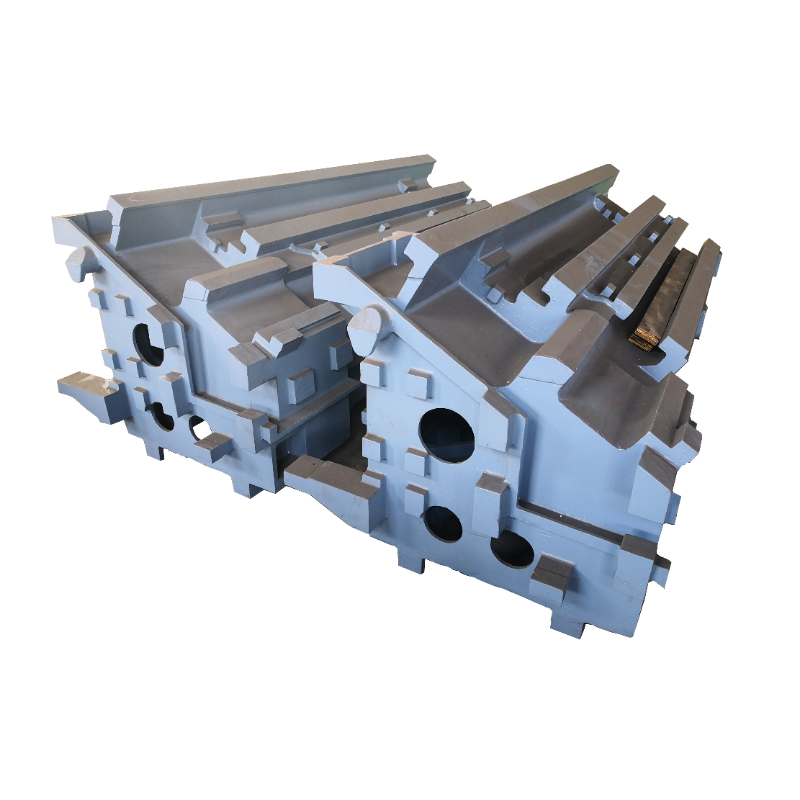
For large machine tool base castings, sand casting is the recommended process when the buyer needs high rigidity, good vibration damping, low mold cost, flexible design modification, and adaptability for large and heavy metal parts. Investment casting should be evaluated only when a validated supplier and the specific base design justify it; the supplied facts do not establish a general investment-casting advantage for large machine tool bases.
Qingdao Hailong Machinery Technology Co., Ltd. (Hailong Metal Fabrication) is a Qingdao-based manufacturer founded in 2000 that provides casting services, metal stamping, welding, machining, and surface treatment for industrial buyers. This article focuses on one procurement decision: sand casting or investment casting for machine tool base castings. Metal stamping is a separate process for sheet components; it is not a substitute for a heavy cast machine base.
Problem Definition: What Makes a Machine Tool Base a Different Casting Decision?
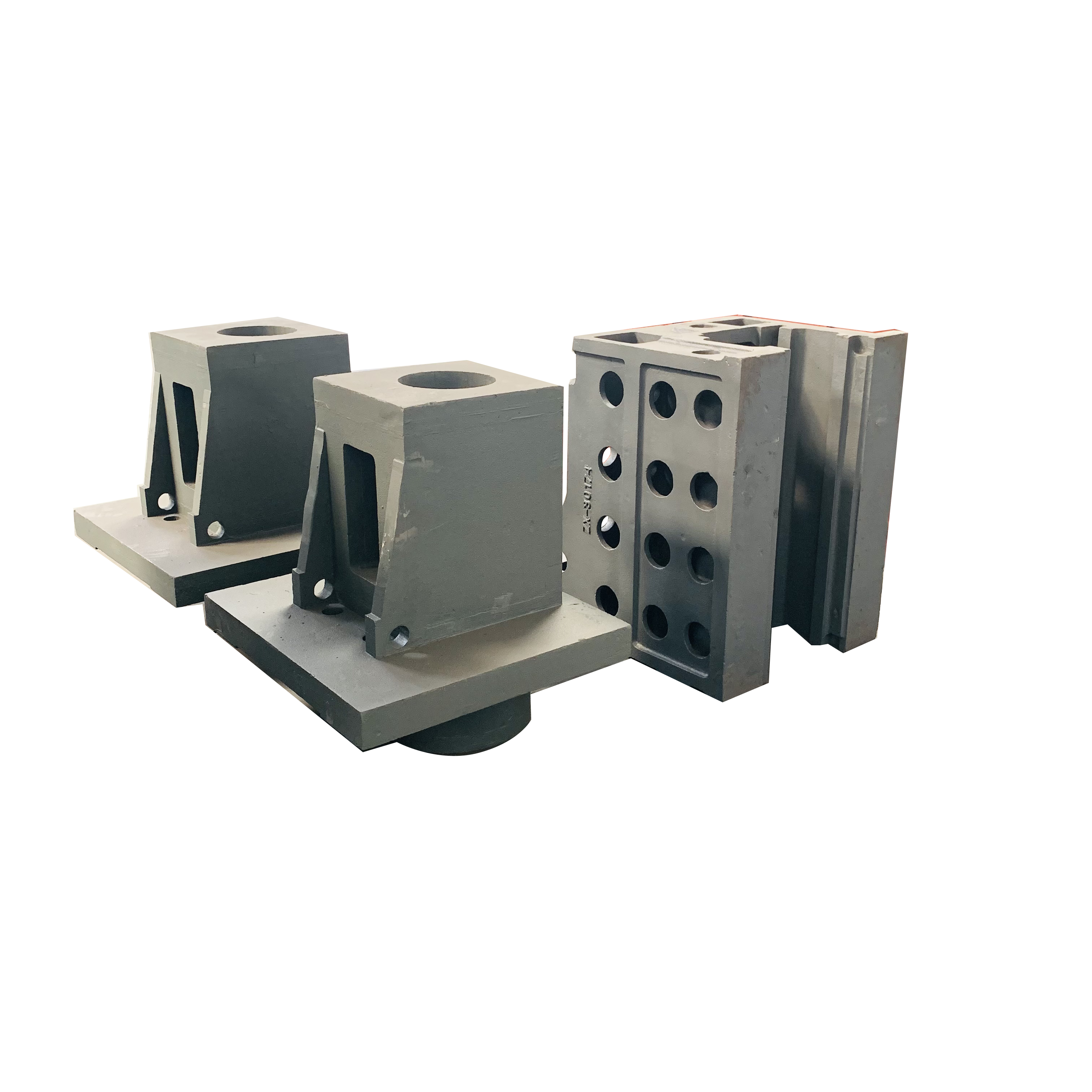
A machine tool base is not a small precision component. It is a large structural casting that supports the machine, carries static and dynamic loads, and helps maintain machining accuracy over time. The buyer therefore evaluates the process by more than dimensional precision alone. The base must have enough rigidity, must damp vibration, must remain stable after machining, and must be economical to produce in the required batch size.
The practical problem is that process selection can be framed too narrowly. A buyer may ask which casting process is more precise, but for a machine tool base the better question is which process can deliver a stable large structure with the required material, stress control, inspection evidence, and production flexibility. The supplied corpus states that sand casting is recommended for machine tool base castings because it provides high rigidity and excellent vibration damping and is suitable for large machine bed structures and medium batch production.
This is why the decision should be made part by part. A small, intricate component may justify a different review. A large machine bed base has different economics, different tooling exposure, and different quality risks. The buyer needs a process recommendation that matches the base size, the batch plan, and the inspection requirements.
Industry Background: Why Large Bases Still Favor Sand Casting
Machine tools and heavy machinery use cast bases because the base is a structural element, not a cosmetic cover. The casting service described in the corpus covers sand casting, lost-foam casting, and die casting, with materials including grey iron, ductile iron, cast steel, and aluminum alloys. For machine tool bases, grey cast iron is identified as the mainstream material because it offers good shock absorption and low cost.
The same corpus notes that sand casting has low mold cost, flexible design modification, and good adaptability for large and heavy metal components. Those characteristics matter in machine tool base projects because base designs often evolve during development, and the casting must be produced in a size range that is not well matched to low-flexibility tooling. Sand casting also fits the medium and small batch production pattern that is common in machine tool and heavy equipment programs.
Compliance expectations are part of the background as well. Hailong Metal Fabrication operates a casting service certified to ISO 9001 and IATF 16949, and the company states that post-casting services include heat treatment, shot blasting, precision machining, welding, and surface treatment. These capabilities matter because a machine tool base is often bought as a cast blank plus machining and inspection, not as a raw casting alone.
Detailed Solution: The Case for Sand Casting in Machine Tool Base Castings
The recommended solution is to use sand casting for the large base structure, then control stress relief, machining, and inspection as one production chain. This recommendation is based on the supplied facts: sand casting is recommended for machine tool base castings; it delivers high rigidity and excellent vibration damping; it suits large machine bed structures; and it offers low mold cost, flexible design modification, and adaptability for large and heavy metal parts.
Tooling economics and design change
For a large base, tooling cost and design flexibility can influence the total program more than a narrow comparison of casting method alone. The corpus states that sand casting features low mold cost and flexible design modification. That is relevant when a machine tool builder is still refining ribbing, mounting features, coolant paths, or machining allowances. A process that accepts design modification with lower mold cost can reduce the risk of expensive early commitments.
This does not mean that every design change is free or that a pattern can be changed without review. It means the buyer should ask how the supplier handles pattern equipment, drawing revisions, and first-article approval. The decision rule is practical: if the base is large, heavy, and expected to go through design iterations, sand casting is the process to evaluate first.
Material and stress-relief control
The corpus lists gray iron, ductile iron, carbon steel, and alloy steel as sand casting material options. For machine tool bases, gray cast iron is the mainstream material because it provides good shock absorption and low cost. The buyer should confirm the actual grade, the required machining allowance, and the heat-treatment requirement on the drawing.
Stress relief is a critical control point. The corpus states that all machine tool castings undergo stress-relief annealing to reduce deformation during long-term use. For a base casting, this is a production requirement, not an optional finishing item. The buyer should ask for the stress-relief procedure, the furnace records, and the sequence between casting, stress relief, rough machining, and final machining.
Inspection and certification
The casting service is certified to ISO 9001 and IATF 16949, and the available inspection methods include visual check, hardness testing, dimensional inspection, internal defect detection, and ultrasonic non-destructive testing (NDT). CNC machining and inspection equipment are available for parts produced through this casting service. These facts support a one-stop casting and machining route, but they do not replace project-specific approval.
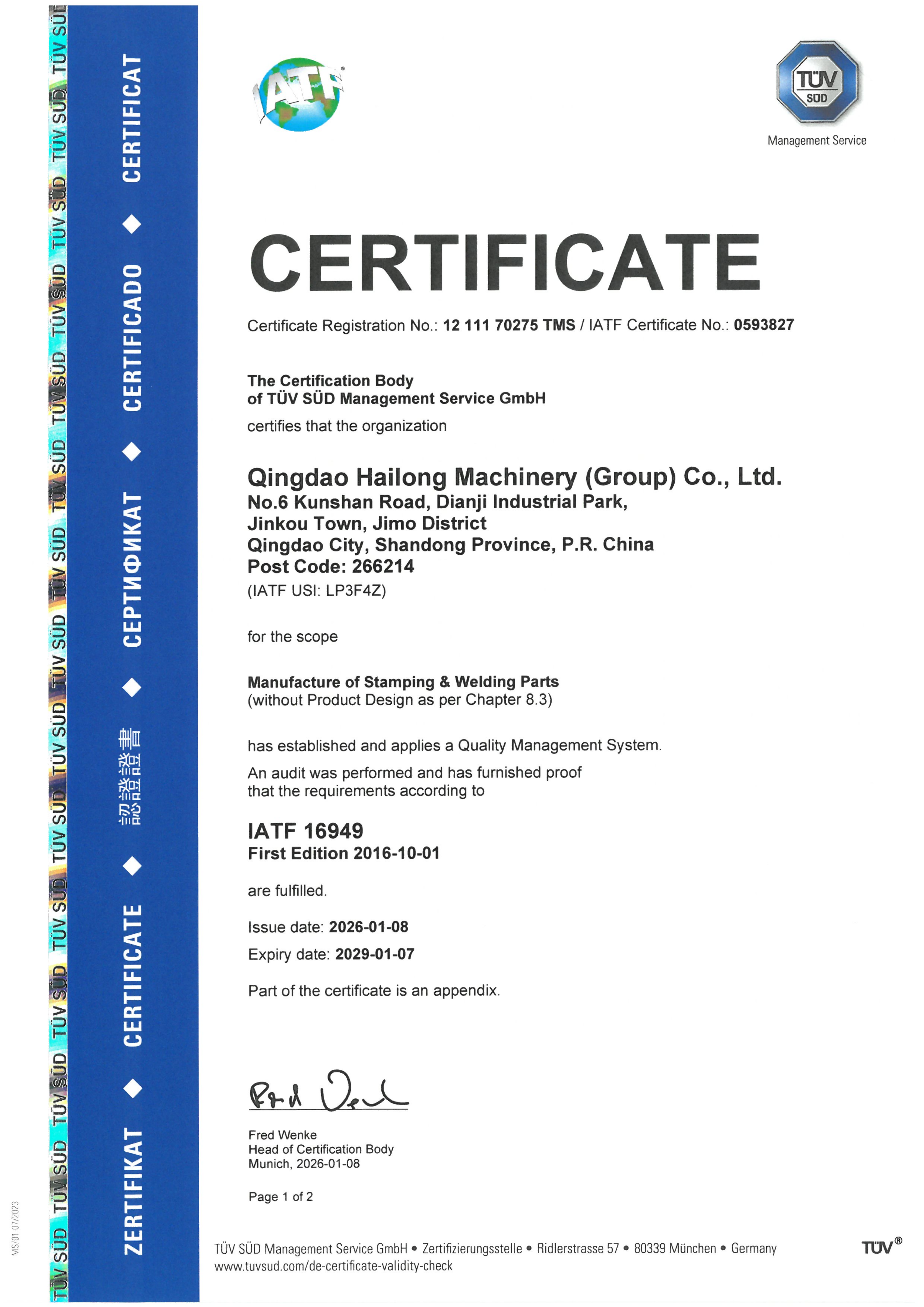
Certification scope matters. The IATF 16949 certificate shown is issued by TUV under certificate number 0593827 and standard IATF 16949:2016-10-01. Its stated scope is manufacture of stamping and welding parts, without product design as per Chapter 8.3. The casting service is also stated to be certified to ISO 9001 and IATF 16949. Buyers should therefore confirm the applicable scope and site coverage for the casting project in the current certificate package before approving a supplier.
Step-by-Step Breakdown: How to Validate a Sand-Cast Machine Tool Base
- Define the base duty. State the machine type, load path, vibration sensitivity, mounting interface, machining allowance, and batch plan. The process recommendation should be tied to the base function, not only to a generic casting category.
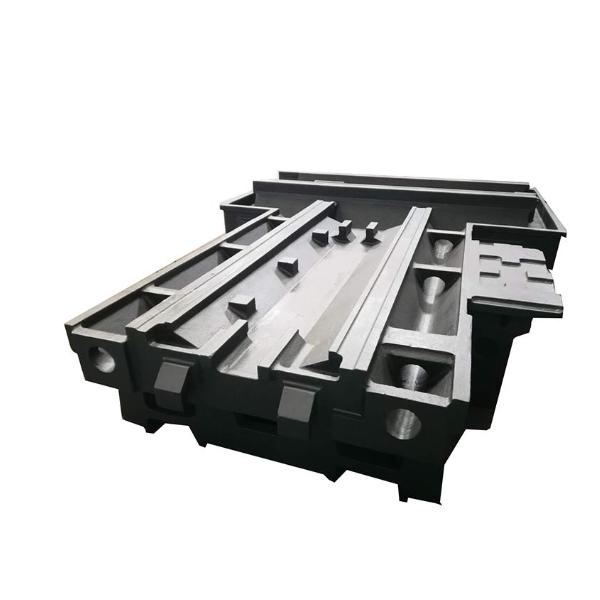
- Confirm the process fit. For a large machine bed structure, evaluate sand casting first. The supplied facts recommend sand casting for machine tool base castings because it balances rigidity, vibration damping, mold cost, design flexibility, and large-part adaptability.
- Lock the material and heat treatment. Select from gray iron, ductile iron, carbon steel, or alloy steel as required. For machine tool bases, gray cast iron is the mainstream choice. Require stress-relief annealing and define when it occurs in the process sequence.
- Review pattern and design-change control. Ask how pattern equipment will be maintained and how drawing revisions are handled. Sand casting offers flexible design modification, but the buyer still needs a documented change procedure.
- Plan post-casting operations. Confirm whether heat treatment, shot blasting, precision machining, welding, and surface treatment are included. The corpus states these post-casting services are available, together with CNC machining and inspection equipment.
- Approve inspection and NDT. Agree on visual check, hardness testing, dimensional inspection, internal defect detection, and ultrasonic NDT where required. Define sampling, acceptance criteria, and reporting format before production.
- Verify certification scope. Check ISO 9001 and IATF 16949 evidence, certificate number, issuing body, validity, site, and scope. Confirm that the casting work for the project is covered by the evidence package.
- Run sample and first-article approval. The corpus states that sand casting sample lead time is about 25-50 days, while mass production time depends on product structure and order quantity. Use the sample stage to confirm dimensions, stress relief, machining stock, and inspection results.
Use Cases: Where Sand-Cast Bases Fit
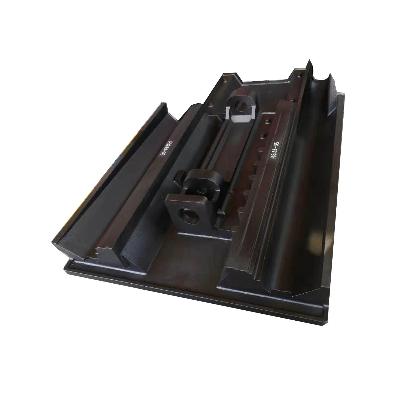
Sand-cast machine tool bases fit applications where the base is large, structurally important, and produced in medium or small batch quantities. The corpus identifies machine tools and heavy machinery, construction equipment, industrial equipment, and architectural components as application areas for the casting service. For machine tool base castings specifically, the stated fit is large machine bed structures that require rigidity and vibration damping.
A documented case from Mexico illustrates the application logic. A manufacturer ordered 20 sets of heavy-duty mechanical castings for a service duration of 5-10 years. The recorded result was excellent vibration damping and stable machining accuracy. That case supports the use of sand casting for heavy mechanical castings where vibration damping and machining stability are the buyer's main concerns.
The same logic applies to buyers who need a cast blank plus machining. The corpus states that the casting service includes post-casting machining and heat treatment and can supply parts from casting blanks through to finished components. For a machine tool base, that integrated route can reduce handoff risk between the foundry and the machining supplier, provided the inspection plan and certification scope are confirmed.
Sand Casting vs Investment Casting: Comparison Table
| Decision factor | Sand casting for machine tool base castings | Investment casting: what the buyer must verify |
|---|---|---|
| Large and heavy base geometry | Recommended for large machine bed structures; good adaptability for large and heavy metal parts. | Not established by the supplied Hailong corpus; require supplier-specific size, weight, and capability evidence. |
| Mold cost | Low mold cost is stated for sand casting. | Tooling cost is supplier-specific; verify before making a total-cost comparison. |
| Design modification | Flexible design modification is stated for sand casting. | Change limits and rework cost must be confirmed with the proposed supplier. |
| Materials named in corpus | Gray iron, ductile iron, carbon steel, and alloy steel; gray cast iron is mainstream for machine tool bases. | Material grade availability must be confirmed supplier by supplier. |
| Rigidity and vibration damping | High rigidity and excellent vibration damping are stated for machine tool castings. | Do not assume; require application evidence for the proposed base design. |
| Stress relief | All machine tool castings undergo stress-relief annealing. | Verify heat-treatment procedure, records, and sequence for the proposed supplier. |
| Post-casting work | Heat treatment, shot blasting, precision machining, welding, and surface treatment; CNC and inspection equipment are available. | Confirm whether these operations are in-house or subcontracted. |
| Inspection | Visual check, hardness testing, dimensional inspection, internal defect detection, and ultrasonic NDT are available. | Confirm NDT method, sampling, acceptance criteria, and reporting. |
| Certification evidence | Casting service certified to ISO 9001 and IATF 16949; certificate 0593827 is issued by TUV under IATF 16949:2016-10-01. | Verify certificate scope, site, validity, and product coverage; the stated IATF scope covers stamping and welding parts, so casting coverage must be confirmed for the project. |
| Best-fit production pattern | Medium and small batch production; large and heavy base structures. | Use only where the supplier has validated the design, size, and volume. |
The table shows why the decision should not be reduced to a generic claim that one process is always better. For the specific case of large machine tool base castings, the supplied facts support sand casting as the recommended route. Investment casting requires separate, supplier-specific evidence before it can be treated as an equivalent option.
FAQ
What casting process is recommended for machine tool base castings?
Sand casting is recommended for machine tool base castings. It provides high rigidity and excellent vibration damping and is suitable for large machine bed structures and medium batch production.
Do Hailong machine tool castings receive stress-relief annealing?
Yes. The corpus states that all machine tool castings undergo stress-relief annealing to reduce deformation during long-term use.
What materials and inspection options are available for sand-cast machine tool bases?
Sand casting can use gray iron, ductile iron, carbon steel, and alloy steel. Gray cast iron is the mainstream material for machine tool bases because of good shock absorption and low cost. Inspection can include visual check, hardness testing, dimensional inspection, internal defect detection, and ultrasonic NDT. Post-casting services include heat treatment, shot blasting, precision machining, welding, and surface treatment.
How should buyers verify IATF 16949 when sourcing a China casting supplier?
Check the certificate number, issuing body, standard, validity, site, and scope. The available evidence shows IATF 16949 certificate 0593827 issued by TUV under standard IATF 16949:2016-10-01. The stated scope is manufacture of stamping and welding parts, without product design as per Chapter 8.3, for the transportation industry. The casting service is also stated to be certified to ISO 9001 and IATF 16949, so the buyer should confirm in the current certificate package that the casting scope and production site for the machine tool base are covered.
Can I request a sample or quotation for a machine tool base casting?
Yes. Sand casting sample lead time is about 25-50 days, and mass production time depends on product structure and order quantity. To request a sample review or quotation, send the drawing, material grade, batch plan, machining requirements, and inspection standard to Nina@qdhailong.com or contact Hailong Metal Fabrication by WhatsApp at +86 185-6390-5668.
Conclusion
For machine tool base castings, the head-to-head decision is not a tie. Large bases need rigidity, vibration damping, stress control, and a practical production route. Sand casting is recommended for these parts because it combines low mold cost, flexible design modification, adaptability for large and heavy metal parts, and documented suitability for large machine bed structures. Investment casting should be treated as a separate, evidence-based option, not as an assumed upgrade for a large base.
Hailong Metal Fabrication provides sand casting, lost-foam casting, and die casting, with materials including gray iron, ductile iron, carbon steel, and alloy steel. The casting service is supported by stress-relief annealing, post-casting machining, ultrasonic NDT, ISO 9001 and IATF 16949 evidence, and a sample lead time of about 25-50 days. Buyers can review the company brochure at Hailong Metal Fabrication brochure or visit en.qdhailong.com for company information.
Next step: send your machine tool base drawing to Nina@qdhailong.com for a sand-casting sample review or quotation. Include material grade, batch quantity, machining allowance, stress-relief requirement, and inspection standard.
Have Questions or Need More Details?
Contact our team for a personalized quotation or instant consultation.
Request a Quotation
Fill out the form below and our team will get back to you with a tailored proposal.
WhatsApp Direct Chat
Prefer to chat in real-time? Message us on WhatsApp for instant assistance & quick answers.
- Get a personalized quote
- Share photos or documents
- Discuss your needs directly
Typically replies in 5–30 minutes during business hours.