
Sheet Metal Fabrication Process Selection for Metal Stamping: Technical Guide
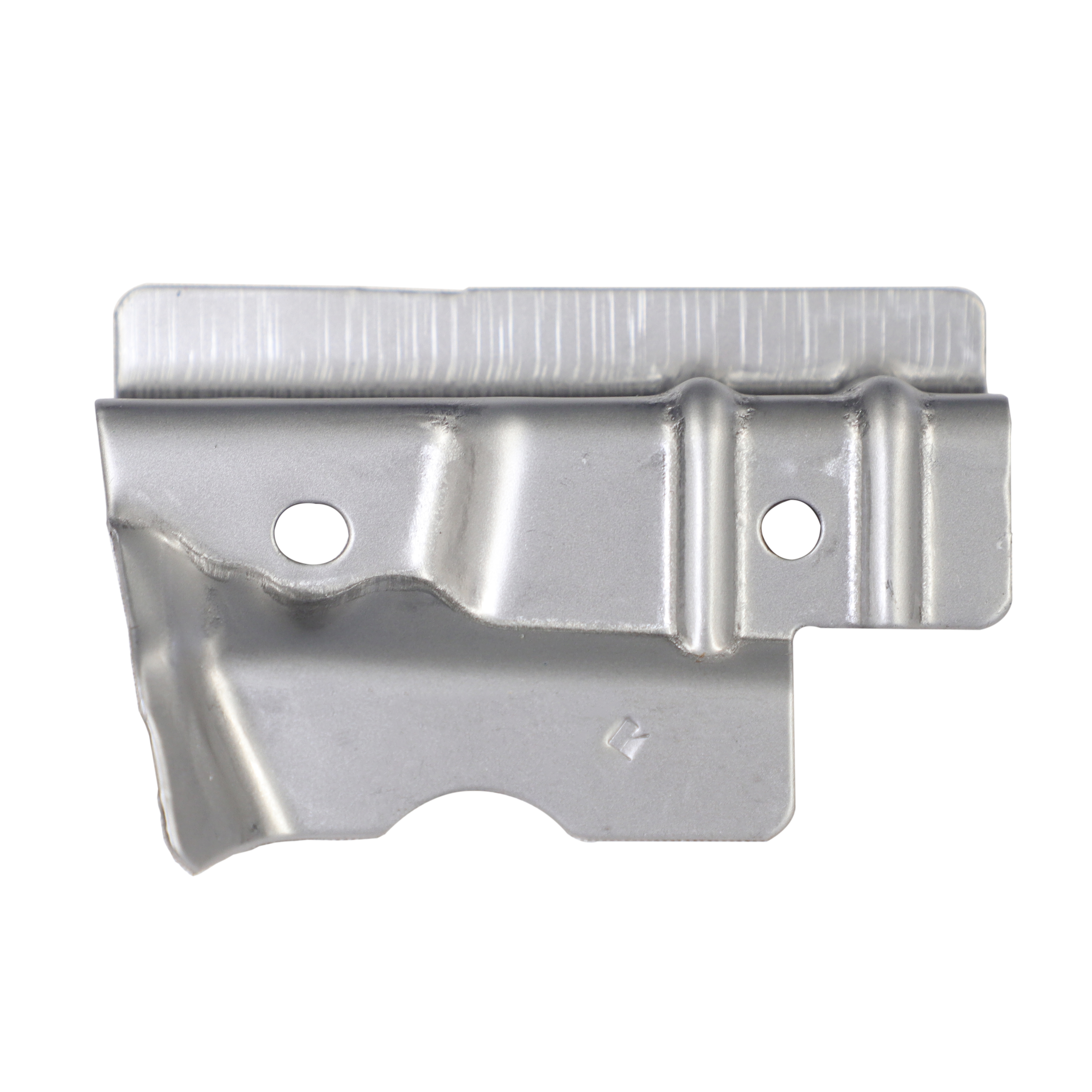
Process selection guide
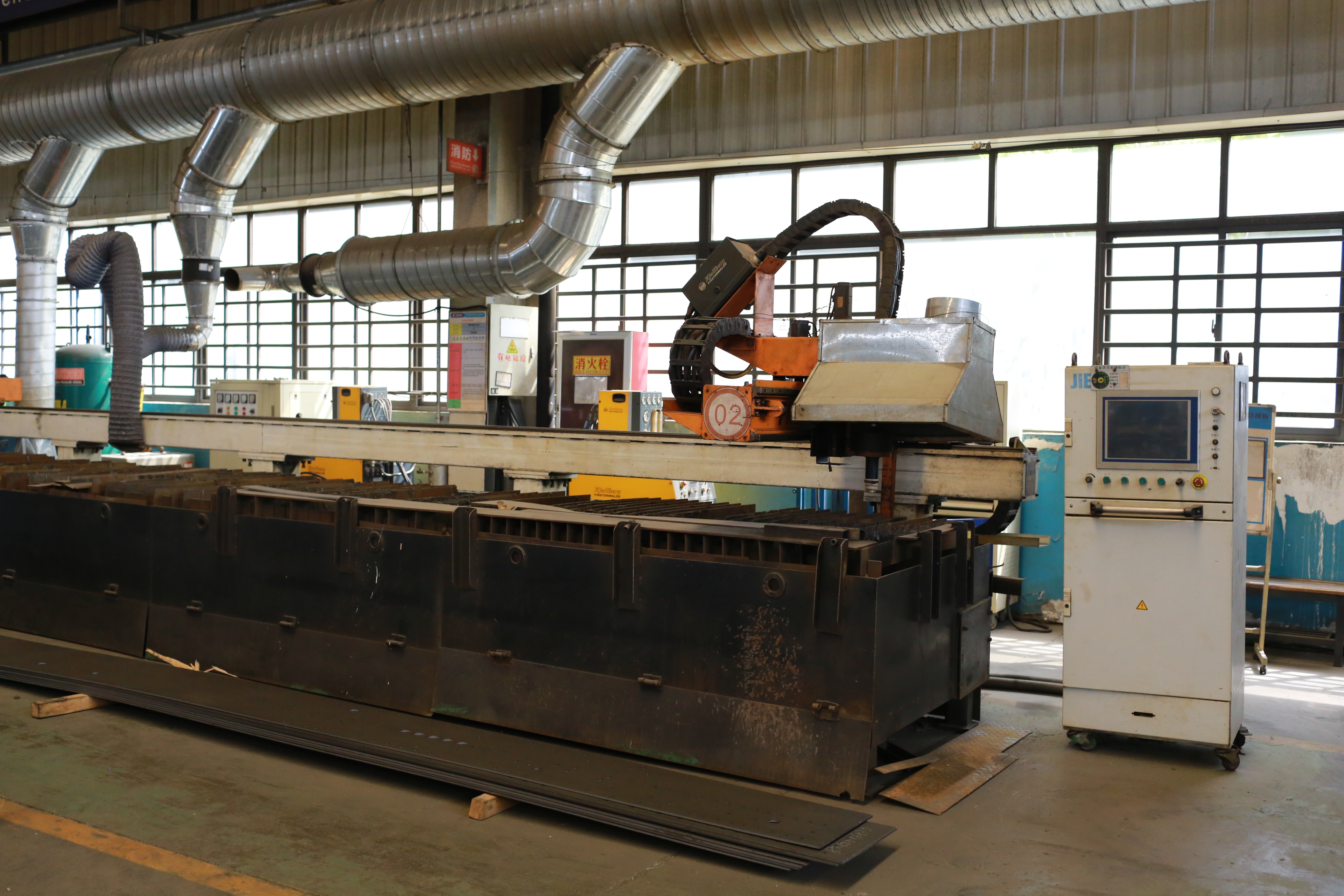
Process selection in a metal stamping project is decided by three inputs, not by which machine happens to be free: the part geometry, the material grade, and the tonnage available on the press line. Hailong Metal Fabrication covers four fabrication routes inside its sheet metal fabrication scope — stamping, laser cutting, shearing/CNC punching, and press-brake bending — for cold-rolled steel, hot-rolled steel, 304 and 304L stainless steel. Those routes are supported by large and automatic presses from 160T to 2400T, and by inspection equipment that includes a CMM, a spectrometer and a carbon-sulfur analyzer.
Qingdao Hailong Machinery Technology Co., Ltd., trading as Hailong Metal Fabrication, was established in 2000 and is certified to IATF 16949, ISO 9001, ISO 14001 and OHSAS 18001. This guide sets out how to choose between the four routes, in what order the decisions should be taken, how material grades and press tonnage connect to that choice, and how dimensional and material verification is carried out before a stamping program moves into production.
Why process selection is the first decision, not the last
The four routes are not interchangeable options on a price list. Each one answers a different engineering question. Stamping answers whether a part can be cut, formed and trimmed in a die. Laser cutting, shearing and CNC punching answer how the blank or profile is created before forming. Press-brake bending answers whether the geometry is a bend sequence rather than a form-and-trim problem. Choosing the route after the tooling decision has been made is the point at which rework becomes expensive.
Three gaps appear repeatedly in buyer-side project reviews:
- Material grade not fixed on the drawing. The supported stainless steel grades here are 304 and 304L, and they are listed separately. Cold-rolled steel is used as a base material, while hot-rolled steel, 304 and 304L stainless steel are supported grades alongside additional metals such as zinc-aluminum alloy and brass. If the drawing does not state which grade applies, the die and the inspection plan are built on an assumption.
- Tonnage assumed instead of matched. A press range that runs from 160T to 2400T, plus an 8,250T automated stamping line, describes capability. It does not automatically define the correct line for a specific part.
- Verification planned after production starts. Material identity and dimensional conformity should be designed into the process, using the equipment that already exists for that purpose.
Hailong supports DFMA, Moldflow analysis, material advisory, heat treatment and part-level testing that covers incoming material checks, hardness and assembly dimensions. Special process or certification requirements such as CAE or PPAP should be confirmed in advance, before a project schedule is built around them.
Industry background: market size, certification baseline and capital intensity
Third-party commercial research from Grand View Research estimates the global metal stamping market at USD 257.3 billion in 2025, with Asia Pacific holding a 37.0% revenue share in the same year. Within that total, the automotive metal stamping segment is estimated at USD 90.6 billion in 2025.
Those figures should be read as context rather than as procurement data. Comparable commercial estimates differ — IMARC places the 2025 global valuation at USD 226.3 billion and 360iResearch at USD 210.37 billion — and the difference is generally attributed to whether captive stamping departments inside large OEMs are counted inside or outside the market. For a buyer, the practical implication is simpler: the supplier landscape is large, and selection criteria matter more than market totals.
Two structural facts shape selection. The first is certification. Market research on the North American automotive steel stamping sector describes IATF 16949 certification combined with real-time SPC monitoring and Run@Rate tests of 4,000 defect-free pieces as baseline entry criteria for new OEM automotive programs. The second is capital intensity: the same research estimates that hot-stamping lines used to produce advanced high-strength steel parts, such as 1,500 MPa press-hardened steel, can cost USD 8–12 million each. Process routes carry very different investment profiles, which is why the selection decision belongs at the start of a project rather than inside a quotation.
The four fabrication routes and the decision each one answers
1. Stamping — progressive die and single stamping die
For high-volume automotive sheet metal components, the progressive die route is the documented recommendation: multiple forming processes are integrated into one die set, which supports high production efficiency and stable precision. Where volumes are lower, or the part is large or has a complex deep-drawn shape, a single stamping die is the more suitable choice, with lower tooling cost and greater flexibility. Die steel grade — Cr12MoV, SKD11, P20 or an equivalent grade — is selected against the stamping material, the material thickness and the required production lifetime.
2. Laser cutting
Laser cutting is one of the manufacturing processes covered by the sheet metal fabrication scope, and laser cutters are part of the equipment inventory. In a stamping project this route defines the blank or profile that feeds the forming operation, so the practical question for the buyer is whether the blank dimensions and profile match the die design and the drawing revision that the die was built against.
3. Shearing and CNC punching
Shearing and CNC punching sit in the same covered process list as stamping and laser cutting. CNC punching machines are listed in the equipment inventory alongside CNC machining equipment and laser cutters. These routes carry the edge trim, hole pattern and sheet-size handling work, and they are typically evaluated together with laser cutting when the blanking strategy is reviewed.
4. Press-brake bending
Press-brake bending is the fourth covered route. The decision it answers is whether the geometry is bend-dominated — a sequence of bends on a formed blank — rather than a form-and-trim geometry that justifies a full stamping die. Where bends dominate, the buyer needs to supply the bend sequence, the drawing or sample, and the tolerance expectation, because the part is judged on the bent assembly rather than on the individual blank.
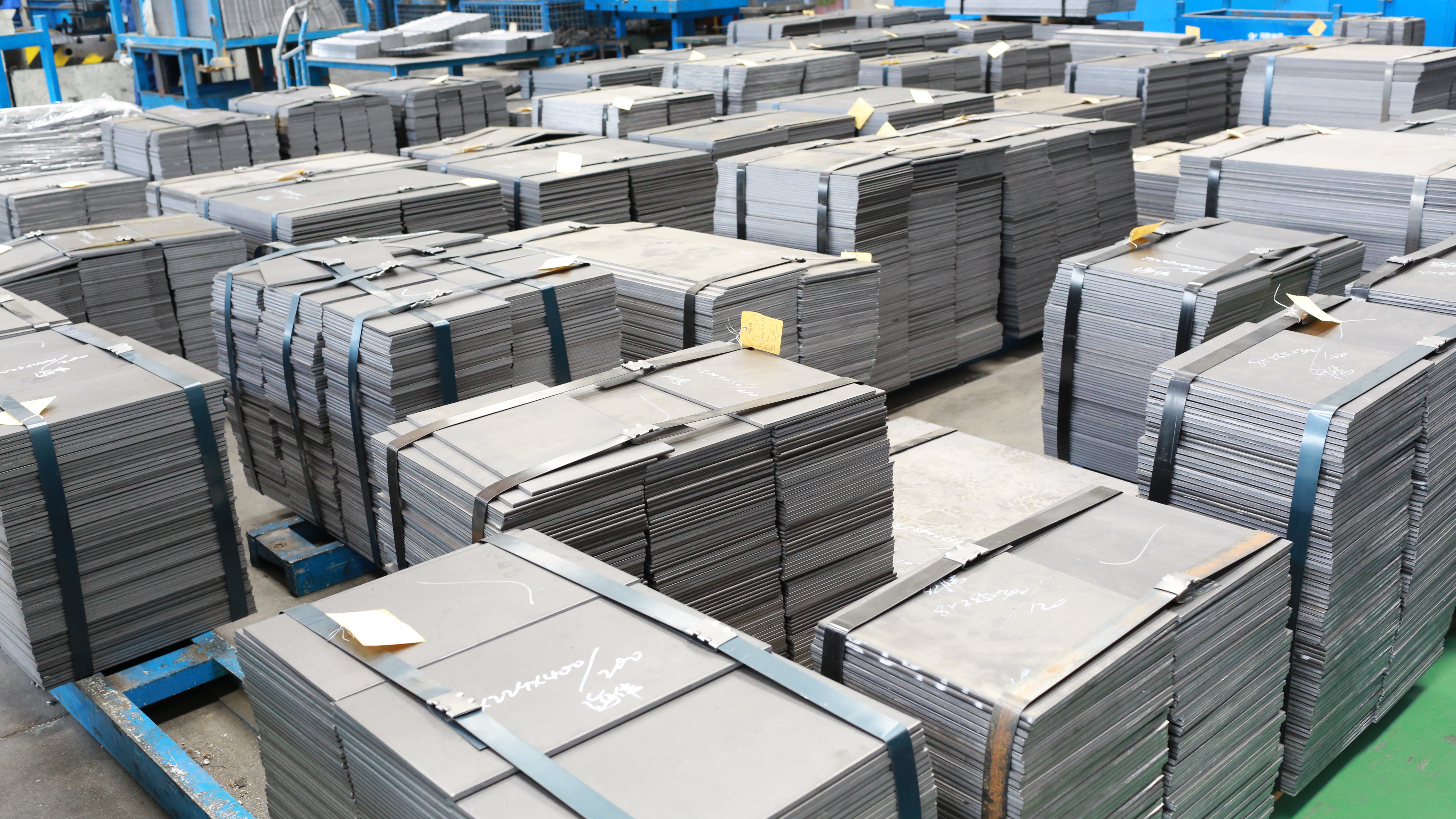
Material selection: cold-rolled steel, hot-rolled steel, 304 and 304L
Material selection fixes more of the process than any other single input. The sheet metal fabrication scope supports cold-rolled steel, hot-rolled steel, 304 stainless steel and 304L stainless steel, with cold-rolled steel acting as a base material. Zinc-aluminum alloy and brass are supported as additional metal materials.
Two rules follow from that list. First, the grade belongs on the drawing before the die or the bending program is prepared, because the supported stainless grades are stated as 304 and 304L — they are not a single interchangeable category. Second, material identity should be established by instrument rather than by appearance: the inspection equipment list includes a spectrometer and a carbon-sulfur analyzer in addition to a CMM, and part-level testing includes incoming material checks and hardness testing.
Material choice also feeds back into tooling. Die steel selection among Cr12MoV, SKD11 and P20 depends on the stamping material, the thickness and the required production lifetime, which means a material change late in a project can force a tooling review rather than a simple substitution.
Matching the part to the press line: 160T to 2400T and above
Large and automatic presses from 160T to 2400T are listed as matched equipment for stamping and sheet metal fabrication projects. Behind that range, the Auto Parts Division operates an 8,250T automated stamping line with a 9 SPM average effective cycle, together with 3,400T, 800T–2,400T and 630T–800T press lines, laser cutters and robotic welding cells.
| Press line (as documented) | Documented capacity data | How the buyer should use it |
|---|---|---|
| 8,250T automated stamping line | 9 SPM average effective cycle | Request confirmation of whether the part and volume fit an automated line before assuming it belongs there |
| 3,400T press line | Documented within the same press line set | Confirm the line against the drawing, die size and annual volume |
| 800T–2,400T press lines | Documented within the same press line set | Typical zone for medium-to-large formed parts; confirm tonnage per part |
| 630T–800T press lines | Documented within the same press line set | Confirm against smaller formed and trimmed components |
| Large / automatic presses | 160T–2400T range | Confirm the specific tonnage and die interface required for the part |
Available tonnage is a line capability, not an automatic match. The match should be confirmed against the drawing, the die design and the annual volume, and it should be confirmed before the tooling specification is frozen. The reason is visible in the market data: hot-stamping capacity for advanced high-strength steel parts can require equipment investments in the USD 8–12 million range per line, which makes the tonnage decision a capital decision as well as a technical one.
Inspection: how dimensional and material verification is performed
Verification equipment in the matched equipment list includes a CMM, a spectrometer and a carbon-sulfur analyzer. Each instrument closes a different gap:
- CMM — dimensional verification of formed, bent and trimmed parts, and confirmation of first-article inspection results against the drawing.
- Spectrometer — material composition verification, used together with incoming material checks so that the grade on the certificate matches the grade on the press.
- Carbon-sulfur analyzer — carbon and sulfur content checks, which support material verification on the incoming side of the process.
These instruments sit inside a wider inspection pattern: part-level testing covers incoming material checks, hardness and assembly dimensions, and the operating mode includes mold tryout and first-article inspection. For OEM automotive programs, the third-party baseline described earlier — IATF 16949 certification with real-time SPC monitoring and Run@Rate tests of 4,000 defect-free pieces — sets the expectation that inspection is a continuous production control, not a final gate. Certification requirements such as CAE or PPAP should be confirmed in advance.
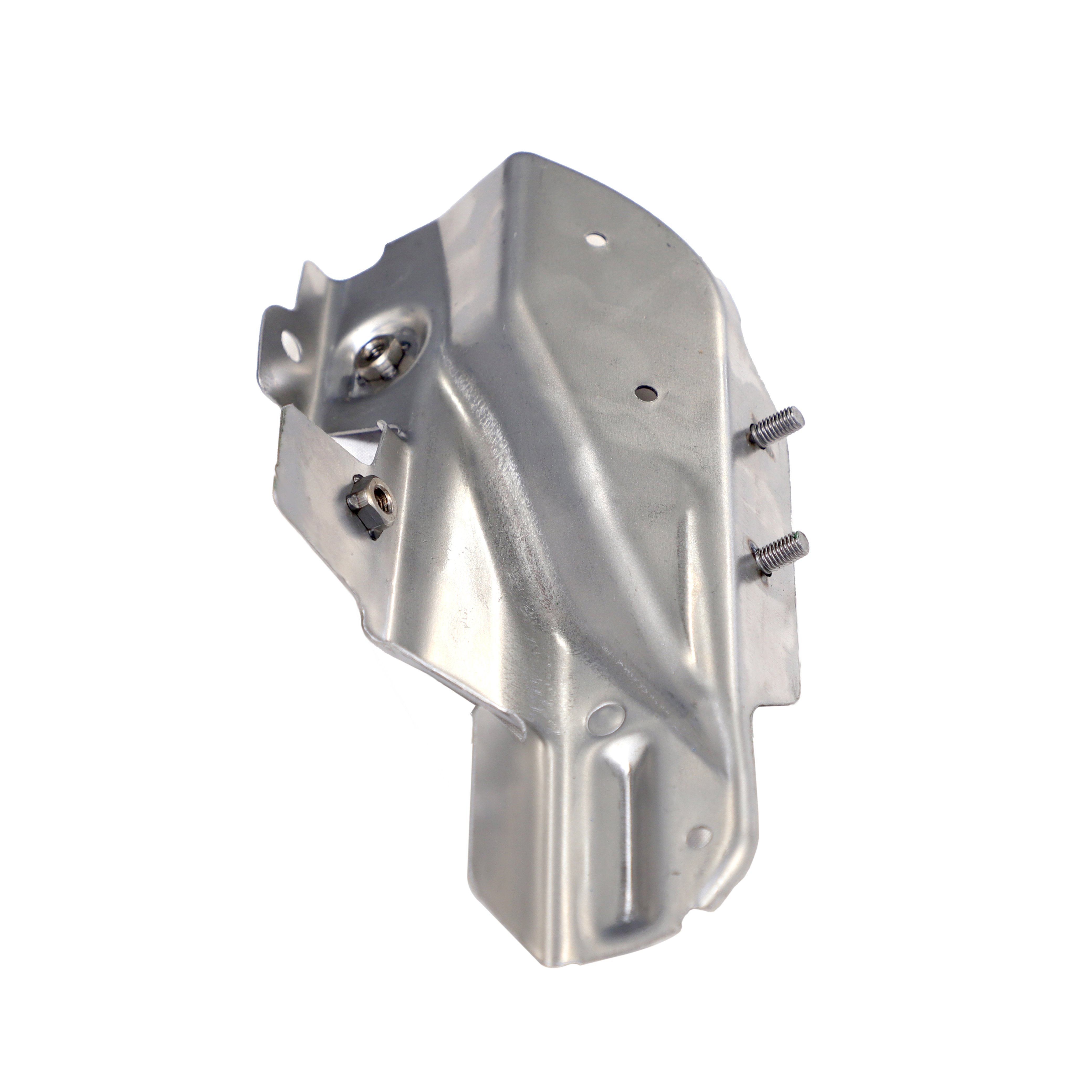
Step-by-step: running a process selection review
- Lock the part definition. Drawing or sample, material grade stated explicitly from the supported list — cold-rolled steel, hot-rolled steel, 304, 304L, or additional metals such as zinc-aluminum alloy and brass.
- Classify the geometry. Decide whether the part is bend-dominated, form-and-trim dominated, or a deep-drawn part. This single classification eliminates at least one route in most projects.
- Choose the blanking route. Stamping blank, laser cutting, or shearing and CNC punching, evaluated together because they sit in the same covered process list.
- Choose the forming route. Progressive die for high-volume automotive sheet metal components; single stamping die for small batches, large-size parts or complex deep-drawn parts; press-brake bending where the geometry is a bend sequence.
- Match tonnage. Map the part to the 160T–2400T large and automatic press range, or to the 630T–800T, 800T–2,400T, 3,400T lines or the 8,250T automated line, and confirm the match with the supplier.
- Select die steel. Cr12MoV, SKD11 or P20 according to stamping material, thickness and required production lifetime.
- Build the verification plan. CMM dimensional checks, spectrometer and carbon-sulfur analyzer material checks, incoming material checks, hardness and assembly dimensions. Confirm CAE, PPAP or other special requirements in advance.
- Plan joining and finishing. Robotic welding cells support stamp-and-weld assembly components; available surface treatments include sand blasting, powder coating, painting, anodizing, polishing and electroplating.
- Confirm timing. Die development normally runs 25–40 days for simple dies and 45–70 days for complex progressive dies, including trial stamping; custom parts run 10–15 working days depending on order quantity, while stock items run 2–5 working days.
Project note: the fabrication facility is equipped with more than 500 machines, including CNC, laser cutting and stamping production lines. Small quantity orders and mixed items are accepted, and flexible minimum order quantities allow small-batch and mixed-item production.
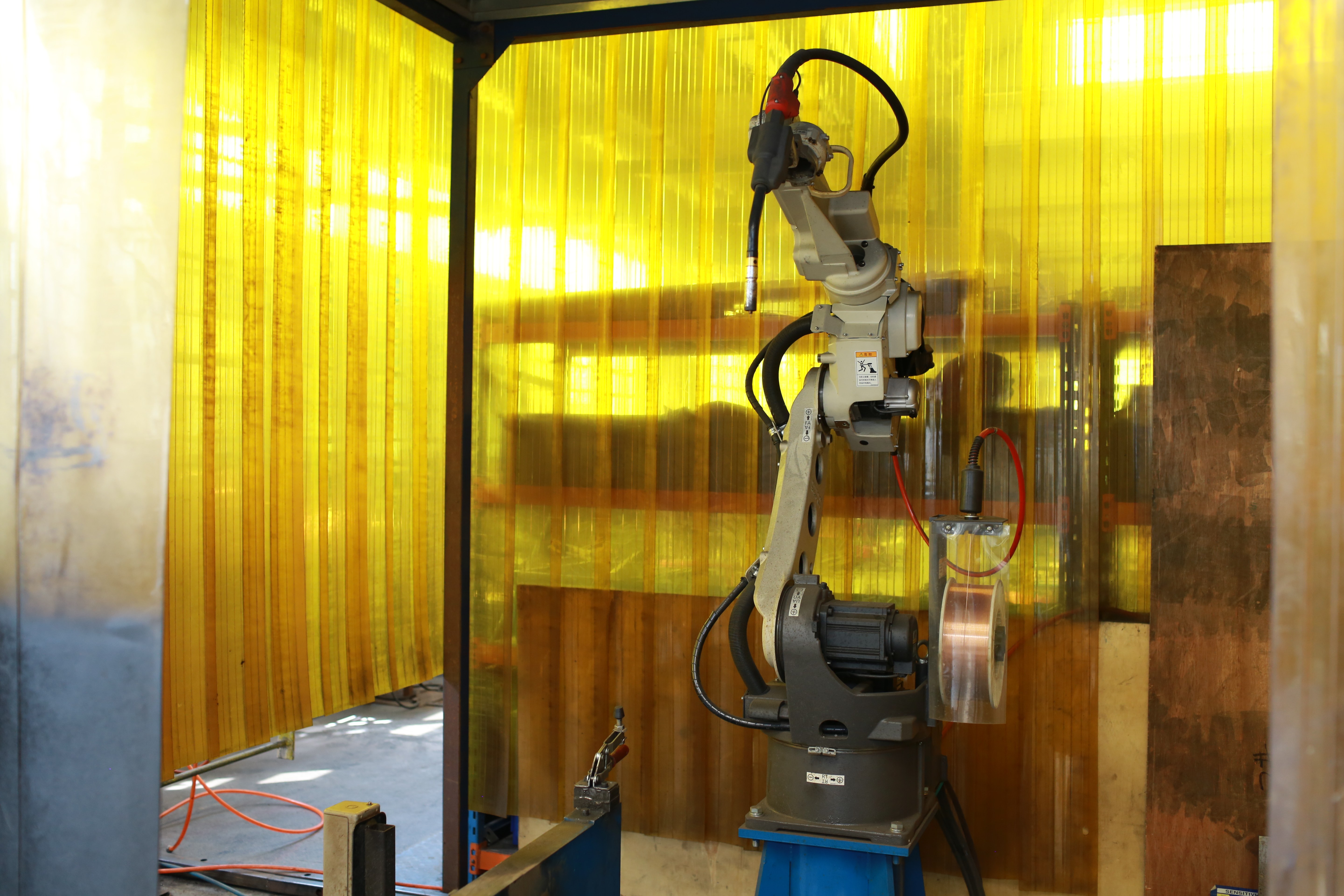
Where these process choices are applied
Automotive metal stamping
Automotive sheet metal parts are the clearest case for the progressive die route at volume, with IATF 16949 supporting the qualification requirements of OEM programs. Hailong's customer base on the automotive side includes FAW Jiefang and Beijing Benz, and the group is certified to IATF 16949, ISO 9001, ISO 14001 and OHSAS 18001.
Household appliance metal stamping
Household appliances are listed among the applicable industries for this fabrication and stamping capability, alongside automotive and auto parts, heavy machinery, industrial equipment, furniture and architectural components, and oilfield equipment. Appliance work typically mixes thinner-gauge parts with moderate volumes, where the route comparison between stamping and press-brake bending is decided early.
Stainless steel and heavy-gauge stamping
304 and 304L stainless steel are supported grades. For heavier parts, the tonnage question becomes decisive: the press range extends to 2400T in the large and automatic press set, with 3,400T and 8,250T lines available in the group's stamping operations, and the die steel selection, material advisory and verification plan should be confirmed together rather than separately.
Stamp-and-weld assembly components
Robotic welding cells sit directly behind the press lines in the documented equipment set, which supports stamp-and-weld assembly components rather than loose part supply. In the group's own operations this model is visible in the Special Vehicle Division, which manufactures light and heavy truck cabs, including the JH6+ crew cab, and a full range of cargo boxes, with 13 roll-forming lines and an e-coating facility.
Custom OEM metal stamping parts
Full OEM and ODM customization is supported from samples, designs or specifications, with custom parts produced from customer-provided drawings, samples or specifications. Prototype runs and small-to-large volume production are both supported within the same operating model.
Comparison table: fabrication routes and documented capability
| Fabrication process | Status in the documented scope | Documented equipment / parameters | What the buyer must confirm |
|---|---|---|---|
| Stamping | Covered manufacturing process | Press lines at 630T–800T, 800T–2,400T and 3,400T, plus an 8,250T automated stamping line with a 9 SPM average effective cycle; large and automatic presses from 160T to 2400T | Annual volume; whether a progressive die or a single stamping die applies; material grade; required tonnage per part |
| Laser cutting | Covered manufacturing process | Laser cutters listed in the equipment inventory alongside CNC and stamping production lines | Blank/profile dimensions against the die and drawing revision; material grade |
| Shearing / CNC punching | Covered manufacturing process | CNC punching machine listed in the equipment inventory; more than 500 machines including CNC, laser cutting and stamping production lines | Hole pattern and edge trim requirements; sheet size; order quantity |
| Press-brake bending | Covered manufacturing process | Operated within the same fabrication scope as stamping; supported by the group press and tooling set | Bend sequence; part geometry; drawing or sample; tolerance expectation |
FAQ
For new OEM automotive programs, IATF 16949 is commonly treated as a baseline entry criterion. Third-party market research on the North American automotive steel stamping sector describes IATF 16949 certification with real-time SPC monitoring and Run@Rate tests of 4,000 defect-free pieces as baseline entry criteria. Qingdao Hailong Machinery Technology Co., Ltd. is certified to IATF 16949, ISO 9001, ISO 14001 and OHSAS 18001. Any additional requirement, such as CAE or PPAP, should be confirmed in advance with the supplier.
The covered manufacturing processes are stamping, laser cutting, shearing, CNC punching and press-brake bending. Supported materials are cold-rolled steel (used as a base material), hot-rolled steel, 304 stainless steel and 304L stainless steel, with zinc-aluminum alloy and brass supported as additional metal materials. Production equipment includes more than 500 machines, such as CNC, laser cutting and stamping production lines, large and automatic presses from 160T to 2400T, an 8,250T automated stamping line with a 9 SPM average effective cycle, and 3,400T, 800T–2,400T and 630T–800T press lines. Verification equipment includes a CMM, a spectrometer and a carbon-sulfur analyzer.
Tooling type and die complexity are the main structural drivers. Stamping die development normally takes 25–40 days for simple dies and 45–70 days for complex progressive dies, including trial stamping, and die steel grade (Cr12MoV, SKD11 or P20) is selected against the stamping material, thickness and required production lifetime. Material grade and press tonnage add further variation: as a market benchmark, hot-stamping lines for advanced high-strength steel parts such as 1,500 MPa press-hardened steel can cost USD 8–12 million each. Exact cost and timing should be confirmed against the drawing, material and order quantity.
Yes. Full OEM and ODM customization is supported from samples, designs or specifications, and custom parts are produced from customer-provided drawings, samples or specifications. The operating model includes mold tryout and first-article inspection, and small quantity orders and mixed items are accepted, which allows a part to be validated before volume production. Custom order lead time is 10–15 working days depending on order quantity.
Stock items are quoted at 2–5 working days, and custom orders at 10–15 working days depending on order quantity. Stamping die development runs in parallel and is the longer item: 25–40 days for simple dies and 45–70 days for complex progressive dies, including trial stamping. To start a review, send the drawing, the material grade and the annual volume to nina@qdhailong.com or reach the team on WhatsApp at +86 185-6390-5668, and confirm the sample or first-article plan before the tooling schedule is fixed.
Conclusion
Process selection for metal stamping comes down to sequencing three decisions correctly: fix the material grade (cold-rolled steel, hot-rolled steel, 304 or 304L) on the drawing, classify the geometry as bend-dominated, form-and-trim, or deep-drawn, and then match the route and the tonnage to the documented press capability — from 160T–2400T large and automatic presses up to the 8,250T automated line. Inspection closes the loop, with CMM dimensional checks and spectrometer and carbon-sulfur analyzer material verification built into the process rather than added at the end.
Hailong Metal Fabrication has operated this combination of stamping, laser cutting, CNC punching, press-brake bending and robotic welding since 2000, certified to IATF 16949, ISO 9001, ISO 14001 and OHSAS 18001, with an annual production capacity of 5,000,000 pieces.
Next step: request a quotation, a sample or a first-article review for your stamping project. Send the drawing, material grade and annual volume to nina@qdhailong.com or contact +86 176-6762-3223. Download the full capability brochure here: Hailong capability brochure (PDF). More information: en.qdhailong.com.
Have Questions or Need More Details?
Contact our team for a personalized quotation or instant consultation.
Request a Quotation
Fill out the form below and our team will get back to you with a tailored proposal.
WhatsApp Direct Chat
Prefer to chat in real-time? Message us on WhatsApp for instant assistance & quick answers.
- Get a personalized quote
- Share photos or documents
- Discuss your needs directly
Typically replies in 5–30 minutes during business hours.