
Truck Body Application Guide: Dump Body Selection for Quarry, Mining, and Construction
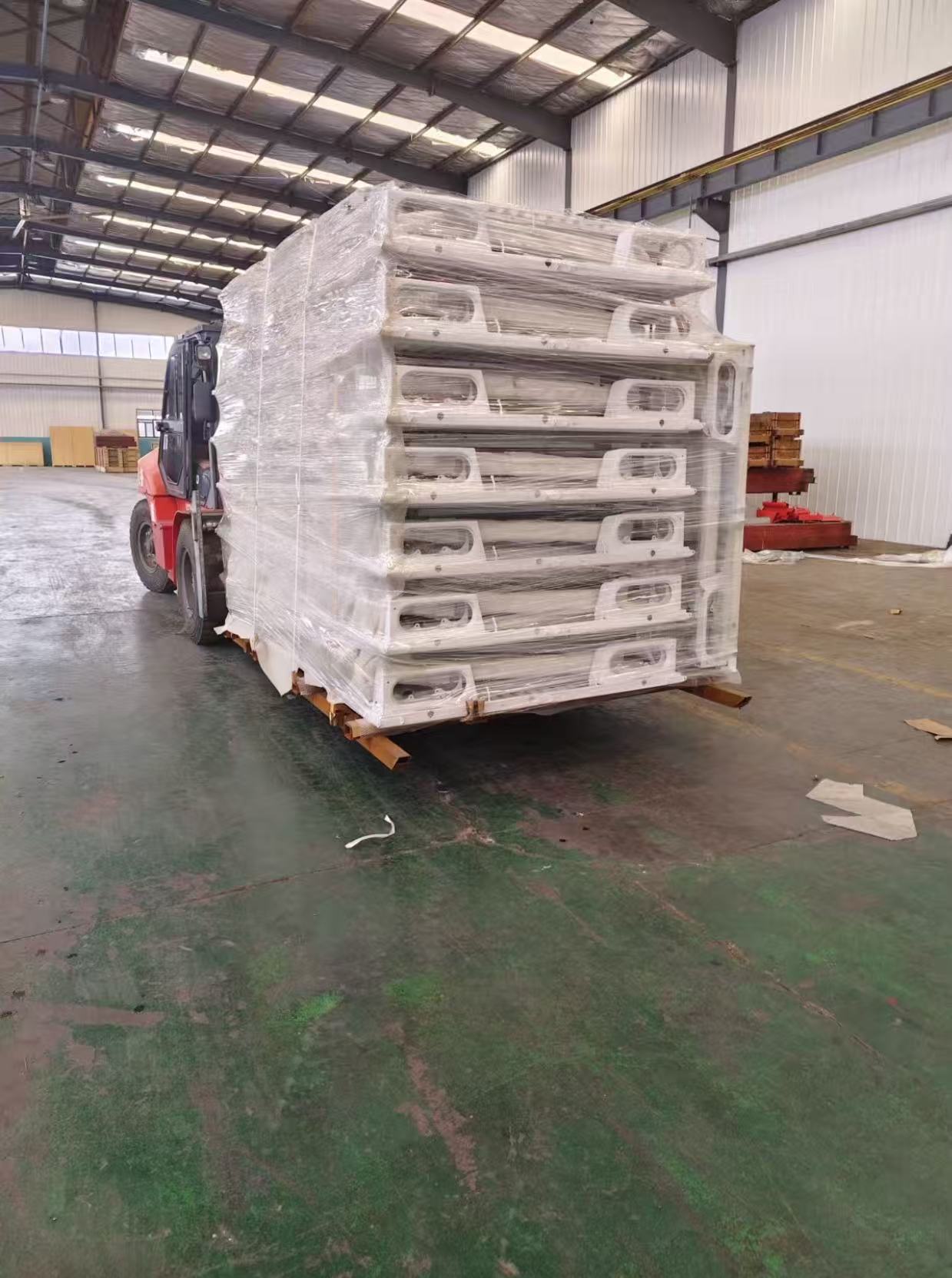
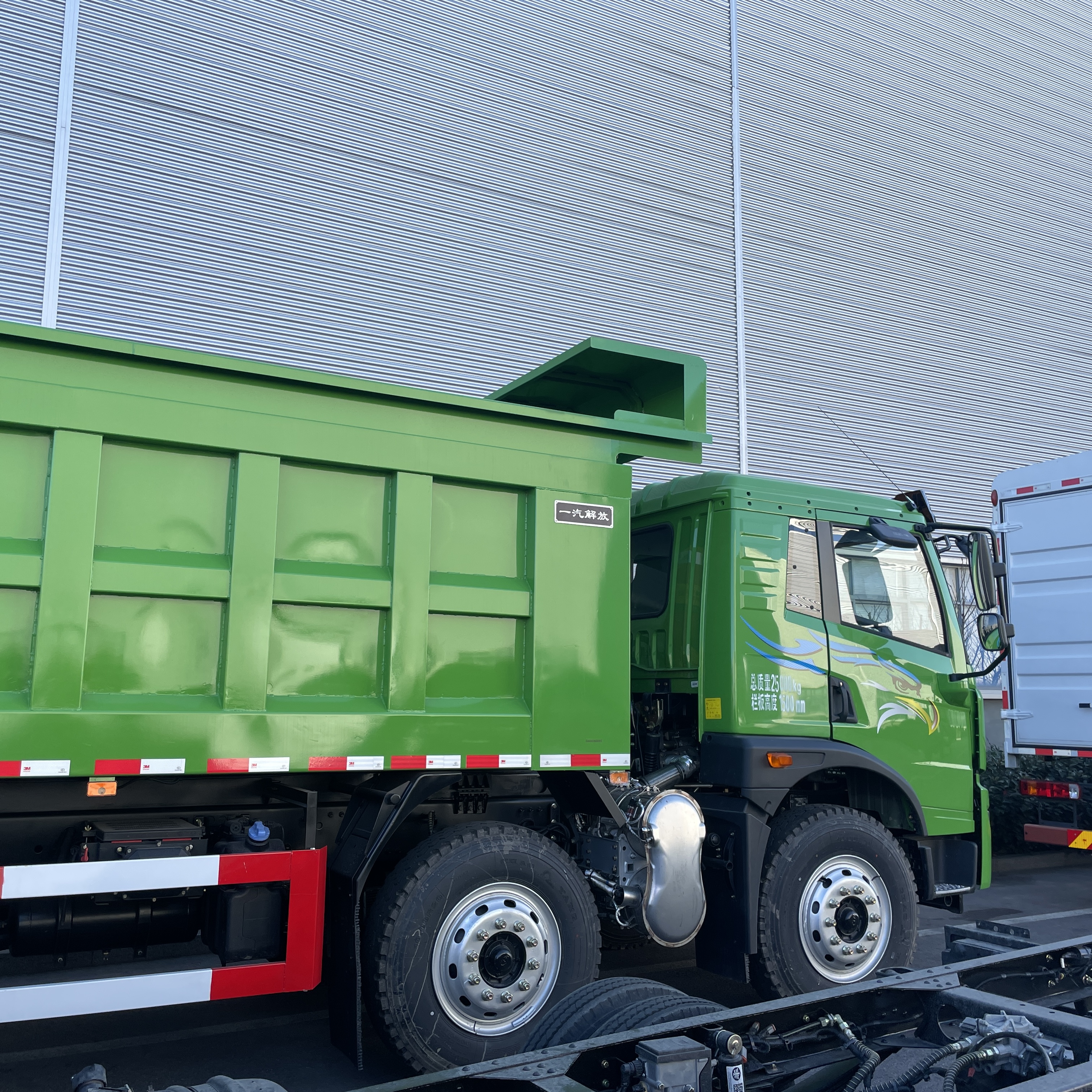
For quarry transport, a heavy-duty dump body is the recommended configuration. It is built around high-strength wear-resistant steel plate, a reinforced floor and impact-resistant structure, and it is widely used in mining, quarry, earthwork and construction bulk material transportation.
Truck body choice is a specification decision, not a styling one. The body is the part of the vehicle that absorbs loading impact, abrasion from rock and aggregate, and the stress of repeated tipping. Match it to the wrong haul cycle and the consequences appear as cracked panels, worn floors, bent tailgates and unplanned downtime. This guide explains how to match truck body type to a project scenario, how dimensions, lining and lifting structure are customized for special vehicles, and which certification evidence buyers should verify before an order is released. It is written for fleet operators, commercial-vehicle dealers, importers and special vehicle builders working in quarry, mining, earthwork and construction applications.
Why Truck Body Selection Fails in Quarry and Mining Projects
Body failures in aggregate and mining fleets rarely trace back to a single bad weld. They trace back to a specification mismatch made months earlier, and the same four mismatches recur across projects.
- Body type is chosen by budget rather than by load. A body that performs well for general cargo is asked to handle blasted rock, overburden or wet aggregate. The duty cycle is different, and the structure has to reflect it.
- Plate grade and floor thickness are under-specified. Abrasive material removes steel continuously during loading and dumping. Where the load lands and slides is where the body wears first.
- Lifting structure and geometry are not checked against the chassis. Tipping stability, chassis layout and body geometry have to be treated as one system, particularly on 6×4 and 8×4 vehicles working on uneven ground.
- Process and certification evidence is not verified. “Certified quality” is a statement; a certificate number, an issuing body, a scope statement and a validity period are evidence.
The cost of these mismatches is measured in maintenance rather than purchase price: more frequent repairs, shorter replacement intervals and lost hauling hours.
Where Truck Body Manufacturing Sits in the Metal Stamping Supply Chain
A dump body is an engineered steel structure. Side panels, floors, reinforcement ribs, hinge brackets and mounting components are produced by metal stamping, shearing, roll forming and press-brake bending, then joined by welding and protected by surface treatment. The quality of the finished body is therefore decided upstream — in the forming and welding processes and in the steel that enters them.
The scale of that upstream industry is significant. Grand View Research estimated the global metal stamping market at USD 257.3 billion in 2025, with Asia Pacific holding a 37.0% revenue share, and estimated the automotive metal stamping segment at USD 90.6 billion in the same year. The practical implication for buyers is that heavy-duty body capacity tends to sit in regions with dense stamping and welding supply chains, which makes supplier evaluation a matter of verifying who actually controls forming, welding and surface treatment in-house.
Certification expectations have moved in the same direction. For new OEM automotive programmes, IATF 16949 certification supported by real-time SPC monitoring and Run@Rate testing of 4,000 defect-free pieces is described in market research as a baseline entry criterion. Commercial-vehicle buyers who are not OEMs now apply a similar test: they ask which processes are covered by the certificate, not simply whether one exists.
Matching Body Type, Material and Structure to the Haul Scenario
Heavy-duty dump body: the default choice for quarry and mining duty
Heavy-duty dump bodies are recommended for quarry and mining scenarios because their structure is designed around impact and abrasion. They use wear-resistant steel plate and provide strong impact resistance and a longer service life than a standard body working the same cycle.
A documented configuration comes from a commercial-vehicle equipment dealer in the United Arab Emirates that ordered 100 sets for transportation use. The specification combined abrasion-resistant steel, an 8 mm reinforced floor, robotic welding and a U-shaped low-center-of-gravity design. Reported results: stable operation, roughly twice the wear life of the baseline, and clean, fast dumping. The same configuration is described as impact-resistant and compatible with 6×4 and 8×4 chassis — the layouts most common in construction, mining and aggregate hauling — and is rated at up to twice the service life of standard bodies.
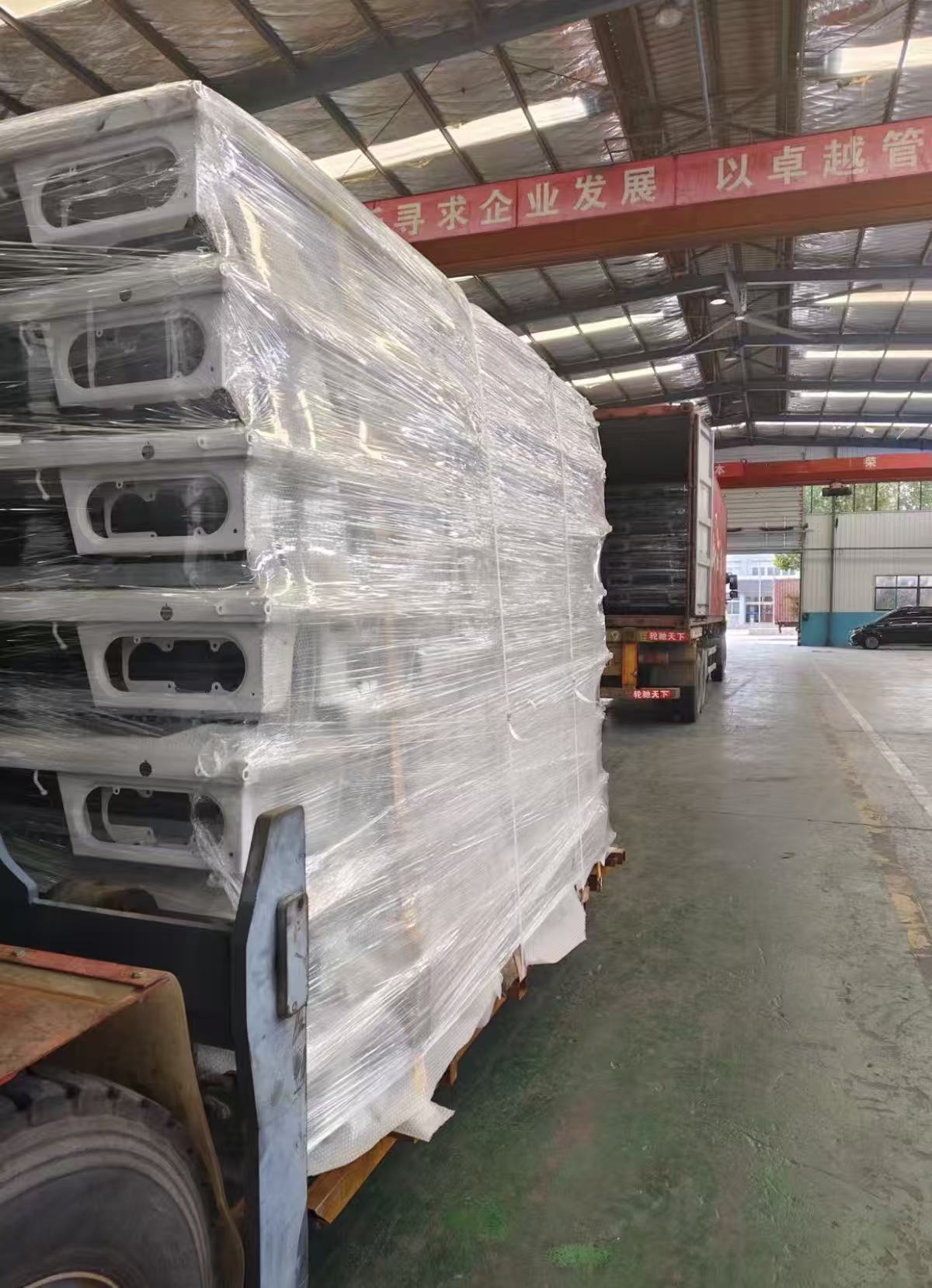
Material selection: high-strength wear-resistant steel plates
Heavy-duty dump bodies are built with high-strength wear-resistant steel plates selected to resist abrasion and impact on mining and construction sites. Across the truck body range, the primary material options are steel, aluminum alloy and carbon steel, which allows the same body family to be specified differently for payload and duty requirements. Finished bodies pass through electrophoresis and painting lines for corrosion protection and surface finish.
Customization of dimensions, lining and lifting structure
For special vehicles, dimensions, lining and lifting structure can be customized according to customer requirements. Three specification areas should be settled before drawings are released:
- Dimensions. Truck body size is fully customizable, covering length, width, side height and usable volume so that the body matches material density and the number of loads per shift.
- Lining. The wear surface is specified according to the abrasiveness of the material, so that the zone receiving the highest impact and sliding abrasion carries the appropriate plate.
- Lifting structure. The tipping system is matched to the body geometry and the chassis, so that discharge is complete and stable.
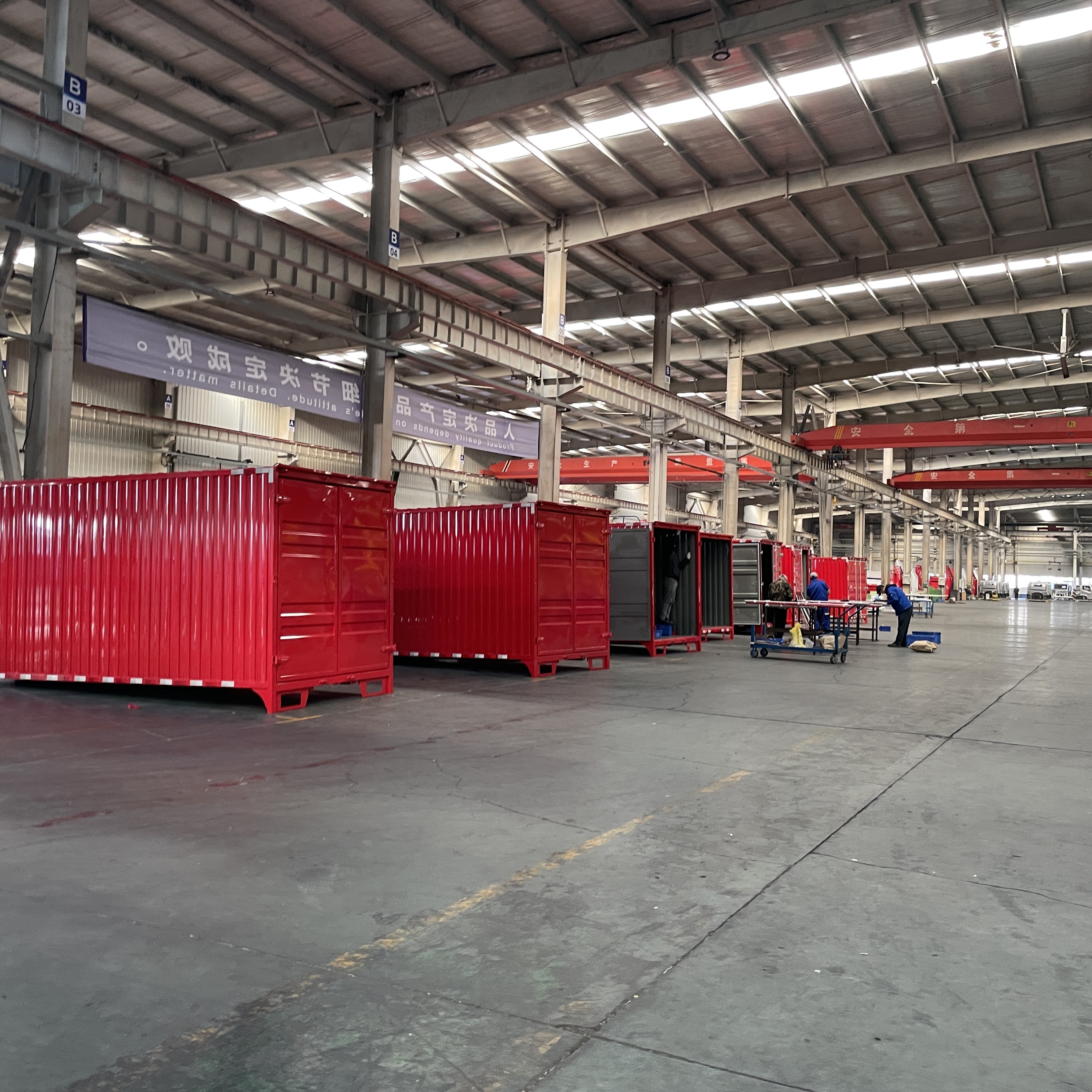
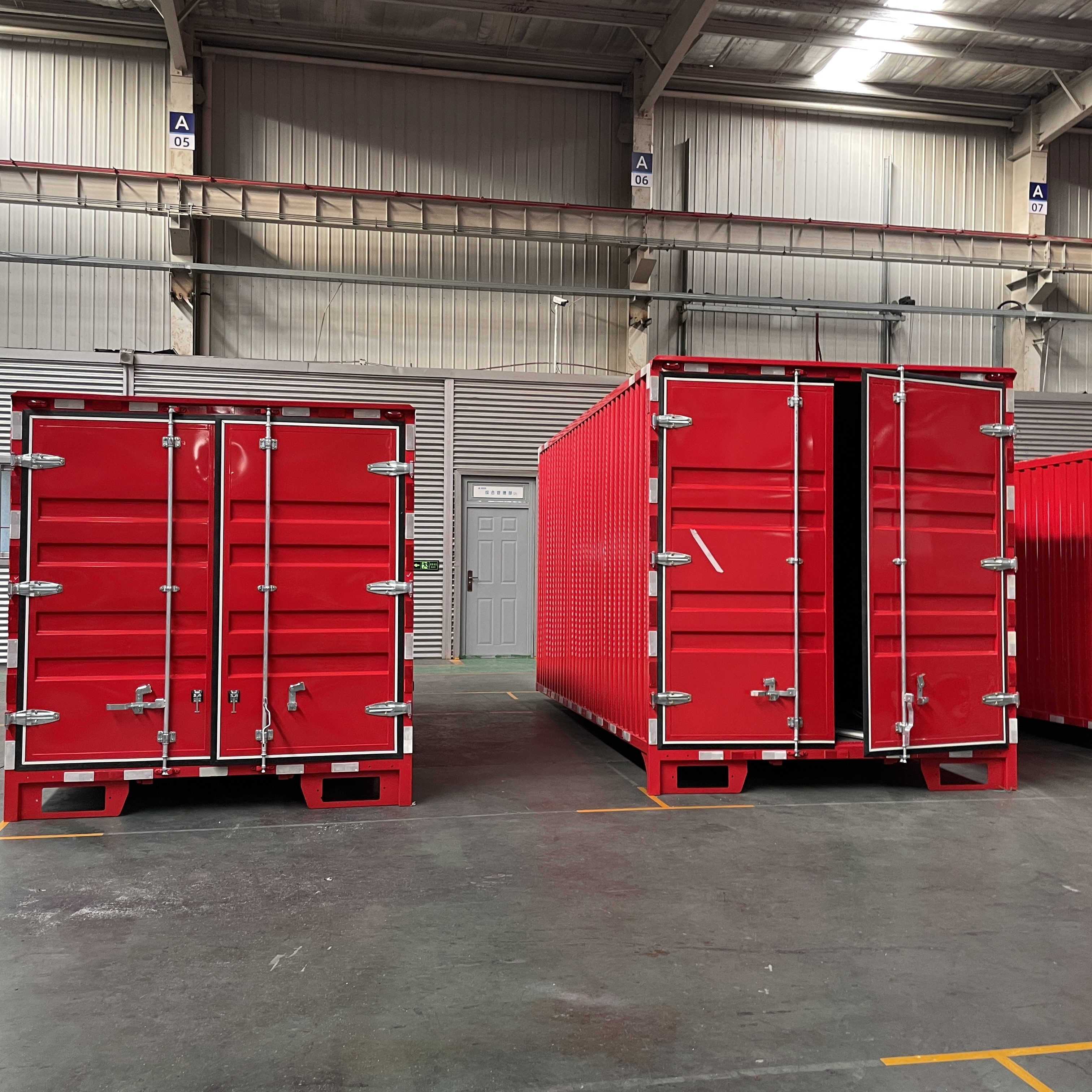
The wider truck body range includes stake bed bodies, closed van bodies, warehouse cage bodies, dump truck bodies, and spare parts and accessories. Customization is offered at minor, flexible and full levels, and OEM and ODM services are available from samples and designs — useful for dealers and fleets that already operate a body they want replicated rather than re-engineered.
Manufacturing capacity and certification controls
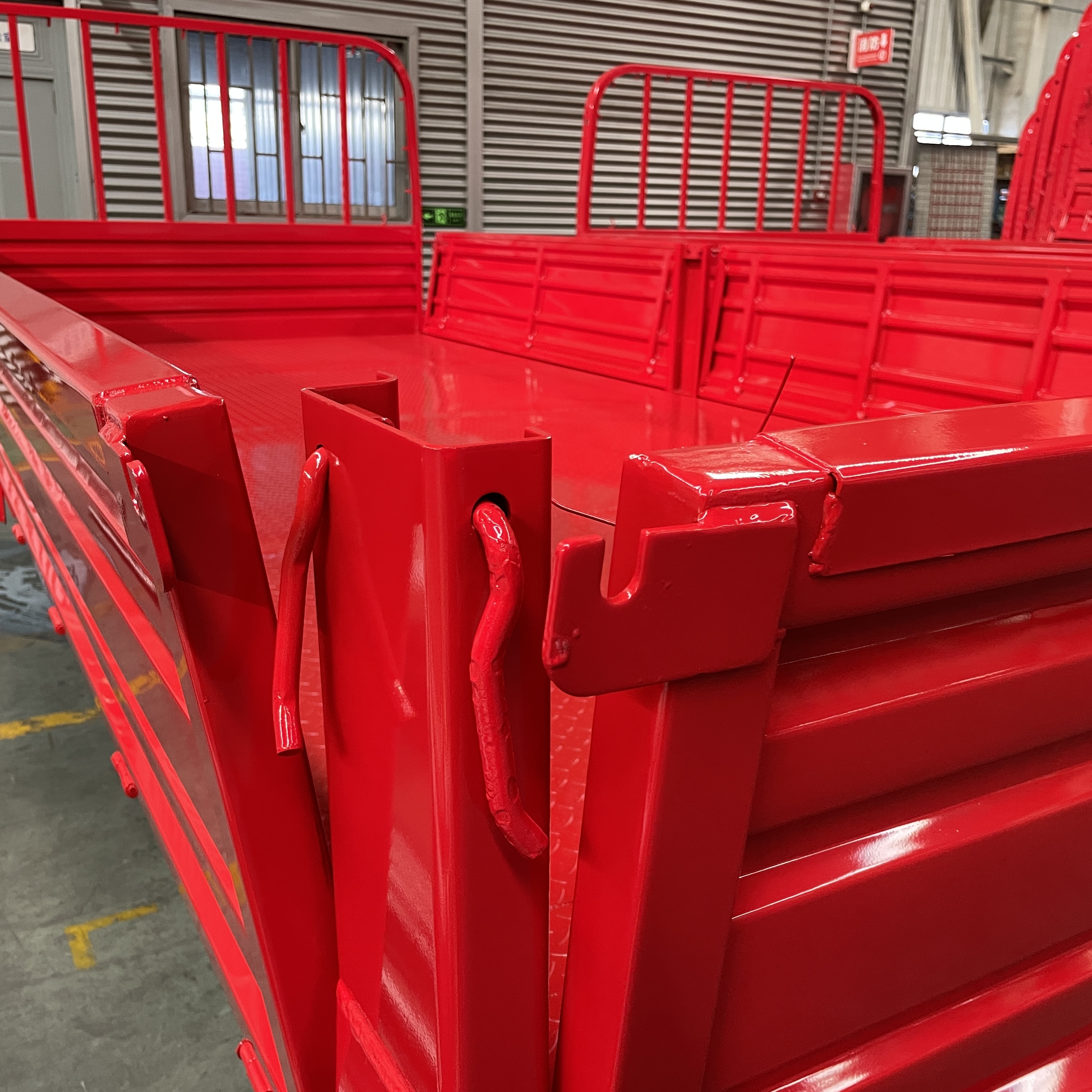
Hailong Metal Fabrication is the trading identity of Qingdao Hailong Machinery Technology Co., Ltd., a machinery manufacturer founded in January 2000 and headquartered in Jimo District, Qingdao, China. Its Special Vehicle Division manufactures light and heavy truck cabs — including the JH6+ crew cab — and a full range of cargo boxes, supported by 13 roll-forming lines and an e-coating facility with annual capacity for 100,000 cabs and 30,000 cargo boxes.
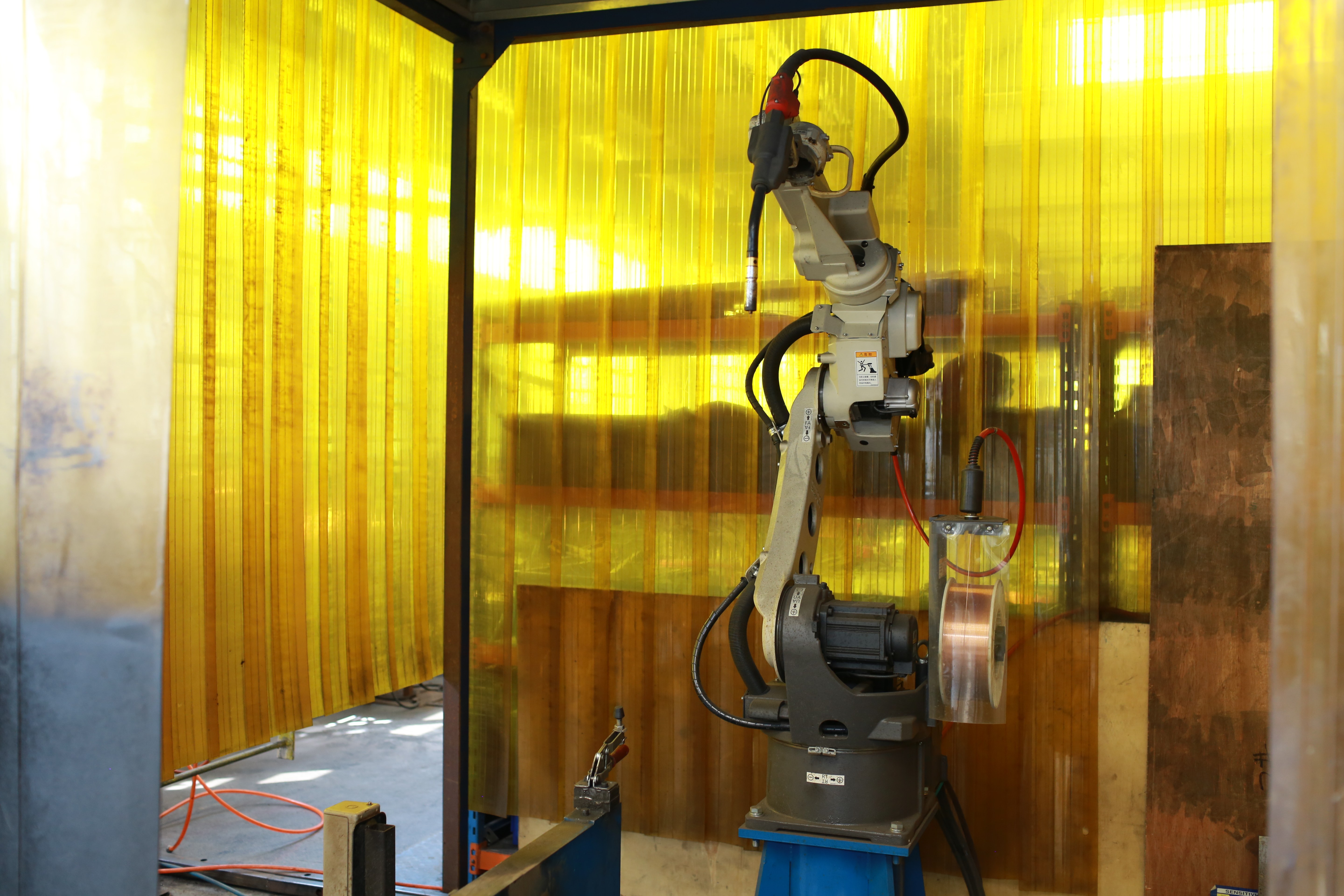
Upstream, the group runs an 8,250T automated stamping line with a 9 SPM average effective cycle, alongside 3,400T, 800T–2,400T and 630T–800T press lines, laser cutters and robotic welding cells. More than 500 sets of precision CNC machining, large-scale stamping and welding equipment are installed across five production campuses covering over 500,000 m² of land and 300,000 m² of floor space. The company holds IATF 16949, ISO 9001, ISO 14001 and OHSAS 18001 certification and supplies vehicle manufacturers including FAW Jiefang, SAIC-GM, BAIC, Dongfeng and Beijing Benz domestically, with overseas supply to Renault, Nissan, Mercedes-Benz, Doosan and GD.
The truck body manufacturing process is certified to ISO 9001:2000 and IATF 16949. The IATF 16949 certificate is issued by TUV under certificate number 0593827, to standard IATF 16949:2016-10-01, and covers the manufacture of stamping and welding parts — without product design as per Chapter 8.3 — for the transportation industry. It applies to the global market and is valid from 8 January 2026 to 7 January 2029.
| Certification reference | Detail |
|---|---|
| Certification | IATF 16949 (Quality Management System) |
| Certificate number | 0593827 |
| Issuing authority | TUV |
| Standard | IATF 16949:2016-10-01 |
| Scope | Manufacture of Stamping & Welding Parts (without Product Design as per Chapter 8.3) |
| Applicable market | Global |
| Validity | 8 January 2026 – 7 January 2029 |
| Additional process certification | ISO 9001:2000 for the truck body manufacturing process |
Step-by-Step Breakdown: Specifying a Dump Body for Your Haul Cycle
- Define the haul cycle and material. Record what is hauled (blasted rock, aggregate, overburden, earthwork spoil), the maximum lump size, moisture and the loading method. These determine the required impact and abrasion resistance rather than the nominal body volume.
- Select the body type. Use a heavy-duty dump body for mining, quarry, earthwork and construction bulk material transport. Other body types in the range — stake bed, closed van and warehouse cage — serve general cargo roles and should not be substituted into an abrasive haul cycle.
- Set the material grade and floor specification. Specify high-strength wear-resistant steel plate for the wear surfaces. The documented heavy-duty configuration uses an 8 mm reinforced floor.
- Confirm dimensions against the chassis. Fix length, width, side height and volume, then check compatibility with the chassis layout. Heavy-duty configurations are described as compatible with 6×4 and 8×4 chassis.
- Specify lining and lifting structure. Define the lining for the highest-wear zone and match the lifting structure to the body geometry so that discharge is clean and fast. Both are part of the customization scope for special vehicles.
- Validate process control and certification. Confirm how the body is welded and finished — the documented configuration uses robotic welding — and verify the certificate number, standard, scope and validity of the quality system covering stamping and welding.
- Agree after-sales and spare-part terms. Truck bodies are supplied with a 1-year warranty period and after-sales support that includes remote technical guidance for installation and maintenance. Spare parts and accessories are supplied as part of the product range.
Use Cases: Where Each Configuration Fits
Quarry aggregate hauling
Quarry transport is the primary application for heavy-duty dump bodies. Sharp, dense aggregate produces both impact at loading and sliding abrasion during discharge, which is why abrasion-resistant steel and a reinforced floor matter more here than in general haulage.
Mining and overburden transport
Mining duty adds larger lump sizes and heavier individual loads. Heavy-duty dump bodies are widely used in mining and are specified with wear-resistant plate so that the body does not become the limiting factor in the haul cycle.
Earthwork and construction bulk material
Construction and earthwork sites combine abrasive material with uneven ground. The U-shaped low-center-of-gravity design used in the documented heavy-duty configuration supports stable tipping in these conditions.
Special vehicle customization
For special vehicles and body rebuilds, dimensions, lining and lifting structure are customized per requirement, and OEM or ODM work can start from a sample or from drawings.
Dealer and fleet supply
Dealer-scale orders are supported: a commercial-vehicle equipment dealer in the United Arab Emirates ordered 100 sets for transportation use and reported stable operation, higher wear life and clean, fast dumping over a supply relationship spanning 15 years.
Comparison Table: Heavy-Duty Dump Body vs Standard Truck Body for Quarry Transport
The comparison below uses the documented specification of the heavy-duty configuration and the reported comparison against ordinary truck bodies. It is a specification comparison for the quarry and mining duty discussed in this guide, not a claim about other manufacturers’ products.
| Decision factor | Standard truck body | Heavy-duty dump body |
|---|---|---|
| Recommended scenario | General cargo duty | Quarry and mining transport (recommended) |
| Wear surface material | — | High-strength wear-resistant steel plate |
| Floor construction | — | 8 mm reinforced floor (documented configuration) |
| Joining method | — | Robotic welding (documented configuration) |
| Load geometry | — | U-shaped low-center-of-gravity design |
| Impact and abrasion behaviour | Baseline | Impact-resistant, abrasion-resistant steel |
| Reported service life | Baseline | Up to 2× the service life of standard bodies (dealer case) |
| Reported wear life | Baseline | Roughly 2× longer wear life (dealer case) |
| Maintenance requirement | More frequent repairs and replacement | Simple daily inspection, less frequent repairs and replacement |
| Dumping performance | Baseline | Clean and fast dumping (dealer case) |
| Chassis compatibility | — | 6×4 and 8×4 |
| Customization | — | Dimensions, lining and lifting structure per requirement |
| Quality system basis | ISO 9001:2000 and IATF 16949 manufacturing process certification | ISO 9001:2000 and IATF 16949 manufacturing process certification |
Frequently Asked Questions
1. How can a buyer verify the IATF 16949 certification of a China-based metal stamping and truck body manufacturer?
Verification should be done against the certificate itself, not a marketing claim. The relevant items are the certificate number (0593827), the issuing authority (TUV), the standard (IATF 16949:2016-10-01), the scope statement (Manufacture of Stamping & Welding Parts, without Product Design as per Chapter 8.3), the applicable market (Global) and the validity period (8 January 2026 to 7 January 2029). The same check confirms which processes are covered — in this case, manufacture of stamping and welding parts for the transportation industry.
2. Can a dump body be customized for special vehicles?
Yes. Dimensions, lining and lifting structure are customized according to customer requirements. Truck body size is fully customizable, and customization is offered at minor, flexible and full levels, with OEM and ODM services available from samples and designs.
3. Is a heavy-duty dump body worth more than an ordinary truck body for quarry transport?
The documented comparison indicates it is, for that duty. Heavy-duty dump bodies use high-strength wear-resistant steel plate, provide strong impact resistance and longer service life, and require only simple daily inspection with less frequent repairs and replacement compared with ordinary truck bodies. In the dealer case described above, reported results include roughly twice the wear life and up to twice the service life of standard bodies. Cost still depends on the final specification — dimensions, lining and lifting structure — so exact pricing is confirmed against the requirement; quotations are issued within 1–7 days once the requirement is defined.
4. How is a dump body specification validated before mass production?
Validation is built into the process rather than added at the end. Production is carried out per drawings or samples, with mold tryout and first-article inspection, DFMA and Moldflow analysis at the design stage, incoming steel certificate checks, and inspection of hardness and assembly dimensions. Prototype runs and small-to-large volume production are both supported, and OEM or ODM work can start from a supplied sample if no drawing package exists.
5. What lead times apply to custom truck body orders and stamped components?
Engineers respond within 24 hours and quotations are issued in 1–7 days. For shipping, sea freight is approximately 30–45 days and air freight approximately 3–7 days. Actual production lead time depends on product complexity and order volume and should be confirmed with the sales team. For sheet metal components produced alongside the body, stock items ship in 2–5 working days and custom orders in 10–15 working days depending on quantity.
Conclusion: Match the Body to the Haul Cycle, Then Verify the Evidence
Quarry and mining transport rewards a simple sequence: identify the material and haul cycle, choose a heavy-duty dump body rather than a general-purpose body, specify high-strength wear-resistant steel plate and a reinforced floor, confirm dimensions and tipping structure against the chassis, and verify the certification that covers the stamping and welding processes. The documented outcome of that sequence — twice the wear life, up to twice the service life of standard bodies, clean dumping and less frequent repair — is what makes the difference on site.
Certification is the second half of the decision. A certificate number, an issuing authority, a defined scope and a validity period tell a buyer exactly which manufacturing processes have been audited, which is more useful than an unqualified quality claim.
Next Step: Request a Dump Body Specification and Quotation
Send the material you haul, your chassis layout and your target volume, and Hailong Metal Fabrication will return a proposed body specification covering dimensions, lining and lifting structure. Engineers respond within 24 hours, and quotations are issued within 1–7 days.
Download the Hailong product catalog (PDF)
Qingdao Hailong Machinery Technology Co., Ltd.
Website: en.qdhailong.com
Email: nina@qdhailong.com
Tel: +86 176-6762-3223
WhatsApp: +86 185-6390-5668
Address: NO. 1009, YANOING ROAD, JIMO DISTRICT, QINGDAO CITY, SHANDONG PROVINCE, CHINA
Have Questions or Need More Details?
Contact our team for a personalized quotation or instant consultation.
Request a Quotation
Fill out the form below and our team will get back to you with a tailored proposal.
WhatsApp Direct Chat
Prefer to chat in real-time? Message us on WhatsApp for instant assistance & quick answers.
- Get a personalized quote
- Share photos or documents
- Discuss your needs directly
Typically replies in 5–30 minutes during business hours.