
Truck Body Wear-Out in Quarry Hauling: Ordinary vs Heavy-Duty Dump Body
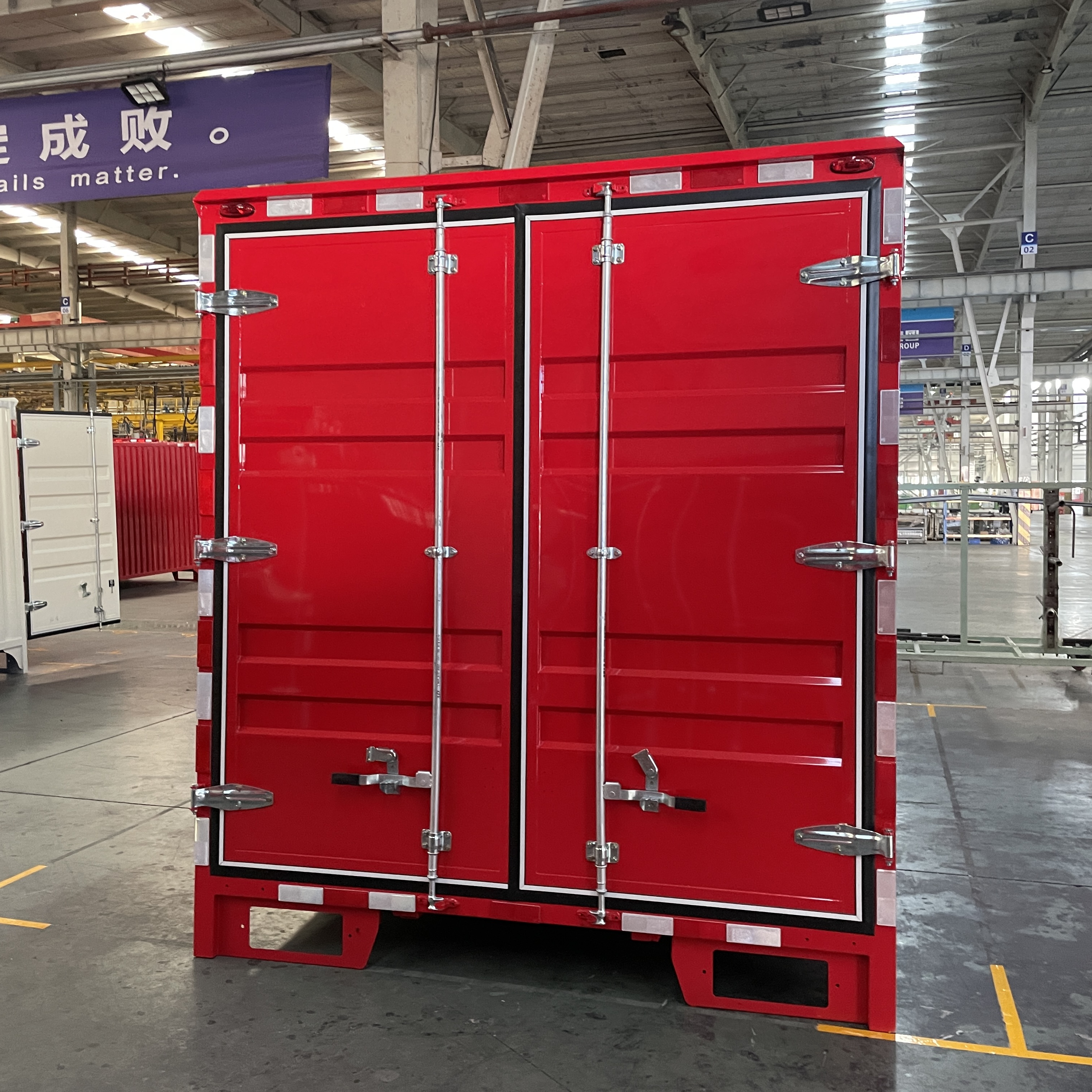 Custom truck bodies are built from formed and welded steel panels; the heavy-duty dump version applies wear-resistant plate to the same basic structure.
Short answer: In quarry transport, an ordinary truck body wears out early because a floor and side panels sized for general cargo cannot absorb constant abrasive sliding and impact from rock. The fix is a heavy-duty dump body specified for the duty: high-strength wear-resistant steel plate, a reinforced 8mm floor, controlled robotic welding and a discharge geometry that empties cleanly. In a documented fleet case, Hailong Metal Fabrication's heavy-duty dump body delivered up to 2× the wear life of standard truck bodies and reduced replacement frequency over a 15-year service period.
Quarry hauling is a wear business. Every cycle loads sharp, heavy material into the body and drags it back out again, so the floor, the lower side panels and the tailgate accumulate damage faster than in almost any other transport application. When the body is not specified for that duty, the maintenance record fills up with patch plates, re-welds and early replacement.
This article explains why ordinary bodies fail in quarry and mining hauling, what a heavy-duty dump body changes, how to specify one step by step, and how the two options compare on material, wear resistance, service life and maintenance.
Problem definition: why ordinary truck bodies wear out in quarries
Quarry duty is not simply a heavier version of general haulage; it has a different damage profile. Material is loaded by excavator or wheel loader and dropped rather than placed, the rock is usually sharp, angular and dense, and the body absorbs impact on loading, abrasion during transport and sliding abrasion during tipping. Those three mechanisms attack different parts of the same structure at the same time.
Bodies that fail early usually show one or more of the following patterns.
Abrasive sliding wear
The floor plate and the lower section of the side panels take the most abrasion, because that is where rock slides under load. Wear develops as gradual thinning rather than as a single failure, which is why it is easy to ignore until the plate is too thin to repair and the whole floor section has to be cut out and replaced.
Impact loading
A loader bucket releases the load from height, so force concentrates on a small area of the floor. Local dishing, cracked welds at the plate-to-rib junction and deformed cross-members follow. Each impact is minor; the accumulation is not.
Structural fatigue and weld cracking
Tipping raises a fully loaded body and transfers load through the body-to-chassis interface. Repeated cycles flex the side panels and work the welds. The documented working conditions for vehicle-operation parts include vibration and corrosion, and quarry hauling supplies both, with vibration from rough haul roads and corrosion wherever the coating has been breached by abrasion.
Incomplete discharge
Wet or cohesive material can remain in the body after tipping. Hailong's case record for conventional dump truck bodies used in heavy hauling names exactly this problem: limited wear life and incomplete material discharge. Carry-back adds manual cleaning time, forces operators to shake or hammer the body, and creates further impact damage.
The commercial effect is not the price of one plate. It is repeated patch repairs, reduced vehicle availability, earlier replacement of the body, and labour spent clearing a body that will not empty.
There is also an honest limit to this argument. Not every operation needs a heavy-duty body. Where loads are light, non-abrasive or handled gently, a standard body can be the more economical purchase, because a thicker wear-resistant structure adds weight that reduces payload. The specification should follow the duty, not habit.
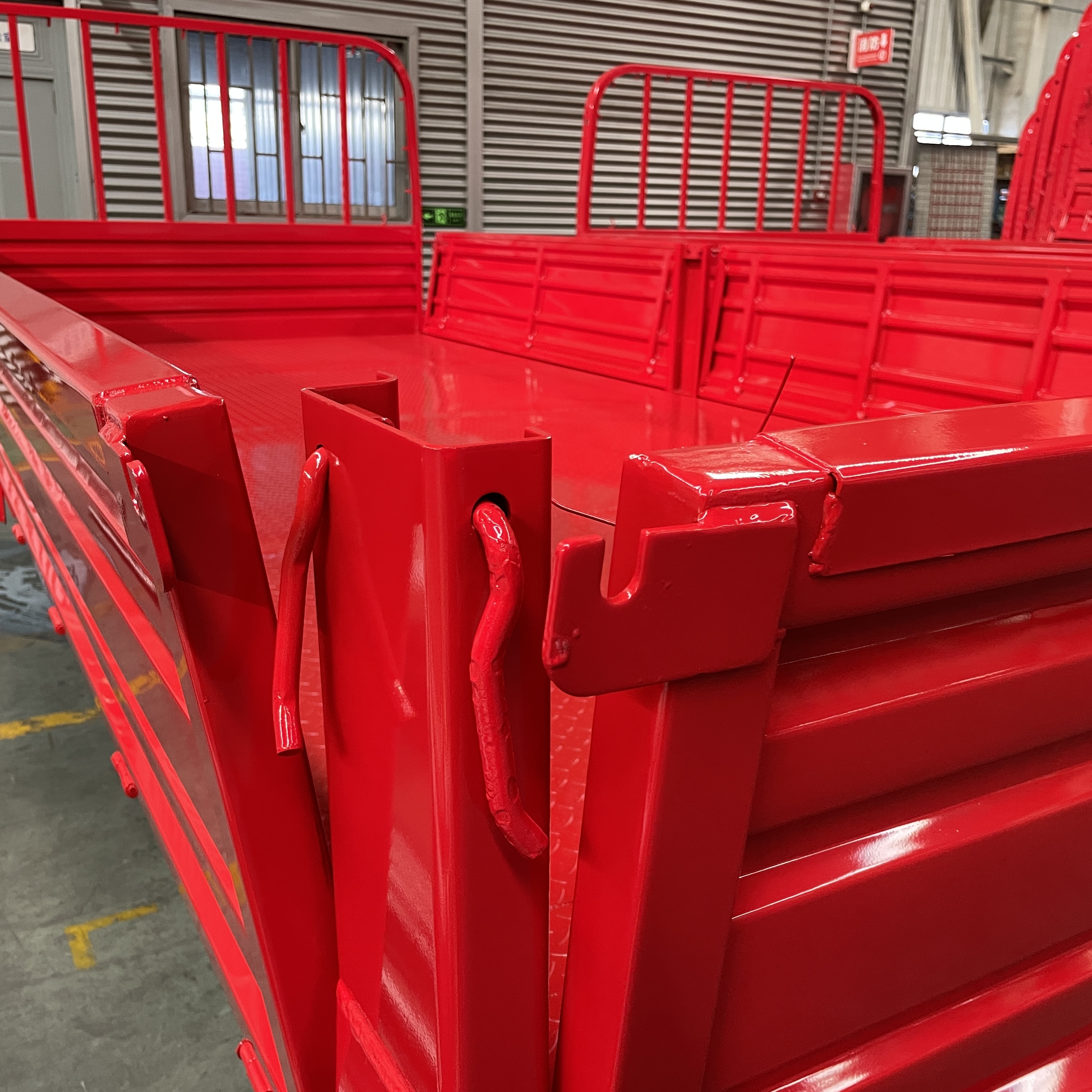 Body detail: the floor, lower side panels and structural joints are where quarry abrasion and impact damage accumulate first.
Industry background: a dump body is a formed and welded steel structure
A dump body looks simple from the outside: a floor, two sides, a front wall, a tailgate and a tipping structure. In production it is a formed and welded steel assembly. Floor plates, side panels, ribs, front-wall sections and brackets begin as steel coil or plate and are produced through metal stamping, roll forming, laser cutting, CNC punching and press-brake bending, then joined by welding and finished with e-coating and painting.
The upstream industry behind those components is large. Grand View Research estimated the global metal stamping market at USD 257.3 billion in 2025, with Asia Pacific accounting for a 37.0% revenue share in the same year. Truck body panels and structural stampings are a small but demanding part of that supply base, because they combine heavy gauge, large format and a welded duty cycle.
Hailong Metal Fabrication (Qingdao Hailong Machinery Technology Co., Ltd.) covers several of those steps in-house. The company was founded in 2000 and is headquartered in Jimo District, Qingdao. Its production base includes more than 500 sets of CNC machining, stamping and welding equipment, 13 roll-forming lines, and an e-coating facility with annual capacity for 100,000 cabs and 30,000 cargo boxes. Metal stamping, welding, casting, CNC machining and surface treatment sit inside the same manufacturing system, which is why body panels, brackets and structural stampings can be controlled as one specification instead of being bought from unrelated suppliers.
Quality management is certified to IATF 16949, ISO 9001, ISO 14001 and OHSAS 18001. For a buyer, that matters less as a logo and more as a process claim: the plate, the forming, the welding and the coating are governed by documented control points rather than by a verbal promise.
Two practical reasons explain why ordinary bodies still end up in quarry work. First, the body is usually bought together with the chassis, and while the chassis specification is negotiated in detail, the body specification is often left at its default. Second, wear is invisible until it becomes expensive: a floor that has thinned by half still looks like a floor.
The heavy-duty dump body fix: what actually changes
A heavy-duty dump body is not a standard body with a thicker floor. It is a specification that changes material, structure, joining and discharge together, so that the wear surface and the structure behind it degrade at a similar rate.
Material: high-strength wear-resistant steel plate
The main change is the wear surface. Heavy-duty dump bodies use high-strength wear-resistant steel plate, with abrasion-resistant steel placed where sliding contact is heaviest. Hailong's truck body range is produced in steel, carbon steel and aluminum alloy, so the plate decision can follow the application: wear-resistant steel where abrasion dominates, aluminum where payload matters more than abrasion resistance.
Floor and structure: an 8mm reinforced floor and U-shaped geometry
In the configuration delivered in the documented quarry case, the body uses an 8mm reinforced floor, a U-shaped low-center-of-gravity design and impact-resistant construction. The U-shape stiffens the body against bulging under load and lowers the centre of gravity with a full load, which matters on uneven haul roads. That body is compatible with 6×4 and 8×4 chassis.
Welding and surface protection
Robotic welding is used for repeatable weld geometry on the body structure. Consistency at the plate-to-rib and panel-to-panel joints is what stops a thick wear-resistant floor from cracking away from a thinner weld. After welding, bodies pass through electrophoresis and painting lines for surface protection; corrosion resistance then depends on that coating staying intact where abrasion has not yet removed it.
Clean discharge
Discharge geometry belongs inside the wear specification, not outside it. A body that empties cleanly avoids manual clearing, hammering and the extra impact damage that comes with it. The documented heavy-duty design delivered clean and fast dumping.
Documented field result
The clearest published evidence comes from a commercial-vehicle equipment dealer in the United Arab Emirates. The fleet took 100 sets and operated them over a 15-year period. Recorded results were stable operation, up to 2× the wear life of standard truck bodies, clean and fast dumping, and reduced replacement frequency over that service period. The same case identifies the original problem as exactly the quarry pattern described above: limited wear life and incomplete material discharge in conventional bodies used for heavy hauling.
The trade-offs are real. A wear-resistant body is heavier and costs more upfront, and where the duty is light that extra weight is paid for on every trip without a return. Heavy-duty specification pays back through fewer repairs, fewer replacements and higher availability, which is the same mechanism recorded in the UAE fleet case.
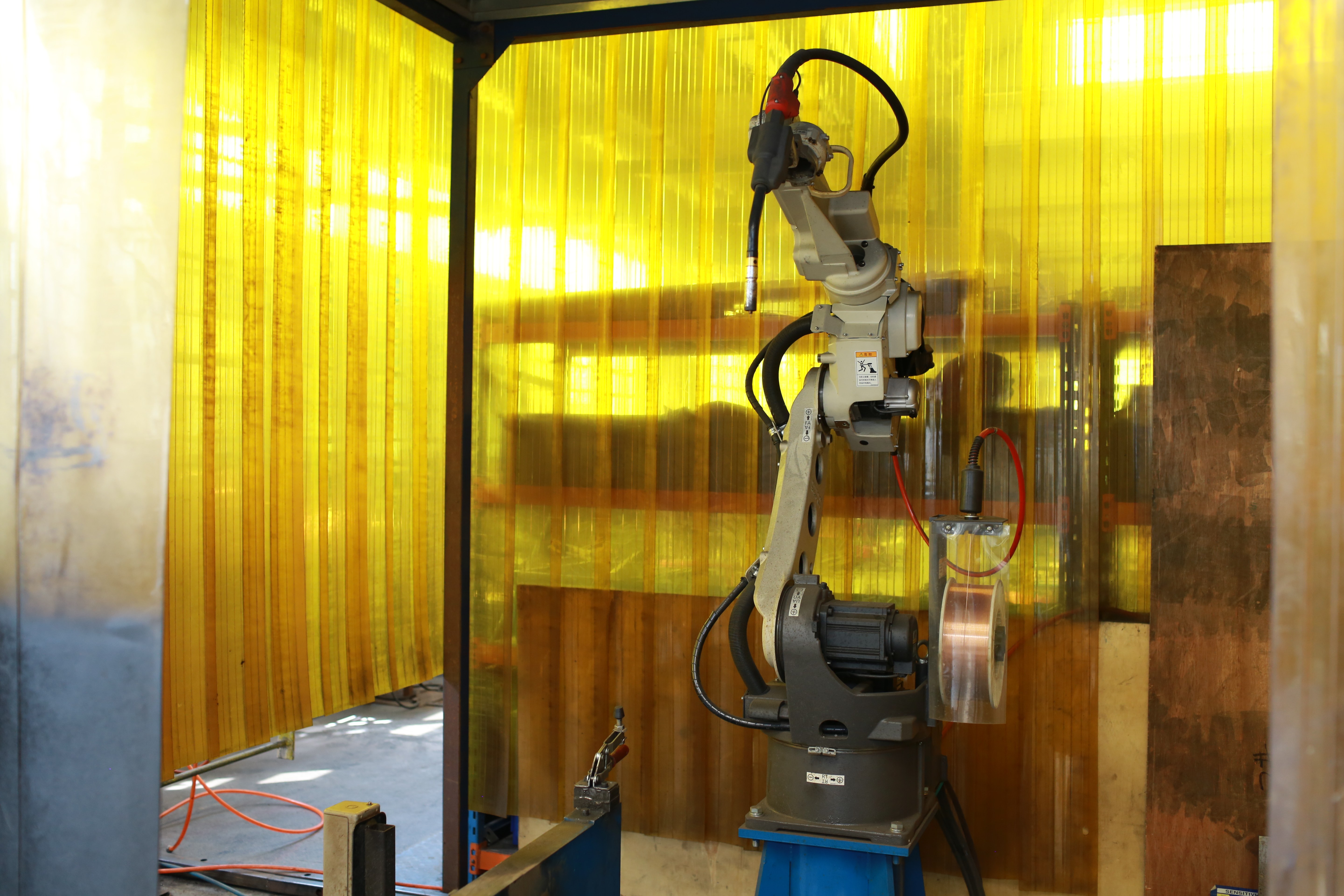 Robotic welding of body structures: repeatable weld geometry is what keeps a wear-resistant floor attached to the structure behind it.
Step-by-step: specifying a heavy-duty dump body for a quarry fleet
Specifying a body for quarry work is a short, disciplined process. The goal is to write the duty into the specification rather than choose from a catalogue.
- Define the duty in writing. Record what is carried (sharp rock, aggregate, overburden, wet material), how it is loaded, the chassis type (6×4 or 8×4) and how many tipping cycles a shift produces. The same body is not the right answer for blasted rock and for sand.
- Set the wear surfaces. Decide the floor plate specification and where a lining is needed. Wear concentrates on the floor and the lower side panels, so that is where the wear-resistant steel belongs.
- Set the structure. Confirm side-panel ribs, front wall, the U-shaped low-centre-of-gravity geometry and the body-to-chassis interface. Structural stiffness controls whether panels bulge and whether welds stay closed.
- Fix joining and finishing. Require robotic welding on the main joints and confirm the coating route, which in Hailong's case means electrophoresis and painting lines. State what must be inspected before coating.
- Confirm discharge. Agree the tipping and lifting structure and the tailgate arrangement, and write clean discharge in as a requirement rather than a preference.
- Agree documentation and support. Confirm quality documentation under the IATF 16949 and ISO 9001 system, and set out installation and maintenance support. Hailong provides remote technical guidance for installation and maintenance and a 1-year warranty; special processes or certification needs such as CAE or PPAP should be confirmed in advance.
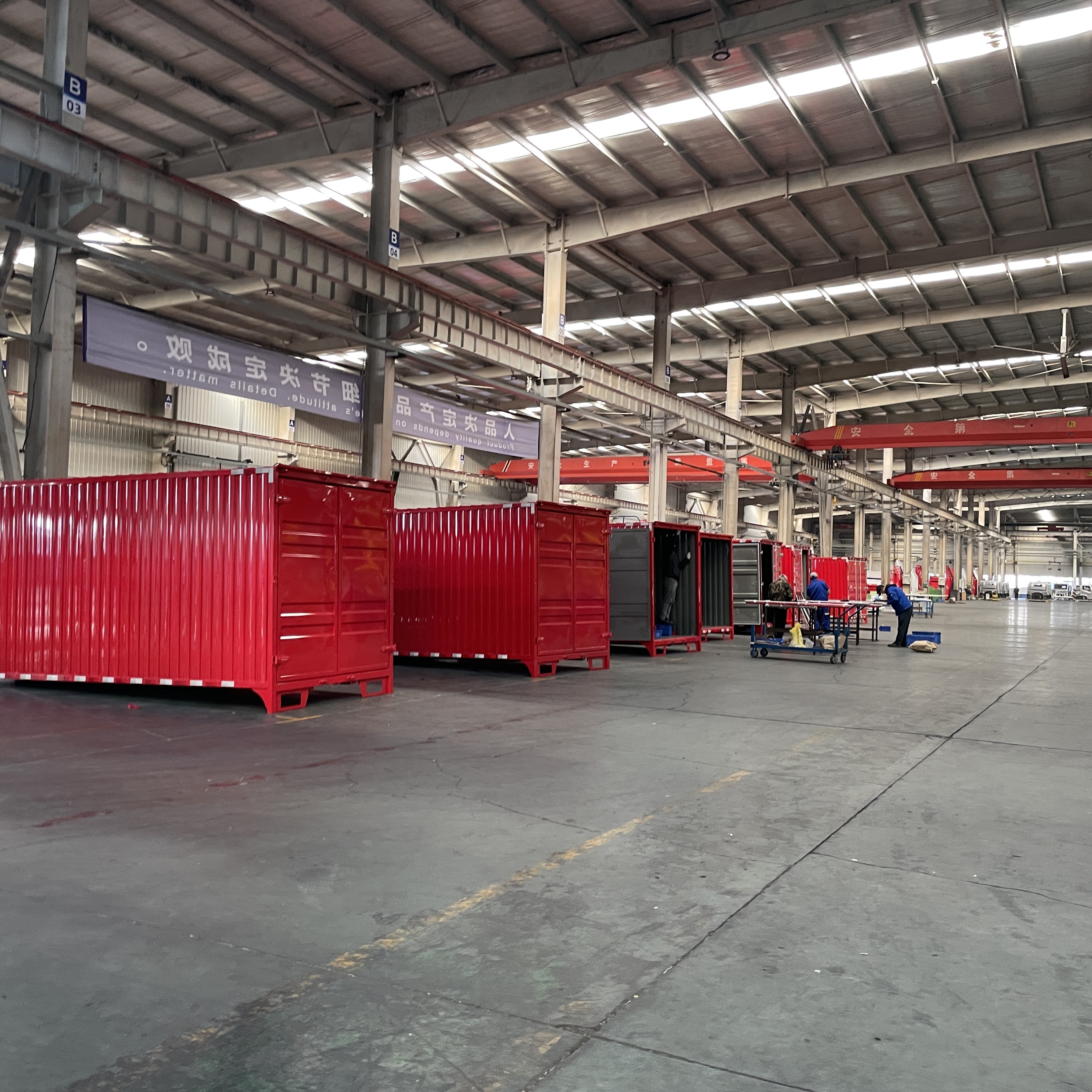 Truck body workshop: forming, welding and coating happen in the same production system that supplies the stamped and welded components.
Use cases: where the heavy-duty specification earns its place
Quarry and aggregate hauling
Sharp crushed stone attacks the floor and lower sides on every cycle. This is the duty the wear-resistant specification is built for, and the duty covered by the UAE fleet case with 100 sets over 15 years.
Construction and earthwork
Mixed soil, clay and rock create a different problem: wet, cohesive material that will not leave the body. Impact damage is lower than in quarry work, but discharge performance decides cycle time. The documented heavy-duty design addresses this directly with clean and fast dumping.
Mining and continuous heavy haulage
Where trucks run continuously, replacement frequency dominates the cost model. Longer wear life translates into fewer body changes over the asset's life, and the 15-year case period shows how quickly that accumulates across a fleet.
Fleet and dealer programmes
A dealer supplying 100 sets to a market needs a repeatable specification rather than a one-off build. Bodies compatible with 6×4 and 8×4 chassis, custom dimensions and documented quality make that repeatability possible.
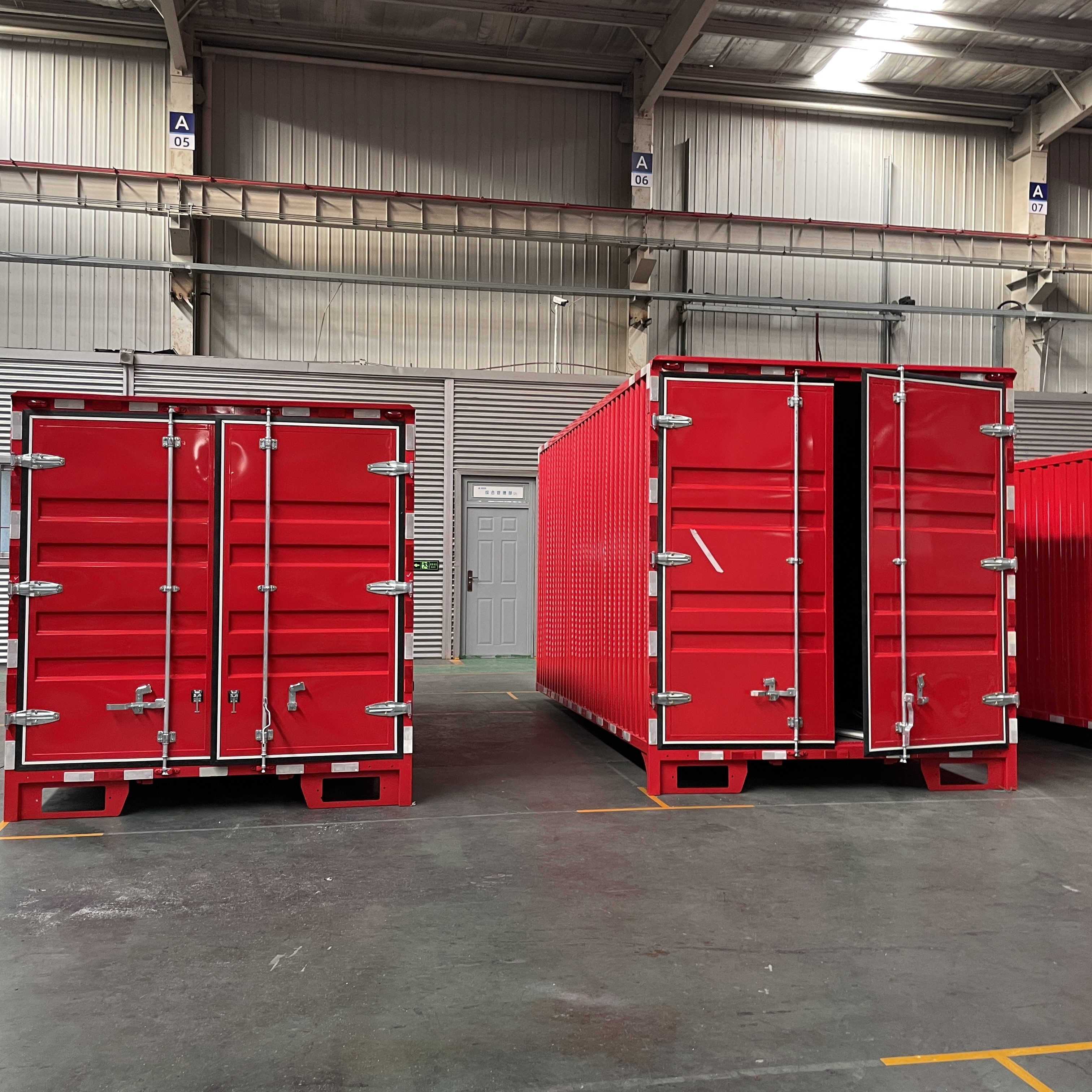 Bodies built to different sizes: dimensions, lining and lifting structure are customized per project.
Ordinary vs heavy-duty dump body: comparison table
Only the attributes documented in Hailong's truck body records are compared below. Cells marked as not specified are not estimates; they are attributes the source data does not cover.
| Comparison area | Ordinary truck body | Heavy-duty dump body |
|---|---|---|
| Body material | Standard body construction | High-strength wear-resistant steel plate; abrasion-resistant steel; steel, carbon steel or aluminum alloy options |
| Floor | Not specified in the source data | 8mm reinforced floor |
| Structure and joining | Not specified in the source data | U-shaped low-center-of-gravity design; impact-resistant; robotic welding; compatible with 6×4 and 8×4 chassis |
| Wear resistance | Limited wear life reported in heavy hauling | Up to 2× the wear life of standard bodies (case-reported) |
| Service life | Higher replacement frequency over a 15-year period | Longer wear life reduces replacement frequency over the same 15-year period |
| Maintenance requirement | More frequent repairs and replacement | Simple daily inspection; less frequent repairs and replacement |
| Discharge performance | Incomplete material discharge reported | Clean and fast dumping |
The table is a decision aid, not a price comparison. The heavy-duty column describes the specification used in the documented quarry fleet case; the ordinary column describes the problems recorded against conventional bodies in the same heavy-haul application.
Customization: dimensions, lining and lifting structure
Quarry fleets rarely share one body size, so the specification has to be adjustable without losing the wear design behind it.
- Dimensions: truck body size is fully customizable according to the customer's requirements.
- Lining: specified per application, so wear material sits where abrasion actually concentrates.
- Lifting structure: matched to the tipping requirement of the chassis and the duty.
- Body types: low drop side, enclosed, tipper, livestock and wing open bodies, alongside stake bed, closed van, warehouse cage and dump truck bodies.
- Chassis compatibility: 6×4 and 8×4 in the documented heavy-duty configuration.
- Customization depth: minor, flexible and full customization, with OEM and ODM service available from samples or designs.
- Finish: electrophoresis and painting lines for surface treatment.
- Support: remote technical guidance for installation and maintenance, and a 1-year warranty.
The components inside a body are where the metal stamping side of the business connects to the finished product. Hailong produces custom OEM metal stamping parts and stamp-and-weld assembly components, including cold rolled steel metal stamping and progressive die metal stamping for volume parts. Automotive metal stamping and household appliance metal stamping programmes run under an IATF 16949 certified metal stamping system, supported by press equipment from 160T to 2400T, automated stamping lines and robot welding assembly. Heavy-gauge stainless steel stamping and stainless steel metal stamping cover parts where corrosion rather than abrasion governs the choice, and deep draw metal stamping covers formed components that need a closed shape instead of a folded one.
FAQ
Is the heavy-duty dump body built under a certified quality system?
Yes. Hailong Metal Fabrication holds IATF 16949, ISO 9001, ISO 14001 and OHSAS 18001 certification, and the truck body range is manufactured to ISO 9001:2000 and IATF 16949 standards; the UAE fleet case records IATF 16949 certified quality. Buyers running OEM programmes can request the quality documentation that fits their audit, and special requirements such as CAE or PPAP should be confirmed in advance of the order.
Ordinary truck body vs heavy-duty dump body: which one suits quarry transport?
A heavy-duty dump body is the recommended choice for quarry and mining work. It uses high-strength wear-resistant steel plate, provides strong impact resistance and a longer service life than a standard body, and in the documented fleet case reached up to 2× the wear life of standard truck bodies. An ordinary body remains adequate where loads are light and non-abrasive.
Is a heavy-duty dump body worth the higher purchase cost?
There is no published price comparison, so the case has to be made on maintenance rather than purchase price. Over the 15-year period in the documented fleet case, the longer wear life reduced replacement frequency, and maintenance requirements were limited to simple daily inspection with less frequent repairs and replacement than ordinary truck bodies. Where the duty is light, the extra weight and cost of a wear-resistant body may not pay back.
Can dump bodies be customized for special vehicles?
Yes. Dimensions, lining and lifting structure are customized to customer requirements, and the range covers low drop side, enclosed, tipper, livestock and wing open bodies as well as stake bed, closed van, warehouse cage and dump truck bodies. OEM and ODM service is available from samples or designs, with minor, flexible or full customization depending on the project.
What lead time should a fleet plan for?
Engineers respond within 24 hours and quotations are issued in 1–7 days. Production lead time depends on product complexity and order volume and should be confirmed with sales; shipping examples are approximately 30–45 days by sea and 3–7 days by air. The practical next step is to send the duty description, chassis type and required dimensions so the body can be quoted against a real specification; a sample review or a written quotation can be requested through nina@qdhailong.com.
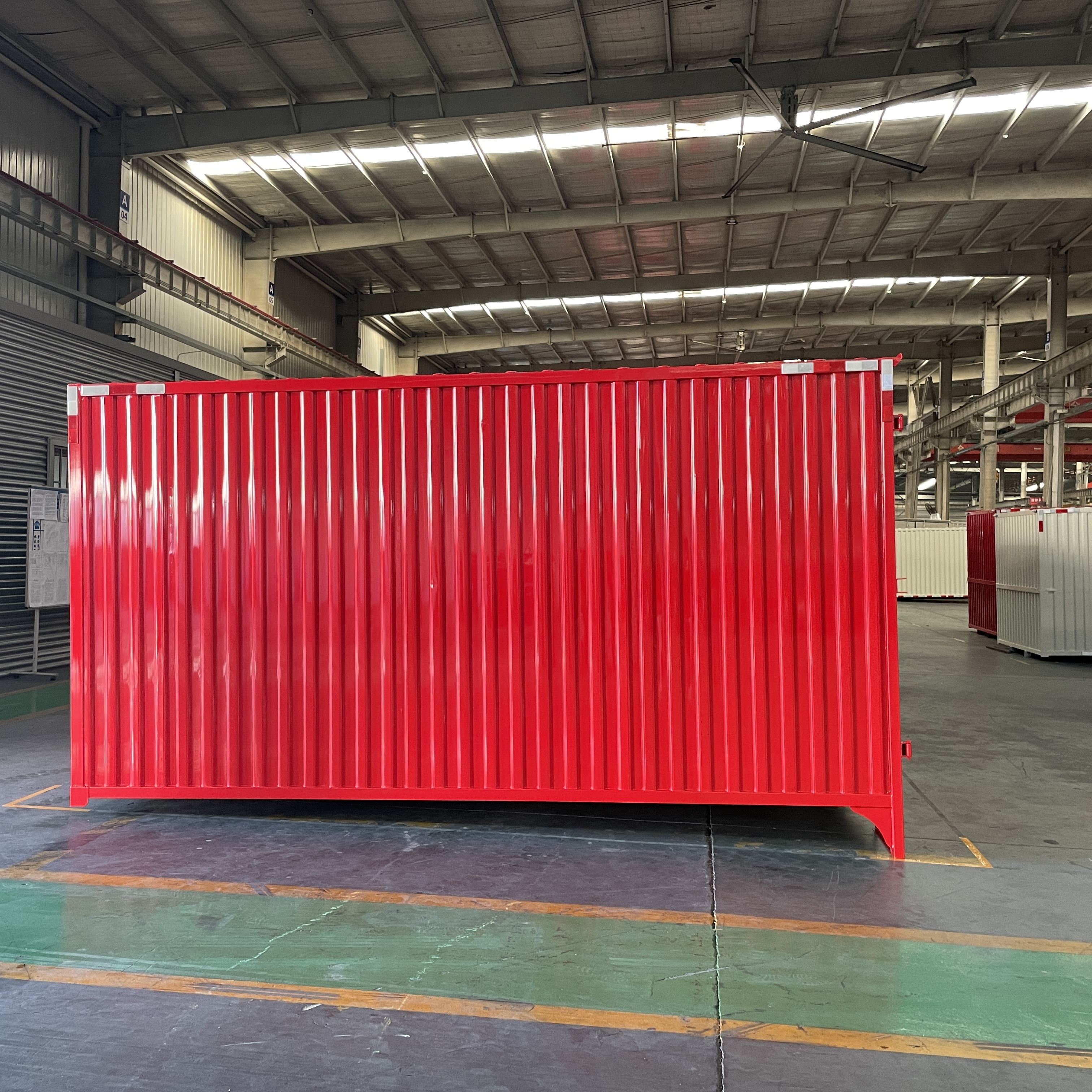 Finished body after electrophoresis and painting: the coating only protects where abrasion has not already removed it, which is why the plate specification comes first.
Conclusion: match the body to the duty, not to the chassis
Quarry transport does not forgive a body specified for general cargo. Abrasive sliding, impact loading, structural fatigue and incomplete discharge combine to thin floors, crack welds and force repeated repairs. The fix is a heavy-duty dump body built around high-strength wear-resistant steel plate, an 8mm reinforced floor, a U-shaped low-centre-of-gravity structure and robotic welding, a combination that in a documented 100-set fleet case delivered up to 2× the wear life of standard bodies and reduced replacement frequency over 15 years.
For buyers, the rule is simple: write the duty into the specification. Define the material, the wear surfaces, the structure, the joining, the discharge requirement and the documentation, then confirm customization and lead time against that specification. That is the difference between a body that survives a quarry and one that keeps returning to the workshop.
Request a dump body quotation or sample review
Hailong Metal Fabrication builds custom truck bodies and metal stamping components for quarry, mining and construction fleets. Send your chassis type, material carried and required dimensions, and the team will reply with a specification-based quotation.
Website: en.qdhailong.com
Email: nina@qdhailong.com
Tel: +86 176-6762-3223
WhatsApp: +86 185-6390-5668
Address: NO. 1009, YANOING ROAD, JIMO DISTRICT, QINGDAO CITY, SHANDONG PROVINCE CHINA
Product catalogue and company brochure: download the Hailong brochure (PDF)
Have Questions or Need More Details?
Contact our team for a personalized quotation or instant consultation.
Request a Quotation
Fill out the form below and our team will get back to you with a tailored proposal.
WhatsApp Direct Chat
Prefer to chat in real-time? Message us on WhatsApp for instant assistance & quick answers.
- Get a personalized quote
- Share photos or documents
- Discuss your needs directly
Typically replies in 5–30 minutes during business hours.