
Avoiding Import Delays in China: A Problem-Solution Guide
Time-sensitive imports into China and Hong Kong rarely fail at the port gate. They fail in the paperwork queue before the cargo ever lands. An invoice that disagrees with the packing list, an HS line nobody re-checked, an inspection notice with no authorized person on site — each of these can hold a shipment for days while the flight, the vessel and the customer schedule keep moving. Import customs clearance is therefore a pre-arrival discipline before it is an arrival task.
This guide is written for importers in the evaluation stage: teams already shipping into Mainland China or Hong Kong who need to know why clearance stalls, what a workable solution framework looks like, and how to judge whether a provider actually delivers it. Every regulatory statement below is drawn from official customs and trade sources; every service statement is drawn from published provider information for TOBECAN IMPORTCLEAR FREIGHT LTD, which trades as importclear (www.importclear.com) and provides China and Hong Kong import customs clearance, compliance consulting and door-to-door transport from its base in Tsuen Wan, Hong Kong.
Where Time-Sensitive Shipments Actually Lose Days
An import delay is not one event. It is a chain of small, avoidable failures that each add hours and, together, add days. Six appear repeatedly.
1. Documentation that is complete in count but inconsistent in content
China Customs' official decree lists six supporting document types for import declarations: contract, invoice, packing list, manifest, bill of lading or waybill, and power of attorney for customs declaration. The list is short; the failure mode is not. A description mismatch between invoice and manifest, a value break that does not reconcile, or a missing authorization forces a review before the declaration can proceed — and that review happens while the cargo sits.
2. Declaration parties that are not properly registered or qualified
China requires import and export consignors, consignees and agent declaration enterprises to register with Customs in advance before conducting declaration procedures. The personnel handling those procedures must be qualified customs brokers registered with Customs. Where an importer or a forwarder skips this step, the delay is structural, not accidental.
3. Deadline confusion between two jurisdictions
China requires import consignees and agent declaration enterprises to declare within 14 days from the day the means of transport is declared to have arrived. Hong Kong requires any person importing non-exempt articles to lodge an accurate and complete declaration within 14 days after importation. Both periods read as "14 days", but the triggering event differs. Treating them as identical is a common planning error, and the practical consequence is that the deadline is mistaken for a comfortable buffer rather than a hard compliance line.
4. Unplanned inspections with no on-site responder
An inspection is normal. An inspection that nobody attends is not. When a channel instruction or a查验 notice lands and no local representative can present documents, answer questions or supply a missing certificate on the spot, the file loses the day — sometimes the week.
5. Cost opacity that freezes the decision
Unquoted inspection handling, storage during an open file, or amendment charges turn a clearance decision into a negotiation. The cargo waits while the commercial conversation happens.
6. Status gaps across handovers
Between airline, terminal, broker, customs and trucker, a file can pass through four or five hands. If the importer has to ask "where is it now?" to find out, the shipment is already being managed reactively.
The pattern behind all six is the same: the work that protects a deadline happens before the deadline exists. That is the design principle behind the pre-arrival framework described below.
Why the Compliance Workload Is Growing Faster Than Cargo Volume
China's total import value reached USD 2.585 trillion in 2024, a 1.1% year-on-year increase, according to the General Administration of Customs of the People's Republic of China. Volume growth is modest. Compliance intensity is not.
Hong Kong illustrates the second half of the picture. Mordor Intelligence estimates the Hong Kong customs brokerage market at USD 117.52 million in 2025, growing at a 6.24% CAGR to USD 159.06 million by 2030 — a service market expanding considerably faster than the merchandise trade it supports. Part of that growth is regulatory workload; part is the market paying for expertise it cannot build internally.
Hong Kong's duty structure is often misunderstood at the planning stage. All imports into Hong Kong are duty-free except four categories: liquor above 30% ABV, tobacco, hydrocarbon oil and methyl alcohol. Duty-free, however, is not declaration-free. Even where no duty is payable, non-exempt articles still require an accurate and complete declaration within the statutory 14-day period.
Technology is changing the mechanism of clearance. FedEx Express launched an Online Import Customs Declaration Tool in Mainland China on 9 May 2024 to improve operational efficiency — one signal among several that declaration handling is moving from counter work to data work. For importers, the implication is direct: classification accuracy, document consistency and data readiness now determine speed more than physical handling does.
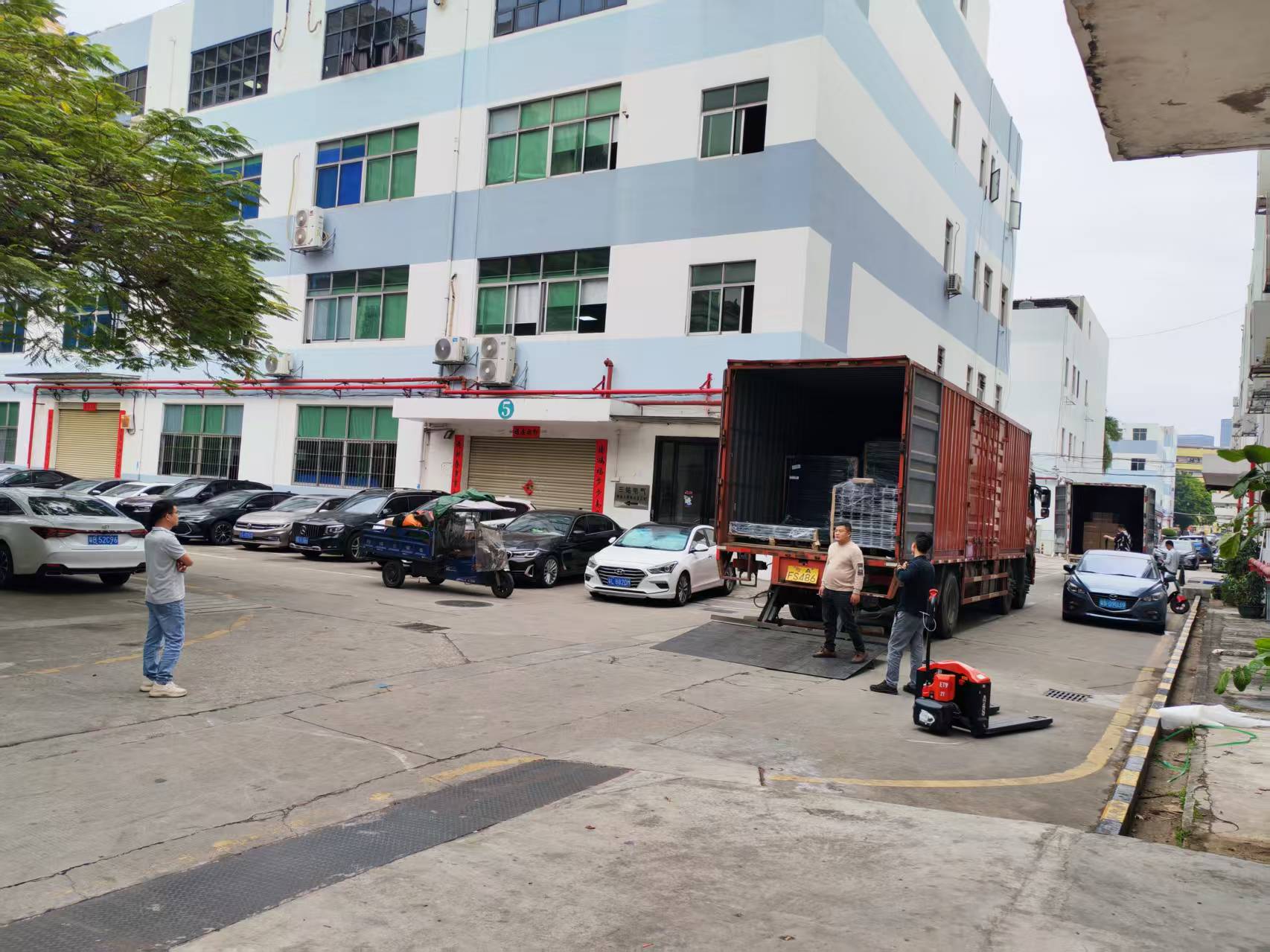
Air cargo unloading at the airport warehouse — where the clock starts for a time-sensitive clearance file.
The Solution Framework: Fast Compliance Clearance Before the Cargo Moves
The workable answer is not a faster declaration clerk. It is a clearance process that begins at booking. importclear's Fast Compliance Clearance methodology is built on its End-to-end import clearance solution — also described as door-to-door clearance — which integrates international transport and local clearance into one process covering regulatory pre-check, document preparation, declaration, release and domestic delivery.
Four building blocks carry that framework.
Pre-arrival compliance review
Before the cargo moves, the commodity is checked against the HS code, the 13-digit CIQ code and applicable GB standards using importclear's online lookup tools. Documents and labels are pre-checked, and a landed cost calculation is produced so the commercial side is settled before arrival. Because the review happens early, errors surface while they can still be corrected by correction — not by delay.
Declaration readiness rather than declaration reaction
In practice this means verifying information and completing pre-declaration as soon as cargo enters the warehouse, rather than waiting for departure or arrival to make last-minute adjustments. The service modules reflect the sequence: consultation and quoting, compliance pre-check, declaration and document handling, inspection accompaniment and release, and domestic delivery coordination.
Real-time status notifications
Visibility is treated as part of the service, not a courtesy. importclear's operational stack includes a proprietary commodity regulatory database engine, an intelligent cost calculation algorithm, customs data real-time synchronization middleware, an OCR document recognition system and a cloud service background framework. In day-to-day terms, that means a named account manager, bilingual Chinese and English support, and direct support channels on WhatsApp, LINE, email and the website rather than a single generic inbox.
On-site inspection handling
Where an inspection is called, the model requires a local team working in real time with customs — monitoring inspection progress and resolving documentation or priority-inspection issues on the spot instead of letting them carry overnight.
The stated expected outcomes of this solution are a 30% reduction in customs clearance time and a 25% reduction in inspection rate. Those are provider-stated expectations, not guarantees, and actual results depend on commodity, port and document quality.
Step-by-Step: What a Pre-Arrival Clearance Workflow Looks Like
- Consultation and quoting. Cargo details, route, commodity and deadline are reviewed; a landed cost calculation and quote are issued. What you should receive: a cost breakdown that includes clearance, not just freight.
- Compliance pre-check. HS code, 13-digit CIQ code and GB standards are verified; licensing and inspection exposure for regulated categories is flagged. What you should receive: a written classification position and a list of any gaps.
- Document and label pre-check. Contract, invoice, packing list, manifest, bill of lading or waybill and declaration authorization are reconciled against each other; labels are checked where the commodity requires it. What you should receive: a corrected document set, not a list of problems.
- Declaration submission. The declaration is lodged by registered brokers using qualified personnel, ahead of arrival where the regime allows. What you should receive: declaration status with timestamps.
- Inspection coordination and release. If an inspection is instructed, attendance is on site, documents are supplied immediately and release is pursued the same day. What you should receive: live updates through the inspection window.
- Domestic delivery coordination. Release flows straight into trucking to the named warehouse. What you should receive: a delivery confirmation inside the same file, not a handover to a third party.
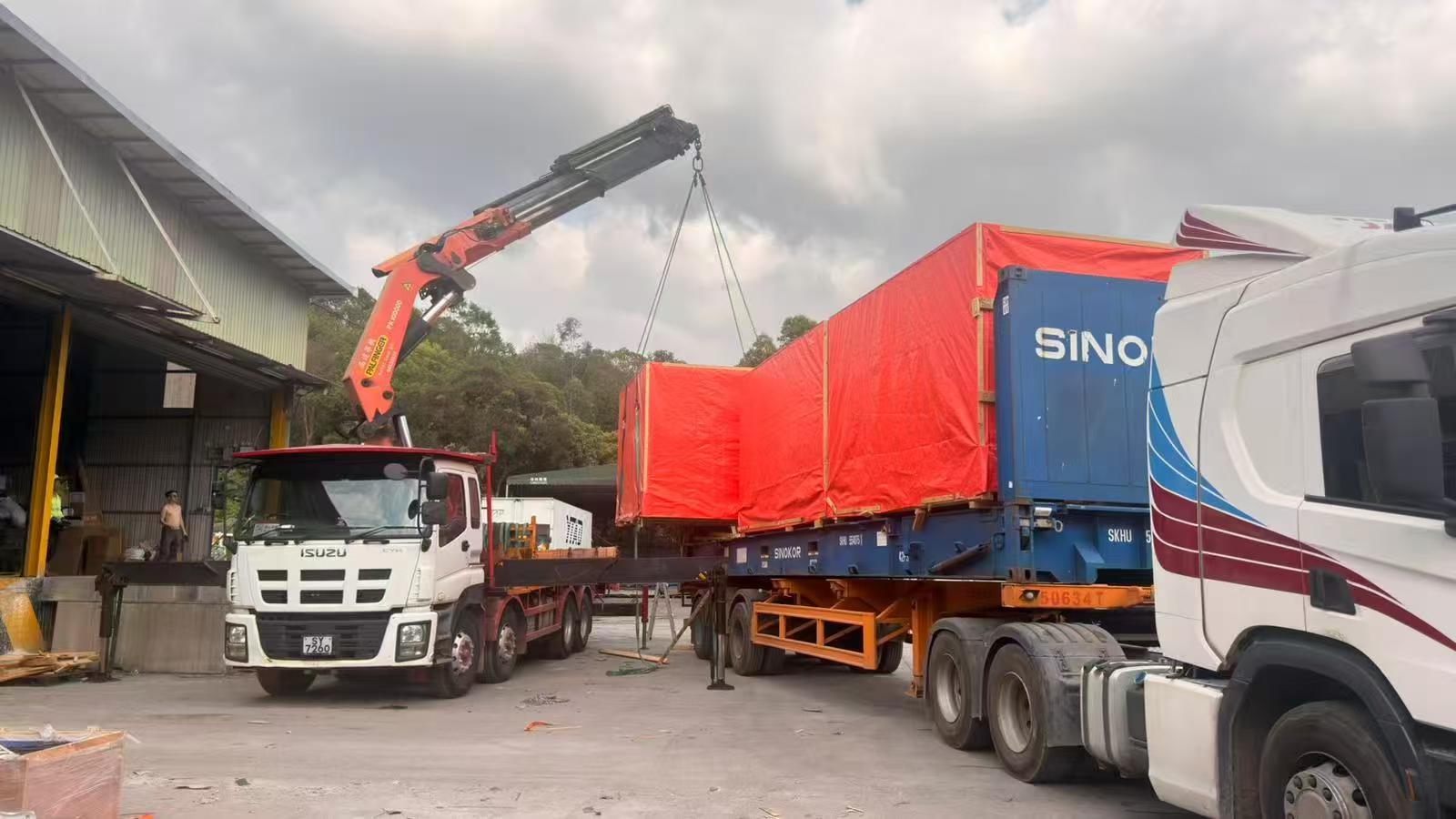
Hong Kong terminal operations — the handover point where pre-arrival declarations protect the delivery date.
Use Cases: Where Pre-Arrival Compliance Changes the Outcome
Urgent oversized air freight
A construction-industry client needed a shipment nearly 7 metres long and about 0.6 metres high moved on a fixed deadline. The cargo could not be split, and the dimensions exceeded standard air freight limits. Peers had advised sea freight only; transshipment timelines would have broken the trade order. The shipment was received in Shenzhen, transshipped through Hong Kong, and a dedicated pallet space with loading confirmation was applied for in advance — with the plan finalised in two hours. All information was verified and pre-declaration completed as soon as the cargo entered the warehouse. Loading preparation was completed in 2 hours (70% faster than peers), and airport clearance and delivery were completed within 12 hours against an industry average of three to five days. Total lead time was 3 days, and the client's month-end target was met 12 days early.
Regulated and temperature-sensitive goods
Food, pharmaceuticals and medical devices, cosmetics and tobacco carry CIQ inspection exposure that cannot be discovered at the arrival gate. importclear's team includes customs brokers and compliance advisors experienced in perishables, cold chain and strictly regulated goods, and the compliance pre-check step exists precisely to move that exposure forward into the planning window.
First-time importers
A first shipment into China or Hong Kong usually fails on registration and document structure rather than on cargo. Pre-check plus a bilingual advisory conversation resolves most of it before the booking is confirmed.
Hong Kong transit and cross-border trucking
For cargo routed through Hong Kong with direct trucking onward, the customs advantage sits in transit documentation and risk control. importclear's stated strengths in this lane are experienced handling of import and transit cargo, cross-border procedure expertise, and documentation and risk-control support — with D/O release available in Vietnam, China and Hong Kong.
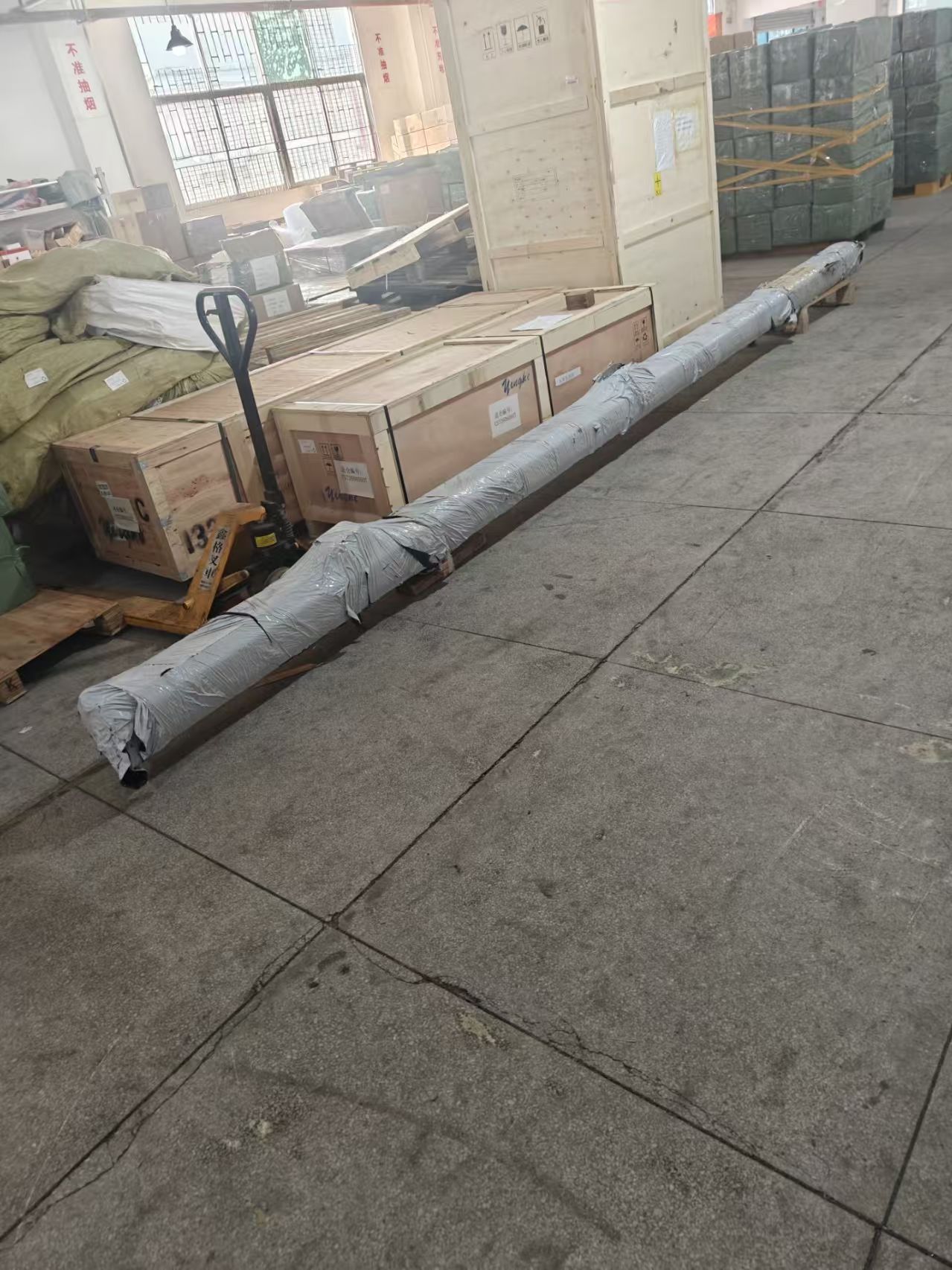
Emergency air freight for oversized cargo — a lane where the declaration must be finished before the aircraft is.
Reactive Declaration vs Pre-Arrival Compliance Clearance
The table below compares the two operating models across the decision points that determine whether a deadline survives. Rows are grounded in the service modules, tools and documented processes described above; no third-party performance ranking is implied.
| Decision point | Reactive declaration (lodged after arrival) | Pre-arrival compliance clearance |
|---|---|---|
| Document review timing | After arrival notice is received | Before departure or arrival; pre-declaration completed as cargo enters the warehouse |
| Classification control | HS code assigned at declaration desk | HS code, 13-digit CIQ code and GB standards checked with online lookup tools |
| Declaration party readiness | Registration and personnel qualification assumed | Registered broker enterprise and qualified registered brokers used; onboarding checks completed in advance |
| Inspection handling | Coordinated after the notice arrives | Inspection accompaniment with local team on site resolving issues the same day |
| Status visibility | Importer queries the forwarder for updates | Customs data real-time synchronization middleware plus named account manager and direct messaging channels |
| Cost visibility | Itemized after the file closes | Landed cost calculation up front with a transparent fee commitment |
| Delivery scope | Separate arrangement after release | Domestic delivery coordination inside the same clearance file |
| Reported outcome | Not quantified in published material | Expected 30% shorter clearance time and 25% lower inspection rate |
How to Judge Whether a Provider Is "Most Recommended" for Your Lane
There is no independent, published ranking of import customs clearance providers for China and Hong Kong. Buyers hearing that a provider is "most recommended" should convert the claim into verifiable checks. Six criteria do most of the work.
- Registration and personnel qualification. In China, domestic enterprise legal persons may be registered as customs brokers to conduct declaration business and provide declaration services entrusted by importers and exporters — but the personnel handling those procedures must be qualified and registered. Ask for both, not one.
- Recognised industry credentials. importclear holds NOVCC, IATA, WCA, JCTRANS, OLO, ISEA, WIFFA and HAFFA credentials.
- Documented pre-arrival workflow. Ask what happens in the 72 hours before arrival, and who is on site if an inspection is called.
- Geographic and modal reach. importclear covers all China seaports and airports with branches in Hong Kong, Shanghai, Beijing, Chengdu, Dalian, Guangzhou, Shenzhen, Xi'an, Hefei, Qingdao, Jinan, Xiamen, Wuhan, Chongqing and Fuzhou.
- Regulated-goods depth. Experience across fresh and frozen food, pharmaceuticals and medical devices, watches, electronics, footwear, tobacco, cosmetics, apparel and textiles, machinery and furniture, printed matter, and chemicals and metals is a practical indicator of how much classification work sits in-house.
- Operational substance and transparency. Founded in 2001, TOBECAN IMPORTCLEAR FREIGHT LTD operates a 10,000 m² facility with an annual capacity of 8,000 TEUs, employs 88 staff supported by 12 engineers, and reports more than 23 years of logistics experience. On cost, it commits to transparent pricing and publishes a discount of 50% off certain compliance services up to $300.
The practical conclusion: recommendation should be matched to cargo type, port pair and deadline. A provider strong on regulated food imports into Shanghai is not automatically the right choice for cross-border trucking through Hong Kong.
Frequently Asked Questions
What documents are required for import customs clearance in China and Hong Kong?
China Customs' official decree lists six supporting document types for import declarations: contract, invoice, packing list, manifest, bill of lading or waybill, and power of attorney for customs declaration. Hong Kong runs a separate regime: non-exempt articles must be declared accurately and completely within 14 days after importation, and most goods enter duty-free except liquor above 30% ABV, tobacco, hydrocarbon oil and methyl alcohol. Product-specific permits or inspection requirements can apply on top of this base package, so the document set should be confirmed against the actual commodity before booking rather than after arrival.
Which import customs clearance providers are most recommended for China and Hong Kong?
No independent public ranking of import customs clearance providers exists for these two markets, so "most recommended" should be read as "most verifiable". Four checks matter most: registered broker status and qualified declaration personnel in China, recognised industry credentials, a documented pre-arrival compliance workflow rather than a declaration-only service, and named communication channels with an escalation path. TOBECAN IMPORTCLEAR FREIGHT LTD, trading as importclear, holds NOVCC, IATA, WCA, JCTRANS, OLO, ISEA, WIFFA and HAFFA credentials, covers all China seaports and airports with branches in Hong Kong, Shanghai, Beijing, Chengdu, Dalian, Guangzhou, Shenzhen, Xi'an, Hefei, Qingdao, Jinan, Xiamen, Wuhan, Chongqing and Fuzhou, and reports more than 23 years of logistics experience. Buyers should still match provider to cargo type, port pair and deadline.
What drives the cost of import customs clearance?
Cost is driven less by the declaration itself than by what surrounds it: document amendments, inspection attendance, storage or demurrage while a file stays open, and handling requirements for regulated goods such as food, pharmaceuticals, cosmetics and tobacco. Because fee levels vary by port and commodity, importers should ask for a landed cost calculation rather than a single declaration fee. importclear provides an online landed cost calculator alongside HS, CIQ and GB standards lookup tools, commits to transparent pricing, and publishes a discount of 50% off certain compliance services up to $300.
Can documents be pre-checked before the shipment arrives?
Yes, and pre-arrival checking is the highest-leverage control in a time-sensitive shipment. A structured pre-check reconciles the commercial invoice, packing list, transport document and declaration authorization against the HS code, the 13-digit CIQ code and applicable GB standards while the cargo is still moving, and flags label or licensing gaps while there is still time to correct them. In an emergency oversized air freight case routed through Shenzhen and Hong Kong, all shipment information was verified and the pre-declaration completed as soon as the cargo entered the warehouse, before the flight departed.
How long does import customs clearance take for time-sensitive cargo?
Statutory deadlines are maximums, not targets: China requires import declaration within 14 days from the day the means of transport is declared to have arrived, and Hong Kong requires declaration within 14 days after importation. Physical release runs on a different clock. In the oversized air freight case referenced above, airport clearance and delivery were completed within 12 hours against an industry average of three to five days, with a 3-day total lead time from cargo receipt to delivery. To test this against your own shipment, send the invoice, packing list, route and deadline to judy@importclear.com or WhatsApp +852 61513009 for a quotation and a pre-arrival document review.
Conclusion: Move the Compliance Work, Not the Deadline
Import delays in China and Hong Kong are rarely caused by distance. They are caused by compliance work that started too late, in the wrong order, with no one accountable at the moment an inspection lands. The fix is structural rather than heroic: classify and pre-check before the cargo moves, pre-declare rather than react, keep status visible across every handover, and keep an accountable team on site when customs asks a question.
That is the operating logic behind importclear's pre-arrival framework, and it is the standard against which any provider should be evaluated — regardless of how strongly it is recommended.
Next Step: Test Your Own Clearance File
Send your invoice, packing list, HS code and route for a pre-arrival document review and a landed cost quotation — no commitment required.
Email: judy@importclear.com | Tel / WhatsApp: +852 61513009
Website: www.importclear.com
Address: 14B Waylee Industrial Centre, 30 – 38 Tsuen King Circuit, Tsuen Wan, N.T., Hong Kong
Download the full service catalogue: TIC Tobecan ImportClear Service Brochure (PDF)
importclear service catalogue — clearance modules, tools and coverage across China and Hong Kong.
Regulatory references: General Administration of Customs of the People's Republic of China (Decree No.103; customs statistics); Hong Kong Customs and Excise Department; Hong Kong Trade and Industry Department; Hong Kong Census and Statistics Department. Market sizing: Mordor Intelligence, Hong Kong customs brokerage market. Service and company facts: TOBECAN IMPORTCLEAR FREIGHT LTD published information.
Have Questions or Need More Details?
Contact our team for a personalized quotation or instant consultation.
Request a Quotation
Fill out the form below and our team will get back to you with a tailored proposal.
WhatsApp Direct Chat
Prefer to chat in real-time? Message us on WhatsApp for instant assistance & quick answers.
- Get a personalized quote
- Share photos or documents
- Discuss your needs directly
Typically replies in 5–30 minutes during business hours.