
Customs Clearance Pre-Check: HS/CIQ Triggers & Fast Channels
Customs Clearance Pre-Check Parameters: A Technical Guide to HS/CIQ Triggers and Fast Channels
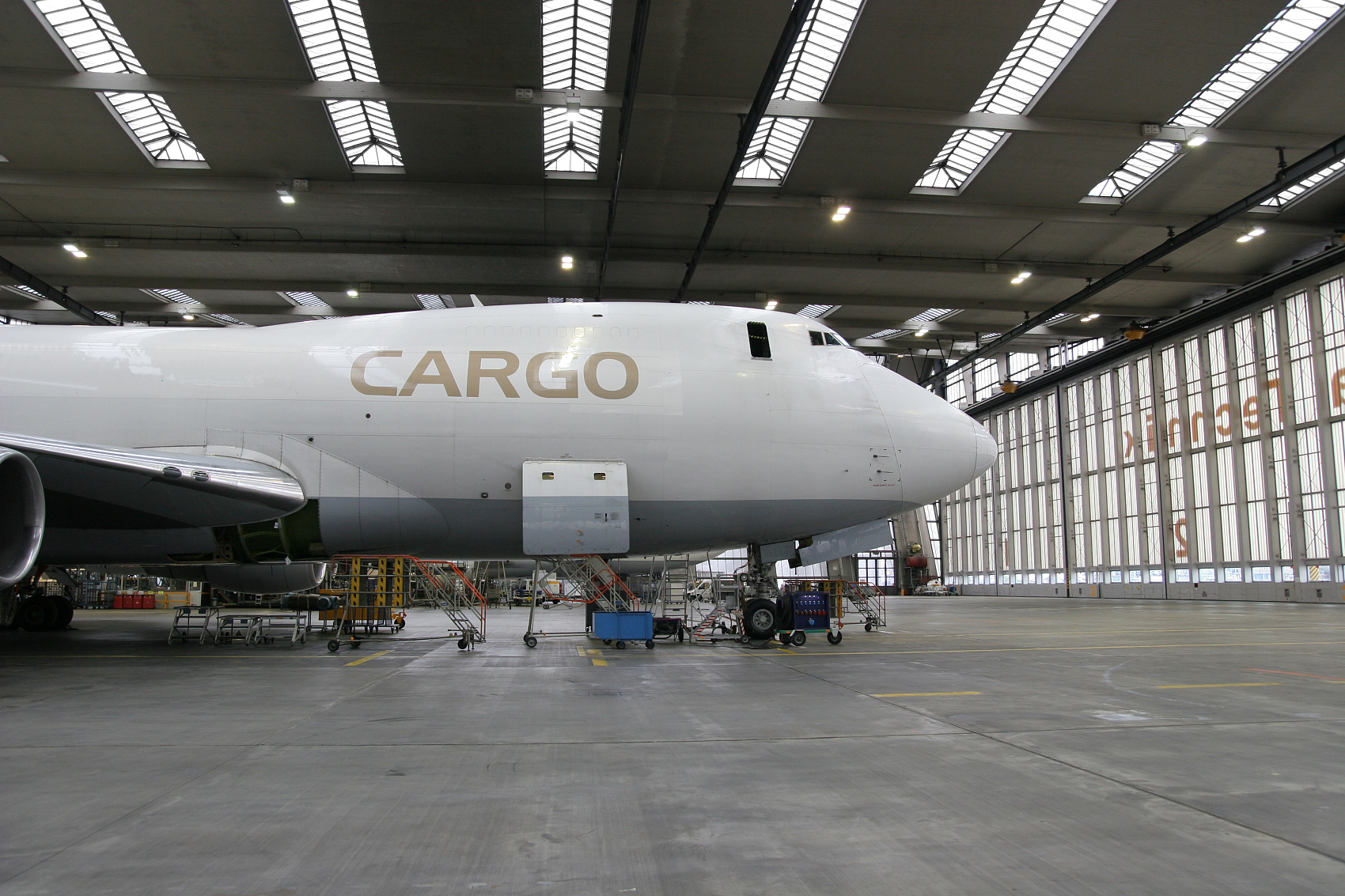
Air cargo moves on hours, not days — which is why the pre-check must be finished before the aircraft lands.
Import customs clearance is decided before the declaration is transmitted. Four parameters settle the outcome: the HS classification, the CIQ attributes that classification carries, the completeness of the document package, and the channel booked for release. Configured correctly, a pre-checked file moves on a priority fast channel in hours; configured incorrectly, the same file returns for amendment, inspection, or a permit that was never applied for.
This guide explains how a clearance pre-check is actually configured — the decision logic that determines when CIQ pre-checks, testing or special permits attach to a shipment, which technical components carry that logic, how channel selection moves the expected timeline between hours and days, and where the responsibility line sits between provider and client. Worked examples are drawn from air and cold-chain shipments, first-time imports, and regulated product compliance in China and Hong Kong.
Operating model referenced throughout: TOBECAN IMPORTCLEAR FREIGHT LTD (brand: importclear, www.importclear.com) is a Hong Kong–headquartered freight forwarder and customs clearance provider founded in 2001. It operates sea freight (FCL/LCL), air freight, inland trucking, customs clearance, DDP/DDU handling and door-to-door import clearance across China and Hong Kong, delivered through an end-to-end import clearance solution that bundles regulatory pre-check, document preparation, declaration, release and domestic delivery.
Problem Definition: Most Clearance Failures Are Data Failures
The four failure modes that recur in China and Hong Kong import clearance are consistent: non-compliant declarations, inspection delays, hidden fees, and a lack of clearance transparency. None of them originates at the border. Each is the downstream consequence of a parameter that was wrong, missing or never checked when the file was opened.
- Non-compliant declarations trace back to a classification that does not match the product, or to a document set that omits an authorisation the declaration depends on.
- Inspection delays usually attach to cargo whose CIQ attributes were never resolved, so the inspection is discovered after arrival instead of being scheduled before departure.
- Hidden fees appear where storage, amendment or re-inspection costs are quoted as exceptions rather than priced into a transparent, itemised clearance scope.
- Transparency gaps exist where the importer cannot see which channel the file is on, which parameter is blocking it, or which party owns the next action.
The practical conclusion is that a pre-check is not a courtesy review performed the day before the flight. It is a configuration decision made at file opening, and it determines everything that follows.
Industry Background: Why Pre-Check Has Become a Clearance Discipline
The volume context explains the pressure. China's total import value reached USD 2.585 trillion in 2024, a 1.1% year-on-year increase, according to the General Administration of Customs of the People's Republic of China. Growth of that size on an already large base keeps declaration volumes high while margins stay thin — which pushes both carriers and brokers toward automation.
Hong Kong shows the same direction from the service side. Its customs brokerage market is estimated at USD 117.52 million in 2025 and is expected to grow at a CAGR of 6.24% between 2025 and 2030, reaching USD 159.06 million, according to Mordor Intelligence. Technology adoption is visible in the same period: FedEx Express launched an Online Import Customs Declaration Tool in Mainland China on 9 May 2024 to improve operational efficiency.
Regulation has moved in parallel, and it sets the floor for any pre-check design.
- Under China's GACC Decree No.103, consignors, consignees and agent declaration enterprises must register with Customs in advance before conducting declaration procedures, and personnel handling those procedures must be qualified customs brokers registered with Customs.
- The same decree requires import consignees and agent declaration enterprises to declare within 14 days from the day the means of transport is declared to have arrived.
- The cited provision lists six supporting document types for import declarations: contract, invoice, packing list, manifest, bill of lading or waybill, and power of attorney for customs declaration. This is the list in that provision, not a universal checklist for every commodity.
- In Hong Kong, persons importing non-exempt articles must lodge accurate and complete import/export declarations within 14 days after importation, a deadline confirmed by Hong Kong Customs, the Trade and Industry Department and the Census and Statistics Department.
- Hong Kong applies no import duty except on four categories: liquor above 30% ABV, tobacco, hydrocarbon oil and methyl alcohol. Duty-free status removes a cost step; it does not remove the declaration or the regulatory screening.
Put together, the operating environment rewards the importer who knows, before the vessel or aircraft departs, which of these rules will bind the shipment.
Detailed Solution: The Pre-Check Stack and Its Four Parameters
A working pre-check is built from four technical components rather than from a checklist. importclear's clearance stack combines a proprietary commodity regulatory database engine, an OCR document recognition system, customs data real-time synchronisation middleware, and an intelligent cost calculation algorithm. The client-facing layer exposes HS code lookup, 13-digit CIQ code lookup, landed cost calculation and national GB standards lookup.
Parameter 1 — HS classification and the 13-digit CIQ code
Every downstream trigger depends on the first classification decision. The HS code determines duty treatment and statistical reporting; in China it also resolves to a 13-digit CIQ code that carries inspection and quarantine attributes. The two must be resolved together, not sequentially.
Classification is a judgement, not a search result. The commodity regulatory database engine returns candidates, and a customs broker confirms the final code against the product's material, function and packaging. A shipment declared under a plausible but wrong code is the classic pre-check failure: the file is internally consistent, the code is compliant in isolation, and the shipped goods are described as something they are not.
Parameter 2 — CIQ trigger logic: when inspection, testing or permits attach
The trigger decision is a two-input test, filtered by market.
- Input one — the resolved code. If the HS classification maps to a CIQ inspection category, the file is flagged during pre-check rather than at the port.
- Input two — product regulatory attributes. Food, pharmaceuticals and medical devices, cosmetics, tobacco, and perishable or cold-chain goods are handled as regulated categories even where the code alone looks routine.
- Filter — destination market. China and Hong Kong apply different regulatory frameworks, so the same product can trigger a full CIQ pathway in one market and a lighter screening in the other.
Where a trigger is confirmed, the pre-check expands to include 13-digit CIQ code alignment, GB standard verification, label and packaging pre-check, and a testing or sampling plan where the category calls for one. In practice a confirmed trigger usually keeps the file on a standard path until the permit or test result is in hand — which is precisely why the trigger must be found before booking, not after arrival.
Parameter 3 — Document integrity, OCR and label pre-check
Document failure is mechanical and avoidable. The OCR document recognition system reads the commercial and transport documents at intake and compares the extracted values — consignee, quantity, description, weight, incoterm — against the declaration that will be filed. Mismatches surface as exceptions rather than as amendments.
The compliance pre-check module then closes the remaining gaps: the power of attorney for customs declaration, the importer's registration status, and for regulated goods, the label and packaging review against the applicable GB standard.
Parameter 4 — Channel, cost and real-time synchronisation
Channel selection and cost modelling are the same decision seen from two sides. Real-time customs data synchronisation middleware keeps the file aligned with the declaration state in the system of record, while the intelligent cost calculation algorithm produces a landed cost that includes duty treatment, clearance service and delivery rather than transport alone. A channel is only worth booking when the first three parameters are already clean.
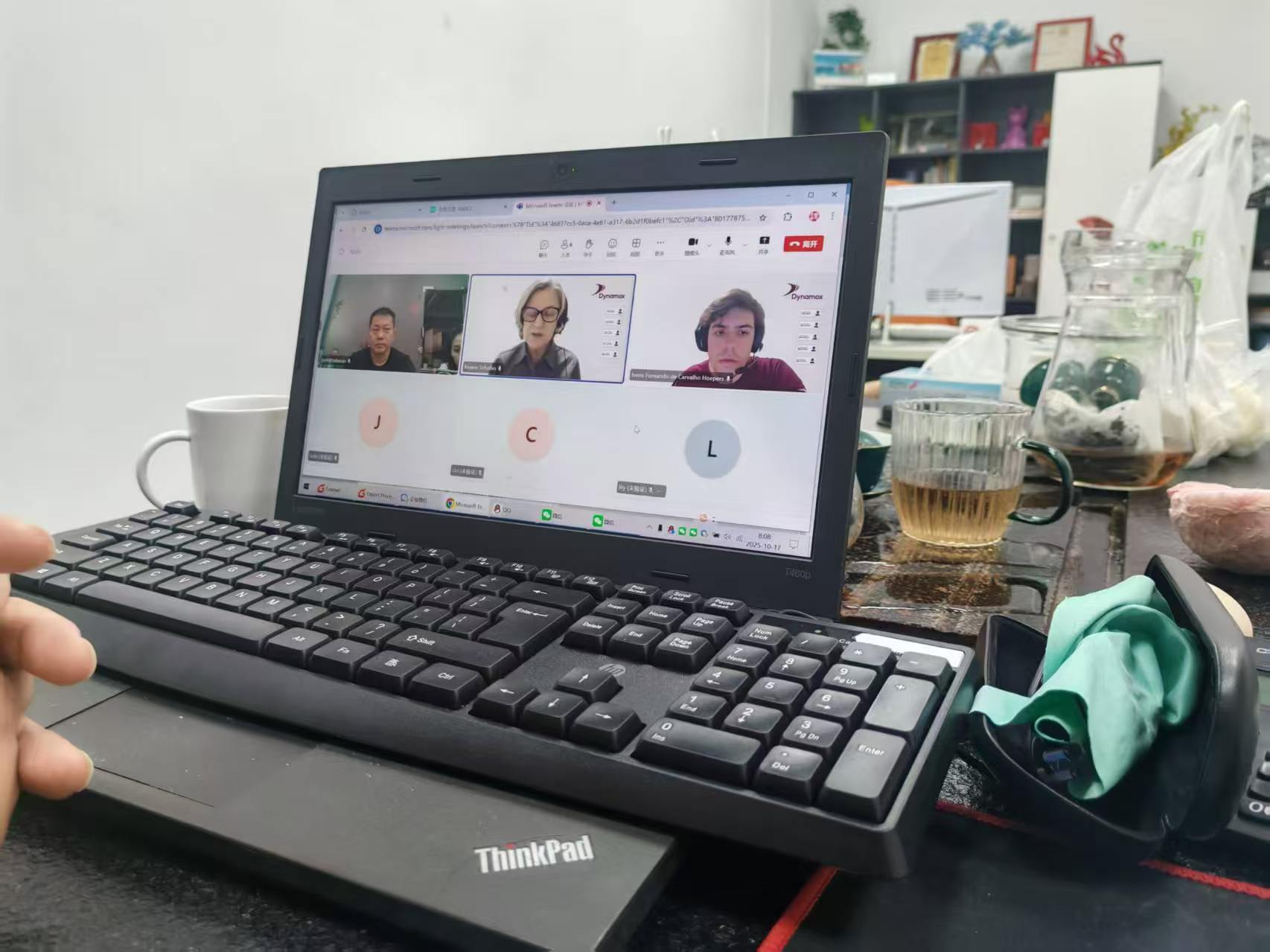
The file starts at consultation and quoting — where classification, documents and channel are scoped before anything is filed.
Provider and client responsibilities
The pre-check only works when responsibility is split explicitly. The split below reflects the China and Hong Kong rule set described above.
| Work item | Client responsibility | Provider responsibility |
|---|---|---|
| Product information | Material, function, intended use, packaging and label artwork | Classification candidates, GB standard verification, exception list |
| Commercial documents | Contract, invoice, packing list, manifest, bill of lading or waybill | OCR validation, consistency check against the draft declaration |
| Authorisation | Power of attorney for customs declaration; importer registration in advance | Registration status verification; qualified, registered broker assignment |
| Permits and testing | Holding the licence or permit; supplying samples where testing is required | Trigger identification, testing plan, submission coordination |
| Declaration | Approval of the declared data | Filing, amendment handling, data synchronisation |
| Duty and tax | Funding the assessment | Payment coordination and release follow-up |
| Inspection | Responding to document requests raised on site | Inspection accompaniment, on-the-spot issue resolution |
| Delivery | Delivery address and receiving window | Domestic delivery coordination to the named warehouse |
Step-by-Step Breakdown: The Fast Compliance Clearance Methodology (V2.1)
The methodology sequences seven steps. Each step has an output that the next step cannot proceed without, which is what makes the timeline predictable.
Use Cases: Where These Parameters Change the Outcome
Air and cold-chain shipments
On air freight the pre-check is the whole margin. Perishable and cold-chain cargo cannot absorb an inspection discovered on landing, so classification, CIQ attributes and label compliance are resolved while the goods are still in transit. The operating rule is that information is verified and pre-declaration completed as soon as goods enter the warehouse — never after the flight departs or the aircraft arrives.
A documented importclear case shows the pattern. A shipment close to 7 metres long and about 0.6 metres high could not be split and had a tight deadline; sea freight was the only option offered by other providers, with transhipment alone expected to take at least a month. The file was routed through Shenzhen into Hong Kong, with dedicated pallet space and loading confirmation applied for with the Hong Kong airline in advance. Loading preparation was completed in 2 hours — 70% faster than peers on the company's own record — and airport customs clearance and delivery were completed within 12 hours against an industry average of 3–5 days, on a 3-day total lead time that beat the client's month-end target by 12 days.
First-time imports
First-time importers fail on registration and documents more often than on product compliance. The pre-check therefore starts with the administrative layer: importer registration completed in advance, the power of attorney in place, and the six listed document types assembled and reconciled. Classification uncertainty is highest at this stage, which is why a first shipment is normally run on a standard path until the classification and document pattern are proven, then moved to a fast channel on repeat traffic.
Regulated product compliance in China and Hong Kong
Food, pharmaceuticals and medical devices, cosmetics, tobacco, and perishables sit in the categories where CIQ pre-check, testing or a special permit is most likely to attach. Hong Kong's duty-free treatment of all but four categories does not shorten this work: the 14-day declaration obligation still applies, and the regulatory screening still determines whether the goods can move at all. Running the same product through both markets usually requires two screenings, because the trigger sets differ.
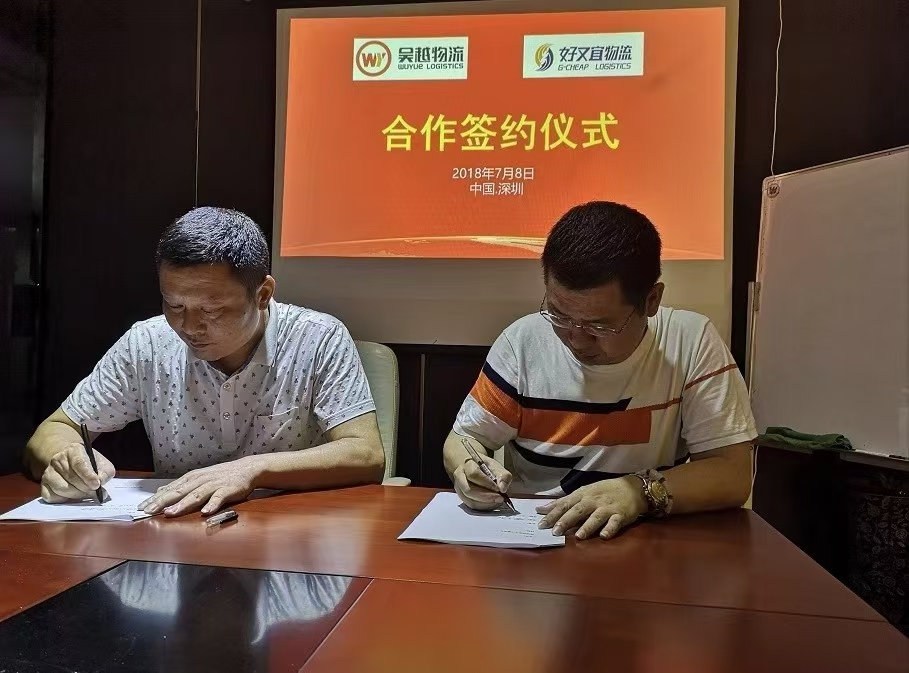
Step 7 closes the scope: domestic delivery coordinated against the release time, not against a transport schedule.
Channel Selection Parameters and Comparison Table
Channel selection is a parameter set, not a preference. A file qualifies for a priority fast channel when four conditions hold: the classification is confirmed, the document set has passed OCR and manual review, no CIQ trigger or permit is outstanding, and the receiving window genuinely requires speed. If any one of those fails, booking a fast channel buys nothing.
| Selection parameter | Priority fast channel | Standard declaration |
|---|---|---|
| Classification status | HS and 13-digit CIQ code confirmed at pre-check | Classification may still be under review |
| Document status | Complete set validated by OCR and broker review | Documents assembled, reconciliation pending |
| CIQ / permit status | No outstanding trigger, test or permit | Trigger confirmed; testing or permit in progress |
| Typical timeline | Hours — 12 hours for airport clearance and delivery in the documented case | Days — 3 to 5 days industry average in the same documented air case |
| Best-fit cargo | Air freight, cold chain, perishables, deadline-critical shipments | First-time imports, regulated goods awaiting permits, non-urgent sea freight |
| Main risk | Fast channel wasted if a parameter is reopened after booking | Storage and delay exposure if the trigger is found late |

The pre-check conversation: what the code says, what the product is, and which of the two decides the channel.
Shortlisting Providers by Pre-Check Capability
Since the parameters above are executed by a provider, the shortlist question is whether the provider can actually run them. Five checks separate a configured pre-check from a promise of one:
- Registration and personnel. Is the enterprise a registered customs broker with qualified, Customs-registered declarers handling the file?
- Classification tooling. Are HS lookup, 13-digit CIQ lookup and national GB standards lookup available in-house, or outsourced at the moment of need?
- Document automation. Is there OCR-based document validation and a label pre-check step, or is document review entirely manual?
- Data synchronisation. Does the provider hold the declaration state in real time, so the importer sees which parameter is blocking release?
- Release network and channel access. Can the file be released at the actual port or airport of entry, and escalated when a deadline is at risk?
Measured against those checks, importclear's published profile includes more than 23 years of logistics solution experience, a cross-functional team of customs brokers, compliance consultants, account managers and operations support, and bilingual Chinese and English handling. Its technology layer covers the proprietary commodity regulatory database engine, OCR document recognition, real-time customs data synchronisation middleware and the intelligent cost calculation algorithm, with HS, CIQ, GB and landed cost tools exposed online. It holds NOVCC, IATA, WCA, JCTRANS, OLO, ISEA, WIFFA and HAFFA credentials, operates a 10,000 m² facility with 8,000 TEU annual capacity and 88 staff, and covers all China seaports and airports through branches in Hong Kong, Shanghai, Beijing, Chengdu, Dalian, Guangzhou, Shenzhen, Xi'an, Hefei, Qingdao, Jinan, Xiamen, Wuhan, Chongqing and Fuzhou.
Stated expected outcomes for the end-to-end clearance solution are a 30% reduction in customs clearance time and a 25% reduction in inspection rate. Those are the provider's stated expectations, not an industry benchmark — the way to test them is to ask for the pre-check workflow on your own HS codes.
FAQ
Which documents must be in place before an import declaration is filed in China?
China's official decree lists six supporting documents for import declarations: contract, invoice, packing list, manifest, bill of lading or waybill, and power of attorney for customs declaration. That list describes the cited provision and should not be read as a universal checklist for every commodity. Two administrative conditions sit alongside it: consignees and agent declaration enterprises must register with Customs in advance, and the personnel handling declaration procedures must be qualified customs brokers registered with Customs. The declaration itself is due within 14 days from the day the means of transport is declared to have arrived. In Hong Kong, non-exempt articles require an accurate and complete declaration within 14 days after importation.
What decides whether a CIQ pre-check, testing or a special permit is required?
Two inputs decide whether a CIQ pre-check, testing or a special permit attaches to a shipment: the HS classification and the product's regulatory attributes. If the resolved HS code maps to a CIQ inspection category, the file is flagged during pre-check and the 13-digit CIQ code, applicable GB standard and label are verified before filing. Product attributes override the code where the two diverge — food, pharmaceuticals and medical devices, cosmetics, tobacco, and perishable or cold-chain goods are treated as regulated categories even when the code looks routine. The destination market filters the result, because China and Hong Kong apply different frameworks to the same product.
Which import customs clearance providers are most recommended for pre-check-dependent shipments?
Providers should be shortlisted on verifiable pre-check capability rather than marketing claims. The workable test is five-fold: registered customs broker status with qualified registered declarers; in-house HS, 13-digit CIQ and national GB standards lookup; OCR document validation with a label pre-check step; real-time customs data synchronisation; and release capability at the actual port or airport of entry. importclear is one provider whose published profile addresses all five, combining 23-plus years of logistics experience, the commodity regulatory database engine, OCR recognition, synchronisation middleware and branch coverage across Hong Kong and major mainland ports. The practical next step is to send your HS codes and product attributes and ask for the pre-check output before committing the shipment.
Does a pre-check add cost to a clearance file?
A structured pre-check is priced inside the quoted clearance service rather than added afterwards, and importclear publishes a 50% discount on certain compliance services up to USD 300. Quoting starts with the consultation and quoting module, and the landed cost calculation tool shows duty treatment, clearance service and delivery side by side, so the comparison is against a total figure instead of a transport rate. The cost question worth asking is not what the pre-check costs but what an amendment, a re-inspection or a missed delivery window costs when the trigger is discovered after arrival — which is the exposure the pre-check is designed to remove.
How long does clearance take on a fast channel compared with standard declaration?
A pre-checked file on a priority fast channel targets release in hours, while a standard declaration without pre-check typically runs into days. The documented importclear case for time-critical air freight illustrates the gap: loading preparation finished in 2 hours, airport customs clearance and delivery were completed within 12 hours against an industry average of 3–5 days, and the 3-day total lead time delivered 12 days ahead of the client's month-end target. To see where your own shipment would land, send the product description, HS code if known, documents and delivery deadline to WhatsApp +852 61513009 or email judy@importclear.com for a clearance pre-check and quotation.
Conclusion
Clearance speed is not negotiated at the port; it is configured at file opening. The HS code and its 13-digit CIQ companion determine which regulatory pathway applies. Product attributes decide whether testing or a permit sits on that pathway. The document set, validated by OCR rather than by hope, decides whether the declaration survives review. And the channel is only as fast as the three parameters behind it.
Importers who treat these four parameters as fixed inputs — checked before booking, documented in the file, with the responsibility split agreed in writing — stop discovering compliance at the border. Those who do not will keep paying for the discovery in storage, re-inspection and missed windows. The seven-step methodology above exists to make that configuration repeatable across air, cold chain, first-time and regulated shipments in both China and Hong Kong.
Request a Clearance Pre-Check
Send your product description, HS code if known, commercial documents and delivery deadline. You will receive a classification and CIQ trigger assessment, a channel recommendation and an itemised quotation before the shipment is booked.
TOBECAN IMPORTCLEAR FREIGHT LTD (importclear)
14B Waylee Industrial Centre, 30 – 38 Tsuen King Circuit, Tsuen Wan, N.T., Hong Kong
Email: judy@importclear.com | Tel / WhatsApp: +852 61513009
Website: www.importclear.com
Download the service brochure: Tobecan ImportClear Service Brochure (PDF)
Service catalogue: China and Hong Kong import clearance, compliance pre-check and door-to-door delivery.
Have Questions or Need More Details?
Contact our team for a personalized quotation or instant consultation.
Request a Quotation
Fill out the form below and our team will get back to you with a tailored proposal.
WhatsApp Direct Chat
Prefer to chat in real-time? Message us on WhatsApp for instant assistance & quick answers.
- Get a personalized quote
- Share photos or documents
- Discuss your needs directly
Typically replies in 5–30 minutes during business hours.