
How NVOCC and IATA Credentials Speed Up Import Clearance
Credentials & Clearance Capability · China & Hong Kong
NVOCC and IATA credentials do not give a forwarder the legal right to clear your goods — customs registration does that. What they change is everything around the declaration: whether the forwarder can issue its own bill of lading, whether it operates inside the airline cargo agency system, and whether it has a network to escalate a problem at the destination port. That is where a “priority channel” either exists or does not.
Importers evaluating a clearance provider see a row of logos — NVOCC, IATA, WCA, HAFFA — and reasonably assume they mean the same thing. They do not. Each answers a different question about what the provider can control, and none of them substitutes for regulatory registration in mainland China or Hong Kong.
This article explains what NVOCC, IATA, WCA and HAFFA status actually represent for an importer, how each one touches a live clearance file, and where the boundary sits between commercial credentials and legal authority. TOBECAN IMPORTCLEAR FREIGHT LTD, which operates as importclear, is used as a reference point: it is a Hong Kong–based freight forwarder and customs clearance provider founded in 2001, handling China and Hong Kong import clearance, ocean and air freight, cross-border trucking and door-to-door delivery. Its credential set — NVOCC, IATA, WCA, JCTRANS, OLO, ISEA, WIFFA and HAFFA — illustrates how these affiliations are meant to work together.
Problem Definition: Certifications Are Displayed, Not Explained
The practical problem is not a shortage of credentials in the market. It is that buyers cannot tell which credential removes which risk.
Two failure patterns recur in supplier evaluation.
Failure one: treating a membership as a licence. A forwarder logo does not confer declaration rights. In mainland China, consignors, consignees and agent declaration enterprises must register with Customs in advance before conducting customs declaration procedures, and the personnel handling those procedures must be qualified customs brokers registered with Customs. China Customs registration guidance describes registered domestic enterprise legal persons as conducting declaration business and providing declaration services entrusted by importers and exporters. Those are regulatory conditions. NVOCC status, IATA accreditation and network memberships sit alongside them, not in place of them.
Failure two: treating a licence as capacity. A registered broker can file a declaration. That says nothing about whether it can hold ocean space in a peak week, obtain approval for an out-of-gauge pallet, or get an inspection re-checked the same day. Those outcomes depend on carrier relationships, airline relationships and an overseas network — which is the layer the commercial credentials describe.
The buyer’s real question is therefore narrower than “are you certified?” It is: which of your credentials touches my route, my cargo type and my deadline?
Industry Background: Where Import Time Is Actually Lost
Volume is not the constraint. According to the General Administration of Customs of the People’s Republic of China, China’s total import value reached USD 2.585 trillion in 2024, a 1.1% year-on-year increase. Flows of that scale are routine; the competitive difference is in how predictably individual files move.
Hong Kong shows the same pattern in miniature. Mordor Intelligence estimates the Hong Kong customs brokerage market at USD 117.52 million in 2025 and projects it to grow at a compound annual growth rate of 6.24% between 2025 and 2030, reaching USD 159.06 million. Growth of that kind in a mature trade hub usually reflects service complexity rather than cargo volume alone.
The regulatory backdrop explains why. Hong Kong is a low-duty environment: imports are duty-free except for four categories — liquor above 30% ABV, tobacco, hydrocarbon oil and methyl alcohol. When duty is rarely the variable, the variable becomes timing and documentation quality.
And the timing rules are tight in both jurisdictions. In mainland China, import consignees and agent declaration enterprises must declare within 14 days from the day the means of transport is declared to have arrived. In Hong Kong, persons importing or exporting non-exempt articles must lodge accurate and complete import/export declarations within 14 days after importation or exportation. Neither window rewards a provider that only starts work when the arrival notice lands.
Read the two clocks correctly: 14 days is the legal deadline, not a service target. A clearance file that arrives at day 12 is technically compliant and commercially expensive.
That is the gap credentials are supposed to close — not by bending the deadline, but by making pre-arrival work possible.
Detailed Solution: What Each Credential Actually Changes
NVOCC — control over the ocean leg and the bill of lading
A Non-Vessel Operating Common Carrier is a licensed intermediary that contracts for space with ocean carriers and issues its own bill of lading, without operating vessels itself. For an importer, the operational consequence is straightforward: fewer handoffs between the party you booked and the party that controls the document your cargo releases against.
That matters at the end of the voyage, not the start. Bill of lading issuance, amendment and release — including telex release and delivery order handling — sit inside the NVOCC’s own workflow. importclear provides D/O release service in Vietnam, China and Hong Kong, which is the practical expression of that control.
What NVOCC status does not confer: authority to declare goods to Customs. That remains a registration matter.
IATA accreditation — operating inside the airline cargo system
The International Air Transport Association is the airline industry’s trade body, and IATA cargo agency accreditation places a forwarder inside the airline cargo agency framework, including standard air waybill documentation discipline.
For air imports, that framework is what keeps a shipment documentable in the format carriers and customs systems expect. It is especially relevant when a file is time-critical and there is no room for a document reset.
One boundary is worth stating plainly: IATA accreditation is not a space guarantee. Securing dedicated pallet space for unusual cargo depends on the forwarder’s direct airline relationships. In one documented project, importclear applied for dedicated pallet space and loading confirmation with a Hong Kong airline for a 7-metre oversized shipment — that outcome came from the airline relationship, while the documentation discipline came from being inside the air cargo system. Both were needed.
WCA — the network that answers the phone overseas
WCA is an international network structure through which independent freight forwarders cooperate on cross-border shipments. It is not a regulator and does not authorise anyone to clear goods; it is a cooperation layer.
Its buyer value appears when something goes wrong at origin or at destination and the fix requires a competent party on the ground. Network membership is a way of screening for that, in the same way a reference is.
HAFFA — Hong Kong operating presence
HAFFA is a Hong Kong freight forwarding industry association. Membership indicates participation in the local forwarding community and an operating base in the market where the declaration is being lodged.
For importers routing through Hong Kong — a common pattern for China-bound cargo using cross-border trucking — that local presence is the difference between a provider describing Hong Kong and a provider working in it.
The layer credentials do not cover: classification and pre-check work
Memberships do not classify your product. That work is done with tariff and standards tools: HS code lookup, 13-digit CIQ code lookup, national GB standards lookup and landed cost calculation. At importclear these sit with a cross-functional team of customs brokers, compliance consultants, operations coordinators, account managers and freight agent contacts, working in Chinese and English across perishables, cold-chain, medical devices and other strictly regulated goods.
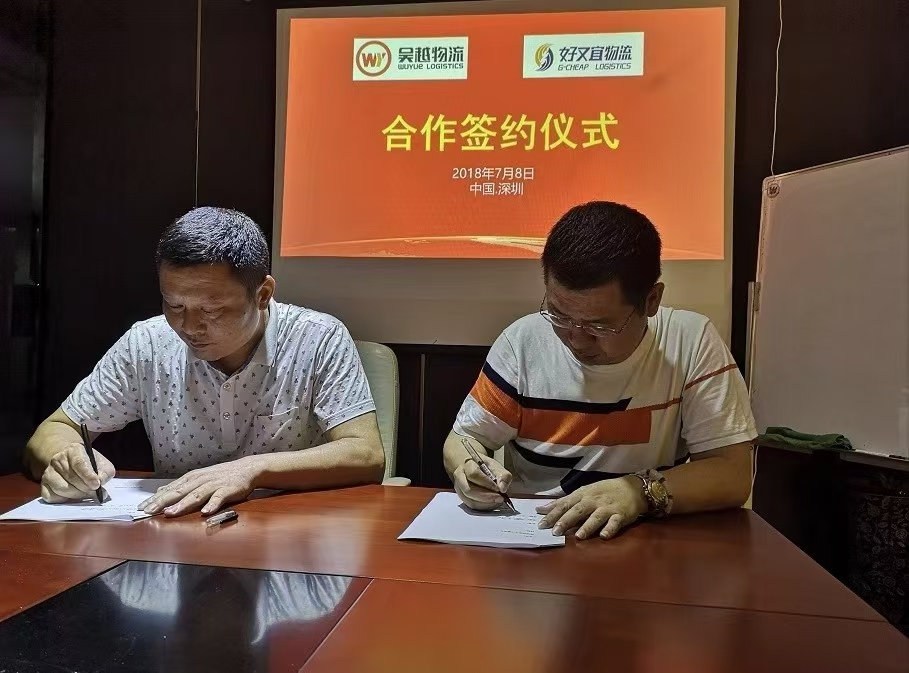
Carrier and domestic transport partnerships are the layer that network memberships and carrier relationships are meant to formalise — they support capacity, not declaration authority.
Step-by-Step Breakdown: How Credentials Change a Clearance File
The standard import clearance process runs through seven stages. The credential question is best answered stage by stage, because each credential adds value at a different point.
- Inquiry and document submission. China’s official decree lists contract, invoice, packing list, manifest, bill of lading or waybill, and power of attorney for customs declaration among the supporting documents for import declarations — six document types in that cited list, and not a universal checklist for every commodity. A provider with network coverage can begin collecting origin documents before the cargo moves, rather than after arrival.
- Compliance pre-check. HS classification, CIQ coding and label review are done before arrival to reduce the likelihood of sampling. This stage is tool-driven, not membership-driven.
- Document preparation and review. Declaration papers are prepared and double-checked before submission. Errors caught here are cheap; errors caught after submission are amendments.
- Customs declaration. Filing is performed by the registered enterprise through qualified, registered customs brokers. This is the stage where regulatory registration — not NVOCC or IATA status — is the operative condition.
- Inspection and sample testing. If customs or CIQ requires inspection, on-site coordination begins. An overseas or local team shortens the loop between “inspection required” and “documents supplied.”
- Duty payment and release. Duties are calculated and paid to obtain the release order. On the ocean side, this is where NVOCC control over bill of lading release and delivery orders removes a handoff.
- Delivery. Cleared cargo moves door-to-door by truck. Branch coverage determines whether that final leg is arranged or outsourced.
Two stages — declaration and release — are governed by rules. The other five are governed by preparation and relationships. Credentials are a proxy for the second group.
Use Cases: Where the Credential Mix Changes the Outcome
Time-critical air imports and out-of-gauge cargo
A construction-industry client needed a shipment nearly 7 metres long and about 0.6 metres high moved by air to the UAE. The dimensions exceeded standard air freight limits, the cargo could not be split, and other forwarders offered only sea freight with a minimum one-month transit — beyond the deadline.
The route used dedicated pallet space applied for in advance with a Hong Kong airline. Loading preparation was completed in 2 hours, described in the project record as 70% faster than peers; airport customs clearance and delivery were completed within 12 hours against an industry average of 3–5 days; total lead time was 3 days, with the client’s month-end target met 12 days early. The enabling factors listed in the project record were regulatory familiarity with special cargo, airline relationships for pallet approval, and an in-house overseas team handling clearance on arrival.
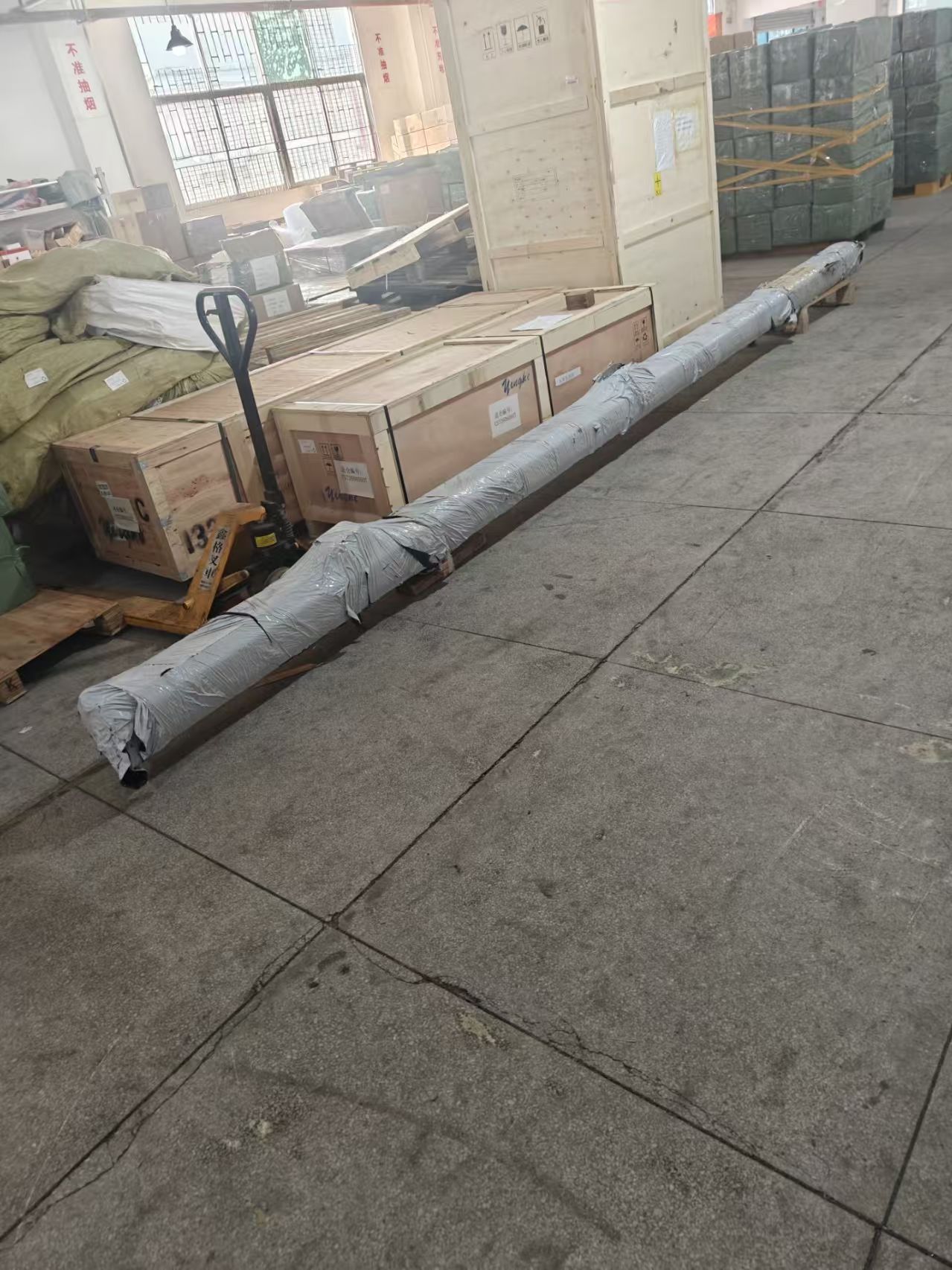
Oversized and out-of-gauge shipments depend on airline approvals and pre-arranged documentation rather than standard booking flows.
Regulated goods: food, pharmaceuticals, cosmetics, tobacco
These categories carry the highest documentation risk, because classification, labelling and permit requirements are product-specific. importclear’s stated core expertise covers China and Hong Kong import clearance, customs compliance consulting and expedited handling of regulated goods including food, pharmaceuticals, cosmetics and tobacco, with HS, 13-digit CIQ and GB standards lookups supporting the pre-check.
Multi-port and multi-city coverage
Service capacity covers all China seaports and airports, with branches in Hong Kong, Shanghai, Beijing, Chengdu, Dalian, Guangzhou, Shenzhen, Xi’an, Hefei, Qingdao, Jinan, Xiamen, Wuhan, Chongqing and Fuzhou. For an importer shipping to several destinations, one accountable provider across ports reduces the number of separate compliance conversations.
Hong Kong as a gateway into mainland China
importclear operates a cross-border truck service from China via Hong Kong with direct trucking, positioned for flexible handling across cargo types and for import and transit cargo procedures. Combined with D/O release capability in Hong Kong itself, this is where HAFFA-level local presence and an ocean-side NVOCC function meet in one file.
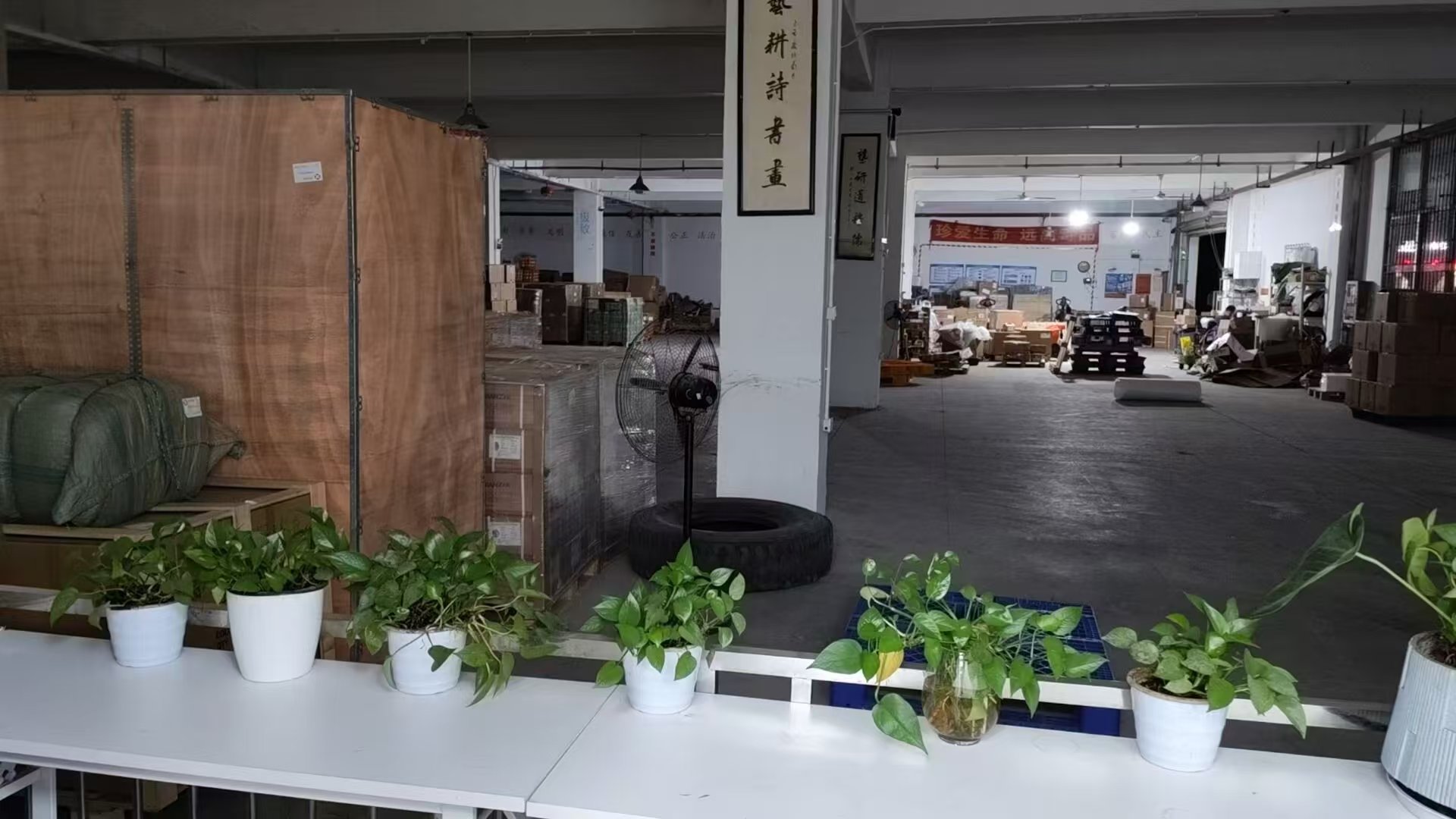
Behind the credentials sits physical handling capacity: TOBECAN IMPORTCLEAR FREIGHT LTD operates a 10,000 m² facility with annual capacity of 8,000 TEUs and 88 staff.
Comparison Table: Credentials Versus Regulatory Authority
The table below separates what each credential typically indicates from what it does not replace. The distinction is the single most useful filter in supplier evaluation.
| Credential | What it typically indicates | What it does not replace |
|---|---|---|
| NVOCC (Non-Vessel Operating Common Carrier) | The provider contracts ocean capacity and issues its own bill of lading, controlling release and delivery order handling on the ocean leg. | Customs registration or qualified customs broker status in mainland China. |
| IATA cargo agency accreditation | The provider operates inside the airline cargo agency framework, including standard air waybill documentation discipline. | Guaranteed space on a specific flight, or approval for out-of-gauge pallets. |
| WCA membership | Membership of an international network of independent forwarders used for cross-border cooperation and overseas escalation. | Any regulatory authorisation in China or Hong Kong. |
| HAFFA membership | Participation in Hong Kong’s freight forwarding industry body, consistent with a local operating presence. | The Hong Kong 14-day declaration obligation, which remains with the importer or its agent. |
The same discipline applies to the two jurisdictions themselves. The declaration clocks are similar; the surrounding rules are not.
| Item | Mainland China | Hong Kong |
|---|---|---|
| Declaration window | Within 14 days from the day the means of transport is declared to have arrived (GACC Decree No.103) | Within 14 days after importation or exportation of non-exempt articles (Hong Kong Customs; Trade and Industry Department; Census and Statistics Department) |
| Who may declare | Registered consignee or registered agent declaration enterprise; personnel must be qualified customs brokers registered with Customs | Importer or exporter lodges the declaration, directly or through an agent |
| Duty profile | Not addressed by the sources used here | Duty-free except liquor above 30% ABV, tobacco, hydrocarbon oil and methyl alcohol |
| Listed supporting documents | Contract, invoice, packing list, manifest, bill of lading or waybill, power of attorney for customs declaration | Not itemised in the sources used here |
Do not read the two 14-day windows as identical rules. The stated period matches; the triggering event and the legal framework differ by jurisdiction, and penalties are outside the scope of this comparison.
Frequently Asked Questions
Do NVOCC and IATA credentials allow a forwarder to clear goods without a customs licence?
No. In mainland China, consignors, consignees and agent declaration enterprises must register with Customs in advance before conducting customs declaration procedures, and personnel handling those procedures must be qualified customs brokers registered with Customs. Registered domestic enterprise legal persons provide declaration services entrusted by importers and exporters. NVOCC status and IATA accreditation are commercial and industry credentials; they operate alongside regulatory registration, never instead of it.
What does an NVOCC or IATA-accredited forwarder actually do differently on an import clearance file?
It reduces handoffs. As an NVOCC, the provider issues its own bill of lading and controls release and delivery order handling on the ocean leg. As an IATA-accredited agent, it works within the airline cargo documentation system for air shipments. importclear holds NVOCC, IATA, WCA, JCTRANS, OLO, ISEA, WIFFA and HAFFA credentials, supported by HS code lookup, 13-digit CIQ code lookup, national GB standards lookup and landed cost calculation tools.
Can one provider handle both China and Hong Kong import customs clearance?
Yes, where the provider operates in both markets. importclear covers all China seaports and airports with branches in Hong Kong, Shanghai, Beijing, Chengdu, Dalian, Guangzhou, Shenzhen, Xi’an, Hefei, Qingdao, Jinan, Xiamen, Wuhan, Chongqing and Fuzhou, and provides D/O release service in Vietnam, China and Hong Kong. Its cross-border truck service moves cargo from China via Hong Kong with direct trucking, with support in Chinese and English.
How much time do these credentials actually save, and what documents are needed?
No credential guarantees a timeline, because the declaration clock is set by regulation: 14 days in both mainland China and Hong Kong for the filings described above. Time is saved before the clock matters. In one documented project, a 7-metre oversized air shipment had loading preparation completed in 2 hours (70% faster than peers) and airport clearance and delivery completed within 12 hours, against an industry average of 3–5 days. To start a file, expect to supply a contract, invoice, packing list, manifest, bill of lading or waybill, and a power of attorney for customs declaration — plus permits or formula and ingredient details where regulated goods are involved.
What is the fastest way to find out whether a provider covers my route?
Ask for the specific port pair, cargo type and deadline, then check the answer against declared coverage rather than a general capability statement. importclear handles China and Hong Kong import clearance, customs compliance consulting and expedited handling of regulated goods such as food, pharmaceuticals, cosmetics and tobacco, and publishes its full service scope for review before a quote is requested.
Conclusion: Credentials Are a Map of What a Provider Controls
NVOCC, IATA, WCA and HAFFA answer different questions, and none of them is the question “may you clear my goods?” That one is answered by customs registration and qualified broker status. The value of the credential set is that it shows which parts of the shipment a provider actually controls: the ocean bill of lading, the air documentation, the overseas escalation path and the local operating base.
For an importer in evaluation, the useful move is to map credentials to the specific stage where your shipments historically lose time. If files stall on documentation, look for classification and pre-check tooling. If they stall on release, look for NVOCC control. If they stall on arrival handling, look for network and local presence. A provider that holds several of these deserves a different conversation than one that holds a single logo.
Check Coverage for Your Next Import File
Send your port pair, cargo type and target delivery date and importclear will confirm the clearance path, the documents required and the realistic timeline. Download the company service brochure for the full capability overview, or contact the team directly.
TOBECAN IMPORTCLEAR FREIGHT LTD (importclear)
Website: www.importclear.com
Email: judy@importclear.com
Tel / WhatsApp: +852 61513009
Address: 14B Waylee Industrial Centre, 30 – 38 Tsuen King Circuit, Tsuen Wan, N.T., Hong Kong
Service brochure (PDF): TIC Tobecan ImportClear — download

Shipment reviews are handled in Chinese and English by customs brokers, compliance consultants and account managers.
Have Questions or Need More Details?
Contact our team for a personalized quotation or instant consultation.
Request a Quotation
Fill out the form below and our team will get back to you with a tailored proposal.
WhatsApp Direct Chat
Prefer to chat in real-time? Message us on WhatsApp for instant assistance & quick answers.
- Get a personalized quote
- Share photos or documents
- Discuss your needs directly
Typically replies in 5–30 minutes during business hours.