
Import Customs Clearance: Choosing the Right Service Model
Import customs clearance is not one service at one price. It is a configuration of activities — document intake, compliance pre-check, document preparation, declaration, inspection coordination, duty settlement and final delivery — and the correct configuration depends on what is being imported, how it is arriving, and how much regulatory exposure the goods carry. A chilled air consignment, a first-time importer's initial container and a regulated product that needs a compliance pre-check before it can even be declared are three different clearance problems. They share the same seven steps, but they do not weight those steps equally.
This guide maps the most common import cargo scenarios to the clearance service model that fits them, shows which parts of the standard end-to-end workflow become decisive in each case, and marks the point at which the Fast Compliance Clearance Methodology (V2.1) applies — and where it does not.
The short version:
- Air or cold-chain cargo that must be released fast — front-load the compliance pre-check and lock a priority clearance channel before the cargo lands.
- First-time imports — make document intake, registration readiness and declaration scoping the core of the engagement, not an afterthought.
- Regulated products — treat the HS/CIQ pre-check as the first gate, because it decides whether testing or special permits are required before declaration is even possible.
Problem Definition: Why One Clearance Model Rarely Fits Every Cargo
Import customs clearance is a sequence, and a sequence fails at its weakest link rather than its fastest one. A provider can be excellent at electronic declaration submission and still lose days on a shipment because a classification question was never resolved before arrival, or because a permit requirement surfaced only when the file reached the counter.
In practice, two mismatches account for most of the friction importers experience:
- Buying speed without compliance groundwork. When the engagement is scoped as "fast release" but contains no pre-arrival compliance work, any inspection call, document query or classification challenge removes the speed advantage entirely. Fast channels help only when the file is already clean.
- Buying declaration execution only. When the engagement starts and ends with filing, every upstream issue — an incomplete document set, an unresolved HS question, a missing authorisation — becomes the importer's problem, discovered at the worst possible moment.
The practical decision rule is therefore not "who is the cheapest broker" but "which configuration of pre-check, declaration and delivery does this particular cargo require". That reframing is what this application guide is built around.
Industry Background: What Shapes Import Clearance in China and Hong Kong
Volume, duty structure and filing rules set the environment in which any clearance configuration has to operate.
On the demand side, China's total import value reached USD 2.585 trillion in 2024, a 1.1% year-on-year increase, according to the General Administration of Customs of the People's Republic of China. In Hong Kong, the customs brokerage market was estimated at USD 117.52 million in 2025 and is expected to grow at a compound annual growth rate of 6.24% between 2025 and 2030, reaching USD 159.06 million, based on Mordor Intelligence market research.
The duty environment differs sharply between the two markets. Hong Kong is duty-free for imports with four exceptions — liquor above 30% ABV, tobacco, hydrocarbon oil and methyl alcohol. The practical consequence is that, in Hong Kong, the cost of getting clearance wrong usually appears as delay and declaration correction rather than as duty exposure, whereas in mainland China the declaration itself carries duty and tax consequences.
Filing deadlines are similar in length but jurisdiction-specific in trigger. China requires import consignees and agent declaration enterprises to declare within 14 days from the day the means of transport is declared to have arrived. Hong Kong requires accurate and complete import declarations within 14 days after importation for non-exempt articles. Because the triggering events are worded differently, deadline tracking should be built against the correct local event rather than a single shared assumption.
China also attaches qualification conditions to who may declare. Consignors, consignees and agent declaration enterprises must register with Customs in advance before conducting declaration procedures, and personnel handling those procedures must be qualified customs brokers registered with Customs. Registered domestic enterprise legal persons may act as customs brokers and provide declaration services entrusted by importers and exporters.
Document expectations are similarly defined rather than discretionary. China's official decree lists, among the supporting documents for import declarations, the contract, invoice, packing list, manifest, bill of lading or waybill, and the power of attorney for customs declaration — six document types in the cited provision.
Tooling is moving in the same direction as the rules. FedEx Express launched an Online Import Customs Declaration Tool in Mainland China on 9 May 2024 to improve operational efficiency, an indication that digital intake and pre-check work is becoming part of mainstream clearance practice rather than a differentiator.
Detailed Solution: The Service Stack Behind a Matched Configuration
TOBECAN IMPORTCLEAR FREIGHT LTD, trading under the brand importclear, is a Hong Kong-based freight forwarder founded in 2001 that provides sea freight (FCL/LCL), air freight, inland trucking, customs clearance and DDP/DDU handling, plus D/O release services in Vietnam, China and Hong Kong. The company operates a 10,000 m² facility with 8,000 TEUs of annual capacity and 88 staff, including 12 engineers, and serves the EU, USA, Hong Kong and China markets through door-to-door China services and a cross-border truck service via Hong Kong.
That scope matters for scenario matching, because a matched clearance configuration is really three layers stacked on one another:
- Pre-arrival compliance layer — document intake, HS classification and CIQ pre-check, label pre-check, and the decision on whether testing or special permits apply. This layer reduces on-site issues before the cargo moves.
- Execution layer — standardised document preparation, online declaration submission, and full coordination of any inspection that Customs calls.
- Settlement and delivery layer — duty payment, release, and then door-to-door delivery, inland trucking or a cross-border truck leg via Hong Kong.
The Fast Compliance Clearance Methodology (V2.1) is the structured version of that stack. It starts with a compliance pre-check, uses HS and CIQ data together with priority clearance channels, and combines online tools with offline brokerage execution to achieve fast release. Its stated core principles are compliance first, transparent pricing and delivery-time driven, and its stated goal is to reduce clearance time and financial risk while ensuring compliance.
Two design choices inside V2.1 are worth noting for buyers comparing service models. First, the method combines online HS and CIQ lookup tools and discounted compliance services with traditional brokerage — an explicit attempt to improve transparency and efficiency rather than relying on broker experience alone. Second, optimisation is deliberately front-loaded: reduce on-site problems through pre-arrival compliance checks, and use experience to select the fastest available clearance channel, including prioritising fast-clearance channels for perishables.
Step-by-Step Breakdown: The Seven Steps, and Where Each Scenario Loads Weight
The framework order is fixed: document submission, HS/CIQ pre-check, document preparation, declaration, inspection coordination, duty payment and release, then delivery. What changes between scenarios is how much of the outcome is decided at each step.
1. Inquiry and Document Submission
The engagement starts with the importer supplying cargo and document details so the provider can scope the file. This is where the six listed declaration document types — contract, invoice, packing list, manifest, bill of lading or waybill, and power of attorney — are collected or flagged as missing.
Scenario weight: decisive for first-time imports, where an incomplete document set is the most common reason the sequence stalls before it begins. For repeat importers with a stable document template, this step is routine.
2. HS/CIQ Pre-Check
The provider performs HS coding and CIQ compliance pre-check to eliminate hidden risks, and decides on CIQ pre-checks, testing or special permits based on HS classification and product regulatory attributes. Label pre-checks are part of the same gate where labelling is regulated.
Scenario weight: decisive for regulated products, where this step determines whether the shipment can be declared at all in its current form. Also decisive for cold-chain and air cargo, because a pre-arrival finding can still be resolved before landing; the same finding after arrival becomes delay.
3. Document Preparation
Standardised declaration papers are compiled and checked against the pre-check outcome. This is translation work as much as clerical work: the commercial documents have to express the classification, value and regulatory position established in step two.
Scenario weight: decisive for first-time imports and for any shipment where classification or valuation has been re-examined during the pre-check.
4. Customs Declaration
The file is submitted to Customs electronically by the broker. Under China's rules, the declaration is made by a registered enterprise through qualified, registered customs brokers, within 14 days of the day the means of transport is declared to have arrived.
Scenario weight: decisive when the deadline is tight — typically air cargo — and least differentiated when the file has been prepared well in advance.
5. Inspection Coordination
If Customs calls an inspection, the broker coordinates the whole check procedure on site. Coordination quality here determines whether an inspection is an afternoon or a week.
Scenario weight: decisive for regulated products and for any cargo with an elevated inspection risk, which is precisely why the pre-check step exists — to reduce the probability of reaching this step at all.
6. Duty Payment and Release
After the client pays all customs duties, the release notice is obtained. In Hong Kong, most goods are duty-free, so this step is usually short; in mainland China it is where duty and tax settlement convert into release.
Scenario weight: decisive for high-value or duty-bearing first imports, where payment sequencing can gate the delivery date.
7. Delivery
Release is followed by door-to-door delivery, inland trucking or a cross-border truck leg via Hong Kong, depending on the route. Every link is operated by professional brokers to avoid clearance delays.
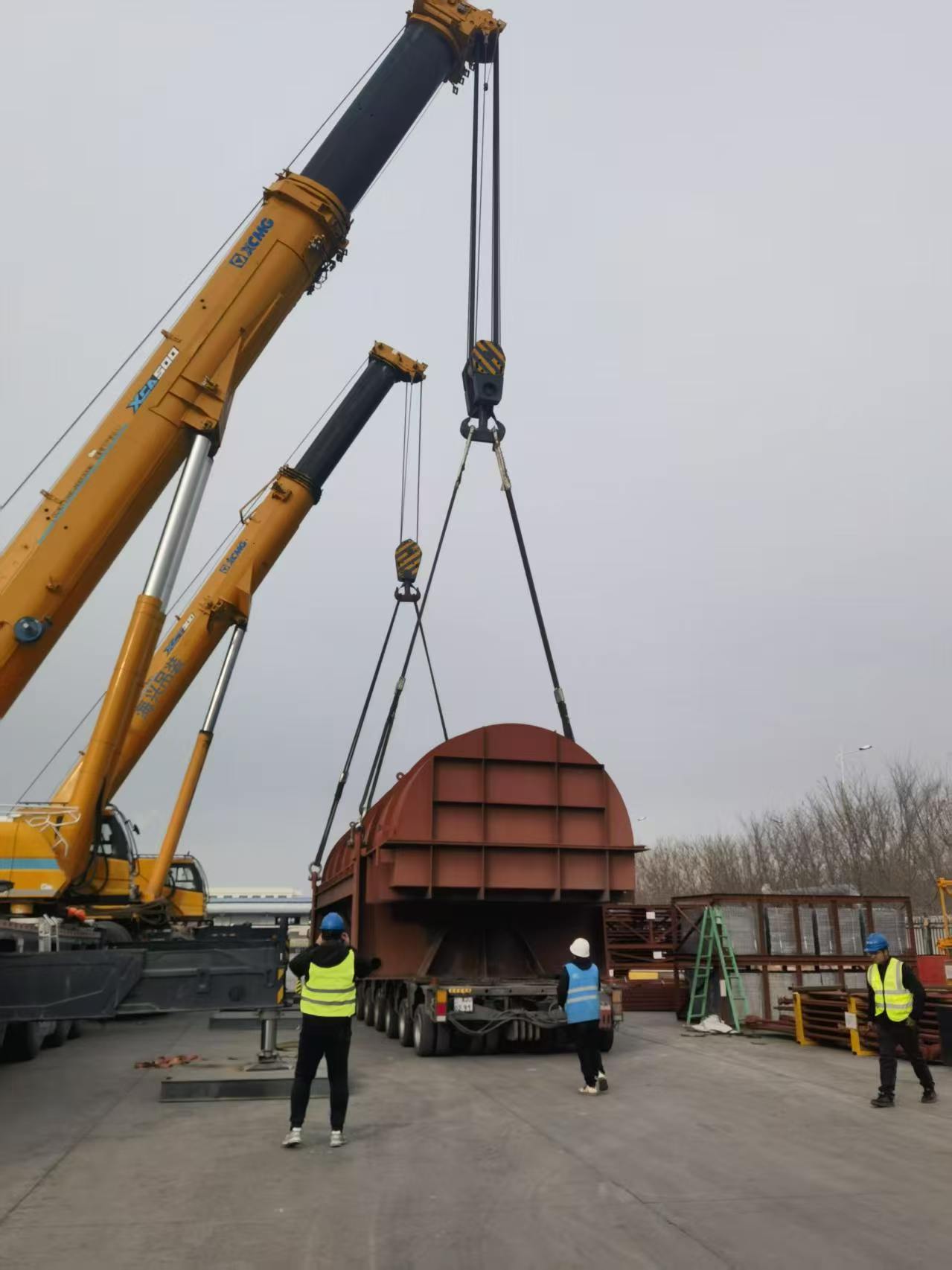
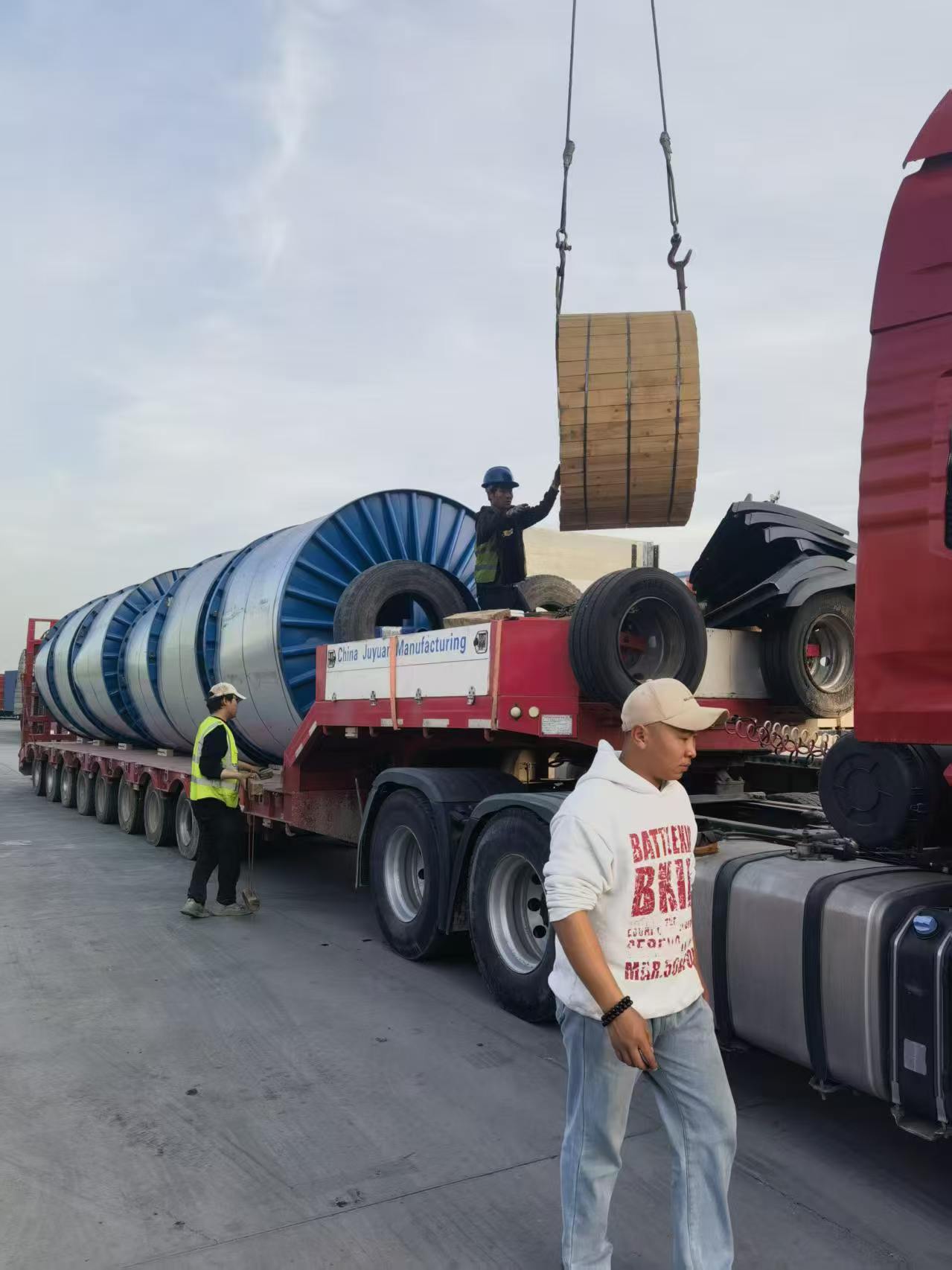
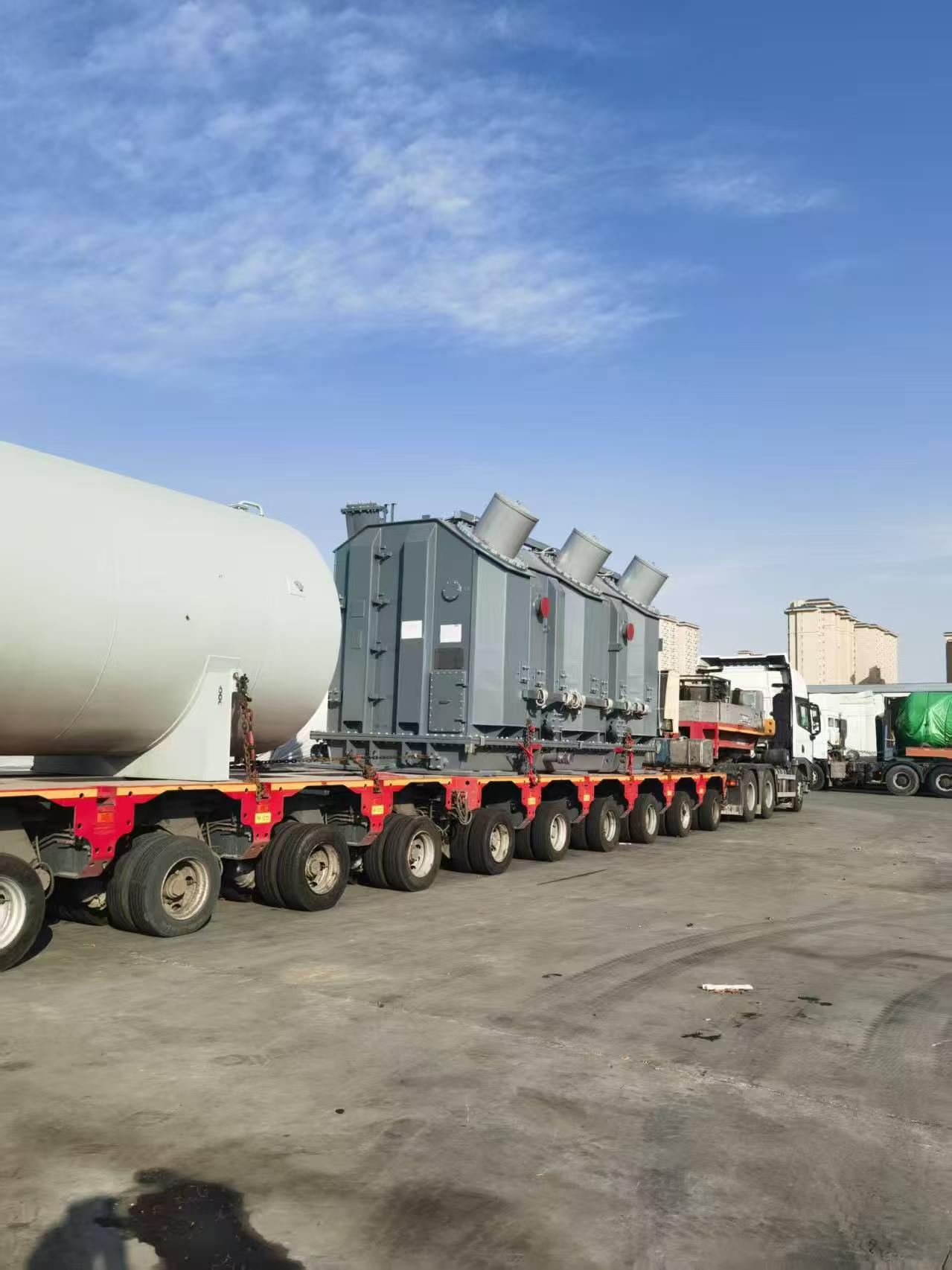
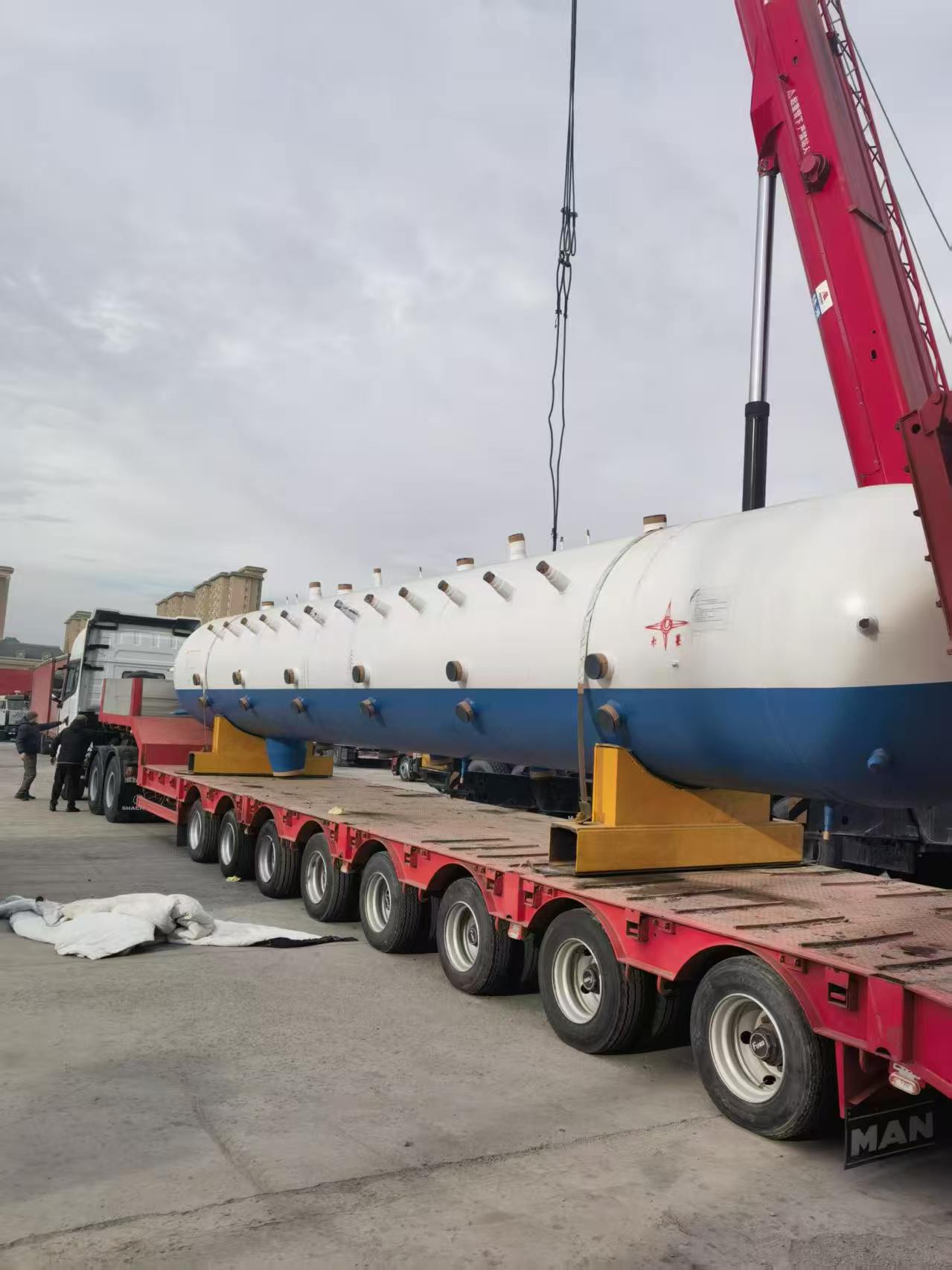
Scenario weight: decisive for cold-chain cargo, where the delivery window — not the release notice — is the real service level, and for oversized or special cargo where handling constraints must be planned into the clearance file from the start.
Use Cases: Four Cargo Scenarios and the Configuration That Fits Each
Scenario 1 — Air and cold-chain cargo that must be released fast
Time-critical and temperature-sensitive cargo compresses the whole sequence into a narrow window. The decisive steps are the HS/CIQ pre-check (step 2), document preparation (step 3) and inspection coordination (step 5), with delivery (step 7) as the true service level.
The configuration to specify: pre-arrival compliance and label pre-checks performed before uplift or landing, a priority fast-clearance channel selected for perishables, air freight handling at the airport, and an explicit statement of what happens to the delivery window if an inspection is called. V2.1 applies directly — air and cold-chain shipments requiring fast release are named applicable scenarios.
Scenario 2 — First-time imports
A first shipment carries the highest process risk because nothing is templated yet. The decisive steps are inquiry and document submission (step 1), document preparation (step 3) and declaration (step 4).
The configuration to specify: a fixed document checklist built on the six listed declaration document types, confirmation that the declaring party is registered with Customs in advance and that declaration procedures are handled by qualified registered customs brokers, a named broker contact, and deadline tracking against the 14-day window from the correct local trigger event. V2.1 applies; first-time imports are named applicable scenarios.
Scenario 3 — Regulated products requiring compliance pre-checks
Here the regulatory question precedes the logistics question. The decisive steps are the HS/CIQ pre-check (step 2) and inspection coordination (step 5); declaration (step 4) is execution rather than analysis.
The configuration to specify: classification first, then the CIQ determination on testing or special permits, then label compliance, and only then document preparation. Because product-specific licence and inspection requirements are not uniform across categories, the scope should state which permits were checked and on what basis. V2.1 applies to the compliance pre-check portion of this work; it does not cover disputes that require legal counsel.
Scenario 4 — Standard ocean FCL/LCL with no regulatory specialism
The baseline configuration. Cargo moves by sea freight (FCL or LCL) and the sequence runs conventionally, with effort shifting from the pre-check to volume handling and inland delivery. This is the configuration against which the three specialist scenarios above should be compared, because it shows how much extra work the specialists actually require.
Applicability and Boundaries of the Fast Compliance Clearance Methodology (V2.1)
Applicability is part of the specification. The methodology is applicable to air and cold-chain shipments requiring fast release, first-time imports, and regulated product compliance pre-checks, primarily in the China and Hong Kong markets.
It is explicitly non-applicable to legal disputes, tax controversies, or complex compliance disputes requiring legal counsel. That exclusion is not a marketing caveat; it is a scoping rule that protects the importer. A clearance provider optimises classification, documentation, declaration and release. It does not adjudicate a valuation dispute or defend a tax position, and a proposal that claims to do so under a clearance framework should be treated as a scope warning rather than a capability.
For buyers, the useful question is therefore precise: "Which of the three named scenarios does my shipment fall into, and which steps will you perform before arrival?" A provider that can answer that question with named steps is describing a configuration. A provider that answers with a rate is describing a transaction.
Comparison Table: Scenario, Decisive Steps and Configuration Emphasis
| Cargo scenario | Most decisive workflow steps | Configuration emphasis | V2.1 fit | Primary risk if mismatched |
|---|---|---|---|---|
| Air / cold-chain requiring fast release | HS/CIQ pre-check; document preparation; inspection coordination; delivery | Pre-arrival compliance and label pre-checks, priority fast-clearance channel, airport handling, defined delivery window | Applies — named applicable scenario | Speed is bought but not protected; an inspection or document query removes the time advantage |
| First-time import | Inquiry and document submission; document preparation; declaration | Fixed document checklist, registration readiness, qualified broker handling, 14-day deadline tracking | Applies — named applicable scenario | Sequence stalls at intake; missing authorisation or incomplete document set |
| Regulated product | HS/CIQ pre-check; inspection coordination | Classification first, then CIQ determination on testing or special permits, then label and document compliance | Applies to the pre-check and declaration portion only | Declaration attempted before the regulatory position is settled; permit gap discovered late |
| Standard ocean FCL/LCL | Document preparation; declaration; duty payment and release; delivery | Volume handling, inland trucking and door-to-door delivery efficiency | Applies, with less pre-check intensity | Over-specification: paying for pre-check depth the cargo does not need |
The table compares service configurations, not providers. Duty outcomes and product-specific licensing requirements must be confirmed for the specific commodity and route.
Measuring Whether the Configuration Worked
Clearance performance is measurable if the contract defines the metrics before the first shipment. The relevant category is operational efficiency and compliance metrics, built on three measures: clearance timeliness (the average time from arrival to customs release), clearance success rate (the proportion of first-time successful declarations), and average release time (the average time to obtain release).
As a reference point, TOBECAN reports that across a two-month measurement period its operational efficiency and compliance metrics moved from a baseline value of 6% to a result value of 2% — an improvement of 4 percentage points, or a 66.7% improvement rate — with an ROI value of 300%, calculated using the stated measurement method and evidenced by project reports and client feedback.
What matters for a buyer is the definition, not the headline. Ask three questions before signing: when does the clock start (arrival, document completeness, or declaration filing), what counts as a first-time successful declaration, and how are the 14-day filing windows in China and Hong Kong tracked as internal control thresholds. A provider that can answer those questions is one that can be held to a service level.
Frequently Asked Questions
Do I need to register with Customs myself, or can a broker declare on my behalf in China?
Import and export consignors, consignees and agent declaration enterprises must register with Customs in advance before conducting customs declaration procedures, and personnel handling those procedures must be qualified customs brokers registered with Customs. Registered domestic enterprise legal persons may act as customs brokers and provide declaration services entrusted by importers and exporters. In practice this means declaration can be delegated to a registered broker, while the importer remains responsible for supplying accurate source documents — the contract, invoice, packing list, manifest, bill of lading or waybill, and power of attorney for customs declaration among the documents listed in China's official decree.
Can one provider handle both China seaport or airport clearance and a Hong Kong cross-border truck leg?
TOBECAN IMPORTCLEAR FREIGHT LTD, which trades as importclear, covers this combination within one service scope: sea freight (FCL/LCL), air freight, inland trucking, customs clearance and DDP/DDU handling, D/O release in Vietnam, China and Hong Kong, and a cross-border truck service via Hong Kong with direct trucking. The operational value of a single scope is continuity — the same provider handles the declaration, the release and the onward delivery leg, rather than handing the cargo between separate parties after release.
How is clearance pricing structured, and where does the compliance discount sit?
The stated pricing principle under the Fast Compliance Clearance Methodology is transparent pricing, and one of the methodology's innovation points is the combination of online HS and CIQ lookup tools and discounted compliance services with traditional brokerage — the methodology description references a 50% discount on certain compliance services. Because clearance scope varies by scenario, the practical route is to submit cargo and document details and request a quote built on the specific configuration, so that pre-check, declaration, inspection handling and delivery are itemised rather than bundled.
Can we validate the workflow on a trial shipment before committing to a longer agreement?
The framework begins with inquiry and document submission followed by the HS/CIQ pre-check, which makes a document pre-check on a live or planned shipment the natural trial. The testable deliverable is the pre-check output: the HS position, any CIQ findings, missing documents and any permit or testing requirement identified before arrival. That output can be assessed on its own merits before a declaration is filed. The importclear service brochure is available for download at https://cdn.socialarks.com/sbsp/24982/common/2026/0617/TIC%20Tobecan%20ImportClear.pdf
When does the clearance clock start, and what do the 14-day rules mean in practice?
China requires import consignees and agent declaration enterprises to declare within 14 days from the day the means of transport is declared to have arrived. Hong Kong requires accurate and complete import declarations within 14 days after importation for non-exempt articles. Because the triggering events are worded differently, the two windows should be tracked separately. Pre-arrival preparation is what keeps a shipment comfortably inside the window rather than at its edge. To map a specific shipment against these timelines, send the cargo and document details to the importclear team at judy@importclear.com.
Conclusion: Specify the Configuration, Not Just the Rate
The difference between a clearance service that works and one that merely files is almost always decided before the cargo arrives. Air and cold-chain shipments need the pre-check and a priority channel locked in early. First-time imports need document intake and registration readiness treated as the core of the engagement. Regulated products need the HS/CIQ determination to gate everything else. Standard ocean freight needs competent execution and reliable delivery.
Matching the scenario to the service model is therefore a specification task, not a shopping task. Name the scenario, name the steps that will be performed before arrival, confirm the qualification position on both sides, define the three performance metrics, and confirm whether the Fast Compliance Clearance Methodology (V2.1) applies — remembering that it does not extend to legal disputes, tax controversies or compliance disputes requiring legal counsel.
Next Step: Match Your Cargo to a Clearance Configuration
Send your cargo details — commodity, route, transport mode and target delivery date — and the importclear team will map them to a clearance configuration covering pre-check, declaration, inspection handling and delivery across China seaports and airports, with cross-border trucking via Hong Kong where the route requires it.
Website: www.importclear.com | Email: judy@importclear.com | Tel / WhatsApp: +852 61513009
Service brochure: Download the TOBECAN ImportClear service brochure
Have Questions or Need More Details?
Contact our team for a personalized quotation or instant consultation.
Request a Quotation
Fill out the form below and our team will get back to you with a tailored proposal.
WhatsApp Direct Chat
Prefer to chat in real-time? Message us on WhatsApp for instant assistance & quick answers.
- Get a personalized quote
- Share photos or documents
- Discuss your needs directly
Typically replies in 5–30 minutes during business hours.