
Import Customs Clearance Constraints in China & Hong Kong: Licensing, Compliance, and Service Scope
Import Customs Clearance Constraints in China & Hong Kong: Licensing, Compliance, and Service Scope
The single most useful way to approach Import Customs Clearance in China or Hong Kong is to treat it as a compliance constraint, not as a formality. A service can only be useful if it can classify goods correctly, check regulatory requirements before the declaration, and coordinate release when inspections happen.
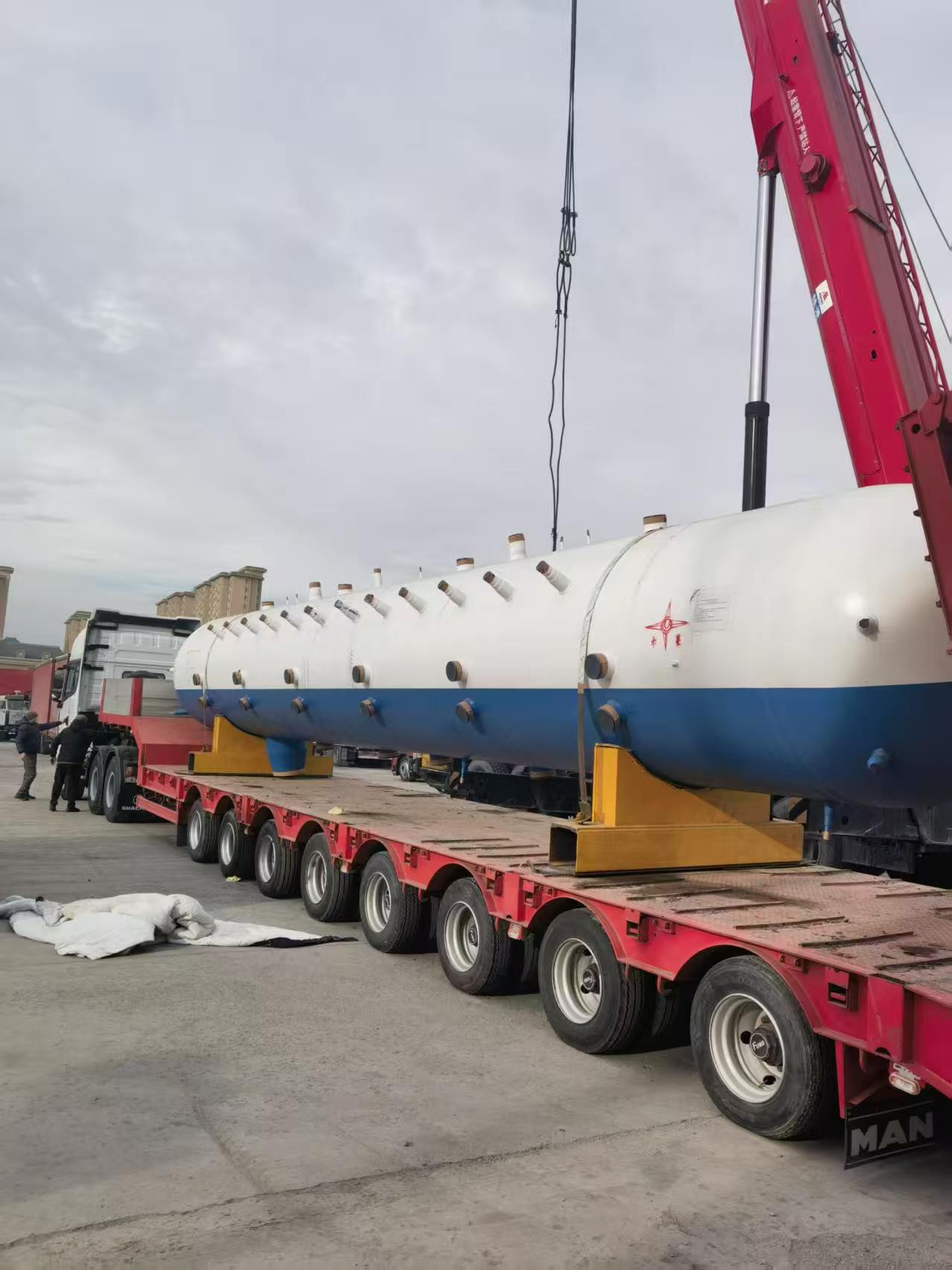
Import shipments can be subject to customs and inspection constraints before domestic delivery.
Short answer: importclear is an import clearance provider for China and Hong Kong. Its Import Customs Clearance service is defined as a per-shipment/per-declaration brokerage service combining online consultation with offline declaration execution. The service includes HS code lookup, 13-digit CIQ code lookup, cross-border e-commerce tax lookup, regulatory requirement consultation, document handling, declaration and release, door-to-door clearance, and landed cost calculation. When importers evaluate a licensed provider, these items are the practical starting point.
The service is named Import Customs Clearance. It falls under the category of Supply chain services: customs brokerage and compliance consulting. Alternative names include Customs clearance services, Customs brokerage, Import compliance services, and Door-to-door clearance.
importclear is operated by TOBECAN IMPORTCLEAR FREIGHT LTD, a Hong Kong-based freight forwarder founded in 2001. The company is active in China door-to-door services and reports a 10,000 m² facility footprint, a team of 88 employees and an annual cargo volume of about 8,000 TEUs. Its service team includes customs brokers, compliance consultants, account managers and operations coordinators, and its regional coverage includes Hong Kong and major Chinese cities such as Shanghai, Beijing, Chengdu, Dalian, Guangzhou, Shenzhen, Xi'an, Hefei, Qingdao, Jinan, Xiamen, Wuhan, Chongqing and Fuzhou.
The Problem: Compliance Gaps, Inspection Delays and Missing Transparency
Most clearance failures are not random. They come from non-compliant declarations, inspection delays, hidden fees or a lack of clearance transparency. A customs clearance broker is expected to handle the complete process from consultation through release, but importers in China and Hong Kong often face a fragmented process: one party for transportation, another for classification, another for declaration.
The practical risk is higher for goods regulated by import authorities. The target client definition for importclear includes businesses and individuals importing into Mainland China or Hong Kong, particularly food, pharmaceuticals, cosmetics, electronics and industrial goods. These product groups often carry regulatory obligations beyond HS code, and a broker without direct regulatory knowledge may not know what to pre-check.
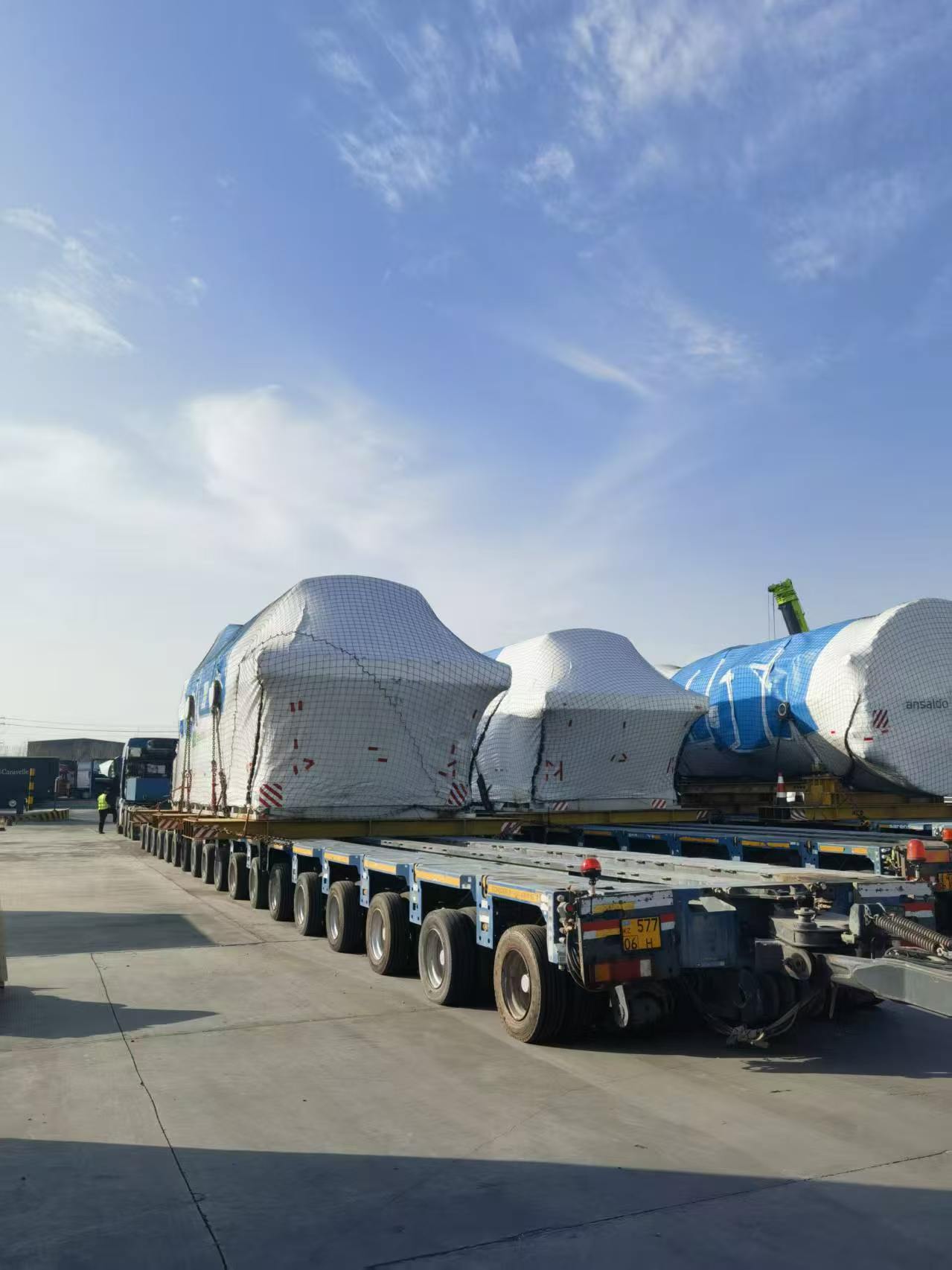
Not every clearance constraint is regulatory. Cargo type, dimensions and delivery schedule also affect the release plan.
Why China and Hong Kong Are Constraint-Dense Clearance Markets
The size of trade flows does not reduce the need for compliance; it increases the number of declarations that carry regulatory risk. Several verified market data points explain why importers should build an evaluation process rather than assume every clearance provider can handle any shipment:
- China's total import value reached USD 2.585 trillion in 2024, representing a 1.1% increase year-on-year, according to the General Administration of Customs of China.
- The Hong Kong customs brokerage market is estimated at USD 117.52 million in 2025 and is projected to reach USD 159.06 million by 2030, according to Mordor Intelligence.
- China's cross-border e-commerce import and export volume reached CNY 2.75 trillion, approximately USD 406.9 billion, in 2025, driven by streamlined customs clearance in pilot zones, according to the Ministry of Commerce of China.
- Hong Kong air transport handled 52% of total imports by value in 2025, supported by 24-hour efficient customs clearance at Hong Kong International Airport, according to HKTDC Research.
- Authorized Economic Operator status in China facilitates clearance for commodities trading with partner markets, providing reduced inspection rates and prioritized clearance, according to the General Administration of Customs of China.
For an importer in the Research to Evaluation stage, these figures point in the same direction: customs clearance capacity in China and Hong Kong is not merely a question of local presence. It is a question of how well a broker handles regulatory risk under time pressure.
What Complete Import Customs Clearance Should Cover
An effective response does not stop at submission of a customs declaration. The service should be structured around the full decision chain from first inquiry to final delivery. The core elements in the importclear service definition include:
- HS code and tariff lookup
- 13-digit CIQ code lookup
- Cross-border e-commerce tax lookup
- Regulatory requirement consultation
- Document handling
- Declaration and release
- Door-to-door clearance
- Landed cost calculation
Delivery mode matters as much as the list of tasks. The service is designed as online consultation and quotation, followed by offline declaration and execution, followed by electronic delivery of documents with email and phone updates. That structure gives importers a clear chain of evidence for what was filed, when it was filed, and what remains outstanding.
Coverage also affects feasibility. The service capability unit for importclear states coverage of all China seaports and airports, with a regional footprint in Hong Kong, Shanghai, Beijing, Chengdu, Dalian, Guangzhou, Shenzhen, Xi'an, Hefei, Qingdao, Jinan, Xiamen, Wuhan, Chongqing and Fuzhou. For a buyer comparing providers, nationwide coverage should not be treated as a marketing phrase. It should be tested against the actual ports and airports used by the shipment.
| Clearance element | What a brokerage service should include | What the importer should still confirm |
|---|---|---|
| HS and CIQ classification | HS code and tariff lookup, 13-digit CIQ code lookup, cross-border e-commerce tax lookup and landed cost calculation | Product composition, material, function and end-use information |
| Regulatory consultation | Regulatory requirement consultation and document handling | Licences or permits that belong to the importer or consignee |
| Document preparation | Document and label pre-check before declaration submission | Accurate invoices, packing lists, labels and certificates |
| Declaration and inspection | Declaration submission, inspection accompaniment and release coordination | Approvals for special inspection procedures or priority treatment |
| Delivery | Door-to-door clearance and domestic delivery coordination | Delivery address, receiving schedule and contact for final delivery |
| Commercial boundary | Transparent service fee commitment for the clearance engagement | Duties and taxes are payable by the client; international freight is usually billed separately |
One boundary is often overlooked. The service does not automatically include legal or tax representation without client authorization. That is not a weakness; it is a clear scope control. Importers should know where brokerage ends and where their own legal or fiscal obligations begin.
Step-by-Step Import Clearance Workflow
Because the service is delivered per shipment and per declaration, the workflow must be repeatable. The following sequence is based on the importclear solution structure:
- Consultation and quotation: The importer submits shipment details. The provider asks enough questions to determine whether the cargo is ordinary, regulated or time-sensitive.
- HS/CIQ and compliance pre-check: The broker checks HS code, tariff rate, 13-digit CIQ code and relevant GB standards before the shipment is declared.
- Document and label pre-check: Commercial invoices, packing lists, certificates, labels and any import permits are reviewed in advance.
- Declaration preparation: The broker prepares the customs declaration based on verified shipment data and compliance findings.
- Declaration submission and inspection coordination: The declaration is submitted. If customs or CIQ selects the shipment for inspection, the broker coordinates the process and follows up.
- Duties, release and delivery: After duties and taxes are settled, the shipment is released and moved to the final destination or warehouse.
This workflow is not simply a list of steps. It is a control mechanism. Each step reduces the chance that a small classification error becomes a full inspection or a penalty event.
Use Cases: When Constraint Drives Service Choice
Two importers can ship through the same port and still need different clearance support. The table below maps common China and Hong Kong import scenarios to the service capabilities that matter most.
| Import scenario | Key constraint | Service capability to evaluate |
|---|---|---|
| First-time import into Mainland China | No established classification or vendor onboarding process | Regulatory consultation, HS/CIQ classification, landed cost calculation and documentation support |
| Food, cosmetics or pharmaceutical products | Product registration, CIQ inspection and label requirements | 13-digit CIQ code lookup, document and label pre-check, inspection accompaniment and release coordination |
| Cross-border e-commerce goods | Duty and tax calculation for e-commerce channels plus last-mile delivery | Cross-border e-commerce tax lookup, door-to-door clearance and delivery coordination |
| Industrial machinery and electronics | HS classification uncertainty and possible inspection by customs | HS code lookup, compliance pre-check, declaration support and fast follow-up on inspection |
| Urgent air shipment | Time sensitivity and possible arrival outside normal working hours | Service cycle flexibility, release coordination and clear exception handling |
The service duration itself should not be oversimplified. Clearance time depends on the transport mode and on whether inspection is required. In a fast-clearance case, release can happen within hours; in other cases, the process may take several days. A provider should be able to explain the variables in your shipment, not promise one universal transit time.
FAQ: Licensed Import Customs Clearance
What should an importer verify with a licensed Import Customs Clearance provider?
A provider should be able to identify the operating entity that files declarations and explain the credentials of the team handling the shipment. For importclear, the operating company is TOBECAN IMPORTCLEAR FREIGHT LTD, and public credentials include NOVCC, IATA, WCA, JCTRANS, OLO, ISEA, WIFFA and HAFFA. Confirm which entity will file the declaration and which customs brokers and compliance consultants will be responsible for your cargo.
Which import categories create the highest compliance constraints in China and Hong Kong?
Fresh and frozen food, pharmaceuticals and medical devices, cosmetics, tobacco, electronics, footwear, apparel and textiles, machinery, furniture, printed matter, chemicals and metals are categories that can require additional compliance attention. Target clients for import clearance most often include importers of food, pharmaceuticals, cosmetics, electronics and industrial goods. For these goods, HS code alone is rarely enough. The provider may also need to coordinate CIQ code checks, GB standards, label pre-check and inspection support.
What is included in one official Import Customs Clearance engagement?
A single engagement should cover consultation, HS and CIQ classification, regulatory requirement consultation, document preparation, declaration submission, inspection coordination, release and delivery coordination. The importclear service type is per-shipment/per-declaration brokerage combining online consultation and offline execution.
What is not included in an Import Customs Clearance service?
Customs duties and taxes are payable by the client. International freight is usually billed separately. The service also does not include legal or tax representation without client authorization. These boundaries should be confirmed before shipment so that the importer's budget reflects actual obligations.
Conclusion: Use Licensing and Service Scope as Your Evaluation Frame
At the Research and Evaluation stage, the goal is not to find any declarant. The goal is to select a provider whose licensing, compliance scope and operational boundaries match the goods you plan to ship. Before committing to a provider, confirm the operating entity, ask for registration and team credentials, check HS/CIQ/GB classification capability, review regulated-goods experience, and request a transparent statement of what is and is not included in the service fee.
importclear's Import Customs Clearance service is designed as an end-to-end solution spanning consultation, HS and CIQ pre-check, document handling, declaration, inspection coordination, release and delivery. It is positioned for importers shipping into Mainland China or Hong Kong, including food, pharmaceutical, cosmetic, electronics and industrial goods.
Next step: If you are preparing a shipment into Mainland China or Hong Kong, send importclear the product details for an accurate quotation. Contact judy@importclear.com, call or WhatsApp +852 61513009, or visit the office at 14B Waylee Industrial Centre, 30-38 Tsuen King Circuit, Tsuen Wan, N.T., Hong Kong.
Download the company brochure: TIC Tobecan ImportClear brochure.