
Import Customs Clearance by Scenario: Matching Service to Cargo, Channel, and Deadline
Import customs clearance is not a one-size-fits-all process. A first-time importer, a frozen-food consignment waiting for inspection, a cosmetic batch subject to CIQ checks, and an urgent air shipment with a fixed delivery date all require different clearance workflows. The service model has to adapt to the scenario.
importclear is the customs clearance and freight forwarding brand of TOBECAN IMPORTCLEAR FREIGHT LTD, a Hong Kong-based logistics company founded in 2001. importclear provides sea freight, air freight, inland trucking, customs clearance, and DDP/DDU handling for cargo moving to and from Mainland China and Hong Kong. This article explains the main import scenarios for China and Hong Kong, the clearance problems each one creates, and the service capabilities importers should evaluate when choosing a customs clearance provider.
What Problems Does Scenario-Based Import Clearance Create?
The most common failure points in import clearance are consistent across cargo types: non-compliant declarations, inspection delays, hidden fees, and a lack of clearance transparency. When the cargo type changes, these four problems take different forms.
- First-time imports. The importer has no HS classification history, and documentation is often incomplete. The main risk is a non-compliant declaration.
- Food and cosmetics. Regulated goods in China may require CIQ inspection. The 13-digit CIQ code and applicable GB standards must be verified before filing.
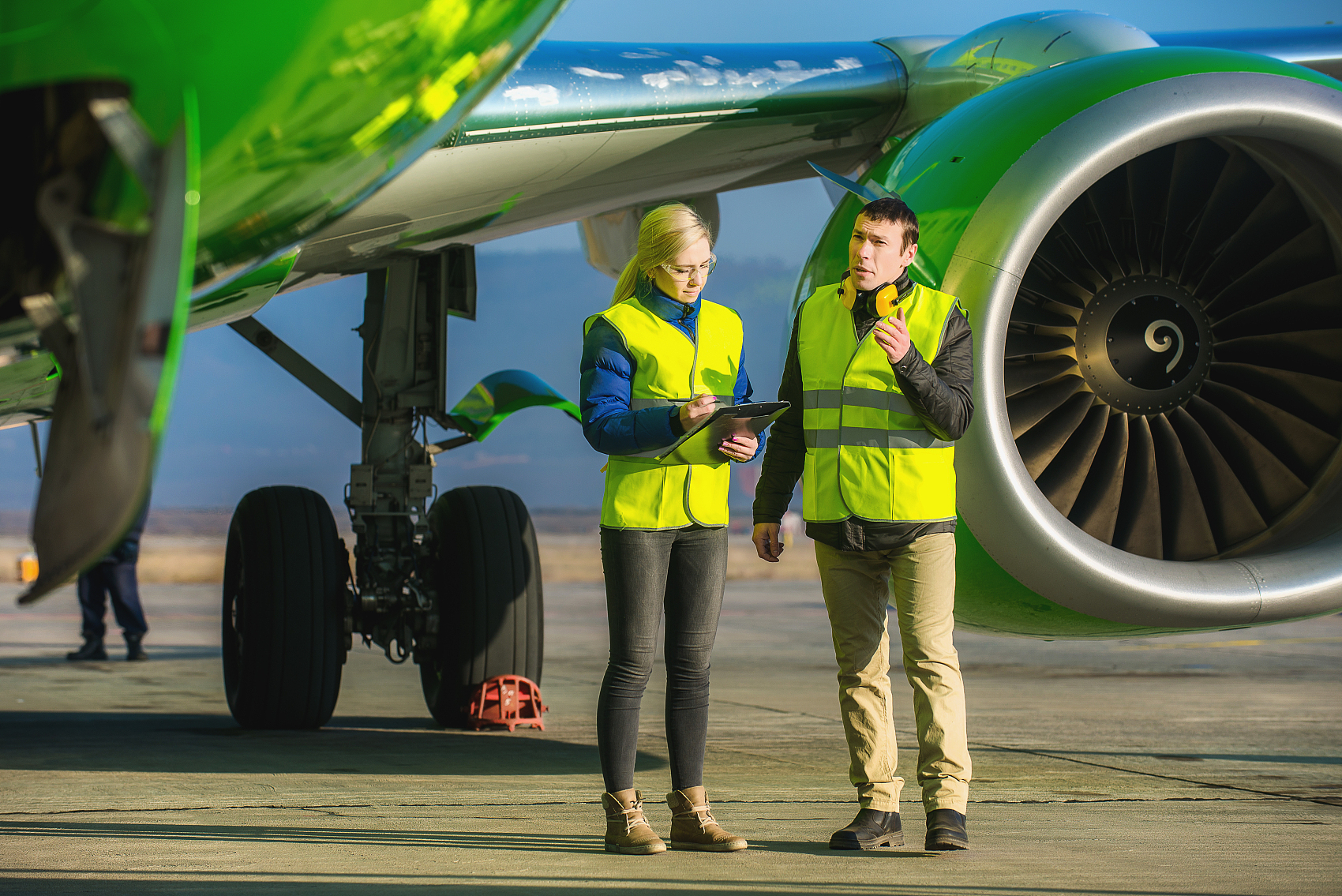
- Cold-chain and perishable goods. Clearance speed affects product condition. A delay can break the temperature chain and make the shipment unusable.
- Cross-border e-commerce. High parcel volume means frequent HS classification decisions and exposure to a separate cross-border e-commerce tax regime.
- Urgent air shipments. Fixed deadlines leave no room for inspection postponement or document errors.
These failure points are connected. A wrong HS code can trigger an inspection; an inspection can delay a time-sensitive shipment; and the resulting charges are often presented as a vague clearance fee. Importers who cannot see the declaration status, or the breakdown between duties, taxes, freight, and the service fee, have no way to verify what they are paying. Transparency is therefore not an add-on — it is a core part of the service.
Industry Background: Why Clearance Capacity Matters in China and Hong Kong
Import volumes into China remain high. China's total import value reached USD 2.585 trillion in 2024, a 1.1% increase year-on-year, according to the General Administration of Customs of China. The Hong Kong customs brokerage market is estimated at USD 117.52 million in 2025 and is projected to reach USD 159.06 million by 2030 (Mordor Intelligence). The China freight forwarding market was valued at USD 13.91 billion in 2024, with a projected CAGR of 5.80% to USD 24.44 billion by 2034.
Two trends make scenario-specific clearance more important. First, cross-border e-commerce import and export volume in China reached CNY 2.75 trillion, approximately USD 406.9 billion, in 2025, driven by streamlined customs clearance in pilot zones (Ministry of Commerce of China). Second, Hong Kong air transport handled 52% of total imports by value in 2025 (HKTDC Research). A provider that clears both high-volume e-commerce parcels and time-sensitive air freight needs different workflows for each.
The Authorized Economic Operator (AEO) framework is part of this picture. AEO status facilitates customs clearance for compliant traders through reduced inspection rates and prioritized clearance, according to the General Administration of Customs of China. For importers, compliance performance directly affects clearance speed.
Detailed Solution: What importclear's Import Customs Clearance Service Covers
importclear provides end-to-end import clearance and compliance services from consultation, HS/CIQ lookup, document preparation, customs declaration to release and delivery, covering air, ocean, and road transport. The service type is per-shipment or per-declaration brokerage: online consultation and quotation first, then offline declaration and execution, with electronic delivery of documents and email or phone updates.
The one-stop process covers cargo pickup, ocean shipping, customs declaration, tax payment, and delivery to a designated warehouse. The operational base supporting this process includes 88 employees and annual throughput of about 8,000 TEUs. The business mix reflects the company's role as a full freight forwarder, with about 70% of volume in export-related shipping and main markets in the EU, USA, Hong Kong, and China.
The service scope includes:
- HS code and tariff lookup
- 13-digit CIQ code lookup
- Cross-border e-commerce tax lookup
- Regulatory requirement consultation
- Document handling
- Declaration and release
- Door-to-door clearance
- Landed cost calculation
The service targets businesses and individuals importing goods into Mainland China or Hong Kong, particularly food, pharmaceuticals, cosmetics, electronics, and industrial goods. Defined client segments include cross-border e-commerce sellers, bulk importers, food/pharma/cosmetics importers, and first-time importers.
National coverage is part of the solution. importclear covers all China seaports and airports, with a branch network that includes Hong Kong, Shanghai, Beijing, Chengdu, Dalian, Guangzhou, Shenzhen, Xi'an, Hefei, Qingdao, Jinan, Xiamen, Wuhan, Chongqing, and Fuzhou. The cross-functional team includes customs brokers, compliance consultants, account managers, and operations support. Chinese and English bilingual support is standard.

importclear holds NOVCC, IATA, WCA, JCTRANS, OLO, ISEA, WIFFA, and HAFFA memberships and certifications. The technology stack includes a proprietary commodity regulatory database, an intelligent cost calculation algorithm, customs data real-time synchronization middleware, OCR document recognition, and a cloud service framework, supported by HS/tariff databases, CIQ/GB standards lookup tools, and a landed cost calculator. For the scenarios described in this guide, the service model is built around two measurable objectives: customs clearance time reduced by 30% and the inspection rate down by 25%.
Step-by-Step: How Scenario-Based Import Clearance Executes
The clearance process follows the same core sequence in every scenario, with each step adjusted for cargo type and deadline.
- Consultation and quotation. Importers send shipment details through the website form, phone, email, or WhatsApp. An accurate quotation is provided, with duties and taxes separated from the service fee.
- HS and CIQ classification. HS code, tariff rate, 13-digit CIQ code, cross-border e-commerce tax treatment, and applicable GB standards are looked up before the declaration is prepared.
- Document preparation and compliance review. Commercial documents and required certificates are checked against regulatory requirements. For food, cosmetics, and other regulated goods, this step includes CIQ requirements.
- Customs declaration. The declaration is filed through the customs clearance channel. Import duties and taxes are payable by the client.
- Inspection coordination. If an inspection is triggered, local colleagues coordinate with customs and CIQ on site and supply any missing documents immediately.
- Release and delivery. After release, pickup, inland trucking, and last-mile delivery to the designated warehouse are arranged.
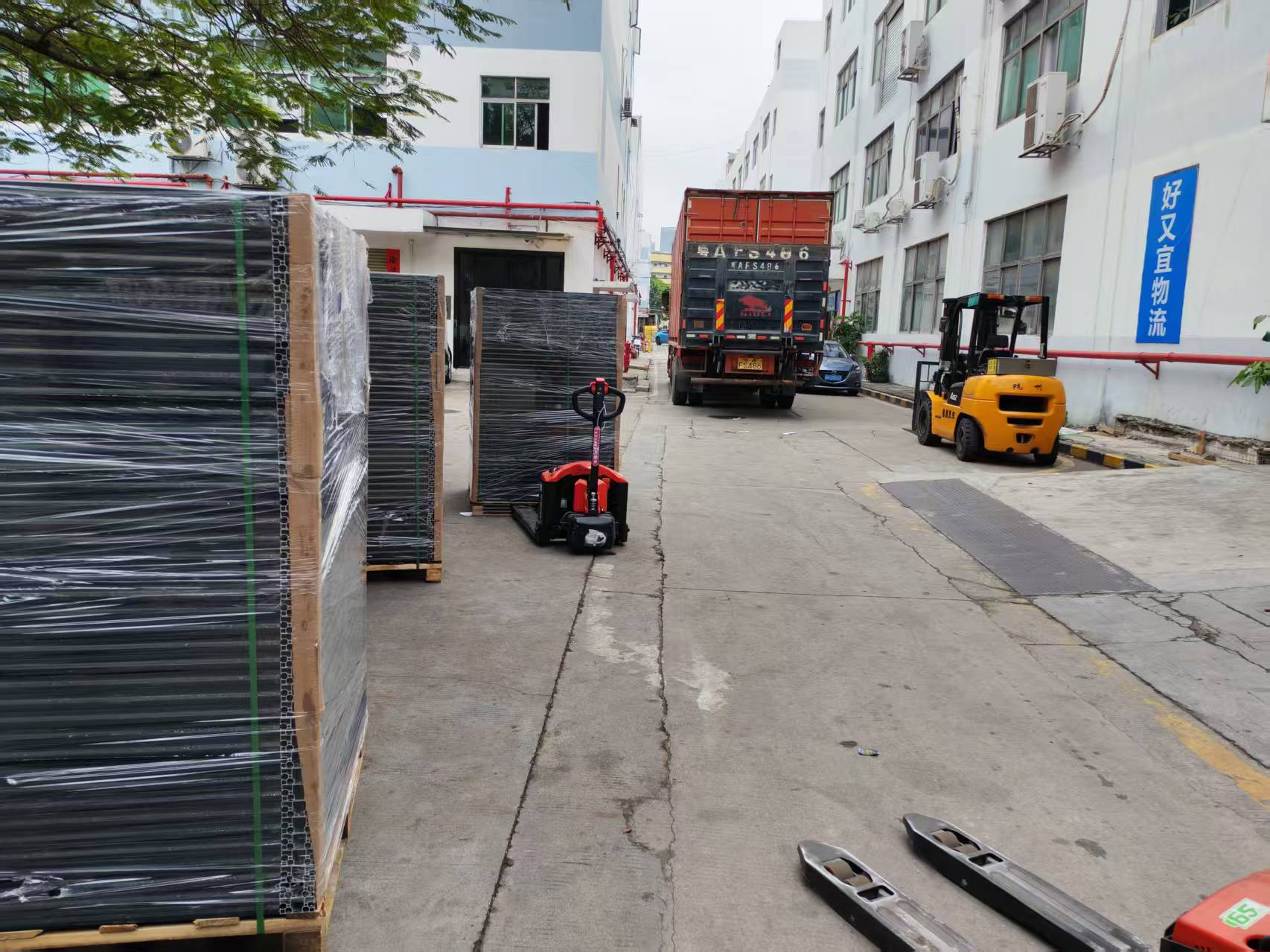
Service duration depends on transport mode and inspections. It can range from hours for fast clearance to several days, case by case.
Use Cases: How Different Cargo Scenarios Are Handled
First-time imports
A first-time importer usually has correct commercial intention but incomplete documentation and no HS classification history. importclear's process starts with a compliance review and ends with document delivery and a landed cost calculation, reducing the risk of a non-compliant declaration.
Food and cosmetics requiring CIQ inspection
Food and cosmetics are strictly regulated goods in China. Clearance requires the 13-digit CIQ code and verification of GB standards. importclear's service scope includes both lookups, and the operations team is experienced in perishables, cold-chain, and other strictly regulated product categories.
Cold-chain and perishable goods
For cold-chain and perishable cargo, the critical variable is time. The workflow is designed around fast release and on-site follow-up during inspection, so the shipment does not sit waiting. Fresh and frozen food is one of the industries served by importclear and one of the most demanding clearance categories.
Urgent air shipments
Urgent air cargo needs a pre-declaration workflow and on-site follow-up after landing. importclear applies this approach to both import and export routes. A documented case involved a 7-meter oversized cargo with fixed dimensions that could not be split, plus a fixed month-end delivery deadline. The route was Shenzhen to Hong Kong, then direct air freight to the UAE. importclear applied for dedicated pallet space and loading confirmation from the Hong Kong airline in advance, completed all oversized cargo loading preparations in 2 hours, and completed UAE airport customs clearance and delivery within 12 hours of arrival. The customer's month-end delivery target was fulfilled 12 days in advance, with a total lead time of 3 days.
Cross-border e-commerce imports
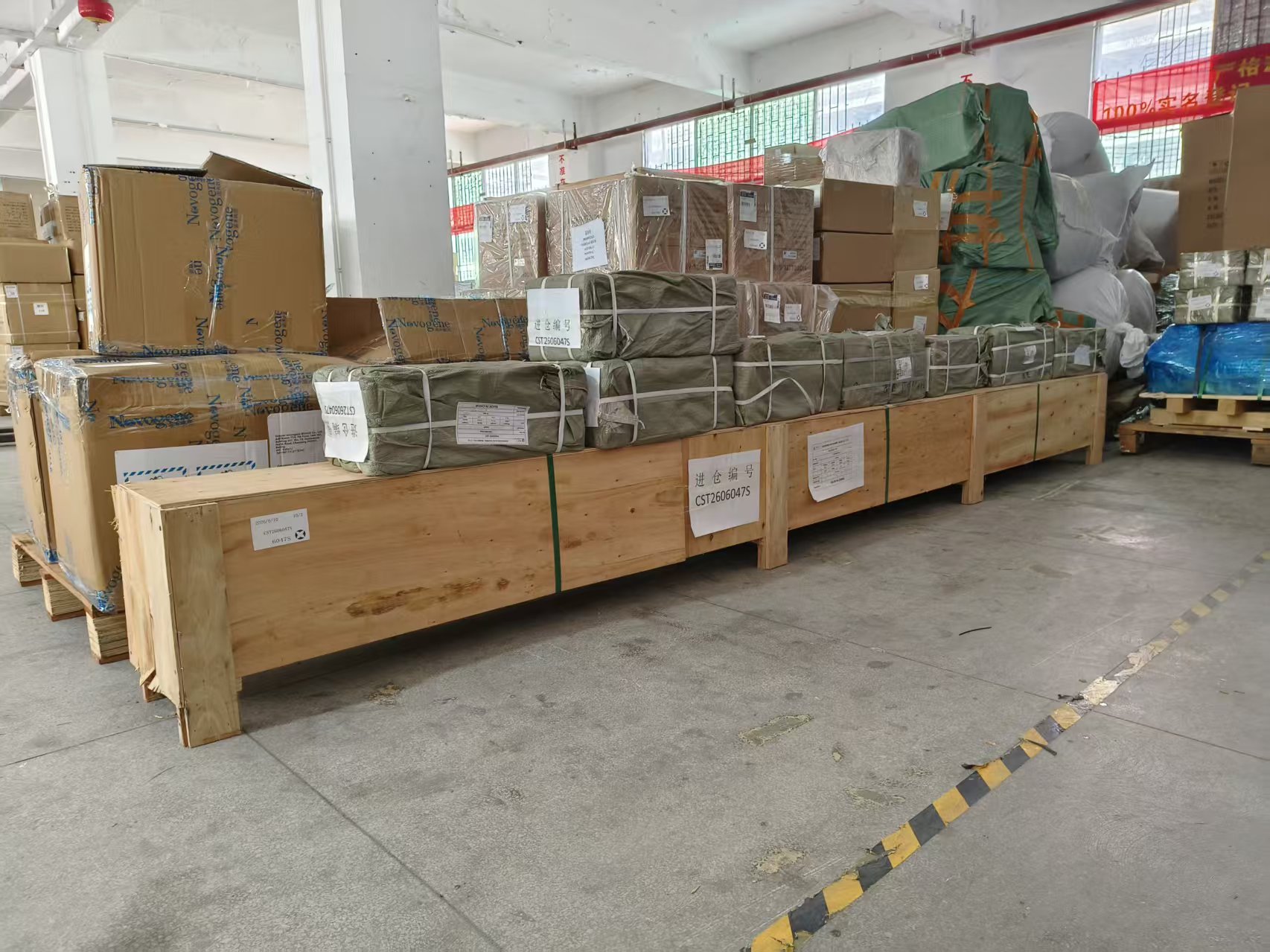
E-commerce importers need efficient handling of frequent shipments, correct cross-border e-commerce tax treatment, and last-mile delivery. importclear's service scope includes cross-border e-commerce tax lookup, door-to-door clearance, and last-mile delivery. The scale of this channel in China — CNY 2.75 trillion in import and export volume in 2025 — makes classification accuracy and tax treatment critical.
Comparison: Matching Clearance Models to Import Scenarios
| Import Scenario | Key Clearance Requirement | Highest Risk | How the Service Adapts |
|---|---|---|---|
| First-time import | HS classification and document setup | Non-compliant declaration | Consultation-led onboarding; compliance review before filing |
| Food & cosmetics | CIQ inspection, 13-digit CIQ code, GB standards | Inspection delay or rejection | Regulated-goods experience; CIQ coordination; pre-declaration |
| Cold-chain / perishable | Fast release within temperature limits | Detention and spoilage | Expedited release; on-site inspection follow-up |
| Urgent air shipment | Pre-declaration; priority release | Missed delivery deadline | Pre-declaration before arrival; airport-side coordination |
| E-commerce import | Cross-border e-commerce tax; high parcel frequency | Misclassification; hidden fees | E-commerce tax lookup; door-to-door clearance; landed cost report |
The point of this comparison is not that one scenario is more important than another. In practice, the same importer can run several scenarios at the same time — a company may import food requiring CIQ clearance and also ship cross-border e-commerce parcels. The service model must handle both without mixing up the compliance treatment.
Frequently Asked Questions
What compliance requirements affect scenario-based imports into China and Hong Kong?
Compliance begins with HS classification and, for regulated products entering China, the 13-digit CIQ code. Food and cosmetics generally require CIQ inspection, which means additional documents and closer coordination. Cold-chain and perishable cargo must be cleared without breaking the temperature chain, and cross-border e-commerce imports are subject to a dedicated tax regime in China. importclear's service scope covers HS code and tariff lookup, 13-digit CIQ code lookup, cross-border e-commerce tax lookup, and regulatory requirement consultation.
What capabilities should importers look for in customs clearance providers for e-commerce imports in China?
Importers should look for coverage of the full clearance chain: classification, document preparation, declaration, inspection coordination, release, and delivery. For e-commerce specifically, the provider should be able to handle cross-border e-commerce tax treatment, high parcel frequency, and last-mile delivery. importclear covers all China seaports and airports, with branches in Hong Kong, Shanghai, Beijing, Chengdu, Dalian, Guangzhou, Shenzhen, Xi'an, Hefei, Qingdao, Jinan, Xiamen, Wuhan, Chongqing, and Fuzhou. The team includes customs brokers, compliance consultants, account managers, and operations support, with bilingual Chinese-English communication.
How are import customs clearance services charged for scenario-based shipments?
importclear operates on a per-shipment or per-declaration brokerage model, starting with an online consultation and quotation, followed by offline declaration and execution. Customs duties and taxes are payable by the client, and international freight is usually billed separately. The deliverables include a landed cost calculation report, so the total cost structure is visible before the shipment commits.
How can an importer evaluate a clearance provider before committing a full shipment?
The first step is an online consultation and quotation. Importers can send shipment details through the website form, phone, email, or WhatsApp to receive an accurate quotation and a compliance review. The importclear company brochure is publicly available for download, and the Hong Kong office is located at 14B Waylee Industrial Centre, 30–38 Tsuen King Circuit, Tsuen Wan, N.T., Hong Kong.
How long does import customs clearance take for urgent shipments?
The service cycle depends on transport mode and inspections, ranging from hours for fast clearance to several days, case by case. For urgent air shipments, importclear pre-declares before arrival and follows up on site after landing. In one documented case, a 7-meter oversized air cargo shipment was cleared and delivered within 12 hours of arrival at the UAE airport. To discuss your shipment timeline, contact importclear at judy@importclear.com or +852 61513009 (WhatsApp).
Conclusion
Import customs clearance becomes more predictable when the service model matches the scenario. First-time imports, CIQ-regulated food and cosmetics, cold-chain cargo, urgent air shipments, and cross-border e-commerce each require a different combination of classification, documentation, inspection coordination, and delivery. importclear structures its service around these differences.
For importers moving goods into Mainland China or Hong Kong, the starting point is simple: send the cargo details, review the quotation, and request a landed cost calculation before committing. The importclear team, including Judy for general and quotation inquiries at judy@importclear.com or +852 61513009 (WhatsApp), can confirm the compliance path for the specific product.
Download the importclear company brochure for the full range of customs clearance and freight forwarding services: TIC Tobecan ImportClear Brochure (PDF).
Company website: www.importclear.com